











So, you're wondering what custom drapery really costs. Let's get right to it.
For a single, standard window (around 40"W x 84"H) in an Atlanta home, the investment typically falls between $1,500 and $5,000+. This isn't a vague guess. This range covers everything from beautifully simple linen panels to a fully bespoke, motorized masterpiece crafted from exquisite designer fabrics.
You're not just buying curtains; you’re commissioning art for your windows.
Unlike grabbing something off a big-box shelf, custom drapery is an investment in a flawless fit, superior materials, and the kind of American craftsmanship that endures. The final price tag is a blend of key ingredients, from luxurious designer fabrics you can’t stop touching to the intricate hardware that completes the look.
This guide gives you real-world numbers. Whether you're dreaming of elegant linen panels for a Roswell sunroom or a show-stopping, interlined silk statement for your Buckhead dining room, understanding the cost is the first step.
Benchmarking Your Project: From Simple to Showstopper
It's clear that homeowners are prioritizing personalization over mass-produced alternatives. In fact, the global custom drapery market is valued at $3.27 billion in 2024 and is projected to climb to $5 billion by 2035. This trend is alive and well right here in North Georgia, from Marietta to Milton, where homeowners and designers we work with are seeking unique, lasting solutions for their homes.
To help you visualize your investment, here's a look at what different project levels might look like.
This chart breaks down the custom drapery cost into three common project tiers, from essential elegance to ultimate luxury.
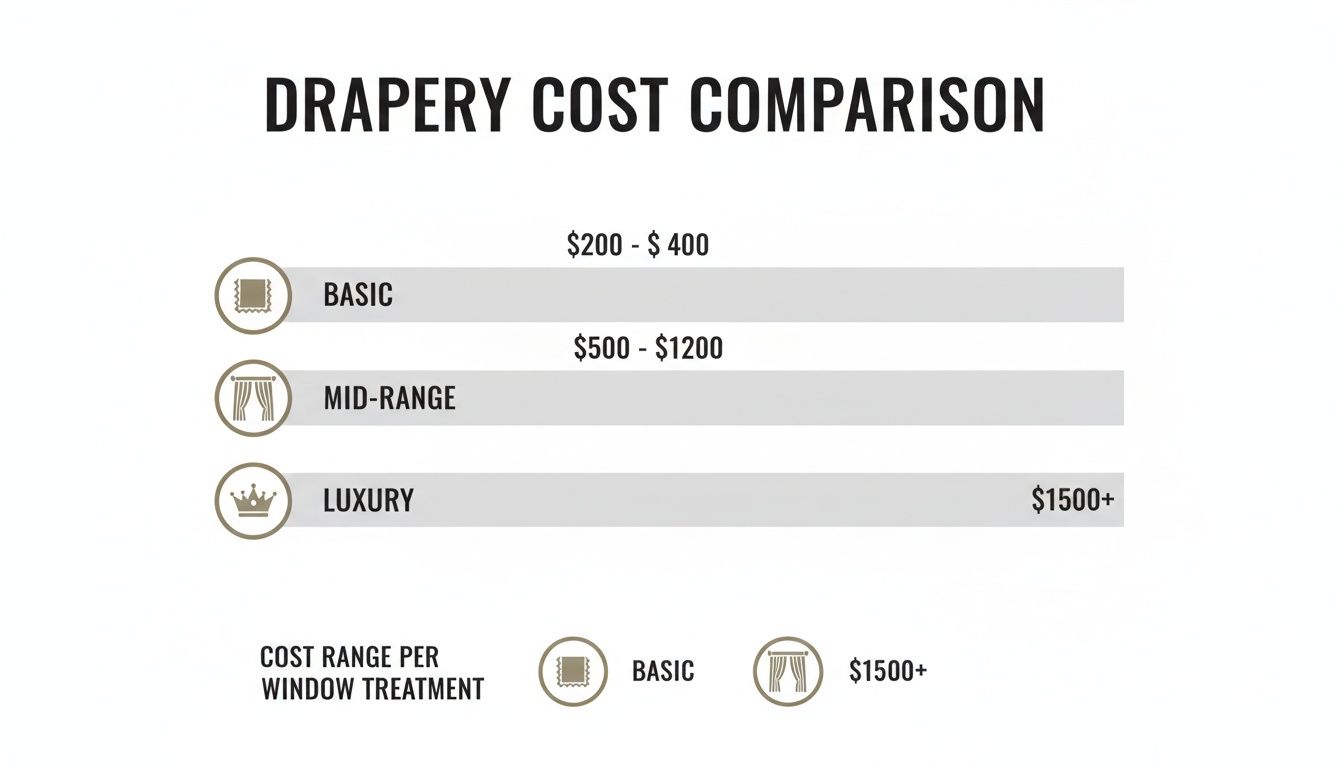
As you can see, the jump from Mid-Range to Luxury often involves more intricate labor, premium hardware, and those truly sumptuous textiles from our exclusive collections. These are the details that transform a window treatment into a central design element.
To make it even clearer, let's look at a few examples for a standard window.
Custom Drapery Cost Scenarios at a Glance
This table breaks down a few common scenarios for a single standard window (approx. 40"W x 84"H) to show how different choices in fabric, hardware, and labor affect the final price.
| Drapery Style | Fabric & Lining | Hardware & Labor | Estimated Cost Range (Per Window) |
|---|---|---|---|
| Basic Elegance | Simple linen-blend fabric, unlined or with standard cotton lining. | Standard decorative rod and rings. Straightforward installation. | $1,500 – $2,200 |
| Mid-Range Refinement | Designer print fabric with standard or blackout lining. | Higher-end decorative hardware. Professional measure and installation. | $2,200 – $3,500 |
| Luxury Statement | High-end silk or velvet, with bump interlining for fullness and insulation. | Custom hardware, possibly a traverse rod. Complex installation. | $3,500 – $5,000+ |
Think of these as starting points. The real magic—and the final cost—comes down to the specific details that will make your drapery uniquely yours. In the next sections, we'll break down exactly what drives these costs, empowering you to make the perfect choice for your space.
What Goes Into the Price of Custom Drapery?
So, what’s really behind the numbers? To understand what custom drapery costs, you have to look beyond the final price tag and see what goes into it. Let’s pull back the curtain on the seven core elements that shape your investment.
Think of it like commissioning a custom sofa from an artisan maker like Verellen or Wesley Hall. You're not just paying for wood and fabric; you're paying for design, high-quality materials, and true artistry. Custom drapery is no different.
1. The Fabric: The Soul of the Project
The fabric is almost always the single biggest factor in the cost. It’s the visual centerpiece and, fittingly, the heart of your budget.
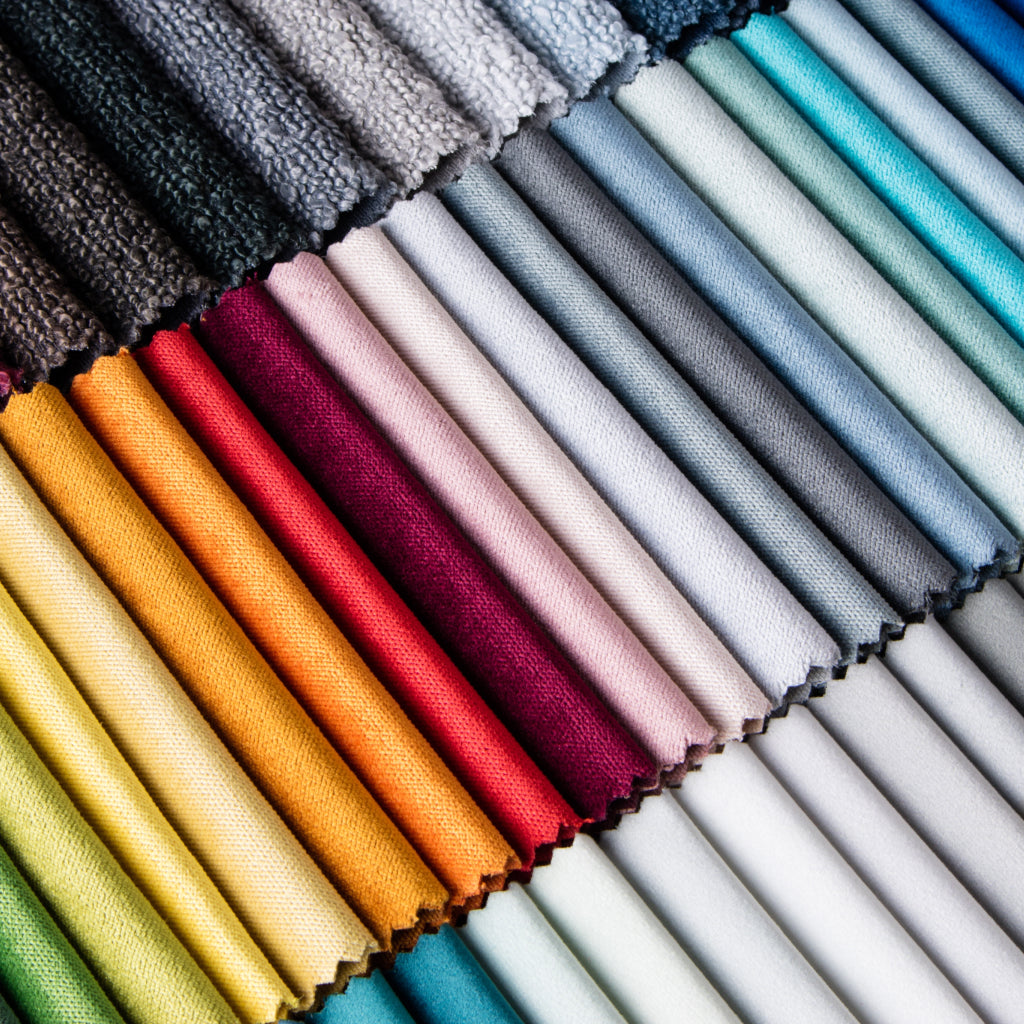
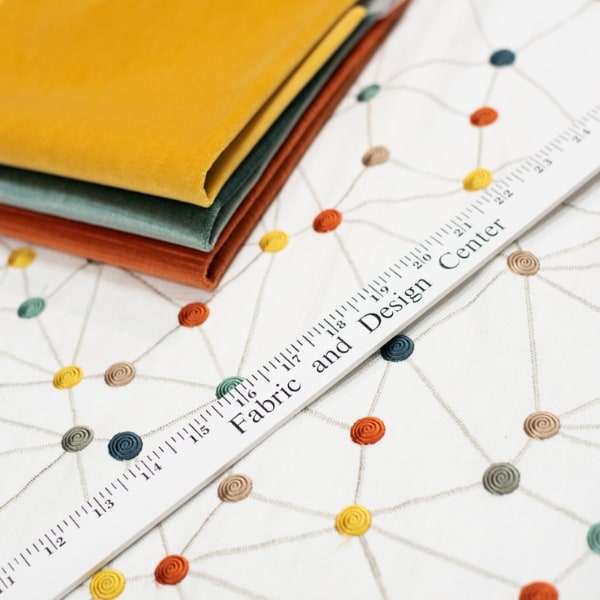
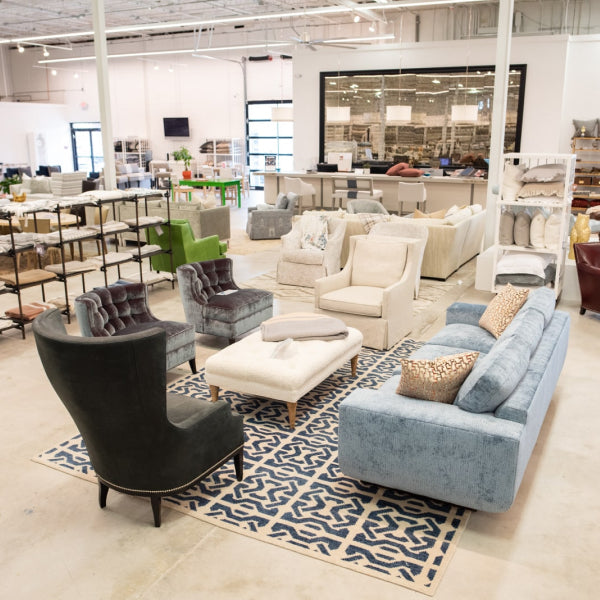
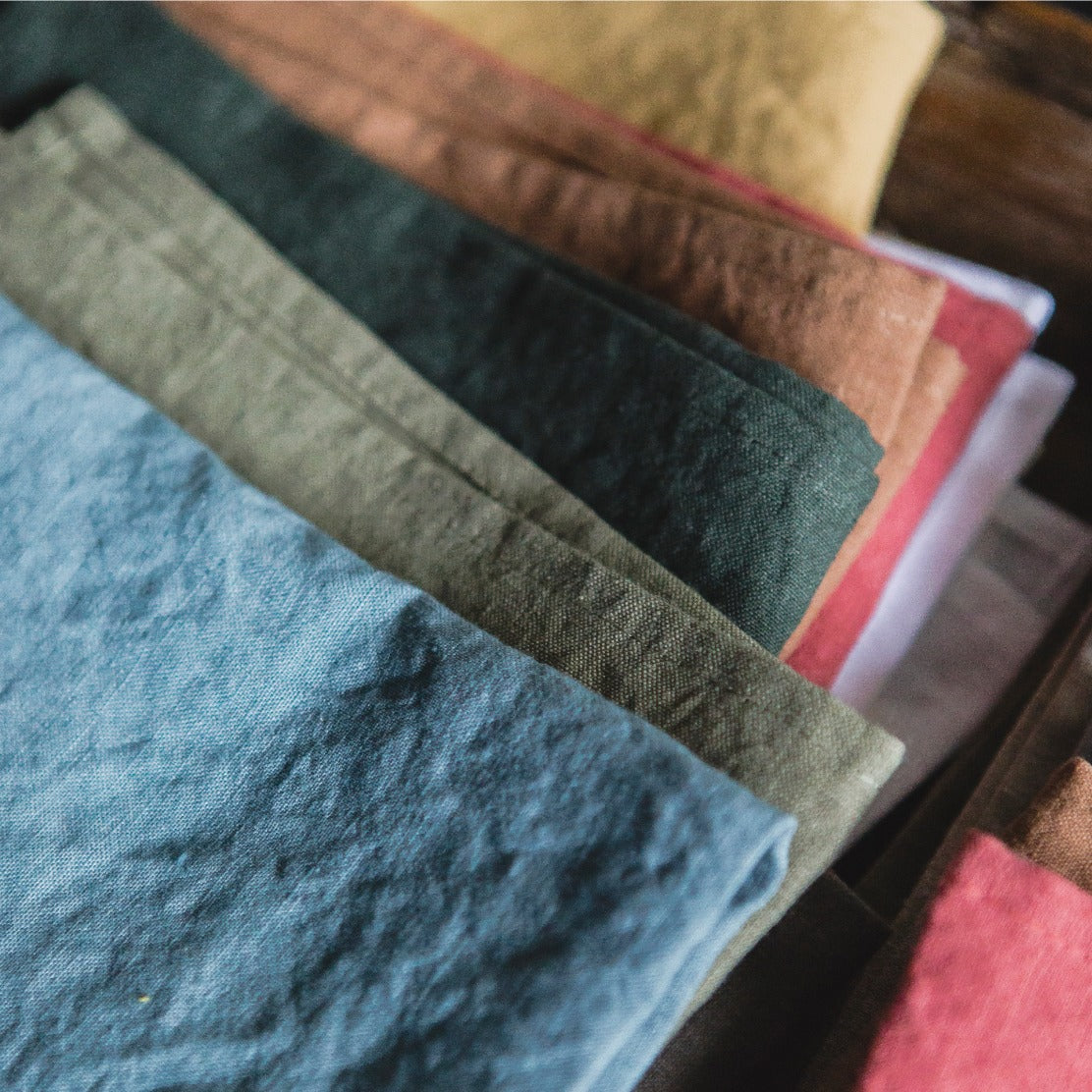
Our Atlanta fabric showroom is filled with textiles that tell a story—from ethereal Belgian linens that filter light beautifully in a Roswell home to durable, high-performance fabrics perfect for a busy family in East Cobb. A hand-printed designer fabric will naturally cost more than a solid-color linen blend, and that choice sets the financial foundation for everything else.
2. Fullness and Pleat Style: The Art of the Drape
Next up is the structure and silhouette. Fullness is simply how much fabric is used relative to the window’s width. A standard, high-quality drape uses 2.5 times the width of the window, but for that truly opulent, luxurious look, designers often specify 3 times fullness. More fabric means a higher cost, but the result is a much richer, more substantial appearance.
The pleat style—or the header—also plays a huge role in the final look and price.
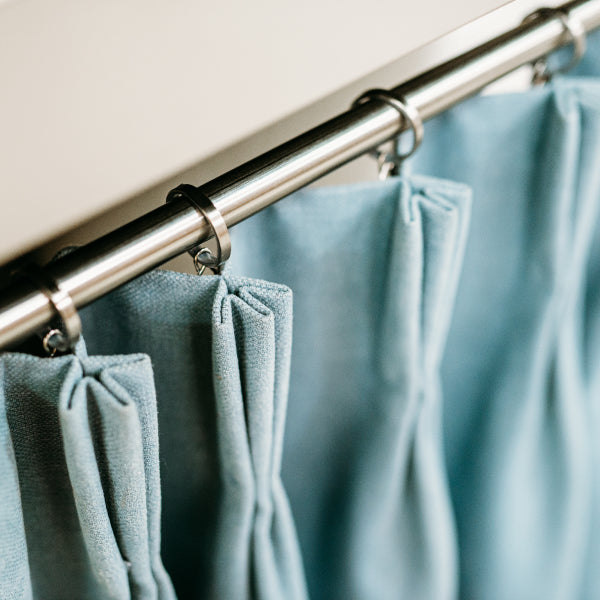
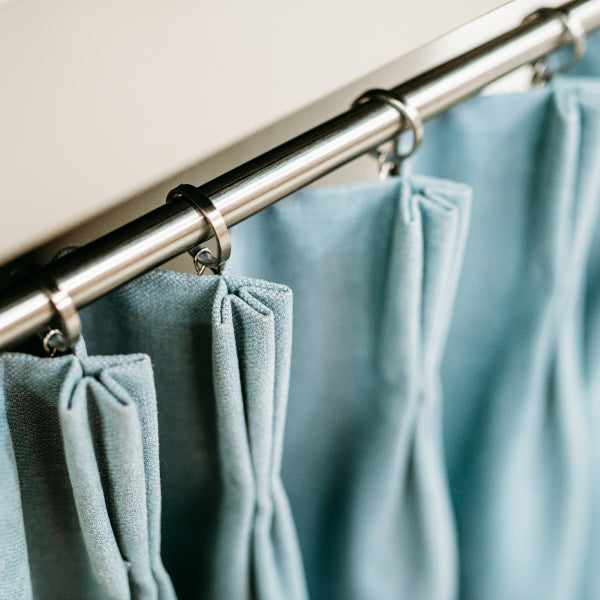
- Pinch Pleat: A classic, tailored look that requires more intricate labor from our workroom.
- Ripplefold: A modern, wavelike style that glides effortlessly on a track system.
- Flat Panel: A simpler, contemporary style that uses less fabric and labor.
A more complex pleat just takes more skill and time from our artisans, and that directly impacts the labor cost.
3. Lining and Interlining: The Unsung Heroes
Trust me on this one: what’s on the inside counts. Lining protects your main fabric from sun damage and gives the drapes more body.
For the ultimate in luxury, interlining—a thick, flannel-like layer sewn between the face fabric and the lining—is the secret weapon. It’s what creates that unmistakably plush, heavy drape you see in high-end design magazines. It also provides superior insulation and even dampens sound. It’s an upgrade that adds to the cost but delivers incredible, tangible value.
4. Hardware: The Jewelry for Your Windows
Don’t underestimate the hardware. It can range from a simple, elegant rod to a custom-forged, hand-finished masterpiece. A basic rod might be a small part of the budget, while a complex traverse system for a wide wall of windows in Buckhead can be a significant investment all on its own.
5. Labor: The Hands of the Artisan
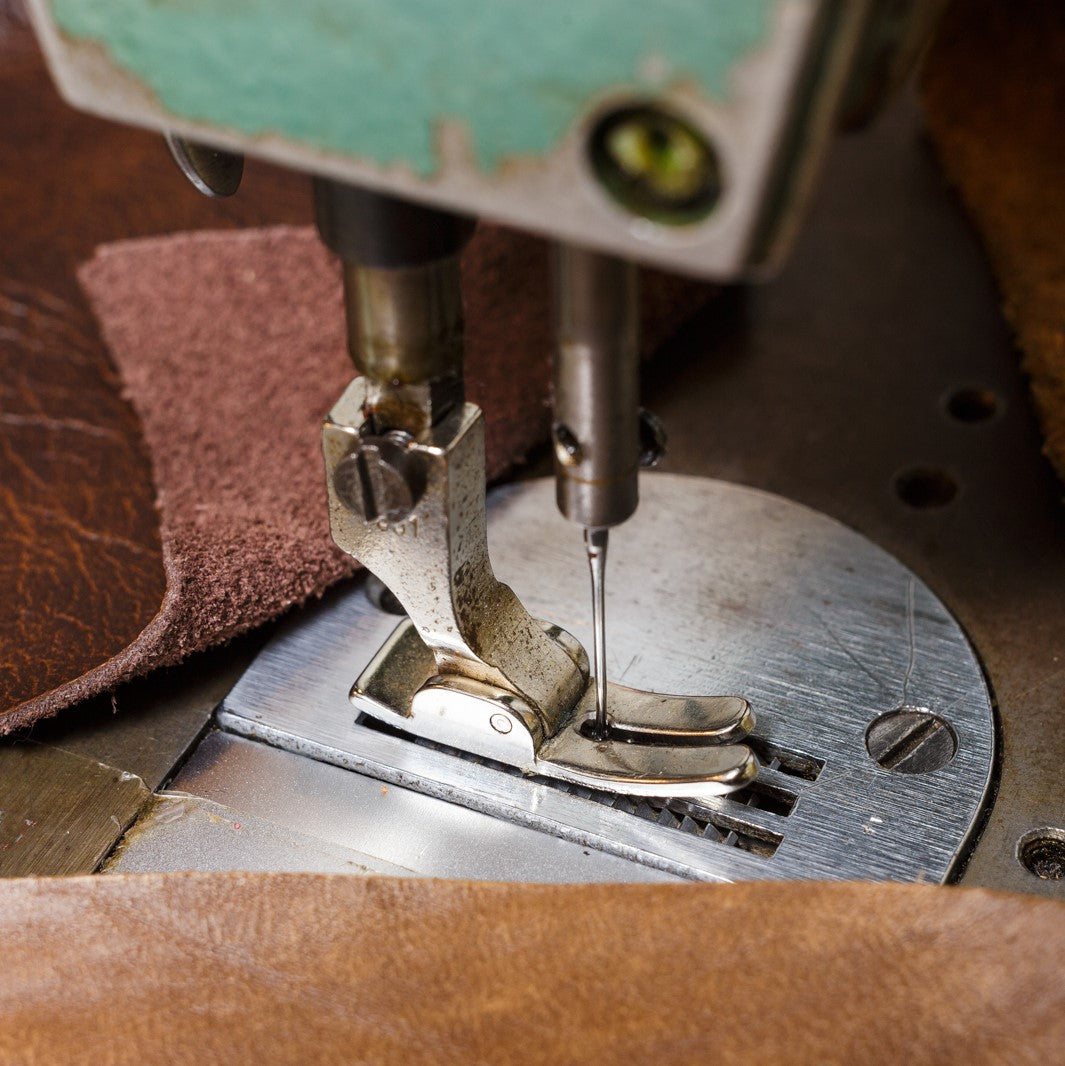
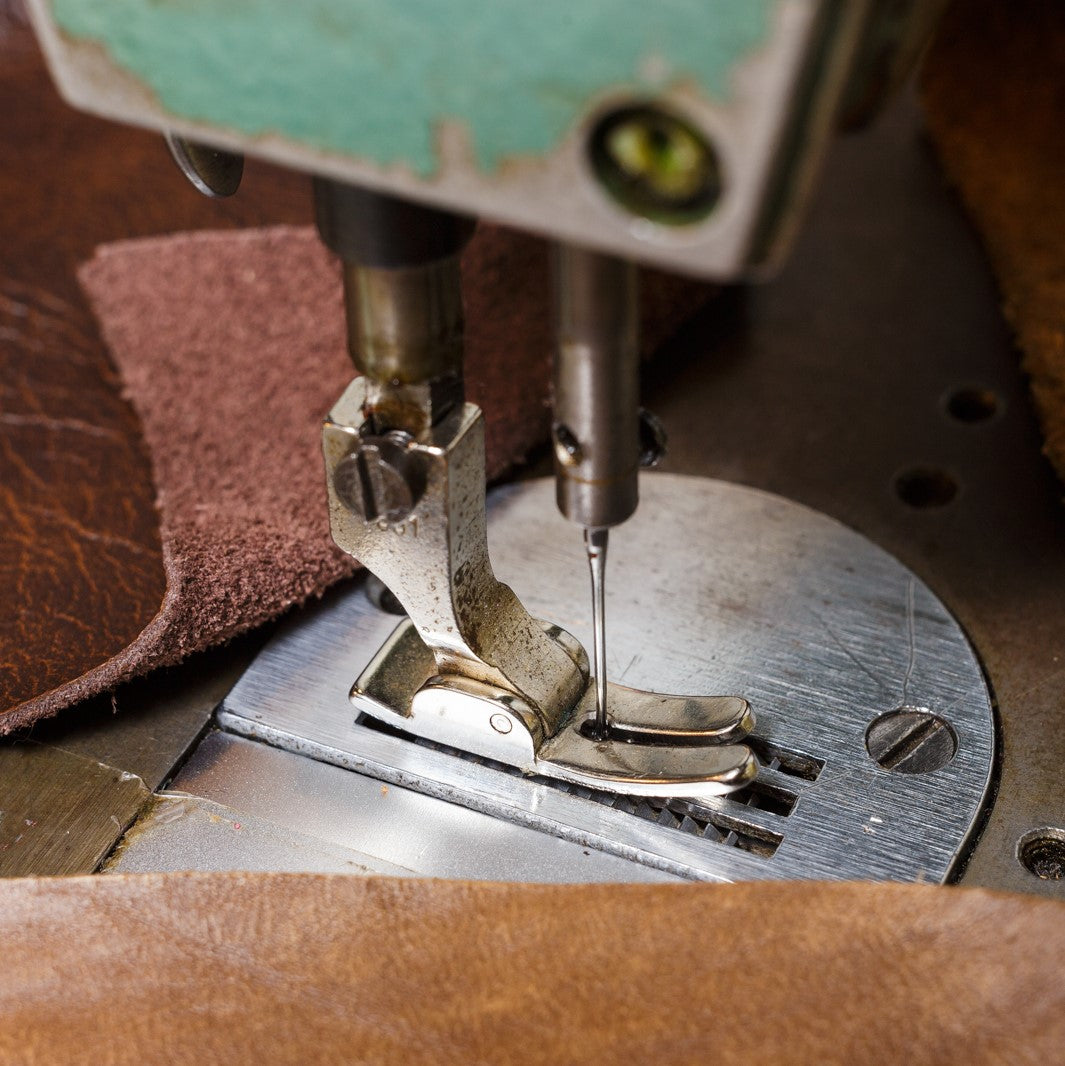
This is the cost of pure craftsmanship. It covers the expert cutters, sewers, and finishers in the workroom who transform bolts of designer fabric into perfectly tailored panels. Intricate patterns that require precise matching or complex headers demand more time and expertise, which is naturally reflected in the price.
6. Installation: The Flawless Finish
For a luxury product like this, professional installation is non-negotiable. Our installers ensure your hardware is perfectly level, your drapes are hung at exactly the right height, and each pleat is "dressed" to fall flawlessly. This finishing touch protects your investment and guarantees that polished, designer look.
Many of the principles governing custom drapery cost, such as material choice and installation complexity, also apply to other tailored window solutions like custom blinds.
7. Motorization: The Modern Luxury
For the ultimate in convenience, motorization lets you open and close your drapes with the touch of a button. It’s a game-changer for tall, hard-to-reach windows and adds a layer of modern sophistication. While it increases the upfront cost, it delivers a level of ease and luxury that many Atlanta homeowners find indispensable once they have it.
Choosing Your Fabric: The Heart of Your Budget
If there’s one decision that truly defines your custom drapery, it's the fabric. This is where the magic happens, but it’s also the single biggest factor influencing the final cost. The fabric you select is so much more than just a line item on an invoice; it's the soul of the window treatment, setting the tone for the entire room.
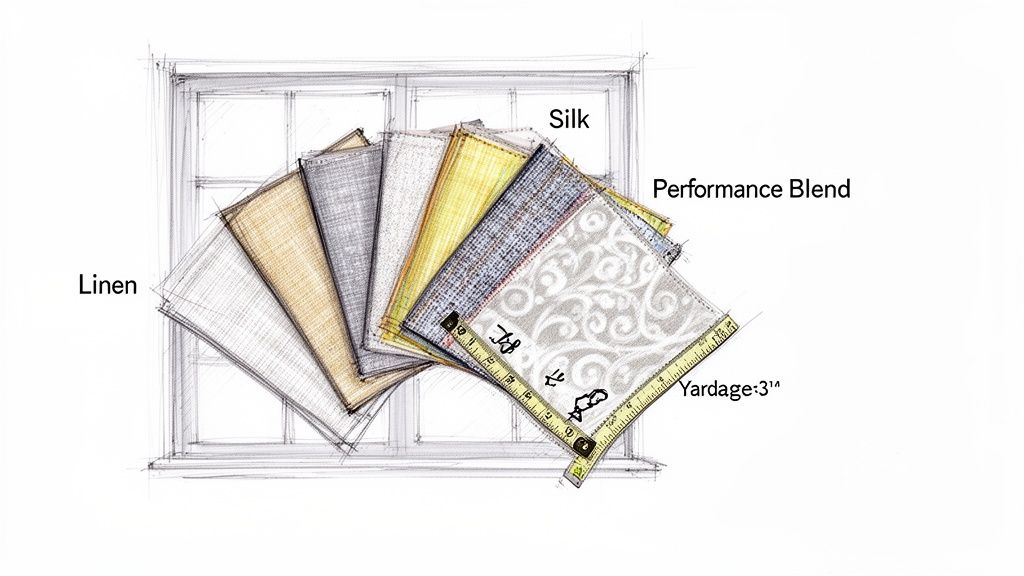
When you walk into our Buckhead showroom, you’re not just picking a color. You’re feeling the weight of the textile, seeing how it catches the light, and imagining how it will transform your space.
From Natural Fibers to Performance Blends
The world of fabric is wonderfully vast, and every material brings its own unique personality and price point to the table. Our Atlanta fabric showroom is filled with collections designed for every kind of home, from historic Roswell estates to modern Marietta new-builds.
Here’s a quick look at some of the most popular choices we see:
- Linen: This is the definition of understated elegance. Belgian linens, in particular, have a timeless, airy quality that filters sunlight beautifully. That signature wrinkling? It’s not a flaw; it’s part of its natural charm.
- Silk: For pure, unapologetic luxury, nothing beats silk. It has an unmatched luster and a graceful drape that elevates formal dining rooms and bedrooms into something truly special. Just remember, it needs a good lining to protect it from sun damage.
- Velvet: Rich, dramatic, and incredibly cozy. Velvet adds a layer of depth and opulence while also being fantastic for blocking light and providing insulation. Its substantial weight creates that sumptuous, heavy drape everyone loves.
- High-Performance Blends: These are the workhorses of modern interior design. We work with brands like Crypton that engineer fabrics to be stain, moisture, and odor-resistant. They’re perfect for busy homes with kids and pets but feel just as luxurious as their more delicate counterparts.
In our experience, clients are often stunned by how far performance fabrics have come. You can get the look and feel of a delicate textile with the durability needed for real life—a smart investment for any active Atlanta home.
The Hidden Cost of Pattern Repeats
Now, let's talk about patterns. A solid color is pretty straightforward when it comes to yardage, but a fabric with a large-scale floral or a bold geometric print introduces something called a pattern repeat.
This means our workroom has to order extra fabric—sometimes 25% more—just to make sure the pattern lines up perfectly from one panel to the next. It’s a small detail that makes a world of difference, separating true custom craftsmanship from off-the-shelf curtains.
A larger repeat means more fabric is needed, which directly impacts your cost. Getting these calculations right is critical, and it’s something you can learn more about if you check out our guide on measuring windows for curtains. Our designers are experts at helping clients all over North Georgia find that perfect balance, choosing a stunning fabric that honors both their design vision and their budget.
Details That Define Luxury and Drive Cost
True luxury isn’t about being loud; it’s whispered in the details. When you’re talking about custom drapery, these subtle-yet-critical choices are what take a project from simply functional to truly exquisite. They’re also what really shape the final cost.
Let’s move past the beautiful face fabric for a moment and look at the anatomy of a high-end window treatment. It all starts with the header style—the very top of the drapery panel where the pleats live.
A classic French pleat or a sleek, modern Ripplefold doesn't just happen by itself. Creating those perfect, uniform folds requires meticulous, time-consuming labor from our workroom artisans. This intricate handiwork is a world away from the simple rod pocket you’d find on a store-bought curtain.
The Math of Fullness
Next up is fullness. This isn't just a fancy term; it's the ratio of the fabric's width to your window's width, and it’s the secret behind that rich, voluminous look you see in designer homes from Buckhead to Alpharetta.
The gold standard for high-quality custom drapery is 2.5 times the window's width. But for that truly opulent, grand effect, the most discerning designers we work with often specify 3 times fullness.
More fabric obviously means a higher material cost, but the payoff is a drapery with unparalleled depth and a graceful, flowing drape that signals true quality. This generous use of fabric is a hallmark of genuine custom work and a key reason it looks so different from ready-made options.
The Unseen Power of Lining and Interlining
Finally, we arrive at the unsung heroes of drapery: lining and interlining. Think of these layers as the architectural foundation of your window treatments—they’re what give them structure and substance.
- Lining: A standard lining (usually cotton or a blend) is the essential first step. It protects your main fabric from sun fading and adds a layer of privacy and body.
- Interlining: This is where the real magic happens. Interlining is a thick, flannel-like material sandwiched between the face fabric and the lining. It’s what creates that unmistakably plush, heavy drape you see in the finest homes from Roswell to Forsyth County.
But interlining does more than just look good. It provides incredible thermal insulation, helping keep your home cooler in the summer and warmer in the winter. It also offers significant sound-dampening qualities, creating a quieter, more serene space. While it does add to the cost, interlining is a powerful upgrade that delivers tangible benefits in both form and function. For a deeper dive, you can learn about the role of drapery lining in our detailed guide.
Final Touches: Hardware, Installation, and Motorization
Your beautiful drapery panels are ready, but they aren't quite finished. Now it's time for the final details that truly complete the look: the hardware, professional installation, and the option of motorization. Each of these elements contributes to the final cost, but they're also what take custom drapery from simply nice to absolutely perfect.
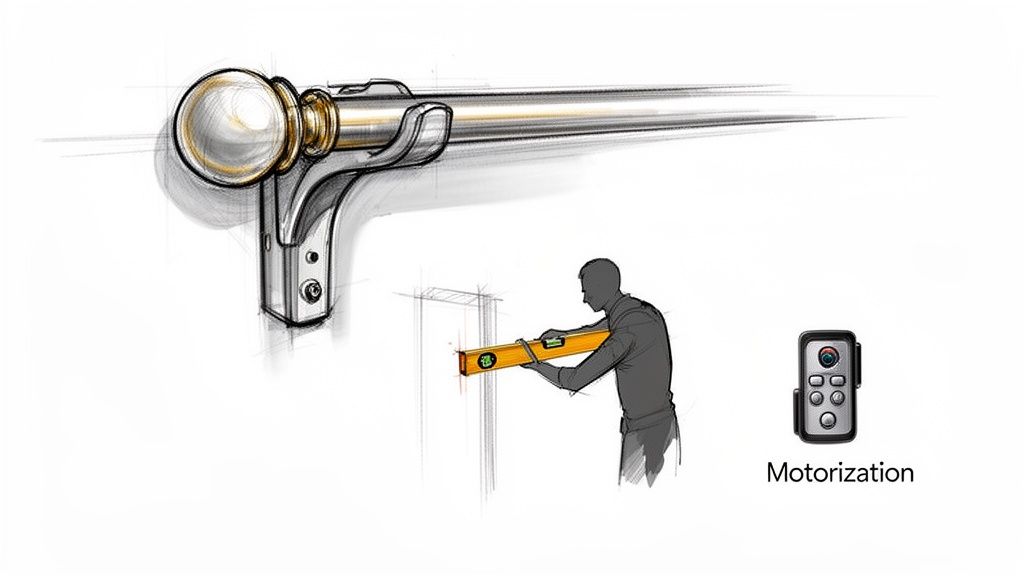
You can think of drapery hardware as the jewelry for your windows. It might be a simple, understated rod that lets the fabric be the star, or it could be a statement piece all on its own—like a custom-finished, hand-forged system that draws the eye. Your choice between a sleek, modern track or a more traditional, ornate pole will definitely play a role in your budget.
Next up is the most critical step: professional installation. After investing in gorgeous fabrics and expert craftsmanship, this isn’t the place to cut corners with a DIY attempt. Our installers make sure every bracket is secure, every rod is perfectly level, and every pleat hangs just right. This careful, expert service is what guarantees that flawless, polished finish and protects your investment for years to come.
The Ultimate Upgrade: Motorization
For a true touch of modern luxury, motorization gives you effortless control at the push of a button. It's especially practical for those grand, two-story windows you see in many East Cobb or Forsyth County homes, or for any window that's just plain hard to reach. It’s a sophisticated detail that adds a layer of convenience and a seamless, high-tech feel to your home.
Smart home technology is becoming more and more common, and North America is leading the way. The high-end drapery market here is valued at $1.25 billion in 2024 and is projected to hit $1.85 billion by 2035, largely thanks to home renovations that include smart integrations like motorization. When you're planning, it's a good idea to look into general smart home installation costs to get a feel for how to budget for this premium feature. In fact, our region holds about 38% of the global market share, which shows just how popular these upgrades have become.
While adding motorization does increase the upfront cost, that convenience and sophisticated touch it brings to an Atlanta interior is a luxury many of our clients find is well worth the investment. It’s that final detail that can truly define a modern, high-end home.
Your Custom Drapery Cost Questions Answered
We get it. Investing in custom drapery is a big decision, and you probably have a few questions. We hear a lot of the same ones in our Buckhead showroom, so we've put together some straight answers to help you plan your project with total confidence.
Why Is Custom Drapery More Expensive Than Ready-Made Curtains?
This is a great question, and it really comes down to three things: materials, craftsmanship, and fit.
Ready-made curtains are mass-produced. They're made with lower-grade fabrics and sewn to standard, one-size-fits-all dimensions that almost never hang quite right. Think of them as a product designed for volume, not for a specific, unique home like yours.
Custom drapery, on the other hand, is a service from start to finish. It all begins with you, in our Atlanta fabric showroom, selecting from gorgeous, designer-grade textiles. From there, every panel is handcrafted by a skilled artisan for your window's exact measurements. The result is a flawless, tailored finish you simply can't pull out of a package.
It’s the difference between buying a suit off the rack and having one bespoke-tailored just for you.
Is Adding Interlining to My Drapes Worth the Cost?
For a true luxury project, absolutely. While it does add to the final custom drapery cost, interlining is a complete game-changer. It’s a soft, thick layer of fabric sewn between your main fabric and the back lining, and it makes all the difference.
Aesthetically, it gives drapery that lush, full-bodied look you see in magazines—a beautiful, heavy drape that signals unmistakable quality in homes from Roswell to Marietta. But the benefits are more than just skin deep:
- Superior Insulation: That extra layer helps regulate room temperature, which can actually save you money on energy bills.
- Sound Dampening: It creates a quieter, more serene interior by absorbing outside noise.
- Fabric Protection: It acts as a buffer against sun damage, extending the life of your beautiful new drapes.
If your budget allows, interlining is one of the most valuable upgrades you can make.
Can I Save Money By Installing the Drapery Myself?
It might seem like an easy way to trim the budget, but for high-end drapery, we really advise against it. Professional installation is so much more than just drilling a few holes in the wall.
Professional installers are experts at handling delicate, expensive fabrics. They ensure the hardware is perfectly level, the drapery is hung at the precise height, and that each panel is meticulously ‘dressed’ so the pleats hang in uniform, elegant folds from day one.
An improper installation can easily damage your walls, your new hardware, or even the drapery itself. The modest cost of a professional installer is a small price to pay to protect your much larger investment and guarantee that flawless, showroom-worthy finish.
How Does Your Process for Getting a Quote Work?
We designed our process to be collaborative, inspiring, and completely transparent. It all starts when you visit our Buckhead showroom.
One of our in-house designers will welcome you and guide you through our incredible collections of designer fabrics and fine furniture. We’ll sit down together to talk about your vision, what you need the drapes to do (like block light or add privacy), and of course, your budget. By the way, understanding the cost of an interior design consultation can give you great context for how these initial planning stages work.
Once we’ve landed on the perfect fabric, style, fullness, and hardware for your space, we’ll put together a detailed, itemized quote. No hidden fees, no surprises. We believe you should feel confident and informed every step of the way, from our first design conversation to the moment your stunning new drapery is installed.