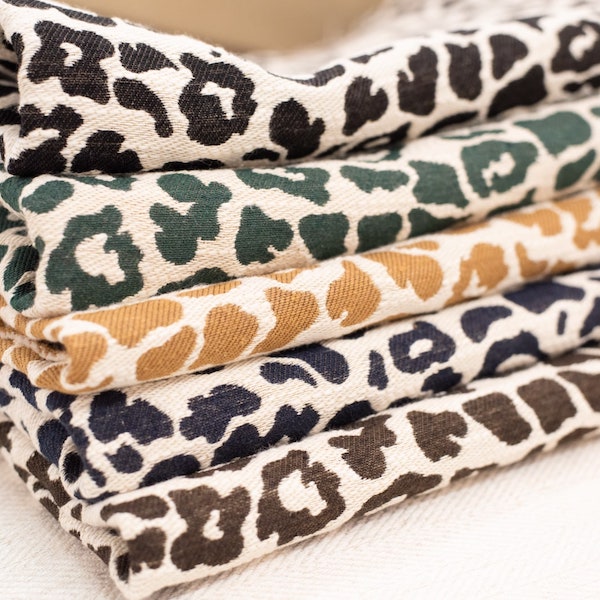
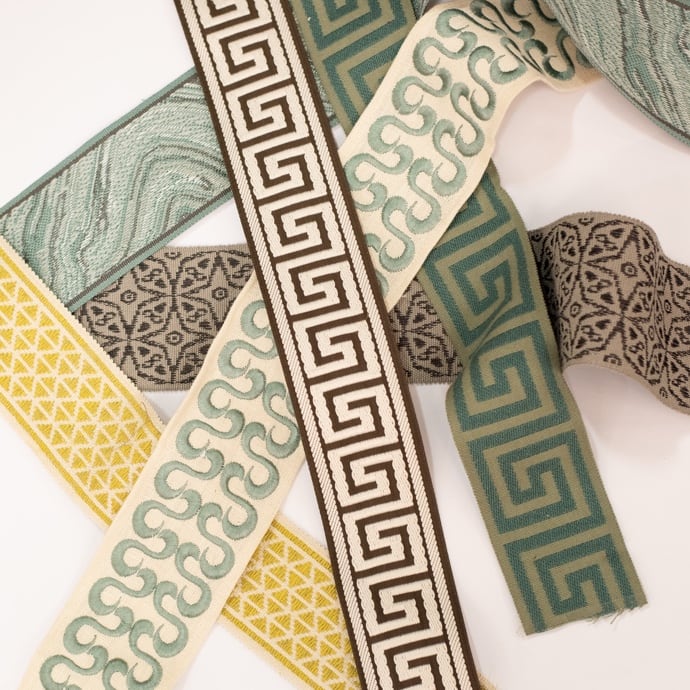

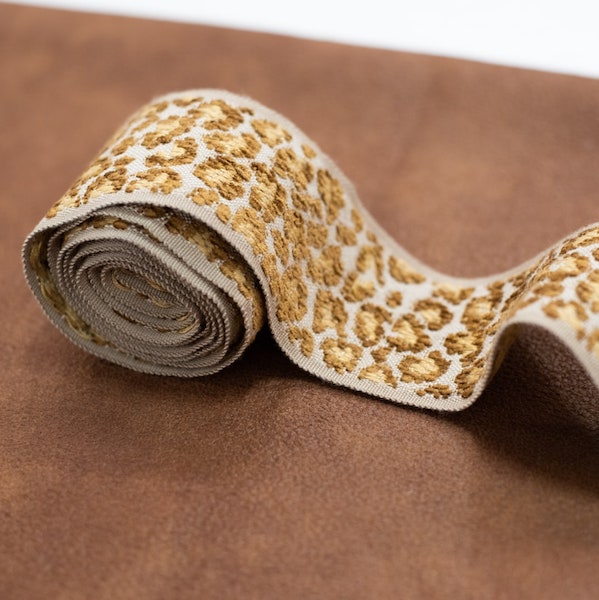
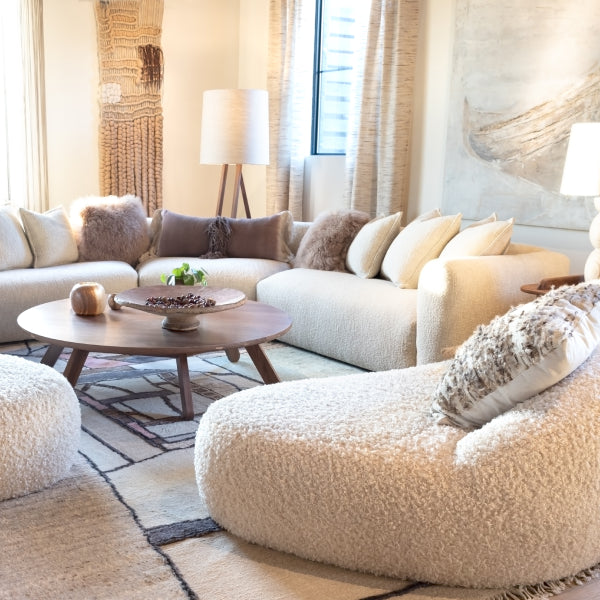
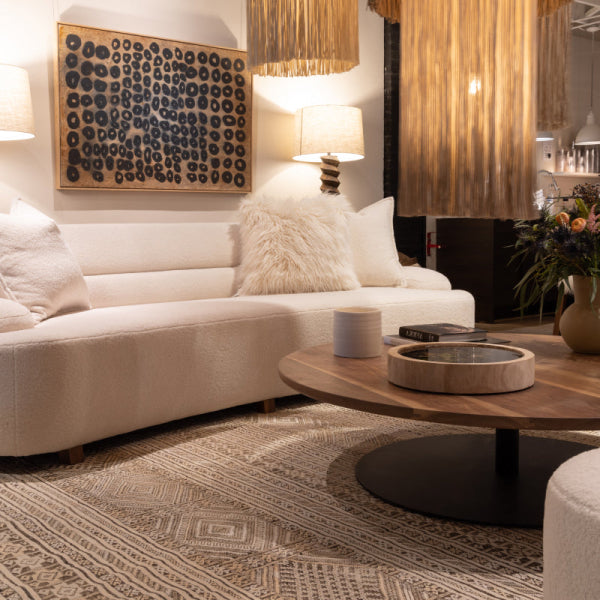
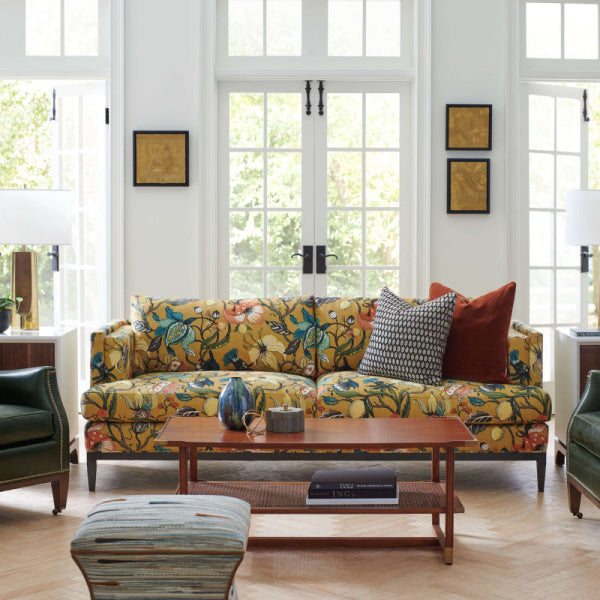
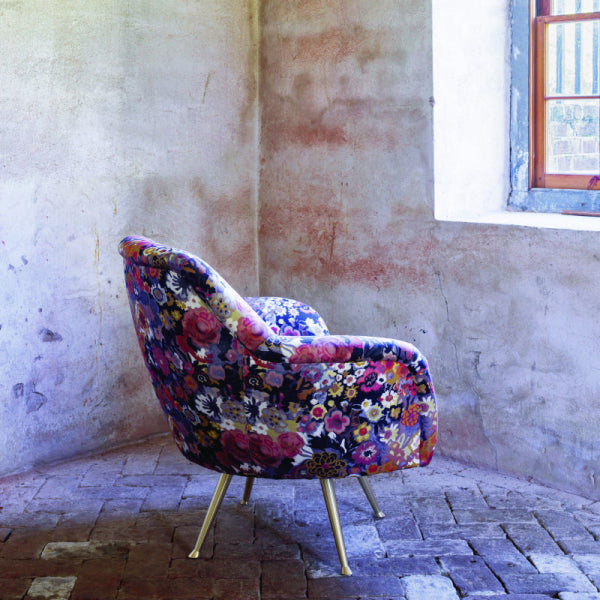
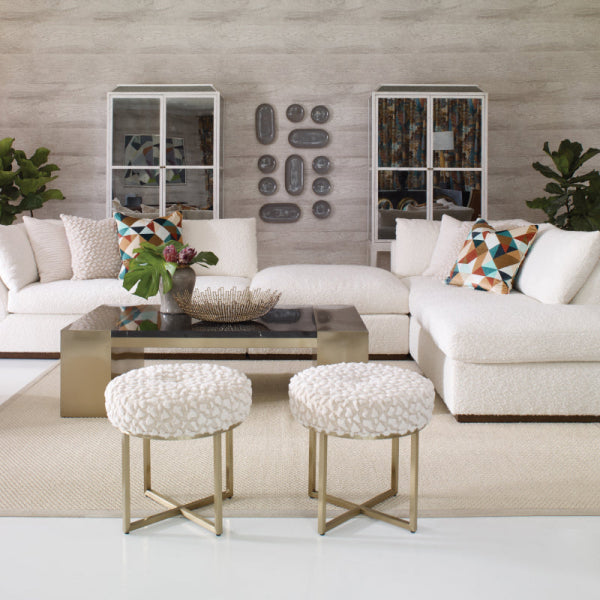


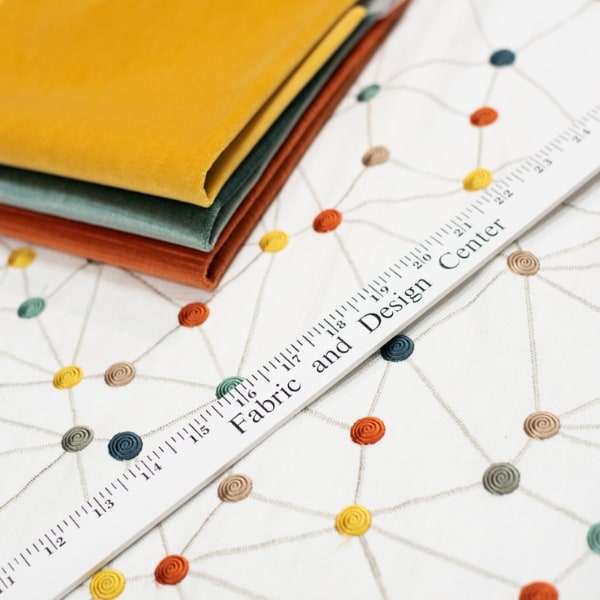
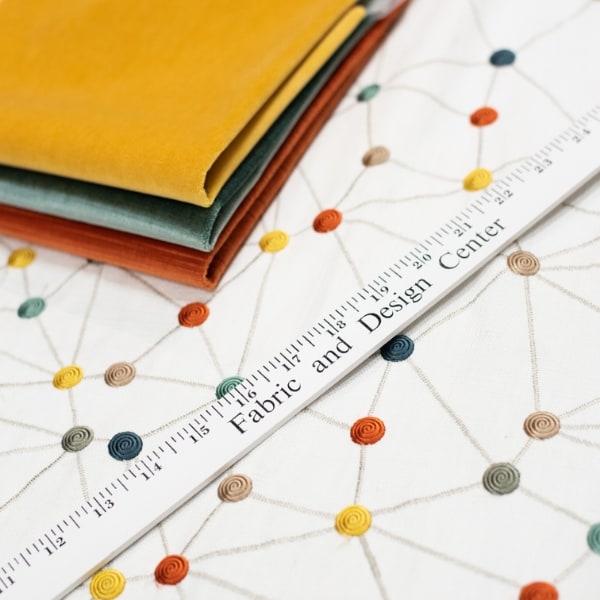

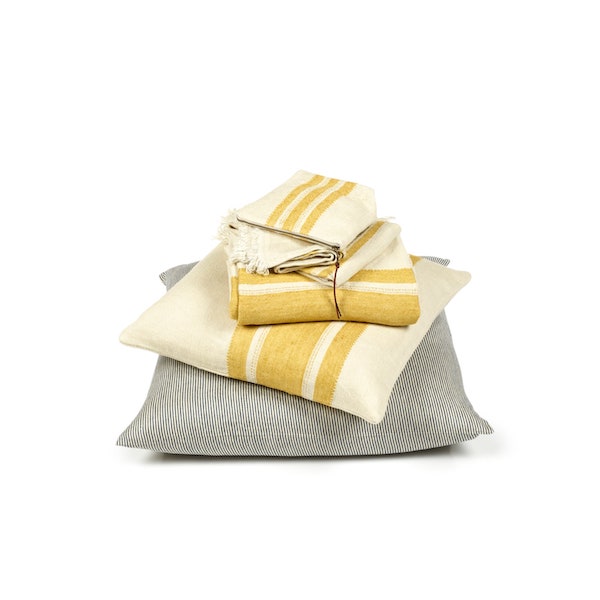
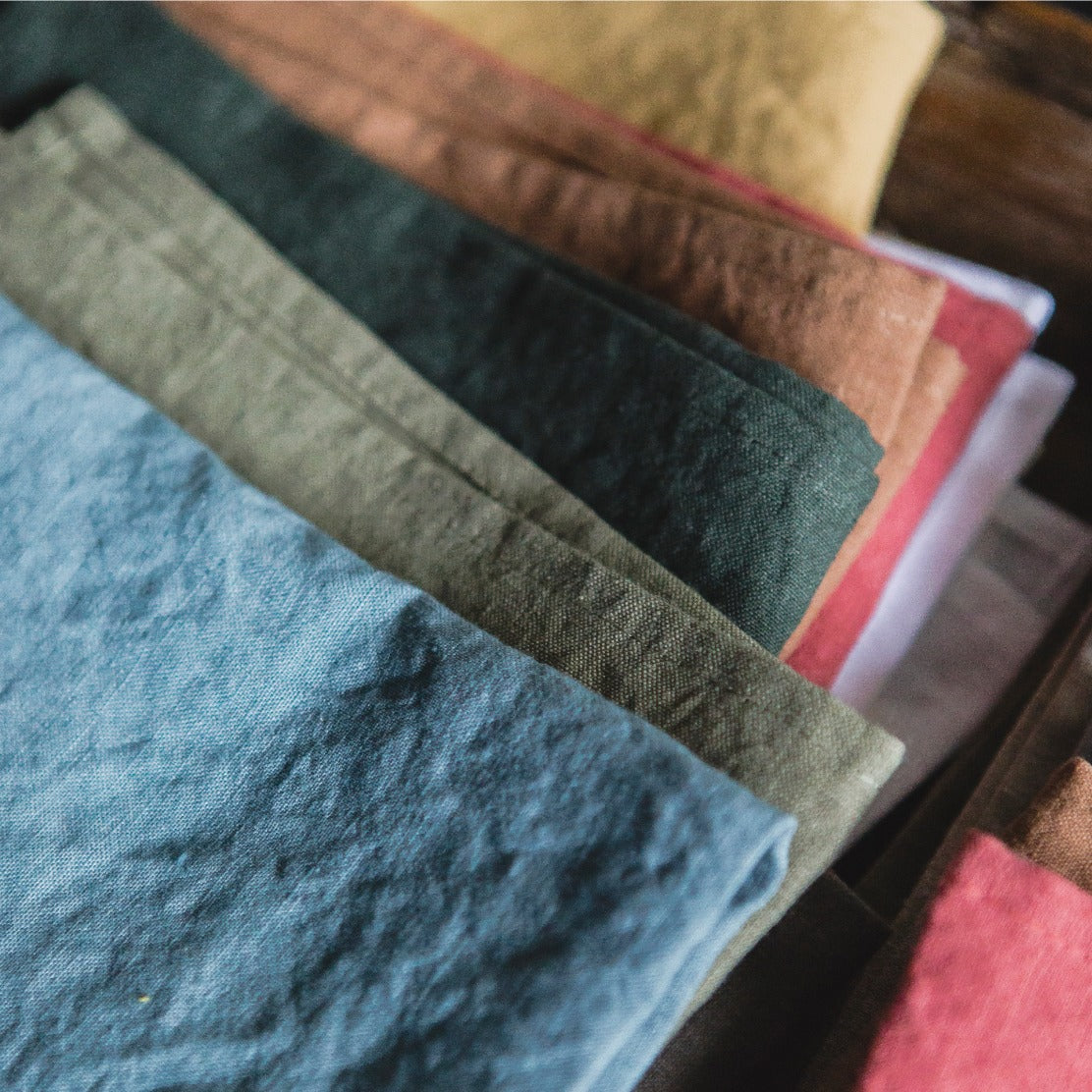

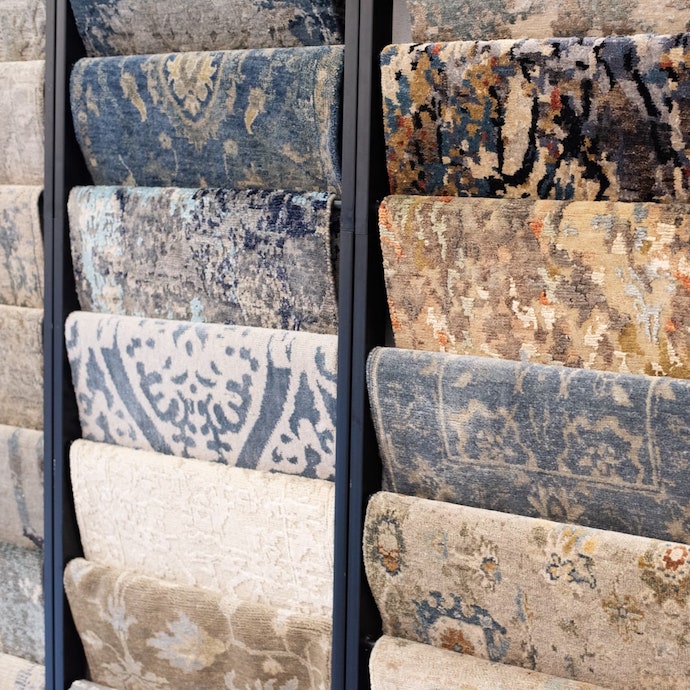
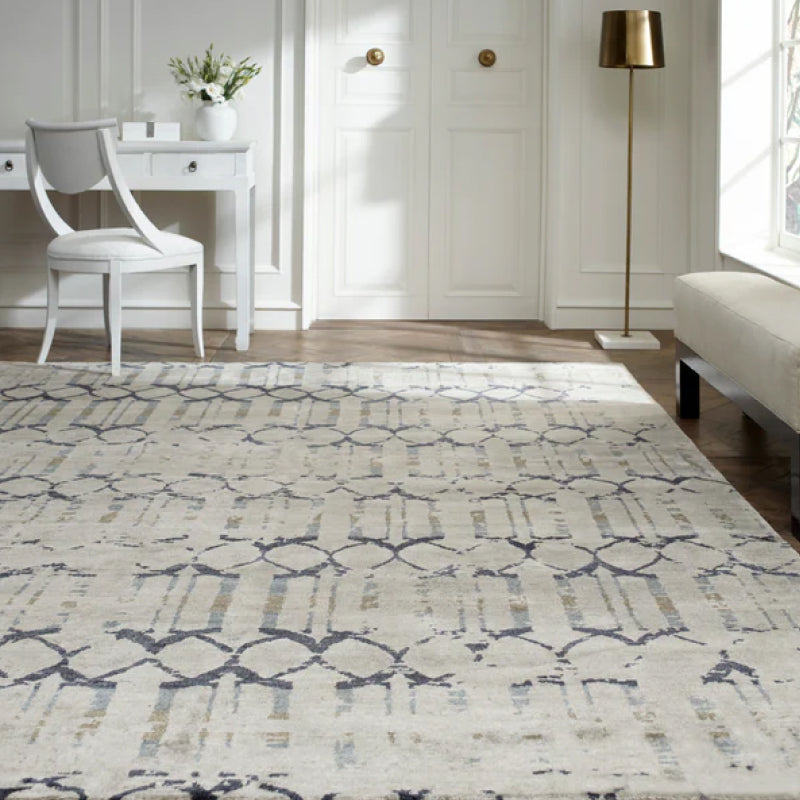
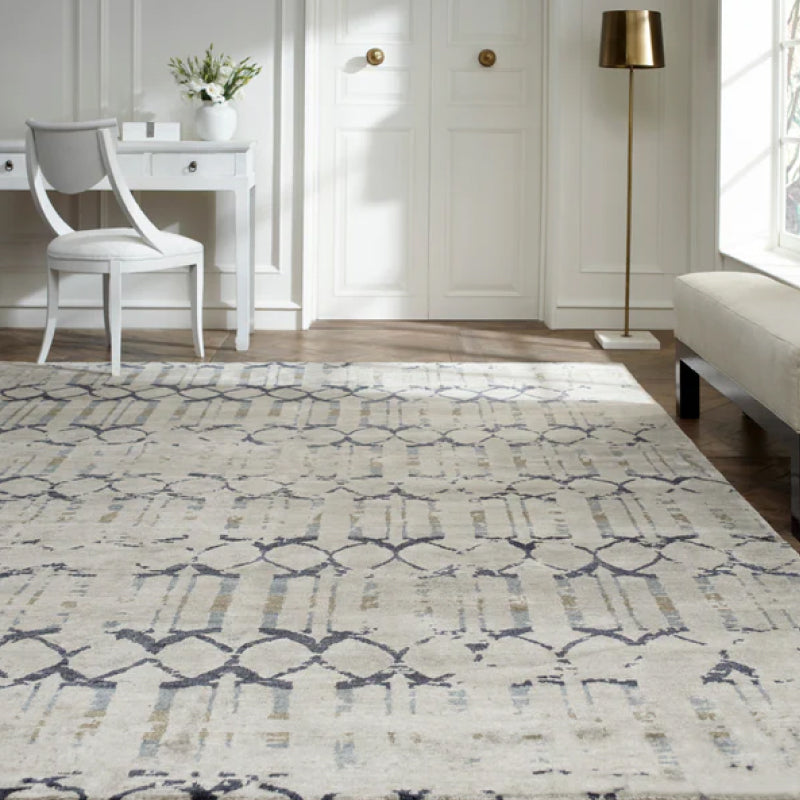
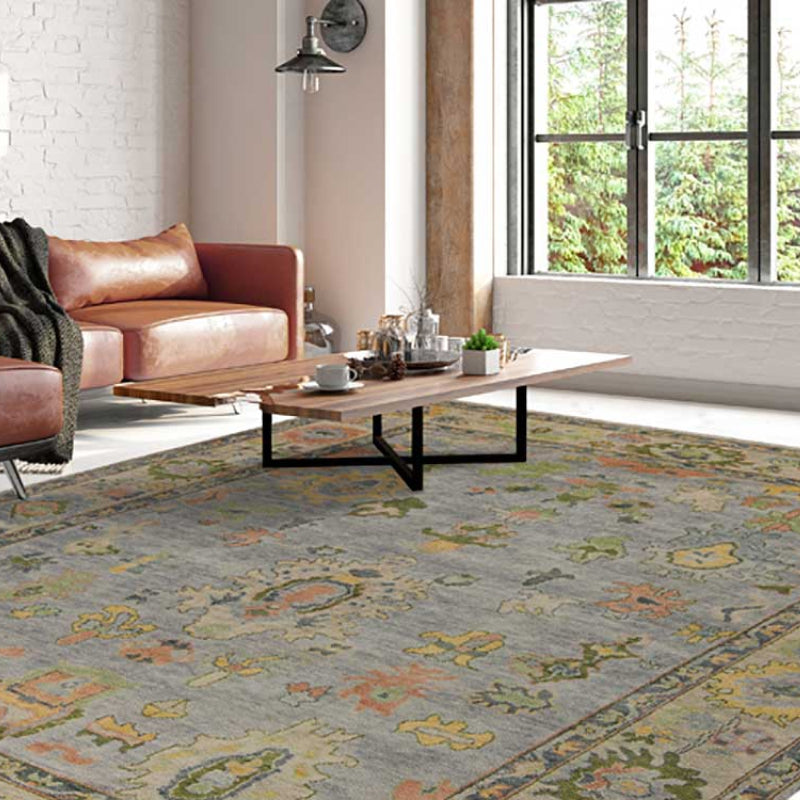
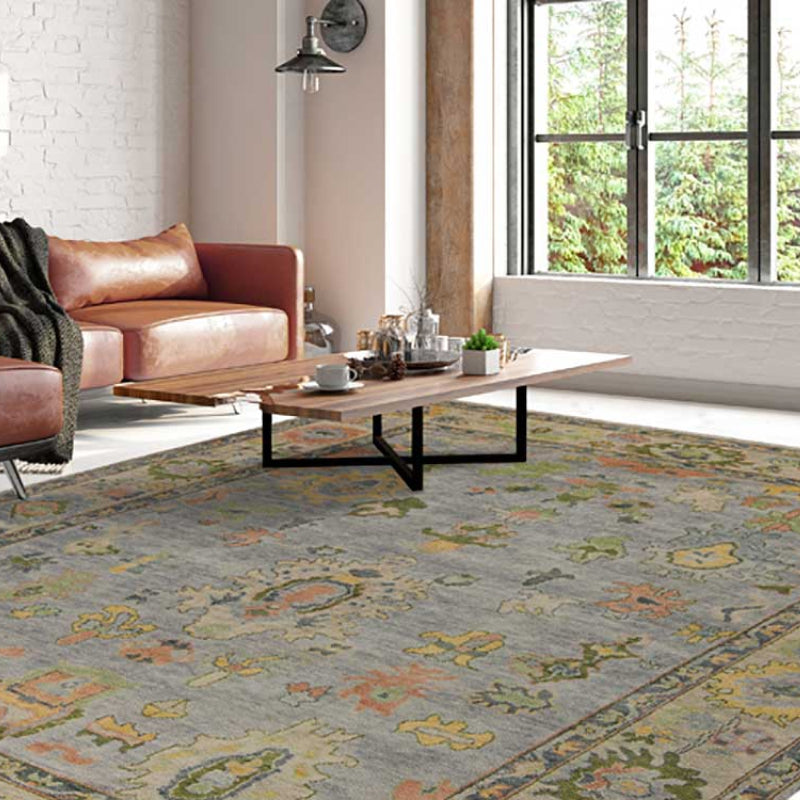
Imagine a fabric that doesn’t just cover a chair—it tells a story thousands of years old. That’s the magic of Moroccan fabric design. It's a style defined by its rich textures, intricate geometric patterns, and bold colors, making it a secret weapon for designers and homeowners creating soulful interiors from Buckhead to Alpharetta.
The Enduring Allure of Moroccan Fabric Design
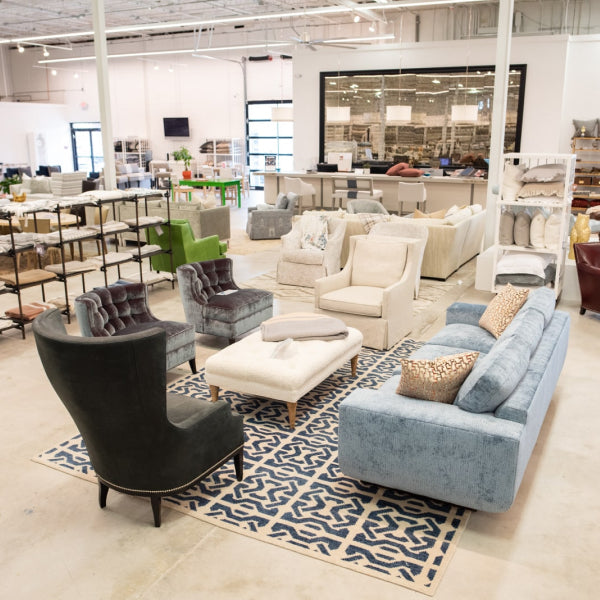
Step inside our Buckhead showroom, and you'll get it. You'll see why Moroccan fabric design captivates Atlanta’s most discerning designers. This isn't just another trend. It’s a timeless art form that brings warmth, history, and a touch of the exotic into modern homes.
This isn’t about creating a themed room. It's about strategic artistry—using a single, masterfully crafted textile to transform an entire space. Think of a Wesley Hall sofa given new life with custom upholstery featuring a subtle Berber diamond motif. Or a set of Ambella dining chairs elevated with intricately embroidered backs. This is the power of authentic, high-quality designer fabrics.
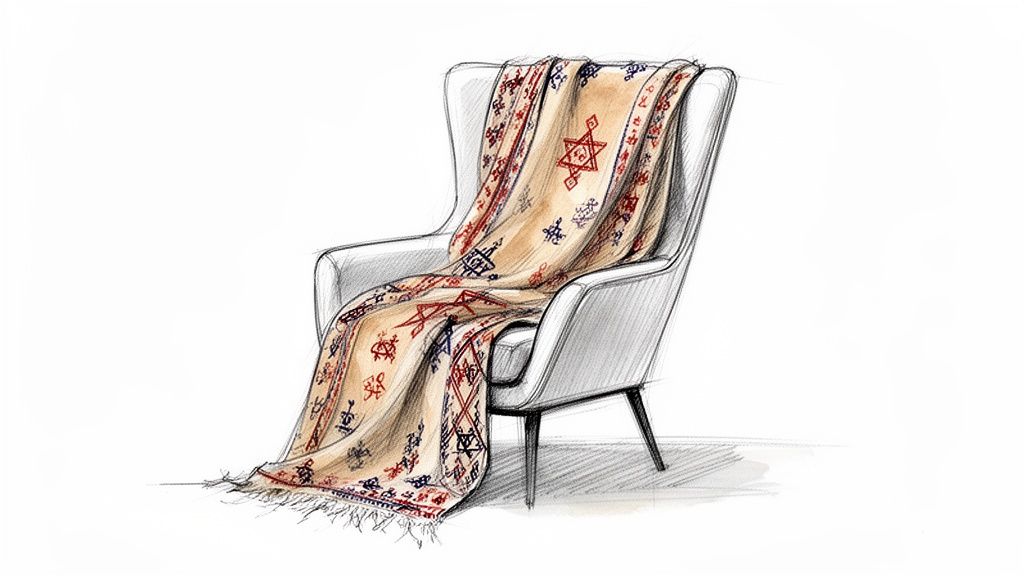
From Ancient Looms to Modern Luxury
The story of Moroccan textiles is a rich tapestry woven from Berber tradition, Islamic art, and masterful craftsmanship. These fabrics feel both ancient and incredibly current, which makes them the perfect statement for luxury furniture here in Atlanta. They have a soul, a history you can feel.
What makes these designs so compelling?
- Deep Cultural Roots: Every pattern, from geometric latticework to symbolic shapes, carries centuries of meaning.
- Tactile Richness: The textures—hand-knotted wool, smooth silks, durable cottons—beg to be touched, adding a layer of sensory depth to any room.
- Vibrant, Natural Palettes: Colors are drawn from the landscape itself: desert sands, spice market reds and yellows, and deep indigo skies.
This blend of tradition and modern appeal has made these textiles a global force. Morocco's textile industry is a vibrant fusion of ancient techniques and contemporary demand, with exports hitting a historic high of 44 billion dirhams in a recent year. That includes €3.8 billion shipped to the European Union alone, a testament to how relevant Moroccan designs are on the world stage. You can explore more on the fusion of tradition and modernity in Moroccan textiles to see their global impact.
Core Elements of Moroccan Fabric Design
This table offers a quick overview of the key characteristics that define Moroccan textiles, from their visual style to their tactile qualities.
| Characteristic | What It Means for Your Interior |
|---|---|
| Geometric Patterns | Creates rhythm and a sense of order. Think interlocking shapes, diamonds, and complex latticework. |
| Bold, Earthy Colors | Adds warmth and energy. Expect deep reds, blues, saffron yellows, and neutral desert tones. |
| Rich Textures | Invites touch and adds dimension. Includes everything from coarse hand-spun wool to smooth, refined silk. |
| Symbolic Motifs | Infuses the fabric with story and meaning, offering a deeper connection to the piece. |
These characteristics come together to create textiles that are not just beautiful, but deeply evocative.
A Designer’s Secret Weapon
For interior designers in our Lewis and Sheron Trade Program and homeowners from Roswell to Forsyth County, these fine fabrics Alpharetta are a game-changer. They inject personality and bespoke character into projects. A Verellen sectional becomes a one-of-a-kind masterpiece. A simple Lee Industries chair transforms into a conversation starter.
The true luxury of Moroccan fabric lies in its ability to make a space feel curated and deeply personal. It’s the difference between a house that is decorated and a home that tells a story.
At its core, Moroccan fabric design is about more than aesthetics; it's about atmosphere. It’s for the client who values craftsmanship and wants their home to reflect a story of quality and timeless style. It’s time to rethink what fabric can do for a room.
Understanding the Stories Woven into Every Thread
Moroccan fabrics aren’t just beautiful decor; they are historical documents. To truly appreciate them, you have to look beyond the pattern and understand where they come from. It’s not a single style, but a rich, layered history that gives every thread its meaning.
For a designer sourcing for a project in Buckhead, or a homeowner in Alpharetta searching for that one perfect piece, this context changes everything. It’s the difference between simply covering a chair and creating a custom Wesley Hall sofa that feels curated and soulful. This is how high-end furniture in Atlanta gets its character.
From Berber Looms to Bustling Medinas
The story begins in the Atlas Mountains with the Berber tribes, the indigenous people of North Africa. Their designs were a blend of necessity and artistry, woven on simple looms. These early textiles—mostly wool and cotton—were filled with rustic, abstract symbols representing fertility, protection, and community.
These weren't just blankets. They were a form of communication, a visual language passed down through generations of women. The geometric diamonds, zigzags, and chevrons we love today are direct descendants of this ancient tradition.
This foundational Berber artistry became the canvas for centuries of cultural exchange. The arrival of Arab, Jewish, and later European influences added new layers of complexity and refinement, creating the diverse Moroccan fabric design language we know today.
The Urban-Rural Divide in Craftsmanship
A fascinating split emerged in Moroccan textile production—a distinct difference between the fabrics of the city and those of the countryside. This is a crucial detail for any Atlanta interior design resource looking to source authentic pieces.
-
Urban Sophistication: In bustling centers like Fes and Meknes, workshops flourished. Artisans used fine silks and intricate embroidery to create geometric masterpieces for the wealthy, with precise, mathematical patterns reflecting the influence of Islamic art.
-
Rural Artistry: Meanwhile, back in the Berber communities, women continued to weave with coarser wool and cotton. Their designs remained more abstract and deeply symbolic, telling the stories of their tribes. The beauty was in the imperfections and the raw, tactile quality of the weave.
This history has a profound economic impact that continues today. The textile industry has become a socioeconomic backbone for Morocco. By 2021, the industry accounted for 11% of total exports and 15% of industrial GDP, employing 200,000 people—a staggering 60% of whom are women. To learn more about this rich history, you can explore the evolution of Moroccan textiles.
Why This History Matters for Your Atlanta Home
So, why does any of this matter when you’re choosing luxury furniture in Roswell or Marietta? Because knowing the origin helps you make more intentional design choices.
Are you looking for the refined, geometric precision of urban embroidery for a set of elegant dining chairs? Or do you prefer the rustic, soulful abstraction of a Berber-inspired wool for a cozy Verellen sectional?
Knowing the story behind the fabric allows you to select a piece that doesn't just match your color scheme but resonates with the atmosphere you want to create. It adds a layer of depth that mass-produced textiles simply can't offer.
This is the kind of detail that elevates an interior from simply "decorated" to truly "designed." It’s what we specialize in at our Atlanta fabric showroom—helping you find not just a pattern, but a piece of history. Whether it’s for a Lee Industries chair or custom Ambella upholstery, the right fabric tells a story.
Decoding the Visual Language of Moroccan Textiles
Let's talk about where the real magic happens in Moroccan fabric design: the motifs, colors, and materials. Think of it as a visual language. Once you get the basics, you can choose pieces with total confidence for any high-end furniture project here in Atlanta.
The visual elements are so much more than decoration. From intricate geometric latticework inspired by zellige tilework to symbolic Berber shapes—they’re all part of a story. Understanding them lets you pick the perfect textile, whether it’s for a Lee Industries chair in your Milton home or a delicate silk for custom drapery in Buckhead.
This concept map helps to visualize the main cultural streams that fed into this rich design tradition.
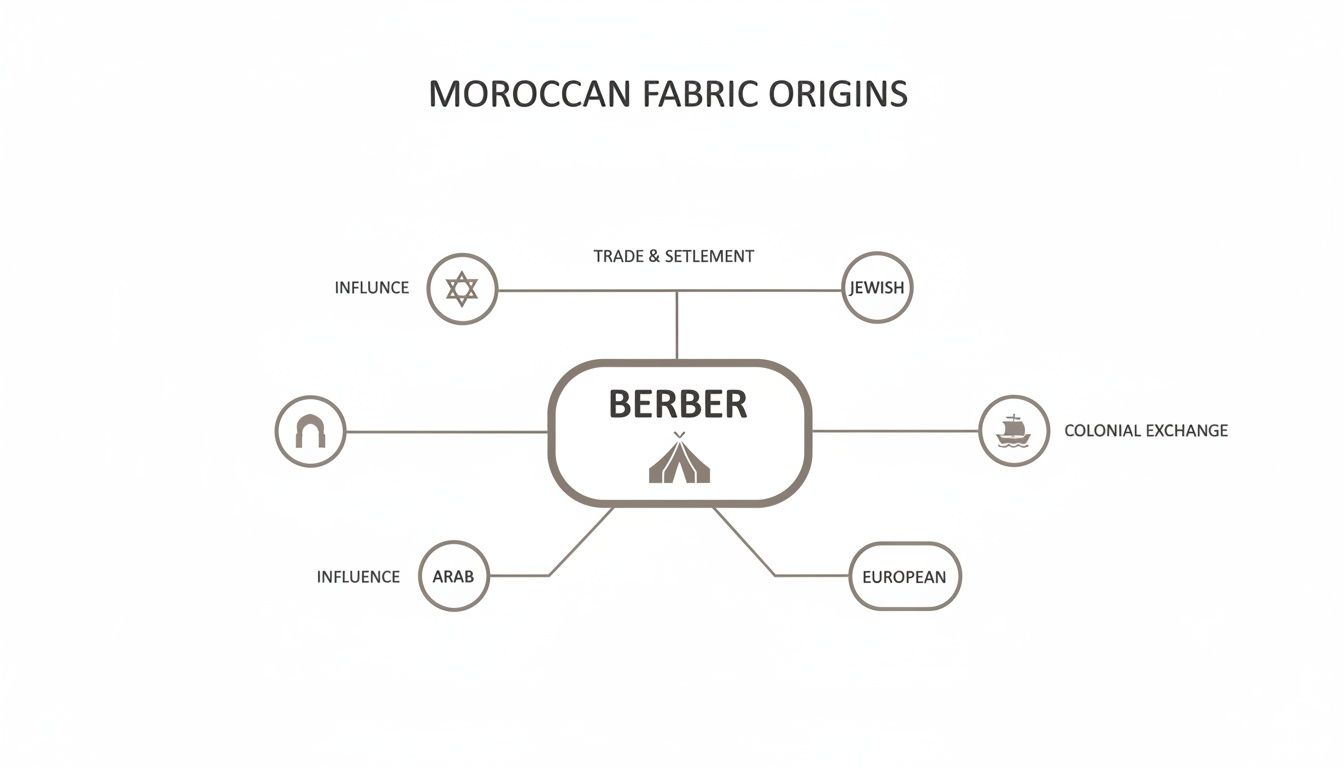
As you can see, Berber artistry is the foundation. But centuries of influence from Arab, Jewish, and European trade have created a wonderfully dynamic and layered aesthetic that’s impossible to pin down to just one thing.
Motifs and Their Meanings
The patterns woven into Moroccan textiles are almost never random. They're a complex system of symbols, with each one carrying meanings tied to protection, fertility, and spirituality. Recognizing these motifs adds a new layer of appreciation.
- The Diamond: A nearly universal symbol of femininity and fertility, meant to represent the womb. It’s a common and powerful element in Berber weaving.
- The Chevron or Zigzag: This pattern often represents water, movement, or the serpent—a symbol of protection and masculine energy.
- The Checkerboard: A simple yet profound pattern found in many rural textiles, it symbolizes the barley field, representing fertility and abundance.
- Geometric Latticework: This reflects Islamic artistic principles. The complex, repeating patterns are designed to create a sense of infinite harmony and order.
This is the kind of artistry that can turn a simple Verellen sofa into a true statement piece. It’s not just about picking a pattern; it’s about choosing a story that speaks to you.
The Power of the Palette
The colors in Moroccan fabric design are pulled straight from the North African landscape. They aren’t just beautiful; they’re evocative and can completely set the mood in any room, from East Cobb to West Paces Ferry.
The color palette is the soul of Moroccan fabric. It can be as subtle as the desert sands or as vibrant as a Marrakech spice market. This is where you control the energy of your space.
Some common color families you’ll encounter:
- Spice Tones: Think saffron, turmeric, cumin, and paprika. These create a warm, energetic, and inviting atmosphere.
- Desert Neutrals: Sand, clay, and stone. These earthy tones provide a serene, grounding foundation that works beautifully in modern interiors.
- Deep Indigos: The iconic "Majorelle Blue" is a deep, electric blue that adds an instant touch of drama and sophistication.
- Rich Reds: Derived from natural sources like henna and cochineal, reds symbolize strength, protection, and happiness.
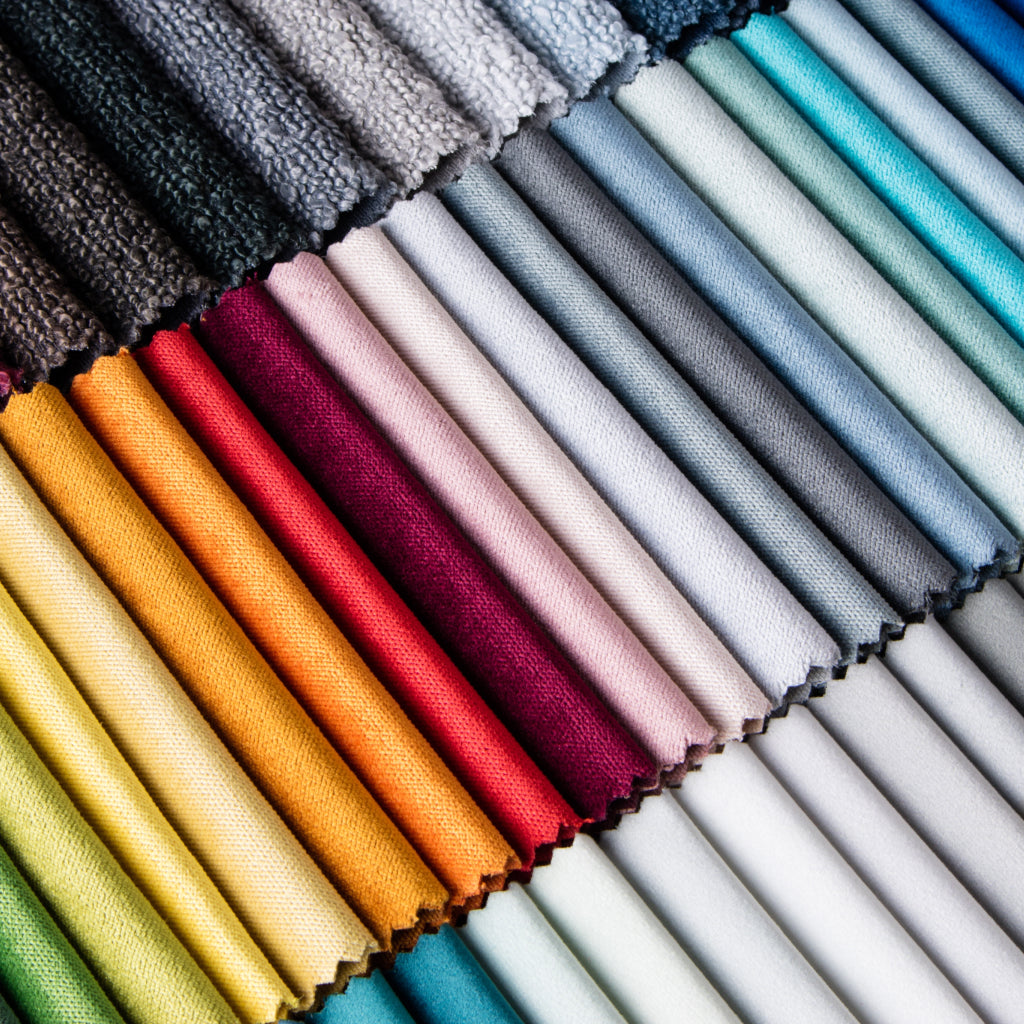
When you visit our Atlanta fabric showroom, you can see firsthand how these palettes play with different lighting, making it easier to find the perfect shade for your project.
Materials and Masterful Techniques
The final piece of the puzzle is the material itself. The choice of fiber and the technique used to craft the textile determine its texture, durability, and feel—all critical information for our Trade Program designers.
- Wool: The cornerstone of Berber weaving, wool is prized for its durability, warmth, and incredible ability to hold vibrant natural dyes. The perfect choice for high-traffic custom upholstery.
- Cotton: A versatile and breathable fiber, cotton is often used for lighter textiles like throws and cushion covers.
- Silk: Reserved for the most luxurious pieces, silk (often sabra, or "cactus silk") gives a stunning sheen and is used for intricate embroidery and decorative fabrics.
The techniques are just as important. Hand-weaving on traditional looms gives fabrics an authentic, slightly imperfect character you can’t get from a machine. Natural dyeing processes create subtle color variations that can’t be replicated. And that virtuosic embroidery? It adds a final layer of texture and detail that defines true luxury.
If you're curious about different weaving methods, our guide on the fundamentals of woven fabrics and their applications is a great resource. This knowledge is key to selecting textiles for your Wesley Hall sofas or Ambella furniture that are not only beautiful but built to last.
Integrating Moroccan Fabrics into Modern Atlanta Interiors
You’ve fallen for it. The rich colors, the intricate patterns, the story woven into every thread. But how do you actually bring Moroccan fabric design into your Atlanta home without it looking like a theme park?
That’s the big question for homeowners from East Cobb to West Paces Ferry.
The secret isn’t about going all-in. It’s about a sophisticated, thoughtful approach. Think of these powerful textiles as art that elevates what you already have, whether your style is contemporary, transitional, or classic Southern traditional.
Forget the clichés. Let's get it right.
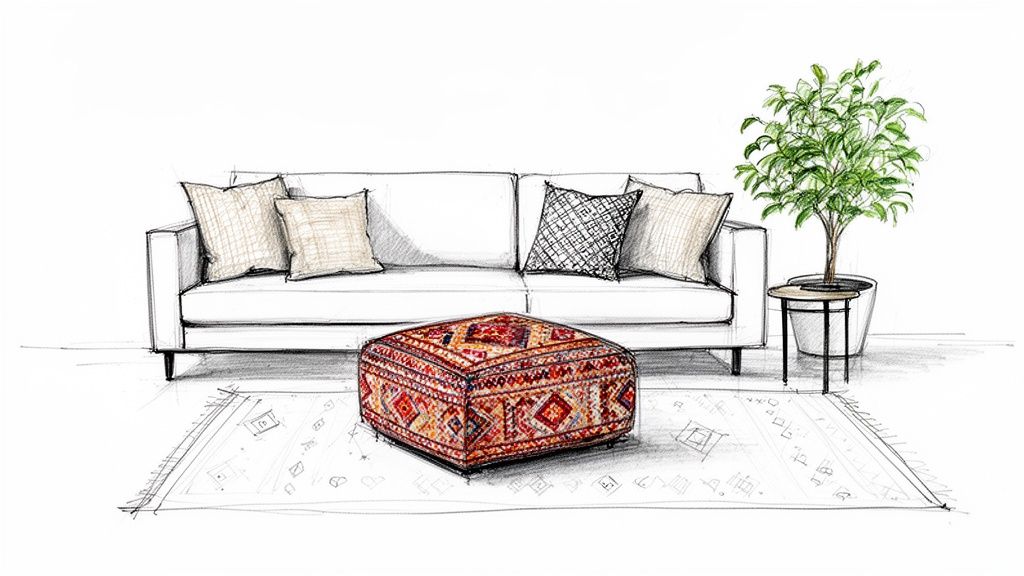
Start with One Hero Piece
The easiest and most impactful way to introduce Moroccan fabrics is to choose one hero. Just one. Let a single, stunning piece command the room and tell its story without having to shout over everything else.
Picture a statement Verellen ottoman upholstered in a bold geometric pattern. It instantly anchors a neutral living room, adding a layer of texture and history. Or, what about a pair of Lee Industries chairs reupholstered in a subtle, hand-embroidered fabric to flank a fireplace?
This approach ensures the design feels curated, not chaotic. It’s a confident move that breathes soul into high-end furniture and makes your space feel uniquely yours.
The Art of the Mix
Once you have your hero piece, the next step is mastering the mix. The goal is to create a harmonious conversation between your Moroccan textile and the other fabrics in the room. This is where people get nervous, but it’s simpler than it sounds.
Here’s how the pros do it:
-
Balance the Scale: If your Moroccan fabric has a large, bold pattern, pair it with smaller, quieter patterns like pinstripes or simple textures. A bold patterned Wesley Hall sofa, for example, looks fantastic with solid Belgian linen pillows.
-
Pull from the Palette: Identify two or three key colors in your Moroccan fabric and echo them in the surrounding textiles. This simple trick creates a cohesive color story that ties the entire room together, making the mix feel intentional.
-
Vary the Texture: Contrast is your best friend. Pair the rich, tactile quality of a hand-woven Moroccan wool with the smoothness of silk, the crispness of cotton, or the relaxed feel of linen. This textural play adds serious depth and sophistication.
The key to a successful mix is creating visual interest without creating visual noise. It’s about balance, color harmony, and a thoughtful blend of textures that feels both collected and cohesive.
Thinking Beyond Upholstery
While a custom upholstery project makes a huge statement, it’s not the only way to play. Moroccan designer fabrics are incredibly versatile and can add character to interiors in countless ways, from luxury furniture in Roswell to chic condos in Buckhead.
Ready for some inspiration?
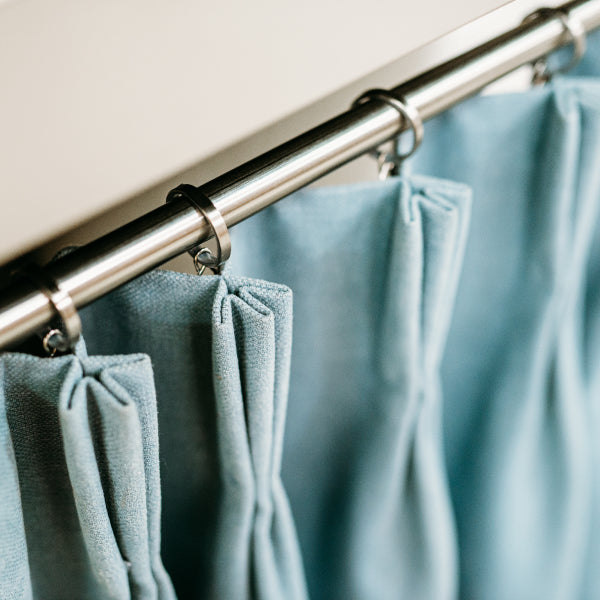
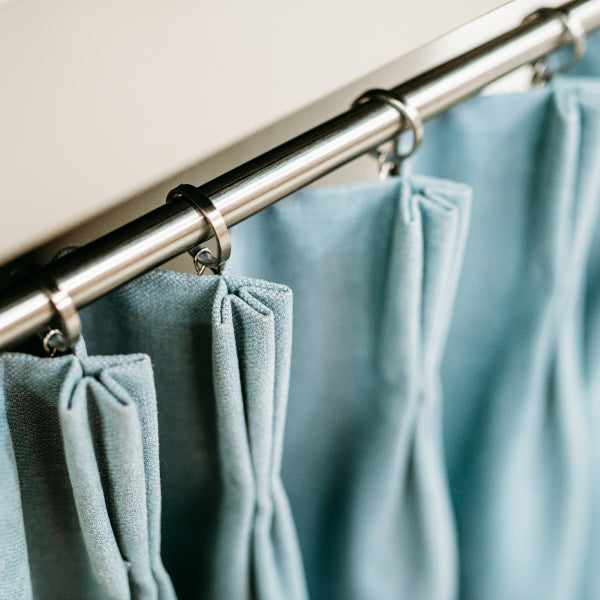
- Luxurious Draperies: Imagine floor-to-ceiling drapes with a subtle, embroidered border. They frame a window beautifully, adding handcrafted elegance without overwhelming the room.
- Statement Headboards: Give your bedroom an instant upgrade with a custom-upholstered headboard. A geometric Moroccan pattern can turn a simple bed into a stunning focal point.
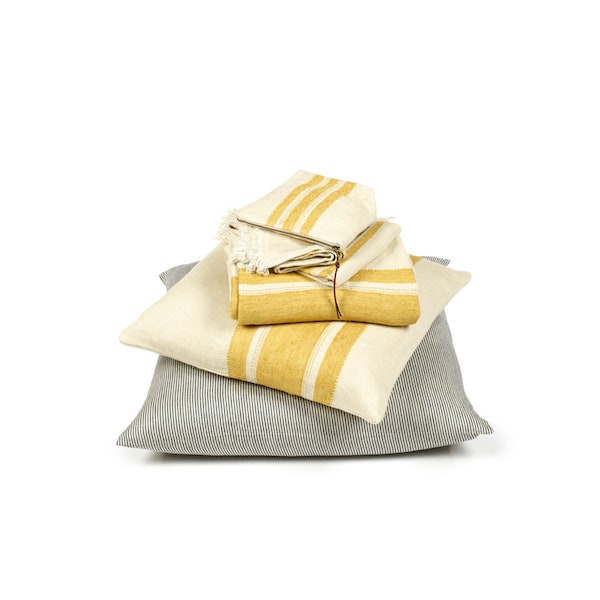
- Pillows and Throws: The perfect entry point. A few well-chosen pillows or a single throw can inject personality onto a neutral sofa, letting you experiment with bold patterns on a smaller scale.
- Floor Poufs and Ottomans: A Moroccan pouf is a classic for a reason. It’s functional, stylish, and adds a relaxed, global vibe—perfect for extra seating or as a comfortable footrest.
These smaller applications offer flexibility. You can swap them out seasonally or as your tastes change, making them a smart investment. For designers and DIY enthusiasts, our Atlanta fabric showroom has one of the city's most extensive collections. Exploring the best fabric stores in Atlanta can provide even more inspiration for your next project.
The beauty of Moroccan design is its adaptability. Whether you go big with a custom Ambella sofa or start small with exquisite pillows, these textiles bring a story, artistry, and a timeless quality that will enrich your home for years.
How to Identify Authentic Quality Moroccan Fabric
In a world full of mass-produced look-alikes, spotting a genuine, high-quality Moroccan fabric isn't a secret art. Once you know what to look for, the signs of true craftsmanship become obvious, separating the real deal from cheap imitations. Think of this as your insider’s guide to sourcing fabrics that aren’t just beautiful, but built to last.
This skill is invaluable, not just for homeowners in Roswell or Cumming investing in timeless pieces, but especially for design professionals. For our members in the Lewis and Sheron Trade Program, selecting authentic, high-quality textiles is what elevates a project from good to unforgettable. It’s about delivering real, enduring value.
The global appetite for authentic, handcrafted goods is surging. Projections show Morocco’s handicraft exports are set to soar by 41% to $45.8 million, with the United States claiming nearly 20% of that market. This demand points to a clear shift in luxury home furnishings—clients want pieces with a story and quality you can see and feel. You can discover more about Morocco's handicraft export boom and see how authenticity is driving the market.
Look and Feel The Weave
Start by using your hands. Authentic, hand-loomed Moroccan fabric has a character you can feel. It won’t be perfectly uniform like something that just rolled off a machine.
Instead, you’ll find slight, beautiful imperfections—a tiny slub in the thread, a minor variation in the weave’s tightness. These aren’t defects; they are the fingerprints of the artisan, the signature that proves a human hand was behind its creation. Machine-made imitations, by contrast, feel flat, overly smooth, and lifeless.
Examine the Dyes and Embroidery
Next, get up close and look at the color. High-quality Moroccan fabric design relies on dyes that sink deep into the fibers, creating rich, vibrant hues with depth and complexity.
Flip the fabric over. On a well-made piece, the color on the back should be nearly as strong and saturated as the front. If the back is significantly paler, that’s a big red flag for cheap, surface-level printing.
Also, take a good look at any embroidery.
- Authentic: The stitching will be dense and tight, with a slightly irregular, handmade quality. The threads themselves will feel substantial.
- Imitation: Machine embroidery is often sparse, loose, and perfectly uniform. You’ll notice the threads feel thin and synthetic.
When you choose a fabric for custom upholstery on a Wesley Hall sofa or a Verellen chair, you’re choosing the part of the furniture that interacts most with life. The quality of the weave and dye determines how it will look and feel for years to come.
Caring for Your Investment
Once you've found that perfect piece, proper care preserves its beauty. These textiles are made for the long haul, but they require mindful maintenance.
- Wool & Heavy Weaves: For rugs or heavily used upholstery, professional cleaning is your safest bet. Spot-clean spills immediately with a damp cloth, but steer clear of harsh chemicals.
- Cotton & Linen: Lighter fabrics, like throws or pillow covers, can often be hand-washed in cold water with a mild detergent. Always air dry away from direct sunlight to prevent fading.
- Silk & Fine Embroidery: These are the delicate ones. They should always be dry-cleaned, as the intricate threads can be damaged by water or agitation.
Sourcing fine fabrics in Alpharetta or Buckhead means connecting with a supplier who understands this heritage. At our Atlanta fabric showroom, we don’t just sell textiles; we offer the expertise to help you choose with confidence and care for your selections properly, ensuring your investment remains a source of beauty for a lifetime.
Experience the Real Thing at Lewis and Sheron
Reading about Moroccan fabric design is one thing. Experiencing it firsthand? That’s something else entirely. We want to be your partner in turning that inspiration into a reality you can see and touch.
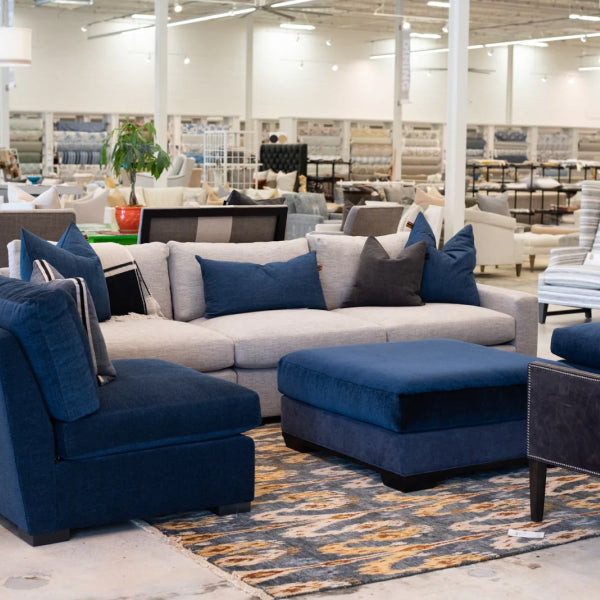
When you step into our Buckhead showroom, it’s less like a store and more like a design library where every bolt of fabric has a story. This is where you can truly appreciate the quality—something no computer screen can replicate. Feel the substantial weight of hand-woven wool, see the shimmer of cactus silk, and run your fingers over the texture of authentic embroidery.
Your Atlanta Design Resource
We invite you to bring your vision, your tear-outs, your Pinterest boards—all of it. Our collection of Moroccan-inspired and authentic textiles is the perfect starting point. We’re not just a fabric store; we’re Atlanta’s premier design resource, backed by four generations of expertise.
Whether you're coming from Milton, Alpharetta, or just around the corner in Buckhead, our team is here to guide you. We can show you how a geometric pattern could elevate an Ambella accent chair, or how a richly dyed linen can become the custom drapery you’ve dreamed of. Our in-house designers are ready to collaborate, offering complimentary guidance to help you make choices with confidence.
This isn’t just about selling fabric. It’s about being a creative partner for Atlanta’s design community and for homeowners who value craftsmanship, quality, and timeless style.
For design professionals, our Lewis and Sheron Trade Program provides the resources and exclusive access you need to execute flawless projects. From sourcing the perfect fabrics in Forsyth County for a large-scale installation to finding that one unique textile for a Wesley Hall sofa, our trade furniture program is built to support your business. We get the demands of the industry and deliver the quality and service Atlanta’s top interior designers have come to expect.
From Buckhead to Your Doorstep
We believe exceptional design shouldn't be limited by geography. While our roots are firmly planted in Atlanta, our reach is national. We bring the exquisite collections from our partners like Verellen, Lee Industries, and Wesley Hall to clients everywhere through our reliable nationwide shipping.
This commitment to service sets us apart. We’re here to help you source the perfect Moroccan-inspired textile, consult on custom upholstery, or coordinate an entire room. Take a look at some of our favorite Moroccan design fabric applications, and then come see us to start your own design story. It's time to create something extraordinary.
Common Questions About Using Moroccan Fabrics
You're not alone if you have questions about bringing Moroccan fabrics into your home. It’s a bold look, and we hear a lot of the same queries from designers and homeowners who walk into our Buckhead showroom. Here’s some straightforward advice to help you make your design choices with total confidence.
Can Moroccan Fabrics Work In a Minimalist Home?
Absolutely. In fact, it's one of our favorite ways to use them. The secret is to treat the fabric less like a background element and more like a piece of art.
Instead of filling the room with pattern, think of a Moroccan textile as the one special piece that injects soul and warmth into an otherwise clean, modern space. A single, bold geometric rug can completely anchor a room full of neutral, high-end furniture. Or maybe it’s just a couple of intricately embroidered pillows on a sleek Verellen sofa—that one touch adds character without creating clutter. It's all about intentional contrast.
What Is the Best Way to Care for These Textiles?
That really comes down to what the textile is made of. You wouldn't treat a Wesley Hall linen sofa the same as a rugged outdoor piece, and the same logic applies here. Different weaves and fibers need different kinds of care.
Here’s a quick guide:
- Wool & Heavy Weaves: For things that get a lot of traffic, like rugs or custom upholstery, we always recommend professional cleaning. It’s worth it to protect the investment.
- Cotton & Linen: Lighter pieces like pillow covers or throws can often be gently hand-washed in cold water and laid flat or hung to air-dry.
- Silk & Fine Embroidery: These are the delicate ones. To keep the intricate stitching and beautiful sheen intact, dry cleaning is the only way to go.
And one crucial tip for all of them: keep these beautiful textiles out of harsh, direct sunlight. The rich, natural dyes will fade over time if you don't. When you pick out a textile from our Atlanta fabric showroom, we’ll always give you specific care instructions to take home.
Mixing patterns is an art, not a science. The goal is to create a layered, collected look that feels harmonious and personal, not chaotic.
How Do I Mix Moroccan Patterns with Other Fabrics?
This is where the real fun starts. Mixing patterns like a seasoned designer is all about playing with scale and color. First, pick your "hero" fabric—the Moroccan pattern you fell in love with. That's your starting point.
Pull two or three key colors from that main design, and let them guide your other fabric choices. A good rule of thumb is to pair your large-scale Moroccan print with smaller, simpler patterns like stripes, subtle textures, or even just beautiful solids. This creates a visual hierarchy that feels organized and sophisticated instead of busy.
For instance, a bold patterned Lee Industries chair looks incredible when you pull one of its accent colors for solid-colored pillows. It's a technique our in-house designers use constantly for projects all over, from Marietta to Forsyth County, to create that cohesive, layered look everyone is after.
Ready to find the perfect textile for your next project? At Lewis and Sheron Textiles, we combine four generations of expertise with Atlanta's most exquisite collection of designer fabrics and luxury furniture. Visit our Buckhead showroom or explore our collections online.
Discover timeless design at https://lsfabrics.com.