









That ottoman in the corner? Don't you dare drag it to the curb. It’s a blank canvas, an unsung hero waiting for a little attention. A DIY reupholster project is your ticket to hands-on craftsmanship, transforming a forgotten piece into something you'll be genuinely proud of.
This isn't about slapping on a new cover. This is about creating a custom piece that tells your story. One that feels perfectly at home whether you’re in a Buckhead high-rise or a sprawling Roswell estate. The secret to an heirloom-quality finish lies in the details—and, most importantly, the exquisite materials you choose.
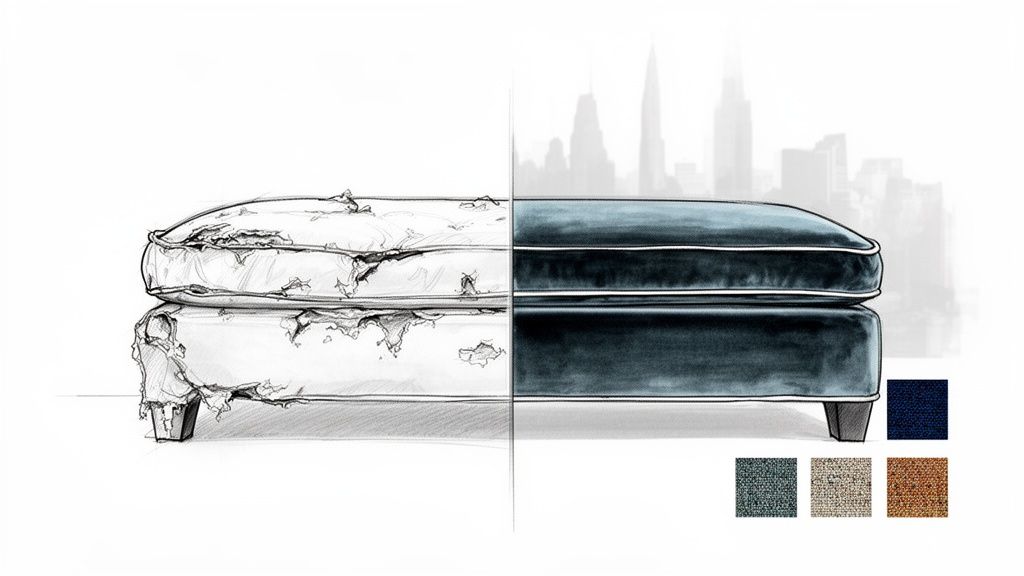
Why Your Ottoman Deserves a Second Act
Picture that ottoman, completely reborn. What does it look like?
- Maybe it’s a classic, wrapped in a rich, touchable velvet that feels like pure luxury.
- Or perhaps it’s a modern statement, covered in a high-performance, family-friendly Crypton fabric ready for anything.
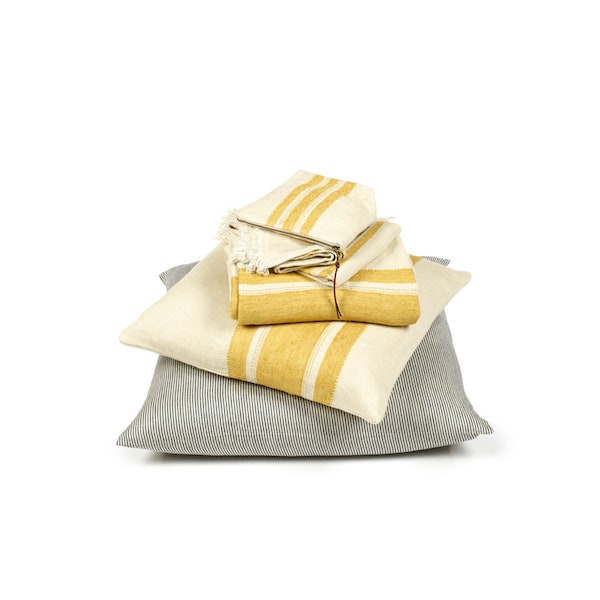
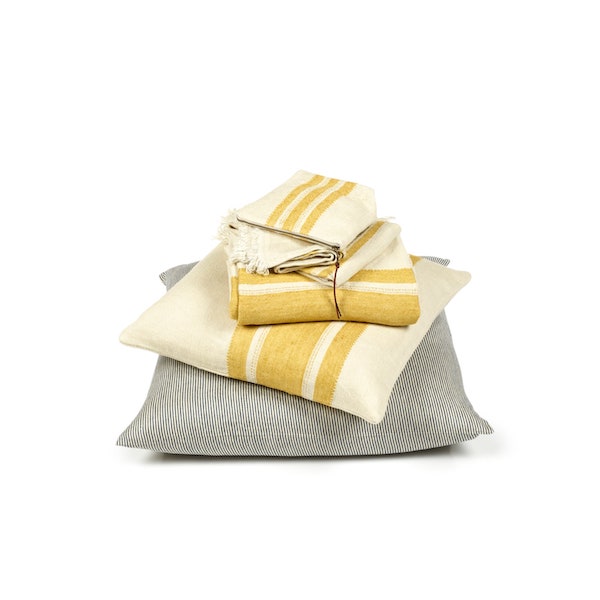
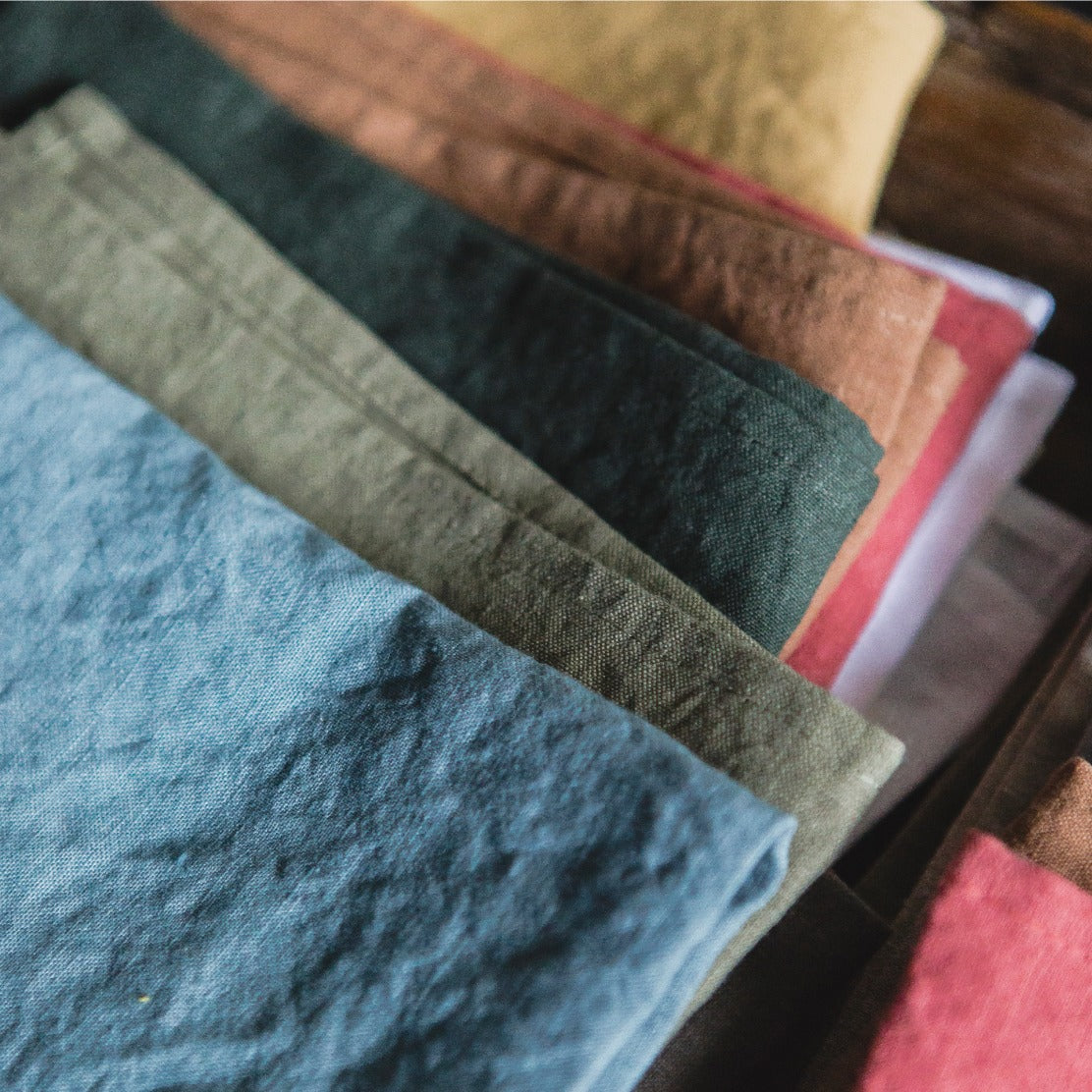
- It could even be a timeless treasure, elegantly updated with a sophisticated Belgian linen.
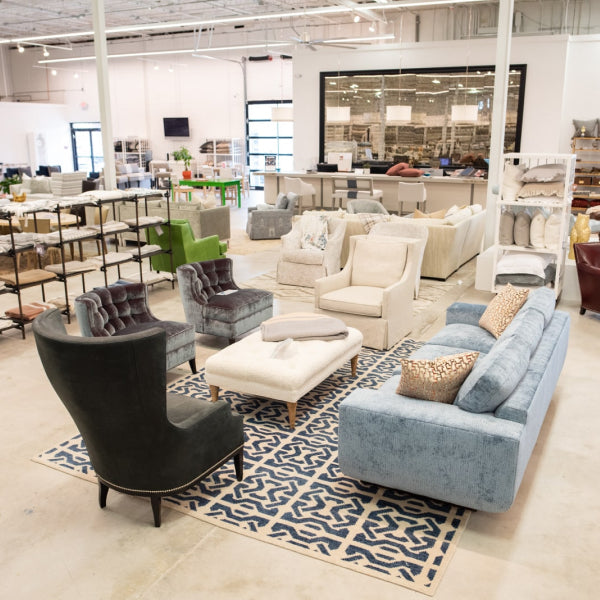
Selecting the right textile from a place like our Atlanta fabric showroom is what separates a project that screams "DIY" from one that whispers "designer." If you're looking for inspiration on how a beautifully upholstered ottoman can define a room, we have a few ideas.
It's no surprise the upholstered furniture market is set to climb to USD 89.36 billion by 2031. This isn't just about buying new; it's a shift toward sustainable, personal design. When you reupholster, you're not just saving a piece from a landfill—you’re creating custom, high-end furniture for a fraction of the cost.
Consider this guide your insider pass, straight from the heart of Atlanta’s design scene. We’ll walk you through it all, giving you the confidence to decide whether to dive in yourself or collaborate with our artisans for a truly flawless finish. Let's begin.
Gathering Your Tools and Selecting Luxury Materials
A project worthy of a Buckhead showroom starts long before the first staple. It begins with the right tools and, crucially, materials that whisper quality. Forget the junk drawer—for a professional finish on your DIY ottoman, you need a specific arsenal.
You wouldn't carve a sculpture with a butter knife. Same logic. Your kitchen scissors and that flimsy office stapler just won’t cut it.
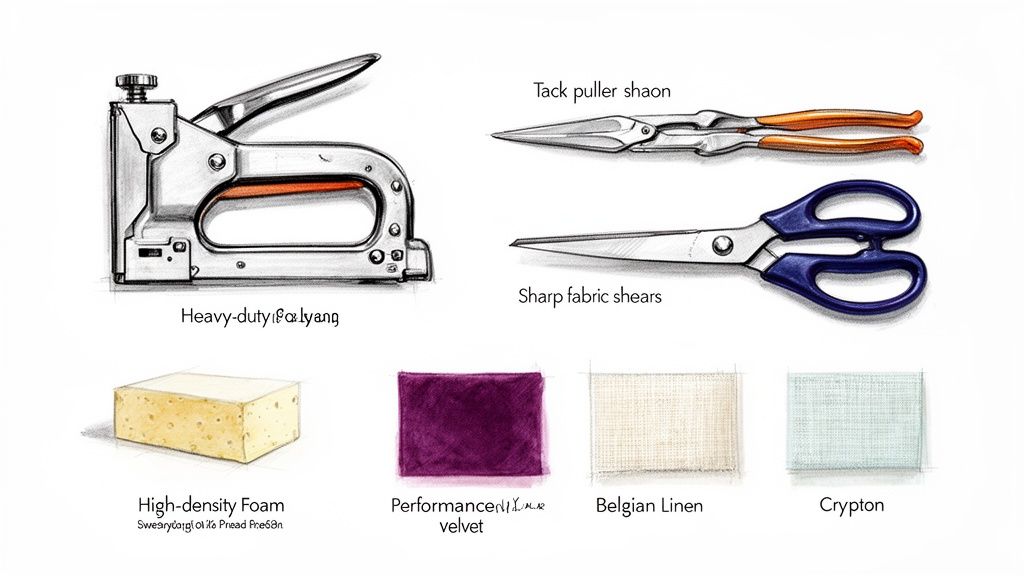
Assembling Your Upholstery Toolkit
Your core kit isn't complex, but every item is non-negotiable. They'll save you headaches and deliver a cleaner result.
- Heavy-Duty Staple Gun: Electric or pneumatic is your new best friend. It delivers the consistent power needed to drive staples deep into the frame.
- Staple/Tack Puller: The unsung hero. It pops old staples cleanly without gouging the frame.
- Fabric Shears: Sharp, dedicated scissors. They guarantee crisp, precise cuts—essential for clean lines and pattern matching.
- Tape Measure & Yardstick: Precision is the bedrock of a professional-looking piece.
These tools are your foundation. But the real magic, the part that transforms an object into a statement, is in the materials.
The Heart of the Project: Choosing Designer Fabrics
The fabric is everything. It dictates the look, the feel, and the longevity of your reborn ottoman. It's the difference between a piece that lasts a season and one that becomes a fixture in your Forsyth County home for years.
In our Buckhead showroom, we guide designers and homeowners through this daily. The secret isn't just a pretty pattern; it's matching the right textile to its purpose. An ottoman in a busy family room demands more than a delicate silk can offer.
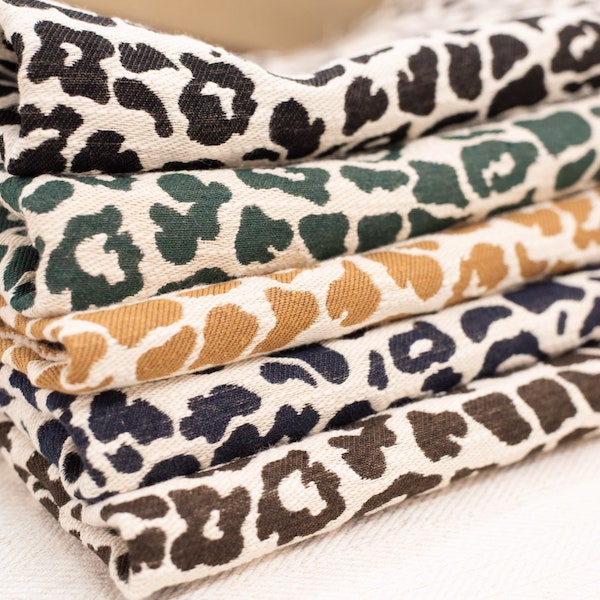
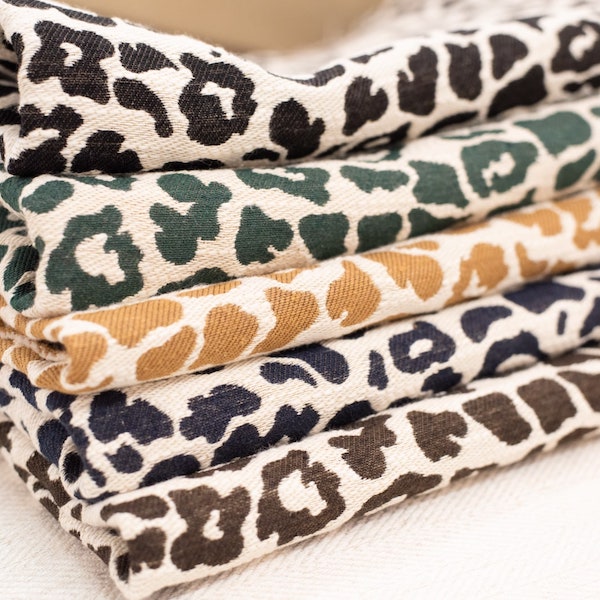
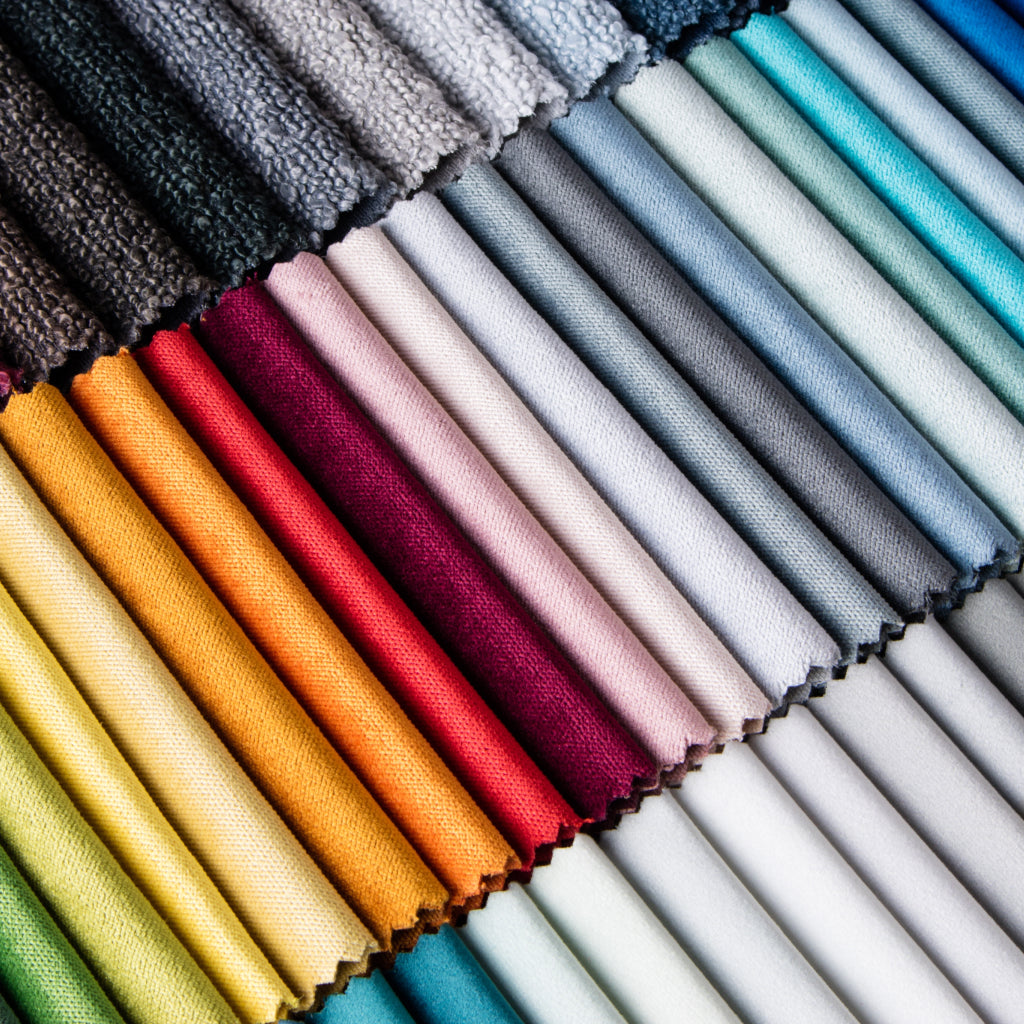
To truly elevate your piece, a deep dive into elegant upholstery materials is essential. Think performance velvets with a lush feel and surprising resilience. Or the timeless, relaxed elegance of Belgian linens. These are investments in quality you can see and feel. For those in Alpharetta or Milton with kids and pets, performance fabrics like Crypton are a game-changer, offering stain resistance without sacrificing a luxurious hand.
Choosing the Perfect Ottoman Fabric
Here's a quick look at some popular luxury fabrics to help you decide.
| Fabric Type | Best For | Durability (Wyzenbeek Rubs) | Design Tip |
|---|---|---|---|
| Performance Velvet | High-traffic family rooms, homes with pets | 50,000 - 100,000+ | Offers a plush, inviting texture that hides wear well. Opt for jewel tones for a dramatic statement. |
| Belgian Linen | Casual, sophisticated living spaces | 15,000 - 30,000 | Its natural, slightly rumpled look adds character. Perfect for a relaxed, high-end aesthetic. |
| Bouclé | Accent pieces, formal living rooms | 30,000 - 50,000 | The looped, nubby texture is a showstopper. Best on simple shapes to let the fabric shine. |
| Leather | Dens, offices, and high-use areas | N/A (Extremely durable) | Ages beautifully, developing a rich patina over time. A timeless choice that’s easy to clean. |
The best fabric fits your life as beautifully as it fits your ottoman. Don't be afraid to ask for swatches. See them in your own home.
Beyond the Fabric: Padding and Details
What’s underneath matters just as much. Worn-out foam makes even the most exquisite fabric look lumpy. Upgrade to high-density foam—it provides the firm, comfortable support you find in high-end furniture from brands like Wesley Hall and Lee Industries.
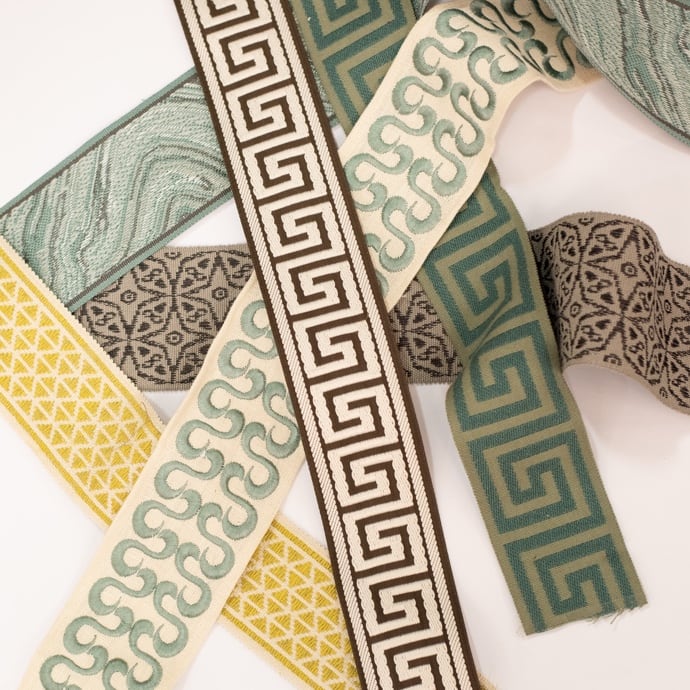
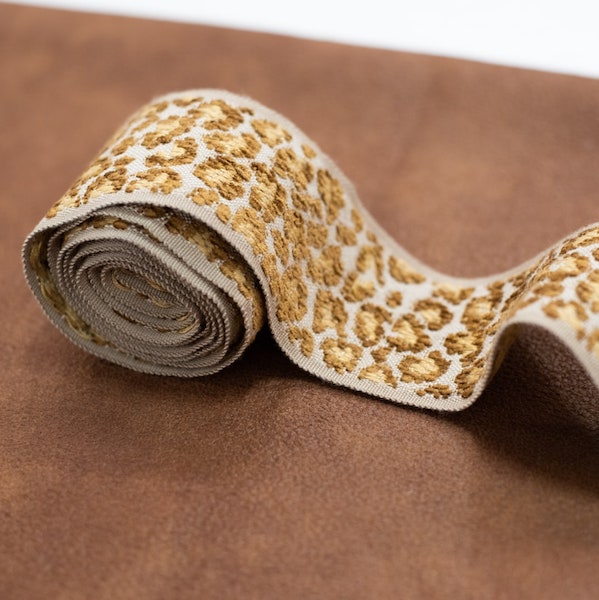
Then, the finishing touches. A layer of Dacron wrap over the foam is a pro move, softening edges for a smooth profile. For a truly bespoke look, craft your own welt cording (piping). This detail crisply defines the ottoman’s shape, giving it sharp, tailored lines worthy of any Atlanta interior design portfolio.
Want to learn more? Our experts can help you choose the perfect upholstery fabric when you visit us.
Stripping It Down: Deconstruction and Prep Work
This is where the real work begins. Taking apart your ottoman isn’t brute force; it’s an archaeological dig. You’re carefully peeling back layers to reveal the good bones—the same solid foundation you’d find in pieces from high-end makers like Verellen and Ambella.
Every staple you pull, every seam you undo, is a clue. The original maker left a roadmap. Pay attention now, and you’ll set yourself up for a flawless finish.
Don't Skip the Blueprint
As you pry off the old fabric, resist the urge to rip it all off at once. Each panel is a perfect template for its replacement. This is the one step that separates pride from pain.
- Label everything. "Top," "Side 1," "Bottom Edge"—you can't be too specific. A few seconds of labeling saves a world of confusion later.
- Take pictures. Snap photos from every angle before you start and as you go. They’re your visual cheat sheet for tricky corners and seam lines.
- Save the old fabric. Lay the pieces flat. These are your patterns. Bringing them to our Atlanta fabric showroom helps our team ensure you get the perfect amount of that designer fabric you've chosen.
Do this, and you'll cut into that gorgeous, high-end textile with total confidence.
Check the Foundation
With the fabric gone, you can see what’s really going on inside. Inspect the frame, just as the artisans at Lee Industries would.
Is it sturdy? Give it a good shake. A wobble often just needs tightened screws or a little wood glue and a clamp. A few minutes reinforcing the frame now adds years to your piece’s life.
A beautiful cover can't hide a weak foundation. True integrity means the frame and padding are as perfect as the new fabric.
This quick structural check is a mark of quality custom upholstery and one of the most important parts of making your project last.
The Heart of Comfort: Padding and Batting
Now, look at the padding. Is it flattened, discolored, or crumbling? If yes, replace it. The padding is the soul of your ottoman's comfort.
Luxury furniture from Roswell to Marietta isn’t just a block of foam; it’s a smart, layered system. Here's how it works:
- High-Density Foam: This is your core support. It provides a firm base and prevents that dreaded sinking feeling. Don’t skimp.
- Cotton Batting: Wrapping the foam in cotton batting is a pro move. It softens hard edges and creates a gentler, more rounded shape.
- Dacron Wrap: The final touch. This polyester batting goes over the foam and cotton, helping the new fabric slide on easily and adding one last layer of plushness. This is how you get that smooth, high-end look we feature in our trade furniture program.
By deconstructing with care and prepping the foundation, you’re not just recovering an ottoman. You’re re-engineering it for a new life, ensuring the inside is as well-crafted as the outside.
Mastering the Craft of Upholstery
With a prepped, solid frame, it’s time for the magic. This is where you transform a frame and a bolt of exquisite fabric into a custom piece that would look right at home in any Buckhead interior.
The secret to a flawless result isn't brute force. It’s technique, patience, and an eye for the details that signal true craftsmanship.
Your Blueprint for Success: The Old Fabric
Those labeled fabric pieces you saved? They're now your most valuable asset—the perfect pattern for cutting your new material.
When you lay them out, two critical elements professionals never overlook:
- Pattern Matching: If you chose a fabric with a distinct pattern, the design must flow seamlessly from one panel to the next. This takes planning (and a bit more fabric), but the cohesive look is what separates amateur work from a high-end finish.
- Fabric Nap: Textiles like velvet have a directional pile, the nap. Run your hand over it; one way feels smooth, the other rough. For consistent, rich color, every piece must be cut with the nap running in the same direction.
Getting these details wrong can make even the most expensive designer fabrics look off. Get them right, and you're golden.
This visual guide breaks down the essential prep work before you even think about stapling.
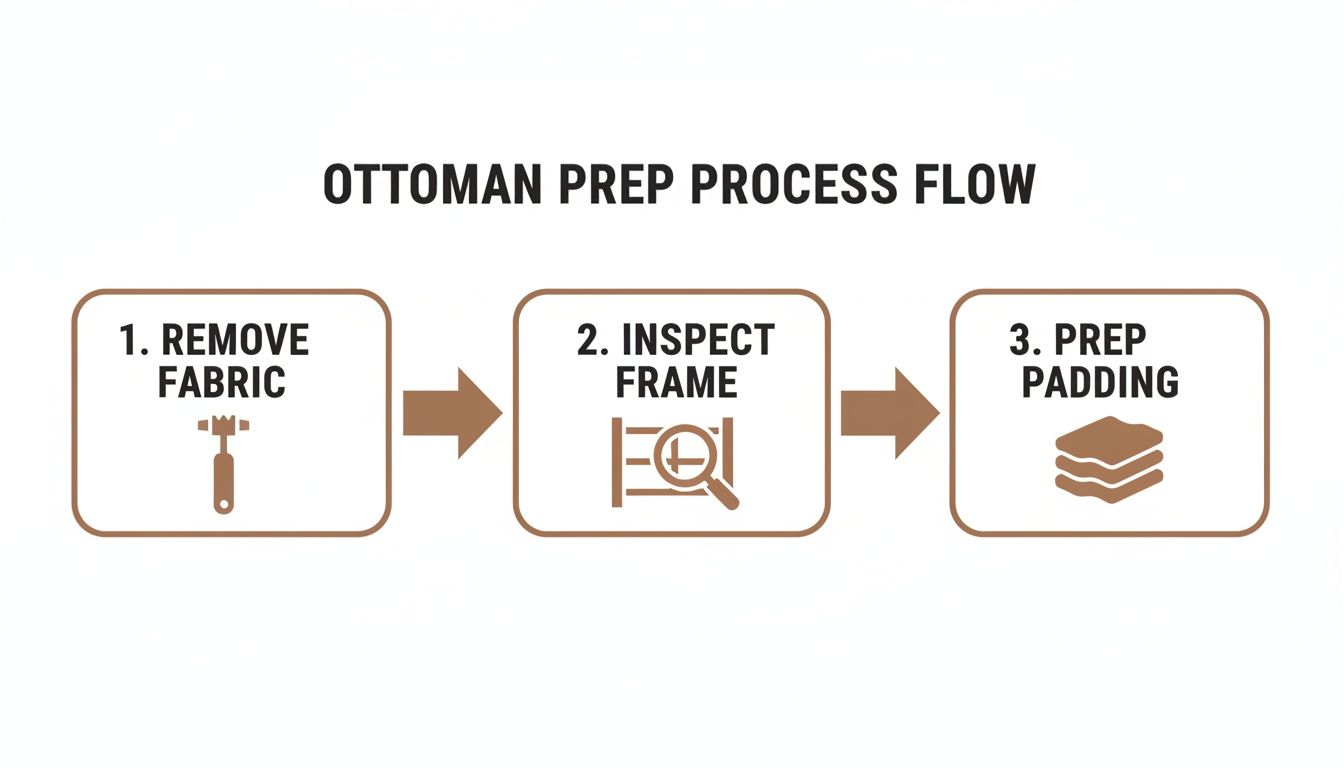
Following this sequence ensures your ottoman’s structure is sound and ready for its beautiful new cover.
Achieving a Drum-Tight Finish
The goal is a smooth, taut surface with no wrinkles. The key is a systematic stapling process.
Center your fabric over the padded top. Place one staple in the center of each of the four sides, pulling taut as you go. Pull firmly, but not so hard you distort the pattern.
From there, work from the center staples toward the corners, always alternating sides. This method distributes tension evenly and prevents ripples.
A common mistake is stapling one entire side before moving to the next. This almost always results in bunching. Think like you're stretching a canvas—work from the center out.
This methodical approach is how you achieve that clean, professional look you see in high-end furniture from brands like Verellen and Lee Industries.
Perfecting the Corners
Corners are where many DIY projects falter. The secret to crisp corners without bulky bunching is the hospital corner, like a well-made bed.
Pull the fabric taut over one corner and staple it down. Take the excess fabric on one side, fold it under neatly to create a crisp 45-degree angle, and pull it tightly over the corner before stapling.
It takes practice, but the sharp, tailored look is worth it. For a deeper dive, our comprehensive seam allowance guide can provide additional clarity.
Adding Bespoke Details
Now, for the details that elevate your piece from a DIY project to a custom creation.
- Welt Cord (Piping): Crafting your own welt cord with the same fabric creates defined, professional edges. It’s a hallmark of quality custom upholstery.
- Button Tufting: For classic elegance, a simple button tuft can be a stunning addition. It requires careful measurement and a long upholstery needle but adds timeless depth.
Opting for these small upgrades is an investment in style. The high-end upholstery market is projected to hit USD 1,272.91 million by 2033, driven by homeowners in places like Roswell seeking unique elegance. Reupholstering an ottoman with premium fabrics from our Atlanta showroom can even boost your home’s value, as quality furnishings may increase resale value by up to 5-10%. This small project extends the life of a piece by 20-30 years, making it a smart choice over buying new.
So, Should You DIY or Call in a Pro?
You have the vision. You've found a gorgeous designer fabric in our Buckhead showroom. Now, the big question: should you really do this yourself? An honest assessment right now is the most important step in your entire project.
A simple, square ottoman is a fantastic entry into custom upholstery. It’s a hugely rewarding project. But some pieces—the ones with complex shapes or priceless sentimental value—deserve a master’s touch.
A Gut Check on Complexity and Your Time
Look at your ottoman. This isn't just about stretching fabric; it's about honoring its design.
Ask yourself:
- Does it have intricate curves or rounded edges? These are tricky. They require skill to prevent puckering and ensure a smooth finish.
- Are you dealing with deep channel tufting or precise button placement? Achieving uniform tension is an art form that takes years to perfect.
- Did you choose a fabric with a large, repeating pattern? Matching a complex floral or geometric across multiple seams is a challenge, even for pros.
Then, be realistic about your time. If a project will cause more frustration than fulfillment, handing it to an expert isn’t giving up—it’s a smart design decision. While your ottoman might be a perfect weekend project, it's worth knowing the 5 commonly restored items better left to professionals to avoid a costly mistake.
The Lewis and Sheron Professional Advantage
Choosing our professional custom upholstery services isn't like hiring a contractor; it's like collaborating with Atlanta’s finest artisans. It’s the ultimate partnership: your vision, our flawless execution. This is the secret behind stunning interiors from Marietta to Milton.
Think of it this way: our team lives and breathes this craft. We see the subtle nuances in how a Wesley Hall sofa is constructed or how a Verellen piece achieves its signature elegance. We bring that same expertise to your project.
When you work with us, you get an experience that goes far beyond the basics. We ensure every seam is perfect, every corner is crisp, and the final piece is worthy of sitting next to our finest luxury furniture collections. It’s about achieving an heirloom-quality result that will look incredible for generations.
Whether you DIY or bring it to us, the goal is the same: creating a piece you will absolutely love.
Your Top DIY Upholstery Questions, Answered
Jumping into a DIY ottoman project always brings up questions. We hear them constantly in our Buckhead showroom from homeowners and designers across North Georgia. Here are the answers to the most common ones.
How Much Fabric Do I Need for My Ottoman?
The number one question. The answer is always: measure twice, buy once. A small footstool might only need two yards, but a large storage ottoman could easily need five or more.
The golden rule: bring your measurements. If your fabric has a large, repeating pattern, plan on buying about 25% extra for matching. You'll also want a little more for details like welt cording.
The absolute best way to get it right? Bring your measurements and a photo of your ottoman into our Atlanta fabric showroom. Our experts can give you a precise calculation and help you sort through thousands of in-stock options.
What Is the Best Fabric for a High-Use Ottoman?
Let's be real—an ottoman is a footrest, an extra seat, and an impromptu coffee table. Durability is everything. This is where performance fabrics prove their worth.
Brands like Crypton offer incredible stain and moisture resistance without feeling stiff. You can still get that luxurious feel. High-quality velvets and tight-weave linens with a high Wyzenbeek rating ("double rubs") are also fantastic, long-lasting choices for custom upholstery.
If you have kids and pets in your Milton or East Cobb home, a performance fabric gives you a sophisticated look with the peace of mind you need. Steer clear of delicate silks or lightweight cottons for these workhorse pieces.
Can I Reupholster a Leather Ottoman with Fabric?
Of course! Switching from leather to fabric is a fantastic way to transform a room's feel. The process is the same: carefully remove the old leather and use those pieces as your pattern for your new designer fabric.
A good tack puller is essential here, as leather is often fastened with stubborn staples. You might also want to add a layer of cotton batting over the existing foam to soften the final shape. This simple step prevents the foam's texture from telegraphing through a lighter fabric and guarantees a plush, professional finish. It’s a brilliant way to update a dated piece with a modern textile from a designer like P. Kaufmann.
Is a Tufted Ottoman Too Hard for a Beginner?
Tufting adds complexity, but it’s not out of reach. Simple button tufting is the most approachable style to tackle first.
The secret is meticulous measurement. Your button placement must be perfectly symmetrical. You’ll need a long upholstery needle, strong tufting twine, and covered buttons that match your new fabric.
Our honest advice? If this is your first project, start with a simple, non-tufted ottoman to build your skills. If your heart is set on a deeply tufted piece from the get-go, it might be the perfect time to explore our professional custom upholstery services. This guarantees that flawless result worthy of sitting next to a Wesley Hall or Lee Industries chair.
Your vision for the perfect piece is what matters most. At Lewis and Sheron Textiles, we’re here to provide the materials and expertise to bring it to life, whether you do it yourself or collaborate with our artisans. https://lsfabrics.com