


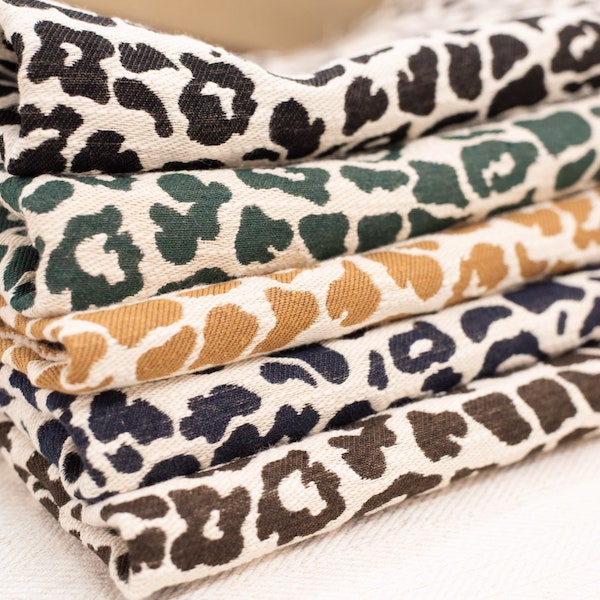
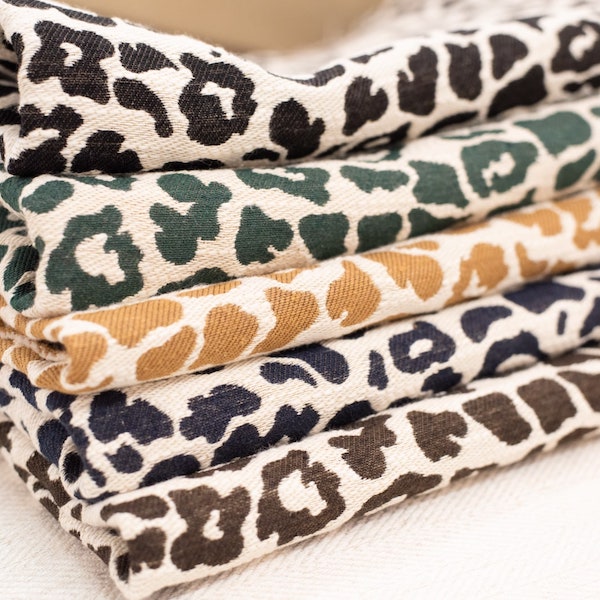
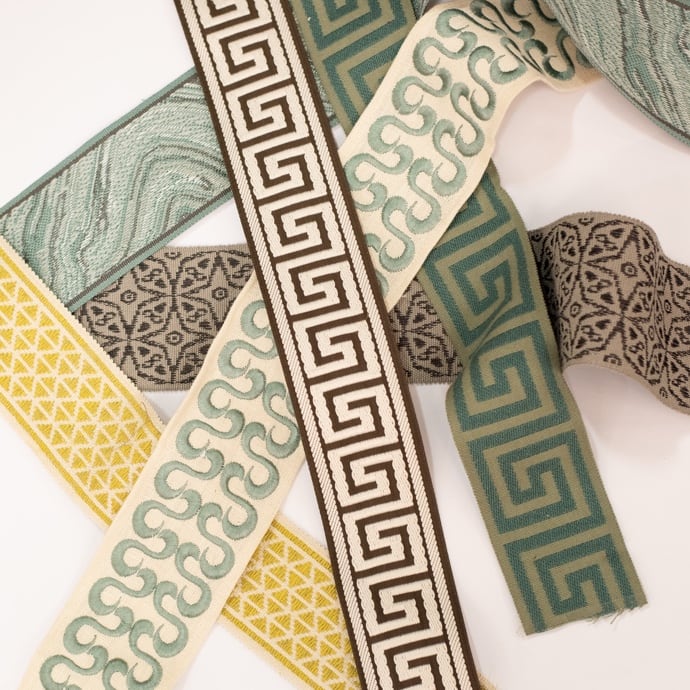

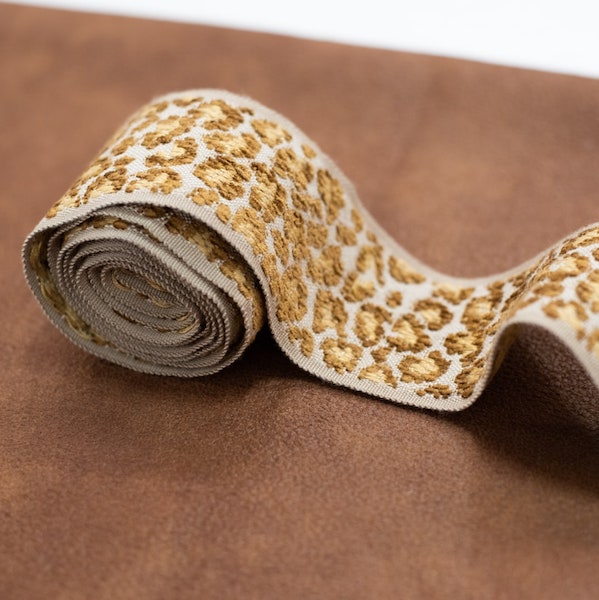









Luxury begins with what you choose to keep. A refined home isn't defined by filling every room with expensive objects, but by selecting fewer, better pieces and coordinating them through custom dimensions, premium materials, layered textiles, and enduring craftsmanship. A well-made sofa, hand-knotted rug, custom drapery, and carefully restored chair can create more authority than a room crowded with fashionable purchases.
That approach matters in Atlanta, Buckhead, Alpharetta, Roswell, Sandy Springs, Fulton County, and North Atlanta, where homeowners and designers often need furniture that fits distinctive architecture, demanding lifestyles, and highly considered interiors. The broader luxury interior design market reflects sustained demand for this level of work. One market estimate placed the global category at about USD 53.5 billion in 2023, with North America contributing more than 40% of revenue and Europe contributing more than 30% according to this market report. Those figures don't make a room luxurious by themselves, but they show why bespoke furnishings, premium textiles, and high-touch design services have become an established part of the residential market.
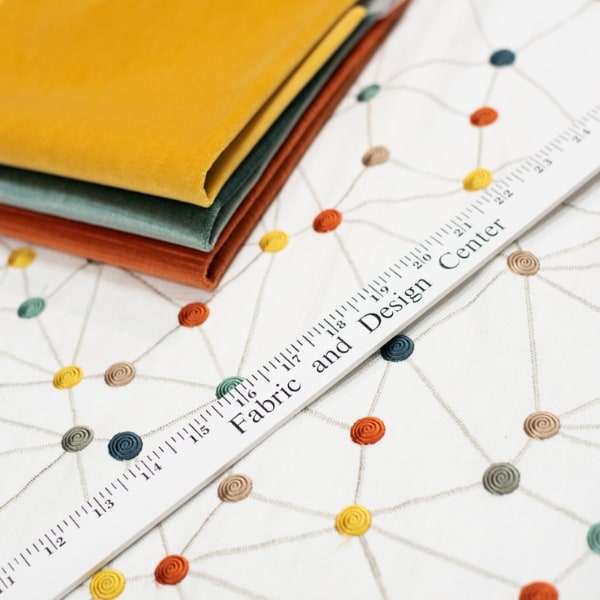
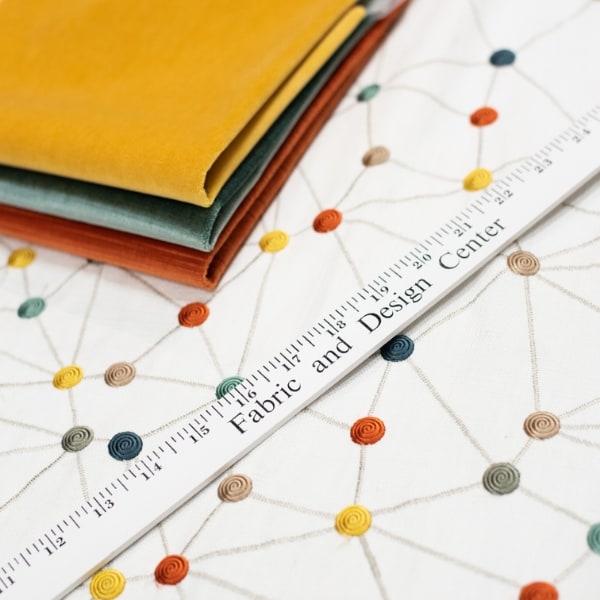
The following luxury home interior design ideas focus on decisions that matter when you're ready to buy, commission, restore, or coordinate furniture. Lewis and Sheron Textiles supports Atlanta-area projects with in-stock and cut-yardage fabrics, custom upholstery, reupholstery, custom drapery, rugs, accessories, and complimentary in-house design guidance.
1. Custom Upholstered Statement Furniture as Centerpiece Design
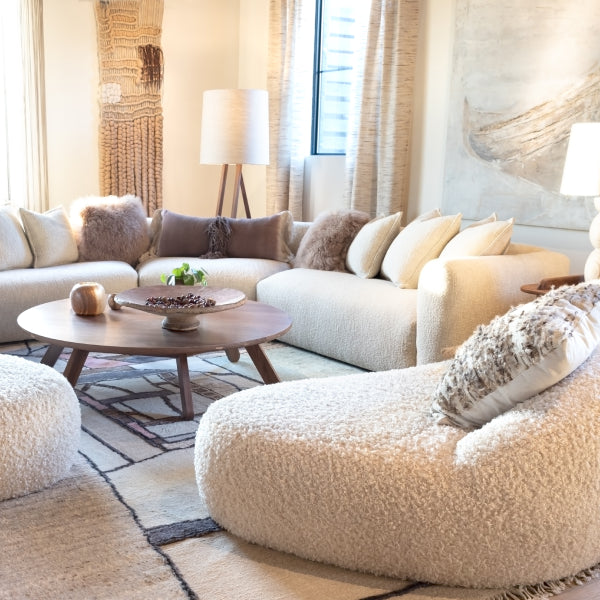
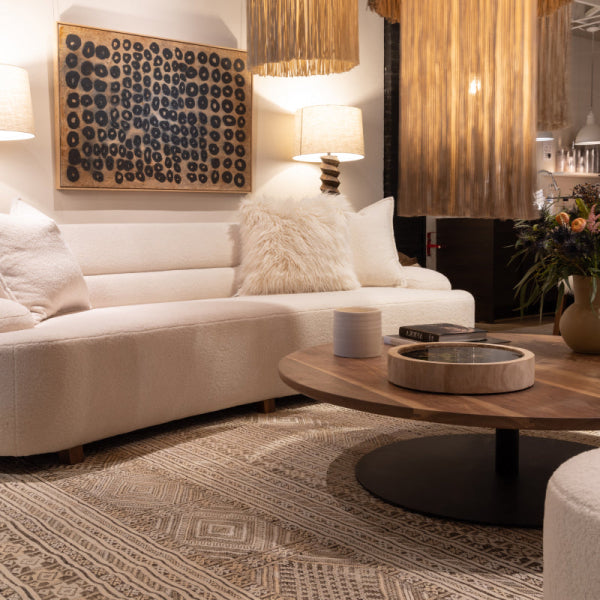
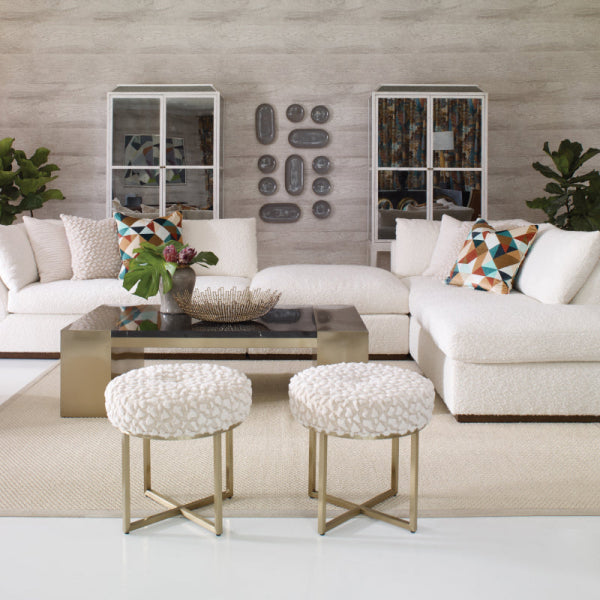
A custom sofa or sectional should do more than fill a wall. It should establish the room's scale, support the way people gather, and give every later decision, from rug placement to drapery height, a clear point of reference. For Atlanta lofts, Buckhead estates, and spacious North Atlanta living rooms, made-to-order upholstery can solve proportions that ready-made furniture often ignores.
A Verellen custom sectional can be adjusted to an architectural layout, while a Wesley Hall sofa can be reupholstered in Libeco Belgian linen for a more relaxed expression. LEE Industries pieces work well as foundations for designer schemes, and Ambella upholstered beds and ottomans can serve as focal pieces in bedrooms and dressing areas.
Custom upholstery also lets you specify fabrics from mills such as Kravet and Fabricut, adjust seat depth, select arm profiles, and coordinate details across rooms. For high-traffic households, Crypton fabrics offer a practical route to stain-resistant performance without automatically sacrificing a designer appearance.
Practical rule: Judge the frame and internal construction before deciding whether a cushion feels soft enough. Comfort can be adjusted. A weak structure is harder to correct.
Before ordering, request fabric samples and view them in the room's actual natural and artificial light. Finalize custom dimensions after renovation layouts are settled, especially if walls, built-ins, door swings, or fireplaces are changing.

For maintenance planning, pair the purchase with reliable care guidance, including these best upholstery cleaning methods.
2. Luxury Fabric Curation and Textile Layering
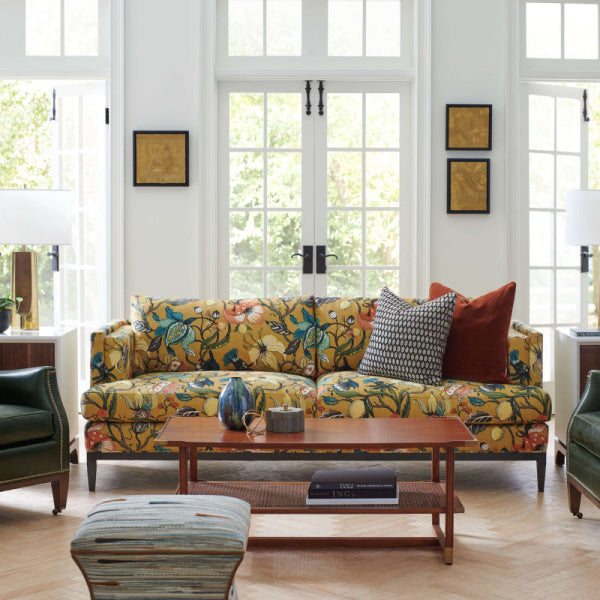
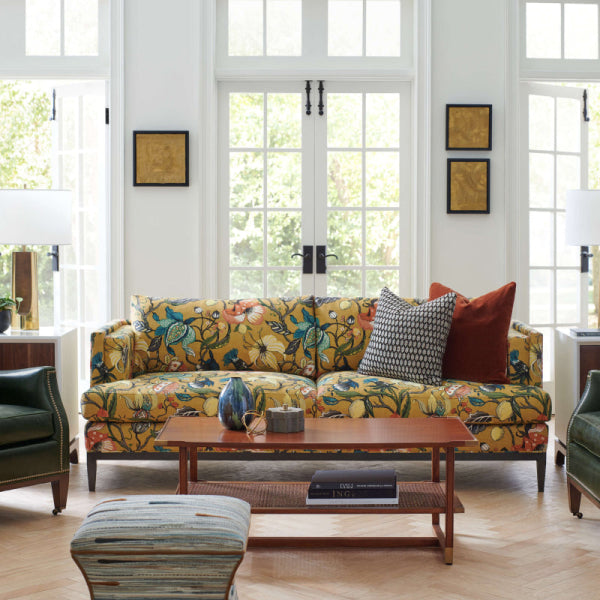
Luxury rooms gain much of their character through textiles that are related without being identical. Start with a hero fabric for a sofa, headboard, or pair of custom chairs, then build a supporting palette through drapery, pillows, throws, and rugs. The result should feel collected rather than matched.
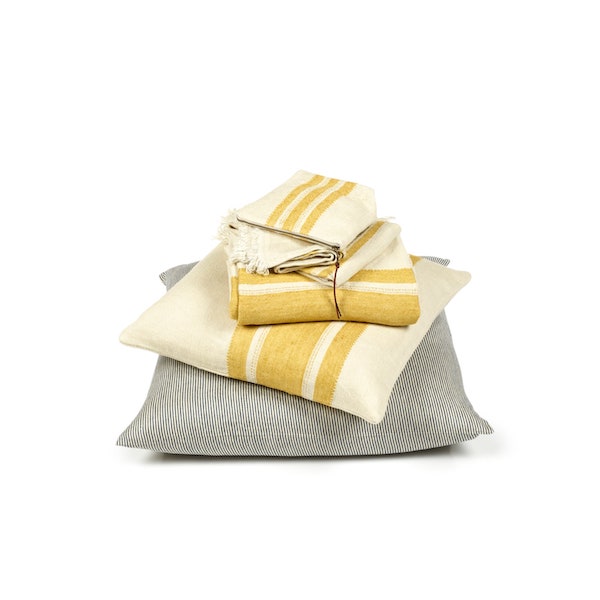
A Kravet upholstery fabric might sit beside coordinating Kravet drapery, while Libeco Belgian linen bedding introduces a softer, breathable layer in the bedroom. In a living room, combine a textured weave on the main seating with quieter solid fabrics on occasional chairs. Woven throws and nubby pillows can make a neutral scheme feel warm instead of flat.
Use the 60-30-10 rule as a planning framework, not a rigid formula. Let the dominant upholstery establish most of the visual field, use a secondary textile to create contrast, and reserve the accent color for pillows, trims, or smaller furnishings. Large samples matter because a small swatch can hide scale, sheen, slubbing, and the way a fabric changes beside wood or stone.
Build the palette under real light
Review candidate fabrics in morning light, evening light, and the room's installed lighting. Warm bulbs can shift pale neutrals toward cream, while daylight may reveal undertones that weren't obvious in the showroom.
Quality drapery fabrication deserves the same attention as upholstery. Proper hemming, lining, fullness, and hardware determine whether window treatments look architectural or improvised. A complimentary in-house design consultation can help coordinate fabric performance, pattern scale, and room-to-room continuity before you commit to yardage.
3. Hand-Knotted Rugs as Investment Art Pieces
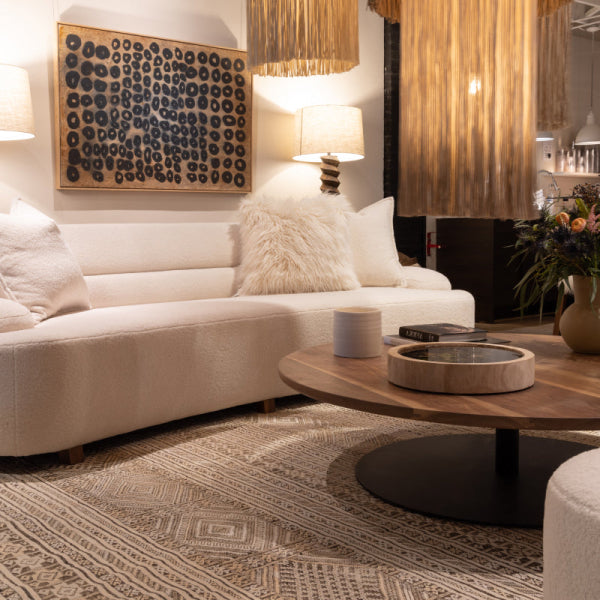
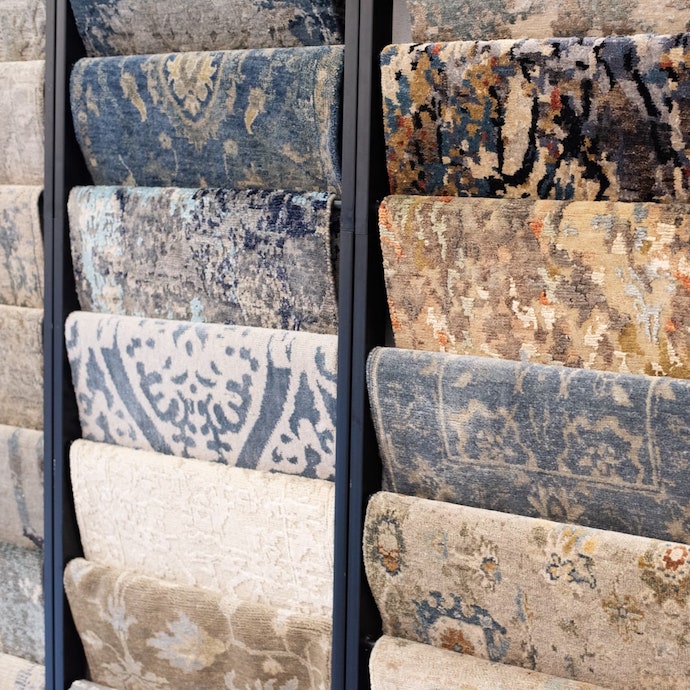
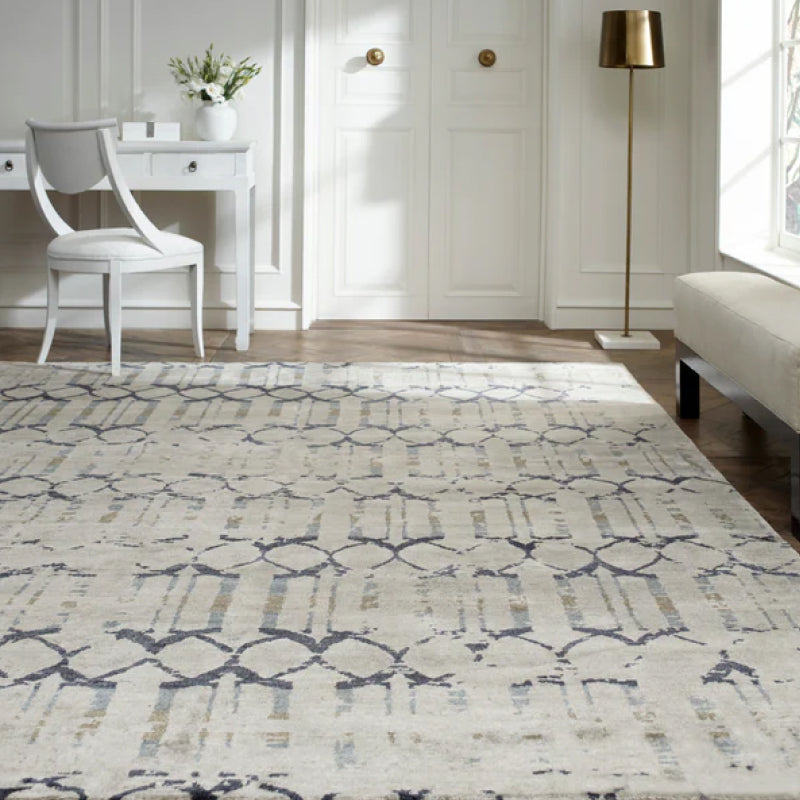
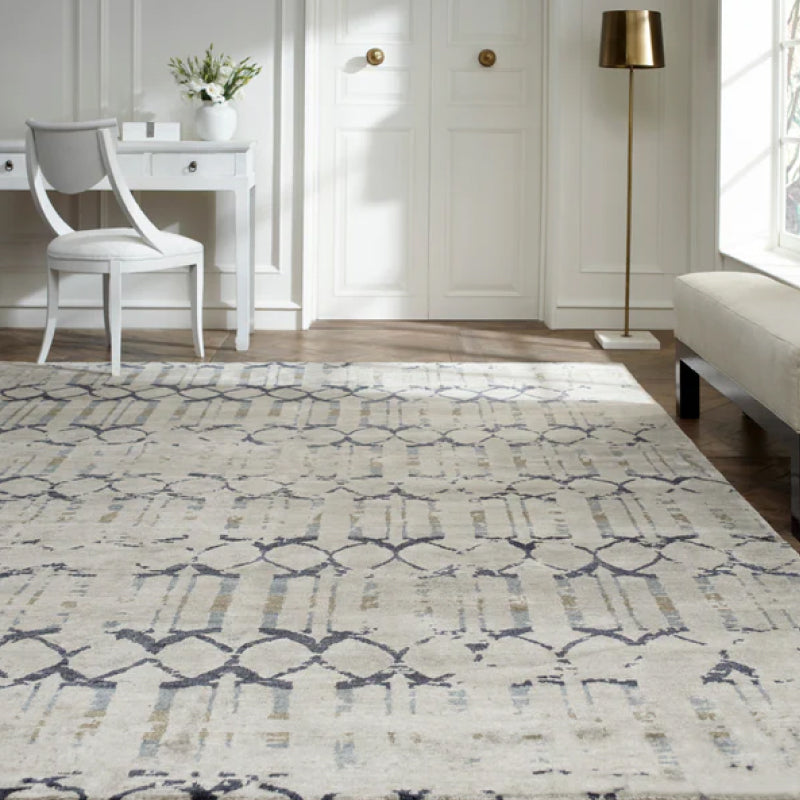
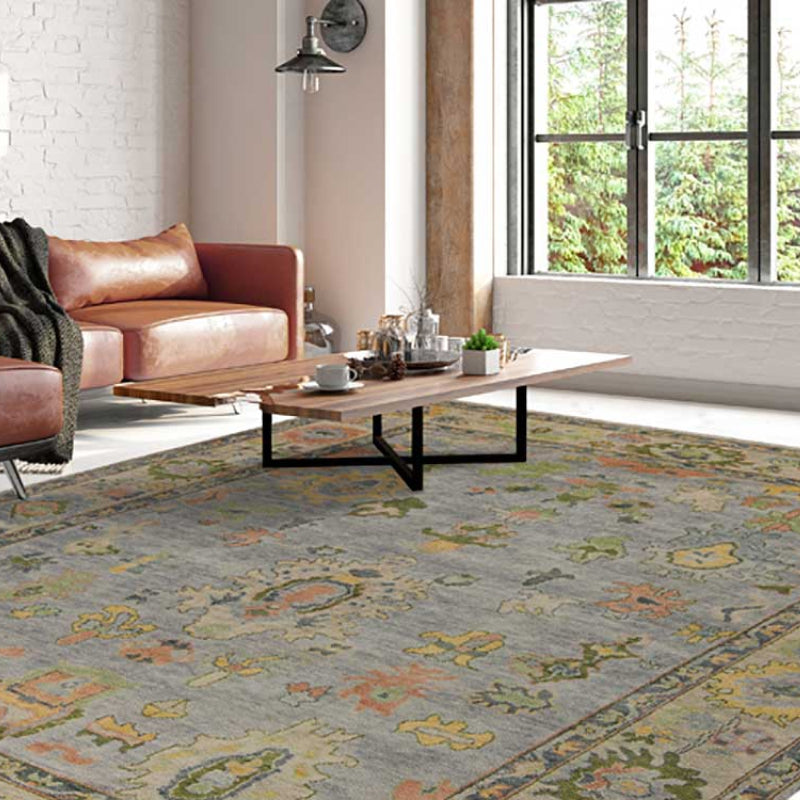
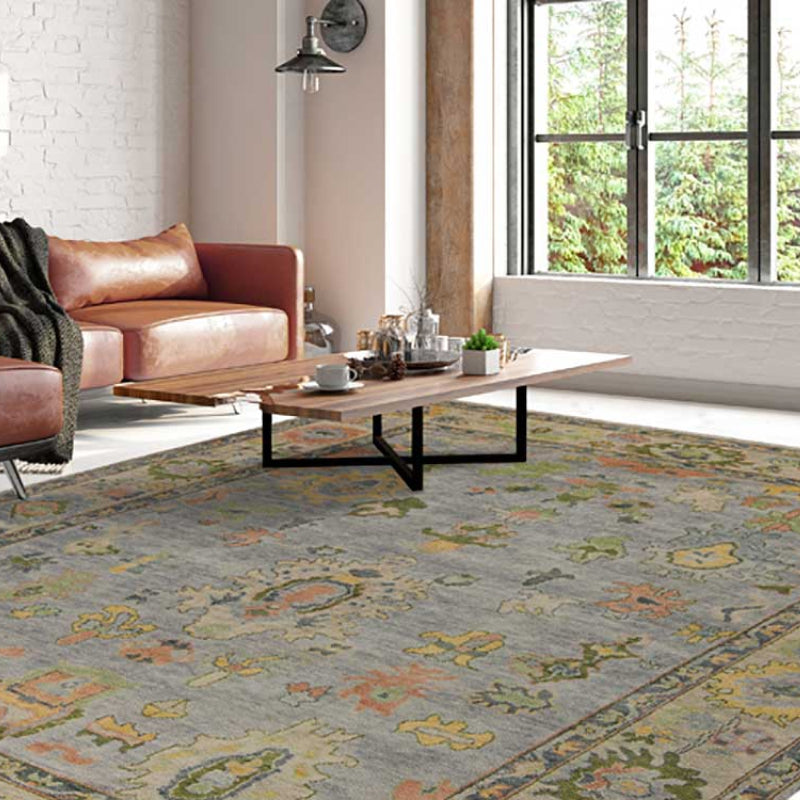
A hand-knotted rug can anchor a seating arrangement, soften acoustics, and provide the color bridge between furniture and architecture. It also brings variation that machine-made flooring rarely replicates. Small shifts in knotting, color, and surface create a sense of authorship, particularly when the rug is selected for the room rather than added after the furniture.
Kalaty Turkish and Persian designs can bring traditional depth to a high-traffic living room, while HRI contemporary hand-knotted rugs suit modern Atlanta homes that need texture without historical ornament. A vintage hand-knotted piece layered over a larger foundation rug can make an open-plan room feel more personal and less staged.
For a serious purchase, ask about construction, origin, care, and provenance. The rug's scale should be determined by the furniture grouping. A rug that only catches the front legs of a large sectional may look undersized, while a properly proportioned piece can define the conversation area and connect adjacent zones.
Read this guide to what hand-knotted rugs are before comparing construction and quality.
A rug should organize furniture, not simply decorate the empty floor around it.
Protect the investment with a properly fitted underlay that reduces shifting and helps protect the flooring beneath. High-traffic rugs also need a professional cleaning plan, and a larger home may require different care schedules for entry areas, dining spaces, bedrooms, and quieter rooms.

4. Custom Drapery and Window Treatments as Architectural Elements
Windows determine how a room feels throughout the day, and custom drapery shapes that experience intentionally. It can frame a view, control glare, improve privacy, and make ceiling height feel more considered. Specify it early enough to coordinate with furniture, lighting, and the room's overall textile scheme.
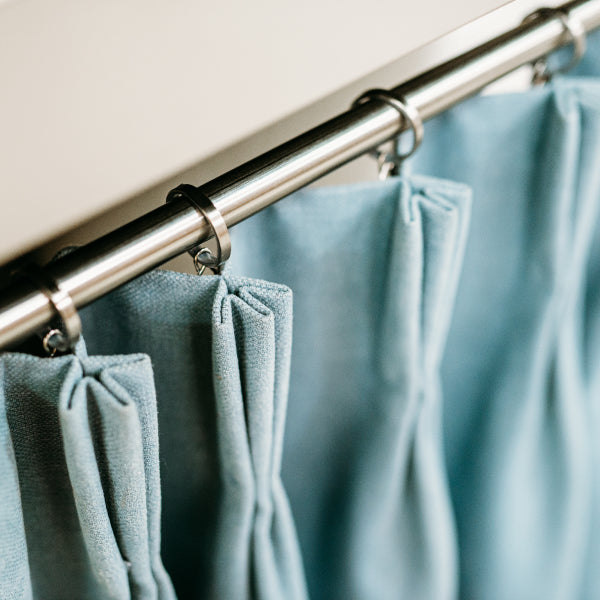
Floor-to-ceiling drapery in a Kravet designer fabric can strengthen vertical proportion in a Buckhead living room. Linen panels on motorized tracks suit a contemporary Atlanta home, while layered sheers and blackout drapery give a primary bedroom flexible light control. In a media room, blackout lining can serve a practical purpose even when the face fabric is pale and decorative.
Specify the treatment before the room is finished
Measure after the walls are fully prepared, accounting for crown molding, baseboards, trim, and built-ins. Hardware deserves equal attention. Rods, tracks, rings, and brackets affect appearance, weight distribution, and daily operation. The finished system should open smoothly, support the fabric, and remain visually proportionate.
Test the fabric with its proposed lining. Daylight can shift color, reveal weave irregularities, and change the apparent weight of linen or patterned cloth. Motorized controls may improve access for tall or hard-to-reach windows, but they require planned power and service access.
During renovation, coordinate panel stack-back with furniture placement, door clearances, and the intended view. This prevents a costly treatment from restricting circulation or hiding the architecture it was meant to frame.

5. Belgian Linen Luxe and Natural Fiber Sophistication
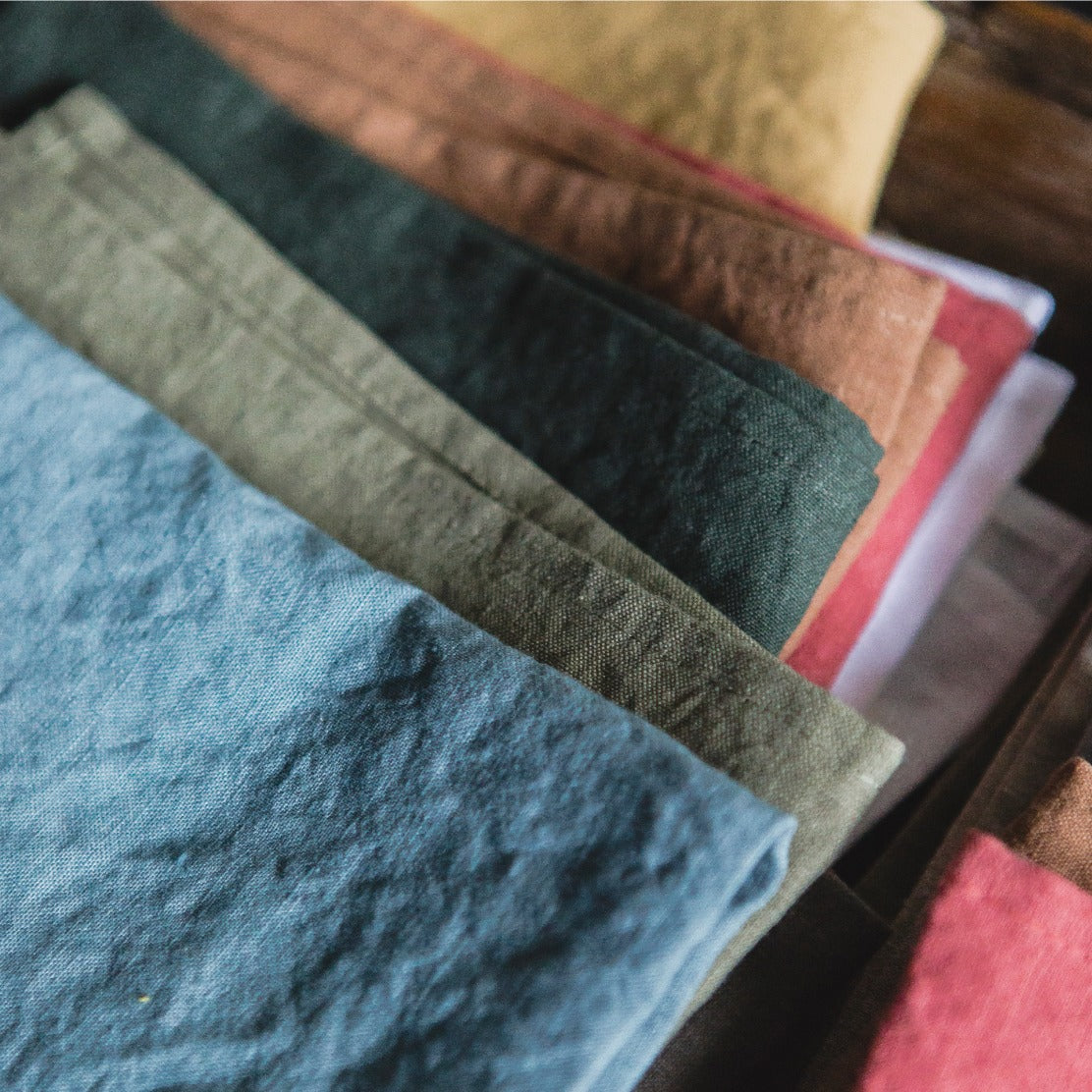
Belgian linen brings a particular kind of luxury because its appeal comes from touch, breathability, and gradual character rather than polished perfection. The fabric's natural variation can soften formal architecture and keep a room from feeling like a showroom. It works especially well when the goal is lived-in luxury, with comfort and provenance carrying as much weight as visual novelty.
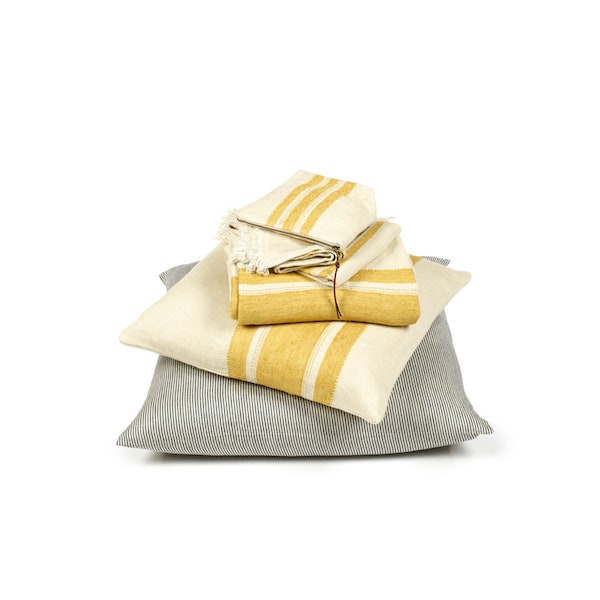
Use Libeco Belgian linen for bedding, relaxed upholstery, throws, or drapery. In a primary bedroom, layered linen in natural tones can create calm without relying on excessive decoration. In a living room, a custom sofa upholstered in Belgian linen can balance a more formal rug, stone table, or sculptural light fixture.
Explore the qualities and applications of Libeco linen before choosing a specific weave or weight.
Let natural fibers show their character
Wrinkles are part of linen's identity. Pressing every surface into a perfectly smooth finish can remove the relaxed quality that makes the material appealing. Wash linen in cool water and air dry when the manufacturer's care instructions allow it, and choose higher-quality pieces for areas that receive frequent contact.
For demanding seating, a linen blend may offer easier performance while preserving the natural look. That's a useful compromise in family rooms, entertaining spaces, and homes with pets. Natural fibers don't need to dominate every surface. They're most effective when paired with wool, cotton, leather, wood, or stone so the room has tactile variation.
6. Reupholstery and Furniture Restoration as Sustainability Practice
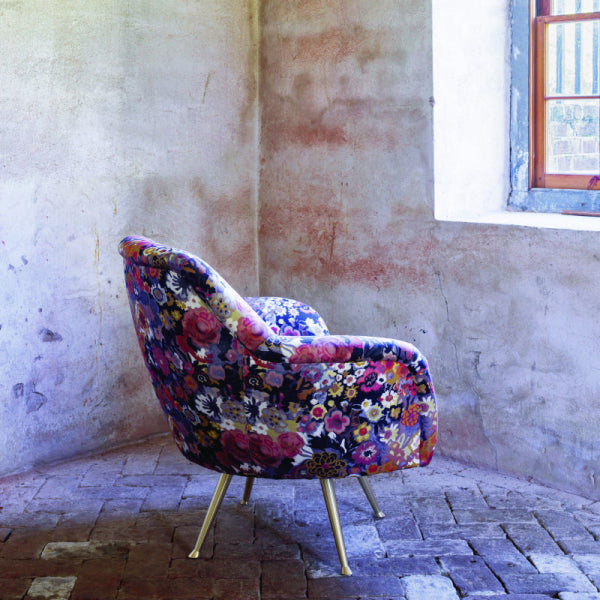
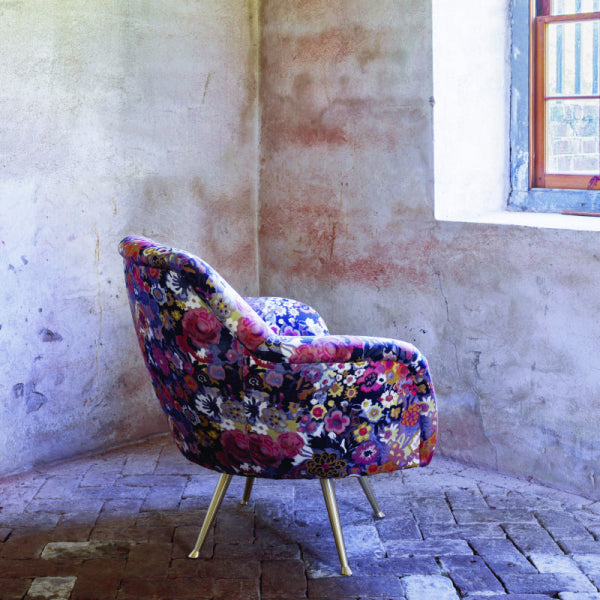
Reupholstery works best when a piece combines a strong frame, sound proportions, sentimental value, or a design that would be difficult to replace. A family settee, vintage wingback chair, or mid-century sofa can serve a new interior after structural repair and thoughtful textile selection. Keeping an existing piece also supports an eco-friendly decor guide approach by reducing unnecessary replacement.
A mid-century modern sofa in Kravet fabric can gain a fresh identity while retaining its original line. A vintage wingback chair in Libeco linen may feel lighter in a contemporary Atlanta room. Family heirlooms can suit present-day living when restoration respects their proportions and improves their internal condition.
Read about the art of professional reupholstery before approving a scope of work.
Restoration starts inside the frame. New fabric cannot compensate for failing springs, damaged joinery, or neglected webbing.
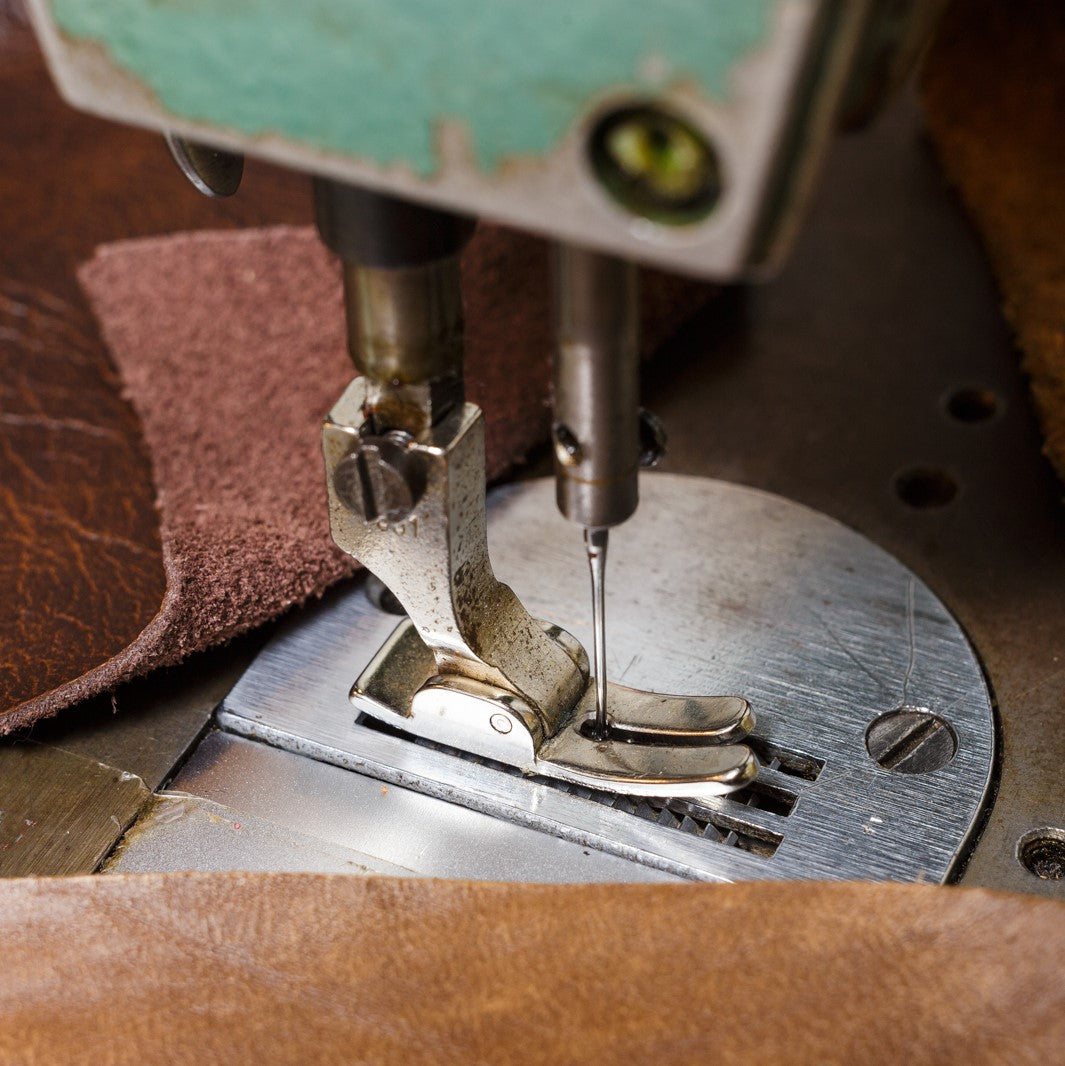
Request a professional assessment before committing. The upholsterer should inspect the frame, joints, springs, webbing, padding, and previous alterations. Kiln-dried hardwoods, including maple, oak, ash, and beech, are recognized quality indicators in furniture construction. Staples used alone in a frame are a red flag, as noted in this furniture quality guide.
Choose fabric that respects the original design while meeting current performance needs. Confirm its cleaning requirements, pattern scale, and suitability for the furniture's use. Schedule restoration during a renovation phase when possible, especially if the piece's final size or placement will change. This timing helps coordinate the restored chair or sofa with rugs, drapery, and adjacent rooms rather than treating it as an isolated purchase.
7. Designer Material Sourcing and Premium Mill Selection
A refined interior depends on what you don't use as much as what you do. Selecting a focused group of excellent materials usually produces more coherence than ordering from every available sample book. Textile mills such as Kravet, Fabricut, and P. Kaufmann provide upholstery, drapery, and decorative fabrics that can coordinate across a full project while still giving each room a distinct role.
For a heavily used sofa, examine abrasion performance, pilling resistance, colorfastness, and cleaning requirements. The Wyzenbeek count can help compare durability, but it shouldn't be treated as the only measure of quality. A fabric's hand, weave stability, seam behavior, and suitability for the furniture's shape matter too.
Source by application, not by label
A beautiful fabric may be wrong for a deep sectional if its pattern scale fights the cushions or if its construction doesn't suit frequent use. Conversely, a quieter textile may be ideal for dining chairs because it allows the room's rug, lighting, or artwork to lead.
Request large samples and place them where the finished material will live. Compare upholstery and drapery candidates beside flooring, cabinetry, paint, metal finishes, and existing pieces. A complimentary in-house design consultation can also help coordinate a mill collection across sofas, custom chairs, pillows, and window treatments.
Atlanta's sourcing ecosystem supports this kind of focused selection. Atlanta Market at AmericasMart is held twice a year, in January and July, and its home category includes more than 300 home décor showrooms plus 200+ temporary exhibitors according to Atlanta Market. That makes the region useful for designers and homeowners who are prepared to compare construction, finish, and material performance rather than shop by appearance alone.
8. Accent Pillows, Trims, and Finishing Details as Design Anchors
Finishing details should make a room feel resolved, not decorated to exhaustion. On a custom sofa, a group of well-made pillows can introduce pattern and texture without replacing the upholstery. Trims can define an edge, sharpen a silhouette, or connect a chair to the drapery and rug without forcing every material to match.
Use a combination of solids, woven textures, and controlled patterns. Odd-numbered pillow arrangements can feel balanced and inviting, but the more important consideration is proportion. Oversized pillows may overwhelm a shallow sofa, while undersized forms can make a generous sectional look unfinished.
Fabricate the details properly
Quality pillow forms determine whether decorative pillows hold their shape and remain comfortable. Down or down-alternative forms can create a softer, more relaxed appearance, while firmer inserts provide a cleaner profile. Ask how each form will respond to the fabric, especially with linen, velvet, or heavily textured weaves.
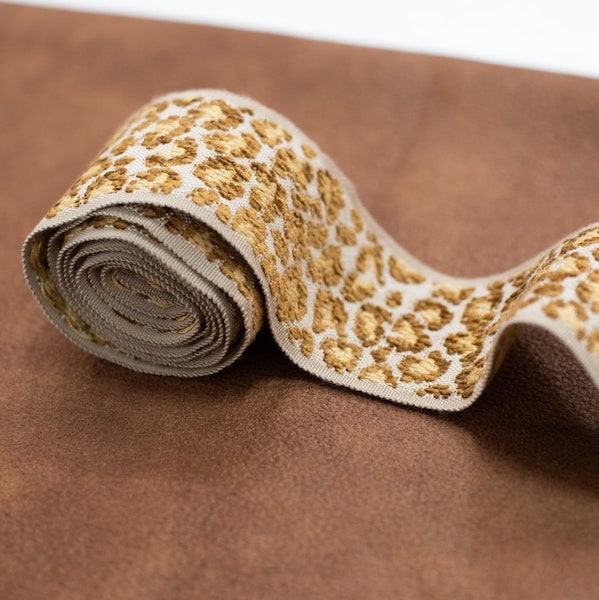
Gimp, tape, and other trims should complement the upholstery rather than duplicate it. A subtle contrast often looks more refined than a perfectly matched edge. Create a sample board with the sofa fabric, proposed trim, pillow fabrics, rug reference, and drapery before production begins.
Seasonal updates are easiest when the permanent upholstery remains restrained. Change a few pillows and throws rather than replacing major furniture. That strategy preserves the room's investment pieces while allowing color and texture to evolve.

9. Cohesive Multi-Room Design Through Coordinated Textile Schemes
A luxury home shouldn't feel like a collection of unrelated showrooms. The living room, dining room, bedrooms, hallways, and adjoining outdoor areas can each have their own personality while sharing a consistent material language. Coordination may come through a recurring warm neutral, a similar weave, a repeated trim profile, or rugs that relate without matching.
Start with a visual map of sight lines. In an open-plan North Atlanta home, a sofa fabric visible from the dining room should relate to the dining chairs and nearby drapery. In a traditional Fulton County property, a hallway may connect rooms through wall color, runner texture, or a consistent metal finish.
Choose a hero color, then build variations around its undertones. A neutral upholstery scheme can move from textured ivory in the living room to deeper taupe in the bedroom, with accent colors appearing in pillows, art, or occasional chairs. The rooms won't look identical, but they'll feel intentionally related.
Test continuity in every lighting condition
Fabric samples should travel to each room where the color or texture will appear. Daylight changes across the house, and artificial lighting can make one fabric seem warmer or cooler than another. A swatch that works beside a living room window may look different in a dim hallway or north-facing bedroom.
Use complimentary design support to develop the scheme before ordering. Begin with key investment pieces, then assign supporting textiles by function. High-use seating needs appropriate performance, bedrooms can prioritize touch and breathability, and drapery must respond to privacy and light control.
10. Investment-Grade Furniture Purchases with Longevity and Timeless Design
High-end furniture earns its place through construction, comfort, repairability, and design longevity. The goal isn't to avoid personality. It's to choose statement furniture pieces whose proportions and materials can survive changes in paint, rugs, artwork, and accessories.
American-crafted upholstery from Verellen, Wesley Hall, and LEE Industries offers useful reference points when comparing designer furniture. A Verellen custom sofa can become the foundation of a family living room. A Wesley Hall piece may suit a more formal setting, while an LEE Industries sectional can adapt as the room's styling evolves. Ambella adds distinctive silhouettes for beds, ottomans, and accent furnishings.
Evaluate the purchase beyond the showroom
Ask how the frame is built, how the upholstery can be serviced, and whether the manufacturer supports future restoration. Quality furniture guidance identifies kiln-dried hardwoods such as maple, oak, ash, and beech, dovetail drawer joints, mortise-and-tenon joinery, and eight-way hand-tied springs as construction details buyers can verify in this craftsmanship reference.
Prioritize the pieces you touch every day, especially the sofa, bed, and dining chairs. A single exceptional sofa often creates a stronger room than several mediocre seating pieces. Select a silhouette that can work with evolving styles, then use textiles, pillows, lamps, and art to introduce more changeable elements.
The broader interior design economy helps explain why this approach has staying power. One market study estimated the global interior design market at USD 185.7 billion in 2025 and projected it to reach USD 298.0 billion by 2033, placing luxury furnishings within a much larger professional design economy as reported by Grand View Research. The purchase decision still belongs to the homeowner, but durable construction and coordinated design remain more useful than short-lived visual novelty.
10-Point Comparison: Luxury Home Textile & Furnishing Strategies
| Item | 🔄 Implementation Complexity | ⚡ Resource Requirements & Time | 📊 Expected Outcomes | 💡 Ideal Use Cases | ⭐ Key Advantages |
|---|---|---|---|---|---|
| Custom Upholstered Statement Furniture as Centerpiece Design | High, bespoke specs, shop drawings, long lead times | High cost, premium mills, skilled American craftsmanship (8–16 weeks) | Anchor pieces with heirloom durability and bespoke fit | Luxury living rooms, unique architectural spaces, long-term investments | Perfect fit & exclusive fabrics; lasting value ⭐ |
| Luxury Fabric Curation and Textile Layering | Moderate, coordination and sampling required | Moderate-to-high, many fabric options, drapery services, sample orders | Rich layered interiors with tactile depth and performance | Family homes needing durability with refined aesthetics | Cohesive palettes; refreshable accents; performance options ⭐ |
| Hand-Knotted Rugs as Investment Art Pieces | Moderate, sourcing, provenance verification, sizing decisions | High, artisan pricing, long sourcing timelines, professional cleaning | Unique floor art that can appreciate; generational durability 📊 | Formal living rooms, entryways, collectors, high-traffic anchoring | One-of-a-kind craftsmanship; investment potential ⭐ |
| Custom Drapery and Window Treatments as Architectural Elements | High, precise measuring, tailoring, hardware integration | High, premium fabrics, custom fabrication, possible motorization | Defined proportions, improved light control and insulation | Floor-to-ceiling windows, statement rooms, renovation phases | Elevates architecture; long-term performance and fit ⭐ |
| Belgian Linen Luxe and Natural Fiber Sophistication | Low-to-moderate, selection and care planning | Moderate, premium linen pricing; specific care needs | Natural, breathable aesthetic that softens over time (develops patina) | Bedrooms, casual-luxe seating, sustainable-focused interiors | Timeless natural feel; improves with use; sustainable ⭐ |
| Reupholstery and Furniture Restoration as Sustainability Practice | High, full deconstruction/rebuild and structural repair | Moderate-to-high, labor-intensive, variable cost based on frame condition | Restored heirlooms, extended life, reduced waste | Heirloom pieces, sentimental items, vintage finds | Sustainable lifecycle; preserves value and character ⭐ |
| Designer Material Sourcing and Premium Mill Selection | Moderate, requires mill relationships and specification | High, exclusive collections, possible custom dyes, limited inventory | Consistent high-performance fabrics that suit investment pieces | High-end residential projects, trade-spec interiors | Access to exclusive, durable fabrics; informed performance data ⭐ |
| Accent Pillows, Trims, and Finishing Details as Design Anchors | Low, fabrication and styling expertise needed | Low-to-moderate, trims, pillow forms, seasonal refresh budget | Immediate visual richness and flexible updates | Layering sofas, seasonal updates, styling for photoshoots | High impact for low structural change; easy refreshability ⭐ |
| Cohesive Multi-Room Design Through Coordinated Textile Schemes | High, comprehensive planning and sight-line mapping | Moderate-to-high, coordinated sourcing across rooms, many samples | Seamless flow and elevated perceived quality across home | Open-plan homes, whole-house renovations, show homes | Visual continuity; easier future updates; resale appeal ⭐ |
| Investment-Grade Furniture Purchases with Longevity and Timeless Design | High, careful selection, slower decision-making | Very high, premium makers, hardwood frames, restoration budget | Pieces that retain/approximate value and last decades | Foundational purchases for long-term households | Longevity, resale/collectible value, reduced replacement need ⭐ |
Build a Home That Gets Better With Time
Luxury is strongest when it becomes more personal with use. A room should welcome daily life, accommodate guests, support quiet routines, and retain enough structure that new discoveries can be added without forcing a complete redesign. That's why the most successful luxury home interior design ideas connect furniture, textiles, rugs, drapery, restoration, and room-to-room continuity instead of treating each purchase as an isolated upgrade.
Begin with the room's function and measurements. Record wall lengths, ceiling height, window locations, door swings, walk paths, built-ins, and the position of architectural features such as fireplaces or stairs. A premium sectional can still look wrong if its depth blocks circulation, and a beautiful rug can underperform if it doesn't anchor the furniture group.
Choose one investment anchor next. That might be a custom sofa in a Buckhead living room, a hand-knotted Kalaty or HRI rug in an Atlanta great room, an Ambella upholstered bed, or a pair of custom chairs for a Sandy Springs library. Let that piece establish scale, palette, and the level of formality. Don't order every finish at once. Build around the item that matters most.
Test fabrics and colors in place before committing. Large samples reveal undertones, texture, sheen, and pattern scale more accurately than small swatches. View them in daylight and under installed lighting, then compare them beside flooring, cabinetry, existing furniture, and artwork. If a material needs to serve a demanding household, assess performance and cleaning requirements alongside appearance.
Layer in the elements that create atmosphere. A rug can define the furniture arrangement, while custom drapery can control light and make the architecture feel taller or more finished. Belgian linen, woven throws, textured pillows, trims, and selected accessories add softness and individuality. The room should have contrast, but it shouldn't have visual competition everywhere.
Atlanta-area buyers can compare custom versus ready-made furniture according to the room's needs. Buy off the floor when timing matters or when an existing piece already has the right scale. Commission custom upholstery when dimensions, fabric, comfort, or coordination require a more exact result. Reupholster when the existing frame, proportions, or sentimental value justify restoration. None of these routes is automatically superior. The right choice depends on construction, intended use, performance, and how long you expect to live with the piece.
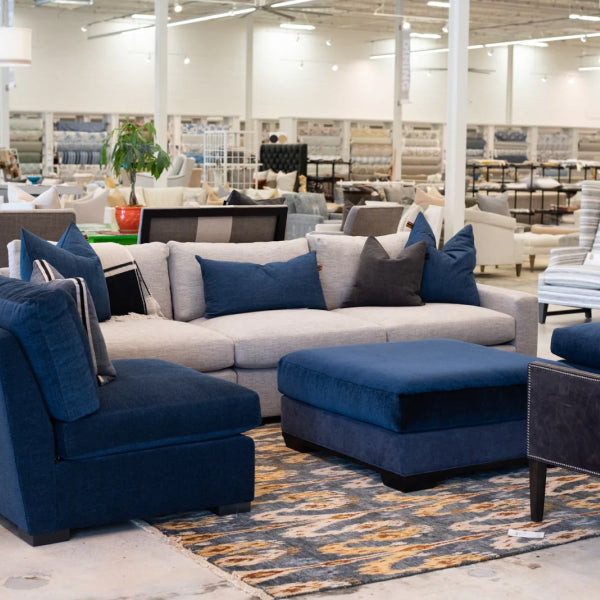
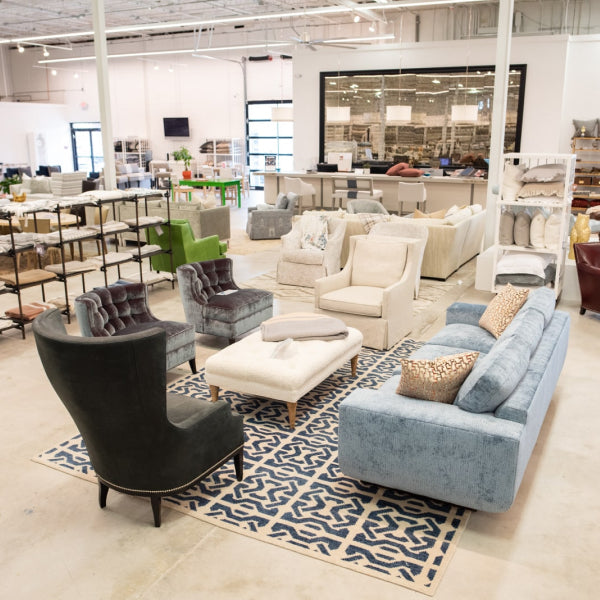
For homeowners and designers in Atlanta, Buckhead, Alpharetta, Roswell, Sandy Springs, Fulton County, and surrounding markets, Lewis and Sheron Textiles brings these decisions into one design process. The Design Center includes in-stock fabrics and additional cut-yardage options from mills including Kravet, Fabricut, P. Kaufmann, Libeco Home, and Crypton. The showroom also offers made-to-order upholstery from Verellen, Wesley Hall, LEE Industries, and Ambella, along with professional reupholstery, custom drapery, hand-knotted rugs from Kalaty and HRI, Belgian linens, trims, pillow forms, and accessories.
Use complimentary in-house design support to test a coordinated scheme rather than buying one attractive item at a time. The team can help connect a luxury sofa to the rug, drapery, pillows, and adjacent rooms, while nationwide shipping supports projects beyond the Atlanta area. A considered purchase may take more planning, but it gives your home a better chance to become more comfortable, more individual, and more valuable to live with over time.
Visit Lewis and Sheron Textiles to compare premium fabrics, custom upholstery, reupholstery, custom drapery, hand-knotted rugs, Belgian linens, and finishing details for your project. Bring your measurements, room photographs, and existing samples, then use the complimentary in-house design guidance to select pieces that fit your home and improve with time.