















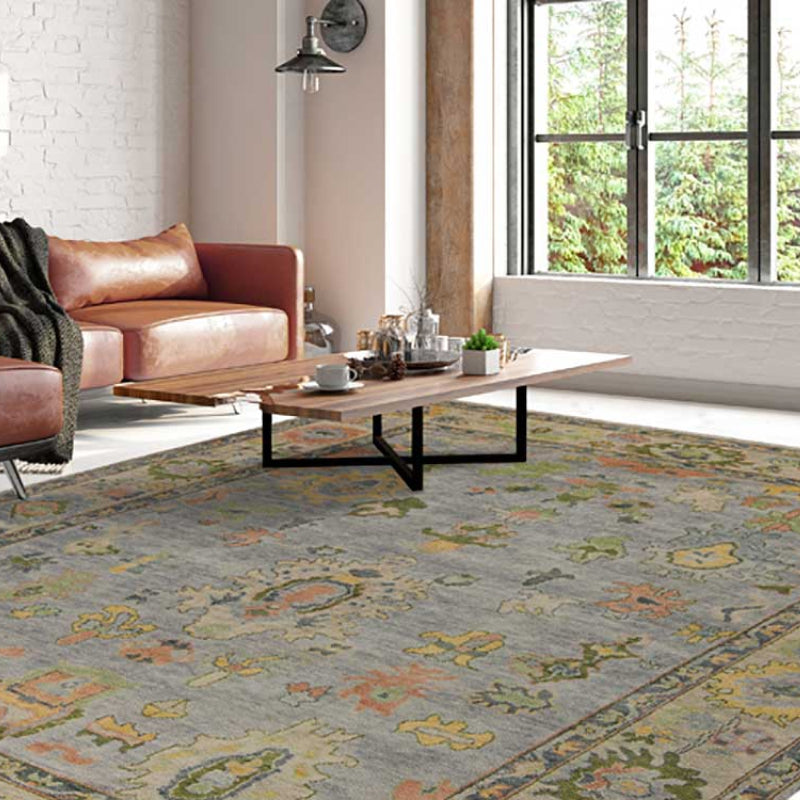
You can walk into a showroom with a bare room, a stack of paint chips, and one torn magazine page, and still leave with a real plan. That's the appeal of complimentary design services in a place like Atlanta. You're not getting a vague phone script or a rushed sales pitch, you're sitting with someone who works in fabric, furniture, drapery, and finish decisions all day, and who knows how those choices behave in a real home.
For a Buckhead living room, a Roswell den, or a Sandy Springs family space, the question isn't whether design help sounds nice. The question is whether the free session will move the project forward. Used well, it can. Used badly, it becomes a mood-board exercise that never gets you to the sofa, the custom chair, or the drapery order.
Inside the Design Center on a Saturday Morning
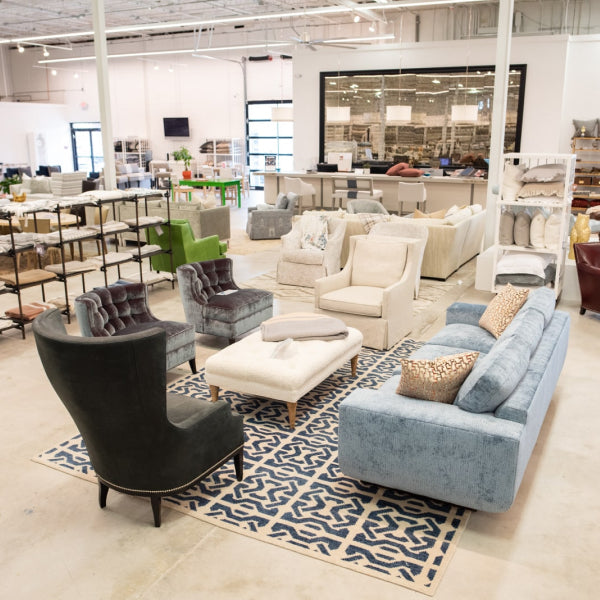
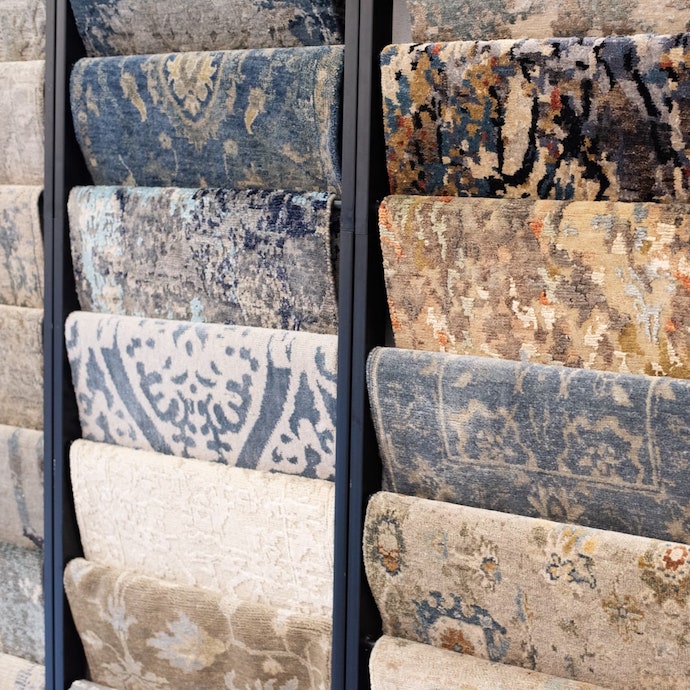
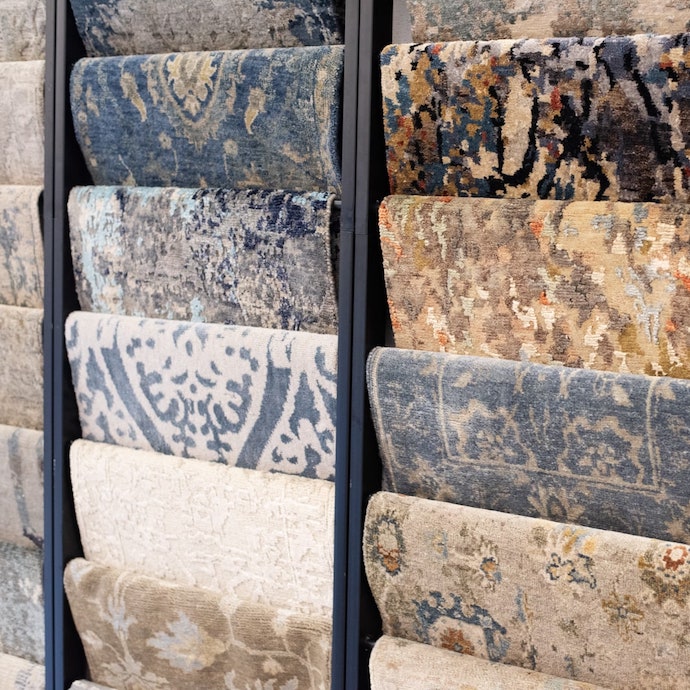
A homeowner comes in on a Saturday with a paint chip taped to a phone case, a torn page from a shelter magazine, and a room that still feels unfinished six months after move-in. That's a normal Atlanta appointment at the Lewis and Sheron Design Center, not a polished fantasy. The table gets covered with fabric books, rug samples, and the kind of hard questions that save people from expensive mistakes.
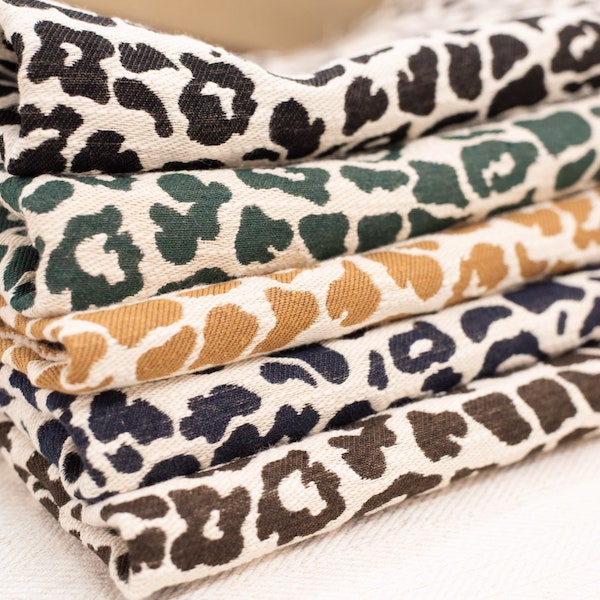
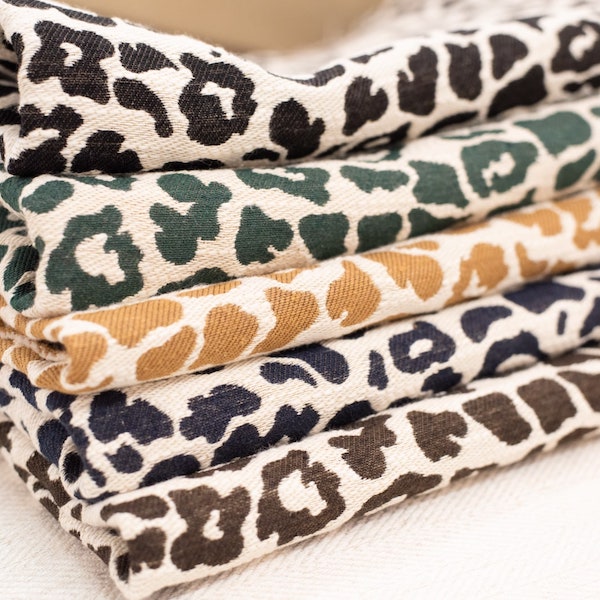
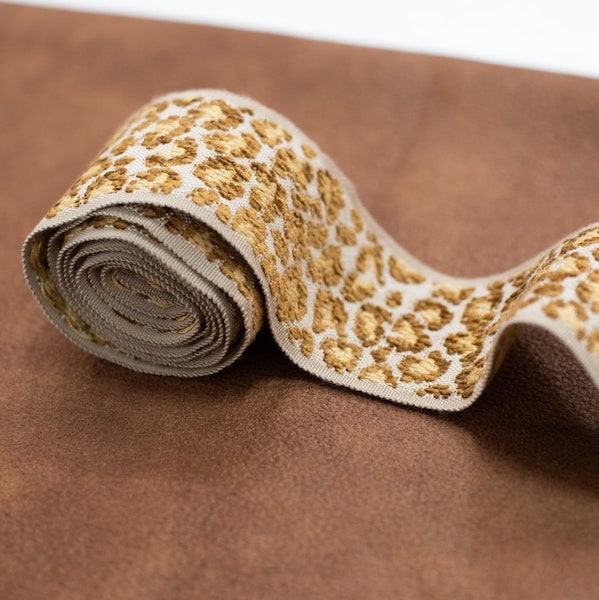
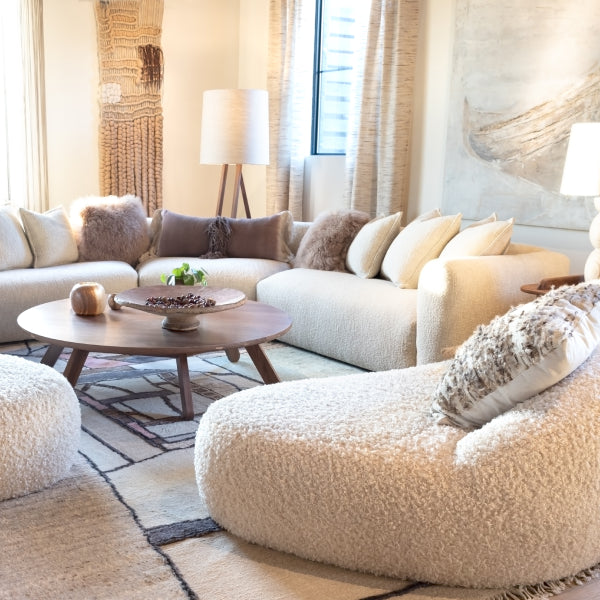
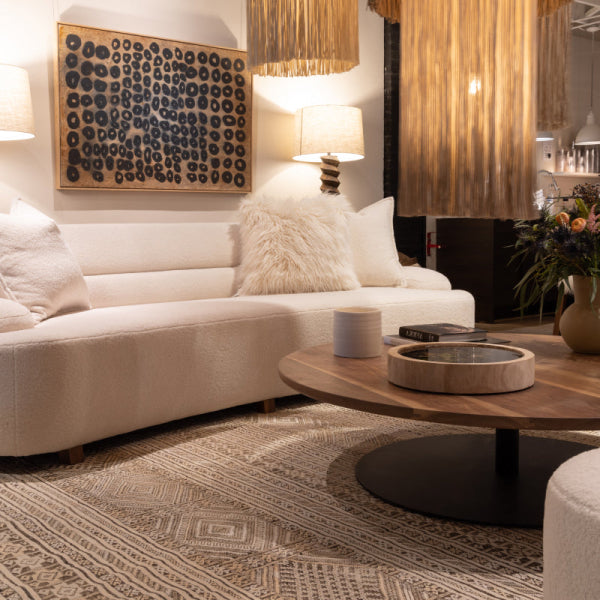
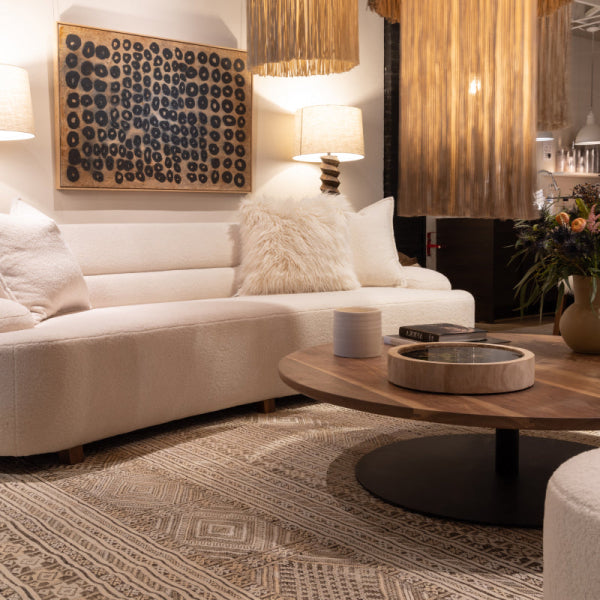
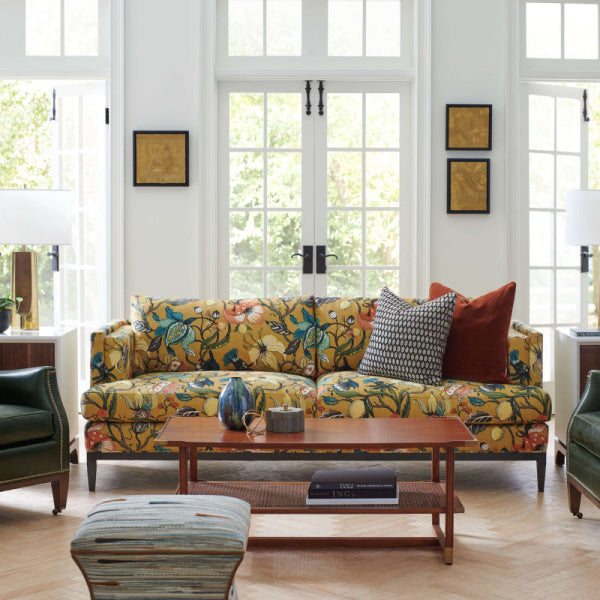
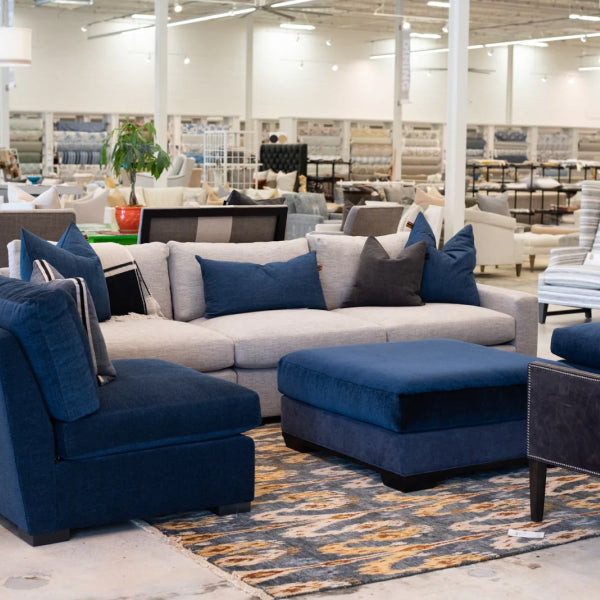
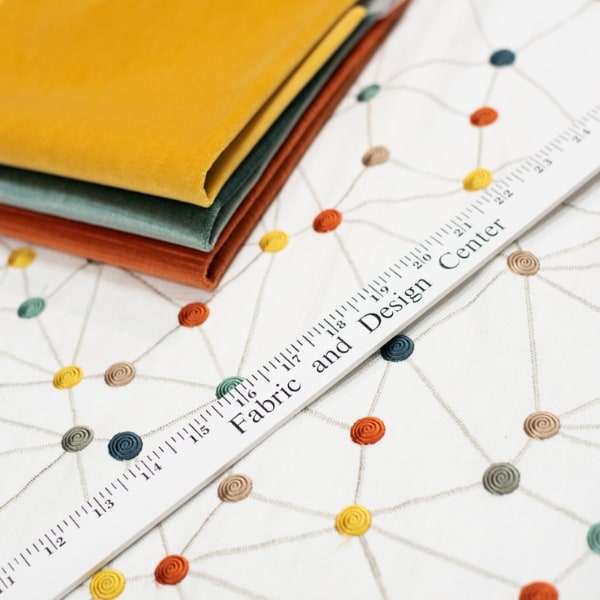
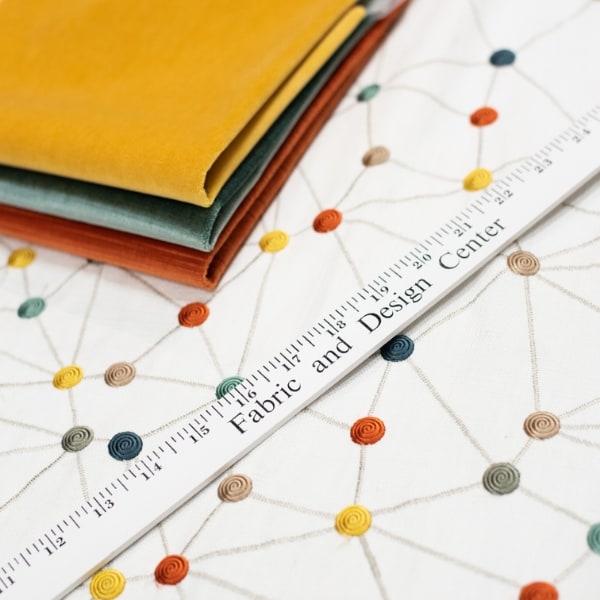
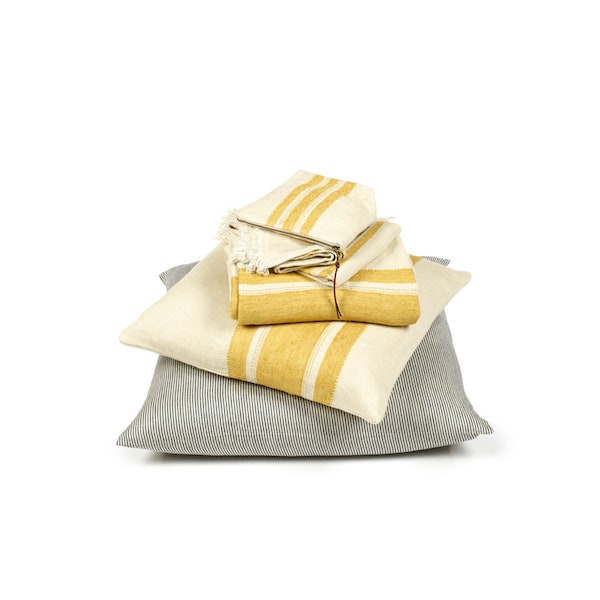
The conversation happens in person, which matters. You can touch the weave of a Belgian linen, see how a Crypton performance fabric reads in daylight, and compare one upholstery option against another without guessing from a screen. If you want to see the showroom format before you go, the Design Center overview gives a good sense of the physical experience.
Who you're actually meeting
You're usually talking to someone who has worked through enough custom upholstery, drapery, and rug combinations to know where projects fail. That's different from a generic home goods associate who only knows SKU-level product facts. In a textile-led showroom, the first job is to translate taste into usable specifications.
Practical rule: bring the room problem, not just the style preference. “I like warm neutrals” is weaker than “I need a sofa that survives dogs, afternoon light, and a narrow walkway.”
The setting also changes the pace. There's less pressure to buy the first thing you touch, and more focus on whether the fabric, scale, and finish will work in your home. That's why complimentary design services in a premium showroom feel different from a mass-market consult, even before anyone starts pulling samples.
What Complimentary Design Services Mean
A complimentary design session means you get expert guidance without a separate design fee attached to the appointment. At Lewis and Sheron, that usually covers help choosing fabrics, furniture, rugs, drapery options, and finishing details while you work through the showroom, instead of paying an independent designer by the hour. It is a practical model for Atlanta clients who want professional judgment without signing on for a full paid interior design contract.

Why the free version still has real value
The value is plain once you compare it to what outside design help usually costs. Interior designers commonly charge $100 to $200 per hour, high-end professionals charge $200 to $300 per hour, and luxe specialists can approach $500 per hour as noted in pricing research on designer fees. A premium showroom absorbs that labor when it offers in-house help at no charge.
That matters in Buckhead, Alpharetta, Roswell, and Sandy Springs, where clients are often making decisions about custom upholstered furniture, designer furniture, and high-quality couches with long use horizons in mind. They are not looking for isolated purchases. They want rooms that work together, hold up to daily use, and make sense as a whole.
The best use of complimentary design services is straightforward. Use them when the retailer's inventory and your project needs match. A textile and furniture showroom is especially useful for fabric-led work, because the conversation happens around actual bolts, actual frames, and actual drapery options. That gives you a real read on scale, texture, and finish before you spend money.
A free consult still has a cost if it sends you home with vague ideas and no direction. A well-run session should narrow the field, point out trade-offs, and save you from orders that look good in theory and fail in the room. That is the economic value behind the service, and it is exactly why the interior design consultation guide is worth reading before you walk in.
If you are comparing free consults against broader styling advice, the design don'ts for Florida agents article makes the same core point in a different market, bad design decisions usually come from skipping scale, function, and finish coordination. That lesson applies just as much in Atlanta as it does anywhere else.
What Is Included in a Free Design Session
A good complimentary session should leave you with decisions, not just inspiration. At Lewis and Sheron, the strongest part of the process is the material conversation. You can compare fabrics from Kravet, Fabricut, P. Kaufmann, Libeco Home, and Crypton, then move into furniture options from Verellen, Wesley Hall, LEE Industries, and Ambella, with rugs from Kalaty and HRI.
The point is not to collect names. The point is to build a room that holds together under real use.
What should come out of the appointment
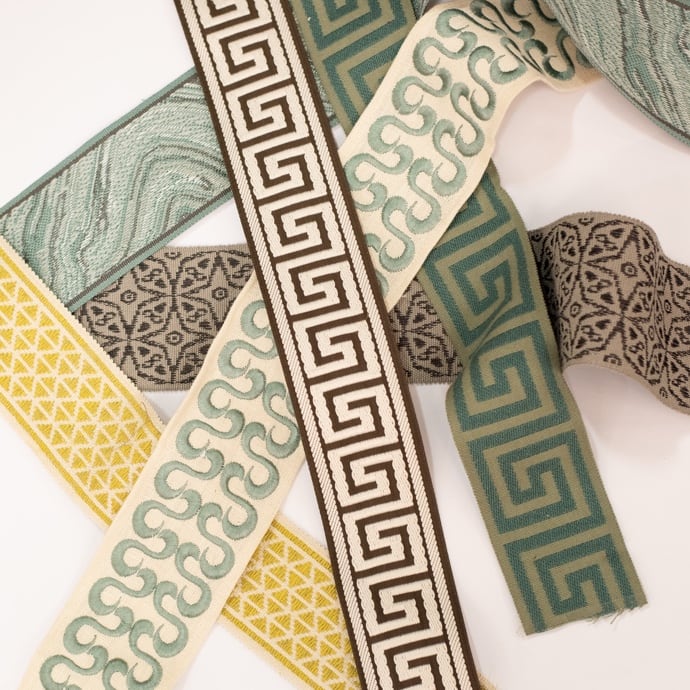
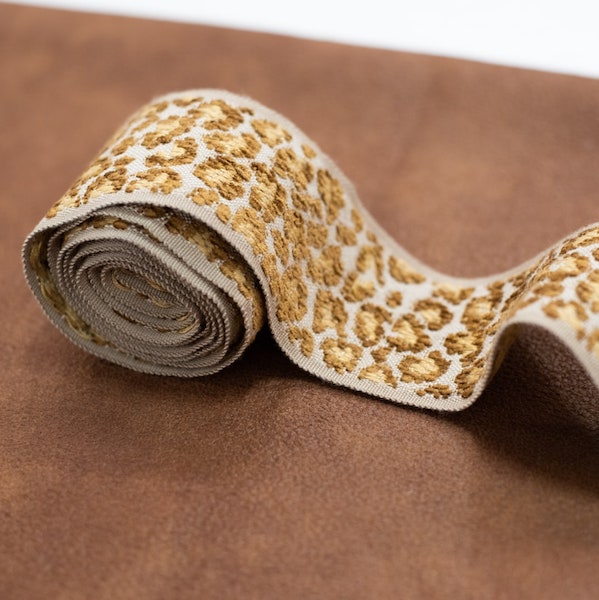
A solid session usually covers fabric direction, furniture scale, drapery planning, reupholstery advice, and rug selection. It should also give you practical input on measurements, layout direction, trims, and pillow forms. That's the difference between a decorative chat and a working consultation.
A free session is only free if it prevents a bad order.
The service becomes project-based once you move into full architectural drawings, engineered documentation, or other specialist work. That's where the “complimentary” part stops and the construction or trade workflow begins. In technical interiors, the most useful free session is the one that gets you far enough to make the next paid step efficient.
| Service Area | Complimentary in Session | Paid or Project-Based |
|---|---|---|
| Fabric selection | Yes, with in-person sample review | Large custom ordering beyond the consultation |
| Furniture sourcing | Yes, with showroom guidance | Final procurement or special trade pricing workflows |
| Drapery planning | Yes, for direction and fit | Complex measured production or advanced specifications |
| Reupholstery advice | Yes, to assess feasibility | Full restoration work and labor |
| Layout input | Yes, for room direction | Architectural plans or engineered drawings |
For clients who want a deeper framework, the interior design consultation guide is the kind of reference that helps you understand what a productive appointment should include. If you're shopping for luxury sofas, premium sectionals, or statement furniture pieces, that kind of structure keeps the visit focused.
Comparing the Lewis and Sheron Model to Other Options
A free design service is not the same as hiring an independent designer, and it is also not the same as doing the job yourself. Design Within Reach says its interior design services are entirely free of charge with no minimum order, and Room & Board also frames its services as free and not commission-based on its free design services page. Complimentary design is a real retail model, not a marketing flourish.
But textile-led showrooms produce a different kind of output.

Where the models diverge
A national furniture retailer usually helps you choose from its own catalog. That can be enough for a simple room refresh, especially if you need a sofa and a rug that work together. An independent designer brings broader sourcing and can guide the whole house, and you pay directly for that judgment.
Lewis and Sheron sits in the middle in a very specific way. The showroom is built around fabrics, upholstery, drapery, and finishing materials, so the advice is naturally more useful for custom work than a generic retail consult. If your project involves custom chairs, designer furniture near me searches, or a one-room upholstery refresh, that difference matters.
The business reason for free design is straightforward. Interior design is a mature profession inside a large market, with the global design services sector already valued in the hundreds of billions and still growing. Free consults help premium retailers convert interest into an order, while giving clients access to expert eyes without an upfront hourly fee.
For a practical contrast, the Armox Labs interior design guide is a useful read if you are comparing human-led guidance with automated styling tools. For luxury furniture, automation can suggest a look, but it cannot stand in front of the textile books and tell you whether the drape, hand, and durability are right. If you want the session to produce usable direction, the design services questionnaire is a better place to start than a pile of loose screenshots.
How to Prepare for Your Session
Bring the room data first. Photos are useful, but measurements are what keep a consultation from drifting into guesswork. If you're serious about custom furniture Atlanta projects, you want the designer to see wall lengths, window sizes, ceiling height, and any fixed features before choosing a fabric or frame.
The second thing to bring is a tight inspiration folder. Ten images that point in the same direction are better than fifty scattered screenshots. You're not trying to prove taste, you're trying to show range, finish preference, and what you absolutely do not want.
The four things that make the session work
- Measurements and photos: capture the room from multiple angles and note anything that affects scale, like door swings or traffic paths.
- A budget anchor: not every dollar has to be assigned, but the designer needs to know whether the project is a single-room refresh or a more layered investment.
- Decisions already made: list the paint, flooring, art, or hard finishes that are already fixed.
- Trade details if relevant: spec books, drawings, and project timelines help if you're a designer working with a client.
The best sessions are efficient because the client arrives with context. A designer can then narrow fabrics, suggest performance options, and steer you away from combinations that look good individually but fail together. That's especially important for high-end furniture, luxury home furnishings, and upholstery projects that need to age well.
For a simple intake step before you go, the design services questionnaire helps you organize the facts a designer needs. That prep saves time, reduces back-and-forth, and makes the recommendations sharper.
Two Atlanta Projects That Started With a Free Consult
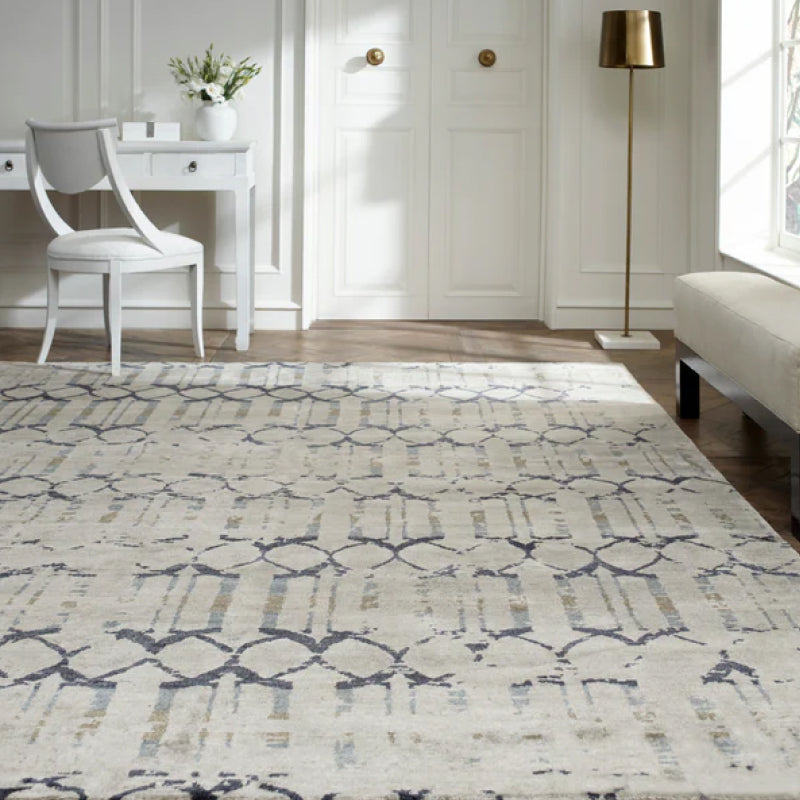
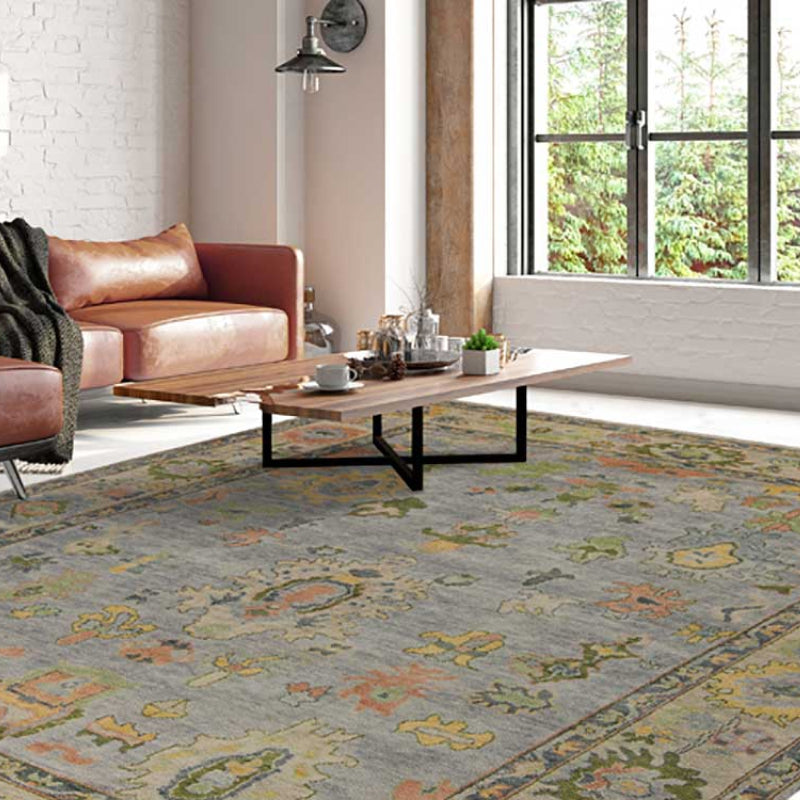
A Buckhead homeowner once came in wanting a living room that felt finished without feeling formal. The room had good bones, but the existing pieces weren't carrying the scale, and the window treatment was fighting the light. The in-house designer helped the client land on a Verellen sofa, Libeco linen drapery, and a Kalaty wool rug, all chosen to work together rather than as standalone purchases.
The result was not just a prettier room. It was a room that finally had a clear anchor, a better fabric story, and a stronger sense of proportion. That's what a well-run complimentary design session should do.
What the trade client got
A Sandy Springs interior designer came in with a different brief. The client needed trade-level sourcing, custom drapery production, and reupholstery for a family heirloom chair that still mattered emotionally but no longer fit the room. The consultation gave the designer a cleaner path through the fabric choices, and the project moved from “we should do something with this” to an actual order plan.
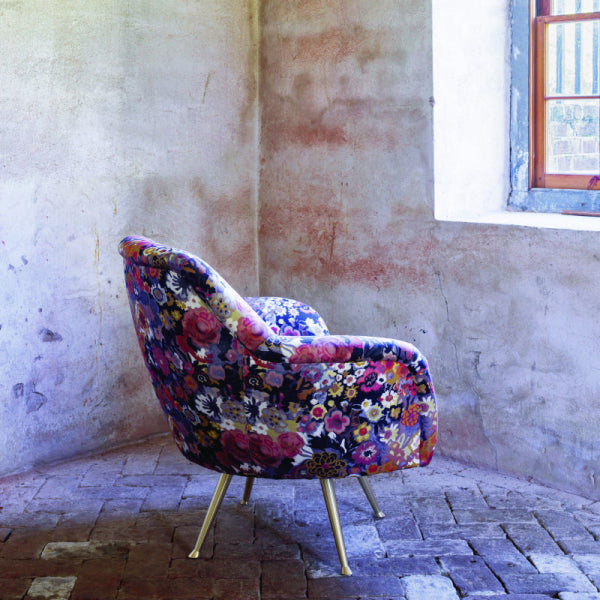
The useful part of a service like this is that it handles both the fresh buy and the preservation piece. Heirloom-quality furniture doesn't always mean buying new. Sometimes it means reworking a chair or selecting the right textile so the original piece lives on in a new setting.
For clients who want to see how a guided consult supports a whole room, browse this residential lighting case for another example of how project clarity improves decisions. In a fabric-led environment, the same principle applies, the clearer the brief, the stronger the outcome.
Why a Premium Retailer Offers Design for Free
The economics are plain. Interior design is professional labor, and the showroom is paying for that labor one way or another. The Bureau of Labor Statistics reported 67,760 interior designers employed in May 2023, with a mean annual wage of USD 68,530 and a median wage of USD 62,510 BLS occupational data. That is the value behind the advice a client receives across the table.
Premium retailers absorb that expense because it makes the sale easier to close cleanly. Complimentary guidance cuts confusion, builds confidence, and moves a shopper from browsing to ordering. The business case is strongest with custom upholstered furniture, designer furniture, and premium fabrics, because those orders carry more variables and require more decisions before anything is built.

What the client gets back
Clients get senior-level judgment without an hourly bill attached. In a room where one wrong scale choice can throw off comfort, proportion, and longevity, that matters. Strong complimentary programs keep the scope tight and push technical production work into paid phases only when the project needs it.
The market backdrop supports that model. Independent estimates place the global interior design services market at USD 110 billion in 2023 with a projected 6% CAGR from 2024 to 2033, reaching USD 196.99 billion by 2033, while another estimate values the broader market at USD 185.7 billion in 2025 and USD 298.0 billion by 2033 market estimates. Free design is a conversion strategy inside a large, durable category.
Getting the Most From Complimentary Design Services
If you're choosing between luxury furniture Atlanta options, the right question is whether the free consult can improve the order. It can, if you walk in with measurements, a budget range, and a clear sense of what's already fixed. That's especially true for homeowners and trade clients in Buckhead, Alpharetta, Roswell, Sandy Springs, Fulton County, and North Atlanta.
The best use of complimentary design services is simple. Bring the room facts, ask for fabric and furniture guidance, and leave with a short list of decisions that can turn into an order. If the session doesn't get you closer to a better sofa, a smarter chair, or a cleaner drapery plan, it wasn't used well.
Bottom line: free design help should reduce risk, not add another round of indecision.
Lewis and Sheron Textiles offers in-house design support alongside fabrics, upholstery, drapery, rugs, and custom furnishings, which makes the consult useful for real projects, not just browsing. If you're ready to compare textiles, test scale, and get direct feedback on a project, book time at the showroom and bring the room details with you.
Lewis and Sheron Textiles pairs complimentary design guidance with premium fabrics, custom upholstery, rugs, and drapery support inside its Atlanta Design Center. If you're planning a custom sofa, reupholstery project, or a room that needs coordinated materials instead of guesswork, visit Lewis and Sheron Textiles and schedule a visit before you commit to the wrong fabric or the wrong scale.