


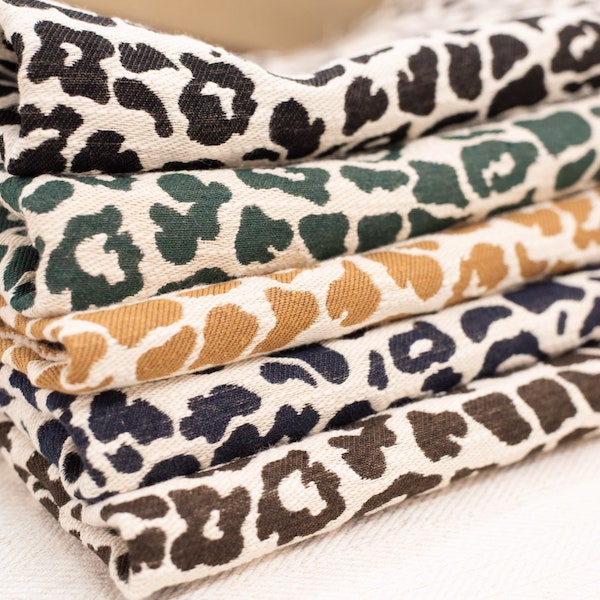
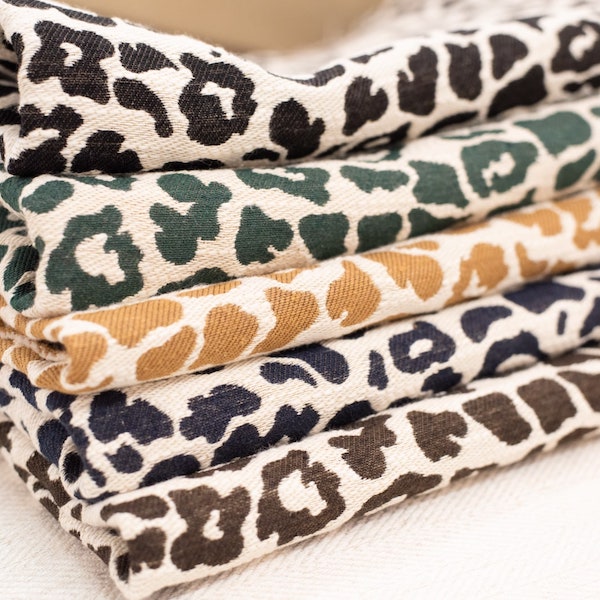
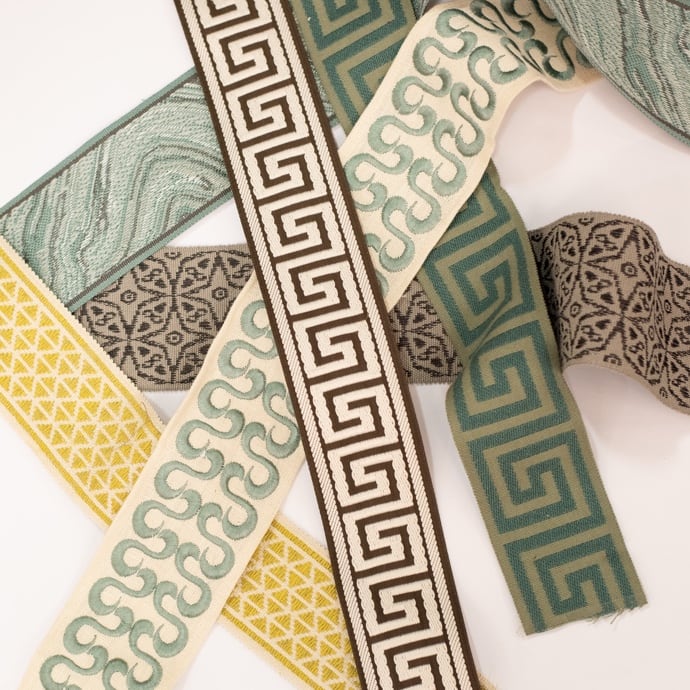

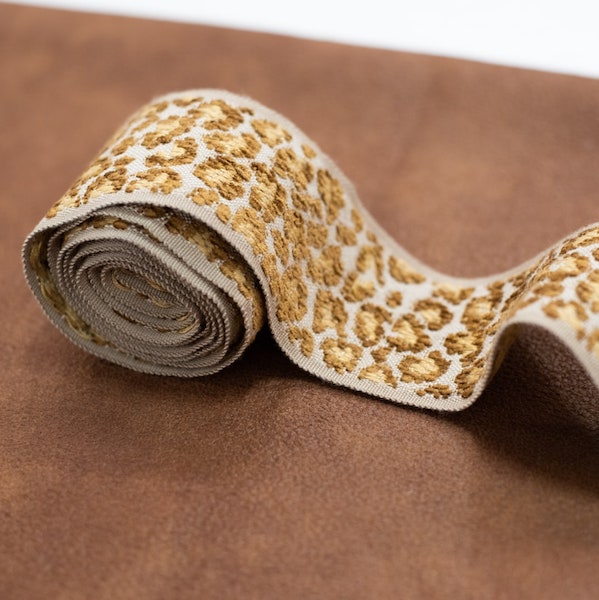
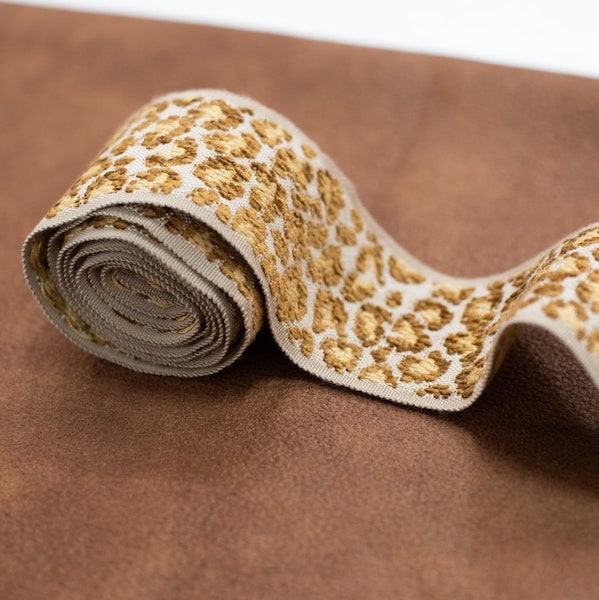
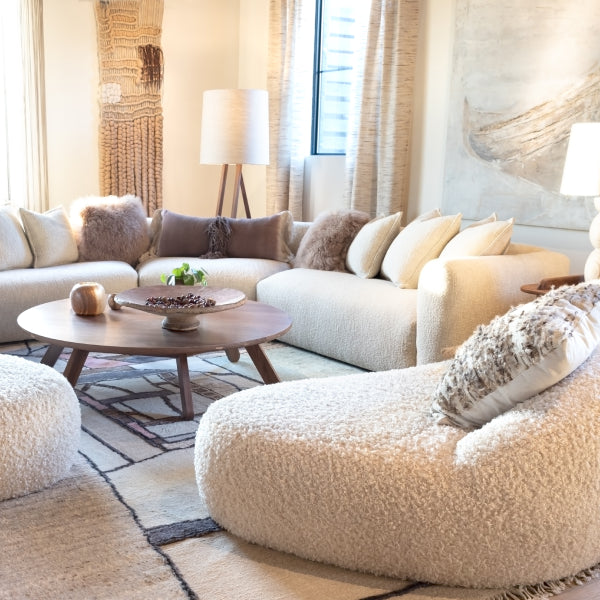
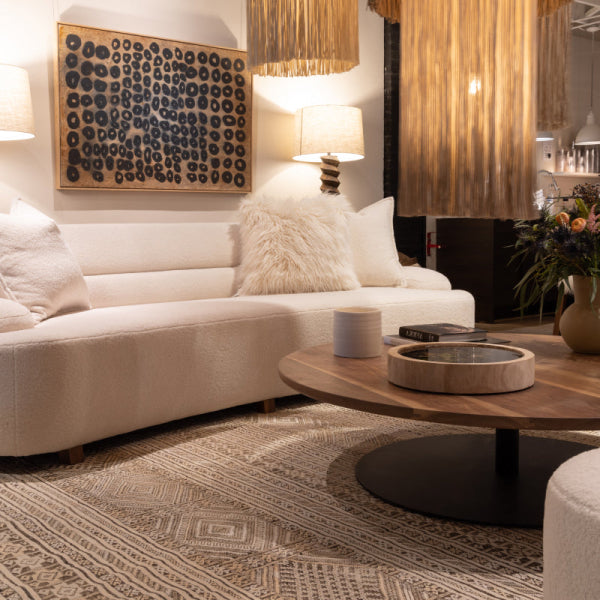
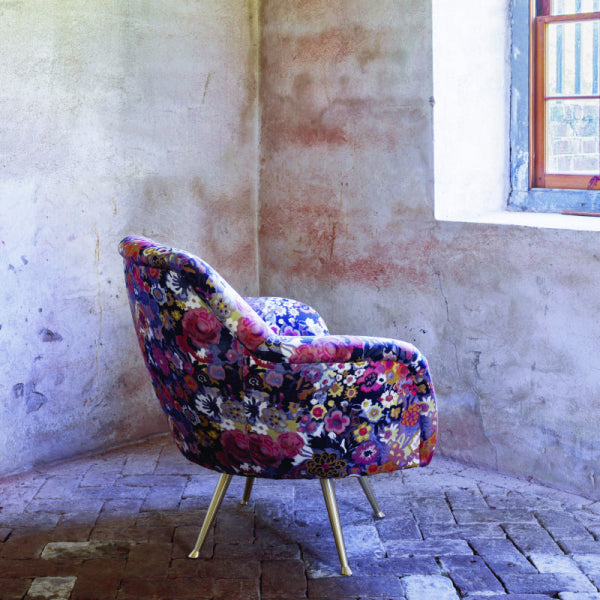
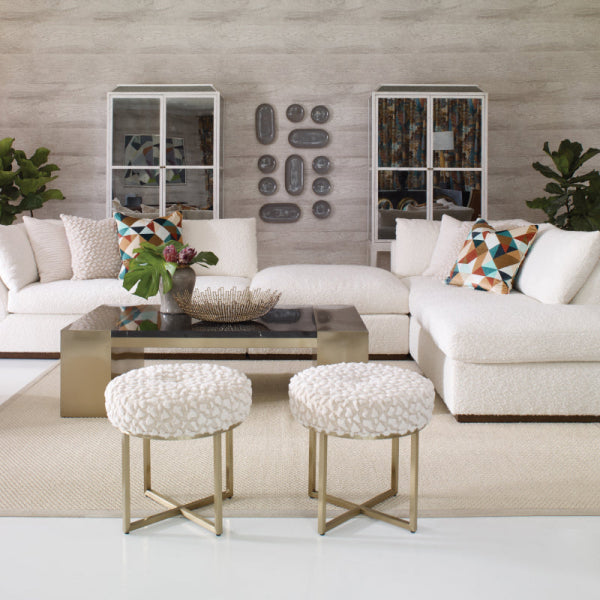
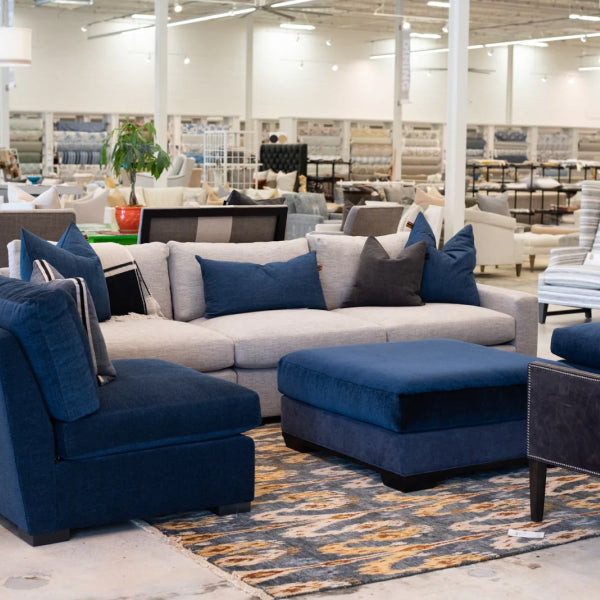

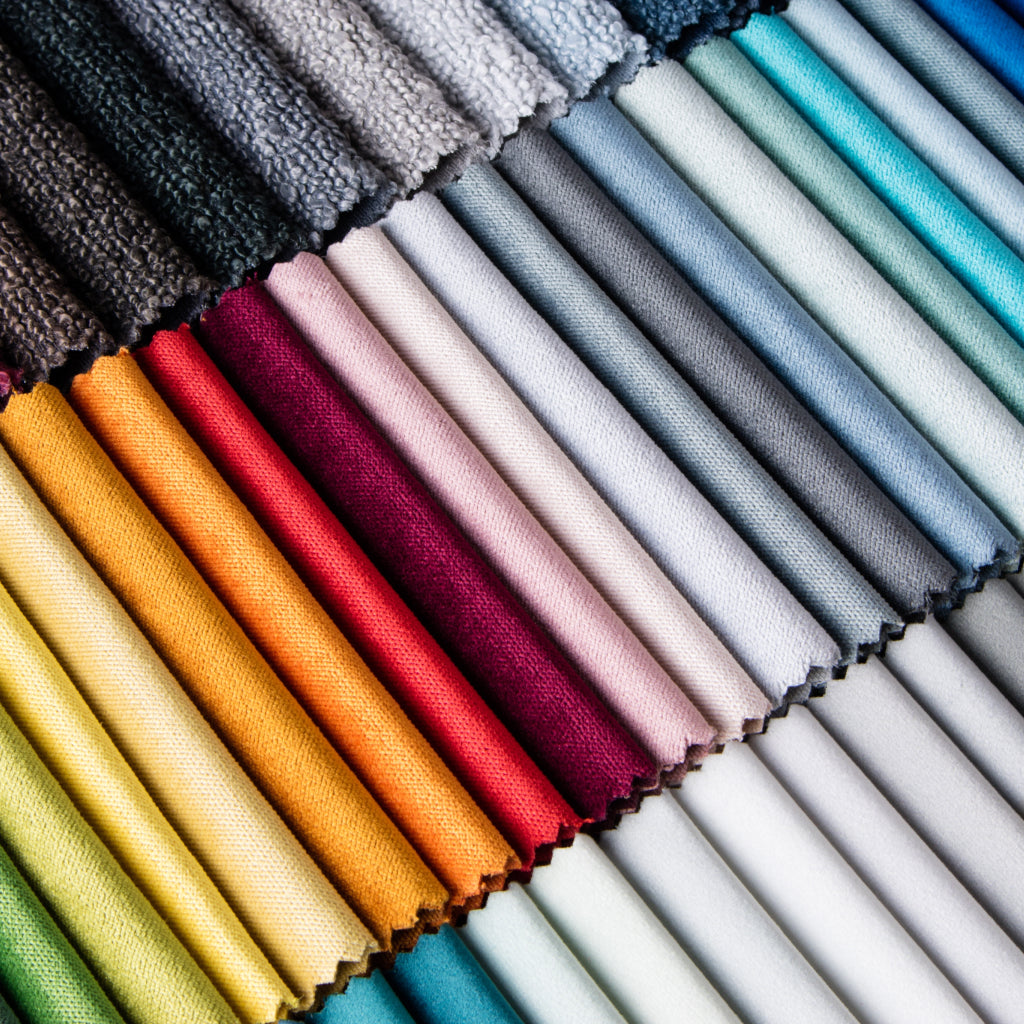







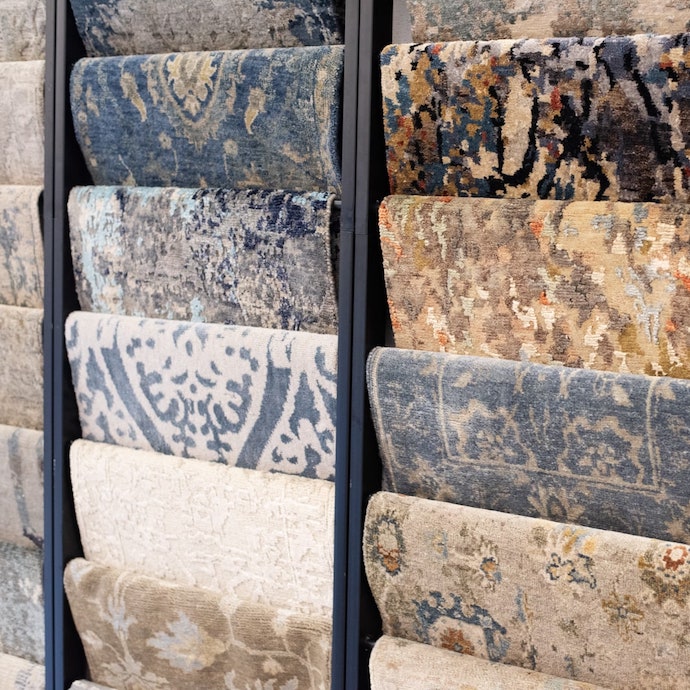
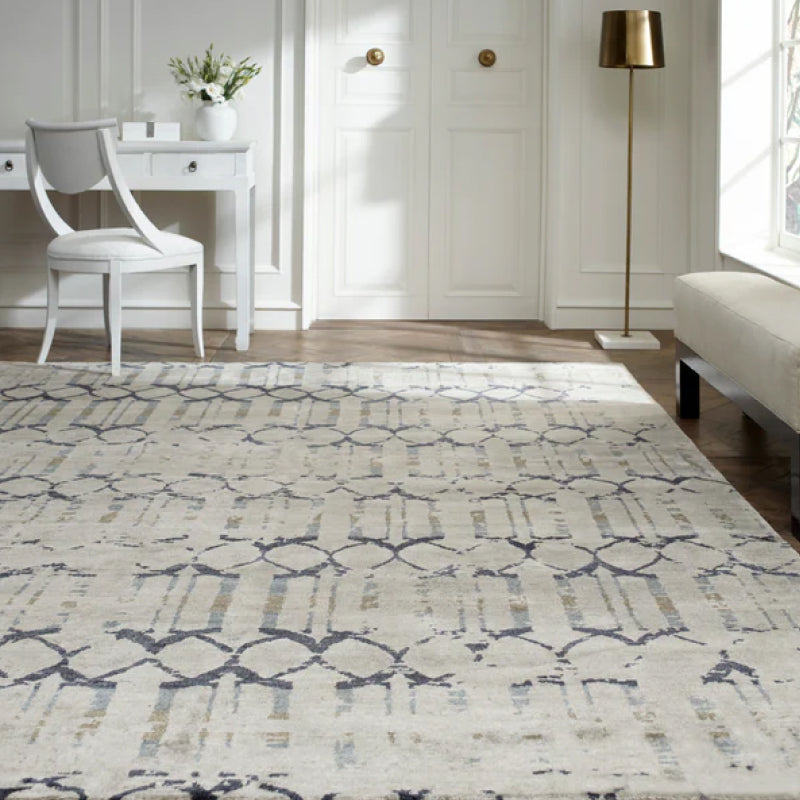
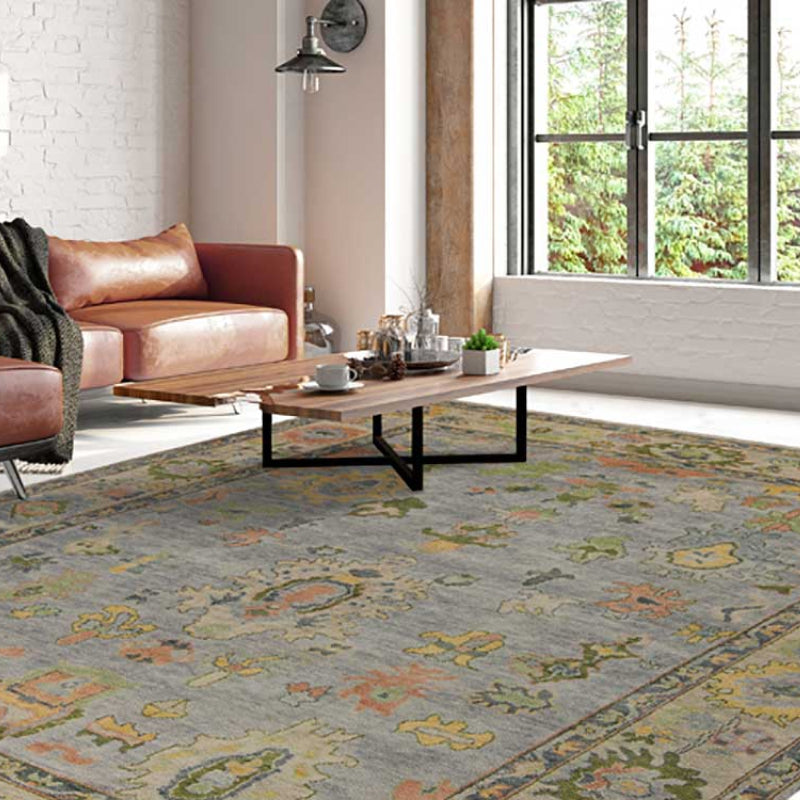
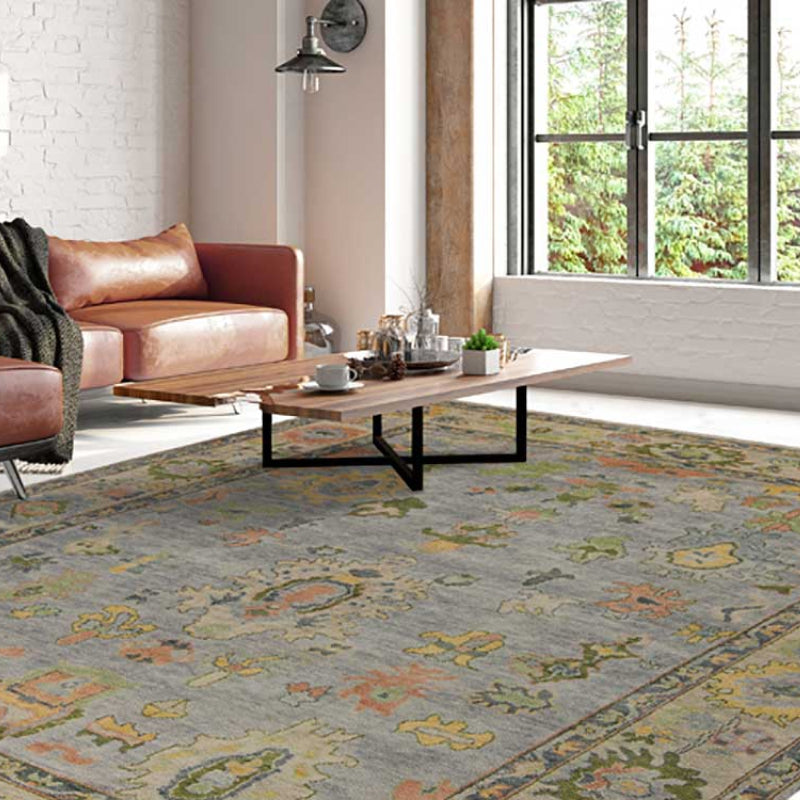
You're standing in a showroom with a fabric swatch in one hand and a room plan in the other. The color is right, the texture is beautiful, and the price reflects the quality you want. Then the practical questions arrive. Will it hold up to children, dogs, afternoon sun, frequent entertaining, and the daily settling into a luxury sofa that's meant to stay in your home for years?
That's where quality assurance testing earns its place. For a designer, homeowner, or buyer investing in custom upholstered furniture, testing translates mill-grade information into a sensible decision about a particular room. It helps distinguish a handsome fabric from a dependable one, and a premium sectional from a piece that will need expensive attention sooner than expected.
Why Quality Assurance Testing Matters Before You Commit
A fabric sample can tell you how a textile looks and feels. It can't, by itself, tell you how the material will respond to friction, sunlight, spills, cleaning, seams, or years of use. Quality assurance testing provides that missing context.
The distinction matters most with high-end furniture. A luxury sofa, custom chair, or statement furniture piece often has a carefully selected frame, upholstery, and a design intended to remain relevant for a long time. High-quality furniture is commonly estimated to last 10 to 25 years, with some pieces lasting 30 years or more when they use solid hardwood, premium metal frames, and well-constructed joints, as described by this overview of high-quality furniture lifespan. The fabric has to support that investment.

Testing protects the room, not just the textile
Start with the room's actual demands. A formal sitting room with controlled light has a different specification than a family room with a dog, a south-facing window, and constant use. A dining chair needs resistance to occasional spills and repeated movement, while a sunroom needs dependable color stability.
A passing result on one test doesn't make a fabric universally suitable. A textile may resist abrasion yet show color change in strong light. Another may clean easily but feel too delicate for the seams and finished edges of a frequently used sectional. The right question isn't “Is this fabric durable?” It's “Durable against what, and for which room?”
Practical rule: Ask for the test documentation before you approve the cut, not after the furniture arrives.
Early questions are inexpensive compared with correcting a poor specification. Finding defects earlier in a product lifecycle generally reduces rework, coordination, and release risk. In software quality assurance, one cited source places production defect correction at about 1.99 times the cost of fixing an issue during testing, with figures of $14,102 compared with $7,136 in the cited comparison source. The same logic applies to custom upholstery. A wrong fabric choice can mean altered expectations, a difficult repair conversation, or reupholstery that could have been avoided.
For additional practical perspective, buyers comparing color behavior can review these home tests for minky fabrics as a simple introduction to colorfastness questions. Home tests can inform curiosity, but they don't replace professional documentation for a significant furniture purchase.
The Seven Core Fabric Tests Buyers Should Understand
A fabric spec sheet can look technical until each line is connected to a familiar household problem. These seven test families cover the performance questions most buyers need to understand before choosing upholstery.

Abrasion resistance
Abrasion testing simulates repeated rubbing, much like the pressure created when people sit, stand, turn, and slide across a cushion. You'll usually see Martindale or Wyzenbeek results, often described through rub counts.
A higher result can be useful for a busy family room, but the number should never be read alone. Construction, weave, finish, cushion design, and the way people use the furniture all affect the outcome. Abrasion testing primarily protects against premature surface wear, not every form of damage.
Pilling resistance
Pilling is the formation of small fibers or bobbles on the surface. Think of it as the fabric equivalent of a sweater developing fuzz in areas that receive repeated contact.
A pilling result matters on sofas, lounge chairs, and frequently used accent cushions, especially when clothing, throws, and pets create constant friction. A favorable grade suggests the surface is less likely to develop objectionable bobbling under the test conditions.
Colorfastness
Colorfastness asks how well a color remains stable when exposed to conditions such as light, washing, or rubbing. For a room with direct sunlight, lightfastness deserves close attention. For a pale sofa or richly dyed textile, resistance to color transfer matters just as much.
Colorfastness testing protects the visual integrity of the design. It helps you avoid selecting a deep, beautiful shade that changes noticeably where sunlight reaches it or transfers onto light clothing.
Crocking
Crocking is the transfer of color from one surface to another through rubbing. A dark upholstery fabric against pale clothing, a light cushion, or a nearby wall can make this overlooked test surprisingly important.
A credible crocking result helps protect against dye transfer. It doesn't guarantee that a textile can never transfer color, but it gives the buyer information about how the fabric behaves under controlled rubbing conditions.
Seam and tensile strength
Seam strength evaluates the stitched join. Tensile strength evaluates how much pulling force the textile can withstand before breaking. They answer different questions, and both matter on upholstery.
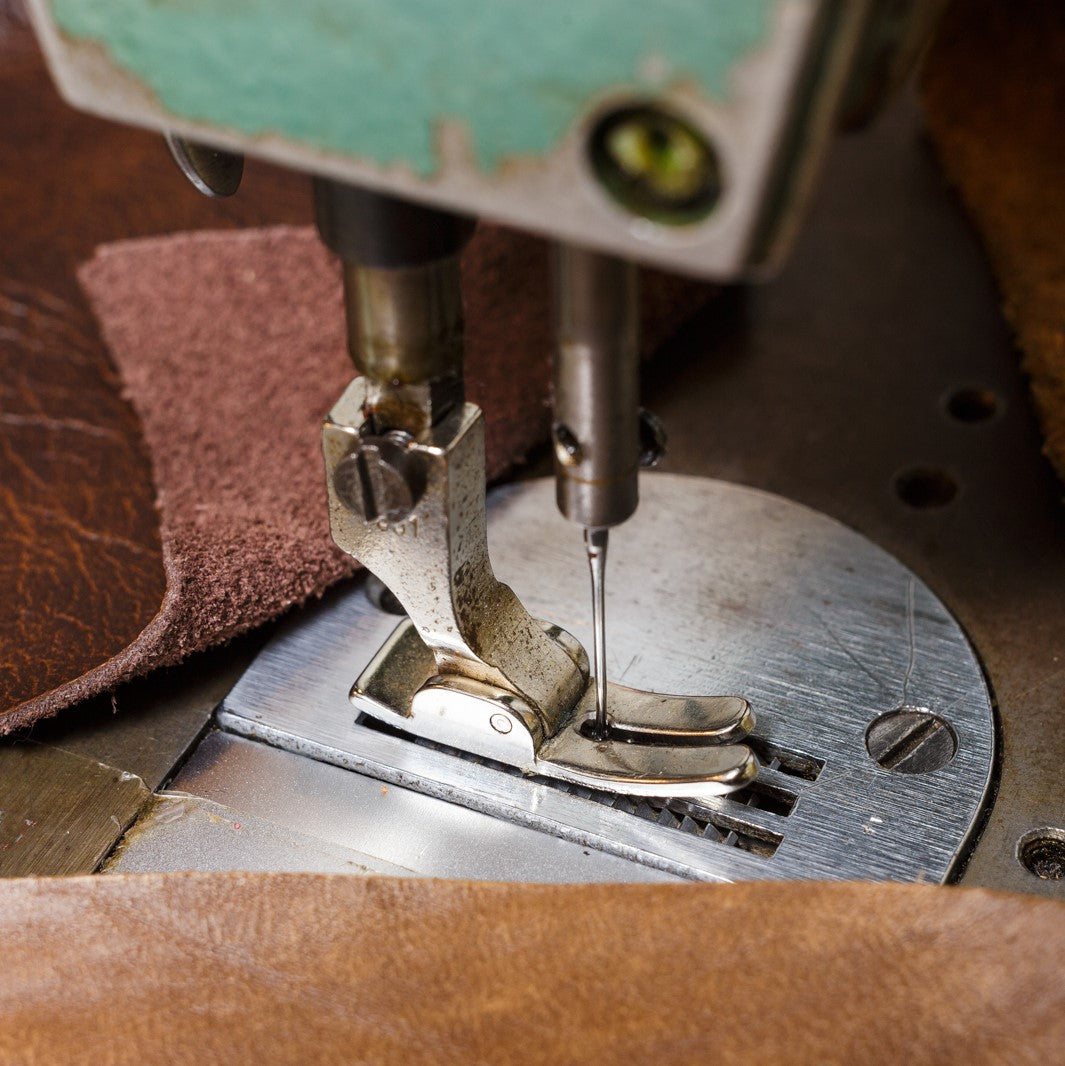
A sofa can have attractive fabric with weak performance at seams if the construction and application aren't matched properly. These tests are especially relevant to fitted cushions, tight upholstery, dining chairs, and pieces with stress at corners or repeated movement.
Flammability
Flammability testing addresses safety compliance. Requirements can vary by furniture type, location, construction, and applicable regulation, so the correct documentation should come from the manufacturer, upholsterer, or qualified design professional.
A passing result supports compliance with the relevant safety standard. It isn't a substitute for asking which standard was used and whether it applies to the finished upholstered piece.
Stain resistance and performance finishes
Stain and cleanability testing examines how a textile responds to spills and the recommended cleaning method. Performance fabrics may use finishes or engineered fibers that resist staining, simplify cleaning, and help protect against fading and UV damage, as outlined in this guide to furniture material durability and upholstery options.
Antimicrobial or Crypton-type performance claims require written product information. Ask what the finish protects against, which cleaning code applies, and whether the assurance covers the fabric alone or the completed furniture. For a detailed comparison of performance upholstery choices, review choosing the best performance fabrics.
Standards and Certifications Worth Recognizing
A label can sound authoritative without telling you much about the finished piece. Buyers should separate test methods, regulatory requirements, and third-party certifications, because each answers a different question.
ACT, the Association for Contract Textiles, is associated with performance guidelines used across commercial and contract textile applications. Its relevance is strongest when a project demands clearly defined durability, flammability, seam, or cleanability expectations. ASTM develops standardized test methods that laboratories and manufacturers can use to evaluate materials consistently. A test method tells you how a result was produced. It doesn't automatically tell you that the fabric is right for your home.
NFPA standards address fire-related safety requirements in applicable settings. The Consumer Product Safety Commission administers and enforces consumer product safety rules in the United States. For a residential upholstery purchase, ask the supplier which requirements apply to the specific product rather than assuming a general “fire resistant” phrase covers every part of the furniture.
Certifications that speak to the environment
GREENGUARD relates to emissions from products and materials in indoor environments. OEKO-TEX certifications address specified harmful substances under the applicable certification framework. California Proposition 65 is a warning framework concerning exposure to chemicals listed by the state of California. These labels can be useful, but they aren't interchangeable, and none should be treated as a universal quality score.
A mill's marketing language may describe a finish as “easy care,” “performance,” or “luxury.” Those phrases need supporting information. Ask for the technical sheet, certification scope, test method, and care instructions.
A meaningful certification tells you what was evaluated, under which framework, and for which product.
Performance finishes such as Crypton should come with written assurances and care guidance. The same discipline applies to leather. If you're comparing hides for a sofa or custom chair, a focused resource on how long full grain leather lasts can help frame the discussion around material quality, maintenance, and expected use rather than appearance alone.
For luxury home furnishings, documentation is part of the value. Solid wood, reinforced corners, double-stitched seams, hand-finished joints, replaceable legs, and reupholstery options are construction details associated with high-end furniture, not merely decorative language, according to this discussion of high-end furniture construction. The best specification combines those physical details with clear fabric and finish documentation.
How to Read a Fabric Spec Sheet Like a Pro
Read a spec sheet from the room outward. Don't begin with the most impressive number. Begin with the conditions the fabric must face.
Start with identity and construction
Check the fiber content first. Linen, cotton, wool, viscose, polyester, blends, and performance-engineered fibers behave differently. The content doesn't determine quality by itself, but it helps explain hand, drape, cleaning needs, and likely behavior.
Next, look for the pattern repeat, usable width, and direction of the design. A large repeat can affect yardage and placement on a sectional or pair of custom chairs. A fabric that looks simple on a swatch may require careful matching across cushions, backs, and arms.
Read the performance lines in order of risk
A useful review sequence looks like this:
- Abrasion result: This addresses repeated rubbing and helps position the fabric for occasional, regular, or heavy use.
- Pilling grade: This indicates how likely surface bobbling is under the specified test conditions.
- Lightfastness rating: This matters in sunrooms, rooms with large windows, and spaces with direct exposure.
- Crocking information: This helps assess color transfer, especially with dark or saturated shades.
- Cleaning code: This is one of the most practical lines on the page. It tells you which cleaning approach the manufacturer permits.
- Finish notes: Look for specific claims, care requirements, warranty language, and limits.
- Flammability and construction data: Confirm which standards were tested and whether the result applies to the fabric or the finished application.
The numbers that usually change a living-room decision are abrasion, pilling, lightfastness, and cleaning guidance. A beautiful marketing phrase or a broad “high performance” label doesn't replace those details.
Read the sheet as a risk map. The most useful result is the one that answers the room's hardest question.
Bring the spec sheet together with the sample. Texture, sheen, weave direction, cushion configuration, and tailoring can alter the finished impression. Performance information tells you what the fabric has demonstrated. The showroom conversation determines whether that demonstration matches your home.
Questions to Ask Before You Buy Custom Upholstery
A formal dining room, a family room, and a sunroom shouldn't receive the same fabric recommendation. Organize your questions around use, exposure, and maintenance.

For a formal dining room
Dining upholstery usually faces intermittent use, movement, and food or beverage spills. Ask:
- Abrasion: What is the fabric's abrasion resistance rating, and does it suit dining-chair use?
- Spills: How does the textile handle occasional spills, and what cleaning code applies?
- Color transfer: Could a dark fabric crock onto light clothing?
- Construction: Will the pattern align correctly across the chair seats and backs?
A fabric doesn't need the same profile as a family-room sectional, but it does need a practical cleaning plan. Avoid any textile where the supplier can't explain the care method clearly.
For a family room
Household behavior should drive the specification. Ask about pilling resistance, stain resistance, cleaning, and the Wyzenbeek rub count if that's the test listed on the sheet.
A dog, children, frequent entertaining, or daily lounging raises the importance of cleanability and surface resilience. Performance fabrics are described as stain-resistant, easy to clean, and resistant to fading and UV damage, but the exact care instructions still matter. A fabric that repels a spill may not tolerate every household cleaner.
A family-room checklist should include:
- Pilling resistance: What grade did the textile receive?
- Cleanability: Is it stain-resistant, and what products are approved?
- Abrasion: What is the Wyzenbeek result, and how does the manufacturer position it?
- Seams: Does the upholstery construction suit the cushion shape and expected movement?
For broader buying guidance, keep this resource on 10 questions to ask when choosing upholstery available while reviewing samples.
For a sunroom
Direct light changes the priority. Ask for the lightfastness rating, the test method, and the manufacturer's guidance for direct sunlight.
A beautiful shade that shifts noticeably near a window can compromise the whole room. Consider lining, window treatments, furniture placement, and the textile's documented light performance together. Don't accept a general assurance that a fabric is “fade resistant” without knowing what that phrase means for the specific product.
How Lewis and Sheron Verifies and Documents Fabric Quality
A serious fabric decision starts before the bolt reaches the cutting table. Lewis and Sheron Textiles evaluates mills including Kravet, Fabricut, P. Kaufmann, Libeco Home, and Crypton, then uses the available product documentation to connect a fabric's tested characteristics with the client's room.
The in-house design team can use complimentary consultations to discuss sunlight, traffic, pets, children, entertaining, color transfer, and cleaning expectations. That conversation matters because a test result has no practical value if nobody relates it to the furniture's actual use.

Made-to-order upholstery from Verellen, Wesley Hall, LEE Industries, and Ambella can then be paired with a textile whose documented performance fits the project. Custom upholstered furniture deserves that level of coordination because the frame, cushion style, tailoring, and fabric all influence the finished result.
The same care applies to reupholstery. Before new material is cut, the existing frame should be inspected for structural integrity. There's little value in selecting an exceptional textile for a piece whose frame, joints, springs, or padding need attention first.
Documentation belongs in the project file
A client should leave with more than a fabric name and a color reference. The project record should identify the textile, its care instructions, relevant test information, finish notes, and any limitations the manufacturer states.
Each piece of custom order material, or COM, should be inspected before application so the upholsterer can address flaws, shade variation, or construction concerns before the work advances. Buyers researching bedding and protective textiles may also find this explanation of the best cotton for mattress protection useful when comparing fiber qualities and care expectations, although mattress protection and decorative upholstery serve different purposes.
The principle is simple. Quality assurance testing should be a documented step in the purchase, not a marketing phrase added after the decision.
Bringing It All Together for Your Next Project
Bring this short checklist to any showroom:
- Room: Identify traffic, sunlight, pets, children, entertaining, and cleaning realities.
- Fabric: Review abrasion, pilling, colorfastness, crocking, seam and tear strength, flammability, and stain performance.
- Standards: Ask which test methods, regulations, certifications, and written finish assurances apply.
- Construction: Confirm the frame, joints, cushions, seams, tailoring, and repairability.
- Records: Keep the fabric identification, care instructions, and performance documentation with the project file.
You're not trying to win every category with the highest number. You're matching the right performance profile to the room, then pairing it with construction that can support long-term use. For additional guidance on maintaining a finished piece, review this resource on fabric protection for furniture.
Lewis and Sheron Textiles offers premium home fabrics, custom upholstery, reupholstery, Belgian linens, rugs, trims, and design support for homeowners and professionals. Bring your swatches, room photos, and practical concerns to Lewis and Sheron Textiles in Atlanta, and the team can help match documented fabric performance to a luxury sofa, custom chair, sectional, or heirloom piece.