



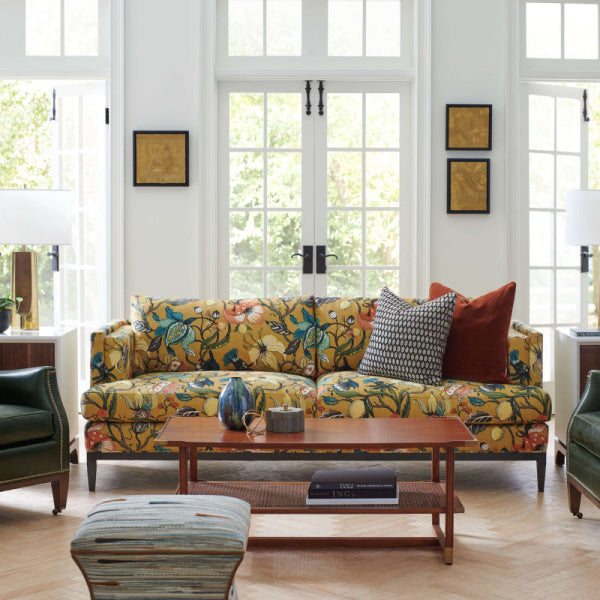
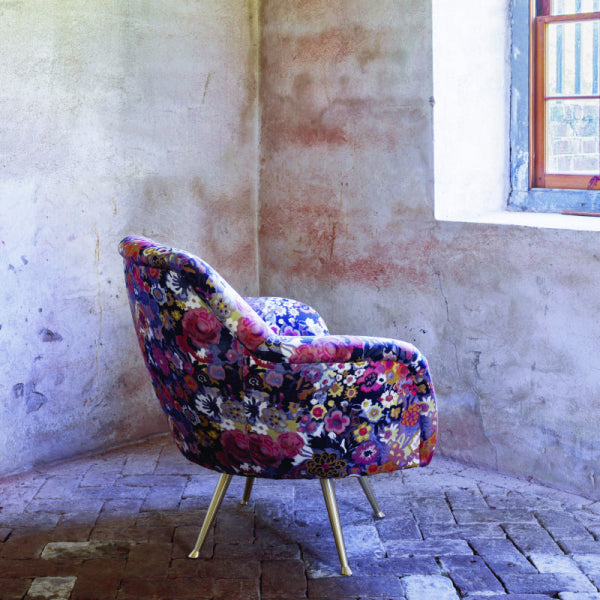
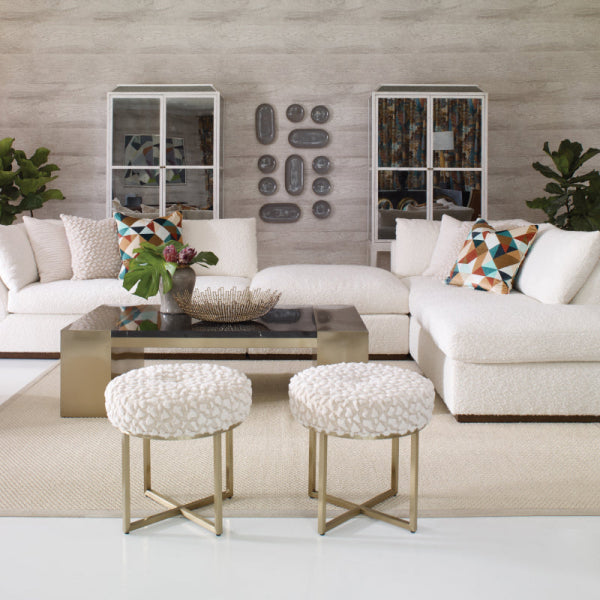
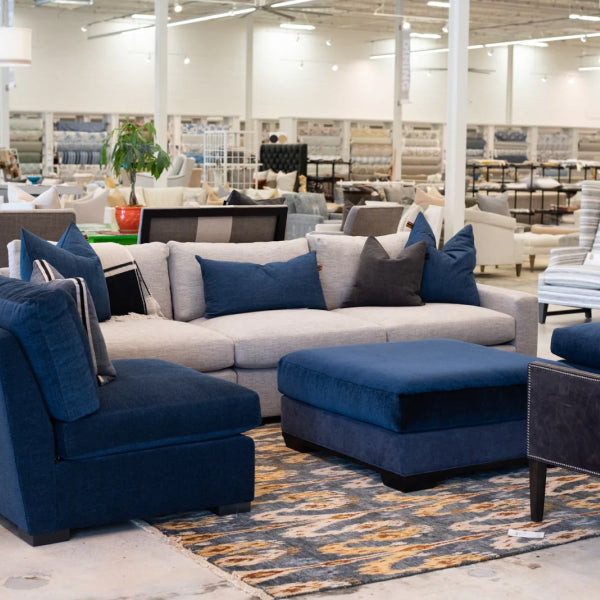









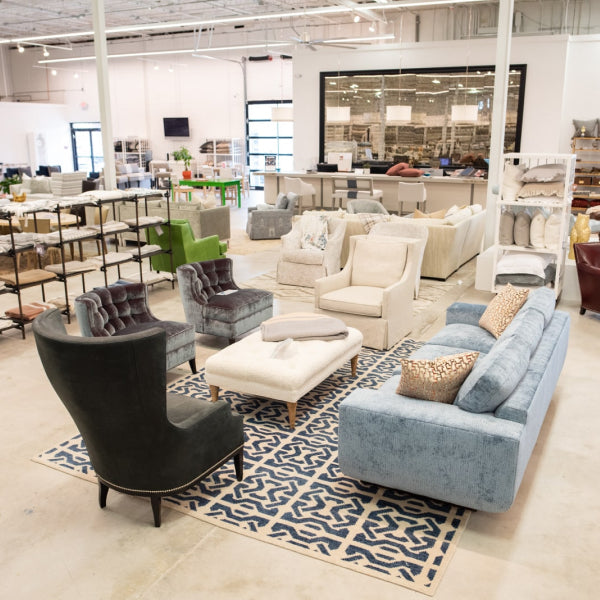


You've found the sofa that's almost right. The showroom model looks handsome, but the seat sits too high for reading, the arms land at the wrong depth, and its velvet clashes with the trim you've already chosen. In Atlanta, Buckhead, Alpharetta, Roswell, and Sandy Springs homes, that “almost” can be expensive. A sofa anchors the room, so the wrong proportions become a daily irritation rather than a small decorating mistake.
A custom upholstery sofa solves that problem only when you make the right decisions in the right order. Construction affects comfort, comfort affects dimensions, fabric affects tailoring, and all of those choices affect lead time and price. The process is less about selecting a pretty fabric and more about specifying a piece of high-end furniture that fits your room, your posture, your household, and the way you intend to live.
Why a Custom Upholstery Sofa Is Worth Considering
The homeowner in that showroom has three practical options. The first is an off-the-floor sofa or chair that ships quickly. It may suit the room with a few styling adjustments, and it's the sensible choice when timing matters more than exact fit. The second is reupholstery, which keeps an existing frame when its proportions and structure still deserve another life. The third is a true made-to-order sofa, built around your measurements, chosen fabric, cushion specification, finish, and tailoring details.
Custom doesn't mean every feature needs to be extravagant. It means you control the features that affect daily use. Seat height changes how easily you sit down and stand up. Seat depth determines whether you sit upright or curl into the cushions. Arm height affects how you read, converse, or rest your elbow, while back pitch influences whether the sofa feels formal or relaxed. Skirt length, leg finish, cushion density, and back pillow fill complete the relationship between the sofa and the room.

Three routes to the right piece
- Buy off the floor: Choose this when you need seating soon, the dimensions already work, and the available fabric supports the design.
- Reupholster an existing frame: Choose this when the frame has sound proportions, sentimental value, or construction worth preserving.
- Order made to measure: Choose this when a standard sofa compromises posture, circulation, scale, or the visual language of the room.
A custom build usually requires patience. Depending on the maker, fabric availability, construction complexity, and finishing requirements, lead times can stretch from eight to twenty-plus weeks. The price reflects labor, frame materials, suspension, cushion engineering, textile grade, and finishing work. It isn't a premium for a recognizable label.
The broader market supports the importance of upholstered seating. The global upholstered furniture market was valued at $54.76 billion in 2023 and is projected to reach $82.77 billion by 2031, with an implied average annual growth rate of 5.3% from 2024 to 2031, according to the MAE upholstery market report. In the United States, upholstered furniture spending was estimated at $37.1 billion in 2023, out of $122.5 billion in total consumer furniture and bedding spending, reinforcing the sofa's central role in residential and contract interiors.
For buyers comparing custom furniture Atlanta options with mass-produced furniture, the question isn't whether customization looks attractive. Ask whether better fit, better construction, and longer service justify the investment for your household.
A useful comparison of the decision is available in this guide to custom upholstery versus retail furniture.
Choosing the Frame, Springs, and Cushion Fill
Fabric gets attention because it's visible. The frame and suspension deserve more scrutiny because they determine whether the sofa stays square, supportive, and comfortable after years of use. For a serious luxury sofa, start with a kiln-dried hardwood frame and ask how the joints are assembled.
Build from the inside out
A strong baseline includes corner blocking and joints that are mortise-and-tenon, dowelled, glued, and screwed. Those details distribute stress more effectively than staples alone. Ask what the internal frame is made from, where the hardwood comes from, and what the warranty covers. Plywood can have a place in furniture construction when it's high grade and properly engineered, but thin sheet goods, OSB, or stapled softwood frames should not be treated as equivalent to a carefully joined hardwood structure.
The suspension changes the sit:
- Eight-way hand-tied springs create a responsive, supportive feel and suit formal, heirloom-oriented construction.
- Sinuous or serpentine wire offers consistent support with a cleaner, more efficient construction approach.
- Webbing can produce a comfortable seat when properly installed, but its performance depends heavily on material quality and tension.
- Hybrid systems combine suspension methods to balance support, flexibility, and production requirements.
Cushion fill is a separate decision. High-resilience foam gives a firmer, structured seat. Foam wrapped in down or feather softens the crown without losing the core's structure. Loose down and feather deliver the deepest sink-in comfort, but they require regular fluffing. A hybrid core gives the most balanced result for many homeowners, pairing supportive foam with a softer wrap.
Why high-quality foam matters is a useful reference before approving a cushion specification.
Cushion Fill Options at a Glance
| Fill Type | Feel | Maintenance | Typical Lifespan |
|---|---|---|---|
| High-resilience foam | Firm, tailored, supportive | Low routine maintenance | Holds shape well when properly specified |
| Wrapped foam | Supportive center with a softer crown | Occasional reshaping | Balances structure and softness |
| Down and feather | Deep, relaxed, sink-in comfort | Frequent fluffing and rotation | Depends on use and care |
| Hybrid foam and down wrap | Soft surface with resilient support | Moderate maintenance | Strong choice for everyday luxury seating |
Don't treat arm height and seat depth as styling details. Sit in comparable sofas before you order, then tell the designer whether you read, entertain, nap, work, or sit upright. The right custom upholstered furniture specification begins with posture.
Selecting Fabric, Pattern, and Seam Details
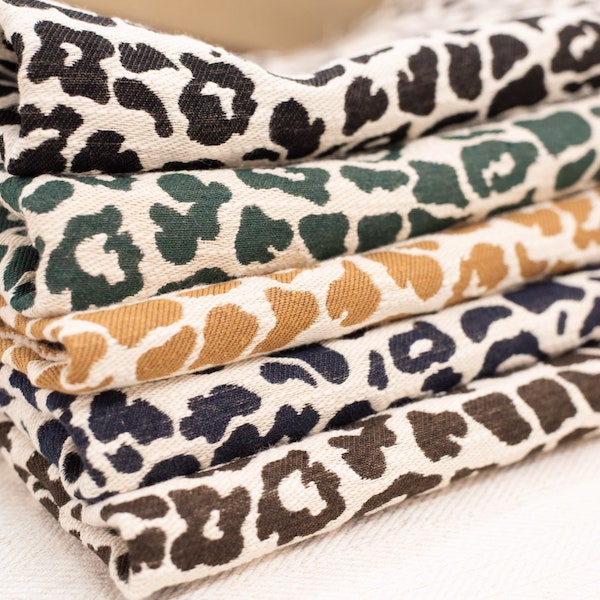
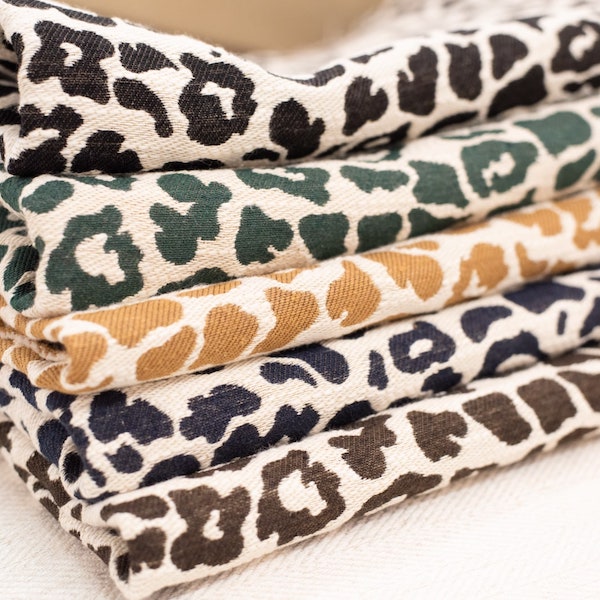
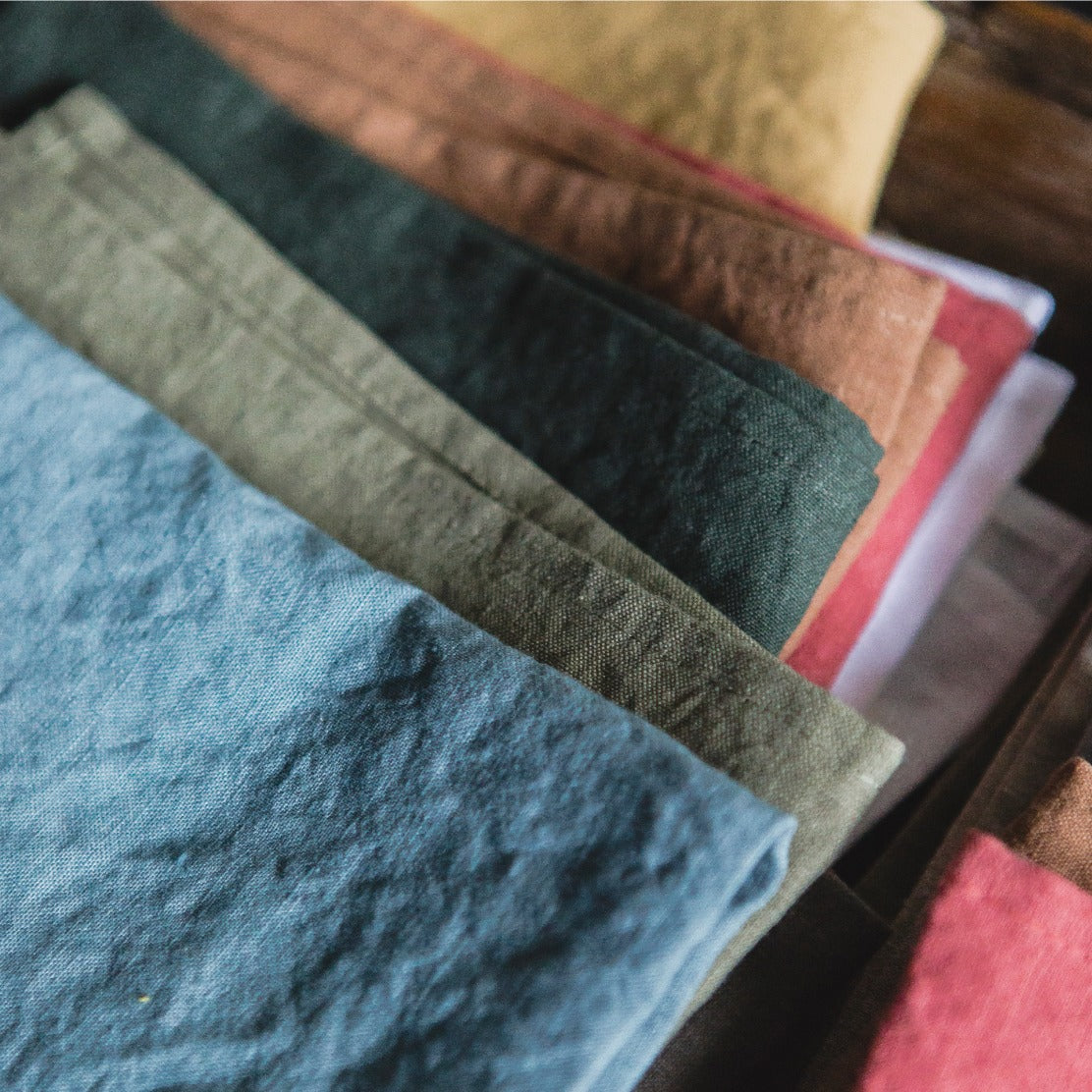
A beautiful textile can still produce a disappointing sofa if the workshop selects it without considering use, repeat, nap, and tailoring. Treat fabric as a performance and proportion decision, not a final color choice.
Start with the performance standard
For low-traffic private residential use, the Association for Contract Textiles recommends at least 15,000 double rubs Wyzenbeek or 20,000 Martindale cycles. High-traffic public or heavy-use applications should target 30,000 double rubs Wyzenbeek or 40,000 Martindale cycles, while coated upholstery in heavy-duty settings is typically specified at 50,000 double rubs, according to ACT's abrasion performance guidelines.
For a family room, I generally want a performance fabric above 30,000 double rubs, or the corresponding Martindale specification, before approving the textile for a heavily used sofa. Don't compare Wyzenbeek and Martindale numbers as if they were interchangeable. Wyzenbeek, under ASTM D4157, is common in North America. Martindale, under ASTM D4966 and the ISO 12947 family, appears more often in Europe and global specification sheets.
Performance options can include stain-treated Crypton, solution-dyed acrylics, and tightly woven blends. Loose natural weaves can be beautiful, but they may be less forgiving in busy rooms and can pill or distort with use. Abrasion only measures surface wear, however. It doesn't measure frame looseness, cushion compression, sagging, or weak seams.

Pattern and tailoring make the difference
A large repeat can transform a sofa into a statement furniture piece, but it requires more yardage and more planning. The workroom should center and align the design across the back, seat, and arms. A stripe dropped casually onto a two-cushion sofa can make the entire piece look crooked, even when the frame is perfectly built.
Then decide how much tailoring you want:
- Topstitched seams sharpen a silhouette.
- Knife-edge pillows create a clean, architectural profile.
- Welt cord outlines the frame and cushions with a deliberate border.
- Single-needle seams offer a quieter finish.
- French seams create a refined, more visible construction detail.
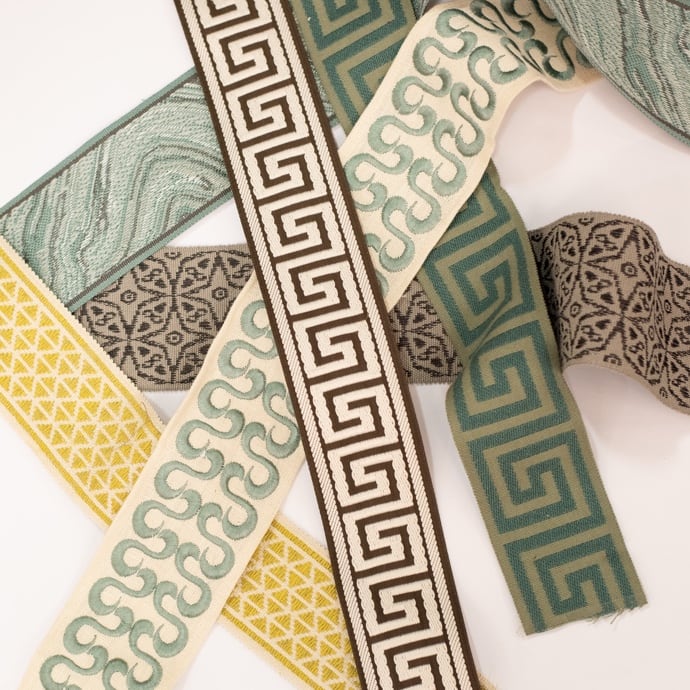
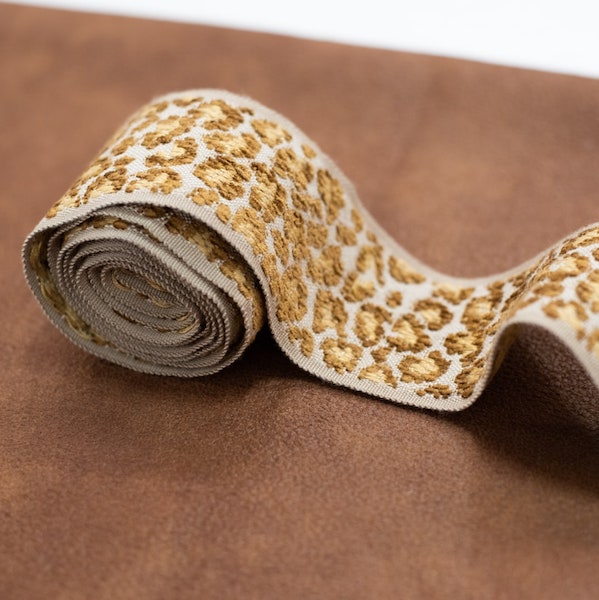
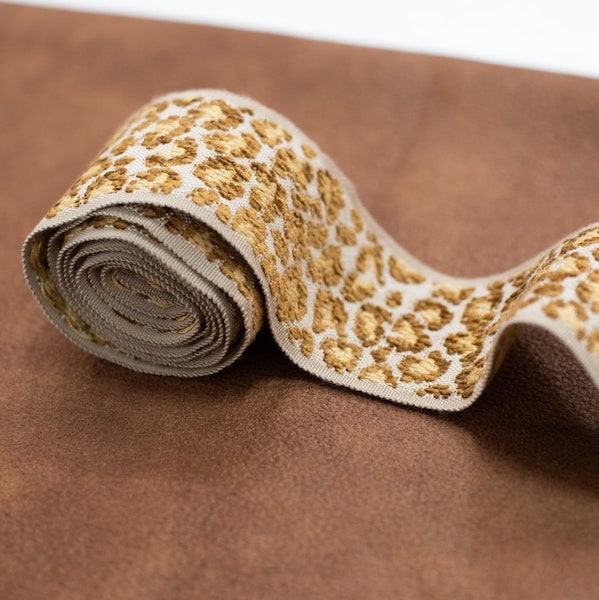
- Contrast piping adds graphic definition, while matching welt keeps the effect restrained.
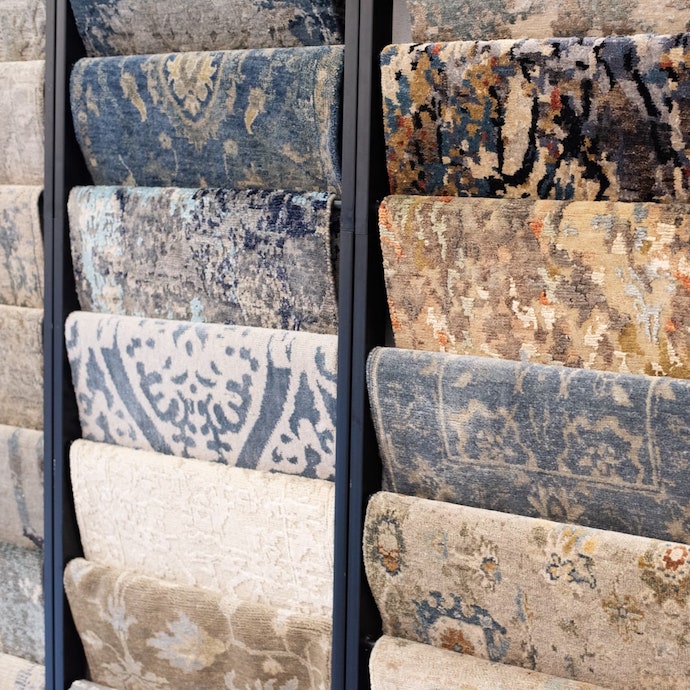
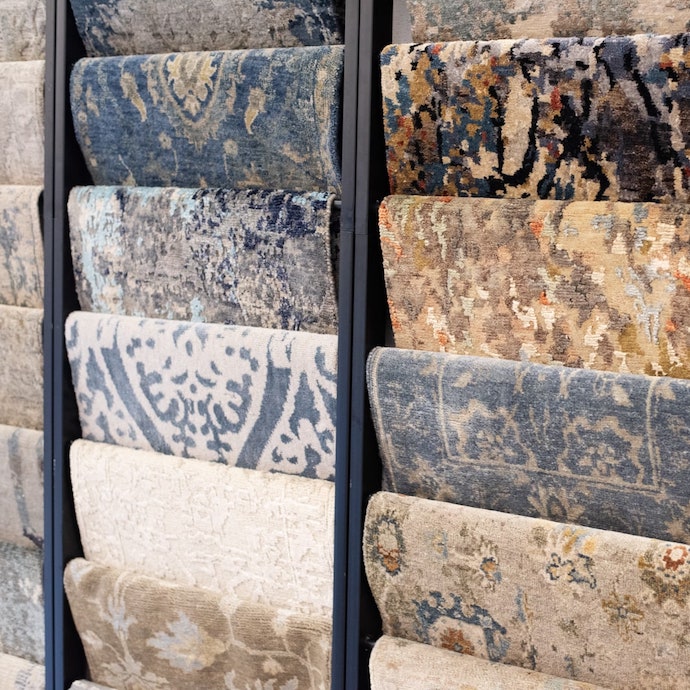
Nap direction matters just as much. Velvet, chenille, and mohair can appear like different textiles when panels face opposite directions. Keep the nap running consistently down, or orient it toward one controlled light source. Ask for large samples and view them in daylight and evening light against your flooring, trim, rugs, and wall color.
The best designer furniture near me experience should include enough fabric expertise to explain both what a textile looks like and what it will demand from the build.
Understanding Timeline, Cost, and What Drives the Price
Custom sofas aren't impulse purchases. A quote should show you what you're buying, not hide the construction behind a single style name.
The major price drivers are straightforward. A kiln-dried hardwood frame costs more to build than a lightly engineered frame. Hand-tied springs require skilled labor. High-resilience foam, down blends, premium leather, performance textiles, unusual leg profiles, nailhead trim, contrast welt, and special cushion configurations each add material or labor. Custom dimensions also affect cutting, frame fabrication, pattern matching, and shipping.
Read the timeline as a production plan
A straightforward made-to-order process may move through consultation, material sourcing, frame construction, suspension installation, cushioning, upholstery, inspection, and delivery. The plan can change when a selected textile is backordered, when a large pattern requires additional yardage, or when hand-finishing takes longer than a standard production sequence.

Some specifications supplied for this infographic illustrate a sample journey with a $2,000 base price, $500 to $1,500 for premium fabric, $200 to $600 for custom dimensions, and a $2,700 to $4,100 total range. Those figures are not a universal quote. Treat them as a visual example of how options can stack, then request a written estimate for your actual sofa.
The historical market data also shows why customization should be selective. One industry survey reported that custom orders for stationary sofas fell to 47% from 63% in 2018, while custom orders for recliners and motion sofas rose to 26% and 21%, respectively. Combined retail sales for stationary sofas, motion sofas, and recliners reached $30.8 billion in 2020, up from $27.3 billion in 2018, according to the upholstered furniture market analysis.
Ask for before-and-after pricing: Have the maker show the cost difference between standard and custom dimensions, a natural fabric and a performance fabric, and a simple seam treatment and a decorative one.
A realistic custom lead time may range from eight to sixteen weeks for a defined production route, but a broader project can run longer. Confirm the estimated window, deposit terms, change deadline, delivery method, inspection process, and whether made-to-order pieces are final sale before signing.
Measuring Your Room and Preparing Your Home
A sofa can be beautifully designed and still fail at the front door. Measure the delivery route before you approve the final dimensions, not after the workroom completes the frame.
Start with the room. Record the wall available for the sofa, nearby walkways, coffee-table clearance, ceiling height, and the location of vents, outlets, radiators, windows, and doors. Then measure every point between the street and the room, including the narrowest entry door, hallway, stair, landing, elevator door, and elevator interior.

Treat delivery like a project
- Measure every door: Note the narrowest opening, including the door leaf and hardware that reduce usable width.
- Measure stairs and landings: Include ceiling height, turns, railings, and the space needed to pivot the sofa.
- Check hallway geometry: A long sofa needs turning clearance, not merely a straight passage.
- Confirm elevator dimensions: Measure both the car and the opening. The door may be narrower than the interior.
- Photograph the route: Take photos from both directions and show them to the designer or delivery team.
- Ask about special handling: Confirm whether the shipment needs a lift gate, extra movers, temporary door removal, or hoisting.
Leave at least 2 inches of clearance on each side to reduce the risk of scratches and failed turns, as specified in the measurement guidance for this project. Heavy solid-wood construction also deserves a conversation about floors, thresholds, and load conditions, especially in older homes or rooms with a raised floor.
For broader practical advice on handling oversized pieces, consult this Home Removals Sydney guide. Its heavy-furniture planning principles apply even when your delivery begins at an Atlanta design center.
Ask how you use the sofa. A household that hosts often may need a more upright configuration. A reader may prefer a deeper seat. A family with pets may prioritize cleanability over a delicate weave. The right dimensions come from behavior, not just a floor plan.
How Lewis and Sheron Handles Made-to-Order and Reupholstery
A good design center shouldn't force every client into a new sofa. It should diagnose the piece, the room, the timeline, and the budget, then route the project to the right solution.
For a homeowner searching luxury furniture in Atlanta, that can mean comparing an off-the-floor chair with a made-to-order sofa in the same fabric library. It can mean ordering an American-crafted piece from makers such as Verellen, Wesley Hall, LEE Industries, or Ambella. It can also mean deciding that an existing sofa deserves expert reupholstery because its frame, scale, and sentimental value are difficult to replace.
One showroom, three practical paths
Off-the-floor furniture makes sense when the room needs an immediate update or when a ready piece already has the correct scale. It lets you see the actual silhouette, sit in the cushions, and coordinate it with rugs, trims, pillows, and other luxury home furnishings.
Made-to-order furniture is the better route when the room requires exact dimensions, a particular arm profile, a special seat depth, or a textile that isn't available on a standard model. The designer can help coordinate fabric, finish, cushion construction, and surrounding pieces rather than treating the sofa as an isolated purchase.
Reupholstery wins when the existing frame has good bones. A workroom can strip the piece, inspect the structure, repair weak areas, replace tired cushioning, and apply a new textile. That approach preserves a proportion you already know works and can keep a cherished piece in service rather than replacing it with a cheaper, less repairable build.
The distinction between furniture making and reupholstery matters. Some shops primarily recover existing frames, while others can build, modify, repair, and re-cover. Ask who will inspect the frame, whether the shop can alter the silhouette, and whether the proposed work addresses internal support rather than only visible fabric.
The Atlanta custom upholstery workroom model is valuable because it brings those decisions into one conversation. Lewis and Sheron Textiles' Design Center combines fabric sourcing, off-the-floor selections, made-to-order upholstered furniture, and reupholstery services, allowing a homeowner to compare the routes before committing.
Sustainability, Wellness, and Smart Questions Before You Sign
Custom doesn't automatically mean wasteful, and new doesn't automatically mean responsible. A sound frame that can be repaired and recovered may offer better lifecycle value than a disposable replacement, particularly when the existing piece fits the room and the family.
Start with construction that supports future service. Hardwood frames built for re-covering are more useful than furniture designed around a single upholstery cycle. Then ask about cushion materials, finishes, and textile certifications. CertiPUR-US foam, natural latex, and down fills may be relevant to your priorities, while GREENGUARD or OEKO-TEX certifications can help you evaluate indoor-air and material claims. Certification doesn't answer every question, but it's more useful than an unverified “green” label.
Buyers are also asking where furniture comes from, how it was made, and whether sustainability claims are traceable. Lectra's upholstered furniture manufacturing research describes stronger expectations around transparency and sustainability, along with hesitation to pay more without clear, standardized certification because of greenwashing risk. Rising costs and labor shortages can also complicate production and traceability.
Questions worth taking to the showroom
- Frame: What wood species and construction methods are used, and where is the frame made?
- Suspension: Is the sofa eight-way hand-tied, sinuous wire, webbed, or hybrid?
- Cushions: What foam density, fill ratio, or latex specification is included in the seat and back?
- Air quality: Are finishes low-VOC, and which certifications apply to the foam and fabric?
- Lifecycle: Can the workshop repair or reupholster the sofa later?
- Warranty: What does the warranty cover for the frame, suspension, cushions, fabric, and labor?
- Care: What cleaning method does the chosen textile require, and what voids coverage?
A well-maintained upholstered piece is commonly reported to last 7 to 15 years, while high-end furniture with solid frames and durable reupholstery can last longer, according to this upholstery longevity guide. That source estimates leather, microfiber, and high-performance synthetics at 10 to 15 years, compared with roughly 5 to 7 years for linen or untreated cotton. Cushion engineering matters too. One designer buying guide places a typical quality high-density foam range at 2.8 to 3.5 pounds per cubic foot, while another comparison describes 2.5-density foam as lasting about 10 to 15 years and 1.8-density foam as lasting roughly 3 to 5 years, as detailed in this furniture buying guide.
Your showroom checklist should end with one question: can this sofa be maintained, repaired, and recovered when its first fabric is no longer right?
Lewis and Sheron Textiles offers off-the-floor furniture, made-to-order sofas and seating, extensive upholstery fabrics, and expert reupholstery for Atlanta-area homes and design professionals. Visit Lewis and Sheron Textiles to compare materials, construction options, and the right path for a custom upholstery sofa worthy of your home.