


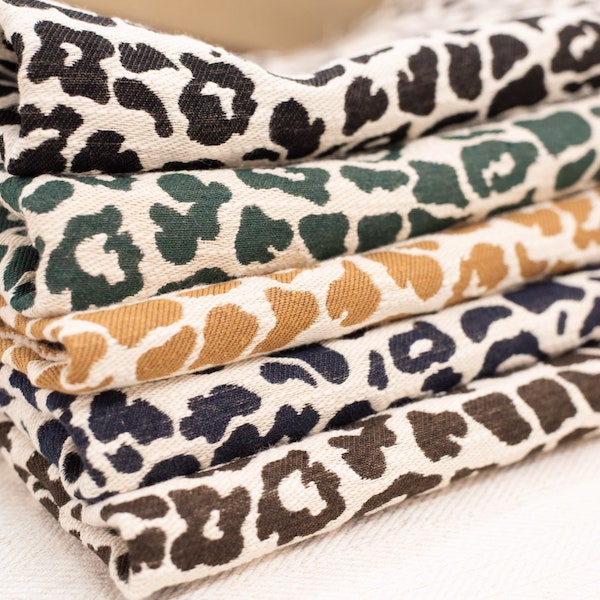
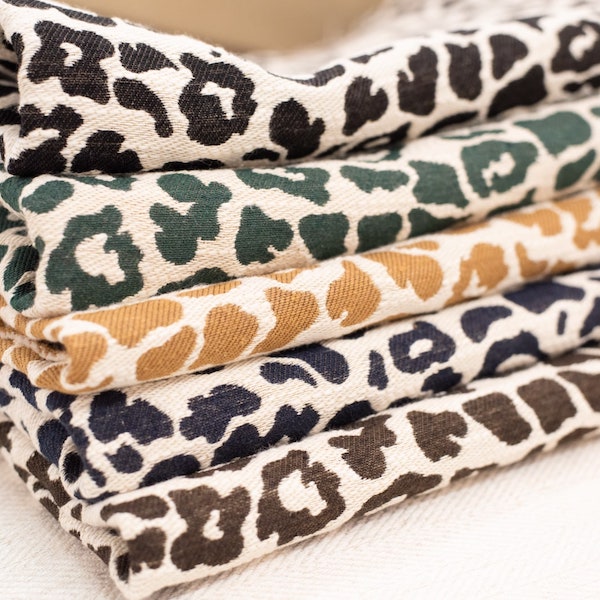
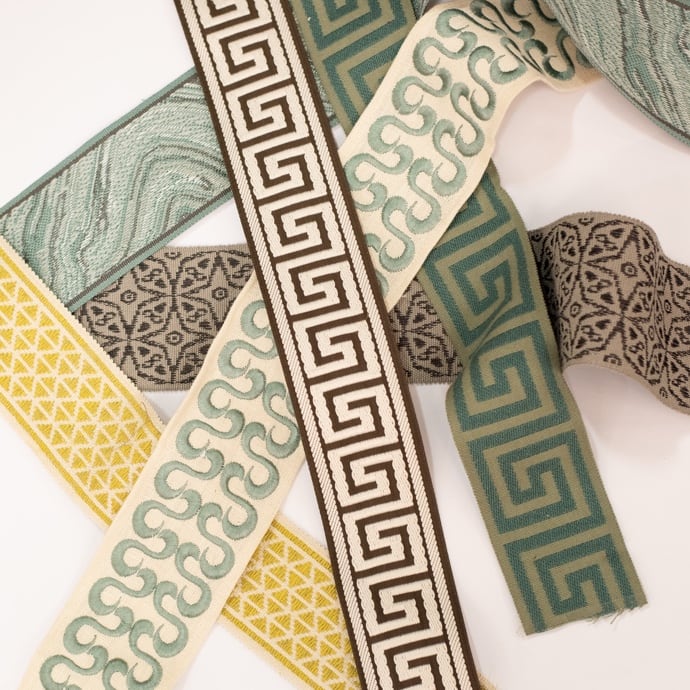

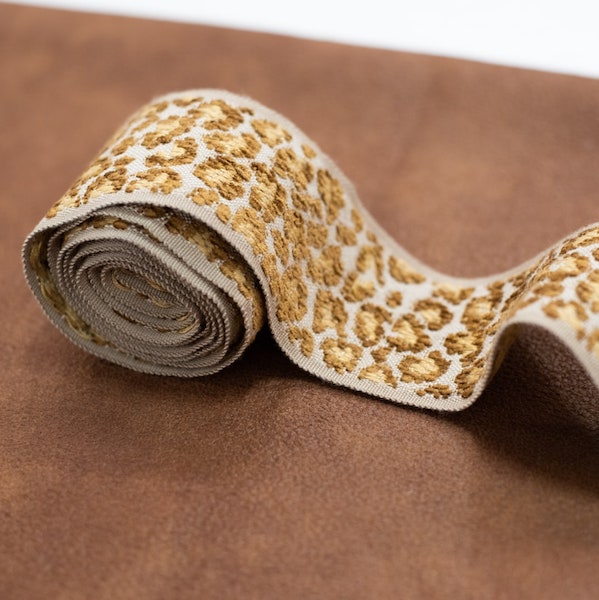

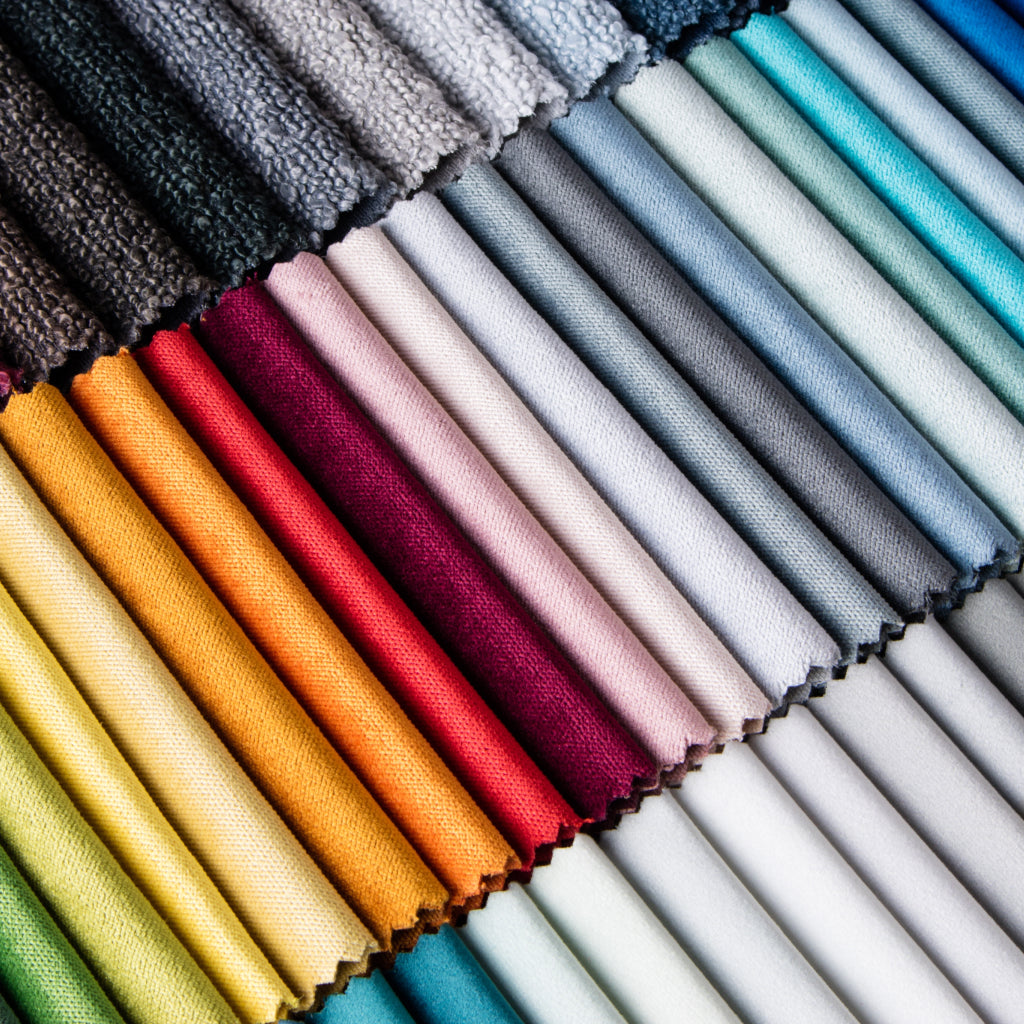







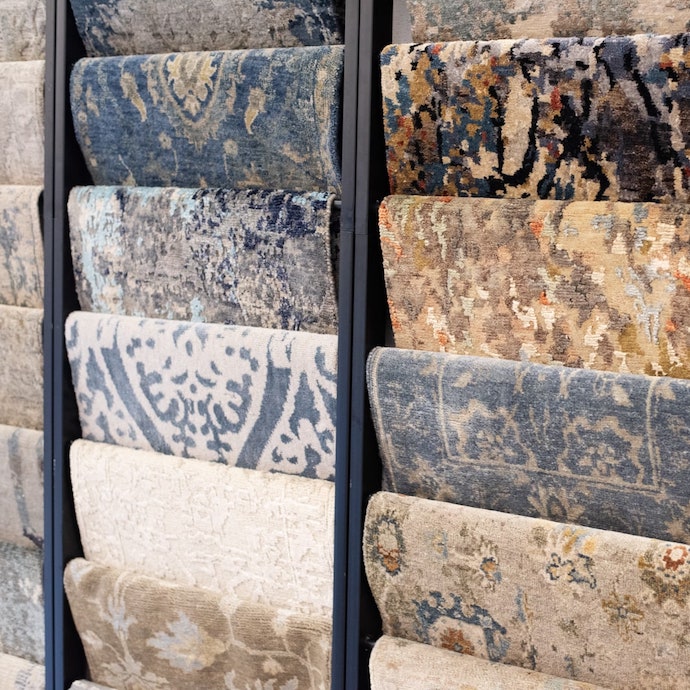
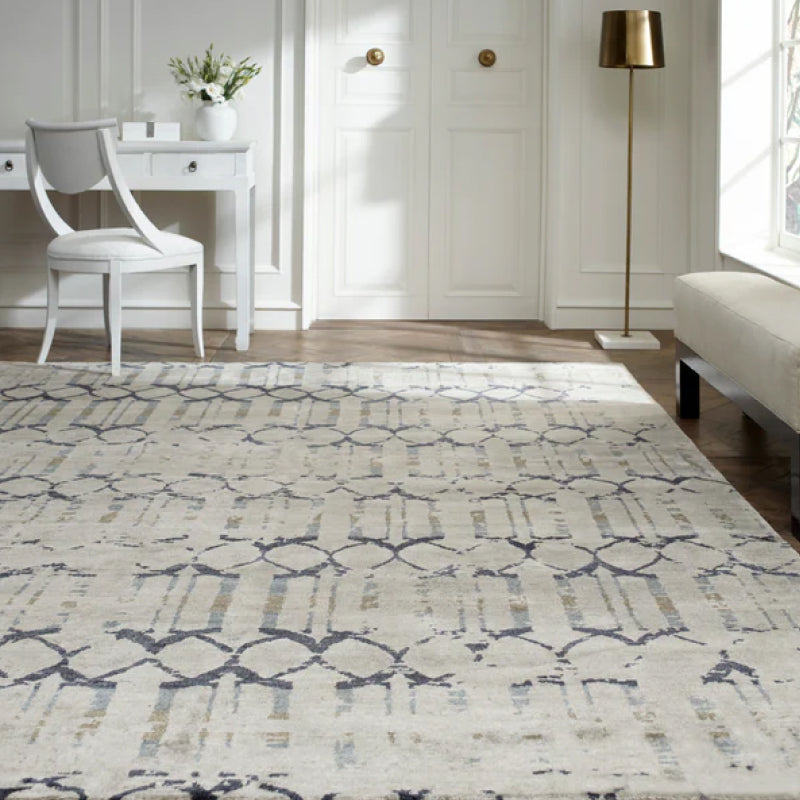
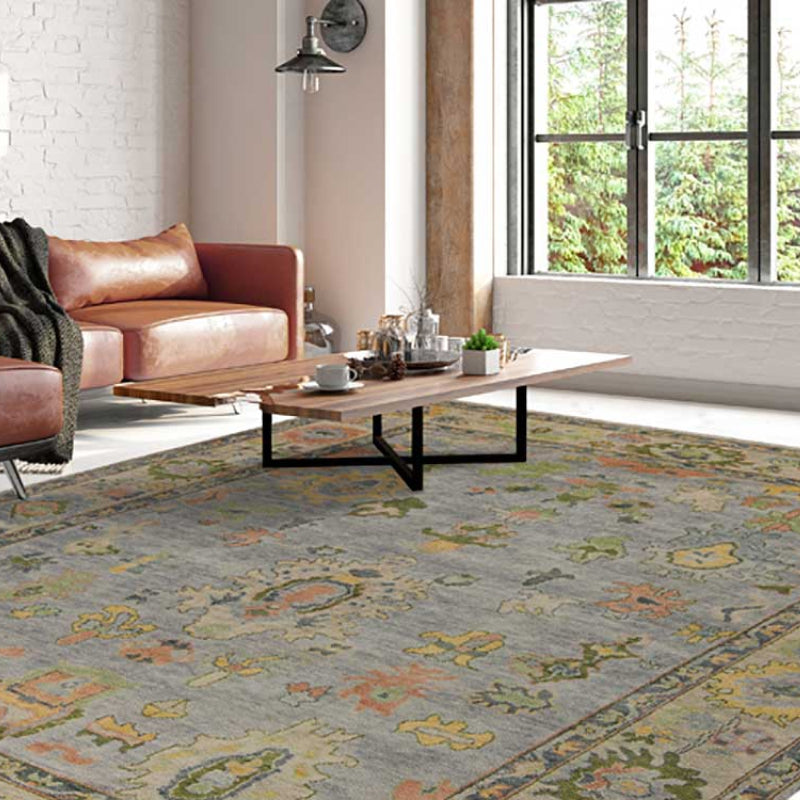
You've selected the perfect warm linen for the sitting room, a handsome woven pattern for the breakfast area, and perhaps a dramatic fabric for the primary bedroom. Then the samples arrive, and the practical questions begin. Will the folds stay crisp? Will Atlanta's humidity affect the weave? Will afternoon sun fade the color, or will the lining make the shade feel too heavy?
The right fabric for Roman shades must satisfy both the eye and the mechanism. In an affluent Atlanta home, a window treatment should support the architecture, coordinate with custom upholstered furniture, and perform through daily use. Color matters, but weight, weave, lining, and dimensional stability determine whether the finished shade looks crisp or tired.
Why Fabric Choice Defines Your Roman Shades
A Buckhead homeowner once described a common decorating dilemma: the fabric looked exquisite on the sample board, but the finished Roman shade felt limp and uneven. The pattern was right. The color was right. The fabric couldn't form disciplined folds.
That distinction separates a decorative purchase from a successful custom installation. Roman shades depend on textiles that can hold a taut face, fold cleanly, and remain stable through repeated operation. Medium-weight fabrics with minimal stretch are generally the safest foundation, while loose, delicate, or excessively heavy materials can create sagging, bulky folds, or difficult operation. Roman shade fabric guidance also emphasizes the importance of matching the textile to the room, maintenance demands, and desired light control.

A practical origin with lasting relevance
Roman shades are widely traced to Ancient Rome, where retractable fabric coverings protected audiences from intense Mediterranean sun in public venues such as the Colosseum. Historical summaries commonly describe the Colosseum as holding about 50,000 to 80,000 spectators (Port & Bay), while early Roman window coverings used cloth-based systems that anticipated today's fabric shades.
A later account describes a window at Pompeii covered with linen beneath wooden slats, with the milestone dated to 79 AD (Port & Bay). The point isn't romantic mythology. Roman shades began as tools for controlling heat and light, so performance remains central to their identity.
The modern lift-cord structure is often linked to Thomas Harris's 1808 innovation, while Renaissance interiors used Roman shades with richer textiles such as silk and velvet (Annie Elliott Design). That progression explains why linen, cotton, blends, lined fabrics, and luxurious upholstery-weight textiles all remain relevant in contemporary designer furniture settings.
Designer's rule: If the fabric looks beautiful on a flat memo but can't hold its intended fold, choose another textile or change the construction.
Before coordinating shades with custom furniture, review these tips for hiring an interior designer, especially if the room includes layered upholstery, statement furniture pieces, or unusual window proportions. For a broader look at how luxury textiles influence interiors, explore designer fabrics for home decor.
Selecting the Right Fabric Weight and Weave
Fabric weight controls the shade's presence. Weave controls its discipline. A luxury Roman shade needs enough body to form consistent folds without becoming cumbersome, and enough dimensional stability to resist shifting as the shade moves.
Start with the hand, not the label
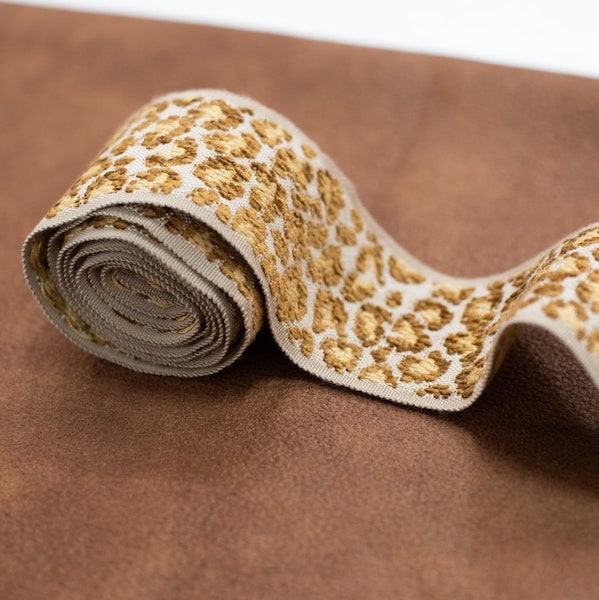
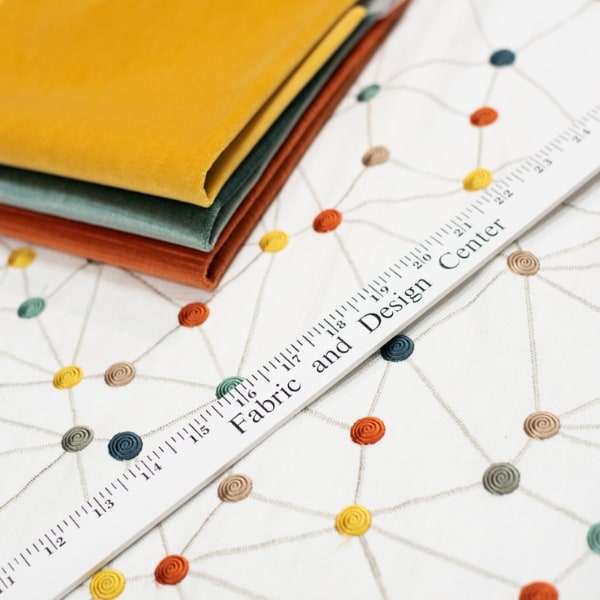
Handle the memo in natural light. Fold it by hand, hold it vertically, and pinch the edge. A suitable textile should recover its shape, show a controlled fold, and avoid excessive stretching. A medium-weight, tightly woven fabric with minimal stretch is the dependable choice for everyday rooms.
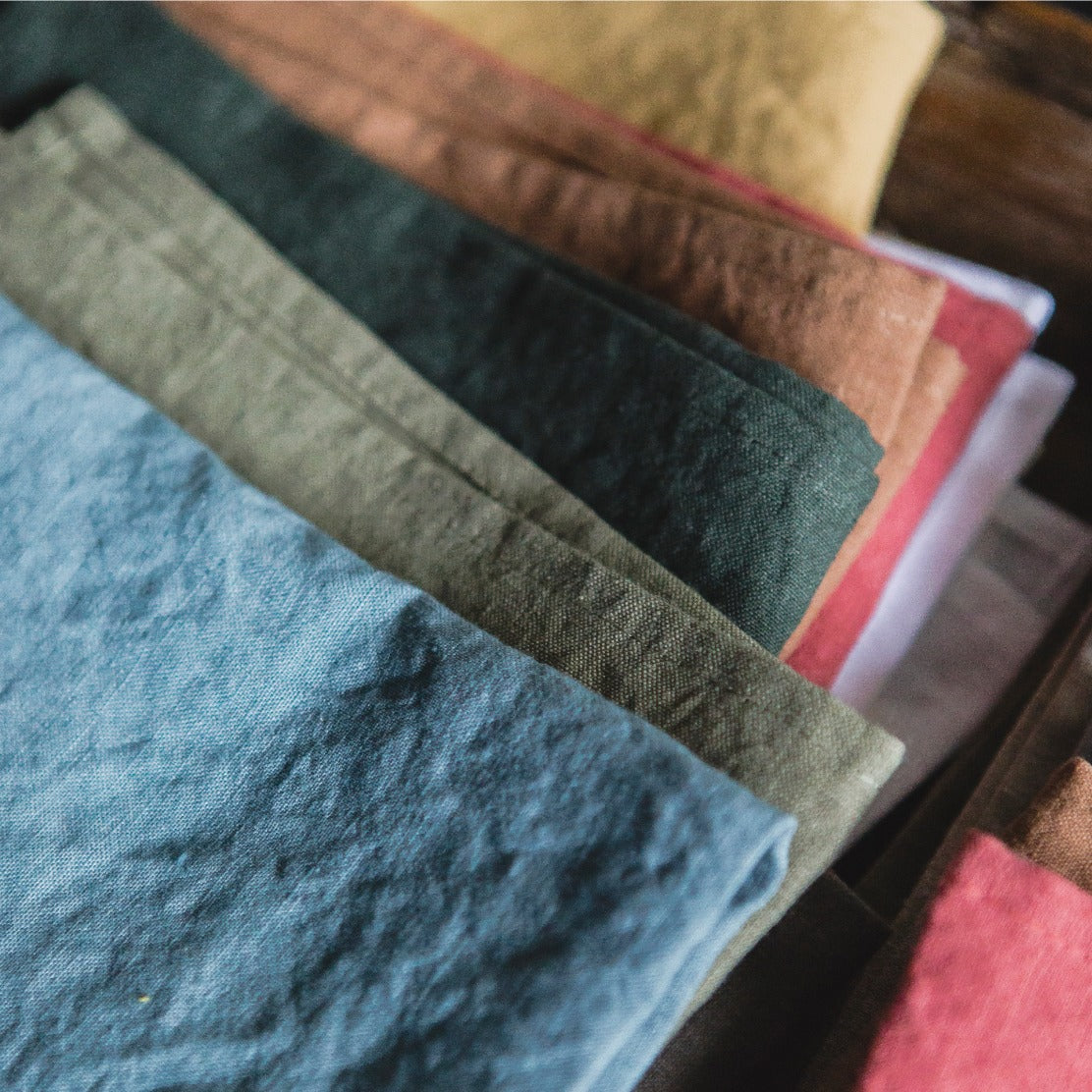
Linen creates a relaxed, textural effect, but quality varies widely. A tight-woven linen can look refined and hold a structured fold, while a loose weave may wrinkle, shift, or lose precision. Cotton offers a softer, more familiar appearance and tends to be more stable than very light linen. Cotton blends often provide a useful balance between natural texture and improved dimensional stability.
Performance textiles make sense where the shade faces cooking residue, children, pets, or strong sun. Choose a richly textured performance blend rather than a thin, flat synthetic that can make an otherwise refined room feel inexpensive. In formal interiors, velvet, silk, and substantial decorative fabrics can create drama, but their construction must account for pile, bulk, and sensitivity to light or moisture.
Match weave density to the room
Use these standards when comparing memos:

| Fabric direction | Visual result | Strong application | Main concern |
|---|---|---|---|
| Light, open weave | Airy, diffused, informal | Filtered light in low-moisture spaces | Can lack structure |
| Medium, stable weave | Tailored, balanced folds | Living rooms, offices, bedrooms | Requires careful lining selection |
| Heavy or lined construction | Strong privacy and pronounced pleats | Bedrooms, media rooms, formal rooms | Adds bulk and operating weight |
Pattern repeat deserves equal attention. A large motif may need extra fabric so the design lands symmetrically across the shade, particularly when several windows sit together. Ask the workroom to show the pattern placement before cutting. That small step protects the composition of the room and keeps a premium fabric from looking randomly cropped.
For Atlanta homes, I favor medium-weight linen blends, tightly woven cottons, and refined performance textiles for most installations. They deliver the clean, crisp appearance expected beside high-quality couches and custom chairs without forcing every room into a heavy blackout treatment.
Opacity and Lining Options for Every Room
Blackout isn't automatically the superior choice. It delivers powerful control, but a dining room, foyer, or street-facing sitting room may benefit more from softened daylight and a fabric that preserves visual lightness.
Use opacity as a room-specific decision. Light-filtering shades diffuse sunlight and maintain a brighter atmosphere, though silhouettes may remain visible at night. Room-darkening construction reduces glare and adds privacy without making the room feel completely sealed. Blackout construction is the strongest option for sleeping, media viewing, and spaces where light leakage is unacceptable. Current guidance describes blackout Roman shades as capable of blocking about 99 to 100% of light (Blinds.com).
Use orientation and function together
A sunny west-facing room needs more solar protection than a shaded hallway. For direct sun, fabric guidance recommends considering openness factor alongside solar heat gain coefficient. A 5% openness fabric blocks about 95% of the cloth opening, while 3% or 5% openness suits direct-sun exposures; 1% openness or opaque fabric is preferable when eliminating light leakage is the priority (Draper).
| Opacity level | Best for | Light control | Privacy | Insulation |
|---|---|---|---|---|
| Light-filtering | Living rooms, breakfast areas, layered spaces | Softens glare and diffuses daylight | Daytime privacy, silhouettes may appear at night | Some solar-heat reduction |
| Room-darkening | Offices, guest rooms, street-facing spaces | Reduces glare and visual brightness | Stronger privacy | Improved comfort with suitable lining |
| Blackout | Primary bedrooms, nurseries, media rooms | Blocks about 99 to 100% of light | Highest privacy | Dense layers reduce heat transfer |
A blackout lining can add insulation because dense fabric and trapped air pockets reduce heat transfer (Aosky). Still, a light-filtering shade may be the more intelligent investment in a formal living room where daylight, texture, and connection to the garden matter more than total darkness.
For lining details, review the role of drapery lining in custom treatments. A lining can support the face fabric, refine the folds, protect color, and improve the shade's overall finish.
Durability and Maintenance in Real Homes
A Roman shade should survive the room it serves. A beautiful linen shade above a kitchen sink faces humidity, airborne residue, and frequent handling. A shade in a sunny family room faces sustained ultraviolet exposure. A bathroom installation must tolerate moisture without encouraging mildew or retaining damp odors.
Atlanta homeowners should select the face fabric and lining as a system. Natural fibers can provide exceptional texture and breathability, but loose linen may shift and delicate silk can show water damage. Cotton brings a relaxed, tactile character, though continual sunlight can fade it. Linen and cotton blends often provide a more stable compromise for humid conditions, while carefully selected synthetics can offer improved colorfastness, quick drying, and cleanability.
Assign textiles by room

- Kitchen: Choose a tightly woven, cleanable textile that won't absorb cooking residue easily. A refined performance blend can preserve a residential look without demanding delicate care.
- Bathroom: Favor moisture-tolerant blends and avoid pure silk or unstable, loose-woven linen near direct water exposure.
- Sunny room: Pair a fade-sensitive face fabric with appropriate lining, or select a performance textile designed for stronger color retention.
- Family room: Use durable, tightly woven cloth that can tolerate repeated operation and incidental contact.
Maintenance begins before installation. Request the manufacturer's cleaning code, ask whether the fabric can be vacuumed with a soft brush attachment, and confirm whether spot cleaning is permitted. Don't assume a washable fabric is automatically suitable for a Roman shade. Washing can affect shrinkage, lining compatibility, and fold alignment.
NFPA 701 Test Method 1 is the key fire-safety benchmark for Roman-shade-style hanging textiles. The specimen is exposed to a 4-inch flame for 45 seconds, and one industry guideline identifies a passing target of retaining 60% of original weight with a maximum 2-second drip (Threadwell). Treat certification as a pre-production requirement when the project, building, or market requires it.
Maintenance advice: Dust shades gently and regularly, address spots promptly, and let a qualified workroom specify cleaning methods before the fabric is cut.
Measurement and Construction Essentials
Precision determines whether custom Roman shades look architectural or improvised. A premium textile can't compensate for a shade that sits unevenly inside the frame, collides with the window hardware, or stacks into folds that don't align with neighboring treatments.
Measure the opening carefully
Begin by deciding between an inside mount and an outside mount. Inside mounting preserves the architectural trim but requires a clean, unobstructed recess. Outside mounting can improve light control and accommodate shallow openings, but the finished dimensions must relate to the surrounding wall, casing, and adjacent drapery.
Record width and height at multiple points, since openings can vary. Confirm where the shade will stack, whether handles or locks project into its path, and whether the headrail will interfere with crown molding. For a complete measuring workflow, use this guide on how to measure windows for shades.

Construction choices shape the result
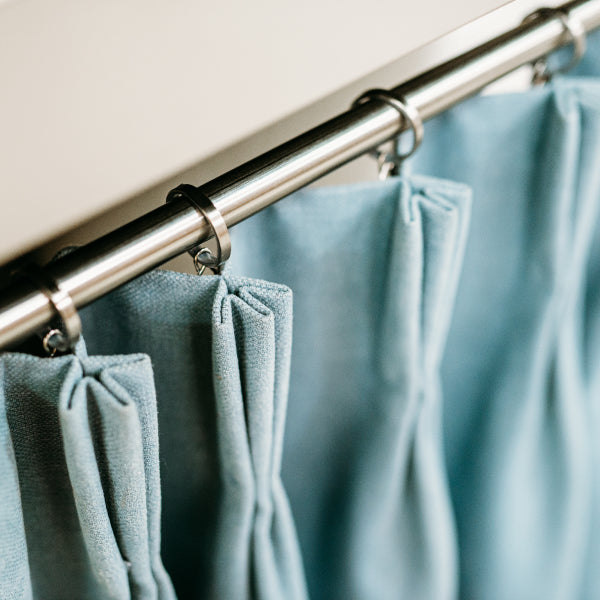
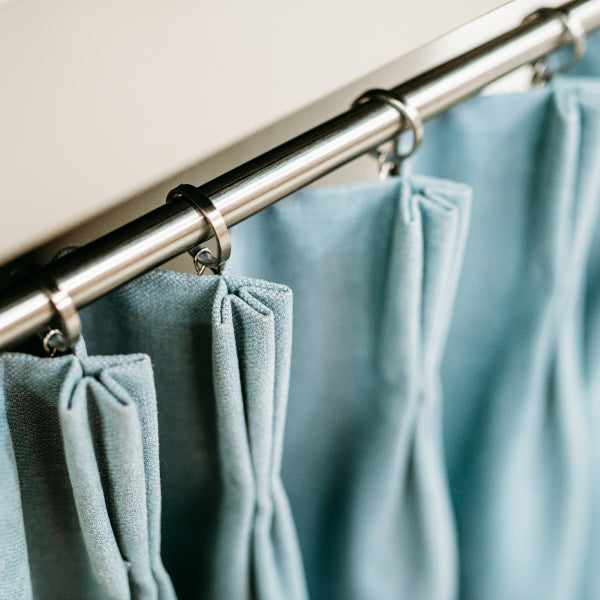
A flat Roman shade creates a clean, contemporary plane and displays pattern prominently. A hobbled shade produces permanent dimensional folds and suits traditional rooms, layered upholstery, and more formal designer furniture. A relaxed shade introduces a softer dip, but it needs a fabric with enough body to avoid looking limp.
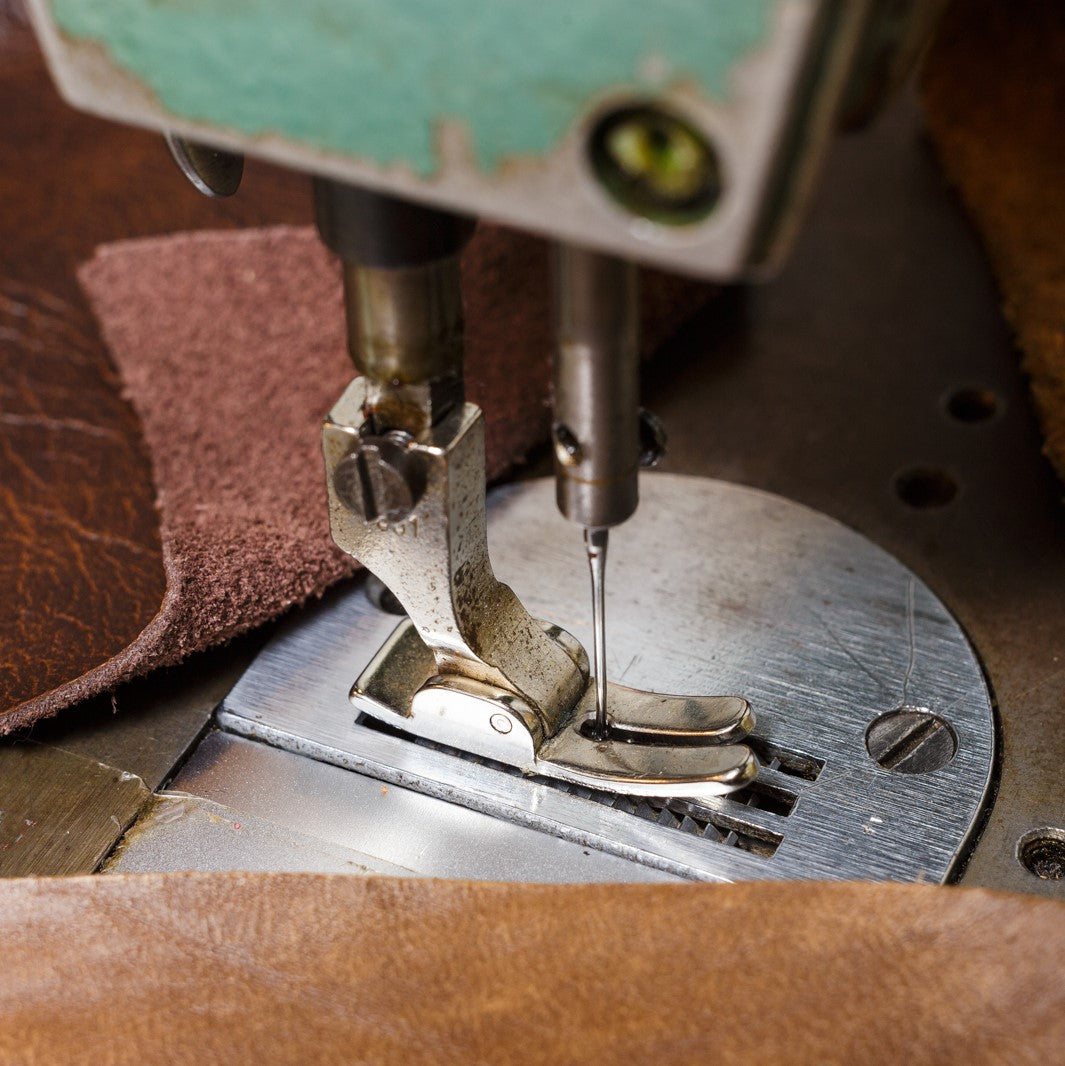
The workroom should account for side hems, bottom hems, fold placement, lining, pattern repeat, and mounting allowances before cutting. Rings must align consistently so the shade rises evenly rather than twisting. Cord management and child-safety requirements also deserve attention during hardware selection.
For an Atlanta home with premium sectionals or a custom sofa, I prefer construction that echoes the furniture's level of tailoring. A flat shade in a disciplined weave can complement clean-lined upholstery, while a hobbled shade works beautifully with traditional case goods and richly textured fabrics. Don't choose the fold style from a catalog photograph alone. Test the fabric with the intended construction.
Elevating Your Space with Thoughtful Fabric Choices
In a sunlit Atlanta living room, the right Roman shade should refine the furniture around it while handling heat, humidity, and daily use. Belgian linen can echo a sofa's relaxed texture without matching it. A restrained cotton blend can connect upholstered dining chairs to the window wall. A lined silk blend adds polish beside statement furniture, provided the room's light exposure and maintenance demands support it.
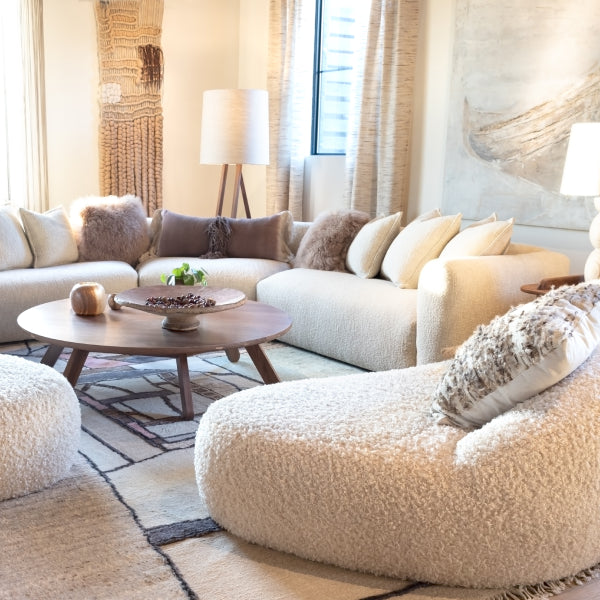
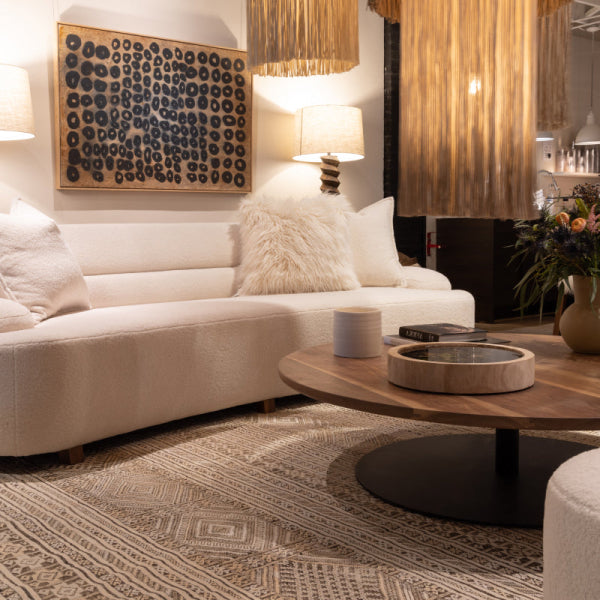
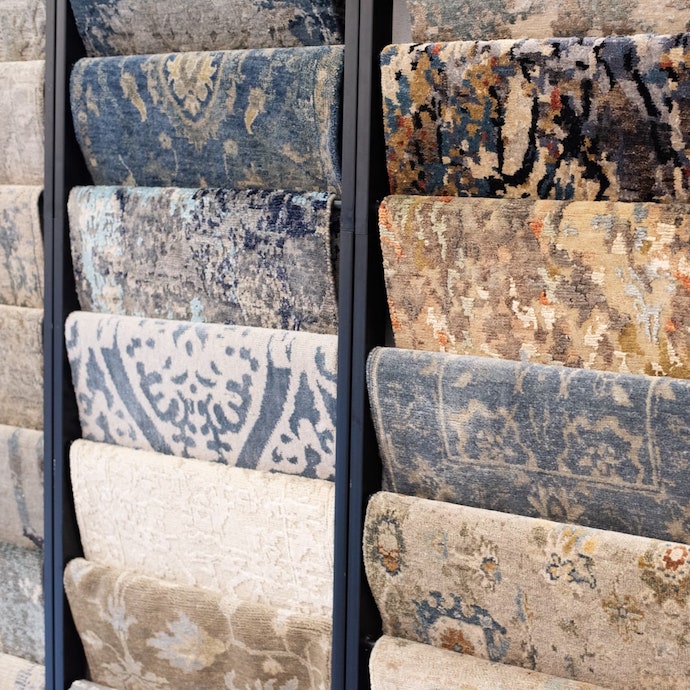
Luxury interiors depend on deliberate relationships between materials. Assess the shade's texture against the sofa upholstery, the pattern scale against the rug, and the lining's sheen against nearby metal or wood. Aim for a controlled conversation among surfaces, not a room where every textile repeats.
Choose for longevity, not novelty
Use fine furniture as the standard for textile investment. Upholstery may feature eight-way hand-tied spring construction, with each coil tied using heavy cord and at least eight knots, a labor-intensive method associated with comfort and durability (Hancock and Moore). Premium upholstery also commonly uses kiln-dried solid hardwood frames to reduce warping and improve stability. Fabric choices can include leather, velvet, chenille, silk, cotton, linen, wool, tweed, microfiber, and COM materials (Van Thiel).
Apply that same standard at the window. Specify the shade, lining, sewing, and installation for years of service, rather than for the moment it appears in a finished-room photograph. Industry guidance places premium sofas and loveseats at 10 to 20 or more years, compared with 3 to 7 years for budget versions (Watts Furniture). A well-constructed shade should support the room's furnishings, withstand Atlanta's bright exposure and humid conditions, and remain worth maintaining as the interior evolves.
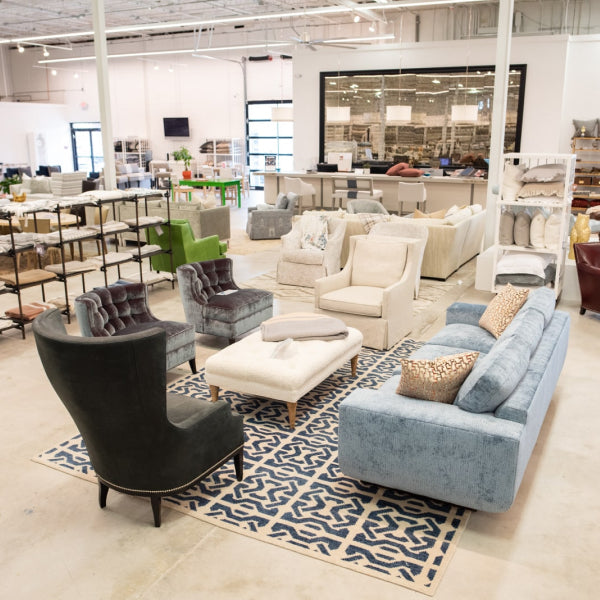
Where you source the fabric matters as much as the selection. An established retailer with in-house design support can coordinate Roman shade textiles with existing or planned upholstery, while helping confirm that the lining, construction, and fit suit the room's long-term requirements. Lewis and Sheron Textiles gives Atlanta homeowners a place to review fabrics and discuss a window treatment suited to their home's light, humidity, architecture, and design goals.