



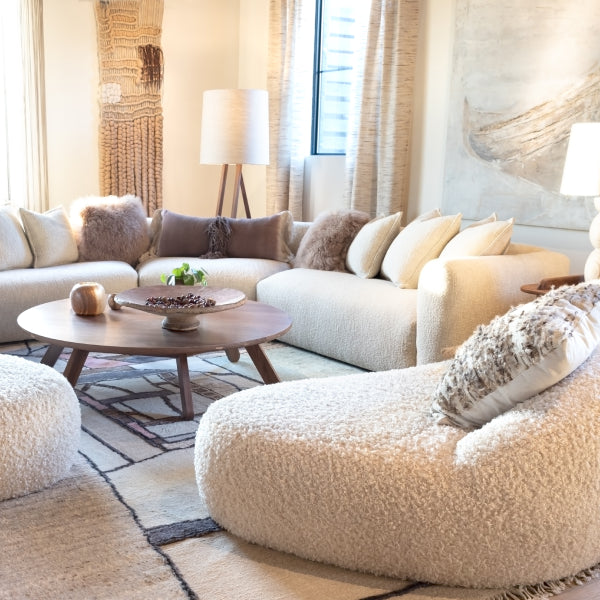
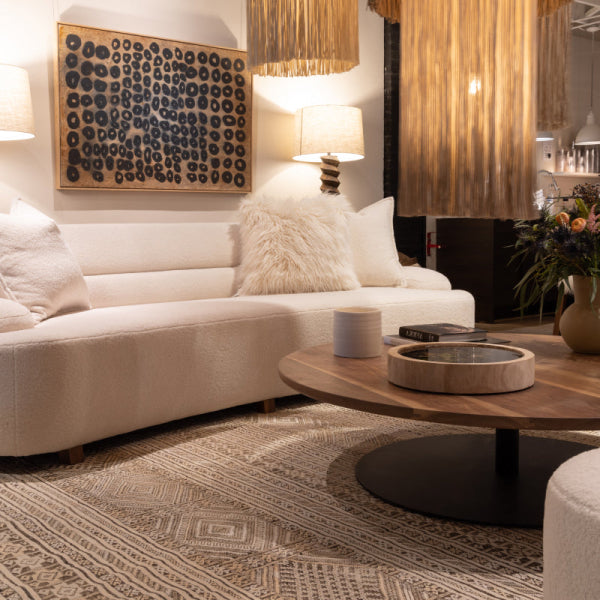
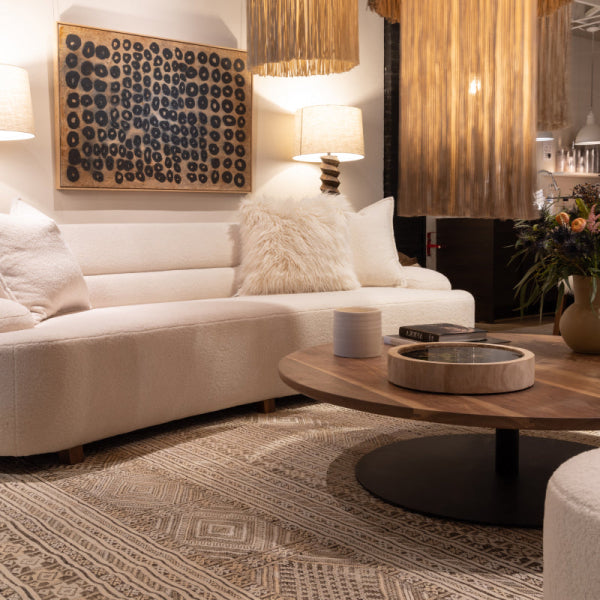
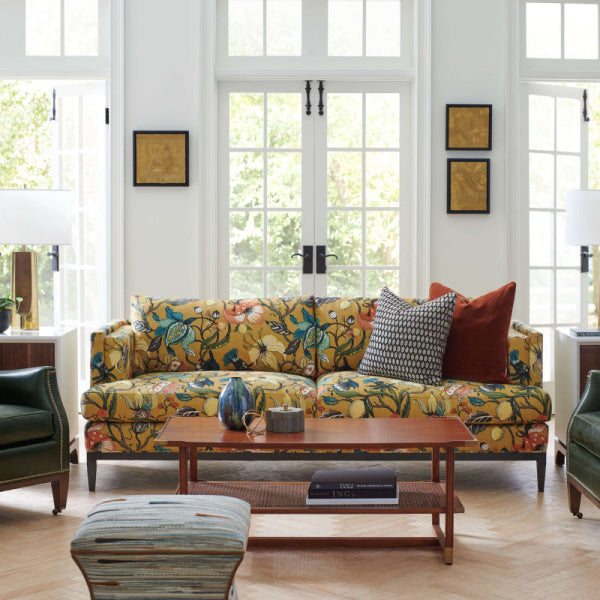
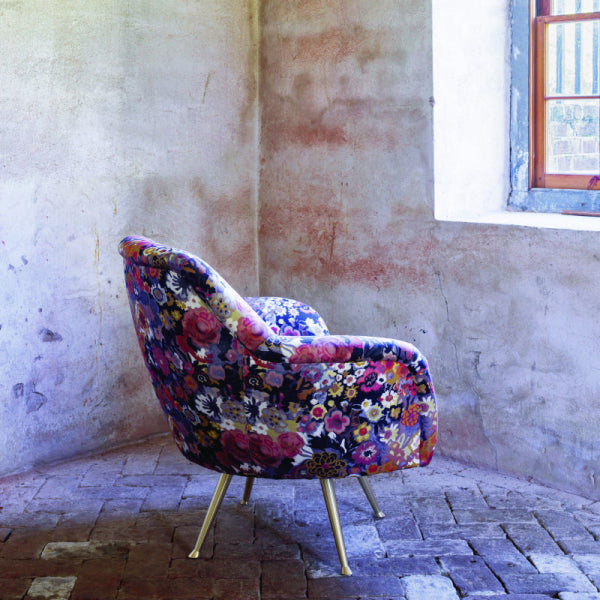
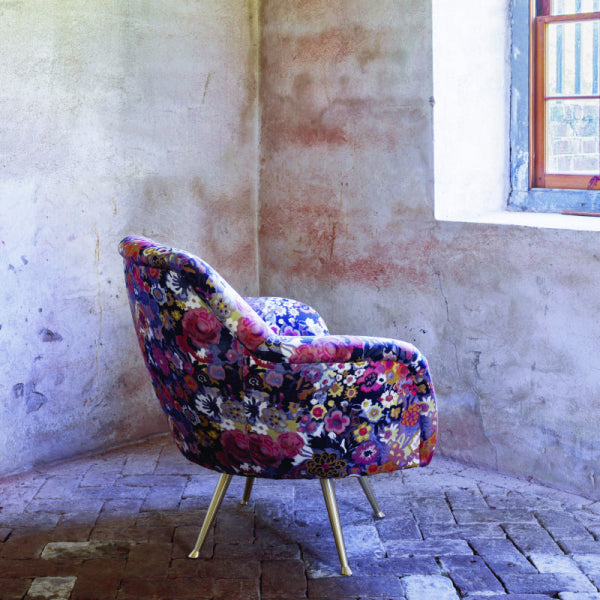
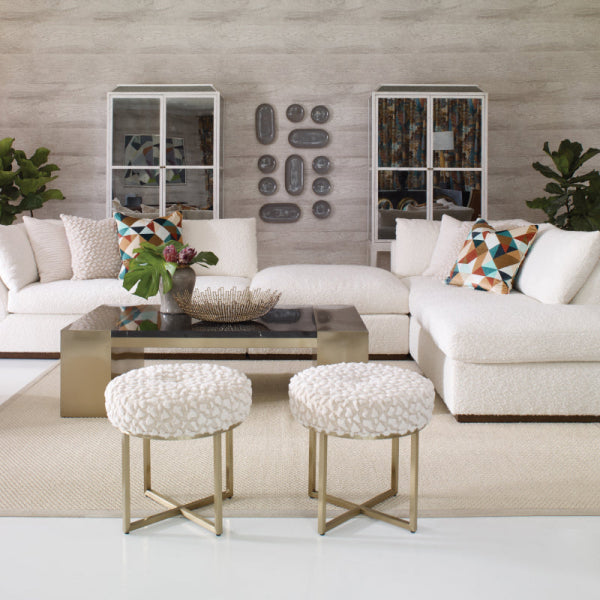
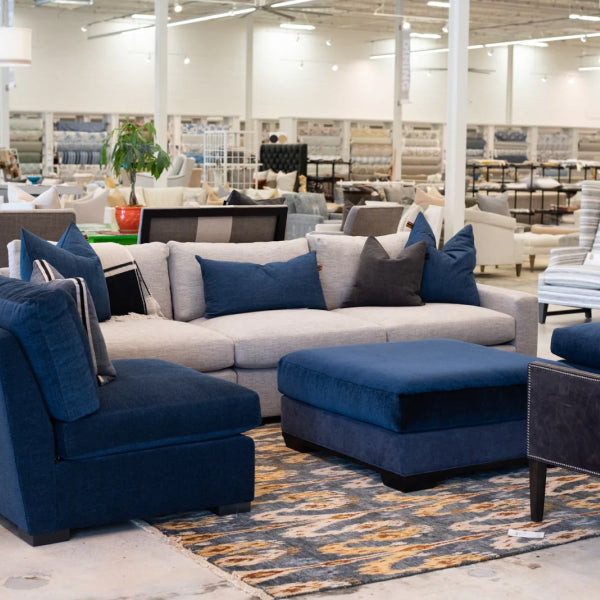











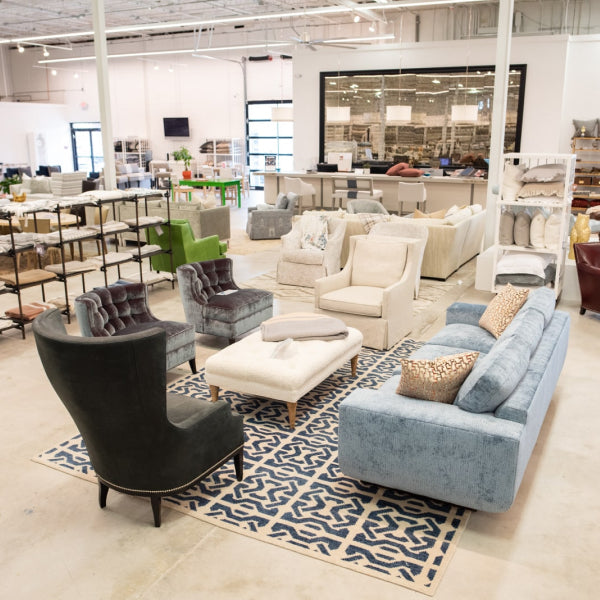



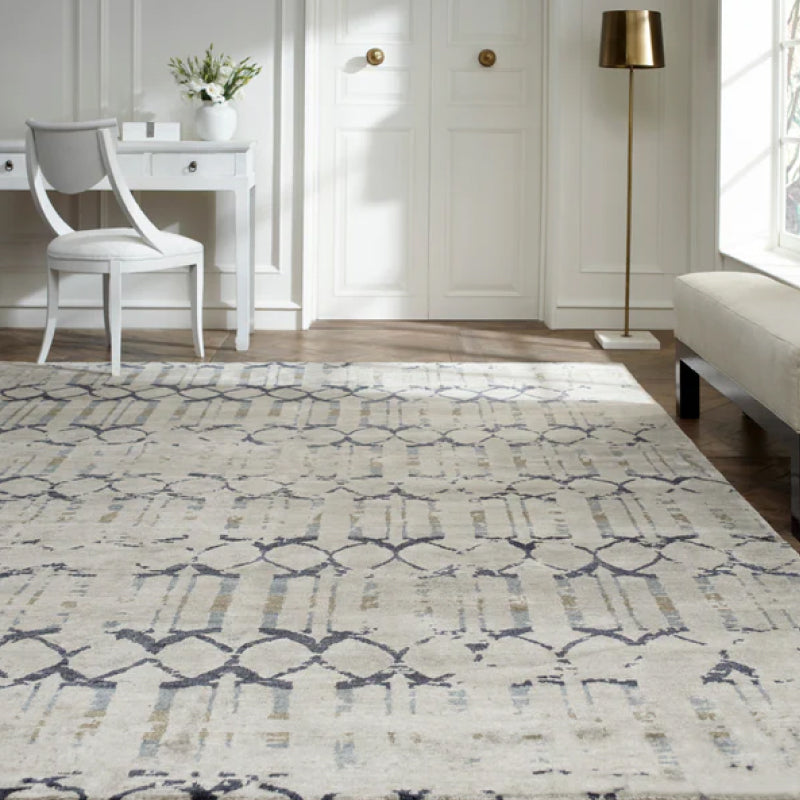
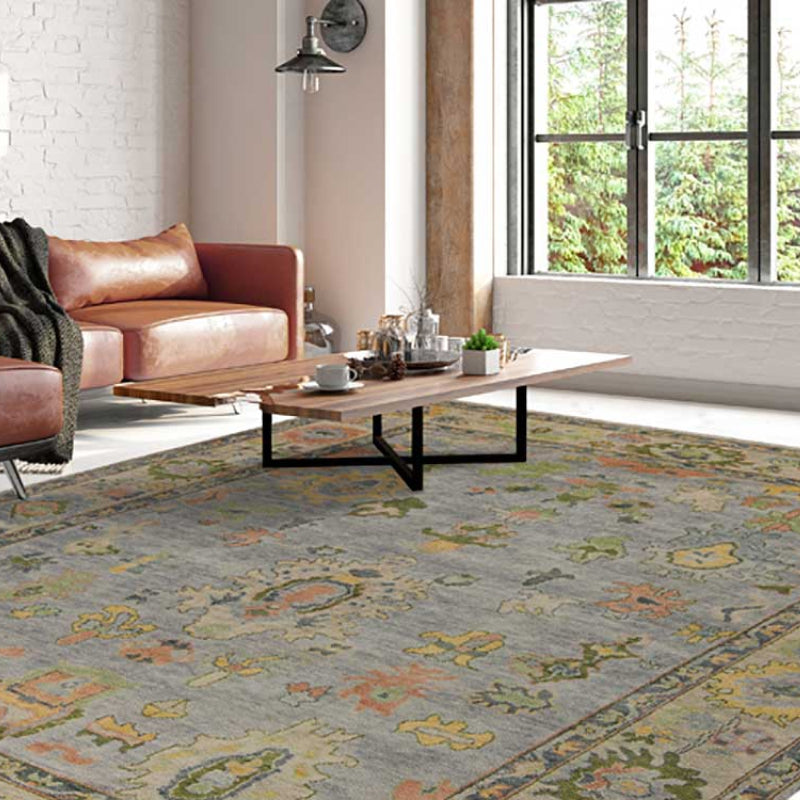
You're standing in an Atlanta showroom surrounded by performance fabrics, sculptural chairs, premium sectionals, and custom furniture options. Every piece looks considered. Every sample suggests a different direction. You know you're making a serious investment, but you don't yet know which choices will still feel right when the room is finished, lived in, and judged against the rest of your home.
That's where design consultation services earn their value. The right consultant doesn't just help you choose a color. They turn your lifestyle, space, budget, taste, and timing into a practical furnishing plan that protects the quality of the final result.
Why Design Consultation Services Matter for Luxury Homes
A luxury furniture showroom can create a peculiar kind of paralysis. You may understand that you want a high-quality couch, but the decision quickly expands into frame construction, cushion density, upholstery performance, proportions, delivery access, custom finishes, and whether the piece works with the lighting and architecture already in place.
A homeowner shopping for a premium sectional in Buckhead, for example, might begin with an attractive silhouette. Then the practical questions arrive. Will the arms crowd the circulation path? Can the fabric tolerate pets or frequent entertaining? Does the depth support comfortable conversation, or only lounging? Will the selected finish compete with existing flooring? A design consultation addresses those questions before the order is placed.

The market reflects a real service, not a decorative extra
The global interior design services market is estimated at USD 153.85 billion in 2026 and projected to reach USD 204.23 billion by 2031, at a 5.83% CAGR, according to Mordor Intelligence's interior design services market analysis. That market definition includes concept development, space planning, specification support, and project coordination for residential and commercial clients.
Residential design consultation is also a substantial part of the spending mix. A 2025 estimate places the global residential interior design market at USD 98.5 billion in 2023, with a projection of USD 157.3 billion by 2033, and identifies design consultation as 45% of total revenue in 2023 in DataHorizzon Research's market coverage. The takeaway is straightforward. Consultation is a core design service, not an optional conversation added after the important decisions have been made.
Consultation protects the investment
High-end furniture deserves more than visual approval. A consultant should translate how you live into requirements that can be checked:
- Room function: Determine whether the space supports formal entertaining, daily family use, reading, television, or several activities at once.
- Physical constraints: Record dimensions, circulation, doors, windows, ceiling conditions, outlets, and access routes.
- Material demands: Match upholstery, finishes, rugs, and case goods to maintenance expectations and household use.
- Decision control: Document selections, approvals, revisions, and unresolved questions before procurement begins.
A technically sound process starts with structured interviews, site and context research, and documented constraints such as budget, timing, circulation, and room function. DesignInk's client research guidance supports this programming approach, which produces a traceable brief and decision history instead of relying on memory.
Practical rule: Don't approve a statement furniture piece until you know what job it performs in the room, how it will be maintained, and what happens if the preferred version becomes unavailable.
Even outdoor planning can benefit from the same disciplined approach. If you're coordinating a complete property renovation, Best landscape design apps can help organize exterior ideas before interior and exterior decisions compete for attention.
What Happens During a Design Consultation Session
A productive consultation has a sequence. The designer should lead you from broad goals to specific decisions, not place a stack of fabric samples in front of you and wait for instinct to take over.

Start with discovery
The first conversation establishes how the home needs to work. Expect questions about who uses each room, how often guests visit, what you want to keep, what you dislike about the current arrangement, and which purchases matter most.
A strong consultant will also ask about the budget range, desired completion window, decision-makers, maintenance tolerance, and priorities across rooms. Those questions may feel less glamorous than discussing color, but they prevent a beautiful plan from becoming an impractical one.
Assess the space
The consultant studies the room as a physical system. Measurements should account for walls, windows, ceiling heights, openings, architectural features, lighting, outlets, and the route a large sofa or cabinet must take from the delivery truck to its final position.
Circulation deserves particular attention. A sectional that fits on paper may still obstruct a door, pinch a walkway, or make a seating group feel cramped. The designer should test furniture dimensions against the room rather than treating a floor plan as a decorative illustration.
Explore style with purpose
Mood boards, textile palettes, finish samples, rug options, and furniture references help define a visual direction. The important distinction is that inspiration must become a set of specifications. "Warm and custom-fitted" should eventually translate into upholstery type, wood tone, leg profile, scale, trim, and finish.
Use the session to explain why you respond to certain rooms, not only which images you save. A designer can then separate the underlying preference, such as relaxed texture or architectural contrast, from a short-lived visual trend.
Develop specifications
The final stage converts the discussion into action. It may include floor plans, furniture dimensions, fabric references, finish selections, estimated pricing, procurement notes, and an approval schedule.
Ask for a written scope with revision limits, decision deadlines, and a record of approved selections. Guidance on interior design consultation is useful background, but your own consultant should explain exactly what your appointment includes.
Ask this before you begin: “What will I receive after the consultation, and which decisions remain mine to approve?”
If the project includes integrated media or a dedicated viewing area, you may also want to initiate a luxury screen design review early, before furniture dimensions and sightlines become fixed.
Who Benefits Most from Design Consultation Services
Design consultation serves two audiences especially well, but they use it differently. An affluent homeowner usually needs clarity and confidence. A professional trade designer often needs speed, sourcing depth, and accurate technical information.

Homeowners need an interpreter
A homeowner furnishing a home in Atlanta, Alpharetta, Roswell, or Sandy Springs may have excellent taste and still need help managing the number of interconnected decisions. Consultation provides an outside editor who can identify which elements deserve customization, which existing pieces can stay, and where a ready-made purchase will perform adequately.
The service becomes particularly valuable when several rooms need to feel related without looking identical. A designer can carry a consistent material language through a living room, dining area, primary bedroom, and adjacent hallway while varying scale and function.
Homeowners also benefit from technical translation. Terms such as rub count, railroading, welt, down blend, kiln-dried hardwood, and performance treatment matter, but only in relation to how the piece will be used. A consultant explains those choices in practical terms and helps you avoid paying for features that don't solve a real problem.
Trade designers need an efficient partner
Interior designers and decorators typically arrive with a more developed concept. Their challenge is often sourcing the right textile, confirming dimensions, coordinating finishes, checking availability, and presenting credible alternatives to a client.
A showroom consultation can compress that work. The designer can compare upholstery options in person, review construction details, obtain technical specifications, and evaluate substitutions without sending a client through an unfiltered product search. That creates a more controlled presentation and reduces the risk of selecting a fabric that looks right but fails the project's performance requirements.
Trade support should add precision, not interfere with the designer's authorship.
The best arrangement changes with the audience:
- Homeowners: Need education, prioritization, room planning, and protection from expensive missteps.
- Trade designers: Need sourcing support, product intelligence, finish coordination, and procurement efficiency.
- Both: Need clear documentation, reliable communication, and a defined path from selection to delivery.
For buyers searching “designer furniture near me” or “custom furniture Atlanta,” the key question isn't whether assistance is available. It's whether the consultation improves the decision you're about to make.
Deliverables and Timelines You Should Expect
A consultation should end with tangible working material. A mood board alone isn't enough for a purchase-ready luxury furniture project. You need documents that tell you what to buy, why it belongs in the room, what it costs, and what can disrupt the plan.
Core deliverables
Depending on the scope, expect some combination of:
- Concept direction: A written or visual summary of the room's intended character.
- Furniture plan: Scaled placement for sofas, premium sectionals, chairs, tables, rugs, lighting, and circulation.
- Material palette: Fabric samples, finish references, rug suggestions, trim, and coordinated colors.
- Specifications: Manufacturer, dimensions, construction notes, upholstery details, finish, quantity, and approved alternatives.
- Procurement schedule: Order status, anticipated lead times, delivery dependencies, and installation sequence.
- Decision record: Approved items, pending choices, revisions, and responsibility for each next step.
A single-room refresh can move quickly when the room has straightforward access and the client makes decisions promptly. A whole-home furnishing plan takes longer because multiple spaces, vendors, approvals, and deliveries must coordinate. Custom upholstered furniture and made-to-order pieces introduce additional variables, particularly when fabric approval, frame production, finishing, and freight all affect the final schedule.
The questions that prevent project friction
Don't accept “about six weeks” as a complete answer. Ask whether that estimate begins at deposit, fabric approval, production release, or shipment. Ask whether the lead time is guaranteed, what happens if the item is delayed, and whether a comparable replacement has already been identified.
Revision policy deserves equal attention. Find out how many rounds are included, what counts as a revision, and how changes affect cost or timing. A consultant who documents those boundaries protects both sides from the slow expansion of an apparently simple project.
Budget control should also be explicit. Industry KPI guidance for interior design commonly tracks profitability, satisfaction, average project value, completion, acquisition cost, and retention. Collaborative-service guidance recommends targeting budget variance within ±5% and schedule variance within ±10%, with change orders kept low, as outlined by FinModelsLab's interior design consultation KPI framework.
| Project Type | Key Deliverables | Typical Timeline |
|---|---|---|
| Single-room refresh | Furniture plan, material palette, product specifications, approval notes | 2 to 4 weeks |
| Custom living room | Scaled layout, upholstery selections, finish schedule, procurement plan | Several weeks to several months, depending on production and approvals |
| Whole-home furnishing | Room-by-room plans, coordinated specifications, purchasing schedule, installation sequence | 3 to 6 months |
| Reupholstery and drapery update | Fabric review, measurements, work order, installation coordination | Timing varies by fabric availability, workshop capacity, and installation requirements |
The exact schedule depends on the project, but the deliverables should always make progress visible.
How to Prepare for Your Design Consultation
Preparation improves the consultation more than another hour of browsing inspiration. A designer can solve a defined problem quickly. They can't responsibly specify a sofa when the room dimensions, access limitations, household use, and investment parameters remain unknown.
Bring evidence, not just preferences
Create a compact project file before the appointment. Include:
- Key measurements: Room length and width, ceiling height, window heights, door openings, and any architectural obstructions.
- Existing-piece documentation: Clear photos of furniture, art, lighting, rugs, flooring, hardware, and fixtures you plan to keep.
- Material references: Fabric swatches from existing upholstery, paint cards, flooring samples, and photographs in natural and evening light.
- Inspiration with notes: Save rooms, products, and layouts you like, then write what appeals to you about each one.
- Priority list: Separate essentials from preferences that can change if availability or budget requires it.
- Budget range: Identify the comfortable investment range for the room and the pieces that matter most.

Don't measure only the room. Measure the route into it. Note elevators, stair turns, narrow halls, gates, and parking constraints. A luxury sofa that cannot reach the living room isn't a successful selection, regardless of its frame or fabric.
Define how you'll live with the furniture
Be candid about children, pets, entertaining, naps, food, sunlight, cleaning habits, and accessibility. Explain whether you want a formal sofa that holds its shape or a deep, forgiving sectional designed for daily lounging. The best high-quality couch is the one that supports your actual routines.
Decide where custom construction matters and where a quality ready-made piece will do the job. Custom chairs may deserve attention when a room has unusual proportions or specific comfort requirements. A secondary table or accessory may not need the same level of specification.
Use how to work with an interior designer as a useful starting point, then bring direct questions to your appointment:
- Revision policy: How many revisions are included, and when do additional charges apply?
- Procurement risk: What happens if an item goes out of stock or is discontinued?
- Budget control: How are substitutions and overruns presented for approval?
- Lead times: Which dates are estimates, and which milestones trigger a new schedule?
- Maintenance: What cleaning, care, and warranty information comes with each material?
Your preparation should make disagreement easier. Clear priorities let the designer challenge a weak choice without losing sight of what you value.
When Custom Furniture Is Worth the Investment
Custom furniture earns its premium when it solves a problem that a standard piece can't solve well. That might be an unusually narrow living room, a long wall requiring precise proportions, a client who needs a particular seat depth, or a focal piece that must connect several architectural elements.
Customization is especially sensible for luxury sofas, premium sectionals, custom chairs, and statement furniture pieces that receive heavy use or define the room. It lets you choose dimensions, upholstery, cushion configuration, finish, trim, and sometimes construction details. The objective isn't novelty. It's a better fit between the object and the life around it.
Judge the build, not the label
Investment-grade furniture should be evaluated through construction evidence. Guidance on luxury furniture craftsmanship identifies kiln-dried wood targeted to about 6% to 8% moisture content as a way to reduce warping and cracking. It also highlights solid seasoned hardwoods, mortise-and-tenon or dovetail joinery, reinforced frames, multi-layer hand-applied finishes, and solid brass hardware as durability markers in this craftsmanship guide.
Those details matter because a beautiful profile can't compensate for a weak frame. Ask how the frame is joined, how the corners are reinforced, whether cushions can be serviced, and how the finish responds to daily use. For upholstered furniture, ask about the cover fabric, barrier materials, filling materials, and decking. The U.S. Consumer Product Safety Commission's upholstered-furniture guidance explains that 16 C.F.R. part 1640 addresses smolder resistance across those material categories.
Customize strategically
Bespoke design can improve long-term utility, sustainability, and visual longevity when it creates a piece you'll keep rather than replace. It can also support multifunctional rooms by fitting storage, seating, or sleeping functions into difficult spaces.
Don't customize everything. Reserve the largest commitment for pieces whose dimensions, comfort, durability, or visual importance justify the process. Choose high-quality ready-made furniture when the room is forgiving, the function is secondary, or the available standard proportions already work.
The broader market is moving toward more personalized home products. One estimate projects personalized home décor to reach USD 177.3 billion by the end of 2026, while furniture customization service research places the market at USD 319.2 billion in 2025 and projects USD 515.0 billion by 2034, according to Intel Market Research's furniture customization coverage. Those projections make the decision more important, not less. Buyers should ask which customization improves the home rather than treating personalization as an automatic upgrade.
The Complimentary Design Consultation at Lewis and Sheron
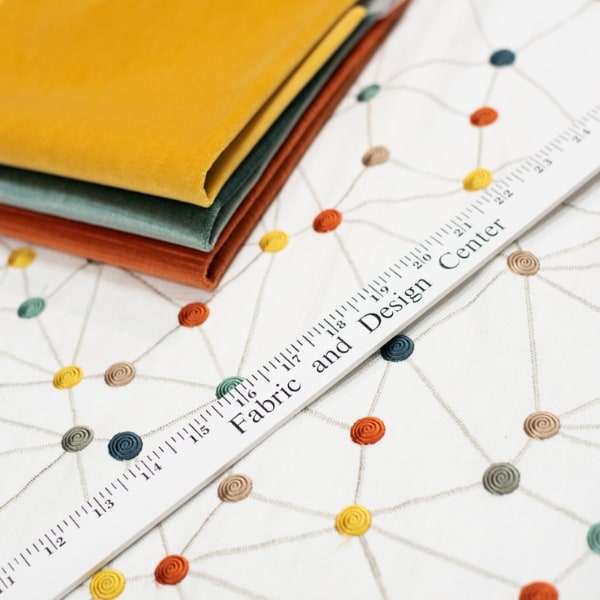
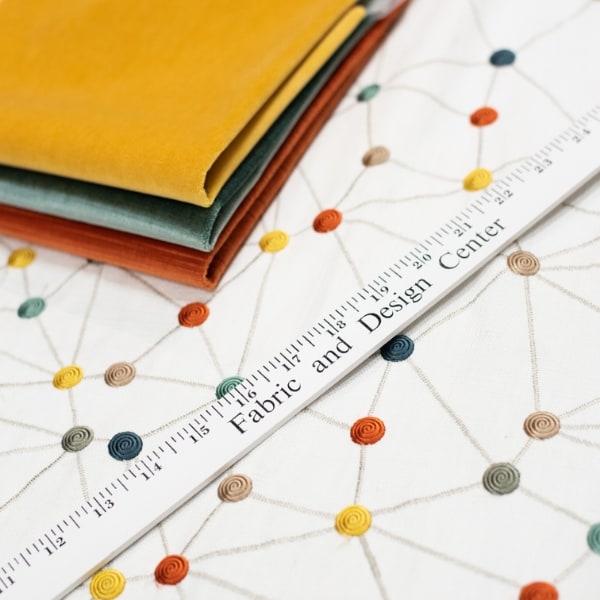
Lewis and Sheron Textiles has served the Atlanta community since 1944. Its brand-new Design Center brings together over a thousand in-stock bolts, additional cut-yardage options, and access to mills including Kravet, Fabricut, P. Kaufmann, Libeco Home, and Crypton.
The consultation works best when you arrive with a defined room and a specific decision. Bring measurements, photographs, existing fabric samples, and a short list of pieces you'll keep. If you're considering custom upholstered furniture, bring the preferred dimensions, seating needs, fabric concerns, and the date by which the room needs to function.
What to review in the showroom
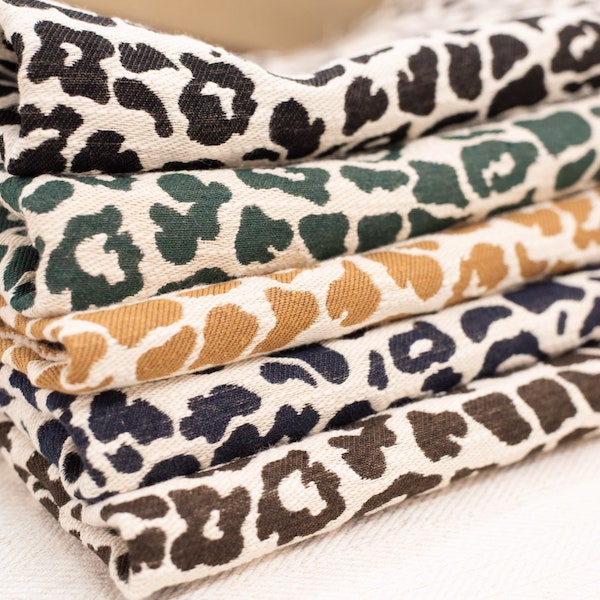
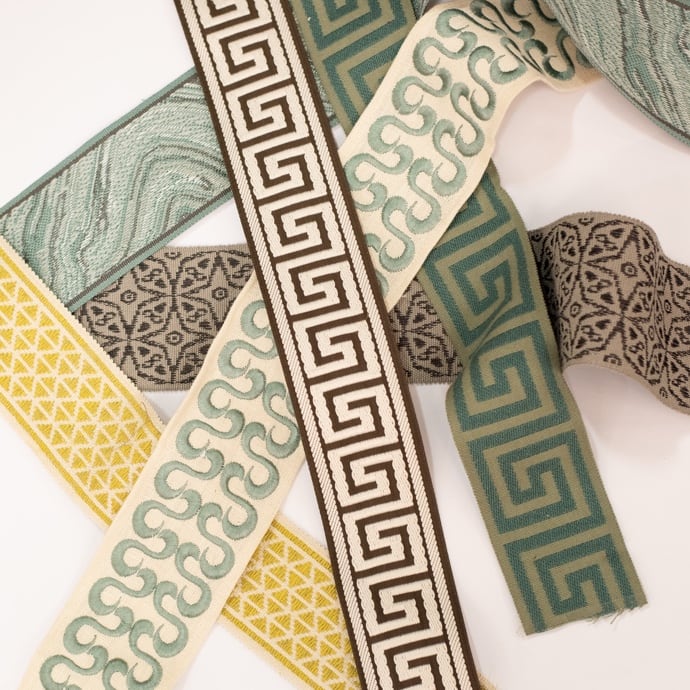
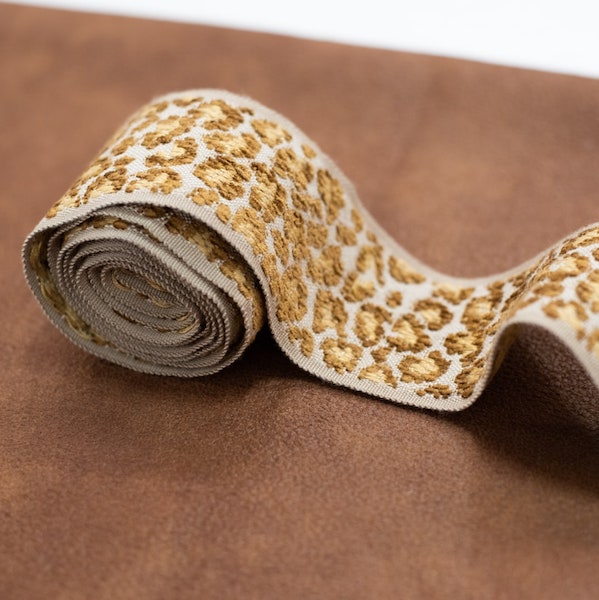
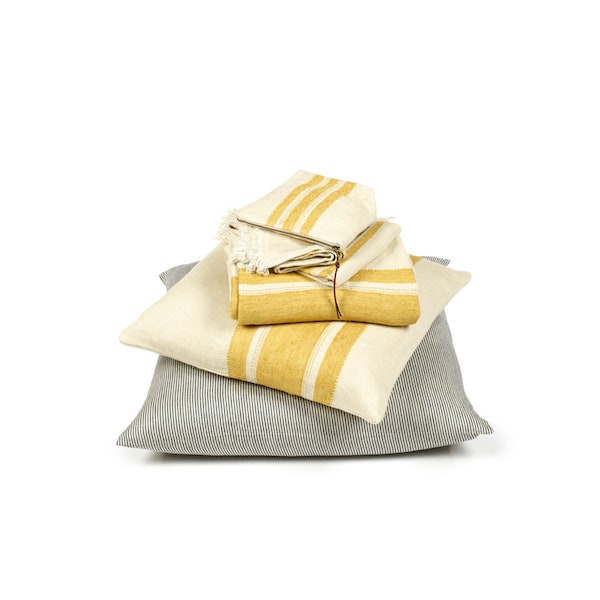
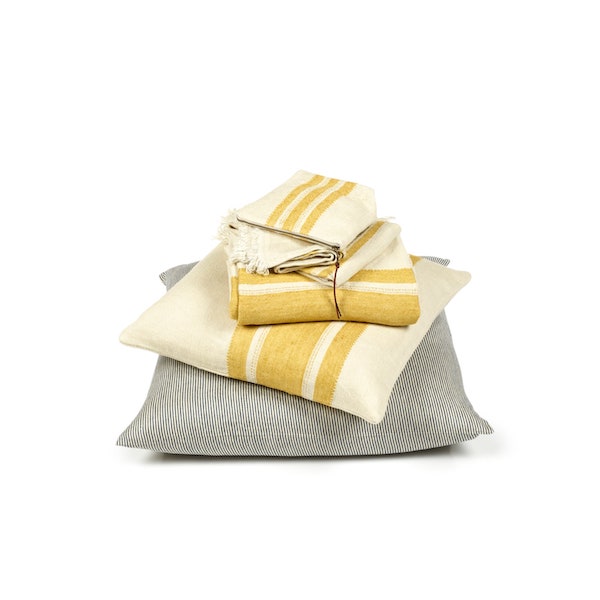
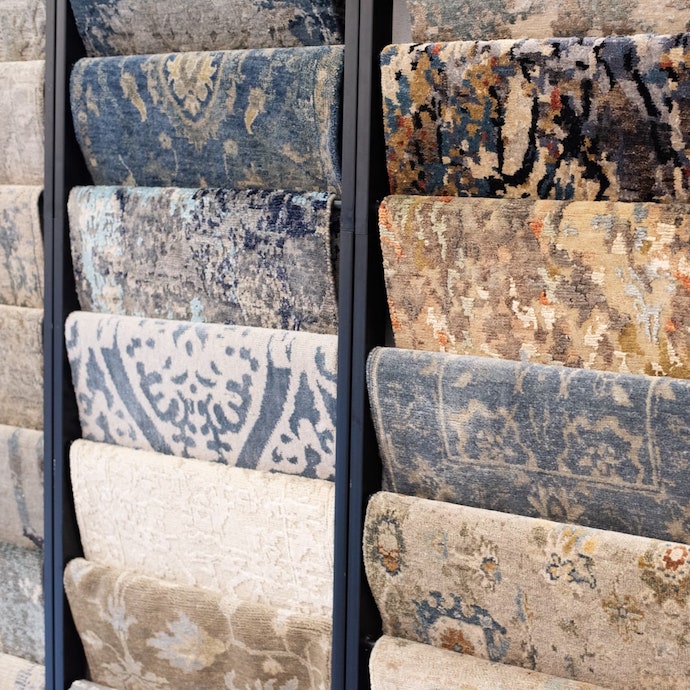
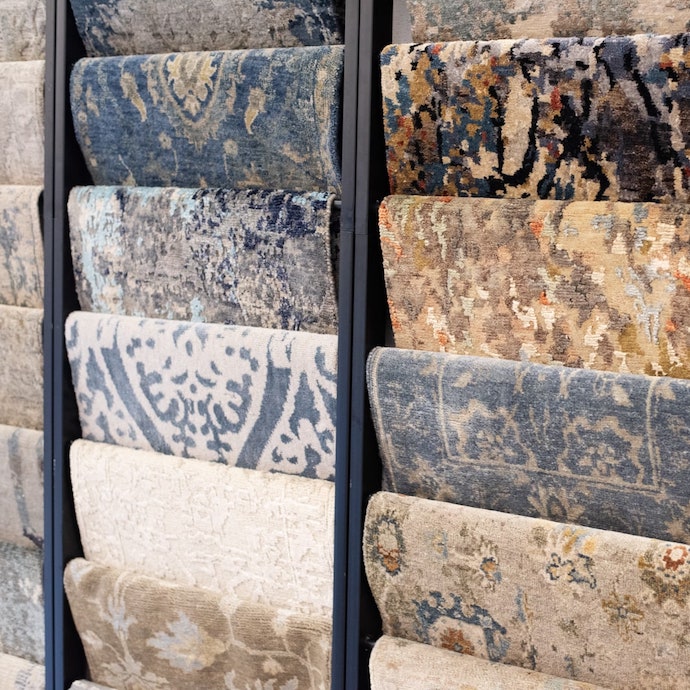
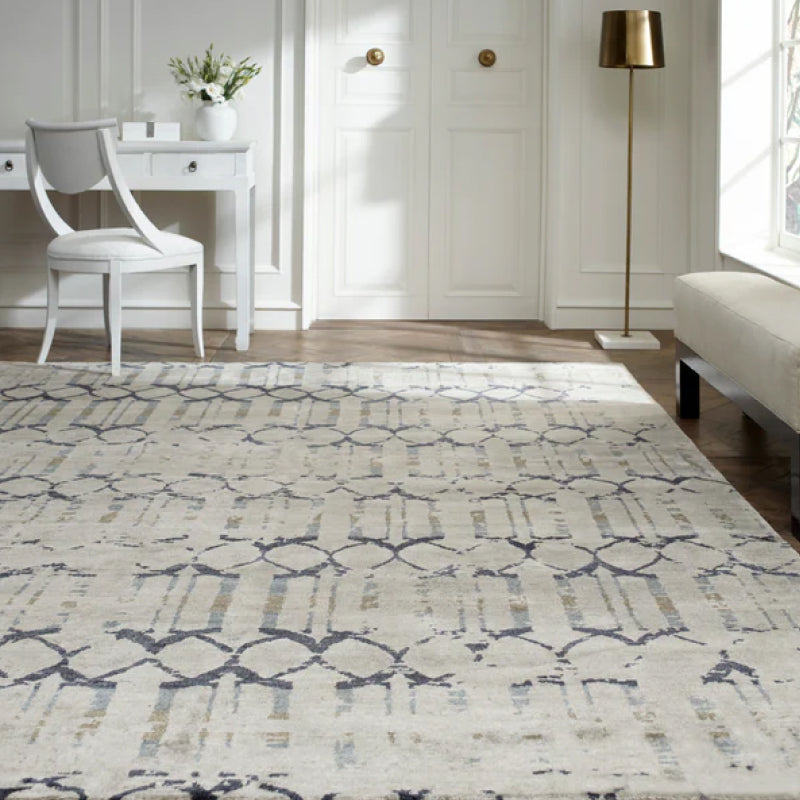
Use the appointment to compare real materials rather than relying on screen images. You can evaluate texture, scale, color shifts, trim, and hand against the room's existing finishes. The showroom also offers made-to-order American-crafted upholstery from Verellen, Wesley Hall, LEE Industries, and Ambella, alongside Belgian linens from Libeco, hand-knotted rugs from Kalaty and HRI, trims, pillow forms, accessories, expert reupholstery, and custom drapery.
In-house designers provide complimentary guidance for standard fabric, furniture, drapery, upholstery, bedding, and rug projects when you're shopping. Read the details of the complimentary design services before your visit, then ask which decisions can be resolved during the appointment and which require a separate specification or procurement process.
Buckhead is a logical location for this kind of purchase-ready search. Atlanta Magazine reports 101,564 residents, a daytime population above 170,000, about 1,500 retail outlets, and annual retail sales exceeding $3.6 billion in its Buckhead community profile. Another local source reports Buckhead median household income at $109,774, compared with $68,806 for Atlanta overall, with per-capita income of $85,452 compared with $40,717 elsewhere in Atlanta, as detailed by Buckhead.com's census summary.
That purchasing context supports a quality-first approach for homeowners across Atlanta, Buckhead, Alpharetta, Roswell, Sandy Springs, Fulton County, North Atlanta, and nearby affluent markets. Bring the room problem. Leave with decisions you can defend.
Lewis and Sheron Textiles offers in-store design guidance, custom furnishings, premium fabrics, reupholstery, and drapery support for homeowners and trade professionals. Visit Lewis and Sheron Textiles with your measurements, samples, and priorities, and work with the team to choose high-end furniture that fits your home, your lifestyle, and your long-term standards.