









A designer in Buckhead doesn't walk into a fabric decision hoping for “nice enough.” The brief is usually more exacting. The sofa has to hold a room together, feel substantial under daily use, and still look composed years after the first installation.
That's where velvet mohair fabric earns its place in the conversation. It brings the depth people want in luxury sofas, the refinement designers need for custom upholstered furniture, and the long-view thinking that matters when the piece is meant to live in an Atlanta home for decades, not seasons.
The Enduring Allure of Velvet Mohair
A homeowner in Roswell may be choosing between a safe neutral and a fabric with real presence for a forever living room. A designer in Sandy Springs may be building a room around one upholstered piece that has to do more than fill a corner. In both cases, velvet mohair fabric gives the kind of finish that reads as deliberate, not decorative.

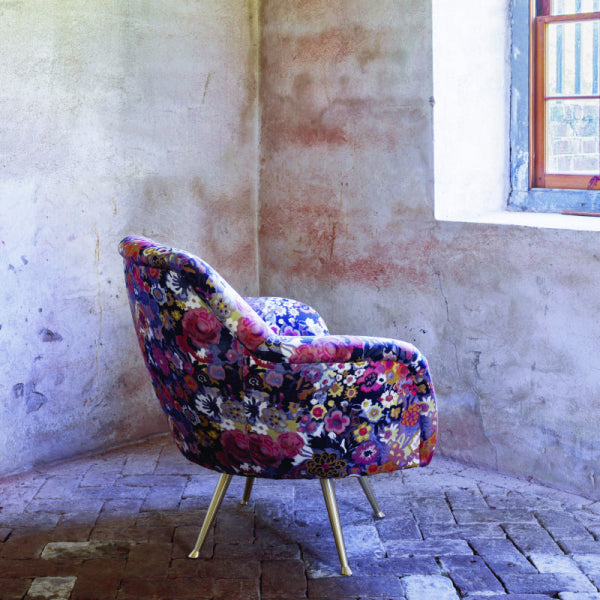
The appeal is partly visual. Mohair velvet carries a subtle sheen that changes with the light, so a sofa or chair looks alive rather than flat. That movement matters in statement furniture pieces, especially in rooms that rely on texture instead of loud pattern.
It also signals permanence. Mohair has deep historical roots, and Britannica describes it as one of the oldest textile fibres, produced exclusively in Turkey for thousands of years and later becoming important in European textile manufacture during the 19th century. That history gives the fabric a different cultural weight from trend-driven upholstery choices. It feels appropriate for heirloom-quality furniture, not temporary styling.
The scarcity matters too. World mohair output was estimated at about 5,000 tonnes a year in 2009, down from a peak of 25,000 tonnes in the 1990s, which helps explain why authentic mohair velvet still sits in a premium tier today. In practical terms, that limited supply supports the sense that this isn't a commodity surface. It's a material chosen with intention.
For affluent homes in Atlanta, that intention often shows up in the places guests notice first, the main sofa, the pair of club chairs, the custom sectional that anchors a family room. Designer furniture near me searches usually come from that exact mindset, people aren't hunting for a quick fix, they're investing in something they want to keep.
Understanding Velvet Mohair Composition
Think of velvet mohair fabric like a recipe where every part matters. Mohair is the ingredient that gives the fabric its character, while the velvet weave is the method that turns that character into a usable upholstery surface. If one piece is weak, the whole result changes.

At the fiber level, mohair comes from the Angora goat. At the construction level, velvet refers to the woven pile surface, the part you see and feel. An upholstery guide explains that mohair velvet is a fiber-plus-construction category, and that it commonly uses a cotton ground yarn with the mohair forming the pile surface, which affects durability and cleaning because the pile is what users touch over time. For a practical overview of how upholstery materials differ, the guide at upholstery tips from Lucas Furniture is a useful companion read.
That construction detail matters more than most shoppers realize. A mohair face over a stable ground gives the fabric structure, so it can sit on custom sofas and chairs with more visual body than softer, looser velvets. In other words, the feel is plush, but the build is disciplined.
Practical rule: judge mohair velvet by the full upholstery system, not by fiber name alone. Backing, pile direction, and the way the fabric is cut all affect how it looks and wears.
This is why mohair velvet works so well in high-end furniture. It isn't just about softness. It's about how the pile reflects light, how the ground fabric supports the surface, and how the whole piece performs when a room is used every day. The result is a fabric that feels luxurious without looking fragile.
For designers specifying custom chairs or a custom sofa, that balance is valuable. The fabric has enough visual richness for formal spaces, but enough structure for long-term use in real homes. That's the difference between upholstery that photographs well and upholstery that still looks composed after the novelty wears off.
Performance Characteristics for Lasting Luxury
The strongest argument for mohair velvet is simple, it performs like a serious upholstery fabric. In a premium seating context, that matters more than trend appeal because buyers in luxury home furnishings expect the piece to earn its keep for years.
Durability that justifies the investment
A material guide places mohair velvet at 50,000 to 100,000 Martindale cycles, with pricing often around €150 to €180 per meter for authentic fabric. That level of abrasion resistance puts it in the category of fabrics suited to long-life seating in homes, hospitality spaces, and contract interiors. The price also reflects what the market already knows, this is not a casual bolt of fabric for a short-cycle project. It belongs in the conversation for premium sectionals and formal seating that has to stand up to repeated use.
For comparison-minded shoppers, the internal guide at performance velvet upholstery fabric helps frame how performance velvets differ by use case. Mohair sits in the luxury camp because it offers both durability and a refined hand, not because it's trying to imitate a synthetic performance textile.
What that performance looks like in a real room
In practical terms, high Martindale resistance means less anxiety about daily contact. Family members can sit, shift, and stand without the fabric feeling like a special-occasion only material. Designers also value the fact that mohair naturally has body and a rich pile, so it reads as structured rather than limp.
Mohair velvet rewards careful specification. Choose the right backing, the right construction, and the right cleaning code, because the finished upholstery system matters as much as the fiber itself.
The technical side also supports design decisions. Some mohair velvet ranges can achieve BS 5852 Crib 5 flame resistance and ISO 105-B02 grade 4 to 6 light fastness, depending on color depth and construction. That makes it easier to place the fabric in projects where both appearance and safety standards matter, especially in statement seating for formal living rooms, clubs, and hospitality-style interiors.
The key trade-off is straightforward. Mohair velvet gives you remarkable toughness and a polished look, but it's still a premium upholstery fabric that needs proper specification. It's strongest when used for pieces meant to be kept, not swapped out. For anyone comparing custom vs mass-produced furniture, that distinction is usually the turning point.
Styling Velvet Mohair in Your Atlanta Home
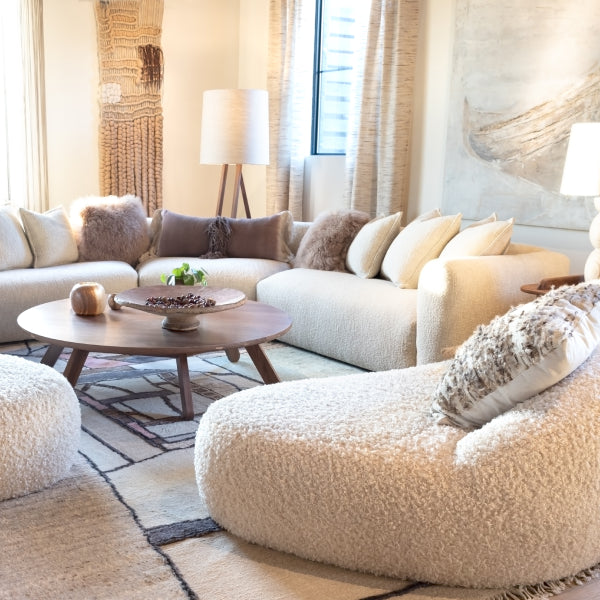
In Atlanta, the fabric has to fit the architecture as much as the room. A Buckhead traditional space often wants depth, polish, and a little drama. An Alpharetta transitional room usually needs warmth, clean lines, and materials that can sit comfortably with family life.

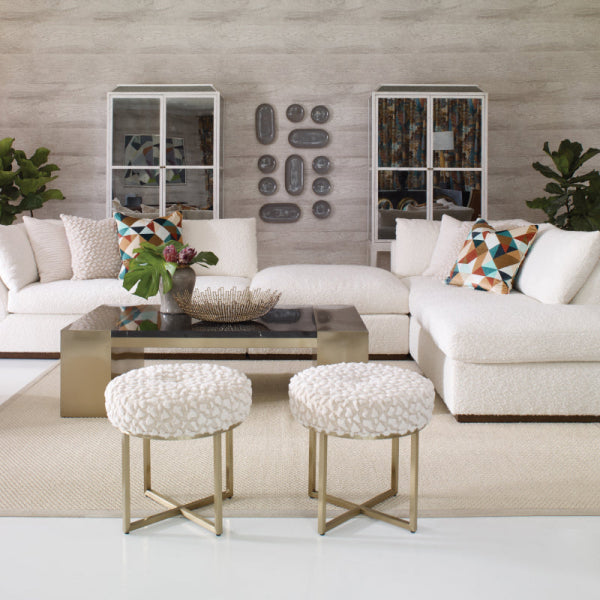
Deep jewel tones work beautifully when a room needs a focal point. A mohair sofa in emerald, sapphire, or oxblood can anchor a formal sitting room in Sandy Springs without needing much else around it. If the goal is quieter luxury, a camel, stone, or warm taupe mohair sectional can soften a modern family room in Alpharetta and still read as luxurious.
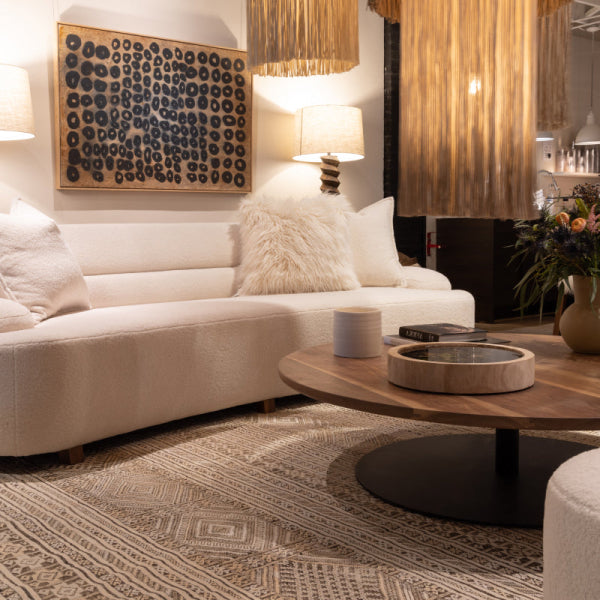
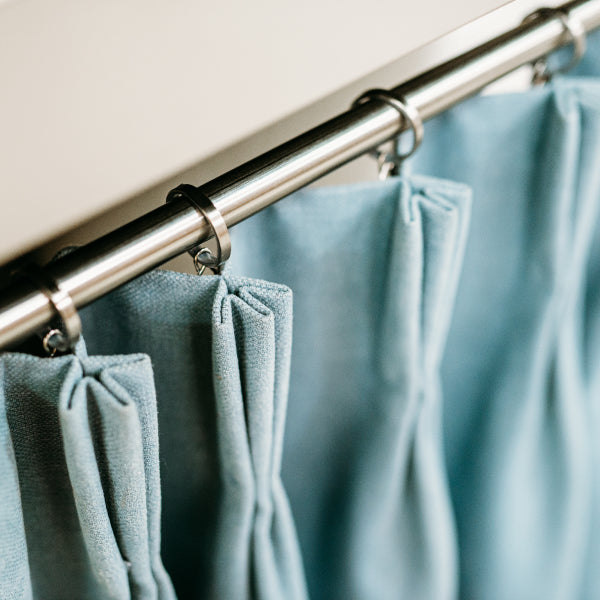
Pairing is where the fabric really earns its keep. Mohair takes well to wood with visible grain, brushed metal, lacquered tables, and crisp linen drapery. Those combinations keep the room from feeling overworked, and they let the pile and sheen do their job without competing textures.
For readers also thinking about overall room comfort and atmosphere, transforming your space for comfort is a helpful reminder that upholstery choices work best when the whole environment feels balanced. Fabric, lighting, and proportions should support the same mood.
A few styling moves that work
- Use mohair as the anchor: Let the sofa or club chair carry the richest texture, then keep nearby upholstery more restrained.
- Balance sheen with matte finishes: Pair mohair with linen, unlacquered wood, or textured wall finishes so the room doesn't become overly glossy.
- Choose scale carefully: A large sectional in mohair can feel substantial and well-defined, while a smaller chair in the same fabric can become a precise accent.
Mohair velvet can also be specified with performance in mind. Industry guides note that it can achieve BS 5852 Crib 5 and ISO 105-B02 grade 4 to 6, which gives designers more confidence in rooms where both appearance and practical requirements matter. That makes it well suited to luxury sofas and custom seating that need to look composed in daylight and under evening lamps.
Comparing Mohair to Other Luxury Upholstery
A lot of shoppers compare mohair to cotton velvet, chenille, and high-performance synthetic velvets because all of them can look rich at first glance. The actual difference shows up after installation, once the room starts getting used.
Mohair has a sharper, more disciplined hand than many cotton velvets. It tends to hold a refined profile on precisely fitted upholstery, while cotton velvet can read slightly softer and more relaxed. Chenille often offers a cozy texture, but it doesn't usually give the same level of sculpted polish on a formal sofa.
There's also the matter of long-term appearance. Mohair is highly durable and crush-resistant, but it can collect airborne soils and show pressure marks if cushions aren't rotated. Consistent upkeep matters, especially in active homes where pets, sunlight, and daily use all come into play. For a practical maintenance perspective, learn about upholstery at Guynn Furniture offers a useful baseline on fabric behavior across categories.
Luxury Fabric Upholstery Comparison
| Fabric | Feel & Sheen | Durability (Rub Count) | Best For |
|---|---|---|---|
| Mohair velvet | Plush, luminous, tailored | 50,000 to 100,000 Martindale cycles | High-end furniture, formal sofas, heirloom chairs |
| Cotton velvet | Soft, slightly matte, classic | Varies by construction | Relaxed luxury seating, decorative pieces |
| Chenille | Cozy, textured, less reflective | Varies by construction | Family rooms, casual statement upholstery |
| Synthetic velvet | Smooth, often uniform sheen | Varies by construction | Budget-conscious or high-traffic styling |
The biggest question isn't which one looks prettiest in the showroom. It's which one still supports the room after years of use. Mohair wins when the project needs presence, structure, and a premium finish that doesn't collapse visually.
For buyers weighing high-quality couches against more disposable alternatives, the internal guide at best velvet upholstery fabric can help refine the decision. Mohair isn't the softest choice for every household, and it isn't the easiest fabric to buy casually. It's the choice for clients who want a statement piece to age with dignity.
Caring for Your Velvet Mohair Investment
Mohair is the kind of material that rewards routine, not fuss. Britannica describes it as one of the oldest textile fibres, produced exclusively in Turkey for thousands of years, and its later industrial importance explains why it still carries a sense of permanence today. That history fits the way good upholstery should be treated, as a long-term object, not a throwaway surface.
The daily care pattern is straightforward. Vacuum weekly with a soft attachment to keep airborne soil from settling into the pile. Brush gently in the pile direction so the surface keeps its movement, and rotate cushions when the design allows it.
The reason this matters is appearance retention. Mohair can hold up beautifully, but it can still show pressure marks when a cushion gets the same load in the same spot over and over. That's why active households need consistency, not just a strong fabric choice.
Keep the maintenance light and regular. Waiting until a mohair sofa looks tired makes the recovery harder than it needs to be.
Spills should be handled quickly and carefully. Blot, don't rub, and avoid over-wetting the fabric. If cleaning gets beyond surface care, use a professional with upholstery experience rather than experimenting on a premium piece.
For a more detailed maintenance reference, caring for high-end upholstery is worth keeping on hand. That said, mohair doesn't belong in the fragile category. It belongs in the category of heirloom materials that need respectful, simple upkeep.
The bigger point is that scarcity supports the value story. Mohair's relative rarity today helps explain its premium position for furniture meant to last. If you're investing in custom upholstered furniture, the maintenance routine should feel manageable, not intimidating.
Sourcing and Customizing With Lewis and Sheron
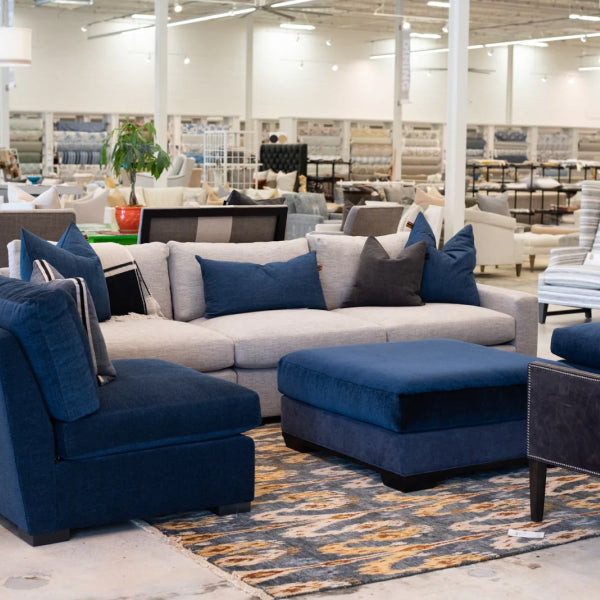
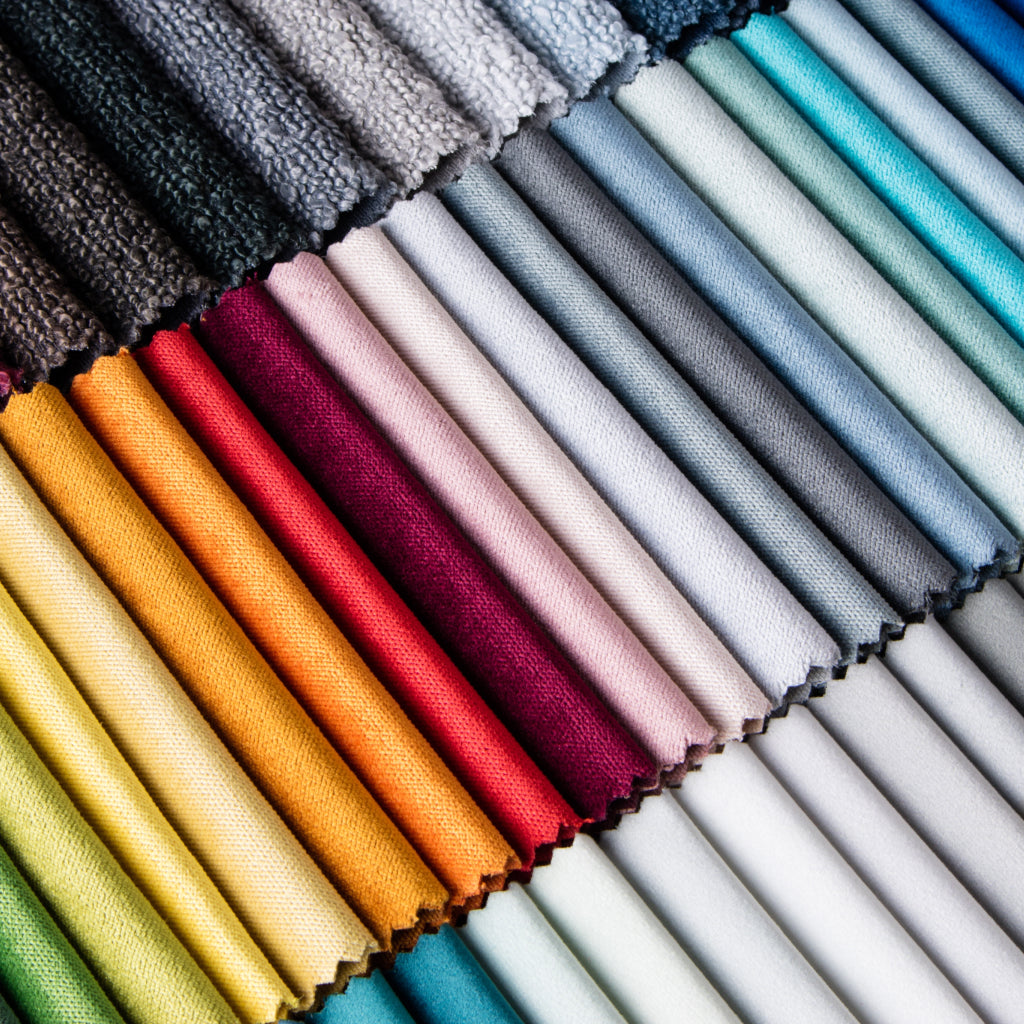
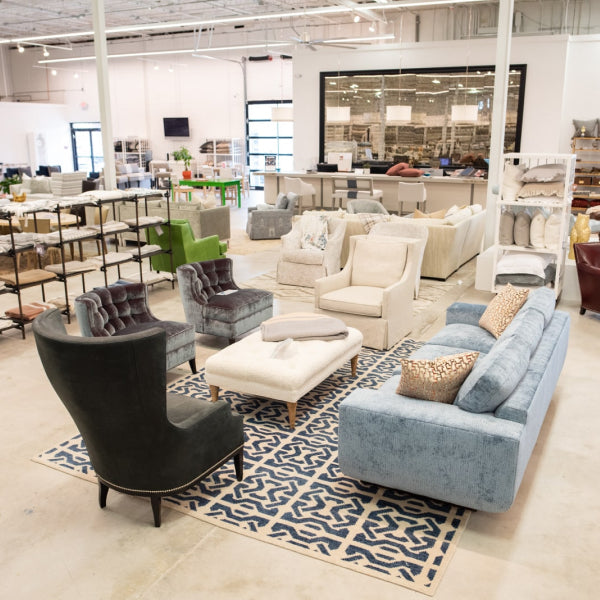
The right mohair starts with the right sample. Color, pile direction, and backing all change how the fabric reads once it's on a frame, which is why in-person selection matters so much for custom furniture Atlanta projects. In a showroom setting, it's easier to compare mohair against other velvet and solid fabric options under real light and alongside the wood, trim, and finish choices already in the room.
Lewis and Sheron Textiles carries upholstery fabrics by the yard, and that makes it practical to source a mohair that fits a custom sofa, a pair of chairs, or a reupholstery project without compromising on the look. The store also pairs material selection with in-house design support, which helps when the project involves multiple rooms or a broader refresh.

For affluent homeowners in Atlanta, Buckhead, Alpharetta, Roswell, Sandy Springs, and across Fulton County, that kind of sourcing support turns a fabric decision into a finished interior plan. It's the difference between buying a beautiful textile and specifying a piece that belongs in the home for years.
Lewis and Sheron Textiles can help you compare mohair velvet against other upholstery options, select a color that suits your architecture, and move forward with custom upholstery or reupholstery work that matches the scale of the project. If you're ready to choose a fabric that supports heirloom-quality furniture, visit Lewis and Sheron Textiles and start the conversation with a team that understands premium interiors.