












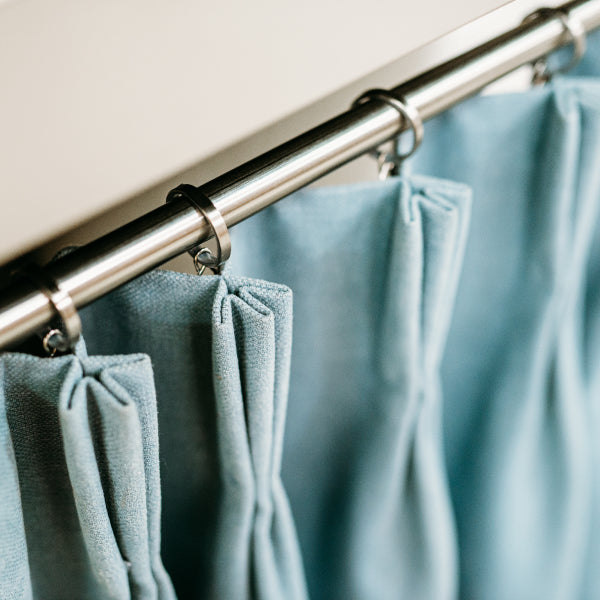
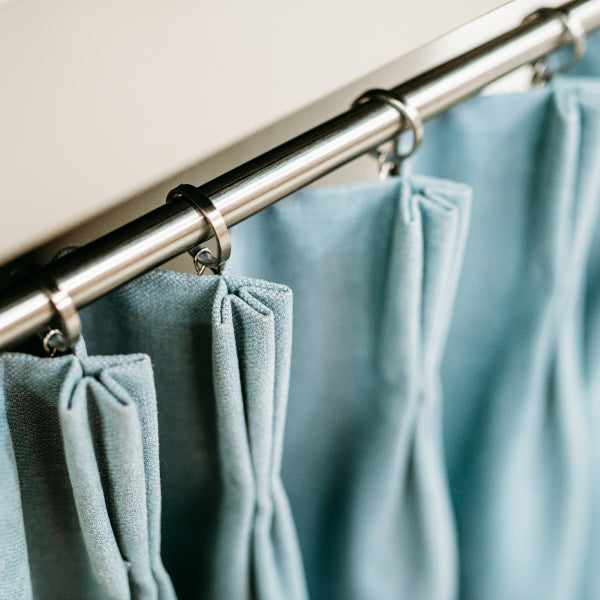
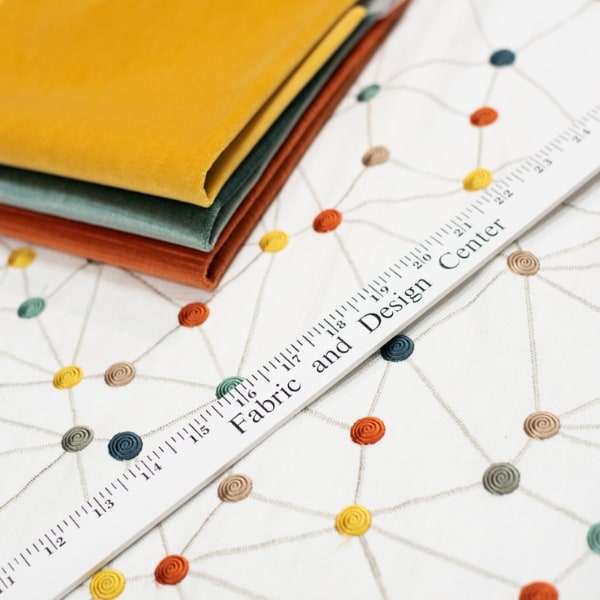
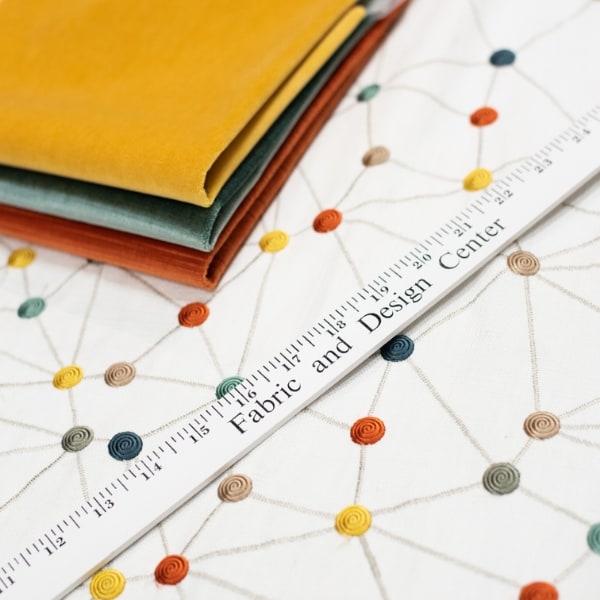




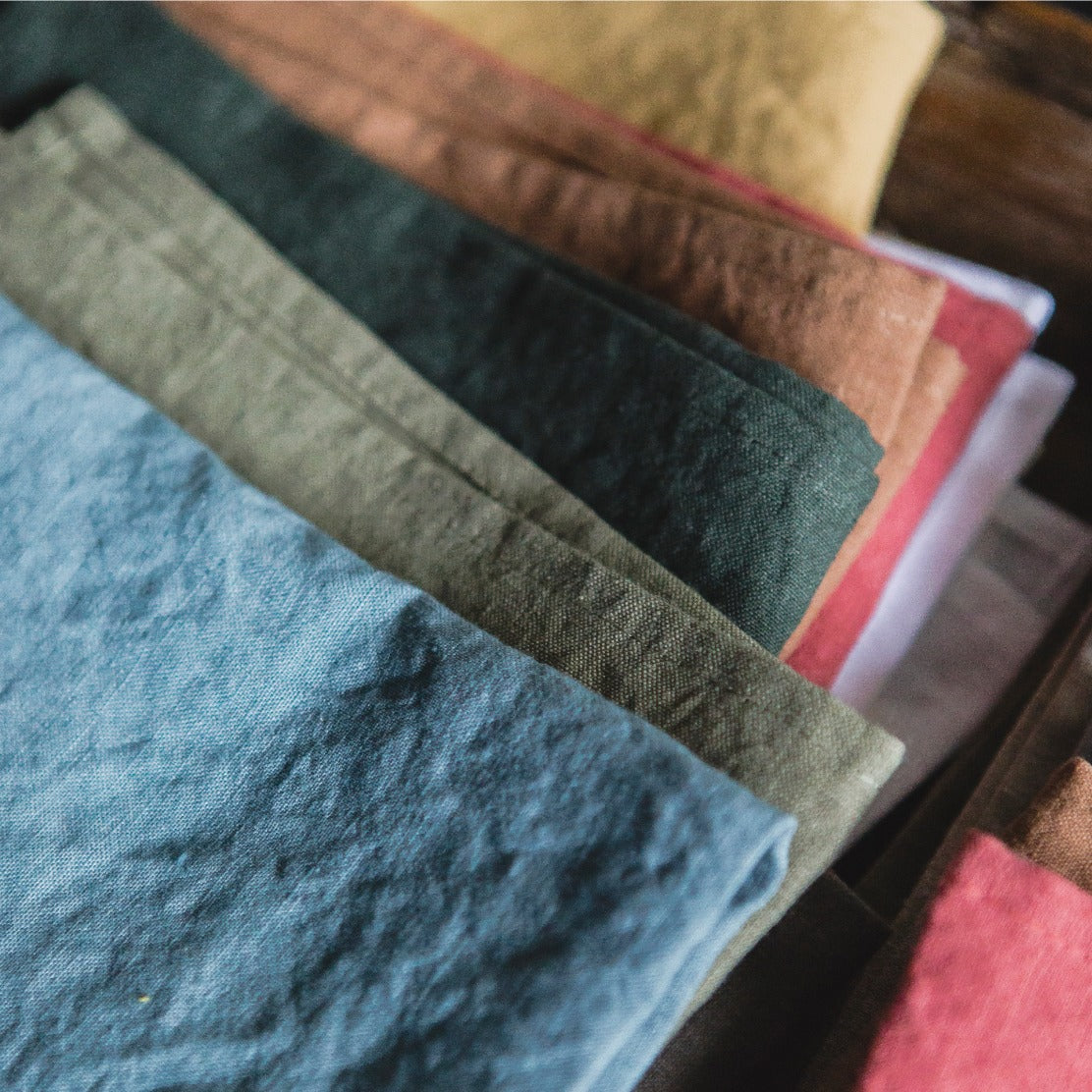

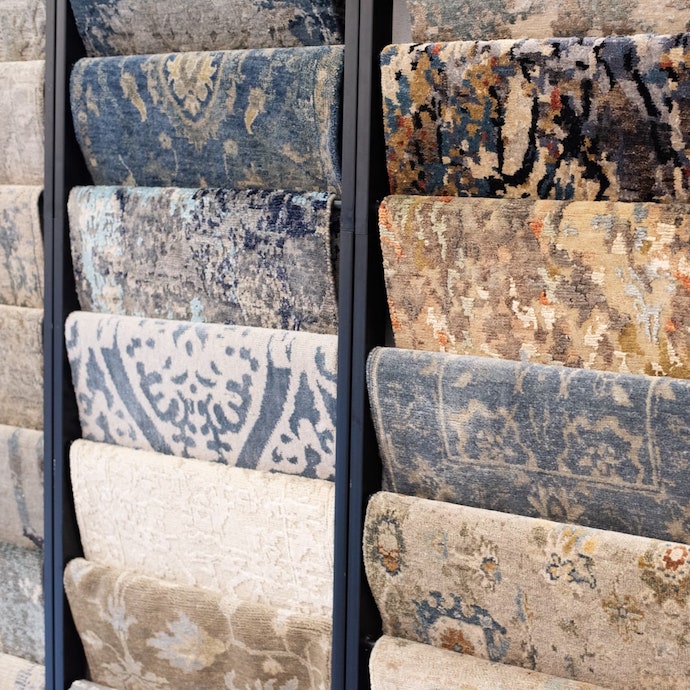
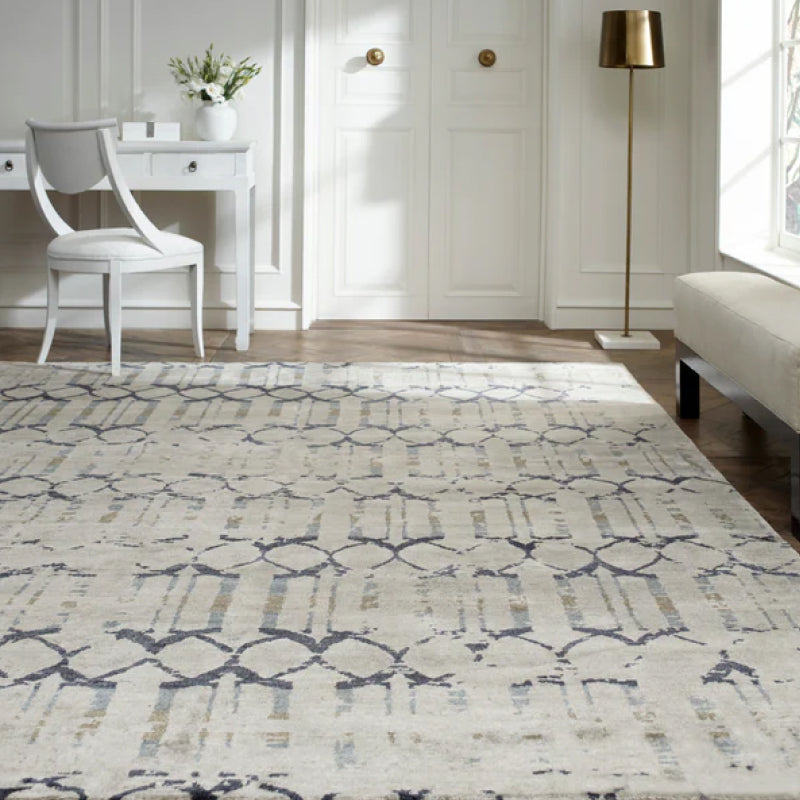
You've had the drapery professionally cleaned, aired the cushions, and still notice a faint cooking smell when the Atlanta humidity rises. Or perhaps a custom sectional in Buckhead looks immaculate but releases a stubborn pet or perspiration odor whenever someone sits down. With luxury upholstery, that frustration usually isn't a failure of cleanliness. It's a sign that odor has moved beyond the surface.
Fabric odor removal works best when you match the treatment to the fiber, the odor chemistry, and the construction beneath the cover. Cotton bedding, polyester performance fabric, Belgian linen, velvet, hand-knotted rugs, and foam-filled seating all respond differently. A method that refreshes a washable cotton cover can discolor velvet or trap moisture inside an upholstered cushion.
Why Luxury Fabrics Hold Onto Odors and How Removal Really Works
A luxury sofa can appear clean while its seams, backing, batting, or cushion core still hold odor. Synthetic fibers are especially challenging because they can retain more skin secretions than natural fibers. Sweat itself isn't the whole problem. Bacteria transform those secretions into volatile organic compounds, including fatty acids and aldehydes, that settle into fibers and construction layers.
Dense weaves create another obstacle. A tightly woven designer fabric, lined drapery panel, or upholstered cushion offers more places for odor molecules to remain after surface cleaning. That's why a scented spray may make a room smell pleasant briefly without solving the underlying issue. Fragrance masks the odor. It doesn't remove the compounds producing it.

Practical rule: Treat the textile you own, not the generic category printed on a cleaning bottle.
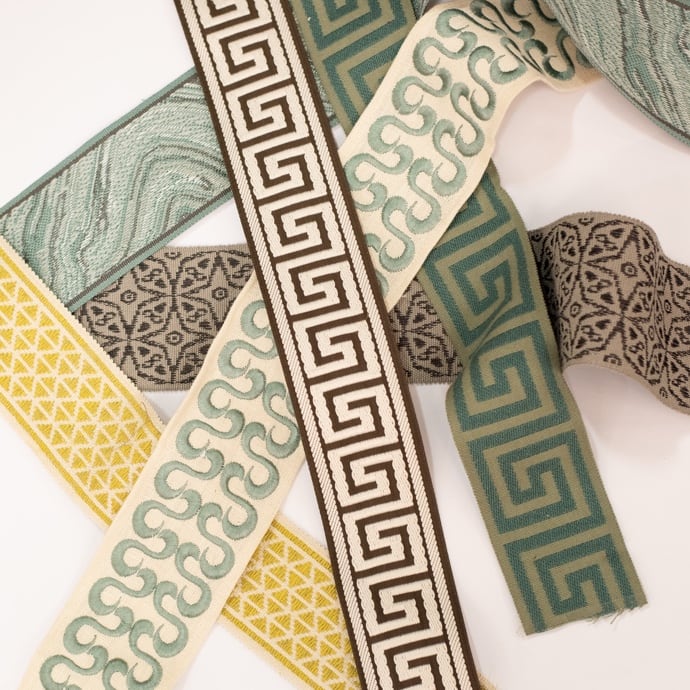
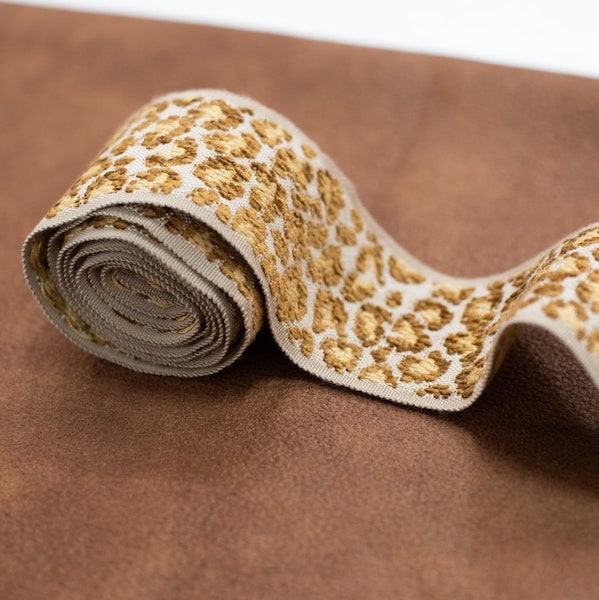
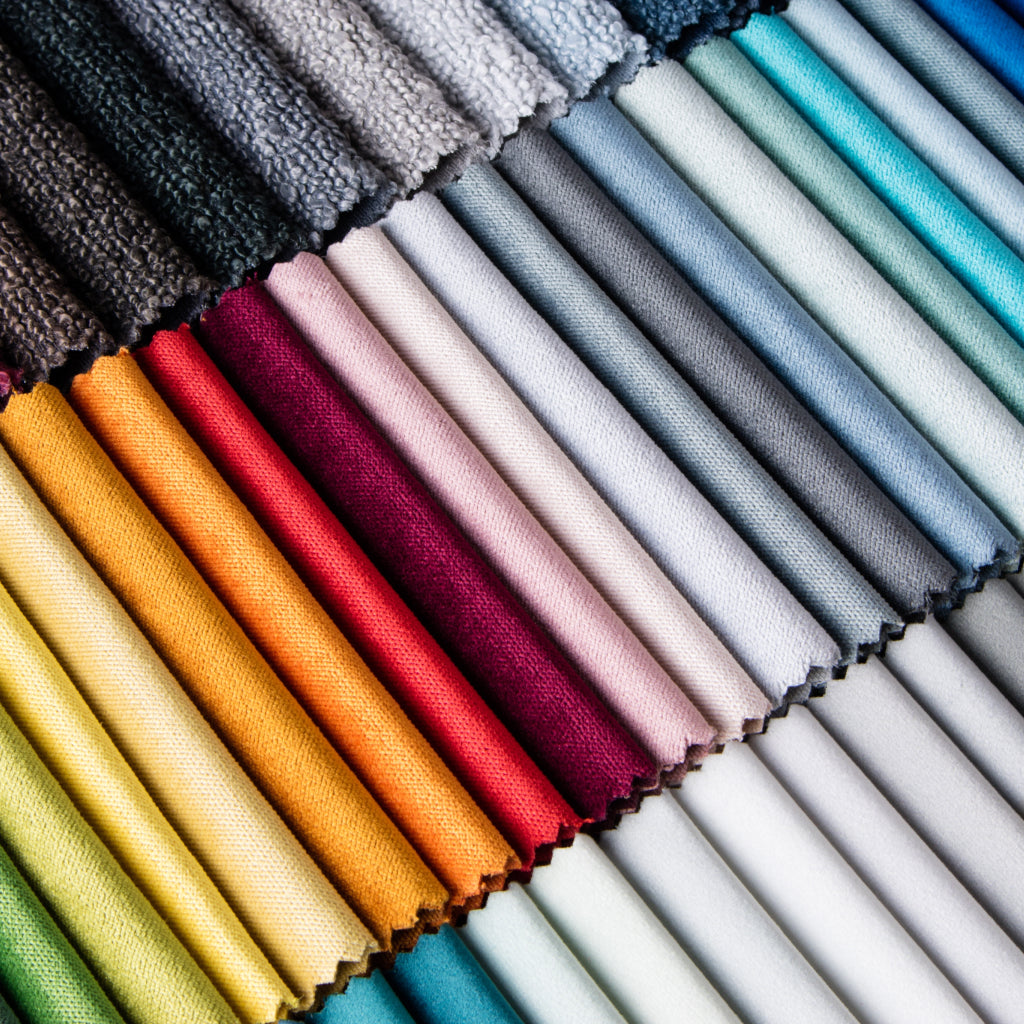
A 2025 review explains that laundering remains the most preferred way to remove odor from textiles, but it's only partially effective for some malodorous volatile compounds because odorants can reappear during humid-drying. The same review groups textile odor management into three mechanisms, preventing odor generation at the source, adsorbing odor molecules, and degrading them through photocatalysis. See this useful overview of examples of woven fabrics when assessing how weave structure may affect treatment.
For a removable cotton cover, washing may be enough. For a polyester sectional, a rug with a dense foundation, or drapery with a lining, the odor may require adsorption, controlled cleaning, improved airflow, or treatment that reaches beneath the face fabric. Odor removal is therefore a construction problem as much as a cleaning problem.
The system is straightforward. Identify the textile, remove loose soil, test the safest method, control moisture, dry completely, and escalate when the odor remains inside the piece.
How to Protect High End Textiles Before You Deodorize
Before applying any deodorizer to designer furniture, spend a few minutes documenting what you're working with. Find the manufacturer's tag or workroom records and note the cleaning code, fiber content, backing, lining, trim, and filling. A velvet custom chair, a Crypton performance fabric, and a down-filled cushion shouldn't receive the same treatment.
Start with a thorough vacuum using an upholstery attachment. Work across the surface, then follow seams, welts, tufts, and crevices. Surface dust can carry odor, and removing it first prevents you from turning dry soil into damp residue.
Use this safety sequence before any liquid, powder, steam, or enzyme product:
- Read the code: Confirm whether the textile permits water-based cleaning, solvent-based cleaning, or professional treatment only.
- Check the fiber: Identify cotton, linen, wool, silk, polyester, velvet, leather, or a blend. Blends can behave unpredictably because one fiber may shrink or release dye before another.
- Test a hidden seam: Apply the smallest possible amount of the chosen product to an inconspicuous area. Let it dry fully, then inspect texture, color, and hand feel.
- Press with white cloth: A damp white cloth can reveal dye transfer. Stop if color moves from the fabric.
- Inspect trims and filling: Fringes, metallic threads, embroidery, leather accents, down, and foam all change the risk profile.
High-end furniture is generally associated with premium materials, strong construction, skilled craftsmanship, and long-term performance. Examples include solid hardwoods, full-grain leather, kiln-dried frames, precision joinery, and tight seam alignment. A luxury-grade hardwood moisture target is often cited as 8–12%, while premium performance fabrics are frequently rated at 30,000 Martindale rubs or more, according to furniture construction and luxury material guidance.
Heat and excess moisture can affect adhesives, finishes, fillings, and carefully aligned seams. Before treating an heirloom piece, photograph the upholstery, label, visible wear, and any existing discoloration. That record gives a designer, restorer, or workroom the information needed to choose preservation over guesswork. For ongoing protection, this resource on fabric protection for furniture offers a useful reference point.
Gentle and Effective Methods for Fabric Odor Removal at Home
The safest home method depends on the odor source and whether the textile can tolerate moisture. Begin with vacuuming. Odors often cling to dust, pet hair, cooking particles, and skin oils sitting on the face of the fabric.
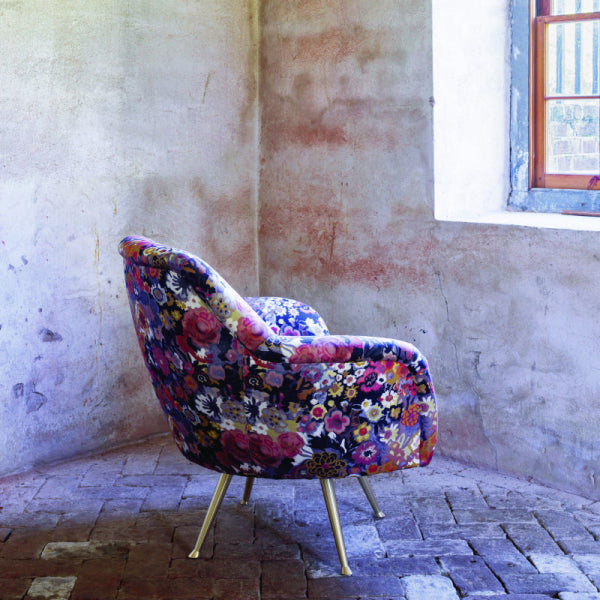
For dry, surface-level odor on sturdy upholstery, apply a light layer of baking soda. Leave it long enough to adsorb odor molecules, then remove it completely with an upholstery vacuum. Don't grind the powder into velvet, brush it aggressively into a raised pile, or leave residue near moving parts. The accompanying velvet cleaning illustration shows the restrained approach required for delicate pile.

Match the method to the textile
- Baking soda: Best suited to dry, surface adsorption on compatible upholstery and removable textile covers. Vacuum slowly in multiple directions.
- White vinegar solution: Useful for some washable, colorfast textiles when diluted appropriately and tested first. Avoid assuming that an acidic rinse is safe for silk, wool, natural stone nearby, or unstable dyes.
- Enzyme cleaner: Appropriate for organic residue such as pet accidents when the care code permits it. Apply only where contamination occurred, blot rather than scrub, and prevent the liquid from spreading into cushion seams.
- Activated charcoal: A low-contact option for cabinets, closets, drapery areas, and rooms with lingering ambient odor. Place it near the textile, not directly against a damp or delicate surface.
- Air and shade: Remove drapery when possible, spread cushions apart, open covers, and use gentle circulation. Bright direct sun can fade dyes, so shade is safer for heirloom materials.
A pet odor on a custom sectional in Buckhead may need localized enzyme treatment rather than a whole-sofa spray. Cooking odor in Alpharetta drapery may respond better to vacuuming, airflow, and charcoal placed nearby than to wetting the panels. For washable garments with oil-based smells, this practical guide by Sunset Shine Home Cleaning provides additional context, but upholstery still requires a more conservative moisture strategy.
Never soak velvet, silk, down-filled cushions, or rug foundations. If the fabric feels cool or damp beneath the surface after treatment, stop adding product and focus on ventilation. A clean-smelling surface with damp padding underneath is not a successful result.
How Different Fabrics Respond to Washing and Deodorizing
The same wash cycle can refresh cotton bedding and leave a polyester sectional smelling unchanged. Cotton generally releases odorants more readily, while polyester can retain oily, nonpolar compounds associated with perspiration and body oils. Fiber chemistry, detergent penetration, agitation, and extraction all influence the outcome.
A controlled fabric study found that laundering was significantly more effective on cotton than on polyester. It also found that the polar compound octanoic acid was easier to remove than nonpolar odorants from both fabrics. When residual compounds remained after repeated soil and wash cycles, odor accumulation increased from 1 to 5 cycles, indicating a saturation effect when wash chemistry wasn't sufficient. The findings are detailed in this textile laundering study.
Cotton and washable natural fibers
Cotton covers and bedding often respond well to a complete wash process because water and detergent can move through the structure more effectively. Still, don't exceed the care label. Shrinkage, dye migration, and seam distortion can turn an odor problem into a fitting problem.
Polyester and synthetic upholstery
Polyester needs more deliberate preparation. Pre-treat oily areas where permitted, use enough agitation to move detergent through the textile, and extract thoroughly. The study reported that washing polyester socks at 50 °C removed odor VOCs more effectively than washing at 20 °C, but that doesn't authorize high heat for upholstery. Furniture fabrics, backings, foam, and finishes may have stricter limits.
Non-washable rugs and furniture
A premium sectional or hand-knotted rug usually can't be treated like a shirt. Use dry adsorption, controlled surface cleaning, or professional extraction based on the construction. If you're trying to reduce packaging and residue in routine laundry, eco-friendly laundry sheets may be worth evaluating for compatible washable items, but product format doesn't override fiber care requirements.
Repeated cool washes aren't automatically gentle if they leave odor behind. In synthetics, incomplete extraction can gradually make the problem more noticeable. Change the process rather than repeating the same unsuccessful cycle.
Drying Airing and Everyday Habits That Keep Textiles Fresh
Odor can return during drying because humid conditions allow some volatile compounds to reappear. A cushion that feels dry on the surface may still hold moisture in its core, especially when the cover is dense or the filling is substantial. Separate cushions, unzip removable covers where permitted, and create airflow around every side.
For drapery, open the panels fully and keep them away from damp walls or crowded furniture. For cushions, stand them on edge or place them on a clean rack so air reaches the seams. Use fans or air-only circulation rather than adding heat to a delicate textile. Outdoor shade can help with compatible fabrics, but direct sun may fade custom dyes.
A simple maintenance rhythm protects luxury home furnishings:
- Vacuum carefully: Use an upholstery tool along seams, backs, arms, and cushion gaps.
- Rotate cushions: Change their orientation when the construction permits it, reducing concentrated wear and soil.
- Store breathable: Use linen or another breathable cover for seasonal textiles instead of sealed plastic.
- Control nearby humidity: Keep charcoal or moisture absorbers close to the problem area without placing them directly on fabric.
- Address sources: Clean pet bedding, cooking filters, closets, and nearby hard surfaces so the textile isn't constantly re-exposed.
A study of gaseous ozone treatment demonstrates why hidden construction matters. In an inner jacket pocket, 16 minutes was the threshold for significant microbial destruction, while 32 minutes produced 99.95% bacterial removal under the tested conditions, as reported in this ozone penetration research. That doesn't make ozone a casual home remedy. Ozone requires controlled equipment, safe occupancy procedures, and attention to airflow and garment construction.
For closets and enclosed storage, this guide to beating closet dampness offers practical prevention ideas. The principle is simple: keep textiles dry, ventilated, and away from recurring odor sources.
When to Choose Professional Cleaning or Reupholstery for Lasting Freshness
DIY fabric odor removal has a sensible limit. Call a qualified upholstery or rug professional when odor remains after two gentle treatments, when pet urine or smoke has reached foam and batting, or when a valuable piece has delicate trims, unstable dyes, antique construction, or a non-washable foundation.
Surface spraying fails when the contamination sits below the face fabric. A professional can assess whether cleaning is enough, whether the fill needs specialized treatment, or whether replacement is the better preservation choice. With a well-built frame, reupholstery may protect more value than replacing the entire piece.
That decision matters for luxury sofas, premium sectionals, custom chairs, and statement furniture pieces. Eight-way hand-tied spring suspension is described as the highest-quality sofa suspension, with individual coils tied by hand in eight directions. A separate upholstery source describes quality 9-gauge sinuous springs as lasting 10–15 years in normal residential use, while thinner lower-gauge springs may show fatigue in 3–5 years. A visible hammock-like dip in the seat center signals permanent spring deformation. These construction details are discussed in the art of professional reupholstery.
For Atlanta, Buckhead, Alpharetta, Roswell, Sandy Springs, and surrounding Fulton County homes, the right answer may be careful cleaning, replacement fill, or complete reupholstery. Preserve the hardwood frame and sound craftsmanship whenever the foundation justifies it.
Lewis and Sheron Textiles offers custom upholstered furniture, designer fabrics, expert reupholstery, custom drapery, luxury rugs, and in-house design support for Atlanta homes and trade professionals. Visit Lewis and Sheron Textiles to find the right fiber, construction, and restoration approach for your heirloom-quality piece.