



















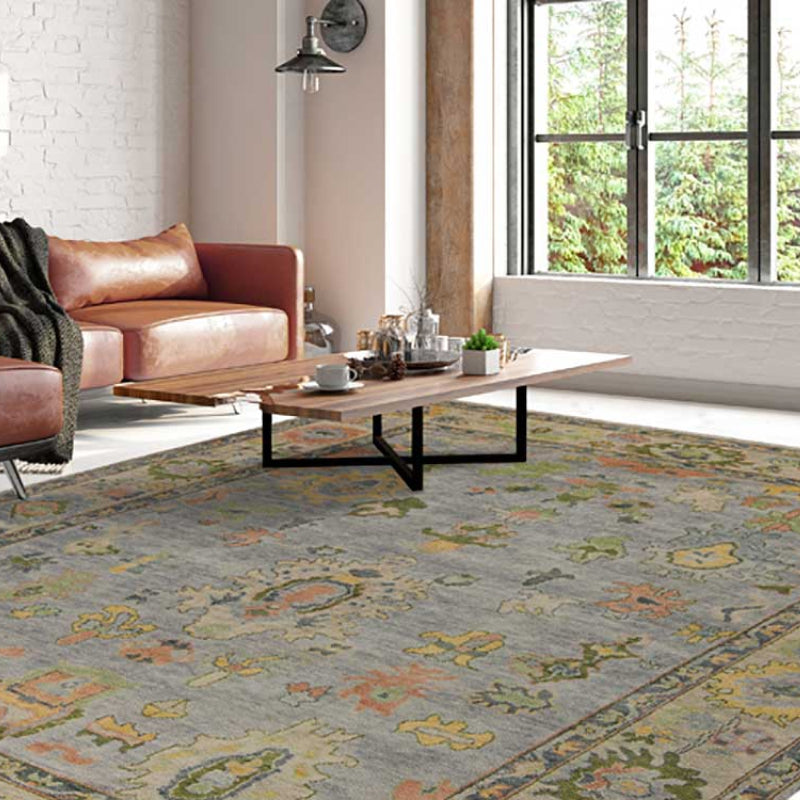
A spill on a statement sofa never happens at a convenient time. It lands on luxury sofas, premium sectionals, or a custom chair right when the room is already set, and the instinct is to grab the nearest cleaner and scrub hard. That move usually does more harm than the spill itself, especially on high-end furniture where the fabric, backing, and cushioning system all have to stay in balance.
Owners of designer furniture, custom upholstered furniture, and heirloom-quality furniture usually care about two things at once, the look in the room and the life of the piece. Spot cleaning has to protect both. The good news is that a careful, fabric-aware response can stop a stain from becoming a permanent mark, and it can also keep the piece from needing full reupholstery sooner than it should. For a practical homeowner-facing overview, upholstery cleaning tips for homeowners is a useful starting point, but premium textiles need a more exact approach than generic advice usually gives.
When a Spill Meets a Statement Sofa
A red-wine glass tips over on a Kravet-draped sectional during dinner. Coffee lands on a Belgian linen cushion ten minutes before guests arrive. In both cases, the room doesn't just have a stain, it has a threat to a piece that probably cost real money and was chosen for a reason. That's why upholstery spot cleaning has to be measured, not frantic.
Practical rule: The first move should protect the fabric system, not just the visible mark.
The upholstery-cleaning market helps explain why this matters so much. Grand View Research estimates the global upholstery cleaning contract services market at US$56,148.8 million in 2024, rising to US$90,113.8 million by 2030 at a CAGR of 8.3%. In the broader carpet-and-upholstery cleaning services market, the same firm estimated US$55.16 billion in 2022 and US$83.50 billion by 2030 at a 5.3% CAGR. In the United States, IBISWorld places the upholstery cleaning and repair services industry at $5.8 billion in 2026, with 29,326 businesses in the sector, which shows that targeted care isn't a niche housekeeping chore, it's part of a serious professional services ecosystem. Grand View Research's upholstery cleaning market data makes the scale plain.
That scale matters in Atlanta, Buckhead, Alpharetta, Roswell, and Sandy Springs because affluent homeowners tend to live with pieces that are meant to stay. A designer sofa, a custom sectional, or a pair of statement chairs isn't treated like disposable decor. The best response is fast, but it also has to respect the craftsmanship already built into the piece.
For anyone shopping or styling through trade channels, the same mindset applies to custom furniture Atlanta projects and premium furniture in Atlanta showrooms. Quick action matters, but so does knowing when to slow down.
Reading the Fabric Code Before You Touch Anything
Before a drop of cleaner reaches the cushion, find the cleaning code. That tag tells you what the textile can tolerate, and ignoring it is how a small spill turns into damaged nap, shrinkage, or color loss. On premium upholstery, the code matters as much as the stain itself.

What the codes actually mean
W means water-based cleaners are allowed. S means solvent-based cleaners only, and water is a risk. W/S means either approach is acceptable, which is useful for pieces built with more forgiving performance fabrics. X means vacuum only, no liquids at all.
That's not just theory. Tineco's neutral product guidance says its cleaner is for fabrics marked W or S/W, not S, which lines up with the common caution that some textiles should never see a water-based spot treatment. The same logic comes up again on high-end pieces from mills and makers that use different fiber systems for different performance goals. If a piece is upholstered in Belgian linen, hand-loomed silk, or a performance weave, the code tells you how much risk you're taking before you ever touch the stain.
Where to look and what to gather
The tag can hide under a cushion, along the deck fabric, or near the platform base. If the piece was custom built, check the seat cushions first, then look beneath loose covers and along seams. On higher-end furniture, a design center or workroom may have documented the fabric choice, but the tag still rules the cleaning decision.
A tight pre-cleaning kit keeps improvisation out of the picture:
- White microfiber cloths for blotting without dye transfer.
- A soft-bristle brush for light agitation only.
- Extraction towels for absorbing lift-off moisture.
- A wet-dry vacuum for controlled removal when moisture has gone deeper than the surface.
A hidden-area pretest matters even when the code looks favorable. Apply the cleaner to an inconspicuous seam allowance, wait five to ten minutes, then check for color transfer, texture change, or shrinkage. For Atlanta homeowners working with designer textiles through the Lewis and Sheron Textiles Design Center, that test protects both the fabric selection and the custom look that went into the piece.
For performance fabrics, choosing the best performance fabrics is useful background, but the primary rule is simpler, a code is a permission slip, not a guarantee.
The Spot Cleaning Sequence That Actually Works
The right sequence keeps the stain from spreading and keeps the fabric from being overworked. Start dry, move gently, and keep the moisture level low enough that the fill doesn't get saturated. That's where most DIY attempts go wrong.

The part people get wrong
The first tool is a clean, dry, white microfiber cloth. Blot the spill immediately, and don't rub. Rubbing pushes soil deeper into the weave and can rough up fibers, which is a bad trade on cotton velvet, linen, and many custom textiles. If the spill has solids, lift them gently with a spoon or dull edge before any liquid treatment starts.
Practical rule: Work from the outer edge toward the center, so the stain doesn't grow while you clean it.
Once the surface debris is gone, use a cleaner that matches the fabric code. A barely damp cloth is the right starting point for many fabrics, not a soaked towel. Controlled moisture matters more than aggressive product use, especially on pieces where the padding sits close to the fabric face.
How the actual motion should feel
Apply the solution, then agitate lightly with a soft brush in one direction only. Don't scrub in circles. That kind of motion can leave a textured halo, especially on pile fabrics. Blot again with a dry cloth, then use a clean damp cloth to rinse away the cleaner so residue doesn't dry inside the weave.
On a coffee mark on a performance weave, the goal is removal without saturation. On a wine spill on a cotton-velvet cushion, the goal is stain lift without crushing the pile. On a grease spot on a linen-blend dining chair, the cleaner choice matters as much as the blotting motion because oil and fiber respond differently to treatment. For a broader household-care comparison, car cleaning tips from Evo Dyne Products show the same basic discipline, limited moisture, careful extraction, and no aggressive scrubbing.
The clean area should dry fully before normal use. If you sit down too early, you press the stain back into the face fabric and rework the moisture into the fill.
Matching Technique to Stain Chemistry
Not every stain behaves the same way. Wine, blood, grease, and ink each bring a different chemistry to the fabric, so a one-size-fits-all cleaner is usually the wrong call on premium upholstery. Matching the treatment to the stain type is what keeps a spill from turning into a set-in problem.
A quick match that saves fabric
| Stain Category | Common Examples | Recommended Treatment | Critical Mistake to Avoid |
|---|---|---|---|
| Tannin-based | Wine, coffee, tea | Cool water and a gentle detergent, applied sparingly | Using hot water, which can drive color deeper |
| Protein-based | Blood, sweat, dairy | Cold water only, then a careful enzyme-compatible approach if the fabric allows it | Using heat or rubbing, both of which can set residue |
| Oil-based | Grease, makeup, lotion | Solvent-based lifter or a code-appropriate dry method | Flooding the area with water |
| Dye-based | Ink, berry, mustard | Targeted spot treatment with alcohol-based or other compatible cleaner, after a pretest | Scrubbing first and spreading the dye |
That logic lines up with professional upholstery guidance that separates water-based, solvent-based, and foam-only treatment paths depending on the textile. It also matches what Arelli Cleaning's specialty guide reflects in practice, different soils need different handling, and moisture has to stay under control.
Combination stains need sequence, not panic. A lipstick smudge, for example, can carry both oil and dye, so the oily component has to be loosened before the color component gets addressed. If the first cleaner just smears the mark, stop and reassess the fabric code before trying a second pass.
Why the wrong method backfires
A protein stain treated with heat can bond tighter to the fiber. A dye stain hit with a wet cloth first can spread into a larger halo. An oil stain treated with too much water often just migrates. The stain may look lighter at first, but stopping it from changing shape during drying is the key.
That's why premium furniture owners in Atlanta, Fulton County, and North Atlanta often get better results when they treat the stain type as part of the decision, not an afterthought. The fabric code says what's allowed. The stain chemistry says what's smart.
Why Stains Keep Coming Back After You Clean Them
A stain can disappear, the cushion can look clean, and then three days later a pale ghost shows up in the same spot. That's wicking, and it's one of the most overlooked failures in DIY upholstery care. The fabric face wasn't the only place holding soil, the backing and padding were part of the problem too.

What's happening below the surface
When a cushion gets over-wet, liquid carries dissolved soil deeper into the fill. As the fabric dries, that moisture moves back up through the fibers and deposits residue at the surface. The visible stain comes back because the stain never really left the structure of the cushion.
Professional cleaning procedures try to prevent that by minimizing moisture absorption into the filling, then using extraction and multiple vacuum passes to pull the loosened soil back out. Consumer guidance pushes the same direction with barely damp cloths, fans, and full dry time before the furniture goes back into use. A common benchmark is roughly 4 to 6 hours before sitting, depending on humidity and airflow, which appears in the operational guidance from a professional upholstery cleaning procedure.
Practical rule: If the cushion still feels cool or damp, it's not ready for normal use.
What helps and what doesn't
A wet towel pressed once and left in place can do more than a dozen anxious scrubs. Weighting extraction towels over a treated spot gives the cloth time to pull moisture out instead of pushing it around. A fan aimed across the room, not straight down into the fabric, helps move air over the area and shortens the dry window.
What doesn't work is adding more cleaner because the first pass looked incomplete. More liquid usually means more opportunity for the stain to migrate. On luxury sofas and custom upholstery, the cleanest result is usually the driest one that still allows residue removal.
If a spot keeps reappearing, the answer isn't more pressure. It's tighter moisture control, better extraction, and patience.
Fiber-Specific Care for Luxury Textiles
Luxury upholstery isn't one material category. Belgian linen, cotton velvet, silk blends, performance textiles, and wool each react differently to moisture, friction, and drying pressure. The cleaner that behaves well on one fabric can leave a ring or crush the surface on another.
What each fiber wants
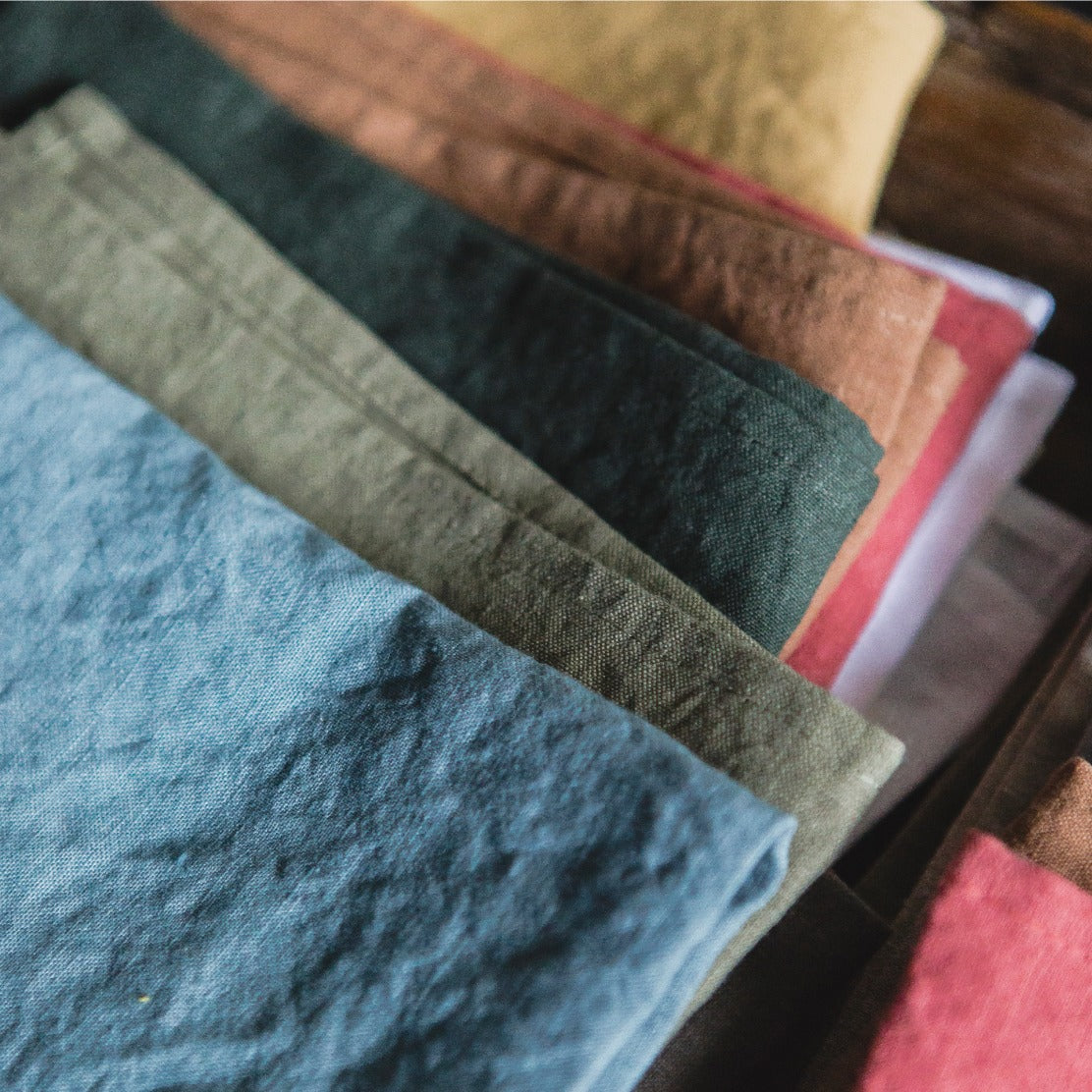
Belgian linen tolerates gentle water-based cleaning better than many people expect, but it wrinkles easily and can shrink if you agitate it hard or flood it. That makes light blotting and restrained moisture the safer choice. The same caution applies to many custom pieces made with linen blends from mills like Libeco.
Cotton velvet needs a soft touch because pressure can crush the pile and leave a visible change in sheen. Watermarks are a real risk, so the best approach is controlled dampening, careful blotting, and brushing the pile only after the area dries.
Silk blends usually need solvent-only treatment or professional attention. They can look stable for a moment, then react badly once moisture spreads through the weave. That's a fabric where the code matters more than the stain.
Performance textiles like Crypton are built for stain resistance, but they still need fast response and the same basic discipline. Resistance isn't immunity. Prompt blotting keeps surface messes from becoming backing-level contamination.
Wool and wool blends can felt if they're rubbed too hard, and some are vulnerable to color bleeding. Light contact, minimal liquid, and short dwell time protect the structure.
Reading the surface correctly
A fabric's look and feel give you clues, but not certainty. A smooth, cool hand can signal linen or silk content. A plush, directional nap often means velvet or another pile fabric. A springy, tightly woven face may point to a performance textile, but the tag still has the final say.
For homeowners refreshing custom chairs, premium sectionals, or statement furniture pieces, the safest habit is to identify the fiber before choosing a cleaner. Caring for high-end upholstery is especially relevant if the piece came through a design center, because the finish and backing can matter as much as the face fabric.
The right drying posture matters too. Leave the pile undisturbed, keep cushions upright when possible, and don't restore the piece to service until it's fully dry. That protects both texture and appearance.
Prevention as Long-Term Value Protection
The best spot cleaning job is the one you don't need in the first place. Owners of luxury home furnishings usually protect those pieces with small habits that prevent dirt from settling in and reduce the odds of emergency treatment later. That's not just about cleanliness, it's about keeping a room's most expensive soft surfaces in usable condition for longer.
Daily and weekly habits that pay off
Rotate and fluff cushions so wear doesn't concentrate in the same place. Vacuum with an upholstery attachment before dust and crumbs get worked into the fibers. Put throws on high-use zones like a chaise corner or the center seat of a sectional, especially in homes where drinks and snacks travel with the conversation. House rules around food and beverages near designer furniture may feel strict for a week, then they become normal.
Professional care still belongs in the plan. Industry guidance commonly recommends upholstery cleaning every 6 to 12 months for higher-use households, while another expert source advises every 12 to 24 months depending on use, which gives a broad maintenance window for long-term care. Those intervals line up with the idea behind the IICRC upholstery tip sheet, which frames vacuuming and preventive maintenance as part of extending furniture life.
Practical rule: Treat maintenance like insurance for the silhouette, not a reaction to visible grime.
Knowing when DIY is the wrong move
Some spots deserve a professional, not another home test. An unknown stain older than 24 hours, an S-coded fabric with a water-based spill, dye transfer on a light premium textile, or a spot that's already been treated unsuccessfully should usually stop the DIY cycle. Each extra attempt raises the odds of fiber damage, wick-back, or a larger halo.
A professional upholstery cleaning service should be able to explain its moisture control, drying equipment, and spotting agents. Ask about IICRC certification, fabric-specific experience, and insurance. Those questions matter in high-end homes because a luxury sofa, custom sectional, or heirloom chair can't be treated like a rental mattress.
Reupholstery is the right answer when the frame, silhouette, or sentimental value still matters, but the fabric has reached the end of its life. Lewis and Sheron Textiles also offers fabric protection for furniture, which fits naturally with maintenance planning for custom pieces, but protection works best when it's paired with the cleaning discipline above.
If you're caring for premium upholstery in Atlanta, Buckhead, Alpharetta, Roswell, Sandy Springs, or the surrounding Fulton County market, Lewis and Sheron Textiles can help with fabrics, custom furnishings, and reupholstery when a piece needs a higher level of attention. Visit Lewis and Sheron Textiles to explore upholstery fabrics, designer furniture options, and restoration services for pieces that deserve to stay in the home.