























You're on the showroom floor with a client who knows the look they want, but the wording in the email is off by one letter. They ask for a “striped sofa” in one line and a “stripped sofa” in the next, and suddenly the workroom has two completely different jobs in mind. In luxury home furnishings, that tiny spelling difference can change a fabric order, a reupholstery note, or a refinishing brief before a single yard is cut.
| Term | What it means | Best use in design writing | What it does not mean |
|---|---|---|---|
| Striped | Having stripes, bands, or lines | Fabrics, pillows, drapery, rugs, wallpaper | Removal, refinishing, or exposed wood |
| Stripped | Removed, taken off, or cleared away | Frames, finishes, wallpaper, coverings | A visual pattern on a finished textile |
Why the Two Words Matter on the Showroom Floor
A Buckhead homeowner sends a note asking for a striped sofa for a formal living room. The designer reads that as a pattern choice, so the conversation turns to scale, contrast, and whether the weave should feel structured or relaxed. If the same client wrote stripped sofa, the meaning changes completely, because now the sentence suggests a sofa that has had its cover removed, not a sofa with a fabric pattern.
That's why this distinction matters in custom furniture, drapery, and restoration work. Mills, workrooms, and in-house designers need to know whether you're describing appearance or removal. A misused word can send a request in the wrong direction, and a wrong direction in a high-end project usually means more back-and-forth, more clarification, and more time before the piece is ready.
Practical rule: if the sentence is about what the eye sees, use striped. If it's about what has been taken away, use stripped.
This is also part of speaking the language of premium interiors. Trade clients in Atlanta, Buckhead, Alpharetta, Roswell, and Sandy Springs often work fast, but the best orders stay precise. A polished spec sheet doesn't just look professional, it helps the person on the other end understand the exact finish, pattern, or restoration state without guessing.
Defining Striped and Stripped with Textile Examples

What striped means in fabrics and furnishings
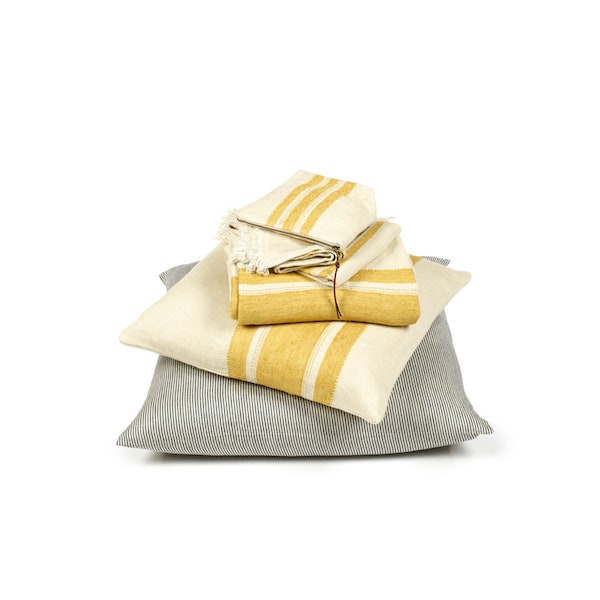
Striped is an adjective. Standard references define it as having stripes or bands, and in showroom language that means a textile with a visible pattern, whether the lines are bold, narrow, tonal, or textured. A striped velvet sectional reads as a finished design decision, just like striped Belgian linen drapery or striped hand-knotted rug borders.
That usage is stable across product categories. If a fabric is striped, the pattern is part of the surface itself, whether it was woven, printed, or otherwise created as a decorative effect. For fabric shopping and trade ordering, that's the word you want when the client is selecting what the finished piece will look like.
For a quick browse of patterned options, the striped fabrics collection gives a practical sense of how the term shows up in product language.
What stripped means in furniture and finishes
Stripped is the past tense and past participle of strip. It means something has been removed, taken off, or cleared away, which is why you'll hear it in phrases like stripped frame, stripped-back finish, or stripped wallpaper ready for repainting. In furniture work, it describes a stage in the process, not a pattern on the surface.
That's the same logic behind standard usage guides, which contrast a striped surface with a stripped one, because one is visual and the other is about removal. The pronunciation helps too, since striped uses a long /aɪ/ sound and stripped uses a short /ɪ/ sound. That matters on the phone, especially when a workroom is confirming orders by voice.
A simple way to remember it, striped tells you what's there. Stripped tells you what's gone.
For a fashion example outside furniture, a patterned accessory like the slouchy Edith turban hat shows how the pattern word belongs with the visible design, not with removal or repair. In upholstery and drapery, that same rule keeps the spec clear.
A Side-by-Side Look at Meaning, Form, and Use
The fastest way to keep these words straight is to compare them where design language lives, in specs, client emails, and product descriptions. Once you line up the grammar with the job at hand, the choice usually becomes obvious.
| Criterion | Striped | Stripped |
|---|---|---|
| Part of speech | Adjective | Verb form |
| Core meaning | Having stripes or bands | Having something removed |
| Typical context | Fabric, wallpaper, pillows, rugs | Frames, finishes, wallpaper, coverings |
| Correct example sentence | Striped upholstery adds visual texture to the room. | The stripped frame is ready for reupholstery. |
| Incorrect example sentence | Striped wallpaper is not about removal. | Stripped fabric sounds like a patterned textile, but it implies removal. |
For fabric use, striped stays locked to visible pattern. That includes finished pieces on the floor, from statement pillows to custom drapery and designer upholstery. If the eye can see the bands or lines, striped is the right word.
For furniture and restoration, stripped stays locked to process. It belongs in notes about old finishes coming off, upholstery being removed, or a surface being taken back to bare material before refinishing. A stripped sofa is not a stylish pattern statement, it's a sofa in a state of disassembly or restoration.
The easiest trap is that the words are only one letter apart, so typing too quickly can flip the meaning without warning. Autocorrect won't always save you, and a sentence that mixes appearance with process can confuse even an experienced designer. Internal consistency matters, especially in custom work where every word has to point to one outcome.
The article on mixing patterns in home decor is useful when you're choosing how striped textiles sit beside solids, checks, or florals, but the key point here is simpler. If the sentence describes the look, use striped. If it describes removal, use stripped.
Where the Words Meet in Real Interior Projects
A designer in Buckhead orders striped Kravet or Fabricut drapery for a formal living room, and the sentence stays clean because it names the fabric's surface pattern. If the order says stripped drapery, the workroom may assume the panels are being taken apart or cleared for treatment, not that they're patterned. That one-word difference can change the whole quote conversation.
A homeowner brings in a cherished chair for expert reupholstery and notes that it has a stripped wood frame underneath. That's correct, because the chair has had its old layers removed. If the note says striped wood frame, the restorer could think the frame has a decorative banding detail instead of a bare structure awaiting new fabric.
A contractor sanding a dining table before refinishing should describe it as a stripped-back table or a stripped finish. The word signals that the old coating has been removed and the surface is being prepared for the next step. Calling it striped-back would turn a process note into a pattern description, which makes no sense in a refinishing scope.
A listing writer describing a sofa during restoration might need both words in the same project file, but not in the same way. The finished listing can mention a striped fabric while the workshop notes say the piece was stripped before new upholstery was installed. That pairing keeps the narrative accurate without blurring appearance and process.

Workroom note: if the client sees the fabric, describe the pattern. If the upholsterer removed something, describe the action that happened first.
These examples matter because mills, workrooms, and clients don't interpret vague notes generously. They read exactly what's on the page, especially on Atlanta projects where custom upholstery, drapery, and refinishing often move through several hands before installation.
Writing Product Copy and Social Captions with Confidence
A showroom sample card that reads striped velvet sectional gives a buyer a clear picture of the fabric and the finished piece. A line that says stripped velvet sectional creates a very different impression, because it sounds like part of the item has been taken away. On a product page or in a social caption, that one word can decide whether the reader sees a polished design or a piece still in progress.
The same distinction matters in finish descriptions. Stripped-back Belgian linen can describe a pared-down, relaxed look on a finished piece, while striped-back linen changes the meaning and sounds like a pattern note that does not belong there. If the sentence is about visible rhythm, use striped. If the sentence is about material being removed, simplified, or prepared, stripped belongs in the workroom notes, not the final product name.
Here are a few copy-ready swaps that hold up on the showroom floor:
-
Right: Striped pillows anchor the sofa with texture and contrast.
Wrong: Stripped pillows suggest something has been removed from the textile. -
Right: The drapery features a striped pattern that reads clean from across the room.
Wrong: Stripped drapery sounds like panels that have been taken down. -
Right: The chair entered the workroom with a stripped frame and is now being rebuilt for reupholstery.
Wrong: Striped frame suggests a banded surface rather than a bare structure.
Social captions follow the same rule. A finished-room post can mention striped cushions, striped drapery, or striped wallpaper. A behind-the-scenes caption can mention a stripped frame, stripped finish, or stripped seat deck when the piece is being restored. A caption about layout or pattern direction can also point readers to understanding railroaded fabric, especially when the fabric is being chosen for a specific orientation on upholstery or drapery.
Rule of thumb: striped belongs on the finished face of the piece. Stripped belongs to what has been removed on the way there.
That kind of precision supports a premium, detail-oriented brand voice. Atlanta homeowners and trade clients notice when copy uses the right word, because exact language suggests exact work.
Connecting Word Choice to Design Intent and Brand Voice
Luxury home furnishings depend on clarity, and the language around a piece should match the craftsmanship behind it. A spec that reads striped Crypton upholstery, frame stripped and refinished tells the maker two separate things with no confusion. The first describes the fabric surface. The second describes the restoration state of the structure.
That level of precision helps when designers are ordering from makers such as Verellen, Wesley Hall, LEE Industries, and Ambella, because each part of the brief has to be interpreted correctly. A custom chair, a premium sectional, or a set of bespoke drapery panels only moves smoothly when the vocabulary distinguishes pattern from process. That's especially true in Buckhead, Alpharetta, Roswell, and Sandy Springs, where clients expect the details to match the finished room.
One underserved angle is how to choose between striped and stripped in real interior-design and upholstery contexts, because most existing explanations stop at the basic grammar rule and do not address practical usage across fabrics, reupholstery, refinishing, and product descriptions that matter for a premium textiles audience. That gap shows up in client emails, work orders, and product pages, not just in grammar quizzes.

When you use the words correctly, you're also protecting your brand voice. Striped sounds like a finished design choice, while stripped sounds like a step in a craft process. Those are different signals, and a polished interior practice should use them that way in client-facing copy, internal notes, and conversations with the design team.
Common Mistakes and a Quick Spec-Sheet Checklist
The most common mistakes are easy to spot once you know what to look for. People write stripped fabric when they mean patterned fabric, call a bare frame striped, mix both words in one sentence, ignore the short-i versus long-i difference when speaking, or trust autocorrect when one letter changes the whole meaning.
- Appearance: Use striped for visible bands, lines, and pattern.
- Removal: Use stripped for coverings, finishes, or parts that have been taken off.
- Reading aloud: Say the sentence out loud to catch the short-i trap.
- Ordering: Confirm whether the note is about pattern or process before sending it.
- Proofing: Check the spec sheet one last time before it goes to the workroom.
Striped is what you see, stripped is what has come off, and getting that right is one of the simplest ways to sound like a seasoned interior professional.
Lewis and Sheron Textiles helps Atlanta homeowners and trade clients choose fabrics, custom upholstery, drapery, and restoration solutions with the kind of detail that keeps specs clear from the first conversation to final install. If you're comparing patterned textiles or planning a custom piece, visit Lewis and Sheron Textiles to explore options and speak with the team about the finish, fabric, and form you want.