


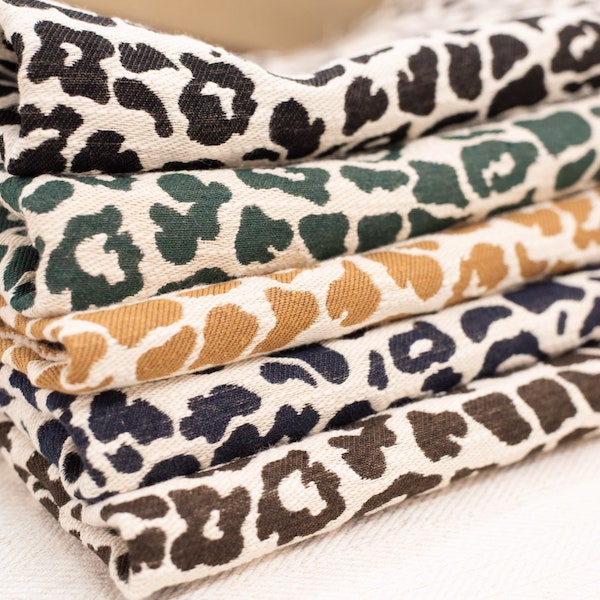
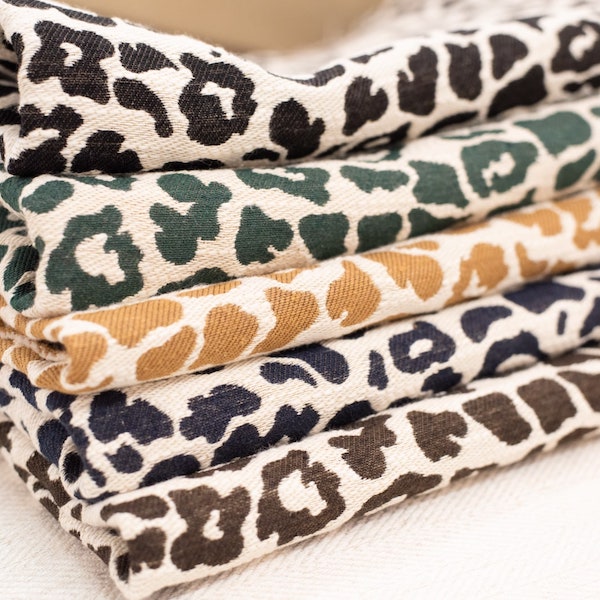

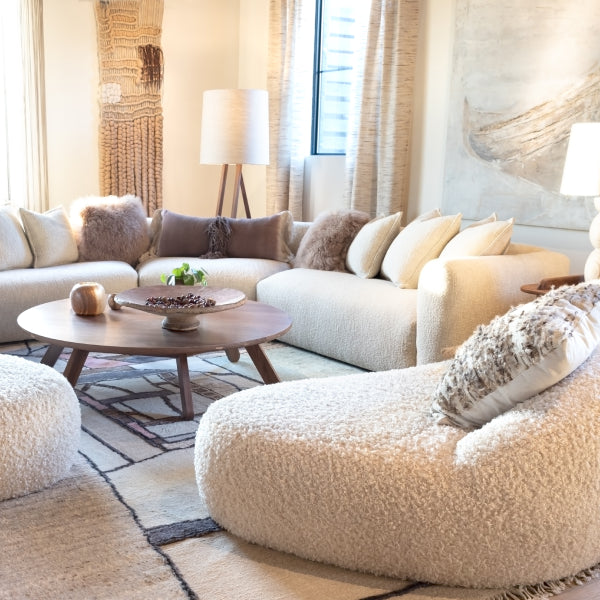





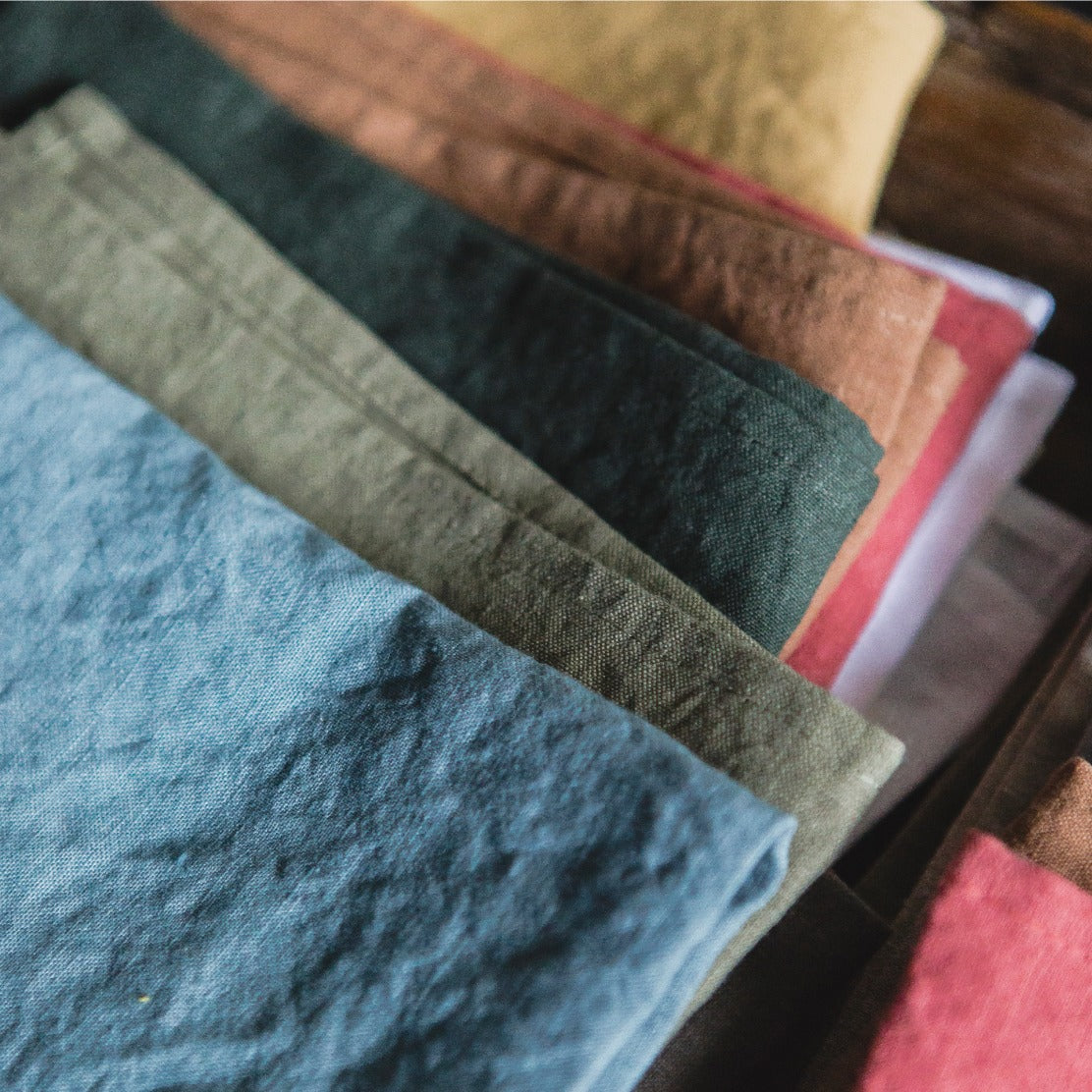

You're standing in a well-finished living room, the sofa is right, the lamp is right, and the throw blanket is wrong. It might be soft enough, and it might even be expensive, but it hangs like a dead towel, pills too early, or looks busy against the upholstery you already paid for. That's the part most shoppers miss, a high-end throw blanket isn't a soft accessory first, it's a fiber-performance decision dressed up as decor.
In Atlanta, that distinction matters. A throw on a Buckhead sectional, a Roswell reading chair, or a Sandy Springs bedroom bench has to do more than look expensive on arrival. It has to match the room, the climate, the upholstery, and the way real people live in the house.
What Makes a Throw Blanket High End
A real luxury throw starts with the room, not the product page. Draped over a custom sectional or folded at the foot of a primary bed, the blanket has to solve a visual problem and a comfort problem at the same time. If it only looks good in a styled photo, it is decorative fabric, not a serious throw.
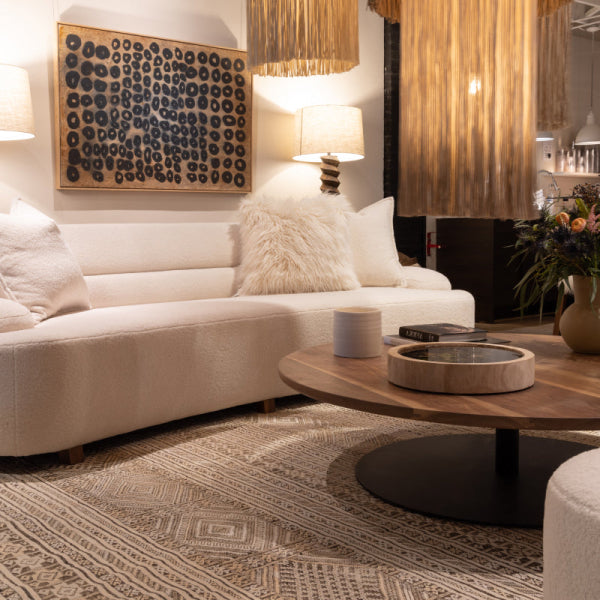
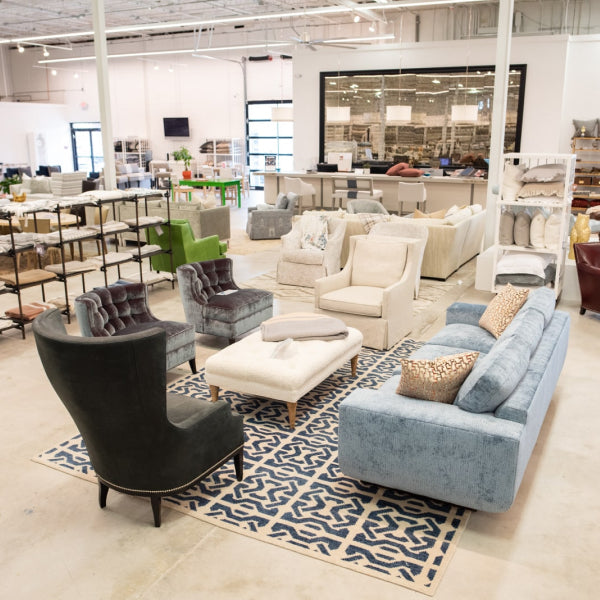
In an Atlanta showroom, that difference is obvious fast. Designers can hand-build the throw in the exact fabric, weight, and trim the room needs, then place it against the upholstery, the floor finish, and the light in the house. That is the standard worth paying for, because a good throw should fit the room the way good tailoring fits a jacket.
The four things that separate luxury from filler
The trade reads a throw by fiber provenance, construction, finished weight, and finishing details. Fiber provenance means what the yarn is, cashmere, wool, silk, alpaca, cotton, or a blend with a purpose. Construction tells you whether the blanket is woven, knit, or felted, which changes how it drapes and how it ages.
Finished weight is where the deception starts to end. A premium throw needs enough substance to hang cleanly, but not so much bulk that it clumsily dominates a sofa. The better examples in the market sit in the 470 g to 578 g range for hand-draped luxury textiles, which is a useful reminder that heft and elegance are not the same thing.
Practical rule: If a throw looks good only when fluffed and refolded every morning, it is not high end. A better textile holds its shape with less fuss.
Finish tells you more than branding
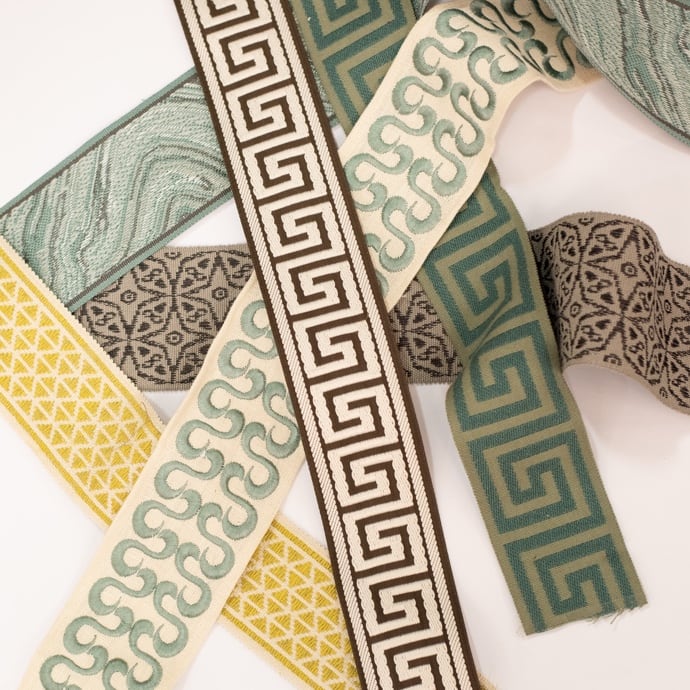
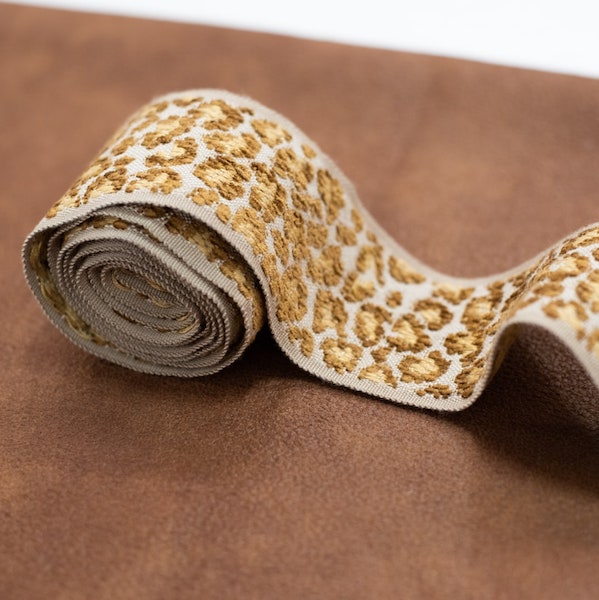
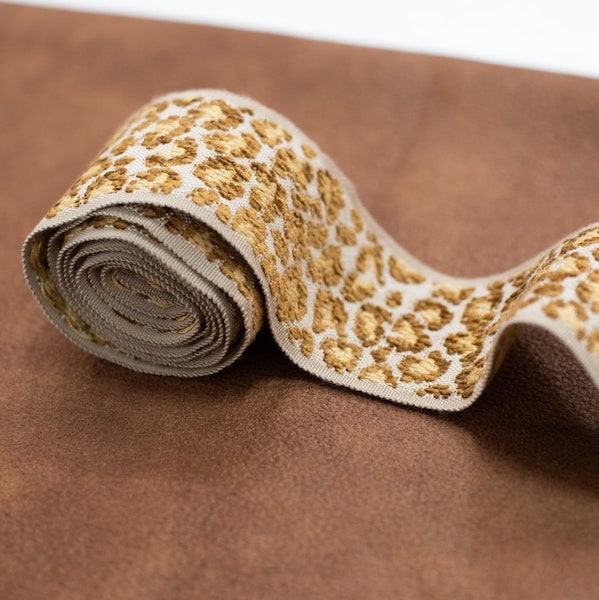
The last tell is finishing. Look for hand-tied fringe, mitered corners, or self-binding when the goal is polish and longevity. Those details do not just decorate the edge, they keep the throw from reading cheap after a season of use.
Material choice and use case diverge. The global throw blankets market is estimated at USD 4.32 billion in 2026 and is projected to reach USD 6.767 billion by 2035, with a 5.4% CAGR over that period, and the source says cotton holds 33% share, cotton-poly blends 21%, rayon 18%, crushed velvet 14%, and faux fur 10% (Business Research Insights). That mix tells you a lot, premium demand still leans toward natural-feel and decorative materials, not merely utility.
The same report says rising home-decor demand increased cotton throw blanket purchases by 34% and rayon variants by 22% globally. In plain English, people are buying throws as part of the room composition. That is the right instinct, but only if the textile still performs like a blanket.
The Trade Criteria That Define a Luxury Throw

A showroom designer reads a throw the way a tailor reads a jacket. First comes the fiber, then the construction, then the hand and drape, and finally the finish. If you skip those steps, you end up paying for a brand name and hoping the textile behaves.
Start with the fiber blend
Fiber is the whole game. A mass-market printed acrylic throw can look lively on a listing, but it usually can't compete with a mill-loomed cashmere blend when you want warmth without stiffness. The best premium throws lean on cashmere blends, merino wool, yak hair, or silk because those fibers give better warmth-to-weight performance and a softer hand than ordinary polyester throws.
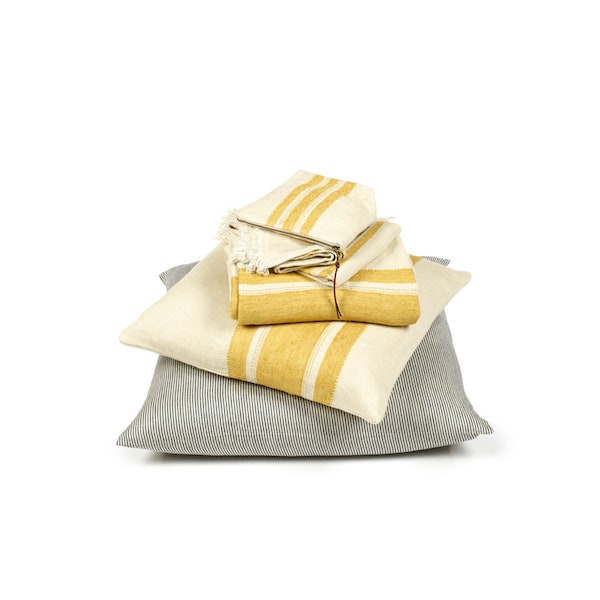
One luxury throw spec shows 50% cashmere / 50% wool, a 470 g finished weight, and NM26/2 yarn count, which tells you the yarn is fine enough to make a dense but drapable fabric. Another uses 100% pure mulberry silk with a 1.5D filament and 135 × 192 cm body size, which is a very different kind of luxury, lighter, smoother, and more formal in feel. Those details matter more than the marketing copy.
Read the construction like a designer
Construction method changes how the throw behaves over time. Woven throws tend to look more custom-fitted and stable, knit throws feel softer and more casual, and felted constructions can add body without a heavy visual footprint. A woven cashmere blend will usually read more architectural on a sofa than a loose knit, especially in a formal Atlanta living room.
Judge weight and finish together
Size matters too. A standard throw is about 50" × 60", while oversized throws are about 50" × 70", and oversized pieces are often the right call for bigger sectionals or deeper lounge seating (American Textile size chart). A blanket that is too light can look flimsy, while one that is too dense can feel awkward when you pull it over your lap.
Designer's standard: buy for drape first, warmth second, and decoration third. If the textile can't fall cleanly, it won't look expensive for long.
Finishing is the final test
A good hem, a clean fringe, or a tidy self-bound edge tells you the maker expected the throw to be handled, not just photographed. That's the difference between a quick décor purchase and an heirloom-minded textile.
Cashmere, Wool, Linen, Silk, and Cotton Compared
Here's the honest comparison. If you're buying for a real house in Georgia, the “best” fiber depends on how often the throw gets used, whether pets climb on it, and whether you want warmth, polish, or easy laundering.
| Fiber | Warmth-to-Weight | Hand and Drape | Care Burden | Best Room |
|---|---|---|---|---|
| Cashmere | Excellent | Very soft, fluid | High | Formal living room, primary bedroom |
| Merino wool | Very good | Smooth, resilient | Moderate | Family room, study |
| Alpaca | Excellent | Plush, slightly lofty | Moderate to high | Reading nook, guest room |
| Linen | Moderate | Crisp, relaxed | Moderate | Sunroom, layered living room |
| Silk | Good for light coverage | Sleek, elegant | High | Formal bedroom, low-traffic sitting area |
| Cotton | Moderate | Familiar, easygoing | Low to moderate | Family room, children's spaces |
Cashmere has the most obvious luxury hand. It feels refined right away, and it's the fiber I'd pick when the throw is meant to signal restraint rather than volume. The downside is simple, it asks for care, so it belongs in rooms where the blanket won't be dragged across the floor every day.
Merino wool is the sensible luxury choice. It gives you warmth, structure, and decent resilience without feeling scratchy when it's properly made. If you want a throw that behaves well on a sofa in a house with constant use, merino is one of the smartest bets.
Alpaca gives a softer, airier look than many shoppers expect. It often reads a little more textural and slightly loftier, which works well when the room needs warmth and visual depth. The tradeoff is maintenance, because a plush throw still deserves more respect than a washable cotton blanket.
Linen is for people who want a relaxed, architectural look. It won't deliver the same cozy loft as cashmere or wool, but it gives a room polish without fuss, especially when layered rather than used as the only throw. For more on cotton's role in practical luxury, see high quality cotton.
Silk is a special case. It brings elegance, sheen, and a very clean finish, but it's not the throw I'd hand to a family room that sees movie nights and snack spills. Use it when the visual payoff matters more than rough-and-tumble durability.
Cotton is the honest workhorse. It's the easiest to live with, the least intimidating to wash, and often the fiber that makes the most sense when a throw will be handled by kids or guests. That's the contrarian truth most luxury buyers need to hear, the most expensive fiber is not always the right fiber for daily life in a Georgia living room.
Reading Price Tiers Without Getting Fooled
A showroom price tag can mislead you fast. A throw can cost less because it is built with ordinary fiber and plain finishing, or cost more because it is made in a better mill, with tighter weave control and cleaner edges. Once you know how the trade prices textiles, the number stops feeling mysterious and starts telling you what you are getting.
What each tier usually buys
- Under $150: This tier usually means simpler fiber mixes, lighter construction, and basic finishing. It can work for a spare room or a low-stakes backup throw, but it rarely gives you the best drape, the deepest hand, or the most convincing edge finish.
- $150 to $400: Better cottons, more deliberate weaves, and cleaner finishing begin to show up here. A cotton matelassé can make sense in this range if you want texture without a fragile feel, and if the throw needs to survive regular use.
- $400 to $800: At this level, you start paying for better material quality, a more respected mill, and more careful labor. A well-made linen throw or a properly finished wool blend often belongs in this band.
- $800-plus: Here you are paying for fiber origin, exclusivity, provenance, and hand finishing as much as the blanket itself. A hand-finished cashmere blend can justify the price when the construction is honest and the room calls for that kind of refinement.
Analysts at IndexBox report that the U.S. luxury blanket market saw estimated 6% to 8% annual growth between 2020 and 2025, while volume rose more slowly at 4% to 5% per year. That points to a price-mix shift, not just more blankets moving through the channel. Buyers were spending more on better materials and design, and that is the pattern to watch if you are trying to read value instead of chasing a number on the tag.
The same source says cashmere and wool together account for roughly 55% to 60% of market value, with cashmere alone at 40% to 45%, and that direct-to-consumer brands captured over 30% of premium sales while finished luxury blanket imports exceed 60% of supply, with China, Italy, and India among the leading origins. That is why provenance matters. You are paying for fiber sourcing, processing, and finish quality, not just a name on the label.
Once you are above the $400 floor, I care less about the badge and more about whether the throw fits the room and the way it will be used. A beautiful textile that does not live well is still a mistake.
Styling High End Throws Room by Room

A throw should act like a finishing layer, not a competing star. In Atlanta, where the temperature and humidity shift enough to change how textiles feel, the right choice depends on where the blanket lives and how formal the room needs to stay.
Formal living room and family room
For a formal living room, choose cashmere or a fine cashmere-wool blend in a neutral tone. Put it over the arm or fold it with visible precision, because this room wants structure, not slouch. In a family room, I'd shift to merino wool or a durable cotton blend with a cleaner weave, because that room needs to survive constant handling without losing shape.
Primary bedroom and guest room
For the primary bedroom, silk or a refined linen throw works well if the bed already carries enough visual weight from the bedding. Fold it at the foot of the bed so it reads as a deliberate layer instead of a casual afterthought. In the guest room, I'd choose alpaca or a soft wool blend, because guests usually notice texture immediately, and they appreciate warmth that doesn't feel bulky.
Study, reading nook, and an Atlanta-friendly source
A study or reading nook can handle a more tactile piece, especially if the room leans bookish and quiet. Linen or merino wool gives the right balance of polish and utility, while fringe makes sense only if the rest of the room is restrained.
For homeowners who want the throw integrated with the rest of the room, the smartest move is often to build the textile around the furniture and the art. If you need a place to coordinate a throw with wall decor, shop wall art online can help you think in terms of color balance rather than isolated accessories.
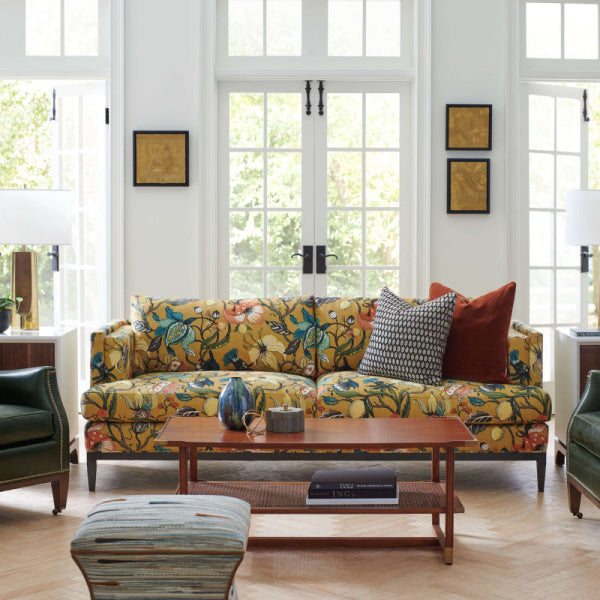
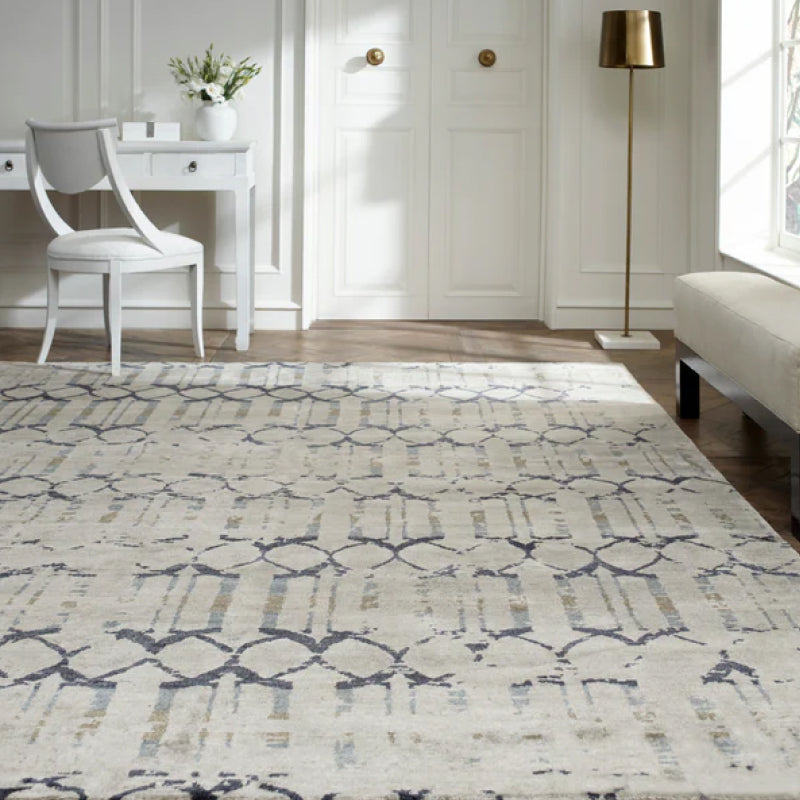
In a room with a patterned sofa or a strong rug, the throw should calm the scene, not start another argument.
That same logic applies to edge treatment. Fringe reads looser and more relaxed, selvage looks crisp and refined, and contrast binding makes a throw feel more formal. Pick the edge that matches the room's furniture, not the one that happens to look charming in a product photo.
Care and Longevity for Premium Throws
Care is where luxury either proves itself or turns into regret. A beautiful throw that you're afraid to touch is a bad purchase, no matter how nice the fiber felt in the showroom.
Read the care label as a lifestyle test
The reviewed luxury market splits cleanly between easy-care and protective-care textiles. Products often specify machine wash cold on gentle cycle, tumble dry low, or dry-cleaning recommended depending on the fiber and finish (Reviewed). That language is not decoration. It tells you how much maintenance the maker expects from you.
Pilling isn't always a defect. On softer natural fibers, some surface fuzz is part of normal wear, especially in the first stretch of use. What matters is whether the throw keeps its body and recovers after brushing, rather than collapsing into a worn-looking mat.
Build habits that extend life
Rotate throws the same way you rotate pillows. Don't leave one folded tightly in the same place for months, because compression will flatten the hand and weaken the visual loft. Airing the throw between uses helps it recover, and seasonal storage should be loose, clean, and dry rather than jammed into a tight bin.
If you own cashmere, get specific about handling. The care logic behind professional cashmere washing lines up with what good luxury care has always required, cool water, gentle motion, and zero rough treatment. The fiber is forgiving only when you respect it.
Linen deserves its own discipline too, and the note on linen care instructions is useful because linen stays attractive longer when you treat it as a textured textile, not a disposable cover. That's the difference between a throw that looks expensive for one season and one that settles into the room for years.
The better question isn't, “Can I wash it?” It's, “Will I keep up with the care it needs?” If the answer is no, buy the more durable textile and move on.
Why Custom and To the Trade Sourcing Beats Off the Shelf
A shelf-ready throw is fine if you need something quick and you are willing to accept whatever size, weight, and finish come with it. That works for a spare chair or a casual den. It falls short the moment the throw has to sit beside custom upholstered furniture, a premium sectional, or a finished designer living room that already has a point of view. The choice is not retail versus custom, it is generic versus specified.
What a showroom can control that a cart can't
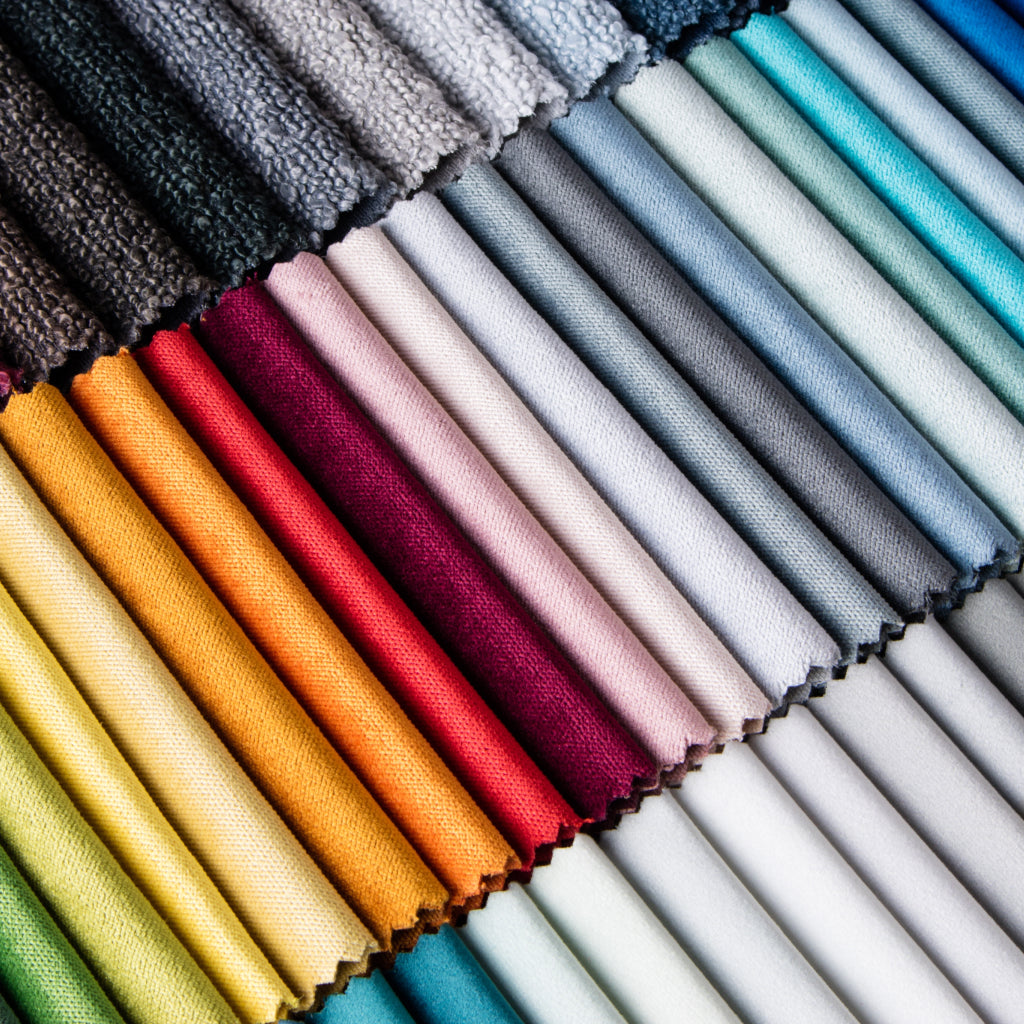
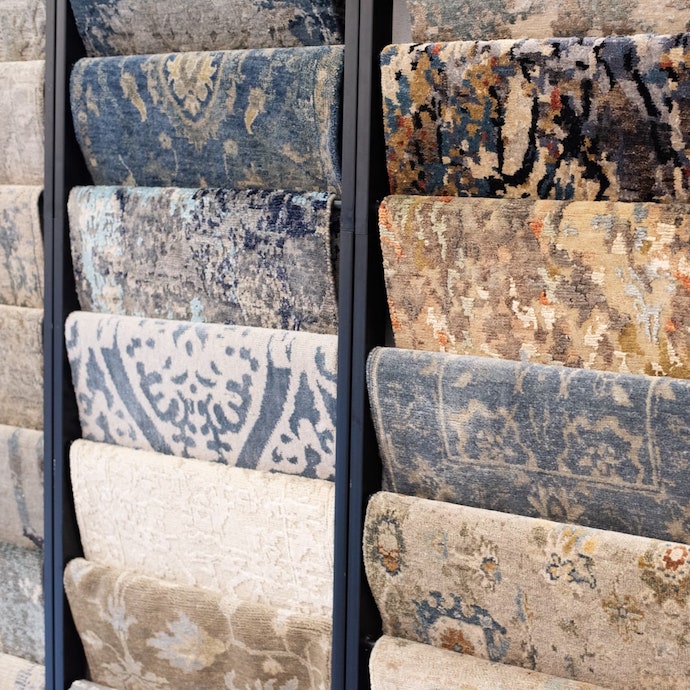
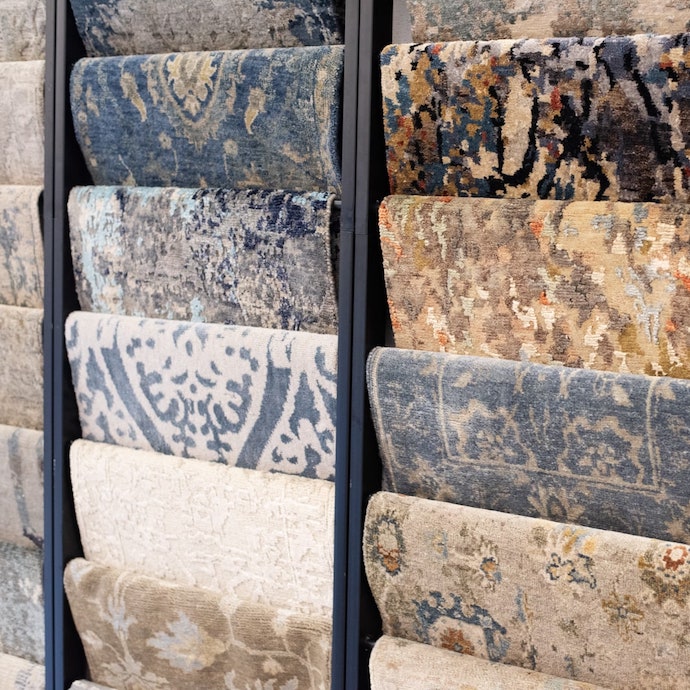
A designer working from a mill library can choose the fiber, weave, size, and trim as one decision set. That is how a throw stops acting like an accessory and starts functioning like part of the room. At Lewis and Sheron Textiles in Atlanta, the process can begin with fabrics such as Kravet, Fabricut, P. Kaufmann, Libeco Home, or Crypton, then move toward the finish the space needs.
The advantage is in the sequence. Choose the textile family, decide how much body the room needs, then specify the edge, whether that is hand-tied fringe or self-binding. A complimentary in-house designer can help translate the room, the sofa, and the color palette into a throw that belongs there instead of one that just gets draped there.
Why custom often wins
A finished online throw can be perfectly decent, but it is already locked into one size, one edge, one weight, and one visual attitude. Custom gives you alignment. If your sofa is deep, your color story is controlled, or your room calls for a specific level of formality, a bespoke throw solves the problem cleanly.
That matters because premium throws are judged by material quality and source as much as by utility. There is no reason to settle for a generic piece when the rest of the room is already specific.
If the sofa was custom, the throw should usually be custom too.
The point is not excess. It is fit, longevity, and coherence. A tailor-made textile earns its place because it answers the room you live in.

Your Short List Before You Buy or Commission

Before you buy, answer four questions. Which room is the throw living in, which fiber fits the way that room is used, which care burden you'll tolerate, and whether you should buy finished or commission a custom piece. If you can't answer those in plain language, you're not ready to spend.
For a quick comparison wall of options, the throws collection at Lewis and Sheron Textiles is a practical place to start looking at finishes and fabric direction. Use it as a filter, not a shortcut.
The most expensive throw isn't automatically the right one. The right throw is the one that suits the room, handles the climate, and survives the way your household lives. Bring room photos, sofa dimensions, and any fabric swatches you already own, then decide in person instead of guessing in a cart.
Lewis and Sheron Textiles can help you choose a throw as a textile, not just an accessory, with access to premium fabrics, custom finishes, and in-house design support in Atlanta. If you're weighing high end throw blankets for a living room, bedroom, or custom furniture project, visit Lewis and Sheron Textiles and bring your room photos so the right fabric, weight, and edge treatment can be matched to the space.