












A lot of Sandy Springs homeowners reach the same point. The architecture is right. The address is right. The house has the ceiling height, the light, the lot, and the finishes people associate with luxury. But once you live in it, something feels unresolved.
The rooms may look expensive without feeling personal. The sofa may be large without being properly scaled. The drapery may be decorative without solving for sun, privacy, and proportion. That gap is where Sandy Springs High-End Home Design either becomes distinctive or falls into the familiar trap of generic luxury.
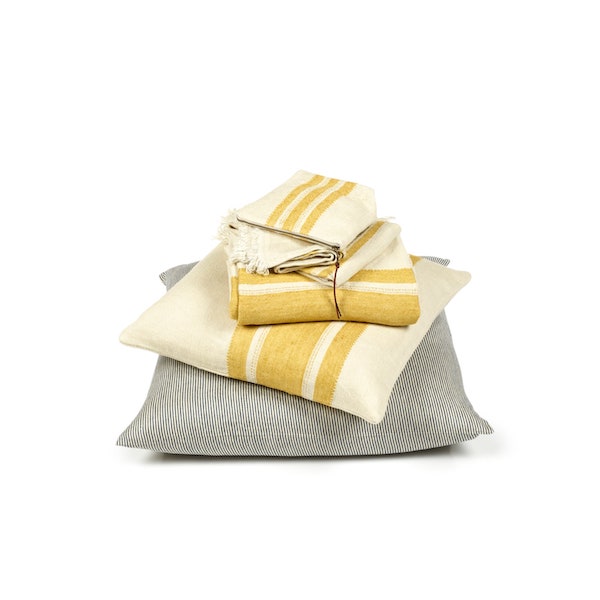
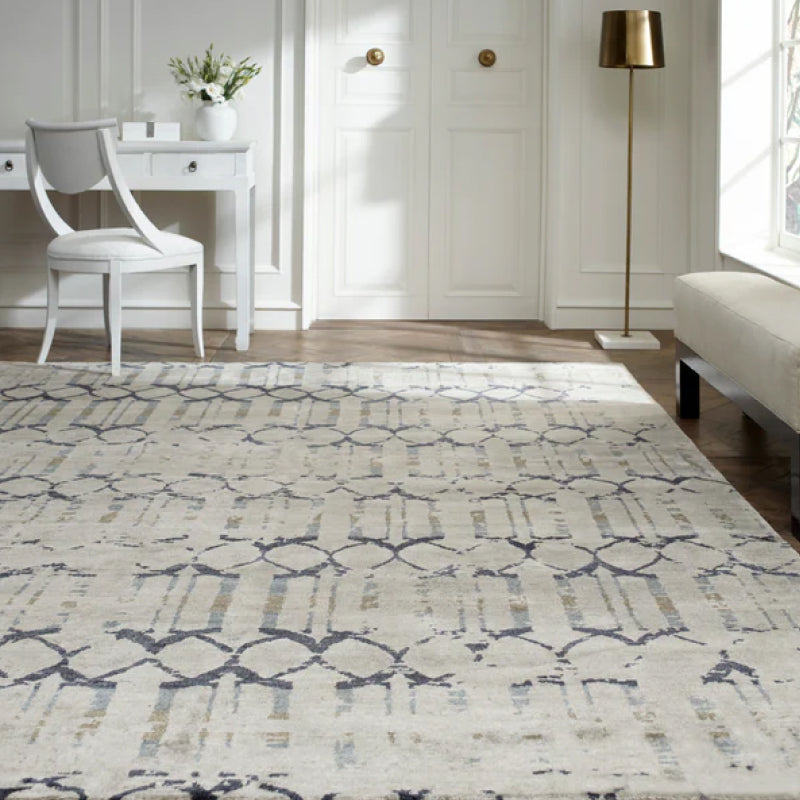
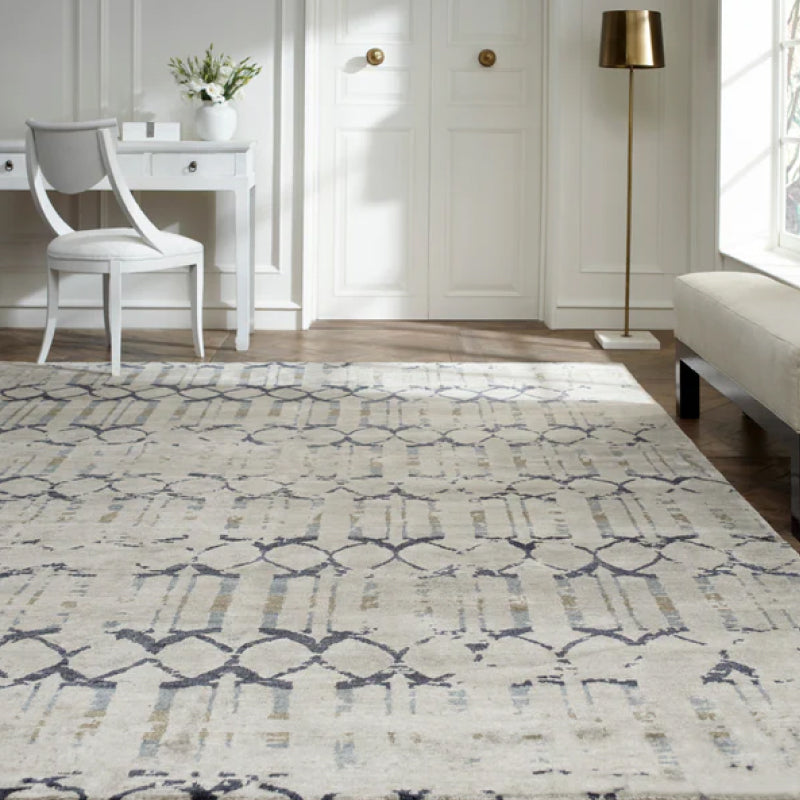
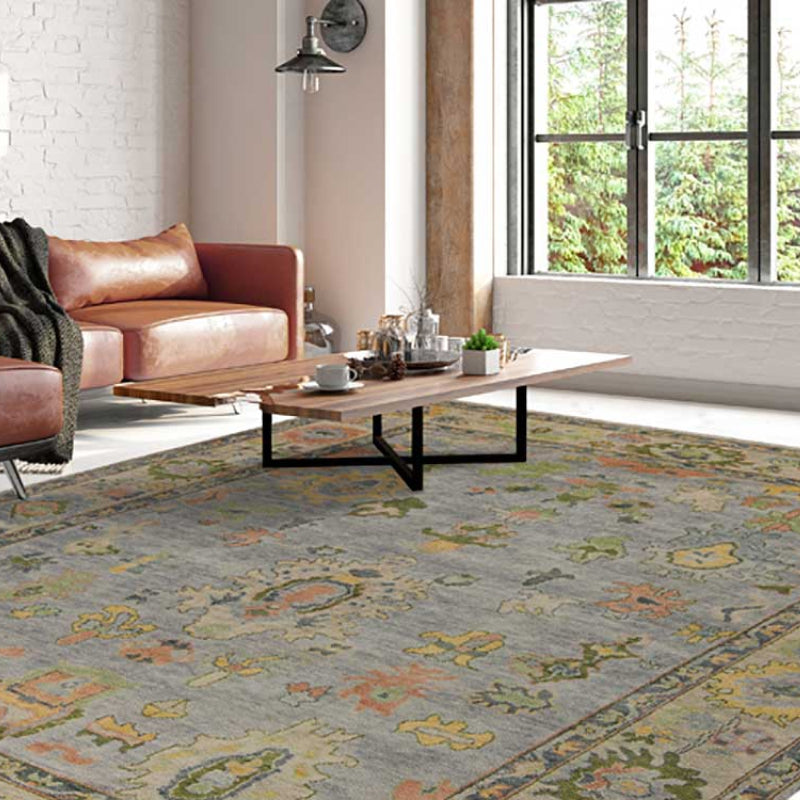
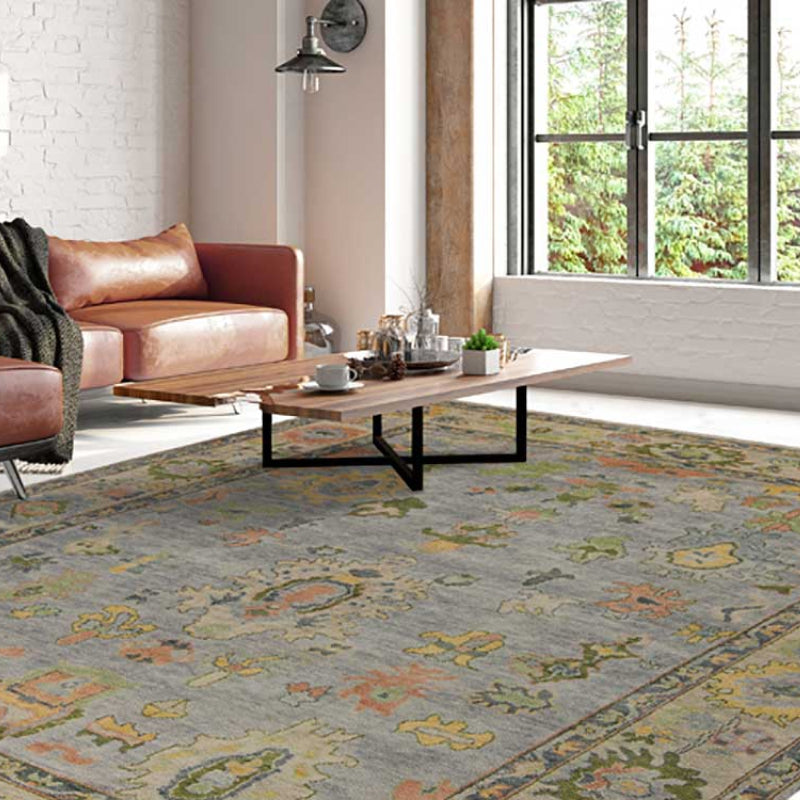
The homes that hold their value emotionally, not just financially, are the ones where architecture and furnishings are planned together. In this market, textiles, custom upholstery, rugs, and bespoke furnishings aren’t accessories. They’re the layer that gives a house its character, comfort, and permanence.
What Defines High-End Home Design in Sandy Springs
A common Sandy Springs scenario looks like this: a family buys a beautiful home with mature trees, strong bones, and rooms full of natural light. The renovation work is polished. The kitchen is updated. The exterior has presence. Yet the interiors still feel like a staging package that never left.
That’s why high-end design in this area has less to do with buying the most expensive pieces and more to do with creating a home that feels specific to the people living there. In Sandy Springs, that standard matters because the housing itself already sets a high bar. As of February 2026, the median sale price reached $680K, and the luxury segment stretches from $1.0M to $1.4M+ near the Chattahoochee River, while neighborhoods like High Point feature homes from $800K to $1.8M according to the Sandy Springs housing assessment reference.

Luxury starts when the interior matches the house
A premium property can absorb beautiful furniture. It won’t automatically create a memorable interior. The difference comes from decisions like these:
- Scale that respects architecture. A room with height and long sightlines needs furniture with enough presence to hold the space.
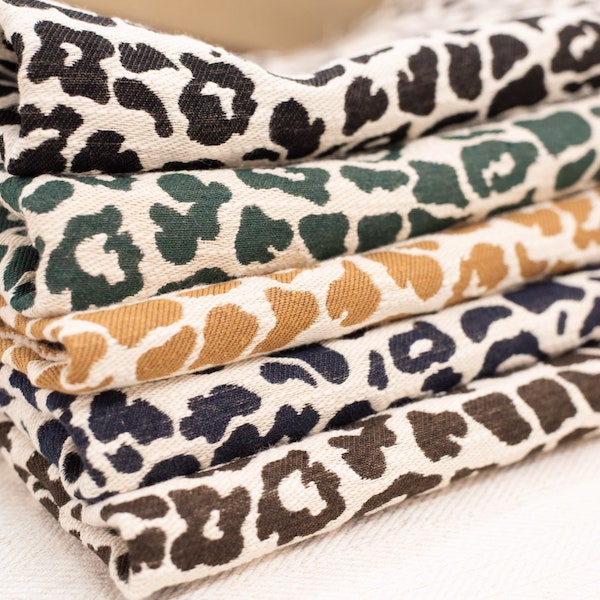
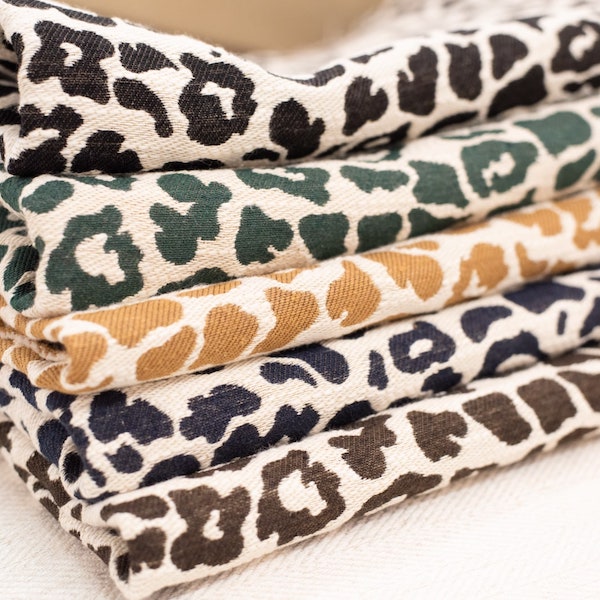
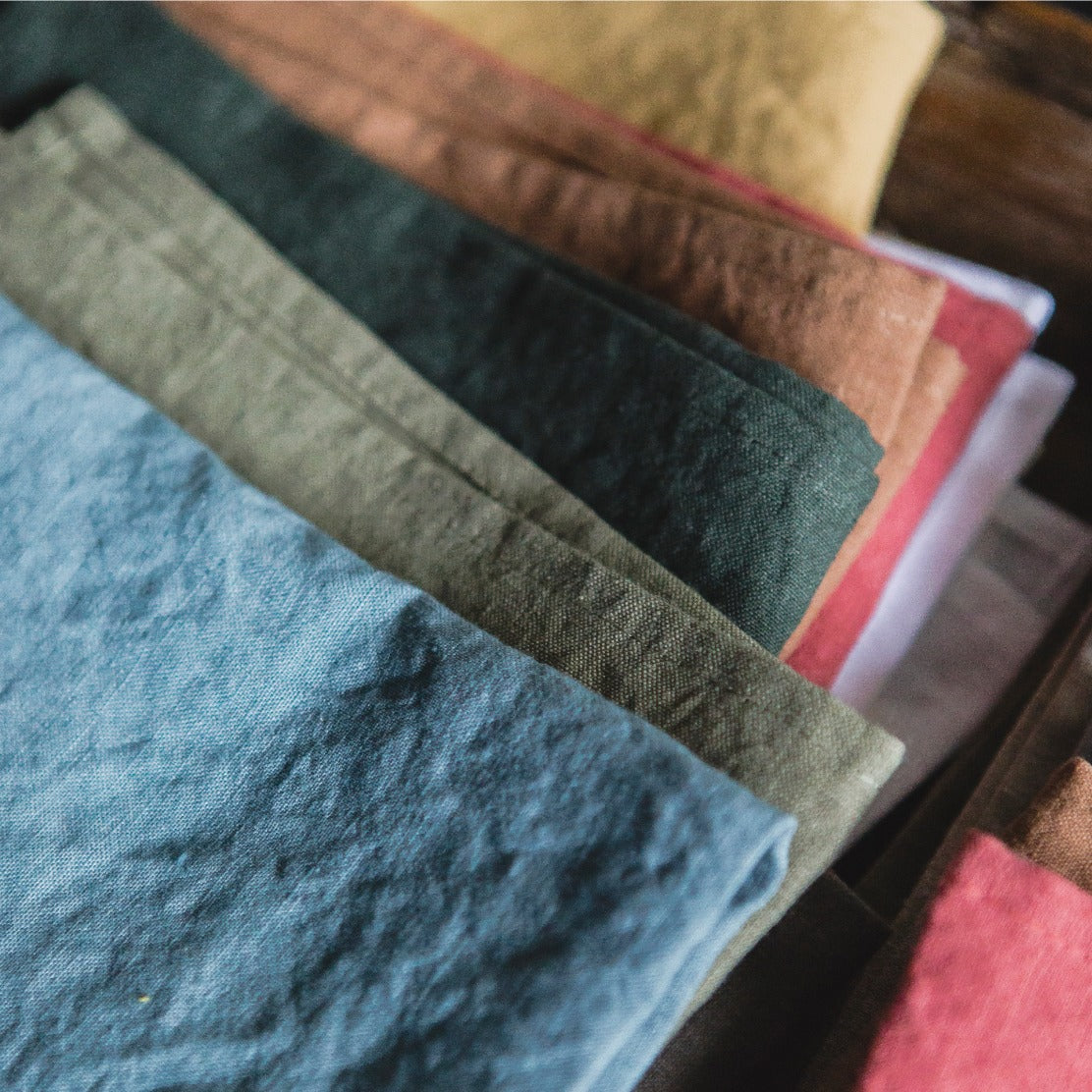
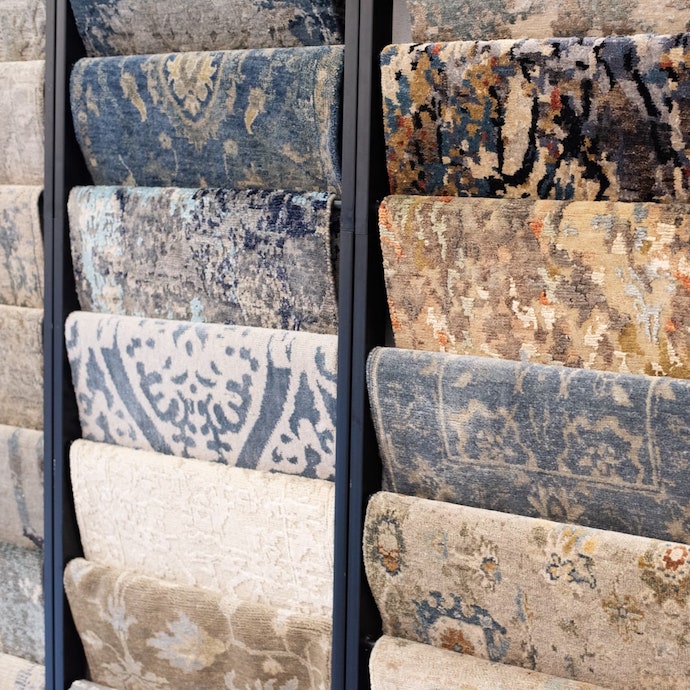
- Materials with depth. Belgian linen, hand-knotted rugs, custom-made upholstery, and custom drapery age differently than quick-turn retail pieces.
- Personal references. An heirloom chair recovered in the right textile often adds more soul than another new accent chair bought off a showroom floor.
High-end design isn't a pile of luxury goods. It's a house where every visible and tactile layer feels intentional.
The goal is legacy, not display
Clients in Buckhead, Sandy Springs, Alpharetta, and Roswell often arrive with inspiration images full of pristine rooms. Those images are useful, but they can also flatten decision-making. A real home has to support guests, children, pets, glare, acoustics, and daily wear.
That’s why the most successful interiors feel composed rather than decorated. If you’re in the early planning stage, it also helps to review broader building-side thinking, especially if your project includes renovation or new construction. Some homeowners find resources for Naples luxury home construction useful because they frame the relationship between architecture, craftsmanship, and long-term planning in a way that applies beyond one market.
In Sandy Springs, luxury is not about proving budget. It’s about building identity into the rooms so the home still feels right years from now.
Discerning Quality Custom vs Mass-Produced Furniture
“Designer furniture” gets used loosely. In practice, it should mean a piece is built well, proportioned well, and finished well enough to justify keeping it for a long time. A luxury sofa that looks impressive on day one but sags, twists, or wears unevenly isn’t high-end. It’s just expensive.
The first thing to evaluate is the inside of the piece. Upholstery quality begins with the frame, suspension, cushion construction, and tailoring. Those elements determine how the furniture sits, ages, and recovers after use.
What to inspect before you buy
When I evaluate a custom sofa, premium sectional, or set of custom chairs, I pay attention to the parts most buyers never see in the showroom.
- Frame construction. Kiln-dried hardwood frames generally hold shape better over time than lighter engineered alternatives.
- Suspension system. An eight-way hand-tied system and a well-executed spring setup feel different from simpler support systems, especially after regular use.
- Tailoring. The cleaner the lines, the more obvious every flaw becomes. Pattern drift, loose crowns, and uneven welting all show up quickly.
- Cushion discipline. Seat depth, fill, and wrap matter as much as silhouette. A beautiful profile means little if the seat collapses.
Investment-Grade Custom Furniture vs. Mass-Market Luxury
| Attribute | Custom Heirloom-Quality Furniture | Mass-Market Luxury Furniture |
|---|---|---|
| Frame | Typically kiln-dried hardwood with stronger long-term stability | Often mixed materials or lighter construction |
| Suspension | Built for performance and longevity, often with more labor-intensive methods | Usually simplified for faster production |
| Tailoring | Made to order with closer attention to seams, skirt lines, and pattern placement | Standardized tailoring with less customization |
| Sizing | Adjusted for room scale, seat depth, arm height, and client preference | Fixed dimensions intended for broad appeal |
| Fabric selection | Large range of textile options, including performance and natural fibers | Limited in-house coverings or preset programs |
| Repairability | More practical to reupholster or refresh later | Often replaced rather than rebuilt |
| Design result | Feels specific to the room and architecture | Can read as generic, even at a higher price point |
Practical rule: If the maker can't explain the frame, suspension, cushion fill, and tailoring standards, the piece probably isn't investment-grade.
Where custom earns its value
Mass-market luxury furniture can work in a short-term setting, a secondary residence, or a room where speed matters more than individuality. It usually fails in a principal living room, library, or family room where the piece has to carry daily use and visual responsibility.
Custom upholstered furniture does more than improve quality. It lets you solve actual design problems. You can correct seat depth for taller family members, raise a back for a larger room, change the arm profile to suit a tighter plan, or specify a fabric that works with pets and sunlight. That level of control is why custom pieces anchor elegant interiors so well.
For a more detailed breakdown of buying considerations, this guide on custom upholstery versus retail furniture is useful if you're comparing long-term value rather than just ticket price.
What usually doesn't work
Three mistakes show up often in large Atlanta-area homes:
- Buying by brand name alone. A recognizable label doesn't guarantee superior construction.
- Choosing for the showroom vignette. Furniture that looked balanced in a styled display may be underscaled in your room.
- Treating upholstery as disposable. In a strong home, the main seating should be selected with the expectation that it can be maintained, refreshed, or recovered later.
That’s the essential difference. Custom furniture is built to participate in the life of the house. Mass-produced furniture is often built to complete a purchase.
Planning Your Luxury Project for Sandy Springs Homes
In Sandy Springs, planning mistakes get expensive fast because the homes themselves ask more of every furnishing decision. High-end custom homes in this market typically span 4,500 to 9,000+ square feet with valuations from $1.5 million to $6 million, which means scale, yardage, and finish level have to align with the house from the start, as noted in this Sandy Springs custom home design reference.

A standard furniture plan that might work in a smaller home often breaks apart here. The sectional looks undersized. The rug floats awkwardly. The drapery doesn’t carry enough weight for the window height. The result is a house that feels unfinished, even after substantial spending.
Start with architectural scale
Before selecting fabrics or silhouettes, map the rooms by function and proportion.
- Identify the anchor rooms. Usually that means the primary living area, dining room, primary suite, and one secondary gathering space.
- Measure for real use. Don’t only note wall dimensions. Track traffic paths, sightlines, door swings, and where people sit.
- Choose the visual center. In one room it may be a fireplace. In another, a wall of windows or a floating stair.
- Build around the architecture. Furniture should support the room’s strongest element, not compete with it.
Plan textiles early, not last
Large homes need more fabric than many clients expect. Extra-long drapery, layered bedding, custom pillows, statement upholstery, and coordinated secondary rooms can quickly turn into a major specification exercise.
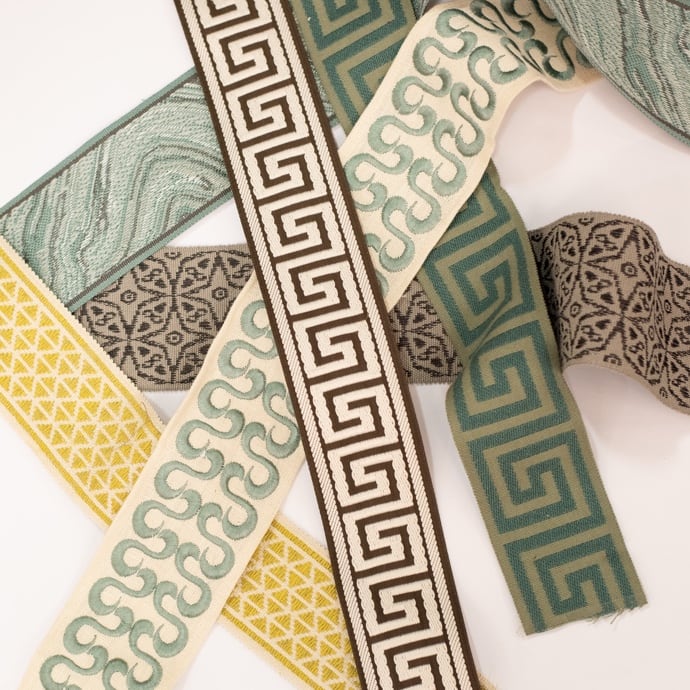
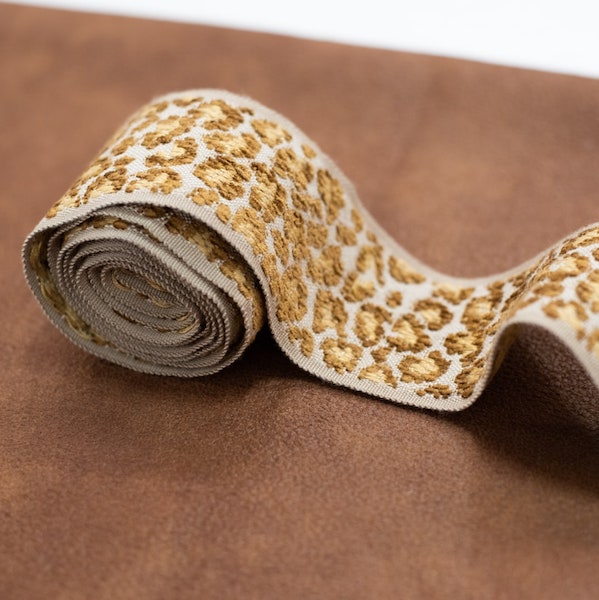
That doesn’t mean every room should match. It means the textile plan should feel related. A house of this scale benefits from controlled variation. Linen in one room, performance woven upholstery in another, a hand-knotted rug underfoot, and trim used sparingly can create continuity without repetition.
The larger the house, the more disciplined the textile palette needs to be. Variety helps. Randomness doesn't.
Four planning decisions that shape the result
-
Room hierarchy
Decide where investment matters most. Public rooms and daily-use seating usually deserve custom solutions first. -
Furniture proportion
Premium sectionals and high-quality couches should be sized for the room, not for shipping convenience. In a grand room, too-small seating can make even expensive interiors feel tentative. -
Light management
Tall windows and open plans require drapery or shades that control glare while preserving the architecture. This is a technical decision as much as a decorative one. -
Lifestyle integration
If the home includes a media room, game space, or dedicated theater, plan those furnishings with the same care as the formal rooms. Homeowners exploring creating an immersive home cinema often discover that acoustics, sightlines, and seating comfort need to be coordinated from the beginning, not added after construction.
Where budgets usually drift
Most luxury projects don’t go sideways because a client chose one expensive statement piece. They drift because the supporting elements were underestimated. Custom drapery, lining, hardware, rug scale, secondary upholstery, and finishing details all matter.
The disciplined approach is to create a sequence. Anchor the major rooms first. Finalize the core upholstery. Resolve the window treatments. Then layer in occasional pieces, rugs, and decorative textiles. That order keeps the project coherent and prevents impulsive buying that doesn't suit the house.
Choosing Premium Fabrics and Materials for Lasting Luxury
In a high-end home, fabric choice changes more than color. It changes how a room sits, how it wears, how it handles light, and whether it still feels good after daily use. Consequently, many otherwise strong projects weaken. People invest heavily in architecture and then treat textiles like a final styling pass.
That shortcut shows immediately. Flat fabrics on the wrong frame can make a custom chair look ordinary. The wrong weave in a sunny room can age poorly. A delicate upholstery selected for a family room may look elegant for a short period and frustrating after that.
Read the room before you read the swatch
The right material depends on how the room lives.
- Formal spaces often support more texture, nuance, and sensitivity.
- Family spaces need durability without looking utilitarian.
- Sun-filled rooms need fibers and constructions that can handle exposure with grace.
- Indoor-outdoor transitions need performance characteristics that don't break the visual language of the house.
That is why sustainable luxury deserves a practical conversation, not a marketing one. Guidance in Sandy Springs remains limited, even though homeowners interested in green architecture often want equally refined textile options. The gap is noted in this discussion of sustainable architecture in Sandy Springs, particularly around integrating premium, eco-conscious materials into luxury homes.

What different premium materials do well
Natural fibers
Natural fibers bring depth and tactility that synthetic-heavy rooms often lack.
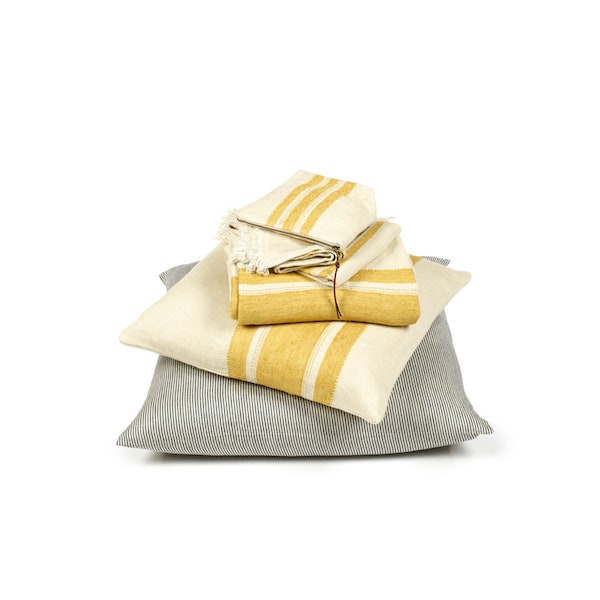
- Belgian linen offers a relaxed but refined hand. It works beautifully in drapery, bedding, and some upholstery applications where a softer expression is appropriate.
- Wool performs well in rugs and many upholstery constructions because it carries resilience and warmth.
- Silk brings sheen and refinement, but it needs thoughtful placement.
Natural fibers often improve a room because they don’t look overprocessed. They let texture do the work.
Performance fabrics
Performance fabrics belong in luxury interiors when they are chosen for appearance first and technology second.
- Crypton-finished fabrics can be a smart answer for family rooms, breakfast banquettes, and other spaces where use is constant.
- Solution-dyed options are often the better move near strong sunlight or in outdoor-adjacent areas.
- Protected weaves help when clients want pale upholstery without creating a maintenance headache.
The mistake is assuming performance has to look casual. The stronger lines now are refined enough for high-end use if the texture and color are selected carefully.
A performance fabric should solve a problem quietly. If it looks obviously utilitarian, it usually isn't the right choice for a luxury interior.
Statement materials
Some materials are less about practicality and more about distinction.
Leather develops character with use. Suede changes the mood of a room through softness and visual depth. Alpaca adds warmth in a way that feels unmistakably special. These materials are often best used selectively, where their character can be appreciated and maintained.
A practical selection method
Use this sequence when choosing fabrics and finishes:
-
Function first
Ask who uses the room, how often, and with what level of wear. -
Light second
Window exposure changes what fabric can do well over time. -
Texture third
The best luxury rooms often rely on tonal variation and material contrast more than loud pattern. -
Maintenance fourth
Don’t specify a precious fabric in a room that needs resilience.
For homeowners and designers comparing mills, this roundup of best upholstery fabric brands is a helpful starting point because it frames quality in terms of use, finish, and feel.
What works and what doesn’t
What works is layered contrast. Linen against leather. A hand-knotted rug under a precisely fitted sofa. Performance upholstery balanced by softer drapery. What doesn’t work is making every material “safe” until the house loses all texture, or making every piece “special” until the rooms start arguing with each other.
Lasting luxury comes from edited richness. The room should feel better the longer you sit in it.
Sourcing Bespoke Sofas Chairs and Statement Furniture in Atlanta
When clients ask where to buy premium furniture in Atlanta, they’re usually asking two questions at once. First, where can they find high-end furniture that doesn’t feel mass selected? Second, where can they make confident decisions without sorting through endless lookalikes?
The answer is rarely a standard furniture store alone. If you want a room with character, you need access to made-to-order upholstery, skilled guidance on scale and textile selection, and the option to rework existing pieces when they deserve to stay.

What bespoke sourcing actually means
Bespoke furniture sourcing isn’t just selecting a fabric on a sofa frame. It usually involves several design decisions that retail environments tend to flatten:
- Frame selection based on room style and comfort preference
- Arm and back profiles that fit the architecture
- Seat depth and cushion construction fitted to the way the client sits
- Fabric application chosen for both appearance and use
- Finishing details such as skirt style, welting, leg finish, or swivel function
This matters in cities like Atlanta, Buckhead, Sandy Springs, and Alpharetta because many homes need furniture with enough presence to hold generous rooms without becoming bulky.
The case for American-crafted upholstery
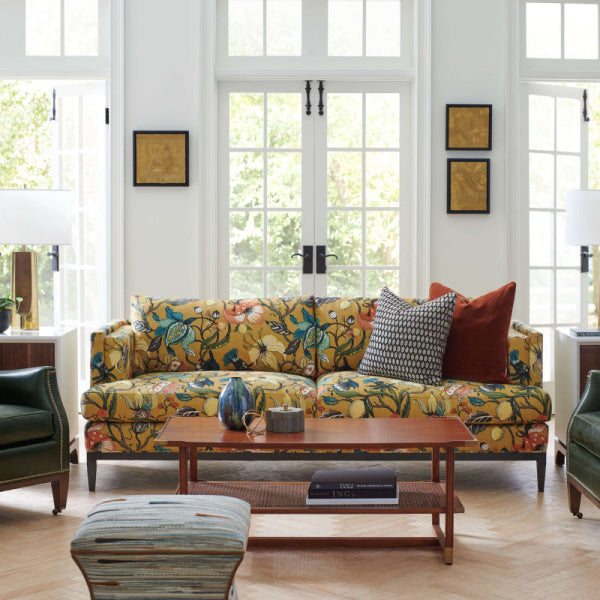
For luxury sofas, custom chairs, premium sectionals, and other statement furniture pieces, American-crafted upholstery remains compelling because it allows meaningful control. Makers such as Verellen, Wesley Hall, and LEE Industries are relevant in this conversation because the product isn’t locked into one generic specification.
That flexibility is why custom upholstered furniture tends to outperform “designer-looking” retail in serious residential projects. You can solve for comfort, line, and longevity at the same time.
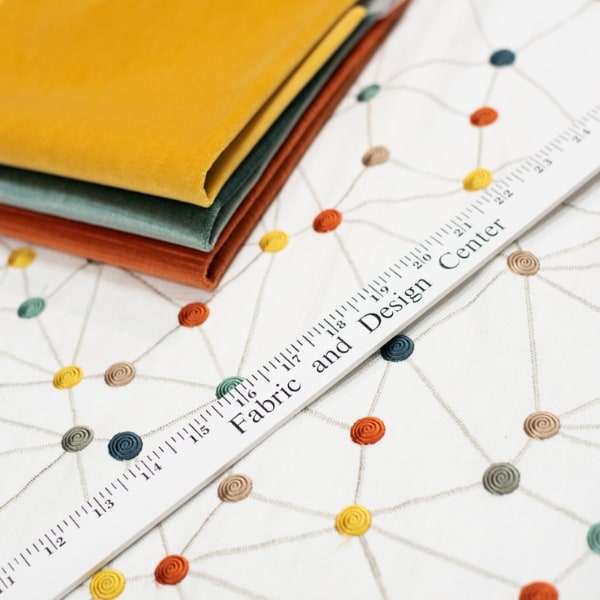
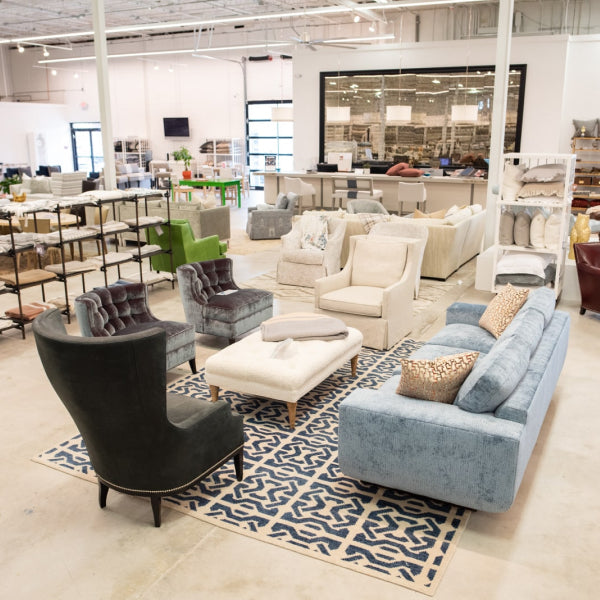
One Atlanta resource for that process is Lewis and Sheron Textiles, which offers made-to-order upholstery, custom drapery, reupholstery, and access to a large textile library with in-house design support. In practical terms, that gives homeowners and trade professionals a place to compare options across fabric, furniture, and finishing rather than shopping each category in isolation.
Don’t overlook reupholstery
A lot of affluent homes already contain at least one piece worth saving. It may be a pair of club chairs with excellent bones, a bench from a previous home, or a family piece with proportions you can’t find now.
Reupholstery works best when the frame is strong and the silhouette is worth preserving. It often fails when people try to rescue a poorly built piece just because it’s there. The goal is not sentimental preservation at any cost. The goal is selective retention of pieces with structure and character.
The most sophisticated rooms often mix newly made furniture with one or two restored pieces. That's how interiors avoid feeling showroom-flat.
How to shop with better criteria
If you’re sourcing designer furniture near me or custom furniture Atlanta options, use these filters:
-
Ask about customization
If dimensions, cushion options, and finish details are fixed, the piece may not solve your room. -
Check textile access
A narrow fabric program limits the quality of the final result. -
Look for service depth
The seller should be able to discuss drapery, upholstery, rugs, and scale together. -
Evaluate uniqueness
Statement furniture should feel chosen, not merely expensive.
For buyers comparing makers and methods, this guide to custom sofa manufacturers helps clarify what separates a true custom source from a retailer with limited modifications.
A Sandy Springs Interior Design Case Study
A representative Sandy Springs project often starts with a house that has everything except identity. In one typical scenario, the home is recently renovated, the ceilings are tall, the windows are expansive, and the finishes are polished. Yet the main living room feels cold. The seating is too small for the architecture, the drapery is thin, and the room has no tactile center.
That problem is common because most online discussions of luxury homes focus on the shell. They don’t spend much time on how textiles and furnishings turn a property into a distinctive home. That gap is reflected in this look at high-end Sandy Springs interiors and architecture, where the broader conversation around coordinated fabrics, bespoke upholstery, and drapery remains underdeveloped.
The before condition
The homeowners had invested in beautiful construction work, but the main room still read as generic luxury. The existing sofa sat too low and too short. A pair of accent chairs looked disconnected from the architecture. The rug didn’t anchor the seating group, and the windows felt visually unfinished.
Three issues stood out:
- The scale was timid
- The materials lacked depth
- Nothing related strongly enough to anything else
The design response
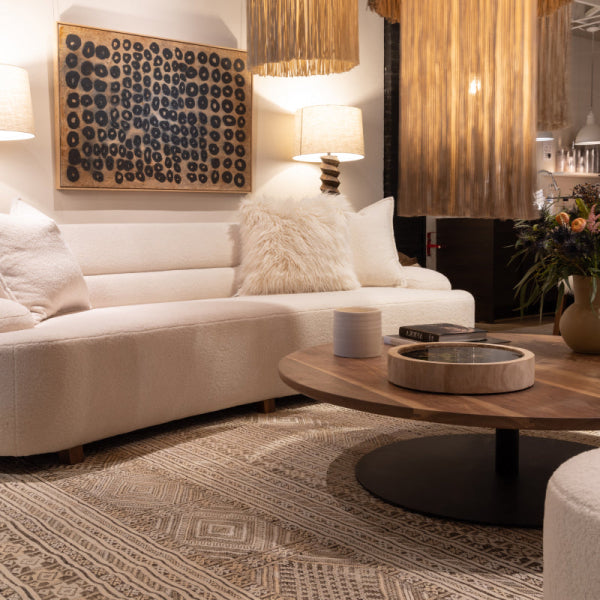
The room needed one strong move first. That was a custom sectional with cleaner lines, better seat depth, and enough length to hold the room. Not oversized for the sake of drama. Properly proportioned for the architecture.
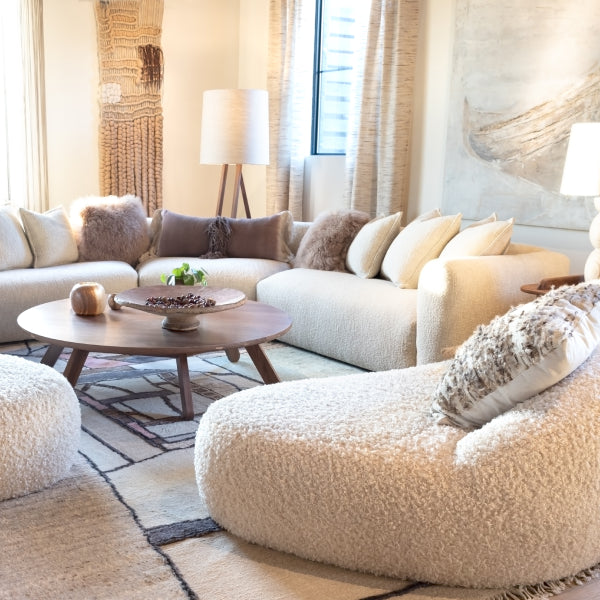
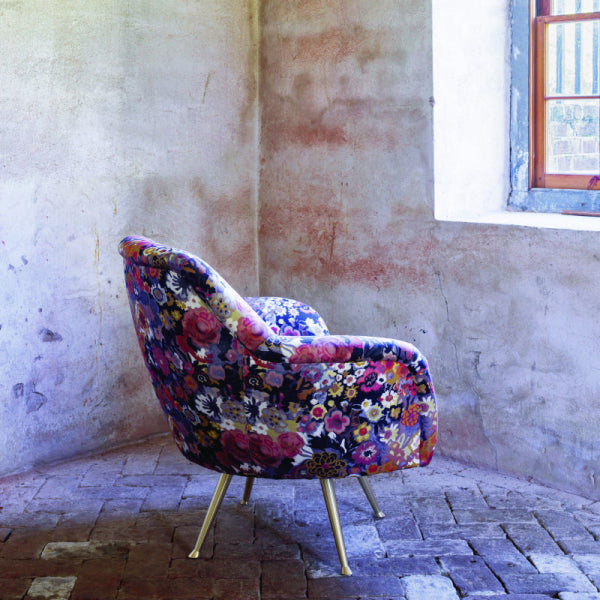
From there, the palette shifted toward layered neutrals with more texture. A hand-knotted rug grounded the seating area. The drapery gained body and presence. The accent chairs stayed, but they were reupholstered in a textile with more distinction and quieter sophistication.
A room stops feeling generic when the upholstery, rug, and drapery start speaking the same language.
Why the layering worked
The sectional established comfort and scale. The reupholstered chairs brought history and variation. The rug connected the seating pieces so they felt composed as a group rather than scattered. The drapery corrected the window proportions and softened the acoustics.
The room didn’t need more furniture. It needed better relationships between the elements already there.
The after condition
Once finished, the space felt warmer, quieter, and much more intentional. The architecture still had prominence, but now the interior matched it. Guests noticed the atmosphere before they noticed any individual item, which is usually the sign that the room is working.
That’s the true value of a bespoke approach in Sandy Springs. Not maximalism. Not showing off every upgrade. Just making sure the tactile layers of the house finally carry the same level of thought as the walls, windows, and millwork.
Your Next Steps Toward an Enduringly Beautiful Home
By the time a home reaches a certain level in Sandy Springs, furnishings are no longer a finishing touch. They become part of the architecture’s success. Homes here often include 10 to 12 foot ceilings, large-scale openings, and strong modern features, which create technical demands for drapery and upholstery that ordinary retail pieces don’t solve well, as described in this overview of modern Sandy Springs residential design.
If your house has height, light, and generous volume, your interiors need to answer with proportion, tailoring, and material quality. Otherwise the rooms will always feel slightly underresolved.
If you're a homeowner
Start by narrowing the project to the rooms that shape daily life and first impressions.
-
Prioritize anchor spaces
Focus on the primary living room, family room, dining space, and primary bedroom before spreading the budget thin across the whole house. -
Bring measurements and photos
Ceiling height, window placement, and circulation paths matter more than many buyers expect. -
Decide what stays
One worthy heirloom or older chair can be more valuable than another new filler piece. -
Think in layers
Upholstery, drapery, rugs, and bedding should be considered together, especially in larger homes.
If you're a designer or decorator
The work moves faster when sourcing is centralized and the client can compare upholstery, fabrics, drapery, and rugs in one decision-making environment.
-
Build a stronger specification package
Clients make better choices when they can see material relationships in person. -
Use custom where it matters most
Main seating, statement chairs, and large window treatments often carry the room. -
Reserve off-the-floor buying for selective needs
Quick additions are useful, but they shouldn’t drive the design language of the project.
A simple standard to use
Ask one question in every room: does this feel customized to the house and the people living in it?
If the answer is no, the fix usually isn’t more decoration. It’s better scale, better material selection, and more disciplined integration. That’s the difference between a house that looks finished and one that feels complete.
For homeowners and trade professionals ready to translate architecture into a layered, lasting interior, Lewis and Sheron Textiles offers access to premium fabrics, custom furnishings, reupholstery, drapery, rugs, and design support in Atlanta. It’s a practical next step if you want to compare materials in person, evaluate bespoke furniture options, or build a room around heirloom-quality pieces rather than settle for another cookie-cutter solution.