



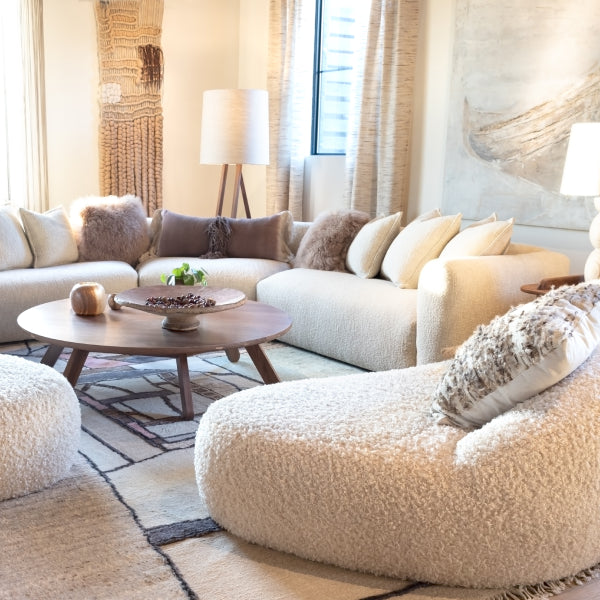
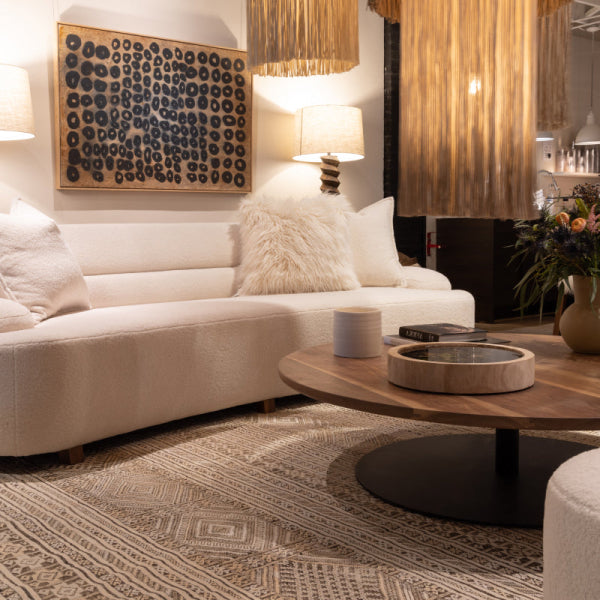
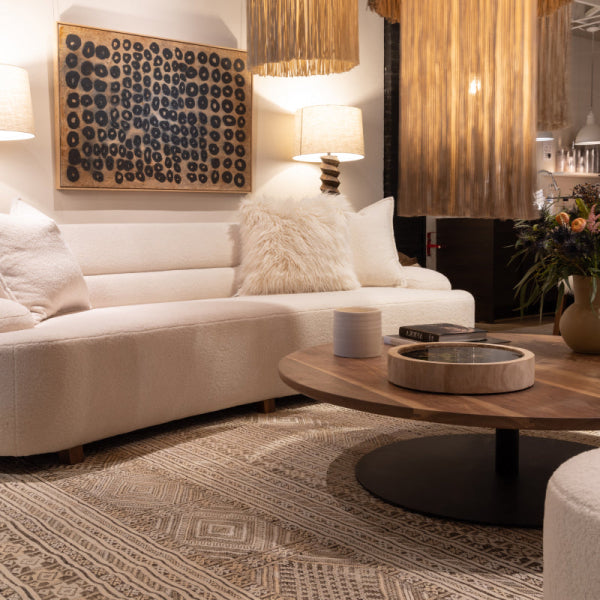
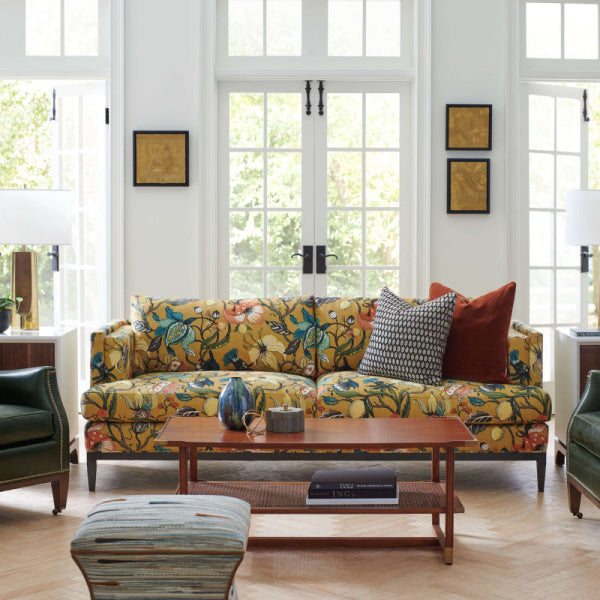
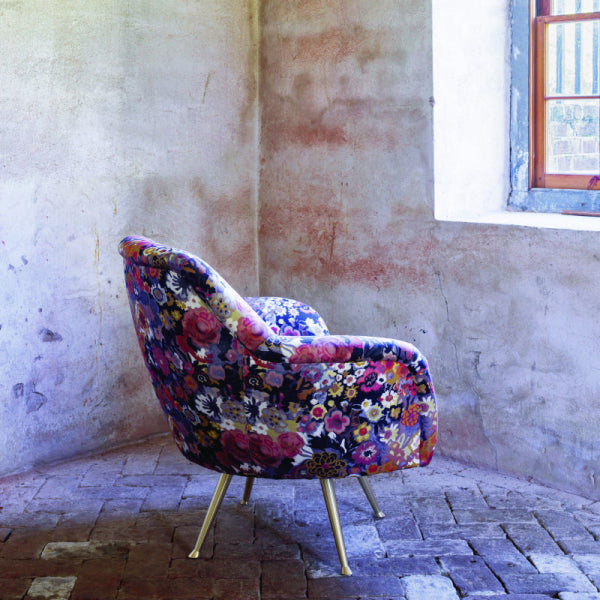












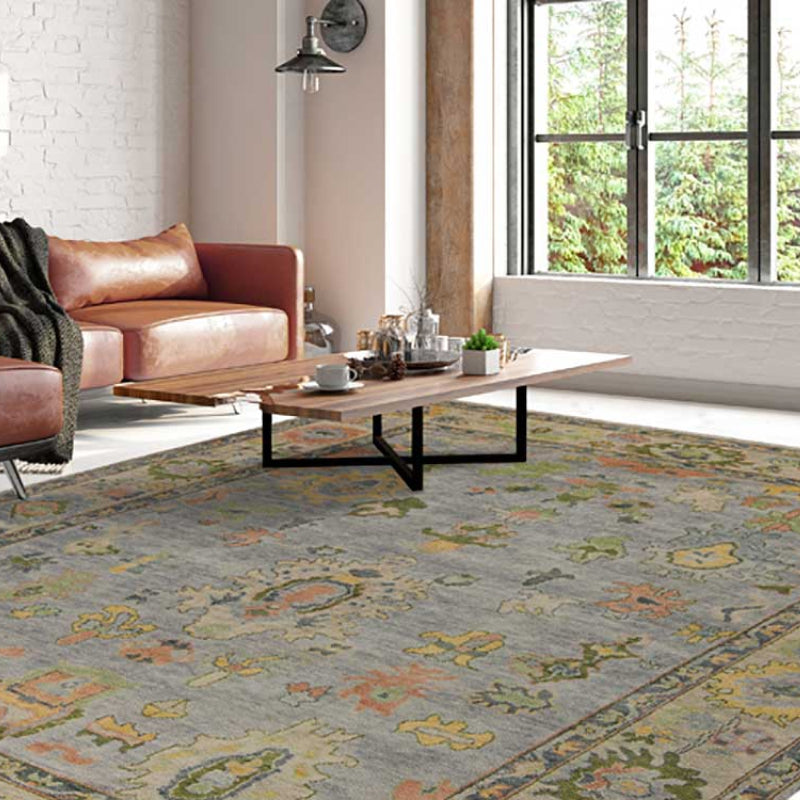
You're probably standing in a beautiful Milton living room right now, looking at a sofa that no longer belongs there. The architecture is right. The rug may be right. The lighting may even be right. But the sofa feels generic, too shallow, too bulky, too casual, or tired. In a home with strong bones, that problem is impossible to ignore.
That's because the sofa isn't background furniture. It sets the room's posture. It tells your guests whether the house leans structured or relaxed, collected or convenient. In Milton, Alpharetta, Buckhead, and the rest of North Atlanta, homeowners aren't just shopping for seating. They're choosing the piece that anchors family life, entertaining, and the visual identity of the room.
The Search for the Perfect Sofa in Milton
A common mistake is treating a sofa like a quick retail purchase. It isn't. In a high-value home, a sofa should be approached more like a commissioned piece. You're not filling space. You're defining how the room lives for years.
That matters because sofas sit at the center of residential life. The global sofa market was valued at USD 236.39 billion in 2025, with residential demand accounting for 78.7% of revenue, and North America holding 31.7% of the market, according to Grand View Research's sofa market analysis. Those figures confirm what designers already know. People live on their sofas.

Why Milton buyers need a different standard
Milton homes often have one of two challenges. Either the rooms are spacious and need furniture with enough presence to hold them, or the architecture is refined enough that an overbuilt sectional can make the entire interior feel clumsy. Buckhead has a similar issue in older homes with more formal room definitions. The answer in both cases is the same. Buy with proportion, construction, and longevity in mind.
Affluent homeowners usually know when something is expensive. They're less often shown how to tell whether it's worth being expensive. That's the gap.
A forever sofa should look better because it was chosen well, not because it was oversized or trend-driven.
If you're narrowing options in the North Atlanta market, start with a resource on custom fabric and furniture in Milton, GA. It's useful for understanding how custom upholstery fits homes that need more than an off-the-rack answer.
What the right search looks like
The best search for high-end sofas for Milton residents usually starts with three questions:
- How will the room be used? Daily family room use needs different cushion resilience and fabric performance than a formal sitting room.
- What architectural language is the house speaking? A Belgian-inspired slipcovered sofa and a tightly upholstered tuxedo frame create completely different moods.
- Is this piece meant to be replaced, refreshed, or reupholstered later? That single question changes what frame quality you should accept.
A luxury sofa should earn its place. If it can't support the room physically, visually, and practically, move on.
What Defines Heirloom-Quality Upholstered Furniture
Luxury gets abused as a furniture word. It's printed on product tags that have no business using it. A true high-end sofa has to justify itself under the upholstery, not just in the silhouette.
The single most important technical difference is frame-and-joint construction. Premium seating should use kiln-dried hardwood frames, corner blocking, and reinforced joints because that reduces racking and supports long-term service, including reupholstery, as noted in this guidance on premium sofa frame construction.

Start with the frame
Think of the frame as the chassis of a fine car. If the structure is weak, everything sitting on top of it is compromised. Fabric won't save it. Cushion upgrades won't save it. Styling definitely won't save it.
What you want:
- Kiln-dried hardwood so the frame is more stable and less prone to movement over time.
- Corner-blocked construction because corners take stress.
- Reinforced joints that resist the loosening and creaking you hear in lower-grade seating after a short period of everyday use.
What to avoid is equally clear. Lightweight engineered wood in a heavily used family room is a poor long-term bet, especially if you expect the sofa to age gracefully.
Then evaluate the suspension and cushions
The choice determines if comfort will be lasting or temporary. Many buyers sit on a sofa for two minutes in a showroom and think they've learned enough. They haven't. Initial softness and lasting support aren't the same thing.
An heirloom-quality sofa usually pairs a serious frame with a suspension system that distributes weight evenly and cushions that recover their shape well. You'll also want to ask how the seat will feel after long conversations, movie nights, and daily use, not just at first sit.
Practical rule: If a sofa feels impressive for five minutes but gives you no confidence about year five, it isn't luxury. It's staging.
Upholstery quality shows in the details
Tailoring matters. Look at the welting, skirt alignment, pattern matching, seam consistency, and how the fabric wraps arms and rails. Cheap upholstery looks acceptable from across the room. Designer-quality upholstery looks correct from two feet away.
A few details worth checking in person:
-
Seat cushion consistency
One cushion shouldn't sit noticeably higher or softer than the next. -
Arm firmness
The arms should feel substantial, not hollow or thinly padded. -
Back pitch and seat depth
These determine whether the sofa supports conversation, lounging, or both. -
Fabric tension
Slack fabric often telegraphs mediocre upholstery work.
Reupholstery potential separates disposable from lasting
One of the clearest marks of heirloom-quality furniture is whether it deserves a second life. A well-built sofa can be reupholstered when your room changes or when a fabric has done its job. That's not nostalgia. It's intelligent buying.
If you're shopping for custom upholstered furniture or designer furniture near Atlanta, ask a simple question before anything else: “Is this frame worth recovering in the future?” A good maker will have a clear answer.
Measuring for a Statement Piece in Your Atlanta Home
Most expensive sofa mistakes are measurement mistakes. Not taste mistakes. Not brand mistakes. Measurement mistakes.
That's especially true in Milton, Buckhead, Roswell, and Sandy Springs homes where scale can be deceptive. Large rooms tempt people into oversizing. More formal rooms tempt them into under-scaling. Neither works.
One respected interior design source notes that a typical three-seat sofa is around 84 inches long, with a 22 to 24 inch seat depth, and that going larger doesn't make a sofa more luxurious if it reduces comfort or crowds the room, as discussed in this article on sofa sizing and proportion.
Measure the room, then measure the movement
Start with the footprint of the room. Then stop thinking like a shopper and start thinking like a planner.
You need these measurements before you look seriously at luxury sofas or premium sectionals:
- Overall wall length where the sofa may sit
- Distance to coffee table or likely coffee table placement
- Walkways and circulation paths around the seating group
- Doorways, stair halls, and turns between the exterior door and final room
- Window and fireplace relationships so the sofa doesn't fight key architecture
If you're planning a sectional, this guide on how to measure for a custom sectional is a practical place to begin.
Proportion matters more than sheer size
Milton homeowners often assume a grand room demands the longest possible sofa. I disagree. A large room needs a sofa with presence, but presence can come from arm shape, back height, base detail, and fabric choice, not just length.
Use this quick framework:
| Area to judge | What to look for |
|---|---|
| Visual weight | Thick arms and deep seats read heavier than slim-track designs |
| Daily comfort | Deep lounge seating suits casual use, not every conversation area |
| Circulation | If people have to sidestep around the sofa, it's too big |
| Room balance | The sofa should relate to chairs, rug, and table scale |
Match the sofa to the architecture
A newer Milton home with open sightlines can usually handle a longer silhouette, but that doesn't mean it wants a giant overstuffed profile. An older Buckhead room with millwork and fireplaces often benefits from a more fitting frame that respects the architecture instead of swallowing it.
The most elegant rooms don't feel full. They feel resolved.
For clients deciding between a large off-the-floor piece and a made-to-measure sofa, I usually ask what matters more: dramatic sprawl or graceful fit. Graceful fit wins almost every time.
A fast test before you buy
Tape the footprint on the floor. Sit in nearby chairs and look at it from the entry. Walk around it with a laundry basket in your hands. That's closer to real life than staring at dimensions on a tag.
If the outline already feels bossy, the sofa will too.
Choosing Your Path Custom Creation or Showroom Floor
This is a significant fork in the road. Do you commission a sofa, or do you buy one that already exists?
Neither option is automatically superior. The wrong fit happens when buyers choose custom because it sounds elevated, or choose off-the-floor because they're impatient. The right choice depends on whether your priority is exactness or speed.

When custom is the smarter move
Custom is the right path when the room has specific demands. Maybe the seat depth needs to be adjusted for how you sit. Maybe the arm height needs to work with paneled walls or a view line. Maybe you need a performance velvet in a very particular tone that won't flatten the room.
Custom also makes sense when you care about these details:
- Exact dimensions for a difficult floor plan or a room with strong architectural constraints
- Fabric specificity because the room needs a distinct texture, pattern, or performance level
- Cushion feel that aligns with how you lounge, host, or sit upright
- One-of-a-kind presence so the sofa doesn't look like everyone else's Atlanta purchase
For shoppers weighing makers and build options, this overview of custom sofa manufacturers helps frame what custom means in practice.
When off-the-floor is the better decision
Sometimes the answer is simple. You find a beautifully made sofa, you sit in it, it fits the room, and you need it soon. Buy it.
Off-the-floor is often best for clients who are decisive, have a flexible room palette, and want the certainty of seeing the exact silhouette before committing. It also removes some of the ambiguity that comes with fabric memos and lead times.
A showroom sofa is smart when you love the piece itself, not when you're settling because it's available.
Comparison of custom upholstery vs off-the-floor sofas
| Factor | Custom Sofa | Off-the-Floor Sofa |
|---|---|---|
| Fit | Made to suit your room and proportions | Limited to existing dimensions |
| Fabric selection | Broad choice of textiles and finishes | Restricted to what is stocked |
| Comfort tuning | Cushion firmness and depth may be tailored | Comfort is fixed as built |
| Speed | Requires patience | Faster path to installation |
| Uniqueness | Higher design individuality | More immediate but less specific |
My opinion on the trade-off
If you're furnishing a primary living room in Milton or Buckhead, custom usually delivers the better long-term result. That's where scale, comfort, and character matter too much to compromise.
If you're furnishing a secondary sitting room, terrace-level media space, or a guest area, a strong off-the-floor option can be completely appropriate. The mistake is pretending those are the same assignment. They're not.
A high-quality couch should answer the room it lives in. If the room is distinctive, the sofa should be too.
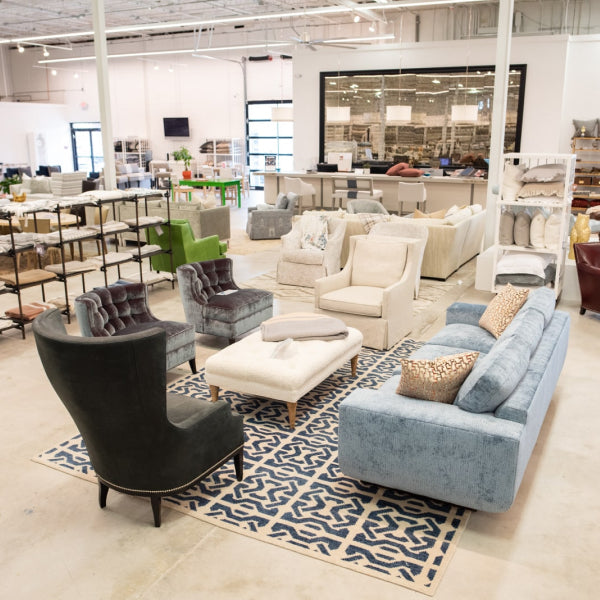
Exploring Premier Sofa Brands at Lewis and Sheron
Brand names matter less than construction and fit, but they do tell you something useful. They reveal a maker's point of view. And when you're choosing among designer furniture lines, point of view matters because style isn't generic. It's authored.
Some clients want an organic, collected room with texture and softness. Others want crisp lines, disciplined tailoring, and a sofa that feels architectural. Different makers answer those needs differently.

Five names worth knowing
Here's how I'd think about the featured upholstery names shown above.
Hickory Chair
This is for buyers who appreciate classic composition and serious customization. Hickory Chair tends to appeal to homeowners who want refined forms that can move between traditional and transitional interiors without looking anonymous.
LEE Industries
LEE Industries often resonates with clients who want relaxed comfort but still are discerning about tailoring. The line is well suited to family rooms, softer modern interiors, and homes where comfort isn't allowed to become sloppiness.
Taylor King
Taylor King speaks to buyers who want a more polished expression. Think precise lines, strong profiles, and a sense of permanence that works well in formal living rooms and elegant gathering spaces.
Stanford Furniture
Stanford Furniture fits homes that lean classic American. It's a useful brand language for rooms that want warmth, familiarity, and substantial upholstery without sacrificing visual order.
Wesley Hall
Wesley Hall is a strong fit for clients who love tradition but don't want stiffness. The line often works beautifully in North Atlanta homes where established architecture asks for upholstered furniture with poise.
Matching brand personality to your room
Don't shop brands as status symbols. Shop them as design dialects.
- For organic modern interiors choose makers whose silhouettes feel relaxed and textural.
- For classic Buckhead rooms look for disciplined arms, elegant bases, and upholstery with clear tailoring.
- For family-friendly luxury prioritize brands that can balance comfort with recoverable shapes and practical fabric options.
A well-curated showroom will also include lines such as Verellen and Ambella, each with its own visual language. That's why brand shopping should happen alongside room planning, not before it. The room decides what the brand needs to do.
The right sofa brand is the one whose design vocabulary already sounds like your house.
Your Design Journey From Consultation to Installation
Buying a premium sofa shouldn't feel chaotic. It should feel edited.
The process is straightforward when you work in the right order. First, define the room. Then define the sofa. Then define the textile and details that make it yours. Problems usually happen when buyers reverse that sequence and fall in love with a fabric or shape before confirming scale and use.
What a productive consultation should cover
A good consultation isn't a sales performance. It's a filter. You should leave with fewer options, not more confusion.
Expect to address questions like these:
- How is the room used every week? A formal room and a den don't need the same upholstery strategy.
- What's the desired sitting posture? Upright conversation, laid-back lounging, or a mix.
- Which materials already exist in the room? Rugs, drapery, wall color, wood tone, and light all affect fabric choice.
- What level of maintenance is realistic? Households with children, pets, or frequent entertaining need honest answers here.
This is also where a resource like stress-free furniture removal in Sydney can be surprisingly helpful as a reference point for thinking through logistics, pickup, and delivery coordination if you're replacing an existing piece and want the transition handled cleanly.
Fabric selection is where personality shows up
This is the part clients enjoy most, and the part they should take seriously. Fabric changes everything. A familiar sofa shape in linen, velvet, textured weave, or performance fabric becomes four very different pieces.
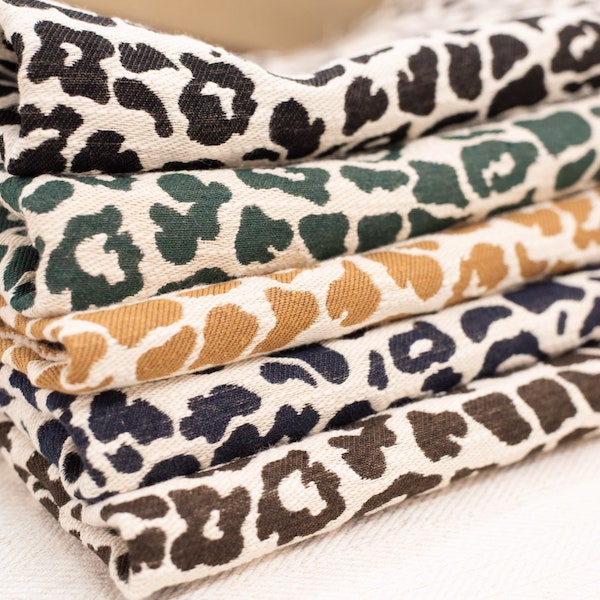
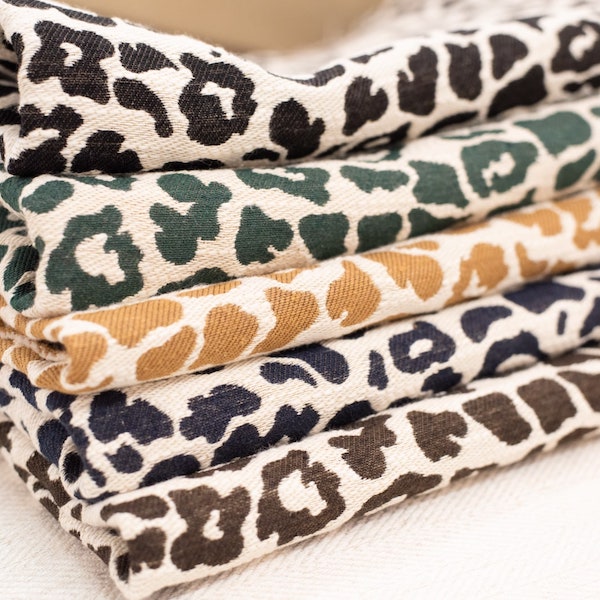
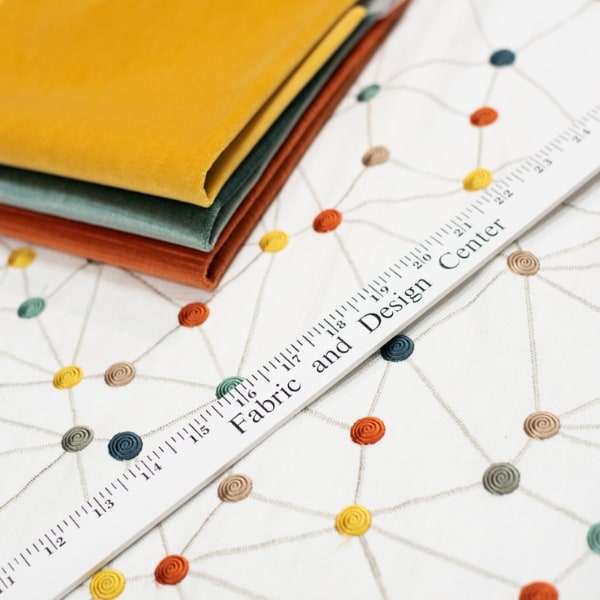
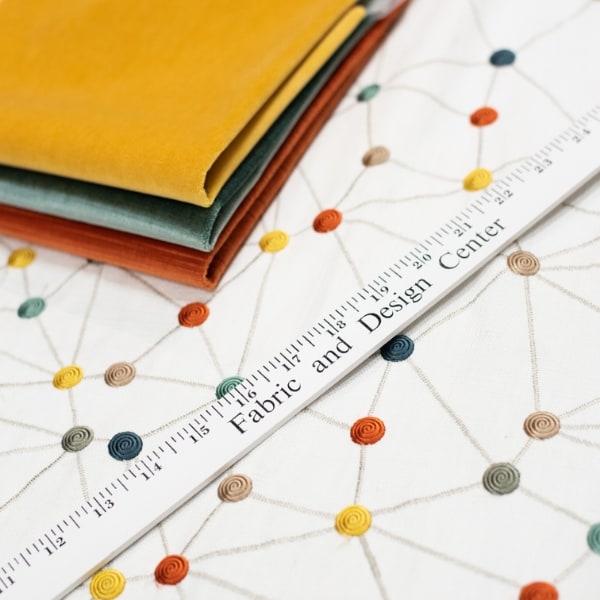
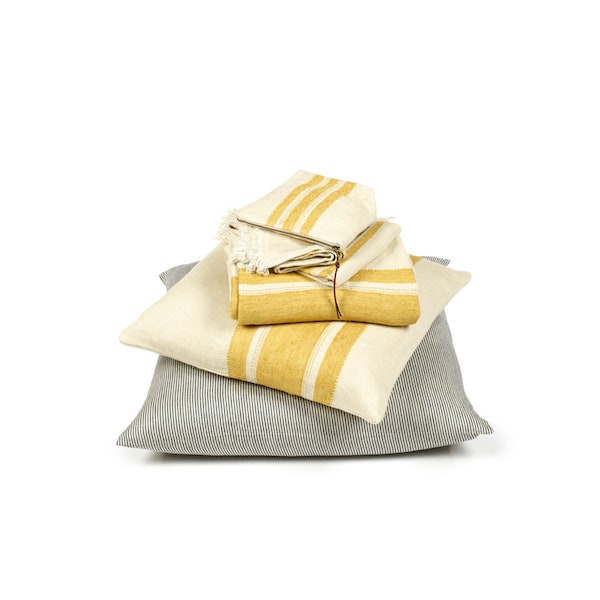
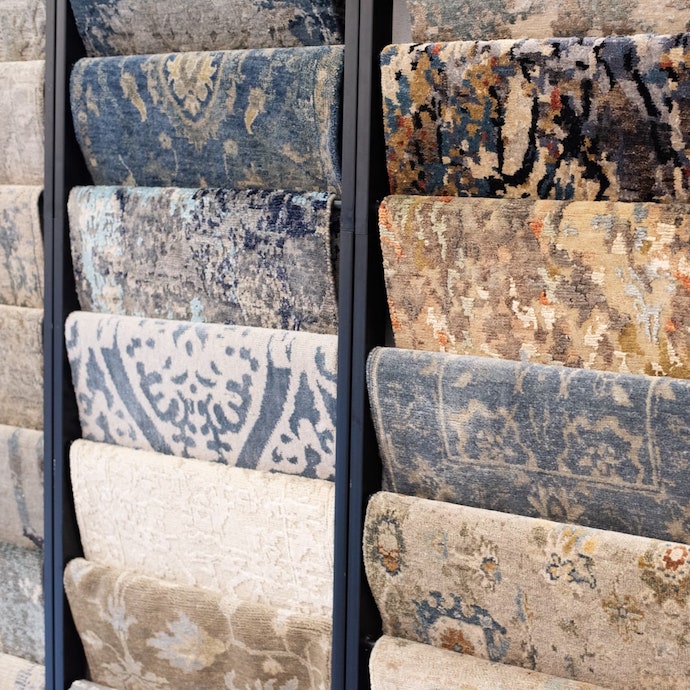
One practical option in Atlanta is Lewis and Sheron Textiles, which offers custom furnishings, reupholstery, and access to a broad range of home fabrics from mills such as Kravet, Fabricut, Libeco Home, P. Kaufmann, and Crypton. That matters when you need to compare hand, durability, color, and finish in one place instead of guessing online.
Installation should feel effortless
White-glove delivery matters more than people think. A fine sofa can be damaged by rushed handling, bad placement, or a delivery team that treats it like basic freight.
Ask for clarity on these points before the piece arrives:
- Room-of-choice placement
- Protection of floors, walls, and stair rails
- Packaging removal
- Final positioning with rugs and tables in mind
The buying experience should end with the room feeling finished, not with you dragging furniture two inches at a time after the crew leaves.
Investing in a Legacy of Comfort and Style
A high-end sofa is not a casual purchase. It's a decision about how you want your home to feel every day. Buy well once, and the room settles into itself. Buy poorly, and the entire space keeps asking for correction.
The broader premium market supports that logic. The U.S. luxury furniture market was valued at USD 6.0 billion in 2024 and is projected to reach USD 7.3 billion by 2033, according to IMARC Group's U.S. luxury furniture market outlook. That sustained demand reflects a simple truth. People continue to invest in pieces that offer craftsmanship, durability, and long-term value.
What I'd tell any Milton buyer
Choose construction first. Choose proportion second. Choose fabric third. If all three are right, trends become irrelevant.
And once your sofa is in place, maintain it properly. A practical upholstery care resource like Portlander's guide to stain-free seating is worth bookmarking so everyday upkeep doesn't shorten the life of a beautiful piece.
If you're considering high-end furniture in Atlanta, don't chase novelty. Look for the sofa that fits your house, supports your habits, and still deserves to be in the room years from now.
Your High-End Sofa Questions Answered
How long should a high-end sofa last?
A well-made sofa should stay relevant and structurally sound long enough to justify reupholstery instead of replacement. That depends on frame quality, suspension, cushion construction, and how the piece is used. If the frame is strong and the tailoring is sound, fabric can be refreshed later.
What makes a sofa feel designer-quality instead of mass-market?
Three things. The silhouette is more disciplined, the construction is more credible, and the upholstery details are cleaner. Designer-quality furniture also tends to offer more intentional proportions, better fabric application, and a stronger sense of authorship.
Are custom sofas worth it?
Yes, when the room is specific or important. A primary living room, formal sitting room, or architecturally distinctive home usually benefits from custom dimensions and fabric selection. For less critical spaces, an excellent off-the-floor piece can make sense.
What fabric works best for families?
Performance fabrics are often the practical answer for busy households. The key is choosing one that still has depth and elegance, not just stain resistance. Request samples, test texture in person, and make sure the fabric suits the room's visual tone.
Is a sectional always better for large Milton homes?
No. A large room doesn't automatically want a sectional. Sometimes a sofa with two custom chairs creates a more graceful and flexible layout. Sectionals are useful when they support how the household gathers, not when they're chosen to fill space.
Should I reupholster an older sofa or replace it?
Reupholster if the frame is excellent, the scale still works, and the piece has real structural value. Replace it if the construction is mediocre or the proportions were wrong from the start.
If you're ready to choose a sofa with staying power, start with Lewis and Sheron Textiles. Their Atlanta Design Center offers custom furnishings, reupholstery, designer fabrics, and in-house guidance for homeowners who want a room to feel finished, personal, and built to last.