



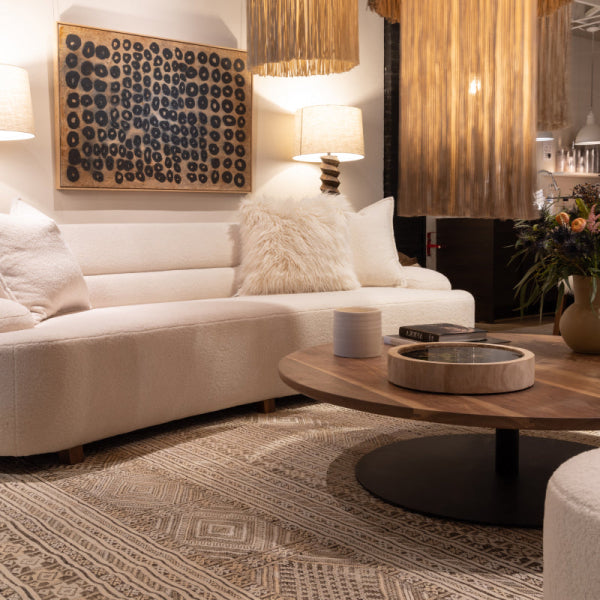
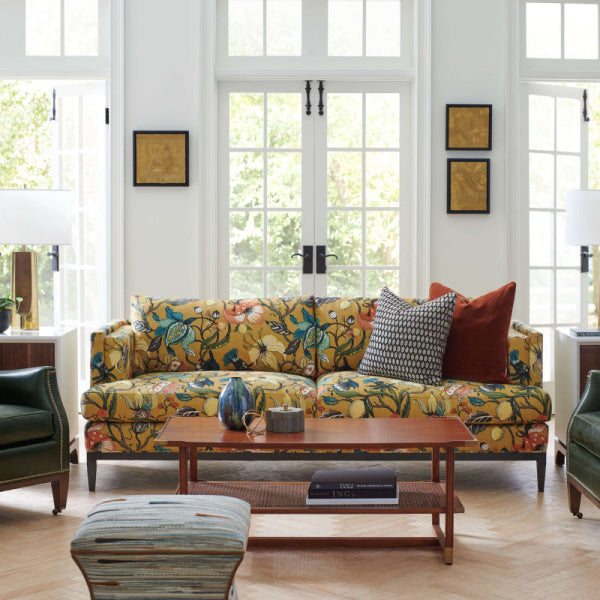
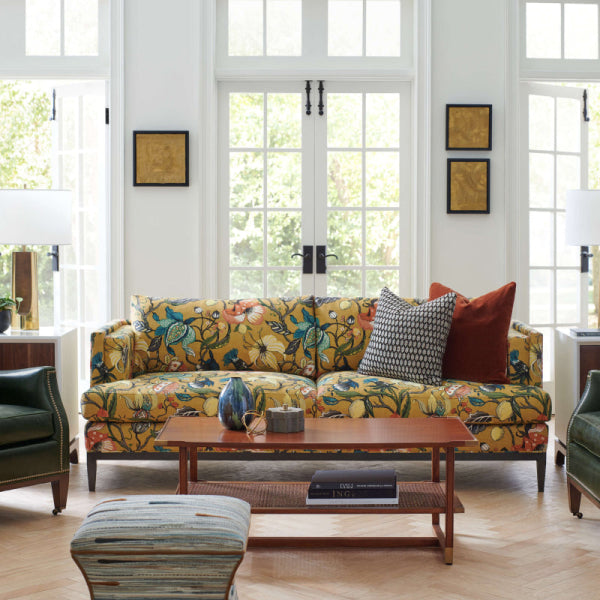
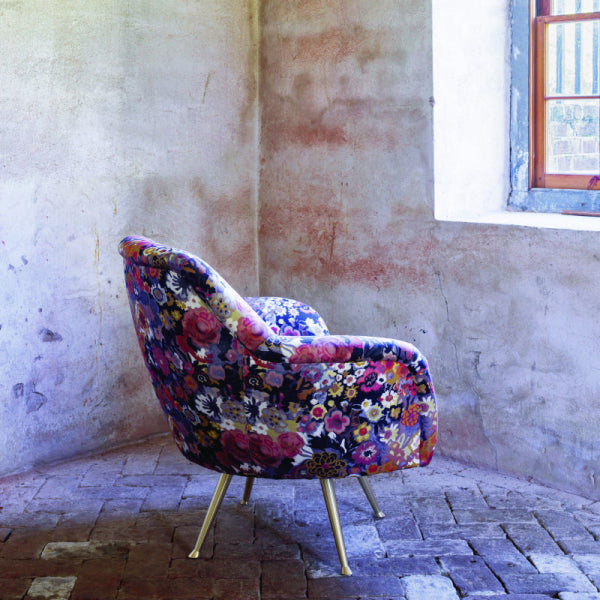











You're probably in one of three situations right now. You found a sofa you like, but the proportions are wrong for your room in Milton. You inherited a chair or sofa with a frame worth saving, but the fabric is tired. Or you've spent too much time looking at mass-market furniture that feels interchangeable and short-lived.
That's where Custom Fabric and Furniture Milton GA becomes a smarter conversation than asking where to buy furniture. The right question is this: Should you order custom, reupholster what you own, or buy a finished designer piece off the floor? If you answer that correctly, you get a room that feels personal, performs well, and holds its value in everyday living.
Finding Your Signature Style in Milton GA
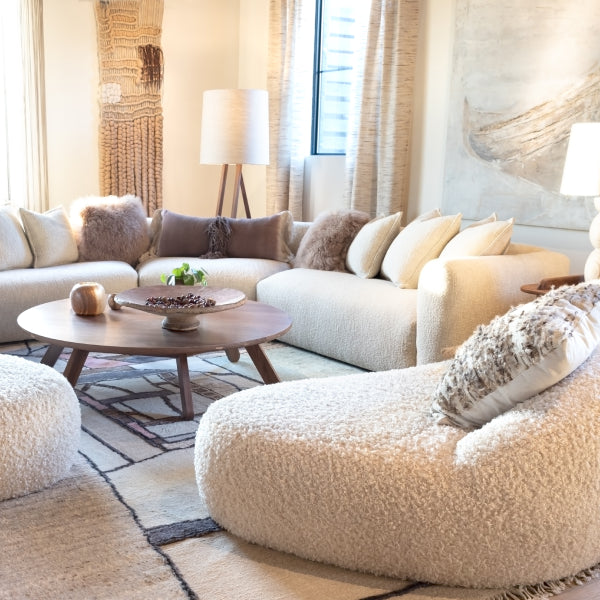
Milton homes rarely need more furniture. They need the right furniture. In larger open-plan spaces, standard retail sizes often look underscaled. In more traditional rooms, mass-produced silhouettes can feel flat and anonymous. If you want a room with character, you need to start with proportion, material, and permanence.

Start with the room, not the catalog
Most homeowners shop backward. They fall for a sofa online, then try to force the room around it. That's how you end up with seating that blocks circulation, chairs that look adrift, or a sectional that dominates every sightline.
A better approach is simpler:
- Measure the room accurately. Include walkways, door swings, and where people sit.
- Decide what the piece must do. Formal entertaining, family lounging, reading, or everyday television use all point to different depths, arm styles, and fabrics.
- Choose a style language. Structured and architectural. Soft and relaxed. European-inspired. Classic Atlanta traditional. Pick one direction and commit.
Why heritage matters when you're buying custom
In this category, trust matters. Upholstery, drapery, and custom furniture aren't impulse purchases. They depend on consistent sourcing, reliable guidance, and someone who can help you make decisions you'll still respect years from now.
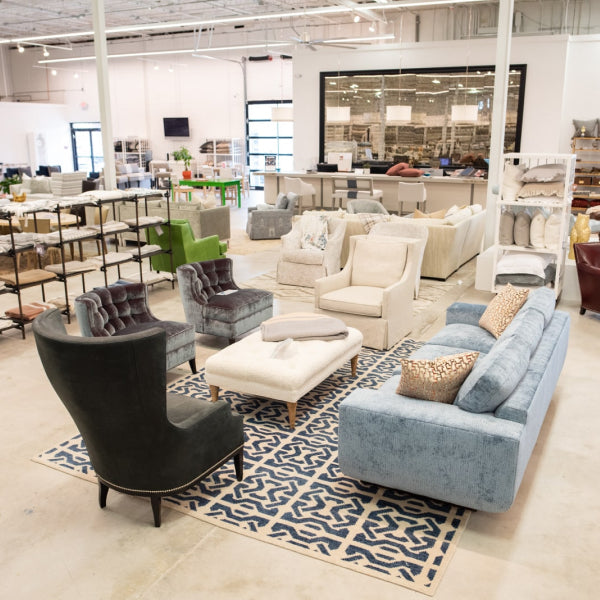
Lewis and Sheron Textiles has served the Atlanta community since 1944, which gives the business more than 80 years of continuity, and its Design Center offers over a thousand in-stock bolts plus thousands more cut-yardage options from mills including Kravet, Fabricut, and Crypton, according to the company's upholstery fabric brands overview.
That matters for clients in Milton, Alpharetta, Buckhead, and Roswell because broad fabric access changes the quality of the decision. You aren't choosing from a narrow rack. You're comparing texture, durability, color, and lead-time implications in one place.
Practical rule: If a showroom can't help you compare style, scale, fabric performance, and timing in the same conversation, keep looking.
For homeowners leaning toward classic upholstered silhouettes, Wesley Hall classics for Milton homes is a useful reference point because it shows how traditional craftsmanship can still feel current in a North Atlanta setting.
The Heirloom Difference Why Invest in Designer Furniture
Designer furniture earns its price in places most buyers never see at first glance. It's in the frame. The suspension. The tailoring. The way the arm is shaped and padded. The way the seat feels after years of use, not just during the first five minutes in a showroom.
That's why I push clients to stop asking whether a piece is expensive and start asking whether it's built to age well.
What separates heirloom-quality furniture
A high-quality couch or luxury sectional should feel composed. It shouldn't wobble, sag, twist, or look tired the moment a room starts getting real use. Better furniture is usually defined by a few things working together:
- Frame integrity means the piece starts with strong underlying construction, not a disposable shell.
- Seat support affects comfort over time, not just on day one.
- Tailoring determines whether cushions, welting, skirts, and seams stay crisp or start drifting.
- Scale and silhouette decide whether the piece will outlast trends.
Mass-produced furniture often wins on speed and convenience. It rarely wins on longevity or refinement. It's made to move fast through a sales floor. Heirloom-quality furniture is made to stay in a home.
Why the cheap option often costs more
A lower-priced sofa can look acceptable in a staged setting and still disappoint quickly. The usual problems show up in sequence. Seat cushions lose shape. Fabric starts to look strained. Arms soften unevenly. The frame develops movement. Then the entire piece feels tired, even if it's relatively new.
A designer piece behaves differently. It settles in rather than breaking down. That's what high-end buyers in Atlanta should pay for.
If you want furniture that lasts, buy for structure first and fabric second. Pretty fabric on a weak frame is still a weak investment.
The value of restraint
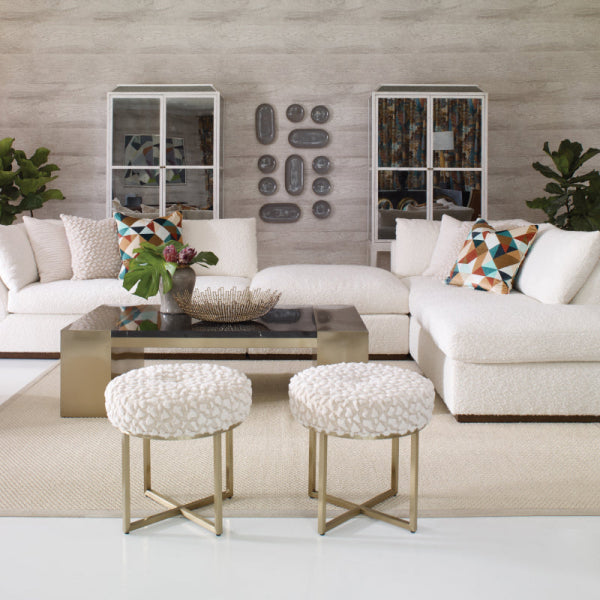
The most enduring statement furniture pieces aren't loud. They're specific. A beautifully scaled English arm sofa. A shelter-back swivel chair in the right textile. A sectional that fits the room instead of swallowing it. Good designer furniture doesn't fight the architecture. It sharpens it.
For clients in Buckhead, Sandy Springs, and North Atlanta, I usually recommend a simple standard. Choose a frame you'd still want if the fabric changed completely. If the answer is yes, you're looking at the right kind of piece.
Here's the long-term logic:
| What to evaluate | Mass-market furniture | Designer furniture |
|---|---|---|
| Construction mindset | Built for broad retail turnover | Built for sustained use and repeat appreciation |
| Style lifespan | Often trend-driven | Usually rooted in proportion and craftsmanship |
| Repair potential | Frequently not worth saving | Often worth refreshing and preserving |
| Emotional value | Replaceable | Becomes part of the home |
That last point matters more than most buyers admit. The furniture worth keeping becomes part of family life. It hosts holidays, conversations, naps, guests, and everyday routines. That's the true case for investing in heirloom-quality furniture in Milton. It isn't status. It's staying power.
Your Path to the Perfect Piece Made-to-Order Custom or Reupholstery
Most homeowners don't need more options. They need a framework. If you're choosing between made-to-order furniture, reupholstery, and an off-the-floor purchase, use three filters: the quality of the frame, your timeline, and how specific your design needs are.

When made-to-order is the right answer
Choose made-to-order when you've found the right silhouette but need control over details. That usually means selecting the fabric, finish, cushion feel, and sometimes dimensions within an established line.
This route works well for:
- Rooms with clear style direction where you don't need to reinvent the form
- Luxury sofas and premium sectionals that must fit a specific footprint
- Clients who want designer quality without starting from scratch
Made-to-order is often the most balanced choice. You get customization where it matters, while relying on a proven frame and established workshop process.
When reupholstery makes more sense
Reupholstery is the correct move when the frame is worth preserving. That includes solid, well-made seating, family pieces with sentimental value, and furniture whose shape is better than what you're finding in current retail.
That decision has become more compelling because the U.S. consumer price index for furniture has remained high since 2020, making reupholstery of a quality piece a more attractive economic and sustainable option, as noted by Atlanta Craftsman. The same source also notes that a well-constructed frame can be updated multiple times, which is exactly why replacing a weaker piece every few years is often the poorer long-term decision.
Reupholstery is especially smart when:
- The frame is excellent and the piece feels structurally sound
- The scale is hard to replace with current retail options
- You want better fabric performance than the original upholstery offered
- You'd rather preserve than discard
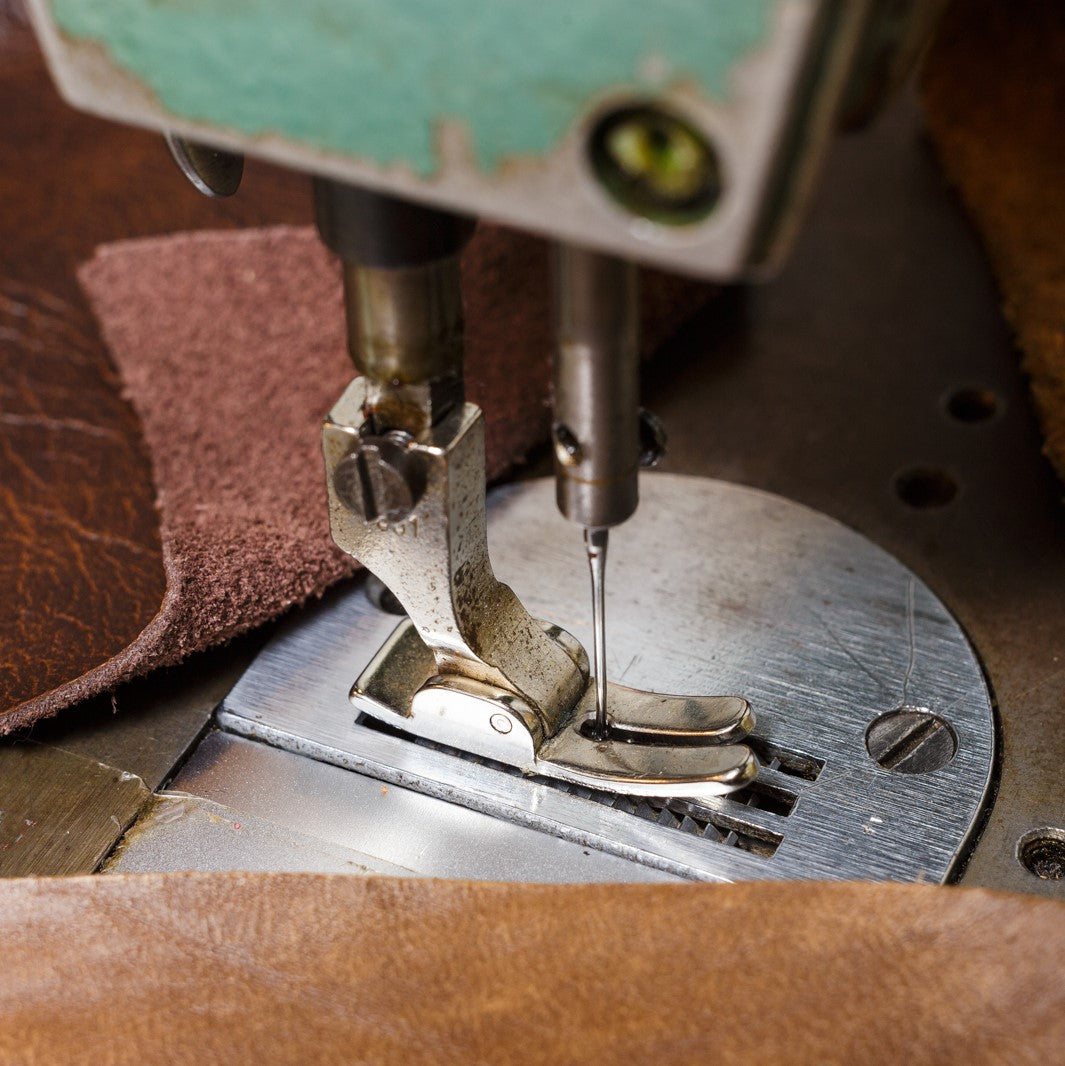
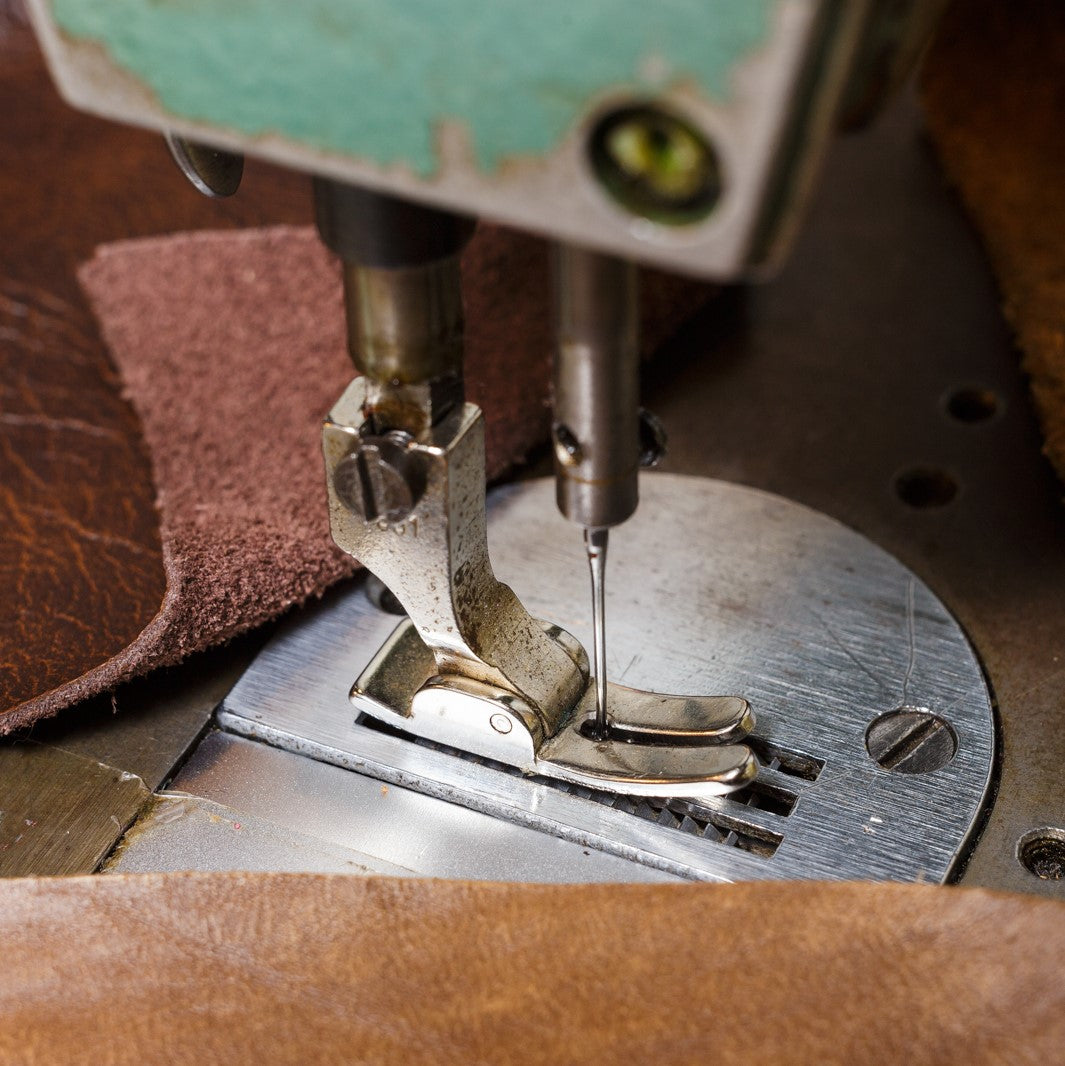
If you're evaluating a cherished chair, sofa, or bench, furniture reupholstery near me can help you think through whether the piece is a candidate for renewal.
When off-the-floor is the right call
I'm not against buying off the floor. I recommend it often, but only when the piece already solves the room correctly. If the comfort is right, the scale is right, and the upholstery works for your household, speed has real value.
This is the best path when you need:
- Immediate placement for a finished room
- A designer-quality accent piece without a custom timeline
- A lower-friction purchase for a guest room, study, or secondary space
The mistake is buying off the floor because it's available, not because it's right.
A side-by-side decision table
| Attribute | Made-to-Order Custom | Expert Reupholstery | Off-the-Floor Purchase |
|---|---|---|---|
| Design flexibility | High within an existing furniture line | High through fabric and finish renewal | Limited to existing stock |
| Best use case | New primary seating with personalized details | Preserving strong frames or sentimental pieces | Fast placement with no production wait |
| Timeline | Longer than retail | Varies by scope and workroom schedule | Fastest option |
| Sustainability | Good if you're buying to keep long-term | Strong because it extends the life of existing furniture | Depends on quality and longevity |
| Fit for unusual rooms | Strong | Depends on the original piece | Limited |
| Emotional value | Built around your choices | Retains family or personal history | Usually lower |
Advisor's take: If the frame is excellent, reupholster it. If the frame doesn't deserve saving, order better. If you need it now and it already works, buy it off the floor.
For homeowners who want a broader overview of how bespoke projects are scoped, this guide to your custom furniture design is a useful outside reference because it shows the kinds of decisions that shape a custom piece before production begins.
The Art of Selection Choosing Premium Fabrics and Materials
Fabric selection decides whether your furniture becomes easier to live with or harder to enjoy. Clients often start with color. I start with use. A beautiful fabric that doesn't suit the room is a bad specification.

Match the textile to the room
A formal sitting room can carry something more delicate and expressive. A family room in Milton with pets, children, and daily use needs discipline. Not compromise. Discipline.
Use this lens:
- For everyday sectionals and high-quality couches, prioritize cleanability, texture, and resilience.
- For custom chairs and accent seating, you can take more aesthetic risk with pattern, velvet, or specialty weave.
- For dining banquettes and breakfast areas, choose fabrics that won't punish normal living.
Three material directions that work
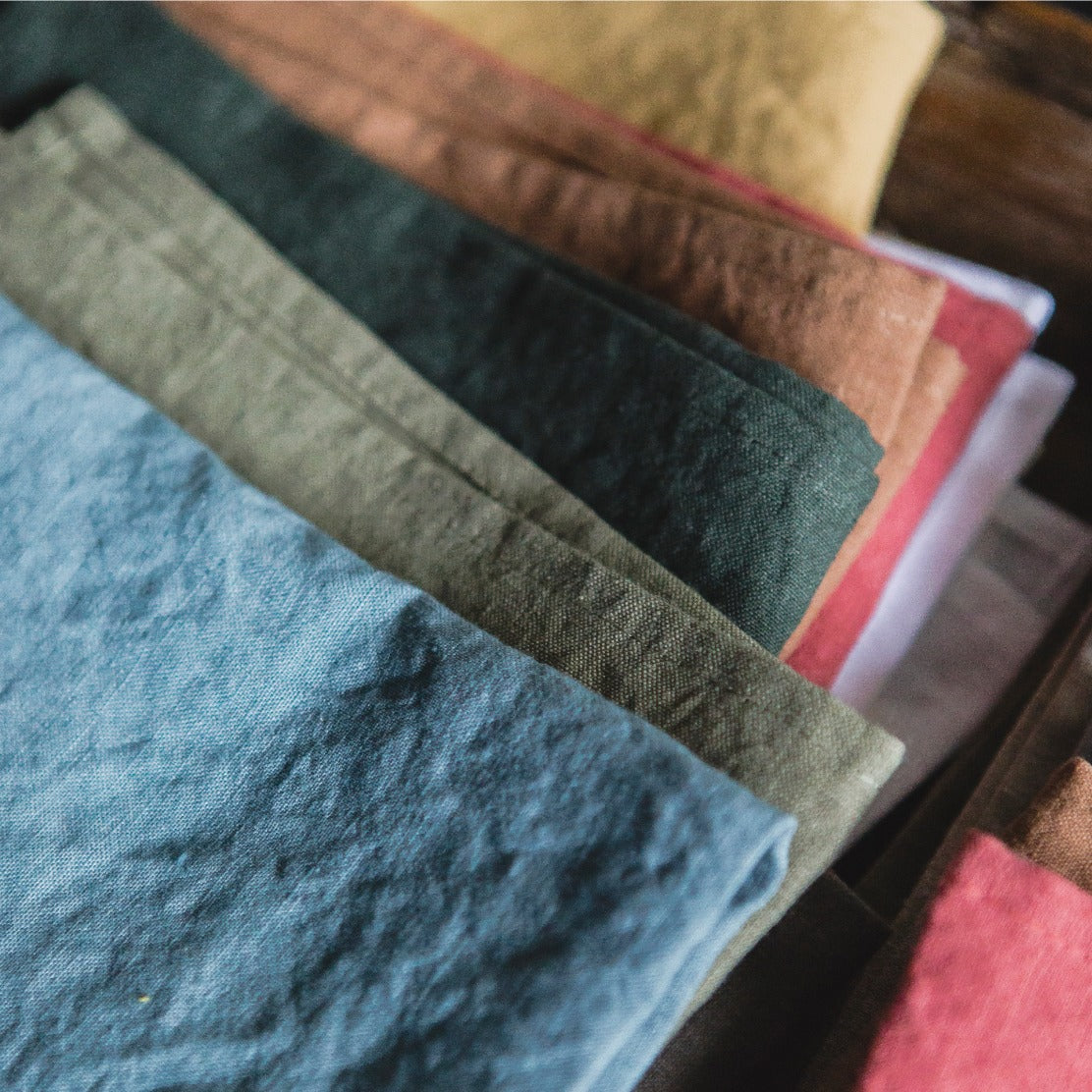
Belgian linen gives a room ease. It has softness, movement, and that relaxed polish high-end interiors often need. It's especially effective when the architecture is strong and the room doesn't need visual noise.
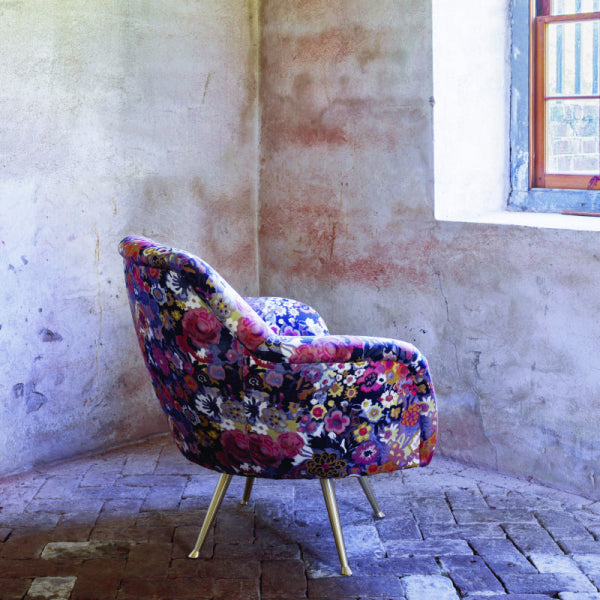
Velvet adds depth. It catches light beautifully and gives smaller pieces real presence. I like it on statement chairs, ottomans, and rooms where you want a richer mood.
Performance fabrics such as Crypton make practical sense for busy households. If you want a light sofa but don't want to spend every day policing it, this category is the adult answer.
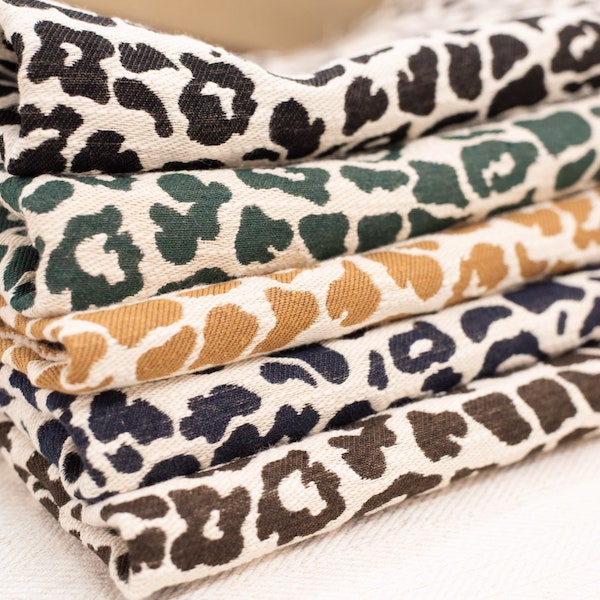
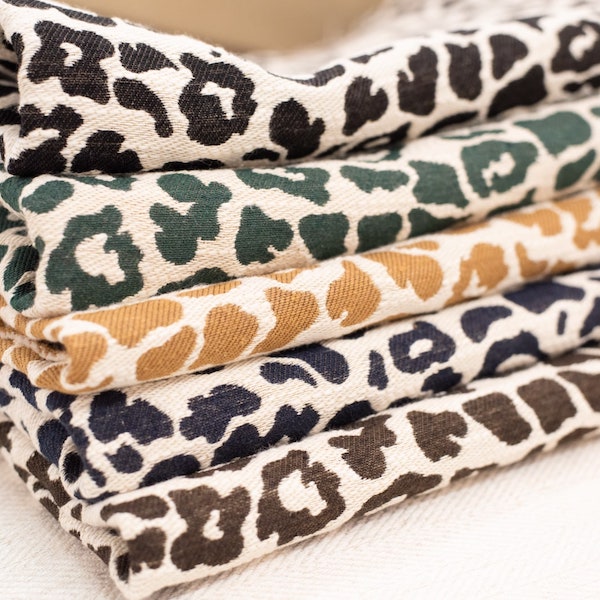
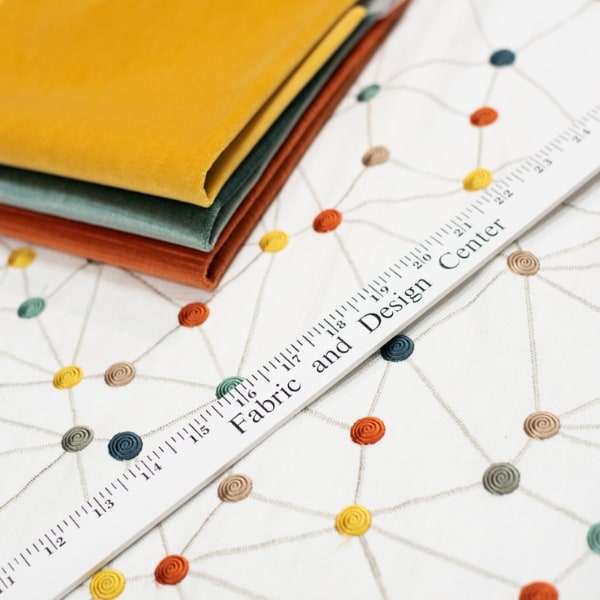
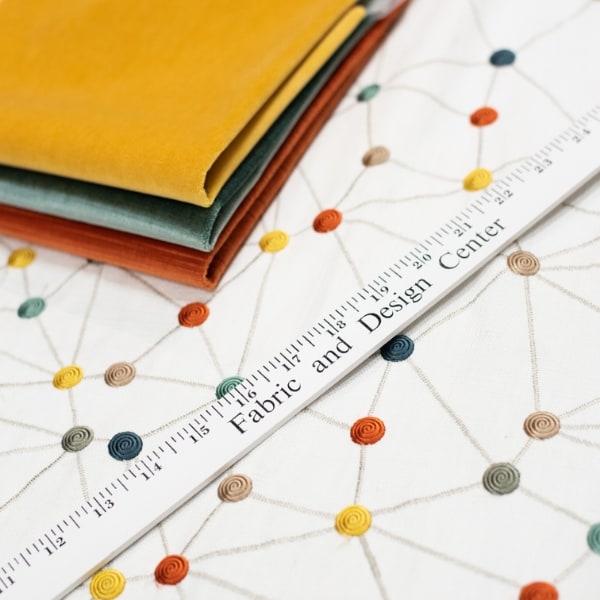
A strong showroom resource for Custom Fabric and Furniture Milton GA should help you compare all three, not push one universal answer. Lewis and Sheron Textiles' Design Center carries over a thousand in-stock bolts and thousands more cut-yardage options from mills such as Kravet, Fabricut, P. Kaufmann, Libeco Home, and Crypton, which is useful when you need to weigh aesthetics against everyday maintenance within one sourcing process.
Don't stop at upholstery
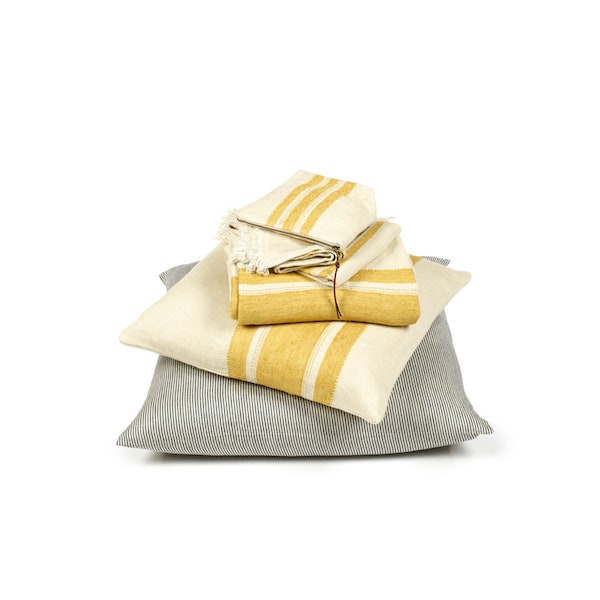
Well-designed rooms are layered. Your furniture fabric should speak to the rug, trim, drapery, and pillow choices around it. That doesn't mean everything has to match. It means the textures need to belong together.
Consider these supporting materials:
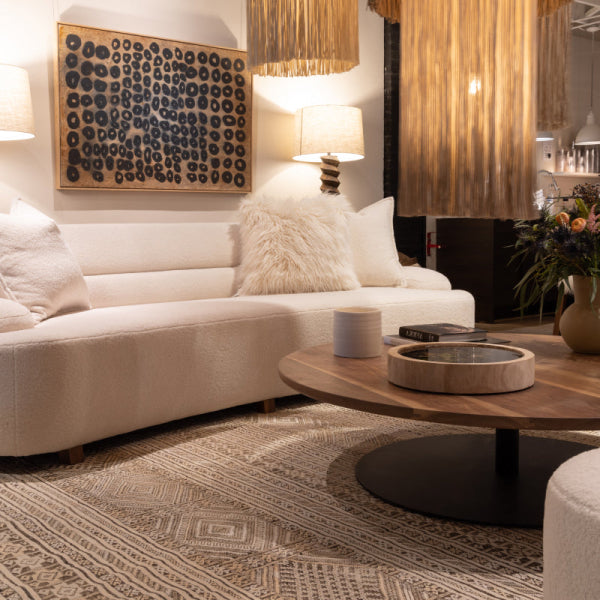
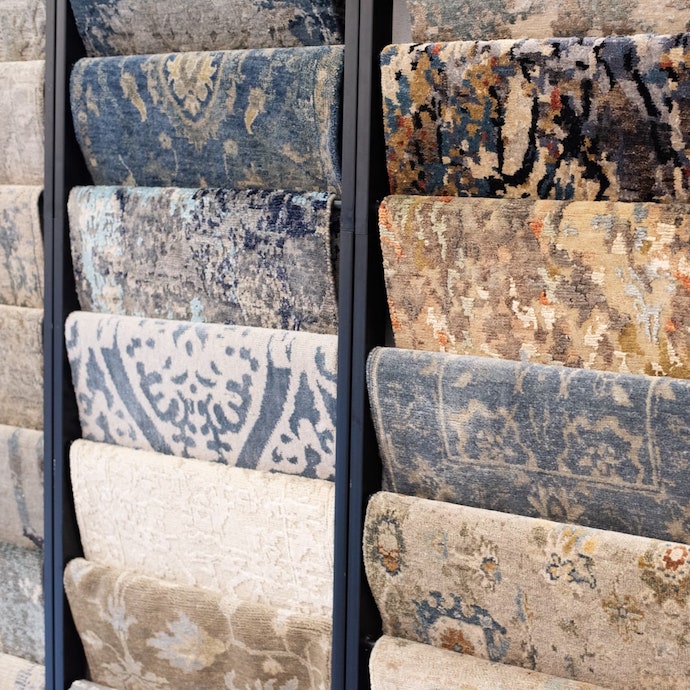
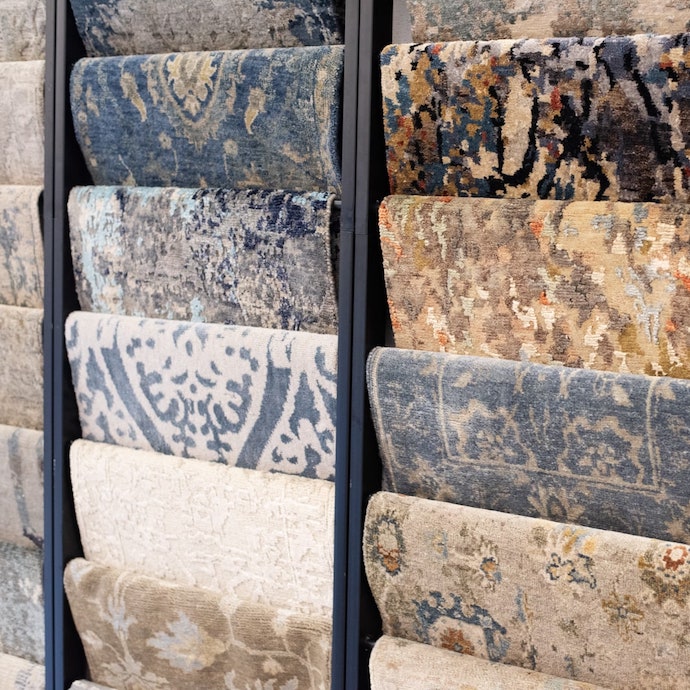
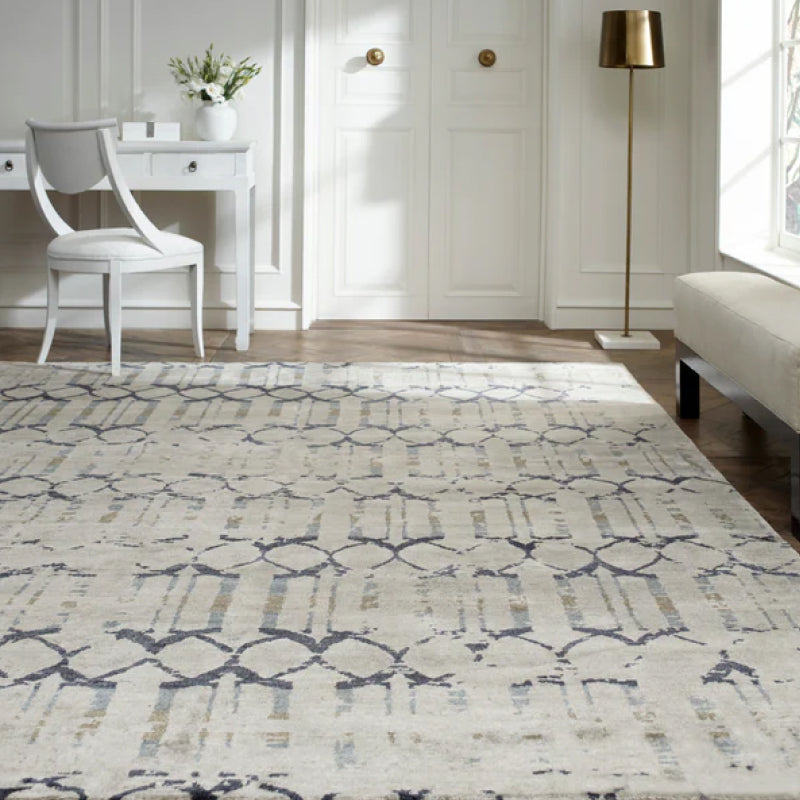
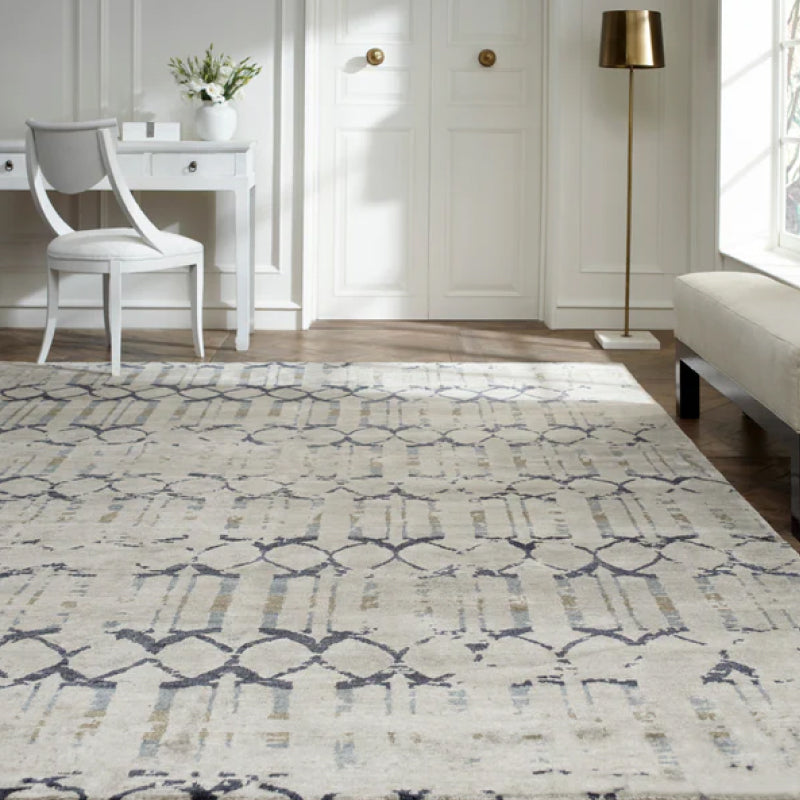
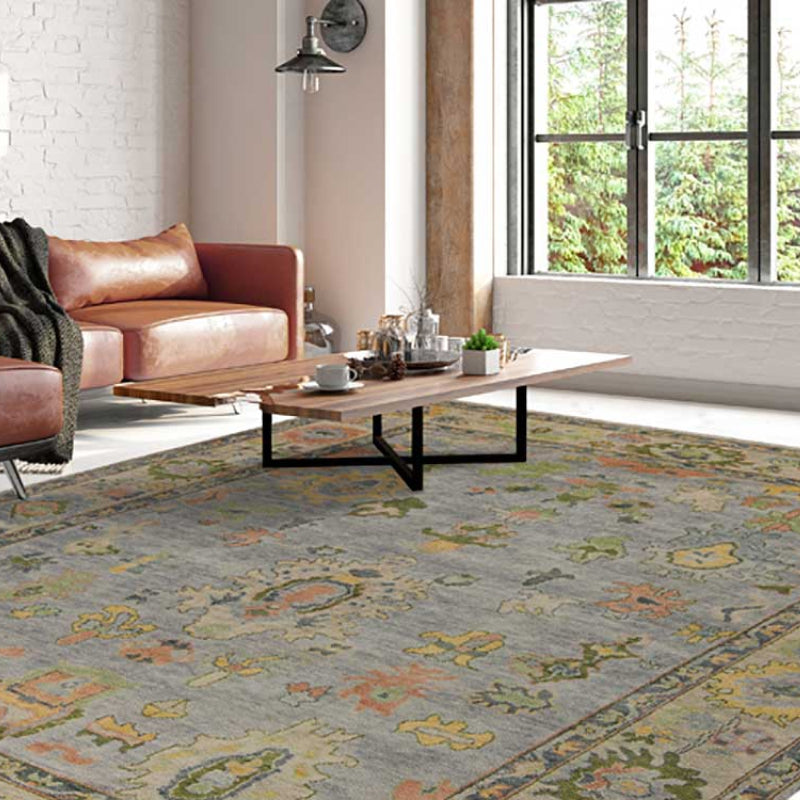
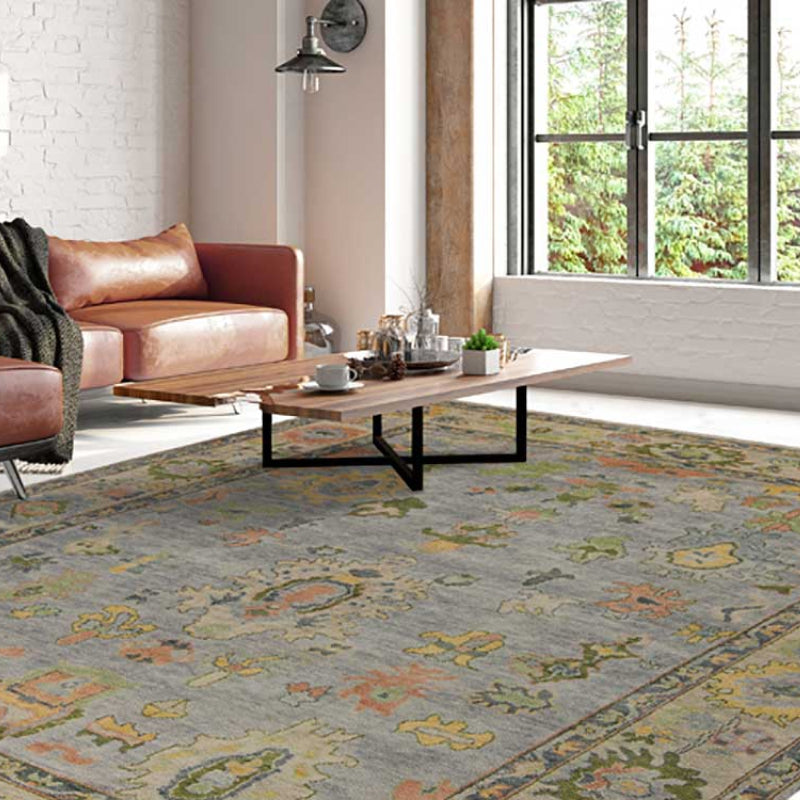
- Hand-knotted rugs for grounding large seating plans and adding tonal depth
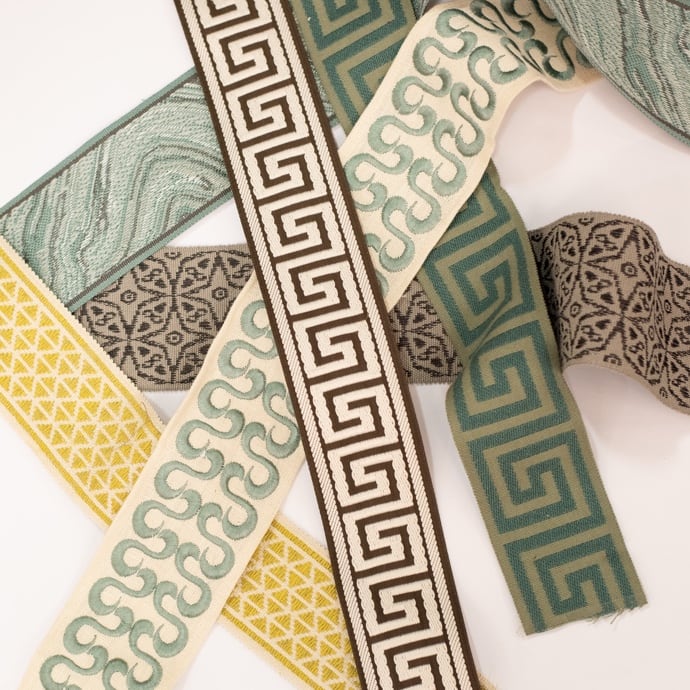
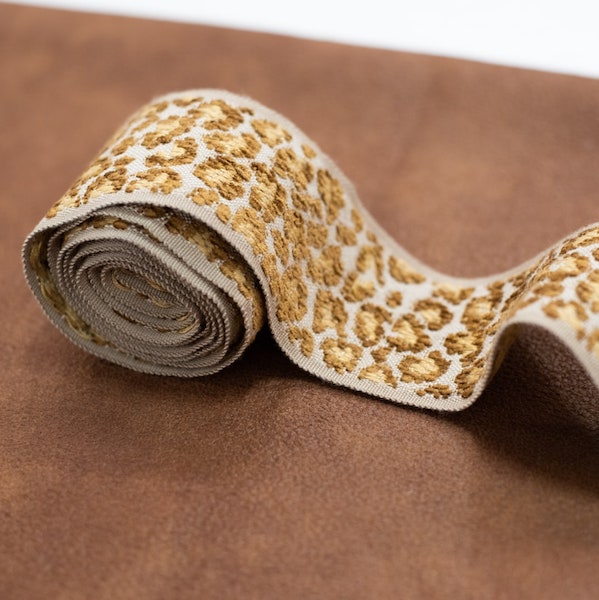
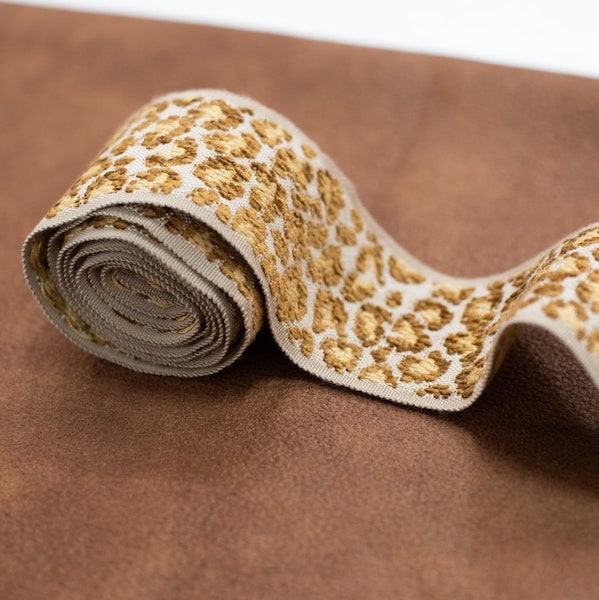
- Decorative trims when a chair, bench, or pillow needs a finished edge
- Textural contrast so the room doesn't flatten into one note
A polished room rarely comes from one dramatic fabric. It comes from several materials working at different volumes.
If you're comparing upholstery options, how to choose upholstery fabric is a practical starting point for narrowing choices by lifestyle and room function.
Maintenance should influence the decision before you order, not after a spill. For general care habits and stain response basics, this outside guide offers expert upholstery cleaning advice for Londoners that's still broadly useful even if you're furnishing a home in Atlanta.
From Vision to Reality The Custom Design Process
The custom process feels intimidating only when nobody explains it properly. In reality, it's a sequence of decisions. Good guidance keeps those decisions from becoming overwhelming.

Step one is clarity, not shopping
A productive first meeting should answer a few things quickly. What does the room need to do? What pieces are staying? What feels wrong now? Which images reflect your taste, and which ones only look good on a screen?
The strongest clients bring room photos, rough measurements, finish samples, and honesty. If you hate overstuffed arms, say it. If you want a sofa that can survive real family use without looking casual, say that too.
Selection is where the room gets its backbone
Once the direction is clear, the project turns concrete. Frame style, seat depth, arm height, cushion preference, fabric, trim, finish, and sometimes rug or drapery coordination all start to lock together.
Many homeowners benefit from a process mindset similar to how people simplify your construction projects by consolidating planning and execution. Furniture isn't construction, but the principle holds. Better results come from connecting decisions instead of treating each one separately.
A useful custom process usually looks like this:
- Initial consultation focused on room goals and lifestyle
- Material review using swatches, finish samples, and visual references
- Quote and timeline approval before anything moves to production
- Crafting and quality review
- Delivery and installation with placement handled carefully in the home
Expect revisions before commitment
Good projects don't rush the middle. Clients adjust scale during this phase, reconsider a fabric that looked different in daylight, or decide a bench seat works better than multiple cushions. Those revisions are healthy. They prevent expensive regret.
The right custom piece usually gets quieter as it develops. Fewer unnecessary details. Better proportions. Stronger material choices.
Delivery should feel resolved
By the time your piece arrives, the big decisions should already be settled. Delivery is not the moment to wonder whether the sofa should have been deeper, softer, darker, or cleaner-lined. That work happens upstream.
For design-conscious homeowners in Milton, Alpharetta, and Buckhead, the payoff is straightforward. The room stops looking assembled from separate purchases and starts feeling intentional. That's what custom should do. It should remove visual compromise from the house.
A Designer's Resource Trade Services for Atlanta Professionals
Interior designers in Atlanta don't need another pretty showroom. They need a working resource. That means fabric access, responsive support, practical problem-solving, and enough inventory depth to keep projects moving when clients change direction or schedules tighten.
What designers actually need from a sourcing partner
Trade professionals in Buckhead, Roswell, Sandy Springs, and across Fulton County usually juggle several realities at once. Clients want unique results. Install dates move. Fabric approvals stall. A reupholstery project suddenly becomes part of a larger room refresh.
That's why a strong trade resource should offer:
- Broad fabric access across traditional, transitional, and performance categories
- In-stock options for projects that can't wait on a long chain of special orders
- Support for custom upholstery and reupholstery without forcing the designer to manage every production detail alone
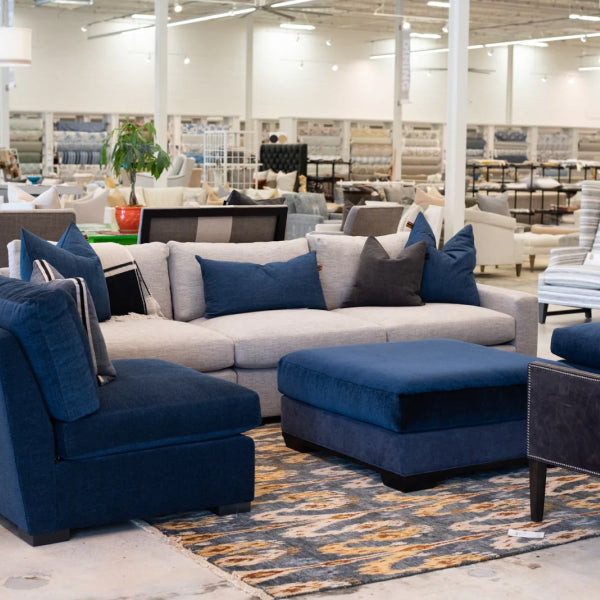
- A showroom environment that works as an extension of the design studio
Speed matters, but not at the expense of quality
North Atlanta designers know the problem. The client wants designer furniture near me, but also wants it on a compressed calendar. That's where a large in-stock library becomes useful. It doesn't eliminate lead time for every custom piece, but it can remove one of the biggest bottlenecks, which is fabric availability.
For trade clients, the key advantage isn't convenience. It's control. When a designer can compare premium sectionals, custom chairs, textiles, rugs, and trims within one workflow, client presentations get sharper and approvals move faster.
Why this matters in affluent markets
Milton and adjacent luxury markets expect specificity. Clients don't want generic recommendations. They want to know why one linen works better in a formal living room, why one performance weave makes sense for a family den, and whether an heirloom chair deserves preservation or replacement.
That level of service requires a partner who understands the difference between sourcing a product and shaping a room. Designers already know the aesthetic direction. They need a resource that helps execute it cleanly.
Your Custom Furniture Questions Answered
Is custom furniture worth it compared with buying retail?
Yes, if the room has specific needs and you care about long-term value. Custom makes sense when retail sizing is off, when the room needs a distinctive silhouette, or when you want better material control than a standard floor model offers.
If you're furnishing a primary living space in Milton or Buckhead, buying the wrong sofa quickly becomes more expensive than waiting for the right one.
When should I reupholster instead of replace?
Reupholster when the frame is strong, the scale is right, and the piece still deserves space in your home. Replace when the construction is poor, the proportions are wrong, or the cost of saving it won't improve the underlying furniture.
Sentimental value matters, but it shouldn't override structural reality. Save pieces with integrity, not just familiarity.
How long do custom projects take?
Lead time depends on the piece, the workroom, and fabric sourcing. What matters is understanding the tradeoff. Ready-made retail is faster, while premium mills and made-to-order upholstery involve longer production windows, and a knowledgeable design partner can sometimes shorten timelines by using extensive in-stock fabric collections, as explained in this discussion of custom project lead times.
That delay isn't wasted time. It's usually the cost of getting craftsmanship, tailoring, and material choices you won't find in rushed retail buying.
Can in-stock fabrics help move a project faster?
Yes. They often do. If the frame is available and the textile is already in stock, you remove one major source of scheduling delay.
That doesn't mean every project becomes immediate. It means you gain flexibility, which is valuable if you're trying to finish a room before entertaining season, a move, or a broader renovation wrap-up.
What fabrics make the most sense for families and pets?
Performance fabrics are often the cleanest answer for busy households. They let you choose lighter tones and more refined looks without treating the room like a museum.
For lower-traffic rooms, linen or velvet may be a better design move. For family rooms, breakfast spaces, and media rooms, durability and maintenance should lead the discussion.
Is off-the-floor furniture a compromise?
Not always. It's only a compromise if the piece doesn't really fit your room or lifestyle. A designer-quality floor piece can be an excellent decision when the comfort, scale, and fabric are already right.
The key is to buy it because it solves the room, not because it's available this week.
What should I bring to a design consultation?
Bring room photos, rough dimensions, inspiration images, finish samples, and a clear sense of how you live. If you know you hate low backs, soft edges, or high-maintenance fabrics, say it early.
The more honest your input, the better the specification. Taste matters. So do habits.
How do I know if a piece is designer quality?
Look beyond the surface. Ask how it feels when seated, how it's custom-made, whether the silhouette has lasting appeal, and whether the construction justifies keeping it for years. Designer furniture should feel composed, not flimsy or temporary.
If the frame is forgettable and the fabric is doing all the work, keep shopping.
If you're ready to make a smart decision about custom furniture, reupholstery, or premium fabrics for your Milton home, start with Lewis and Sheron Textiles. Bring photos, measurements, and a clear idea of how you want the room to live. The right piece isn't just attractive. It fits your house, your habits, and the standard you want to keep for years.