



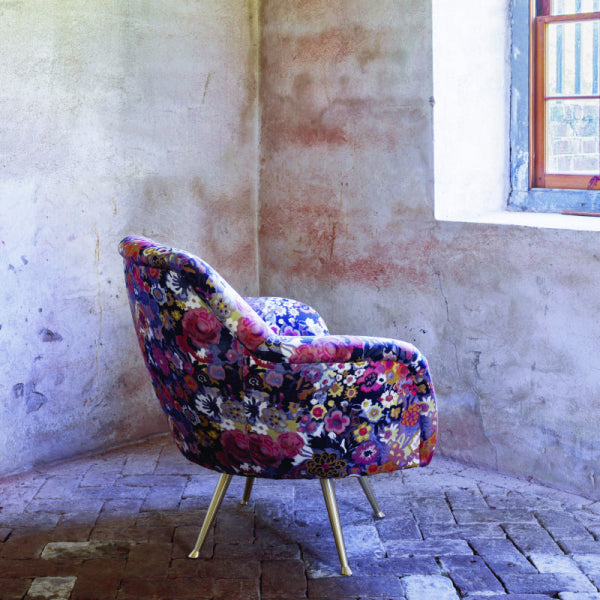
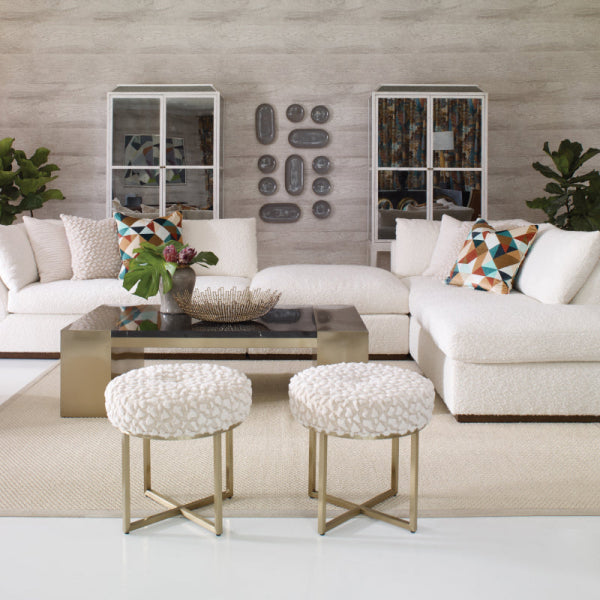
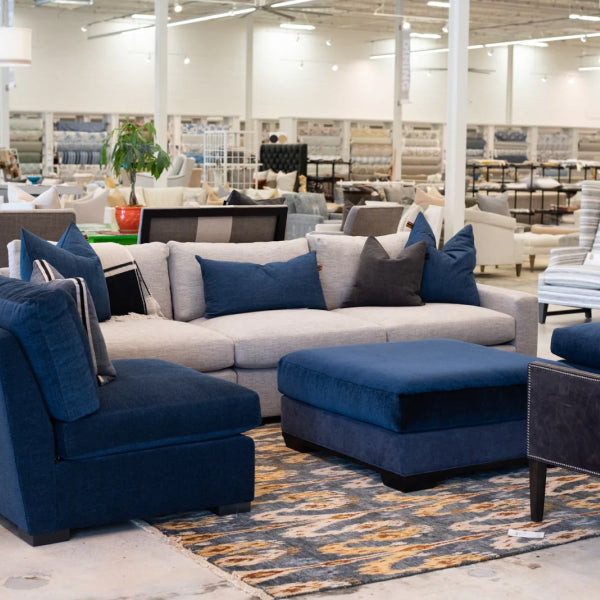









You move into a large Alpharetta home with strong architecture, generous natural light, and furniture that should work on paper. Then you stand in the living room and it still feels unresolved. In my experience, that usually comes down to material quality, scale, and the level of customization in the room, not a lack of decor.
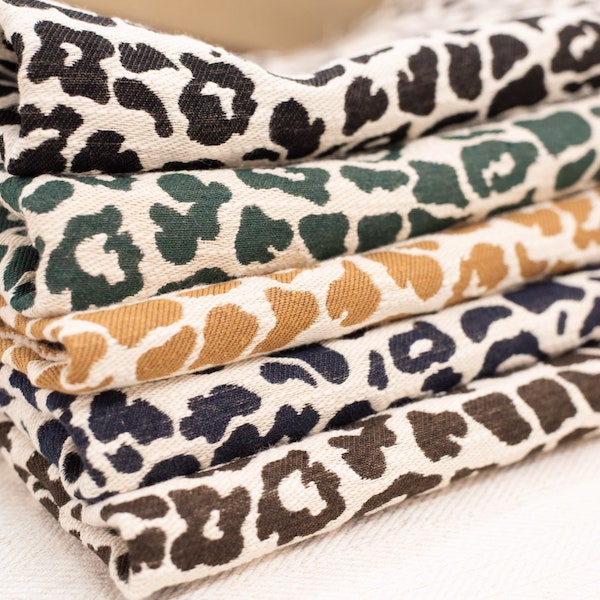
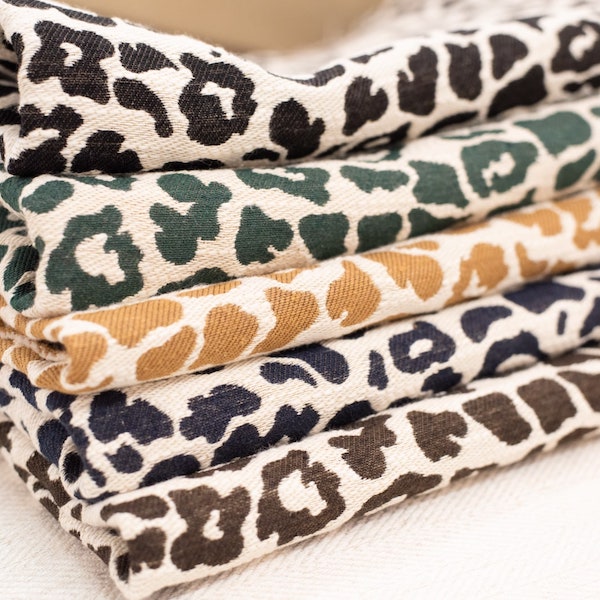
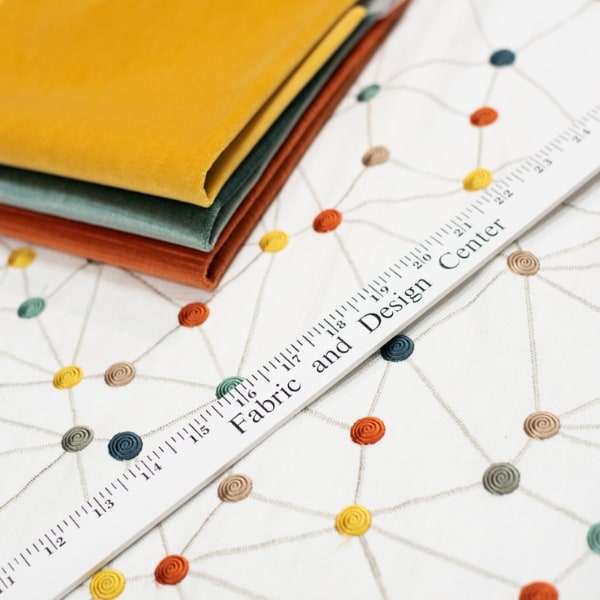
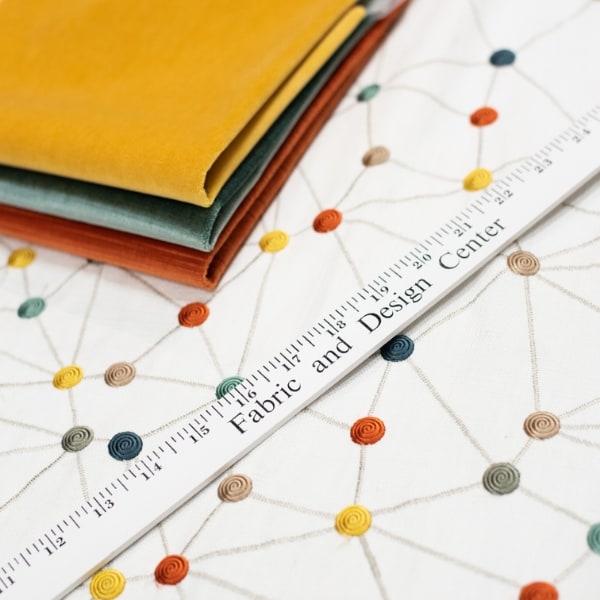
The strongest luxury interiors in North Atlanta are built piece by piece. They use fabrics that read well in Georgia light, upholstery sized to the room instead of a showroom floor, and rugs and case goods with enough character to carry the space for years. That is where a resource like Lewis and Sheron Textiles becomes practical, not aspirational. Homeowners and designers can source premium materials such as Libeco linens and Kravet fabrics, review woven fabric options for upholstery and drapery, and pair those selections with custom upholstery from makers like Verellen or in-house design guidance that turns samples into a coherent plan.
That local access matters. A polished room rarely comes from buying everything at once. It comes from making sound decisions about textile composition, cushion construction, rug scale, finish durability, and which existing pieces deserve restoration instead of replacement. There is a real trade-off here. Custom work takes more time and a larger upfront investment, but it usually delivers a better fit, stronger materials, and a result that does not feel interchangeable with every other new build in the area.
The sections that follow focus on those decisions. They are written for Alpharetta homeowners who want a house that feels personalized, durable, and authentically collected, not just expensive.
1. Investment in Premium Natural Fibers and Textiles
Luxury starts with what you touch first. In most Alpharetta homes, that means upholstery, drapery, bedding, and accent textiles long before it means decorative accessories. If the fabric feels flat, synthetic, or overly shiny, the room usually reads that way too.
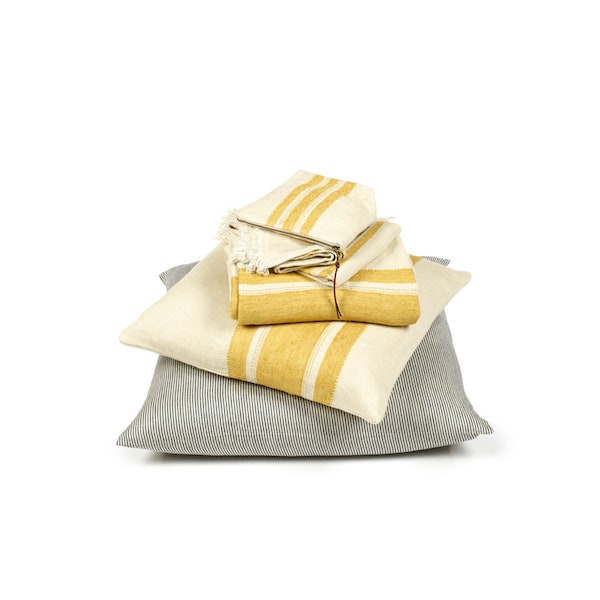
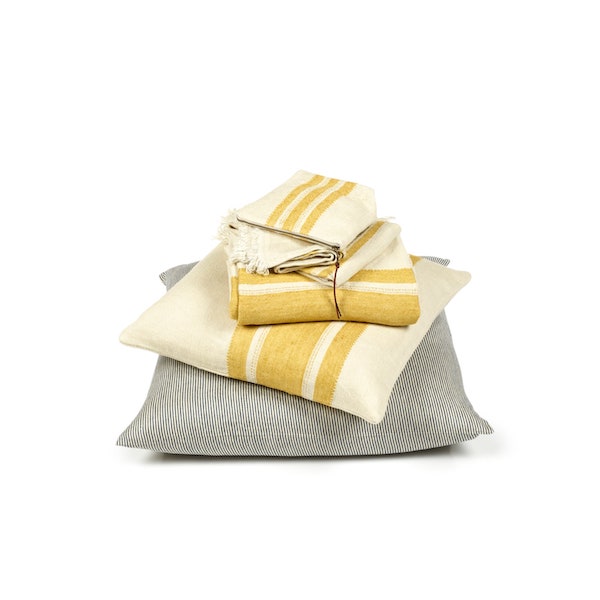
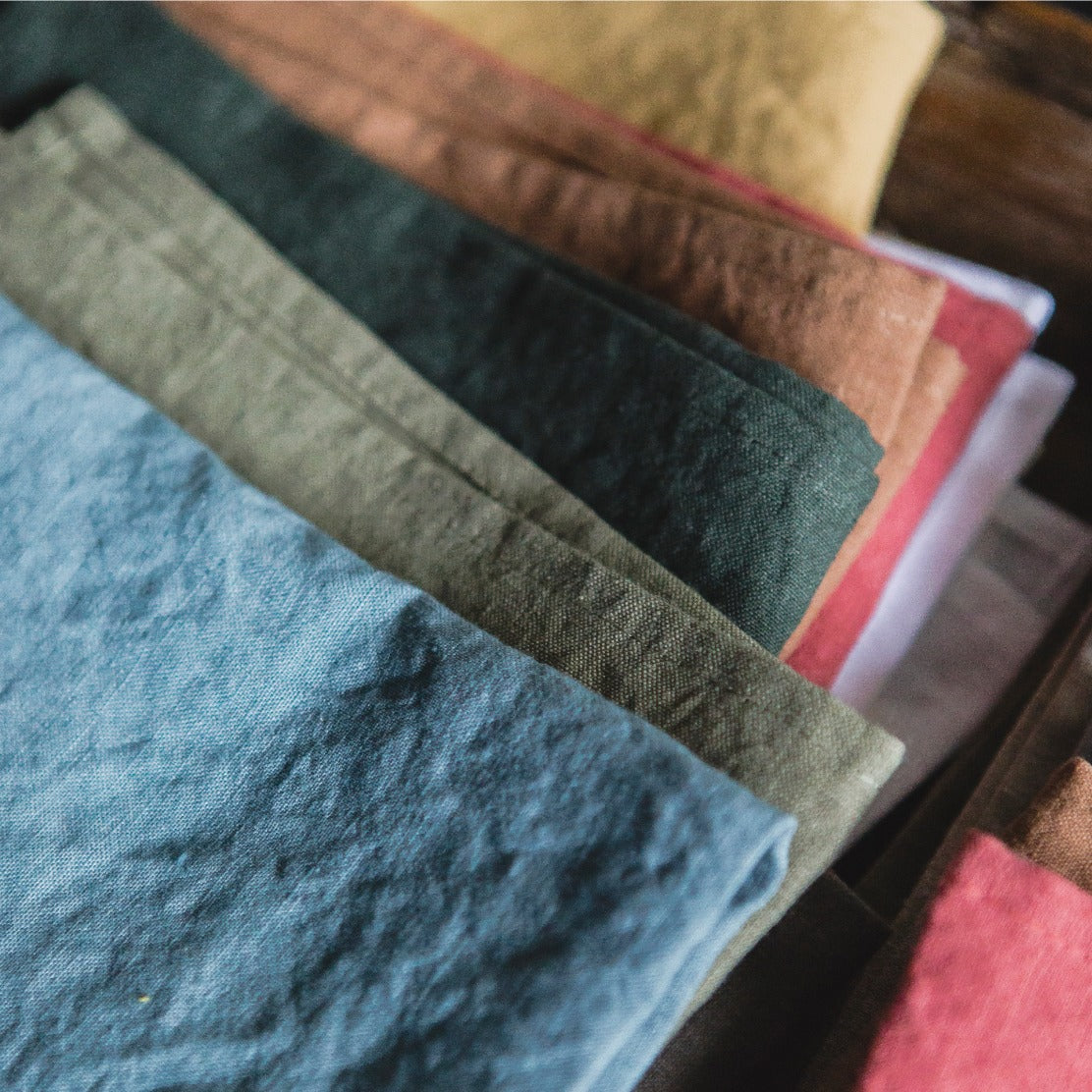
Natural fibers bring depth that mass-market blends rarely achieve. Libeco Belgian linens, Kravet wovens, fine cottons, wool blends, and well-chosen silks don't just look better in a showroom. They react to light better, drape better, and age with more character.

What works in real rooms
A common mistake is using one “luxury” fabric everywhere. That usually creates a room that feels either too precious or too monotonous. Better interiors mix fibers by function.
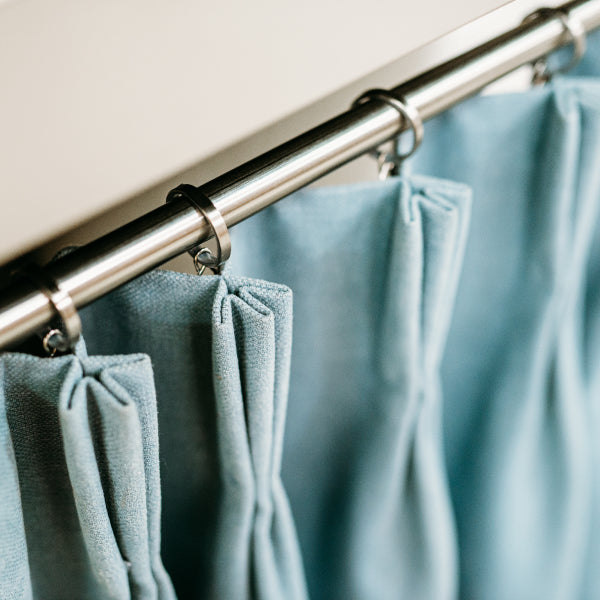
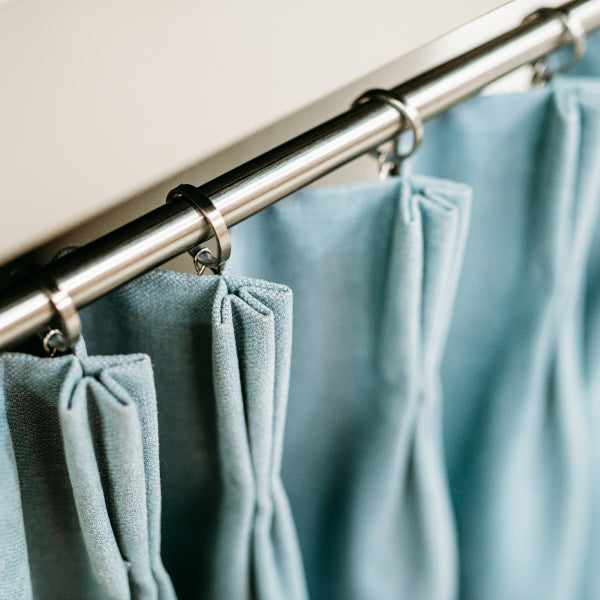
For example, linen works beautifully for custom drapery and relaxed upholstery, but a dining chair that sees daily use may need a tighter weave or a performance-minded option. Wool blends can anchor statement furniture pieces. Silk can still have a place, but often in lower-contact applications where it won't fight daily life.
Practical rule: Always review fabric samples in your home's actual light. Morning sun in Alpharetta can flatter one textile and completely wash out another by late afternoon.
A few smart filters help narrow the right choices:
- Start with use first: A luxury sofa in a formal sitting room can handle a different textile than a high-quality couch in the family room.
- Ask about finish history: Pre-treated or pre-shrunk options often behave better over time, especially for custom upholstered furniture.
- Mix delicacy with durability: Pair refined accents like silk or finer linen with sturdier woven foundations.
- Buy from mills with consistency: Heritage names like Kravet, Fabricut, and Libeco tend to offer more reliable hand, color, and repeat quality.
If you want a better grasp of texture and construction before specifying upholstery, this overview of woven fabrics is worth reviewing. It helps explain why two fabrics in the same color can perform very differently once they're on a chair, sectional, or pair of draperies.
2. Custom Upholstery and Bespoke Furniture Design
You walk into a large Alpharetta living room with good millwork, tall ceilings, and strong natural light, and the furniture still feels wrong. The sofa is too short for the wall. The seat depth does not suit how the family lounges. The chairs look expensive but sit awkwardly in relation to the cocktail table. Custom upholstery fixes proportion first, then comfort, then finish.
That order matters.
In higher-end homes, scale errors are what make a room feel generic. A stock piece is built around average dimensions and broad retail appeal. A custom piece is built around your floor plan, traffic paths, sightlines, and daily use. That is why bespoke upholstery often delivers better results than buying up a room from a showroom floor.

Where custom furniture earns its keep
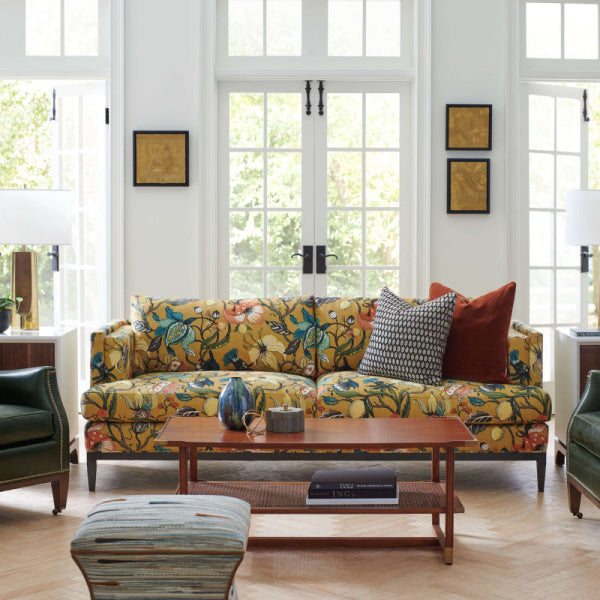
A long family room may need a Verellen sectional with a disciplined profile and deeper interior seat. A formal dining space may call for Wesley Hall chairs sized precisely to the apron height of the table. A LEE Industries sofa in Libeco linen can work beautifully in the right room, but only if the cushion fill, skirt or leg style, and arm height suit the architecture around it. At Lewis and Sheron Textiles, that process becomes tangible because homeowners can compare Kravet fabrics, Libeco linens, trim options, and custom order possibilities in one place instead of making disconnected decisions.
The trade-offs are real. Custom upholstery costs more up front, takes longer, and requires sharper decisions. It also gives you control over the details that determine whether a piece still feels right in ten years. Frame quality, cushion construction, and fabric selection affect comfort on day one. They also determine whether the piece is worth reupholstering later.
Good custom furniture corrects the room, not just fills it.
Before approving an order, review it at specification level. Confirm overall width, seat height, seat depth, arm width, back pitch, cushion fill, fabric repeat, and leg finish. If children, pets, or frequent entertaining are part of the brief, say so early. That changes the recommendation.
Homeowners who want a clearer baseline should start with this guide to what bespoke furniture means in practice. It helps separate true custom work from pieces that only offer a fabric swap.
After installation, maintenance protects the investment. These expert tips for fresh upholstery offer sensible guidance for keeping bespoke seating in strong condition.
3. Layered Texture and Dimensional Fabric Combinations
A luxury room that uses only one texture usually feels flat, no matter how much was spent. Texture is what gives a neutral interior its intelligence. It's also what keeps a large Alpharetta home from feeling cold.
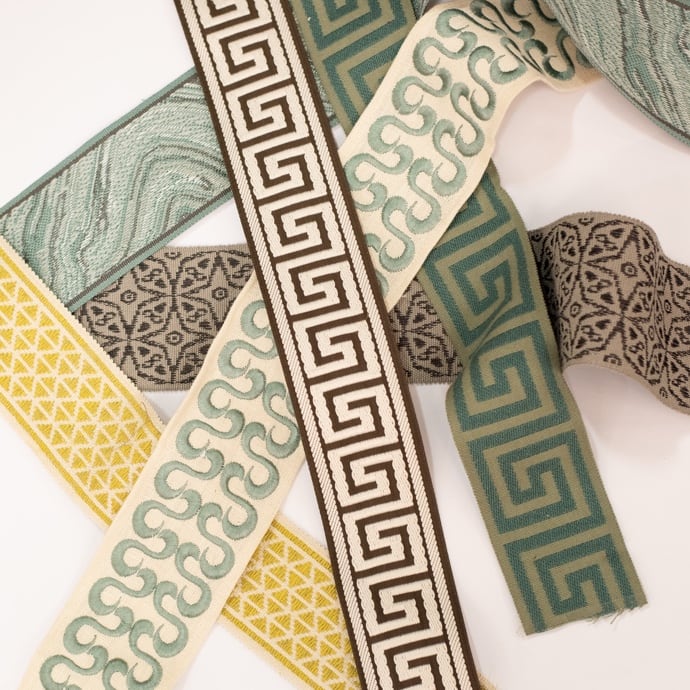
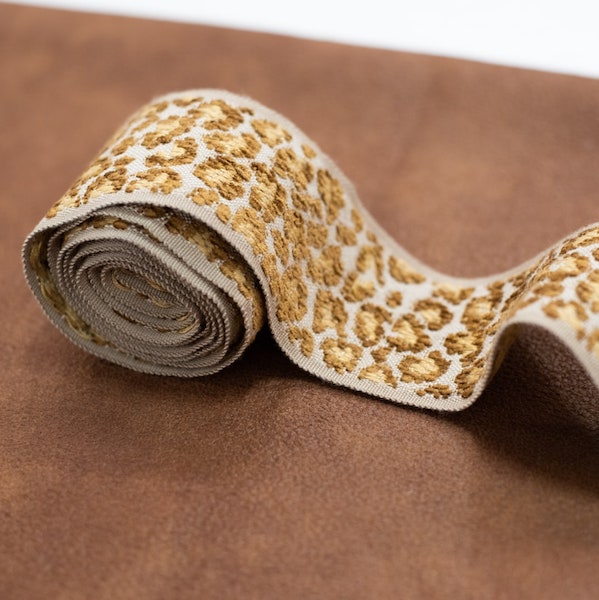
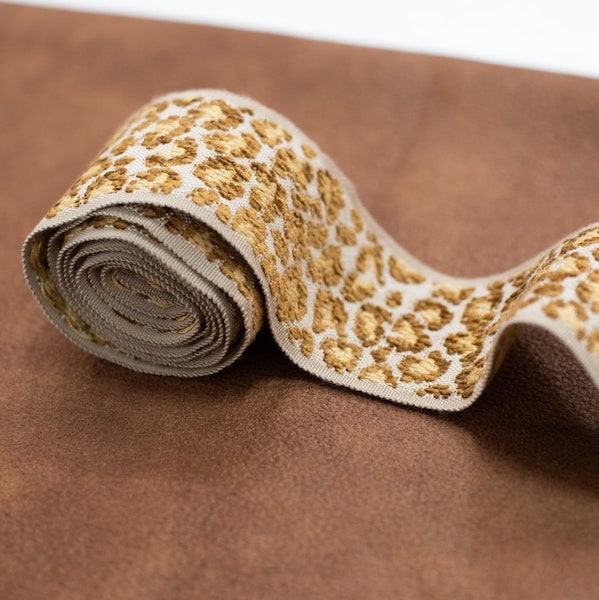
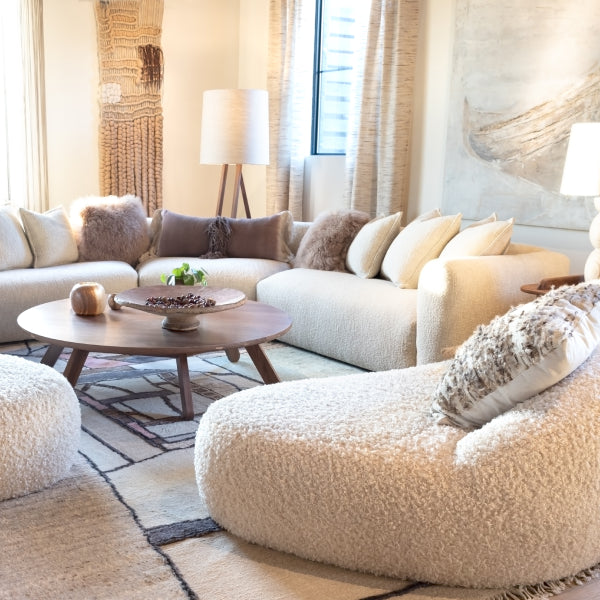
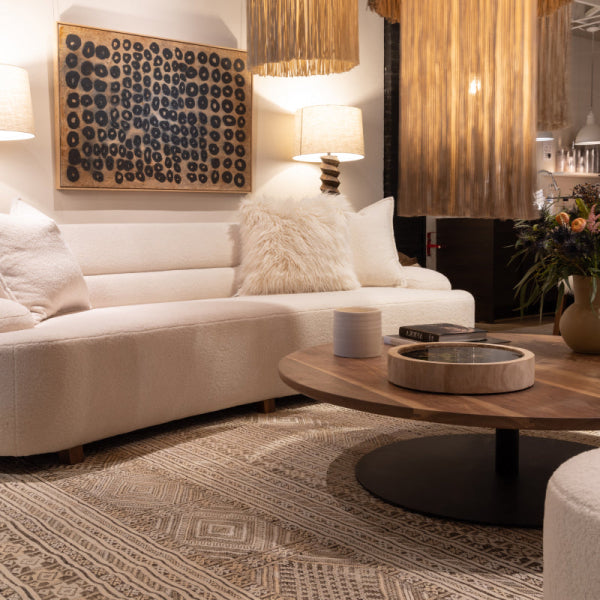
The strongest rooms layer smooth, nubby, matte, soft, and structured surfaces within a controlled palette. Think Libeco linen drapery against bouclé upholstery, a wool accent pillow against a crisply designed cotton sofa, or decorative trim used sparingly to sharpen transitions.
The room should feel composed, not busy
Layering isn't the same as piling on materials. If every fabric is loud, the room loses hierarchy. If every surface is soft and tonal, the room can become sleepy.
I prefer one dominant texture, one supporting texture, and one accent texture in most main living spaces. A premium sectional in a tactile weave might carry the room, drapery can add fluidity, and pillows or ottomans can introduce finer detail through trims or denser fabrics.

Here's where many otherwise attractive schemes fail:
- Too much sameness: Linen-on-linen-on-linen can read unfinished instead of layered.
- Too many competing weaves: Several assertive textures in equal visual weight create noise.
- No smooth relief: Every tactile surface needs a quieter counterpart such as polished wood, painted millwork, or a refined cotton or silk accent.
- Ignoring scale: Chunky textures work differently on a large luxury sofa than they do on a small bench or custom chair.
A room should invite touch without asking every piece to perform the same visual job.
This matters even more in the South, where homeowners increasingly ask not just what looks luxurious, but what keeps looking luxurious after heat, sun, and daily use. That practical durability mindset aligns with commentary noting that longevity and lower-maintenance choices remain central to remodeling decisions, and that luxury design is moving toward layered natural textures and softer finishes rather than glossy fashion materials, as discussed in this Houzz trend commentary reference.
4. Hand-knotted Rugs as Foundational Design Elements
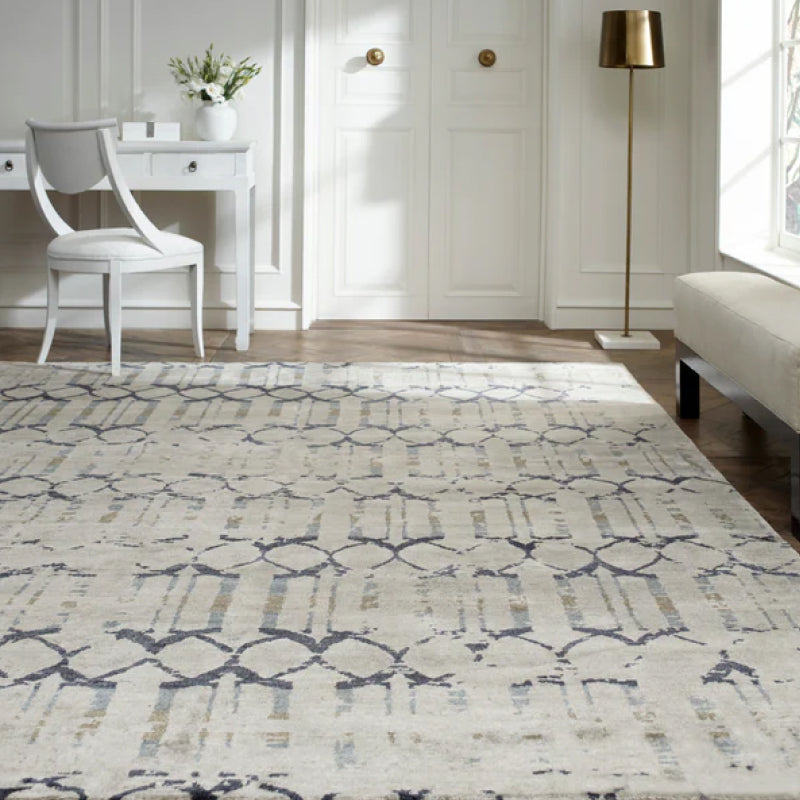
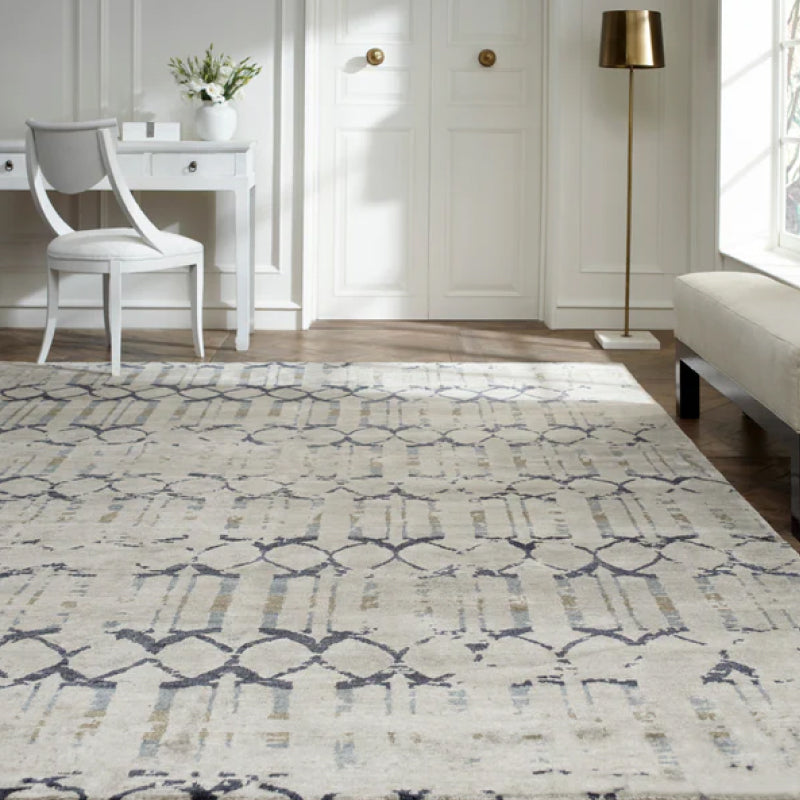
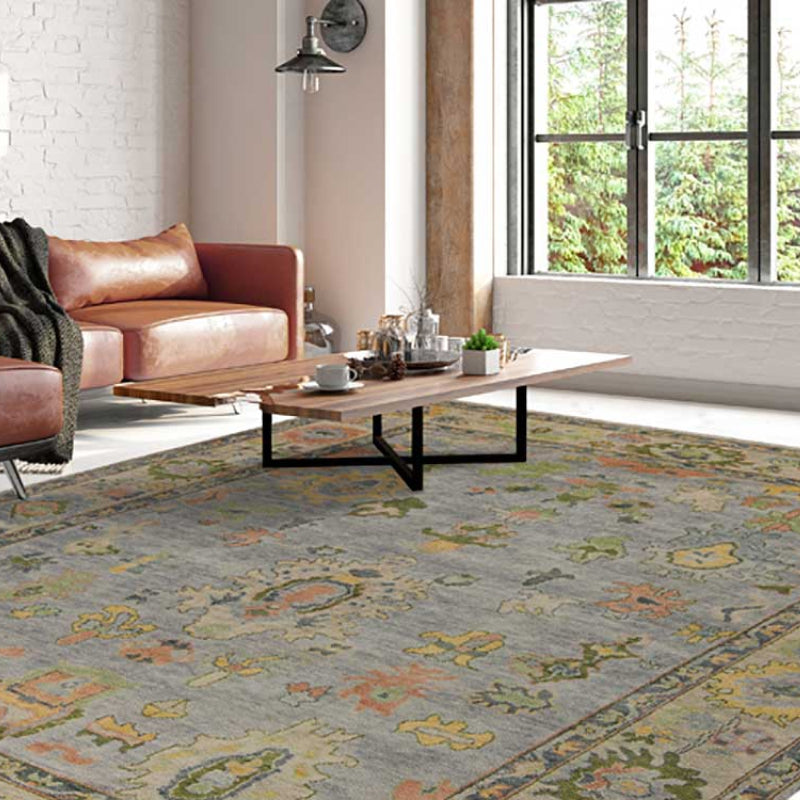
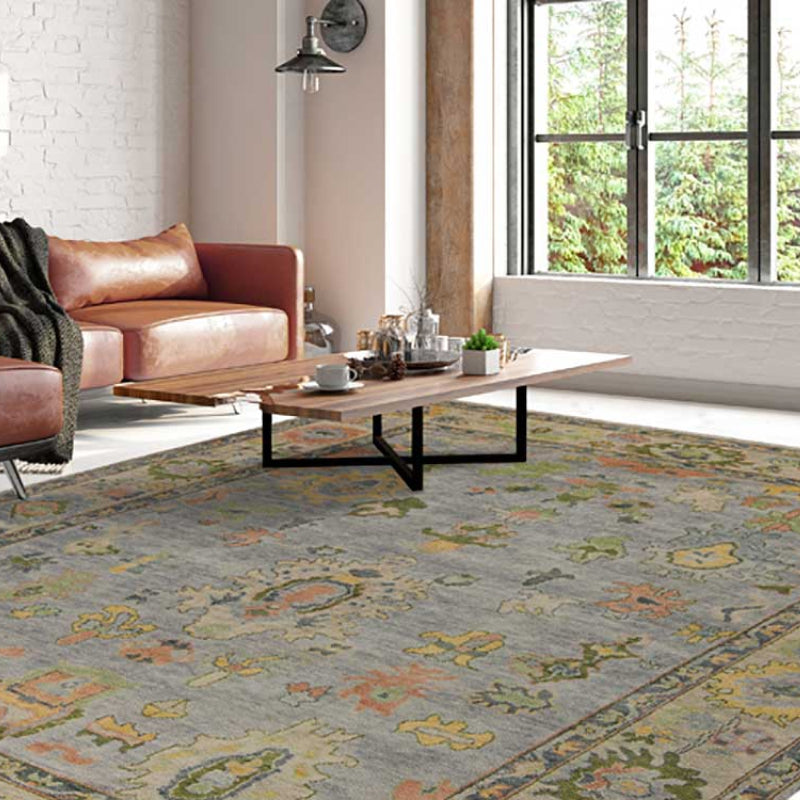
Many people treat the rug as the final accessory. In high-end interiors, it's usually the opposite. The rug often determines the room's tone before the sofa fabric, trim, or accent lighting is finalized.
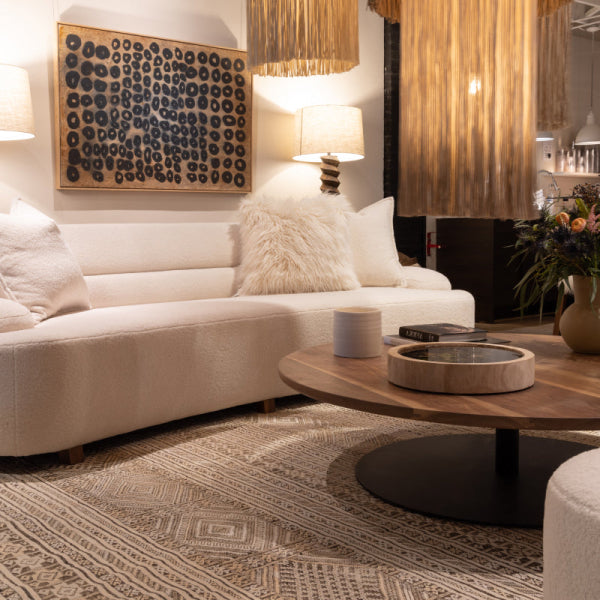
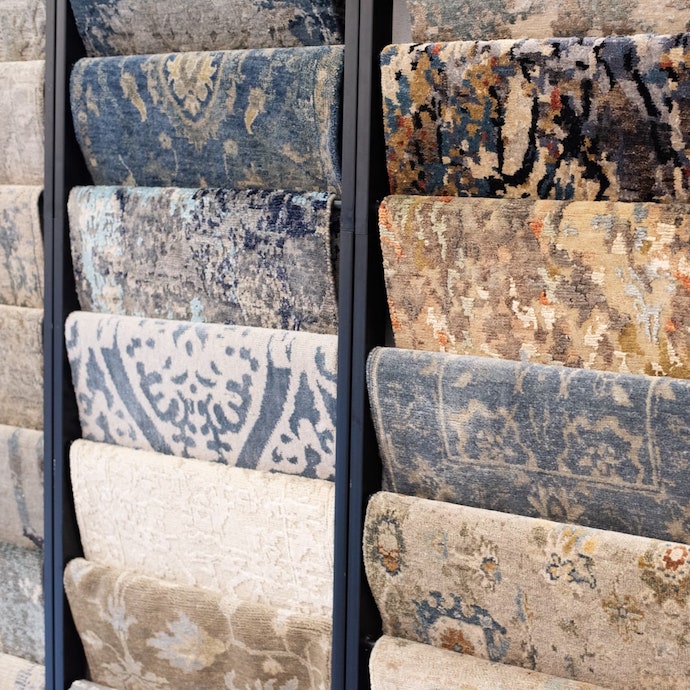
A hand-knotted rug brings tension and depth that machine-made options rarely match. You see it in the irregularity of the pattern, the subtle color variation, and the way the surface changes as light moves across it. In practical terms, that means a room with restrained furniture can still feel rich because the floor is doing serious design work.
Size first, pattern second
The wrong rug size can weaken even the best furniture plan. In living rooms, the rug should usually relate to the seating group rather than drift beneath the coffee table like an afterthought. In dining rooms, chairs need to remain on the rug when pulled back. In bedrooms, the rug should support the bed visually and physically when you step out.
Once the size is correct, then pattern matters. Kalaty and HRI both offer strong options, whether you want a traditional Persian influence, a softer transitional field, or a more contemporary hand-knotted design.
The best way to understand the distinction is to review what defines hand-knotted rugs. Buyers shopping for luxury home furnishings often use “designer rug” and “quality rug” interchangeably, but construction matters more than label language.
A few sourcing rules hold up across styles:
- Anchor the furniture: Let the rug support the seating plan, not just the center of the room.
- Watch competition: If upholstery is highly patterned, let the rug quiet the room down.
- Use quality padding: It protects the rug, improves comfort, and helps the piece sit properly.
- Plan for care: Premium rugs deserve professional cleaning and thoughtful placement, especially in high-traffic paths.
In a luxury room, the rug shouldn't feel decorative. It should feel structural.
5. Expert Reupholstery and Restoration of Cherished Pieces
Some of the most elegant rooms in Alpharetta aren't filled entirely with new furniture. They're built around one or two pieces with history. A restored wingback, an inherited settee, or a well-made club chair can add more authority to a room than a full shipment of matching new pieces.
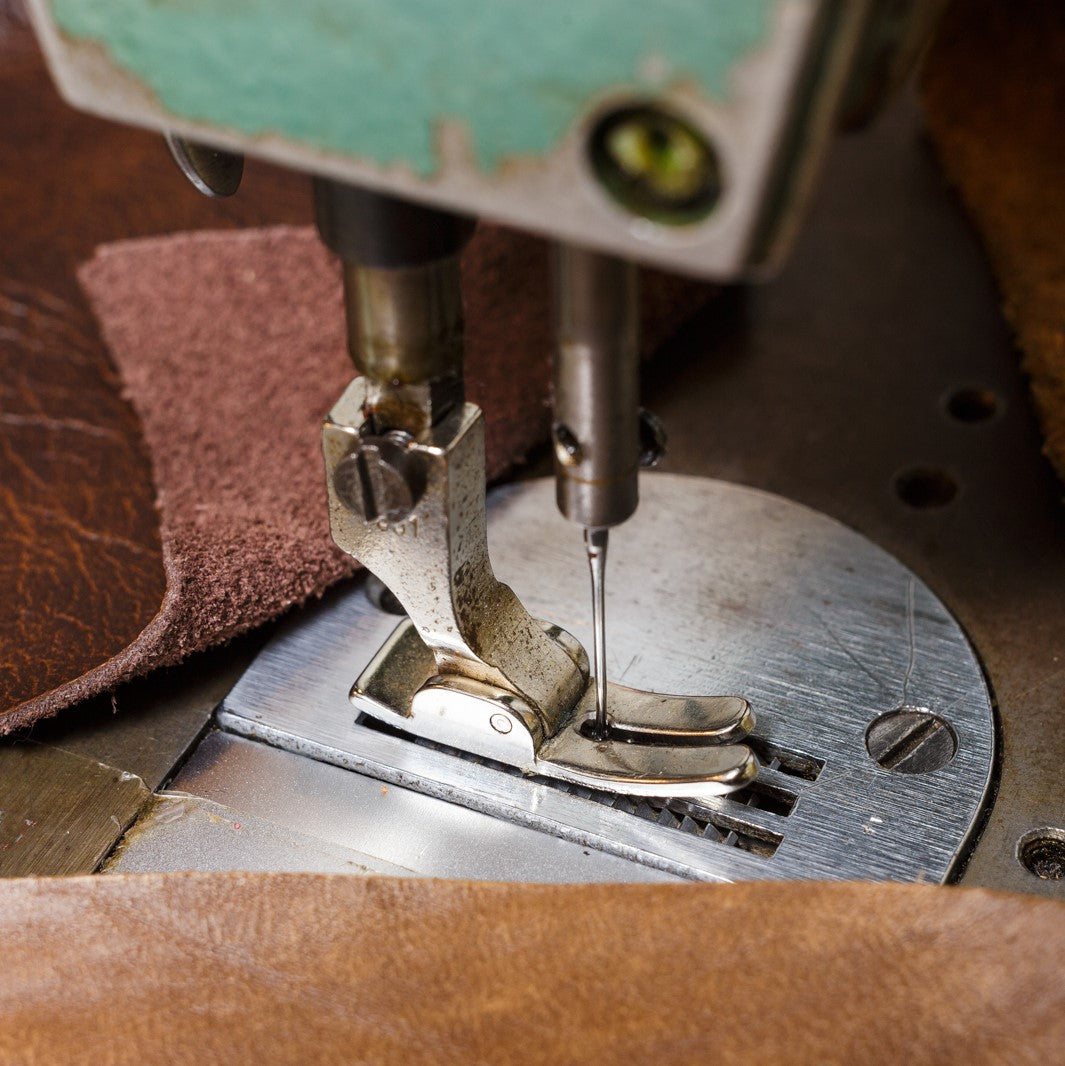
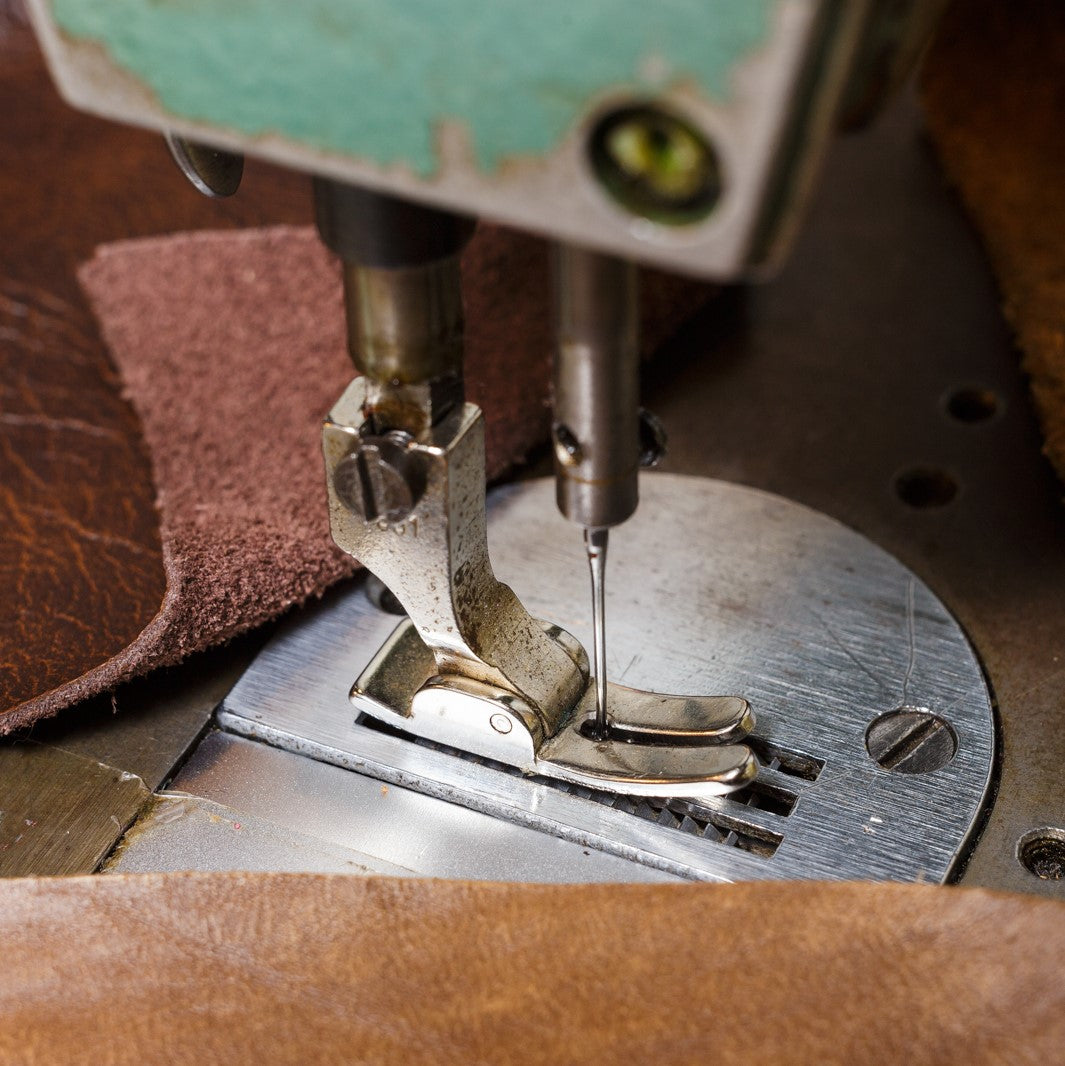
Reupholstery works best when the frame has real merit. If the joinery is sound, the scale is good, and the silhouette has staying power, restoring the piece often makes better design sense than replacing it. That's especially true when homeowners want a home that feels personal rather than showroom-perfect.
How to tell if a piece is worth saving
Start with structure. Check the frame, springs, arms, and overall proportions. If the furniture has good bones but tired fabric or outdated padding, restoration can bring it back in a way that feels perfectly suited for the rest of the home.
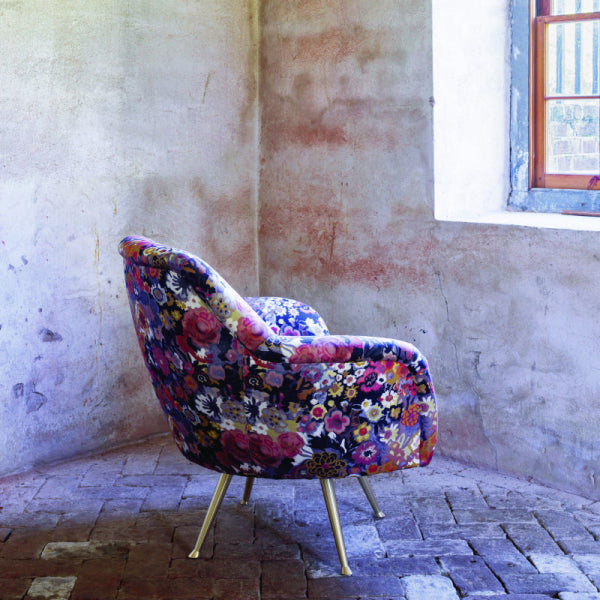
The design upside is significant. A Victorian settee in a cleaner linen, a wingback in a refined Kravet upholstery, or antique dining chairs updated in a durable textile can bridge classic architecture and modern living beautifully. This is one of the clearest paths to quieter luxury because the room gains individuality without shouting for attention.
That approach also aligns with a broader shift in luxury design guidance toward more timeless interiors, layered materials, and the use of custom textiles and refurbishment to avoid generic results, as noted in this discussion of in-home design services and personalized furnishing choices.
The best reupholstery projects don't disguise age. They refine it.
Keep a few trade-offs in mind:
- Honor the silhouette: Don't force a period piece into a fabric or finish that fights its lines.
- Upgrade use, not just looks: Cushioning, support, and fabric performance matter as much as color.
- Mix old and new carefully: One restored chair beside a custom sofa often feels collected. Too many unrelated antique forms can make the room feel unsettled.
- Document the piece: Photos and notes on trim, fill, and construction help if you revisit the piece later.
Reupholstery isn't nostalgia. It's good editing.
6. Curated Selection and Buy-Off-The-Floor Flexibility
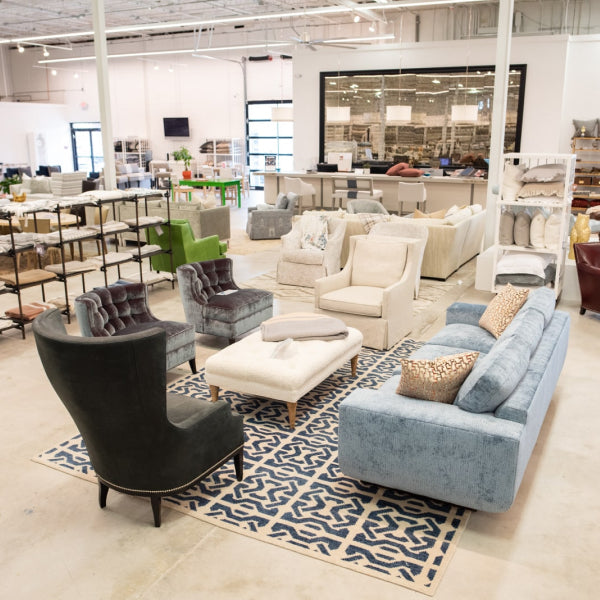
Not every luxury purchase has to begin with a long lead time. Some of the smartest rooms combine custom furniture with immediate-availability pieces that can be seen, touched, and bought right off the floor.
This approach is particularly useful when a room needs one strong anchor now. A designer chair, a statement chest, a finished rug, or a fully upholstered sofa seen in person often gives better clarity than waiting on a memo and a rendering. You know the scale. You know the hand of the fabric. You know whether the finish feels convincing.
Why immediacy can improve decision-making
Buy-off-the-floor shopping works because it reduces abstraction. It's easier to judge the true warmth of a wood tone, the seat comfort of a luxury sofa, or the density of a woven textile when the piece is physically in front of you.
It also gives homeowners flexibility. You can secure one ready-made item and then build the rest of the room around it with custom drapery, bespoke upholstery, or smaller custom chairs. That mix usually leads to a room that feels less formulaic.
There's also a practical market reason to think this way. A Metro Atlanta staging source states that homes in Alpharetta sell 50% faster and for 6 to 12% more when staged, and cites a median area price of $500,000. Even if you're not selling immediately, that kind of market responsiveness supports investing in polished, presentation-ready rooms with strong first impressions.
A few ways to use floor inventory well:
- Shop for anchor pieces first: Rugs, statement furniture pieces, and luxury home furnishings often set the room's direction fastest.
- Photograph finishes in context: Compare the piece against your flooring, paint, and millwork before finalizing.
- Blend stock with custom: One in-stock item paired with made-to-order upholstery usually feels smarter than an all-or-nothing approach.
- Ask about holds and delivery timing: Good planning matters when several trades are involved.
The best showrooms make immediate purchase feel curated, not compromised.
7. Cohesive Design Vision Through Professional Consultation
A common Alpharetta scenario looks like this. The homeowner has already chosen a handsome sofa, ordered drapery panels from a sample book, and fallen for a rug on the showroom floor. Each piece is strong on its own. Put together, the room still feels unsettled because the scale is slightly off, the undertones fight each other, and the finish level shifts from one item to the next.
Professional consultation solves that composition problem. The work is less about “having taste” and more about controlling relationships between pieces. Seat height affects how substantial a rug reads. Linen texture changes how formal millwork feels. Trim, cushion fill, drapery lining, and wood tone all need to be specified as part of one plan, especially in large open-plan homes common around Alpharetta.
That is where a resource like Lewis and Sheron Textiles becomes especially useful in practice. Homeowners and designers can compare Libeco linens, Kravet fabrics, trims, wallcoverings, and rug options in one setting, then connect those selections to custom upholstery programs such as Verellen or to in-house design guidance. Luxury becomes easier to execute when the materials, the making, and the decision-making happen in concert.
The broader market reflects that demand for higher-spec residential interiors. Another industry estimate projects the luxury interior design category will reach USD 174.2 billion by 2034, with growth tied in part to high-end residential demand and emphasis on custom-made, high-durability, premium-finish products. In residential work, that usually means fewer isolated purchases and more attention to durability, proportion, and finish consistency from the start.
Good consultation also protects clients from expensive near-misses.
A room may need a performance fabric that still reads refined, a custom sofa depth that suits both the architecture and the family's habits, or a hand-knotted rug size that keeps furniture properly grounded. Those are trade-offs, not styling flourishes. Getting them right on paper and in samples is far less costly than correcting them after delivery.
Professional input is especially useful when you need to balance competing priorities:
- Beauty and wear: A formal-looking room can still handle daily use if fabric construction, cushion fill, and finish choices are specified intelligently.
- Lead times and immediacy: One project may combine floor stock with made-to-order upholstery, drapery, or case goods.
- Inheritance and restraint: Restored family pieces need surrounding materials that support their character without turning the room into a period set.
- Architecture and light: Double-height spaces, large windows, and strong sun exposure require tighter control of color, texture, and lining choices.
For designers and homeowners working through daylight-heavy rooms, ceiling transitions, and material continuity, the same coordination mindset applies in adjacent specification decisions, including specifying skylights for projects.
Alpharetta Luxury Interior Design, 7-Point Comparison
| Option | 🔄 Implementation Complexity | ⚡ Resource Requirements | 📊 Expected Outcomes | 💡 Ideal Use Cases | ⭐ Key Advantages |
|---|---|---|---|---|---|
| Investment in Premium Natural Fibers and Textiles | 🔄 Medium, sourcing, sampling, and finish selection | ⚡ High material cost; supplier certifications and occasional specialized care | 📊 Durable, ages with character; refined visual quality | 💡 Bespoke drapery, luxury bedding, high-touch upholstery | ⭐ Exceptional longevity, natural feel, hypoallergenic |
| Custom Upholstery and Bespoke Furniture Design | 🔄 High, design consultations, long production timelines (8–14 weeks) | ⚡ High cost; skilled craftsmanship and lead time | 📊 Perfect fit and proportion; heirloom-quality results | 💡 Unusual room dimensions, statement pieces, long-term investments | ⭐ Tailored fit, superior construction, limitless customization |
| Layered Texture and Dimensional Fabric Combinations | 🔄 Medium–High, careful coordination of color, weight, and scale | ⚡ Moderate resources; multiple fabric types and designer input | 📊 Rich visual depth; hides wear and allows incremental refreshes | 💡 Living rooms and suites where tactile interest is priority | ⭐ Curated, flexible aesthetic that enhances sophistication |
| Hand-Knotted Rugs as Foundational Design Elements | 🔄 Medium, sourcing, sizing, and provenance verification | ⚡ High upfront cost; specialty vendors and possible long lead times | 📊 Anchors spaces with timeless value; durable and characterful | 💡 Entryways, living rooms, formal spaces needing a focal point | ⭐ Unique craftsmanship, durability, strong investment potential |
| Expert Reupholstery and Restoration of Cherished Pieces | 🔄 Medium, condition assessment and potential structural repairs | ⚡ Variable cost; skilled restorers and appropriate fabrics | 📊 Preserves sentimental value; sustainable and often more affordable than replacement | 💡 Heirlooms, high-quality frames, pieces with emotional importance | ⭐ Retains original form, sustainable, cost-effective vs full replacement |
| Curated Selection and Buy-Off-The-Floor Flexibility | 🔄 Low, immediate selection and purchase from showroom stock | ⚡ Moderate budget; showroom visits and occasional delivery logistics | 📊 Fast implementation; immediate tactile verification of materials | 💡 Urgent updates, staging, projects needing quick wins | ⭐ Immediate availability, reduced decision time, easy mixing with custom items |
| Cohesive Design Vision Through Professional Consultation | 🔄 Medium, discovery, planning, and phased implementation | ⚡ Designer fees and time investment; access to curated trade resources | 📊 Cohesive whole‑home results; fewer costly revisions and better scale | 💡 Whole‑home renovations, complex schemes, clients seeking polished outcomes | ⭐ Expert curation, error reduction, unified design narrative |
Your Partner in Crafting an Enduring Legacy
A newly finished Alpharetta home can look polished on install day and still fall short six months later. Sun exposure starts to flatten color. Cushions lose their shape. Rooms that looked impressive online begin to feel generic in person. Enduring interiors are built differently. They are specified for how people live, how light moves through the house, and how materials mature over time.
That standard requires more than a good eye. It requires access to the right resources and the discipline to choose well. In Alpharetta, that often means comparing real materials in hand, weighing custom work against ready-floor options, and knowing where spending more produces visible long-term return.
Lewis and Sheron Textiles makes that process tangible. Homeowners and designers can review Libeco linens, Kravet fabrics, hand-knotted rugs, custom upholstery options from Verellen, and in-house design support in one place. That matters because luxury decisions are easier to make well when the materials, construction details, and finish options are in front of you, not reduced to a thumbnail on a screen.
The best rooms carry a point of view. They also hold up to daily use. Those two goals are not always in perfect alignment, and that is where experience matters. A fabric with beautiful hand may need a different application in a sunny keeping room than it would in a formal sitting area. A custom sofa may justify the investment in a primary residence, while a buy-off-the-floor chair can solve a deadline or scale problem quickly without compromising the overall scheme.
Trend lists have their place, and homeowners often review pieces like the top 10 interior design trends for 2026 when planning updates. The stronger move is to filter any trend through craftsmanship, proportion, and permanence before it enters the house. If it cannot work with your architecture, your light, and your existing investment pieces, it is usually noise.
I advise clients to test every major decision against three questions. Will it age well. Can it be maintained properly. Does it strengthen the whole house rather than one isolated room. That approach produces interiors with depth and staying power, not quick visual impact that fades once the novelty wears off.
If you're looking for Lewis and Sheron Textiles, visit their Atlanta design center to explore home fabrics, custom furnishings, hand-knotted rugs, reupholstery, and in-house design support for projects in Alpharetta, Buckhead, Roswell, Sandy Springs, and across North Atlanta.