



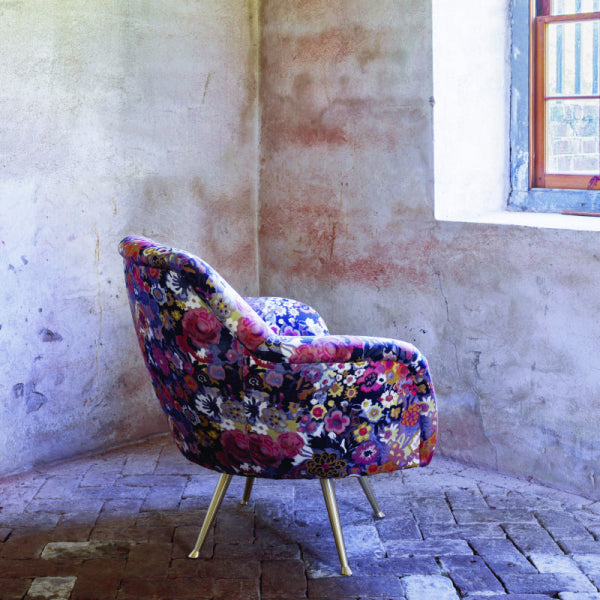
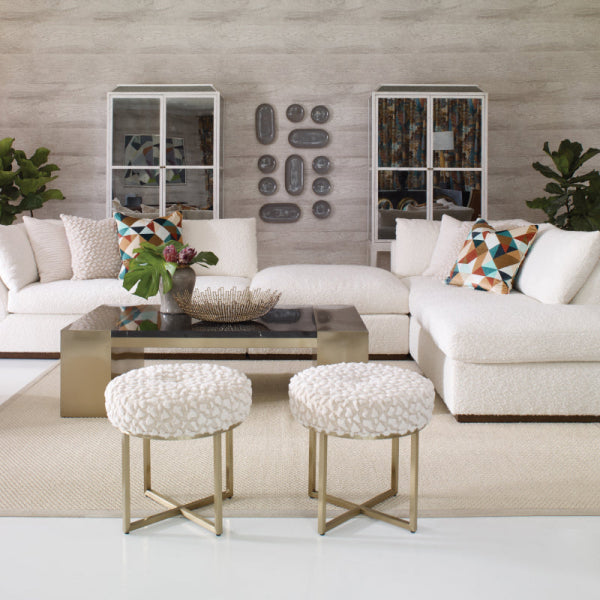











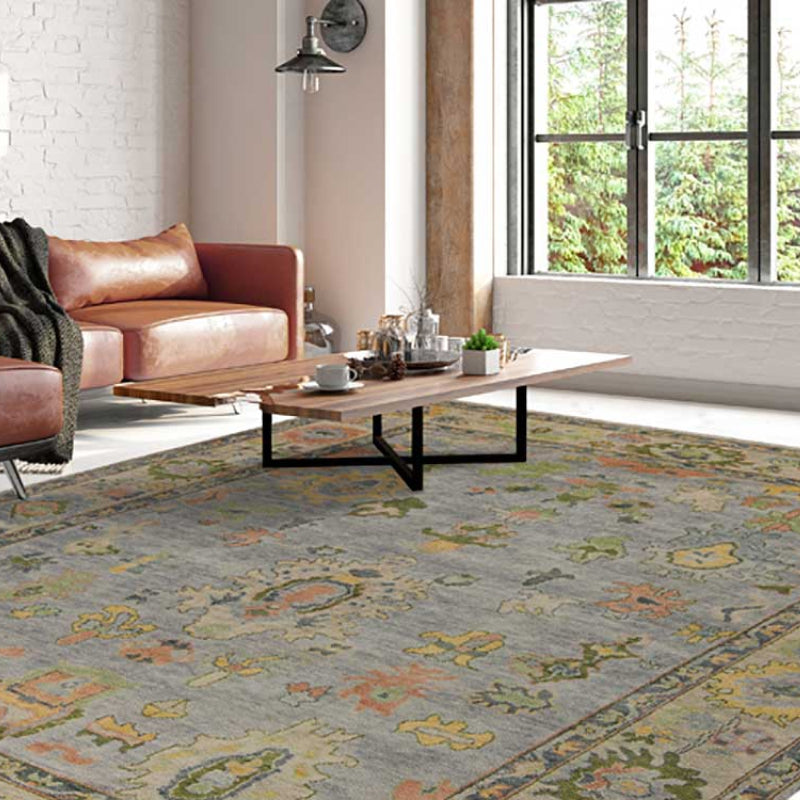
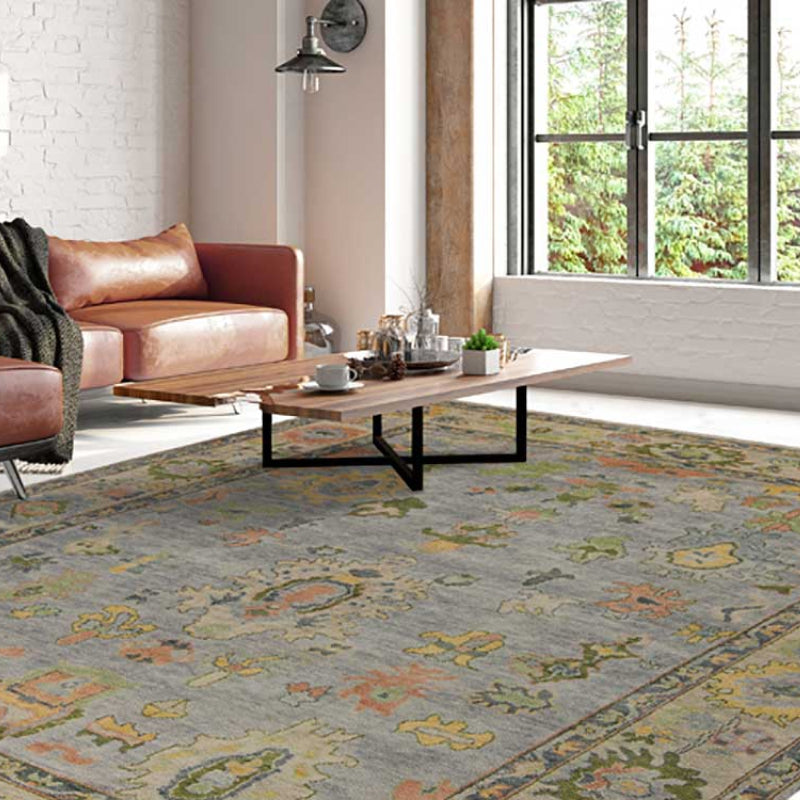
You know the feeling. The room is finished enough to function, but not finished enough to say anything about you. The sofa is comfortable, the case pieces are acceptable, and yet the space still reads like a well-funded compromise instead of a home with point of view.
That tension shows up often in John's Creek, Alpharetta, Buckhead, Roswell, and Sandy Springs. Homeowners want heirloom-quality furniture, not a house full of pieces that looked good in a showroom and forgettable six months later. They want the sort of rooms that feel collected, curated, and durable. They also want to avoid the common mistake of buying “luxury” that turns out to be nothing more than expensive mass market.
Ambella belongs in that conversation because its work has always sat in a more specific lane. It isn't about trend-chasing. It's about distinctive forms, architectural detail, and furniture that holds a room with authority. For clients searching for designer furniture near me, custom furniture Atlanta, or high-end furniture that feels individual, Ambella offers a strong answer. Value is revealed when those pieces are treated not as catalog items, but as part of a broader interior language built around finish, scale, and custom textile choices.
Elevating Your John's Creek Home Beyond the Ordinary
A lot of John's Creek homes have excellent bones. The square footage is there. The light is there. The millwork is often there. What's usually missing is selectivity.
I see homeowners make the same early move over and over. They furnish fast because the house is large, the rooms need function, and online shopping makes “good enough” easy. A year later, they're replacing a coffee table that feels generic, moving an under-scaled console from room to room, and wondering why the living room never achieved the kind of depth they admired in Buckhead or North Atlanta homes designed with a stronger hand.
That's where Ambella Home Styles for John's Creek becomes more than a search phrase. It becomes a useful filter. Ambella pieces tend to work best for people who want rooms with permanence. Not heavy rooms. Not old-fashioned rooms. Permanent rooms. Rooms where the finish has character, the silhouette has memory, and the furniture can stand beside custom drapery, premium rugs, and serious upholstery without looking flat.
Practical rule: If every major piece in a room could be swapped into any other house without changing the look, the room still isn't specific enough.
John's Creek homeowners usually aren't looking for novelty for novelty's sake. They're looking for furniture that gives a house identity. That can mean a statement console in the foyer, a burnished dining table with enough presence to anchor open-plan architecture, or a sink chest in a powder room that feels more like a custom furnishing than a builder-grade fixture.
The best rooms in this market also respect contrast. You don't need every piece to shout. You need one or two pieces with enough design authority to set the tone, then quieter upholstery, lighting, and textiles to support them. Ambella is often strongest in those anchoring roles.
The Ambella Home Philosophy From Innovation to Icon
Ambella's design language makes more sense once you understand how the brand thinks. It has never been just about producing attractive furniture. It has been about taking forms that feel familiar and giving them a level of character that makes them memorable.
One fact matters here because it explains the brand's DNA. Ambella Home pioneered the “Sink Chest” design in the early 1990s, becoming the first company to introduce a traditional wooden chest with a sink mounted on top and plumbed for a faucet, changing vanity design by blending heirloom-quality cabinetry with plumbing function, as noted on Ambella's company history. That move tells you a lot. Ambella looked at a standard utilitarian category and pushed it toward furniture.

Why the sink chest matters
A true design signature isn't just a product. It's a philosophy in object form. The sink chest matters because it shows three priorities that still define the line.
- Furniture first: The piece starts from the visual language of cabinetry and chest forms, not from the visual language of plumbing fixtures.
- Function without aesthetic surrender: The practical requirement is met, but the room doesn't take on the sterile look of a standard vanity wall.
- Longevity in style: A well-shaped case piece can outlast trend cycles better than many built-ins that announce their decade immediately.
That's one reason Ambella resonates with homeowners looking for luxury home furnishings rather than disposable updates. Good designer furniture should solve a practical problem while raising the standard of the room. Ambella has done that from the start.
What separates Ambella from decorative-only brands
Some furniture brands excel at accent pieces that look appealing in isolation. They photograph well, but they don't always carry a full room. Ambella generally performs better when the goal is to create structure.
You see that in the way many pieces rely on carved detail, architectural bases, layered finishes, and unusual proportions. The brand isn't afraid of statement furniture pieces, but the better examples are disciplined. They have enough detail to feel special, not so much that they become hard to place.
For buyers comparing options in the luxury furniture Atlanta market, that distinction matters. A piece can be expensive and still be thin in design. A stronger piece gives you more than surface styling. It gives you form, proportion, and material depth.
How to shop the line well
The easiest mistake with Ambella is treating it like a trend accent. That usually underuses what the brand does best.
A better approach is to start with one of these roles:
-
Anchor piece in a public room
Think foyer console, dining table, statement chest, or cocktail table. -
Architectural bathroom focal point
The sink chest remains one of the clearest ways to turn a practical room into a designed room. -
Counterpoint to softer upholstery
Ambella often shines beside more restrained custom sofas, sectionals, and chairs.
For a closer look at the collection itself, see Ambella at Lewis and Sheron.
Exploring Signature Ambella Styles and Finishes
The Ambella aesthetic isn't one-note. That's part of its strength. The line moves across traditional, transitional, and more modern forms, but it stays coherent because the underlying priorities remain the same. Material interest, finish variation, and sculptural detail come first.
That makes Ambella especially relevant in Atlanta-area homes that don't fit neatly into one decorating category. Many John's Creek and Roswell interiors combine formal architecture with updated lighting, cleaner upholstery, and more relaxed family living. Furniture has to bridge those worlds. Ambella often does.

The details that signal designer quality
When I assess whether a piece belongs in a high-level interior, I look past category first. I look at how it's built visually.
Ambella pieces often rely on:
- Reeding and fluting: These add shadow, rhythm, and a sense of craftsmanship.
- Burnished or aged metal accents: They keep a piece from reading too flat or too polished.
- Veneer patterning: Radial and directional grain work gives surfaces movement.
- Layered finishes: A good finish should look developed, not sprayed on as a single note.
These are the details that separate a genuine statement piece from furniture that's merely large.
A useful case study in the Owen Door Sink Chest
The Ambella Home Owen Door Sink Chest offers a strong example of how decorative detail can also support performance. According to the product detail page for the Owen Door Sink Chest, it features two reeded doors over a reeded drawer, and the reeding pattern increases door rigidity by an estimated 25%, which matters in humid climates like Atlanta's.
That's the sort of trade-off good furniture resolves well. Reeding isn't there only to look refined. It also helps the door structure resist the kind of movement that can compromise lesser casework over time.
In humid North Atlanta homes, ornament that also improves stability is more valuable than ornament that only adds surface interest.
Buyers often misread “designer quality.” They assume it means dramatic styling. In practice, it often means visual choices that pull structural weight too.
What works in John's Creek and what doesn't
A large house doesn't automatically need oversized furniture. It needs furniture with enough presence to hold larger rooms. Ambella usually succeeds through shape and detail rather than sheer bulk.
What works well:
- Medium-to-dark wood finishes in homes with white or warm neutral walls. The contrast gives the room backbone.
- Reeded fronts and carved case details in bathrooms, foyers, and dining spaces that need visual relief from broad drywall surfaces.
- Mixed-material pieces when the room already has soft upholstery and needs something firmer in attitude.
What usually misses:
- Too many heavily detailed pieces in one sightline. Ambella needs editing.
- Trying to make every room a statement room. One signature moment per space is often enough.
- Ignoring the floor. A richly finished case piece can fall flat against the wrong wood tone or a rug with no grounding character. If you're evaluating how furniture finishes will sit with existing surfaces, this guide to stunning home flooring options is a useful starting point.
For more examples of how these pieces function as focal points, see this look at Ambella Home statement pieces.
A Curated Guide for Your John's Creek Residence
John's Creek homes tend to ask for furniture that can do two jobs at once. It has to read polished enough for formal entertaining, but it also has to feel appropriate for daily life. That's why room placement matters so much with Ambella. The right piece can make a room feel composed. The wrong piece can make it feel staged.

The foyer and great room
In many North Atlanta homes, the foyer has to establish the tone quickly. A substantial Ambella console or chest works well here because it gives the entry sequence some authority without requiring a full decorative program.
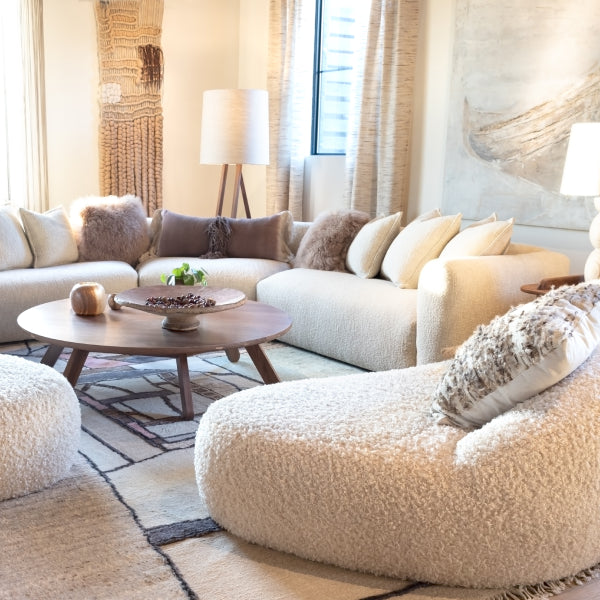
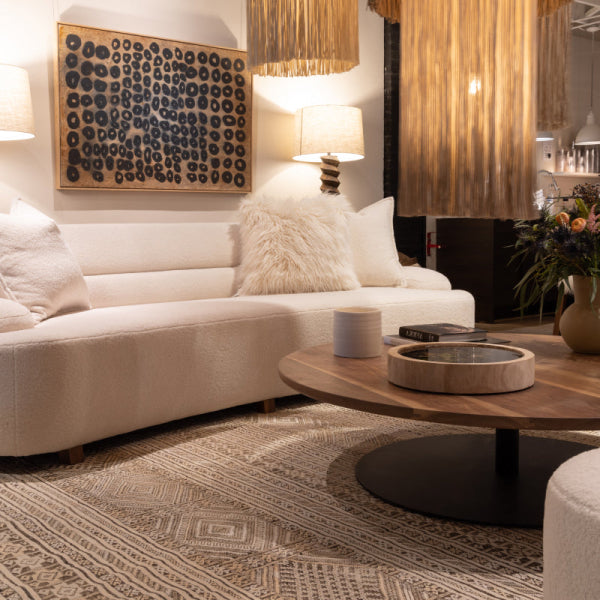
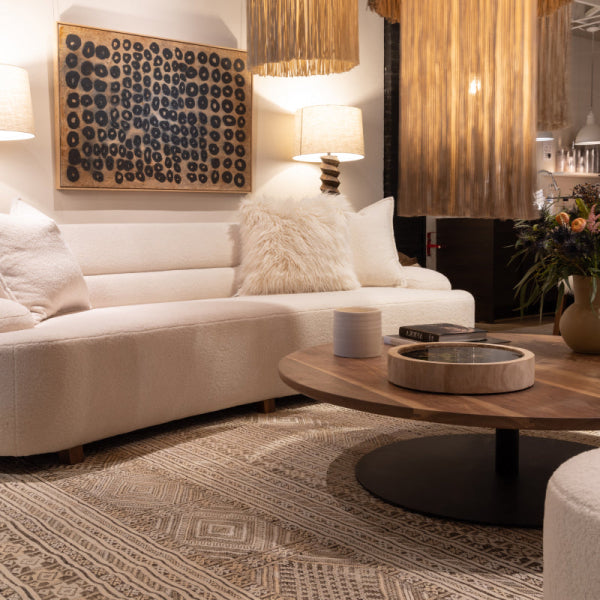
The great room calls for more restraint. If you're pairing luxury sofas, premium sectionals, or high-quality couches with Ambella case goods or tables, keep the upholstery quiet and let the harder surfaces do the talking. This is especially effective in open layouts in Alpharetta and Sandy Springs where one dramatic case piece can help define a zone without adding clutter.
The dining suite and family spaces
Dining rooms and breakfast areas are where Ambella often earns its place. A dining table with a developed finish and strong base design can carry a room even before art and drapery go in. That matters in homes with tall ceilings, where lesser tables can feel visually stranded.
In family rooms, the better move is usually selective use. Add one Ambella cocktail table, console, or accent chest, then build around it with custom upholstered furniture, lamps, and textured rugs. Too many hard-edged statement pieces can make a family room feel formal in the wrong way.
If the room already has dramatic stone, iron stair details, or ornate millwork, choose one Ambella focal piece and stop there.
The primary suite and bath
Ambella can create the most memorable change with the fewest moves. Bedrooms benefit from one distinctive chest, nightstand group, or bench-table pairing that keeps the suite from feeling like a furniture package.
Bathrooms are even more interesting. The Corinth sink chest shows why. According to the Corinth product tearsheet, Ambella sink chests like this model often include quartz tops and reinforced framing designed to support up to 200 lbs, which makes them well suited to substantial primary bathroom renovations. That combination of furniture presence and practical construction is rare in vanity categories that often skew either purely decorative or purely utilitarian.
Ambella Style Guide for John's Creek Homes
| Room | Design Goal | Recommended Ambella Piece | Why It Works |
|---|---|---|---|
| Foyer | Establish presence without crowding the entry | Console or statement chest | Gives immediate architectural weight and sets a collected tone |
| Great Room | Anchor seating with character | Cocktail table or console | Adds structure beside softer upholstery and rugs |
| Dining Room | Hold a large room with confidence | Dining table with a developed finish | Prevents tall-ceiling spaces from feeling underfurnished |
| Family Room | Add refinement without stiffness | Accent chest or occasional table | Introduces detail while keeping the room livable |
| Primary Suite | Create a tailored retreat | Distinctive chest or bedside case pieces | Keeps the room from feeling like a matched suite |
| Primary Bath | Turn function into a focal point | Sink chest such as the Corinth | Combines cabinetry presence with practical bathroom use |
The Art of Custom Furniture at Lewis and Sheron
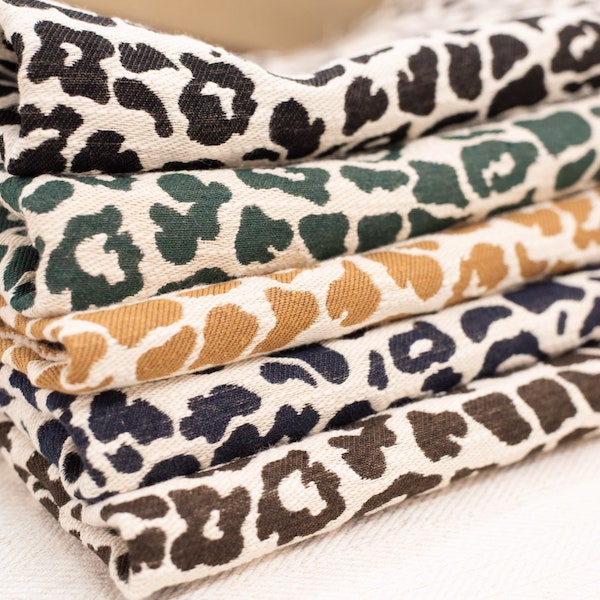
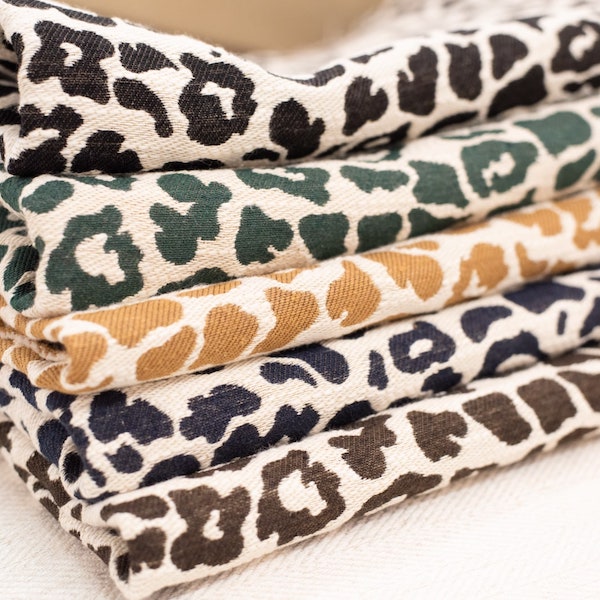
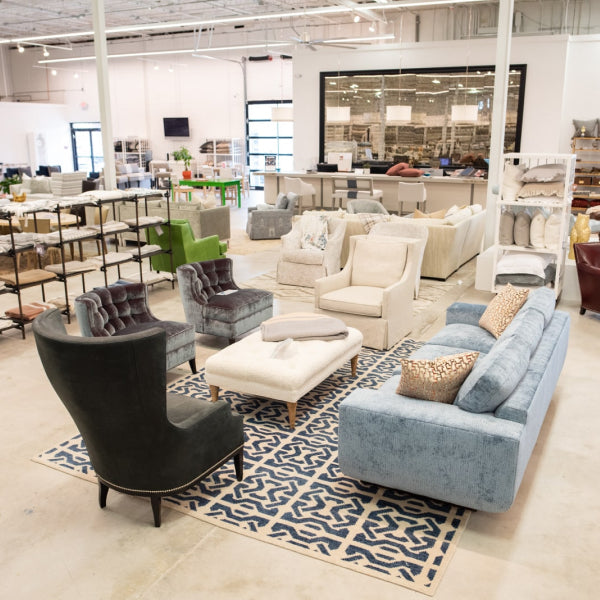
Furniture reaches another level when the frame and the textile are chosen together instead of separately. That's where many high-end rooms either come together or break apart. A beautiful Ambella piece can lose impact if the surrounding upholstery is generic, too shiny, too flat, or wrong for the finish.
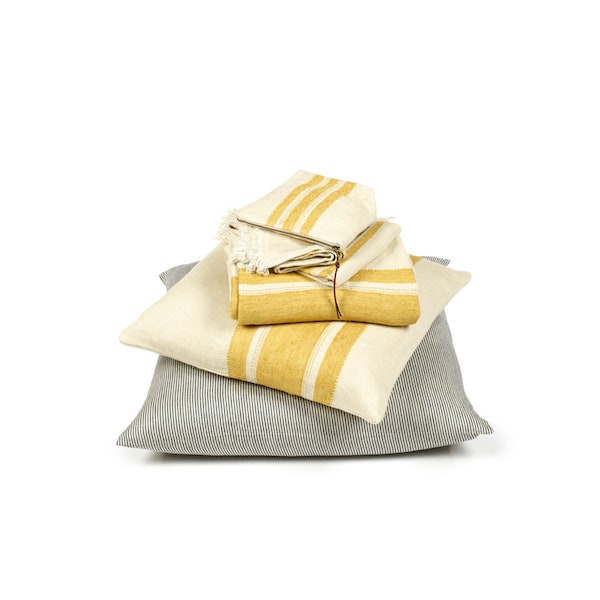
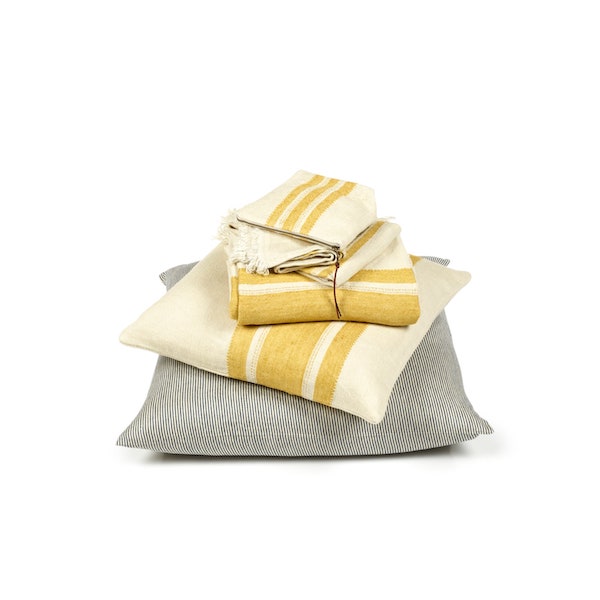
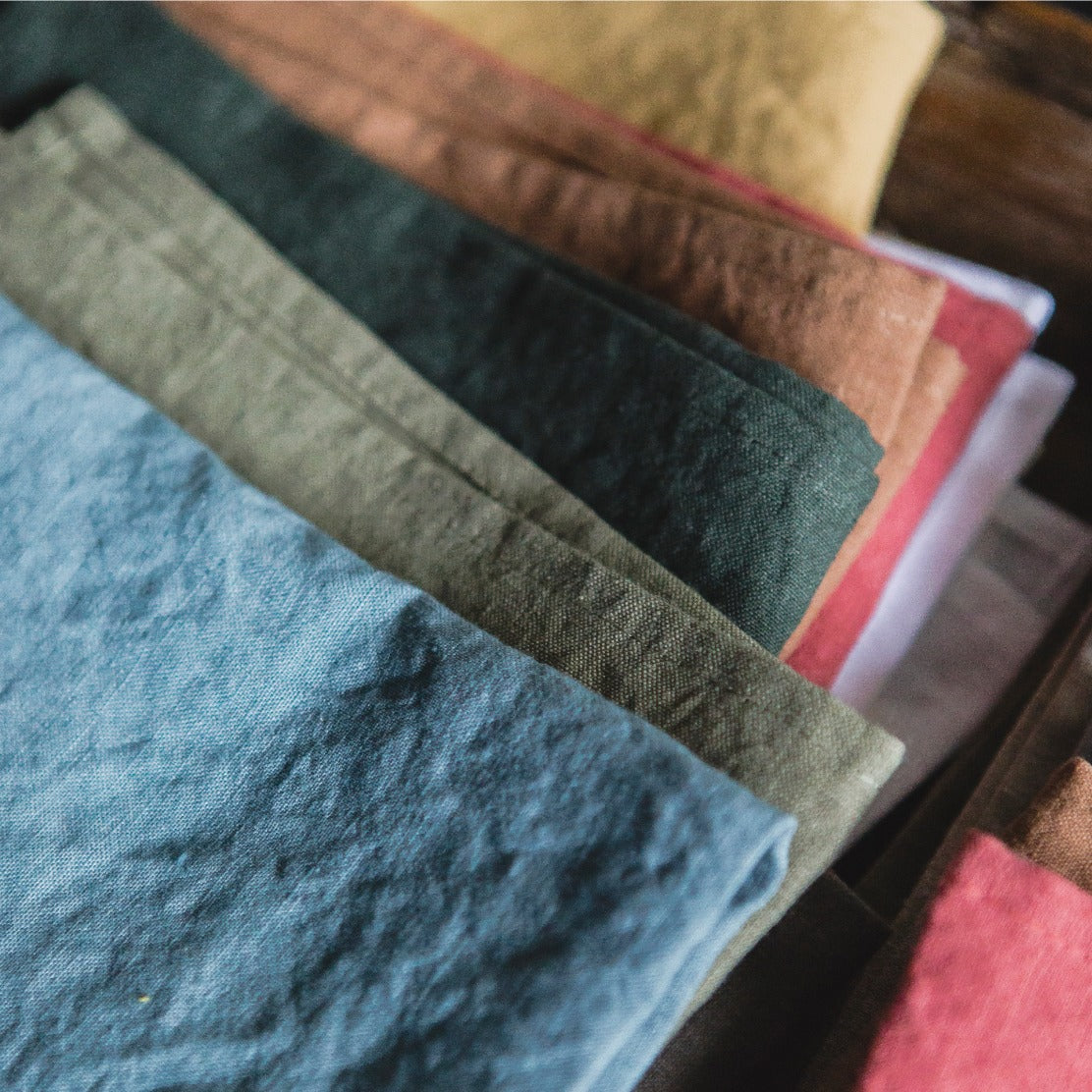
In affluent Atlanta suburbs like John's Creek, median home values exceed $750,000, and there's clear demand for pairing timeless furniture with bespoke textiles, yet homeowners still lack enough guidance on how to match Ambella finishes with premium materials such as Belgian linens or Crypton for Georgia's humidity conditions. That gap matters because expensive furniture still won't look custom unless the textile decisions are as disciplined as the furniture decisions.

Matching Ambella finishes with the right textiles
The simplest way to get this wrong is to match wood tone and fabric mood too strictly. Dark finished furniture does not require dark upholstery. In fact, it often looks better against something quieter and more tactile.
Consider these pairings:
- Reeded or carved oak pieces: These usually benefit from fabrics with softness and slub, such as linen blends or subtly textured solids.
- Burnished metal accents: Pair them with upholstery that has matte depth rather than high sheen.
- More formal case pieces: Counterbalance them with clean-lined yet approachable seating, especially in family spaces.
The point isn't contrast for its own sake. The point is balance. If both the case goods and upholstery are visually busy, the room starts arguing with itself.
Why custom upholstered furniture changes the result
In a serious interior, custom upholstered furniture earns its place. Standard upholstery gives you a fixed answer. Custom upholstery lets you tune the answer.
That matters when you're trying to place:
- a refined Ambella chest next to a reading chair,
- a statement dining table near host chairs,
- or a substantial console across from a sectional in an open plan.
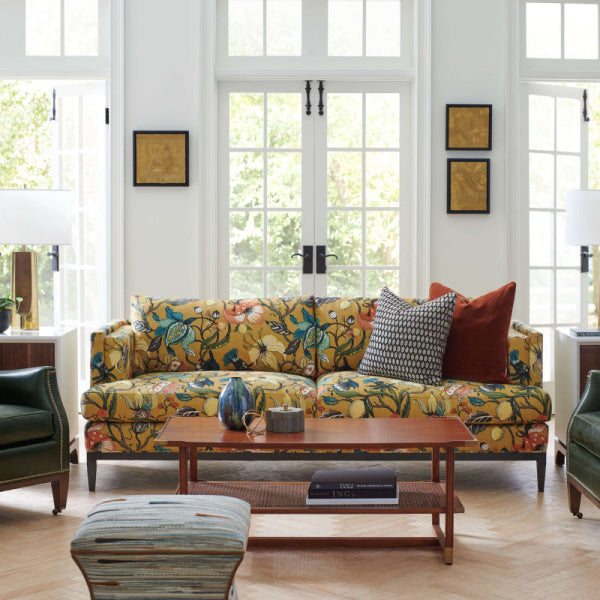
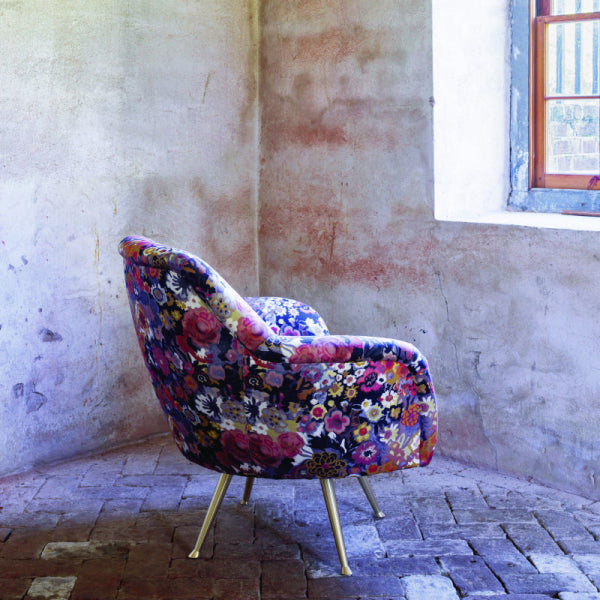
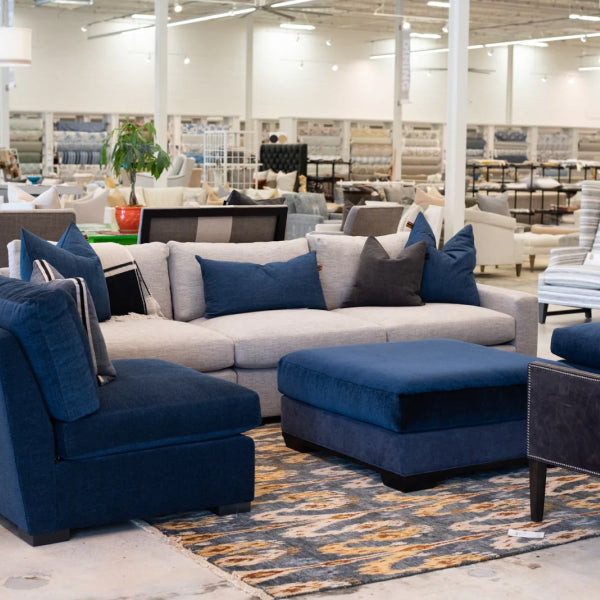
With custom work, you can adjust fabric hand, color temperature, welt, skirt or no skirt, seat feel, and overall mood so the upholstered pieces support the case goods rather than compete with them. For homeowners exploring those options, this page on custom upholstered furniture shows the kind of precise approach that makes designer rooms feel resolved.
The difference between a decorated room and a designed room is often upholstery discipline. The fabric has to answer the furniture, the light, and the way the room is used.
Reupholstery and heirloom continuity
Not every room should be built from scratch. In many John's Creek homes, the smartest approach is to add one or two new Ambella pieces and restore the furniture that already deserves to stay.
That's especially effective when a client has:
- A well-scaled inherited chair that only needs new fabric and fresh finish support around it.
- A solid sofa frame that still suits the room but needs a more current textile language.
- Dining host chairs with good bones that can be recovered to connect old and new pieces.
This keeps the home from feeling overbought. It also creates the layered look people often want when they say they don't want anything cookie-cutter.
What works best in humid Georgia interiors
Georgia humidity changes textile decisions. Delicate fabrics with no forgiveness can be frustrating in real family homes. That doesn't mean every room needs overtly “performance” selections. It means the room should be specified realistically.
Good choices often include:
- Belgian linen looks for lower-stress spaces where texture matters most
- Performance fabrics such as Crypton in family-heavy rooms
- Tighter weaves and structured silhouettes when the furniture has substantial carved or reeded detail
What doesn't work is pretending every room lives the same way. A formal sitting room and a breakfast-area banquette should not be upholstered as if they have the same traffic, sunlight, and maintenance demands.
Understanding the Investment in Lifetime Furniture
By the time someone is considering Ambella, they're usually past casual browsing. They're weighing whether the premium is justified. That's the right question.
The answer has less to do with status and more to do with composition. Designer quality furniture earns its price when the form is distinctive, the materials have depth, the construction supports real use, and the piece can stay relevant as the house changes around it. If one of those is missing, the value starts to weaken.
What you're paying for
Furniture pricing often gets discussed as if all cost sits in the name. That's lazy analysis. With a line like Ambella, the premium usually comes from a combination of visual complexity and better long-term usability.
You're paying for things like:
- Developed silhouettes that don't look interchangeable with mass-market inventory
- Finish character that adds age, texture, and variation rather than a uniform surface
- Construction appropriate to permanence, especially in case pieces used heavily
- The ability to build a room around the piece for years, not just for one refresh cycle
That last point matters most. Cheap furniture often has to be replaced not because it breaks immediately, but because it starts looking irrelevant fast.
Why this matters in John's Creek homes
In John's Creek, over 42% of homes are 20+ years old, and there has been a 35% increase in searches related to high-end home restoration, which points to a real need for guidance on mixing new, non-cookie-cutter Ambella pieces with restored heirlooms, as noted on Ambella's builders and remodelers page. That context changes how smart buyers furnish.
They aren't always decorating a brand-new shell. They're often refining an existing home with established floors, trim, family pieces, and architectural details that deserve respect. In that environment, investment furniture needs to do more than impress in a showroom. It has to integrate.
Better value versus lower upfront price
A lower initial spend can still be the more expensive path if the piece has to be replaced once style, finish wear, or construction limitations show up. That's common with trend-driven case goods and upholstered furniture that looks current for a short cycle and dated right after.
A stronger investment usually follows this pattern:
| Decision | Short-term appeal | Long-term result |
|---|---|---|
| Mass-market statement buy | Fast delivery and lower entry price | Often replaced when style fatigue or finish issues show up |
| Generic neutral upholstery | Easy to purchase | Can leave the room without personality or architectural tension |
| Heirloom-quality designer piece | Higher consideration and more planning | Gives the room identity and can live through later updates |
What clients should expect
The most successful buyers approach Ambella with a clear plan. They know the room, the role of the piece, and the level of permanence they want.
That usually means asking better questions:
- Is this piece an anchor or a supporting player?
- Will the finish work with the floor and wall tone already in the home?
- Do I want a room that feels newly furnished, or one that feels layered over time?
- Am I buying for a quick solve, or am I buying once?
If the answer is “buy once,” premium furniture starts to look less like a splurge and more like discipline.
Frequently Asked Questions About Ambella Home
Is Ambella worth the premium price
Yes, when you're buying it for the right reason. Ambella is worth the premium when you want a piece with strong form, finish character, and enough design presence to anchor a room for years. It's less compelling if you're shopping for a fast placeholder or trying to furnish an entire house with statement pieces all at once.
What makes Ambella feel more like designer furniture than mass-produced furniture
The difference usually shows up in silhouette, finish depth, and detail. Ambella pieces tend to look intentional from a distance and rewarding up close. Reeding, carved elements, mixed materials, and furniture-like bathroom pieces all push the line beyond standard decorative inventory.
Are Ambella pieces good for Atlanta and North Atlanta homes
Yes. The line works especially well in homes across John's Creek, Buckhead, Alpharetta, Roswell, Sandy Springs, and wider Fulton County because so many interiors here mix traditional architecture with updated living. Ambella handles that blend well. It can sit comfortably beside custom sofas, premium sectionals, and restored heirlooms without feeling either too formal or too casual.
How should I use Ambella in a room without overdoing it
Start with one anchor. A statement chest, dining table, console, sink chest, or cocktail table is often enough. Then support it with quieter upholstery, good lighting, and texture through rugs or drapery. If every piece is trying to be the lead, the room loses hierarchy.
Buy Ambella the way you'd use a strong note in music. It should define the composition, not drown it out.
Is Ambella only for traditional interiors
No. It reads best in layered interiors, but that can include transitional and selectively modern rooms. A cleaner sofa shape next to an Ambella chest or table often creates more tension and elegance than a fully traditional room set.
What's the best way to care for Ambella furniture
Treat it like serious furniture, not casual commodity furniture. Keep surfaces clean and dry, use felt protection where needed, and avoid letting decorative styling turn into abrasion. Bathroom pieces deserve especially thoughtful care because humidity and water exposure are part of daily use.
Can Ambella work with custom chairs, luxury sofas, and other upholstered furniture
Absolutely. In fact, that's often where it performs best. Ambella's strongest role is often as the counterweight to soft seating. Well-scaled custom chairs, luxury sofas, and other upholstered pieces can take on a calmer profile when the case goods provide the room's edge and individuality.
Lewis and Sheron Textiles helps Atlanta-area homeowners create rooms with that level of specificity. From premium fabrics and custom furnishings to expert guidance on pairing Ambella with upholstery, rugs, and reupholstery, the team offers the kind of design support that turns a beautiful piece into a fully resolved interior. Explore Lewis and Sheron Textiles to start planning a home that feels customized, lasting, and unmistakably your own.