


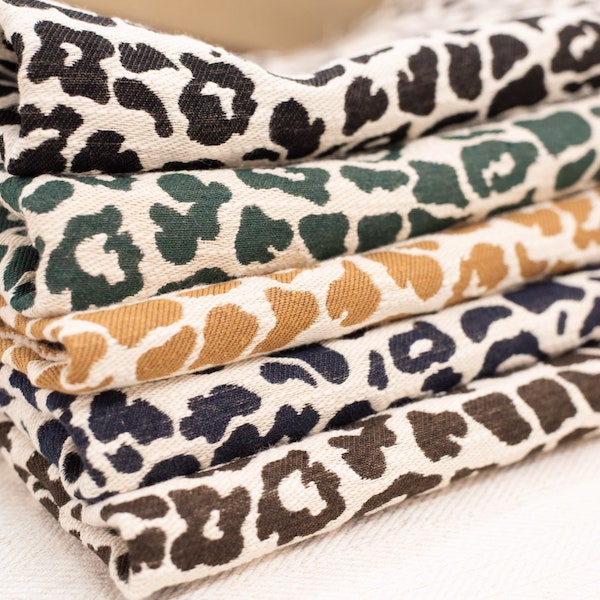
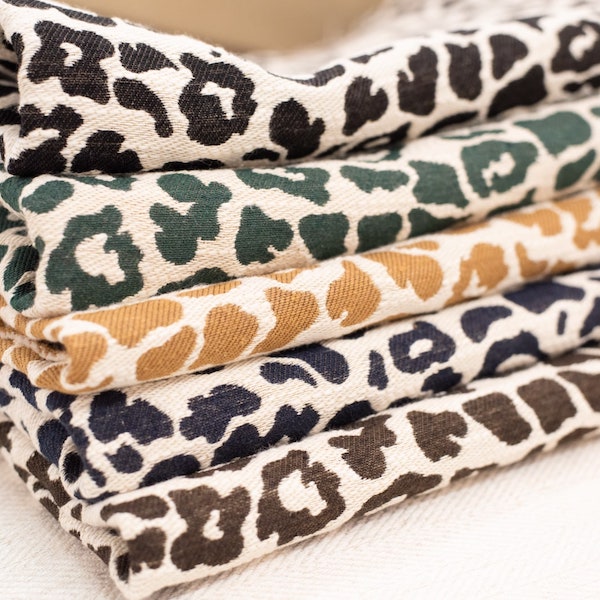
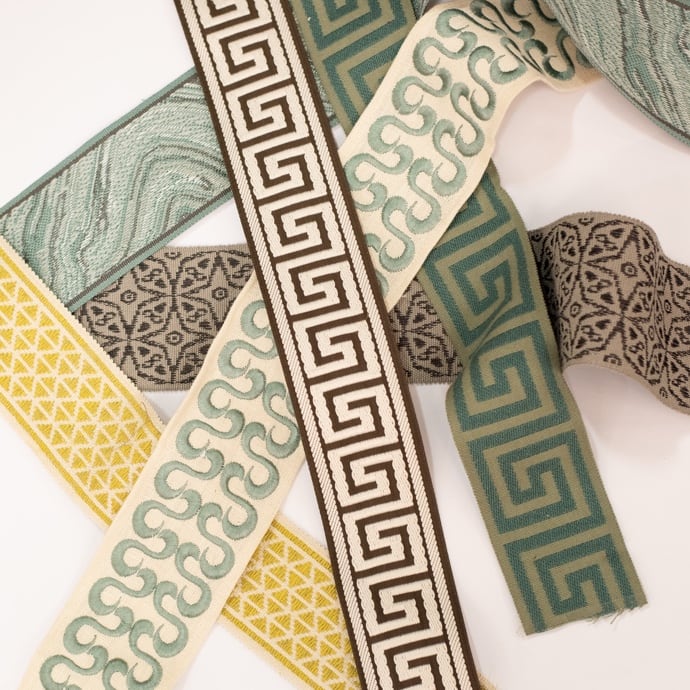

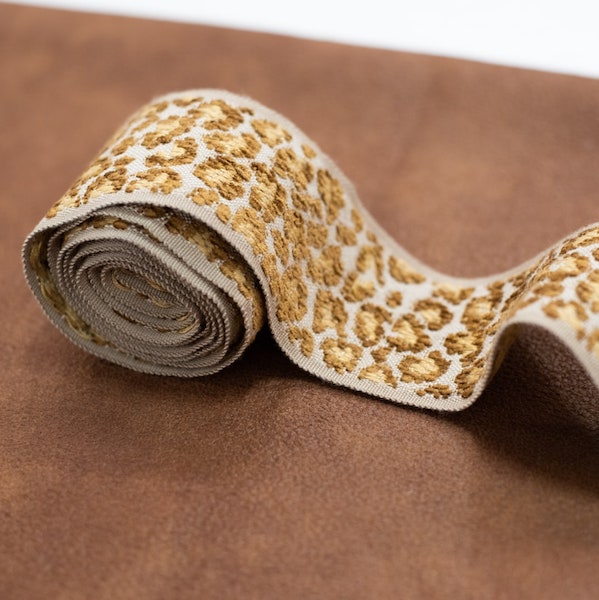
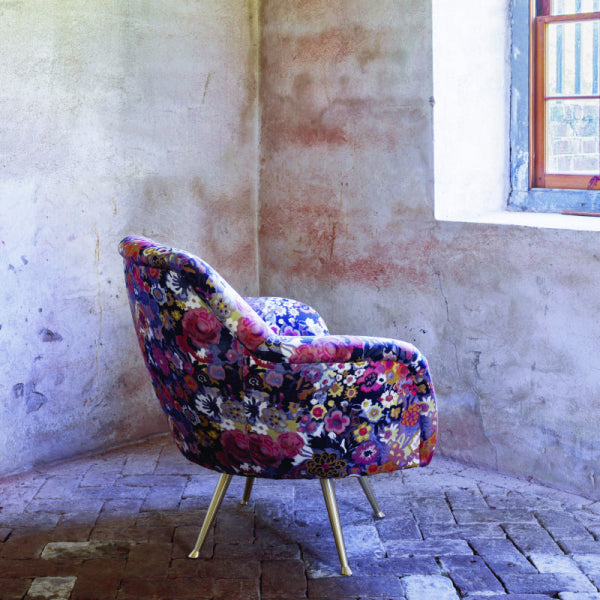
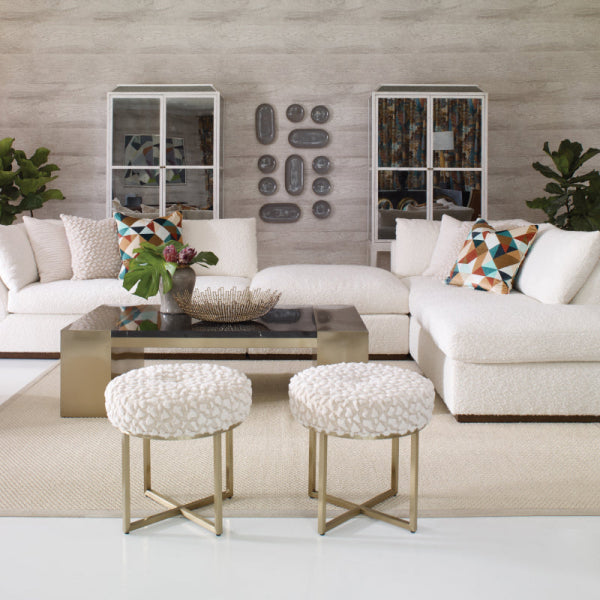









A lot of homeowners in Sandy Springs, Buckhead, and Roswell have the same piece in mind when they start this search. It's the sofa with the solid frame and the right scale, but tired fabric. Or the chair inherited from family that still has presence, even though the seat has collapsed and the arms show years of wear.
That's not a repair problem. It's a design decision.
In High-End Reupholstery in Sandy Springs, the primary question isn't whether an old piece can be saved. The better question is whether it deserves to be recommissioned as something finer than what most showrooms offer off the floor. A well-built frame, rebuilt correctly and dressed in the right textile, can become the sort of furniture people keep for decades instead of replacing every few years.
Beyond Repair Reimagining Your Heirloom Furniture
A quality reupholstery project starts with respect for what's already there. Older sofas, club chairs, and dining seats often have the one thing many newer pieces lack. They have bones. The proportions are settled, the joinery is often stronger, and the silhouette already belongs in the room.
That's why I don't view heirloom reupholstery as patchwork. I view it the way a careful renovation team views an older house. You preserve what gives the piece character, strengthen what time has weakened, and update what makes daily use better. Homeowners restoring older interiors often think this way already, which is why Domicile Construction's renovation guide feels so relevant to furniture as well as architecture.
Sandy Springs sits in a market that understands this level of work. The Atlanta-Sandy Springs-Roswell metro area employed 280 upholsterers as of May 2023, and the area posted a mean hourly wage of $26.72, which ranked Atlanta second nationally among metropolitan areas for upholsterer pay according to U.S. Bureau of Labor Statistics wage data. That tells you something important. Skilled upholstery labor is valued here because clients know the difference between cosmetic covering and serious craft.
What a client is usually deciding
Most clients aren't choosing between reupholstery and “nothing.” They're choosing between:
- Buying new luxury furniture that may look refined in the showroom but still relies on shortcuts inside
- Reworking a known piece that already fits the room and can be customized exactly to their taste
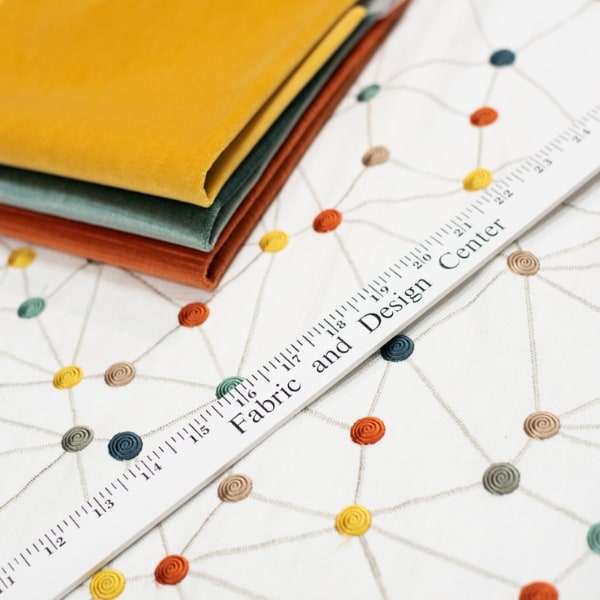
- Commissioning a custom look through fabric, cushion feel, trim, and finish details that mass-market furniture can't match
High-end reupholstery makes sense when the frame is worth keeping, the scale is right, and the owner wants something more personal than standard designer furniture.
That's why this work appeals to buyers searching for custom furniture in Atlanta, designer furniture near me, or luxury sofas for a finished home. They're not browsing. They're trying to make a lasting decision.
What Defines High-End Reupholstery Quality
High-end reupholstery is judged from the inside out. The visible fabric may win the first glance, but the long-term value lives in the frame, the suspension, the shaping, and the precision of the final tailoring. That is the difference between a piece that merely looks refreshed and one that earns another generation of use.

Start with the frame and foundation
The first question is always structural. A good workroom checks for loose joinery, split rails, failed corner blocks, old tack holes, and frame fatigue before discussing decorative details. Covering weakness with beautiful fabric is expensive camouflage.
The suspension is a key differentiator in premium work. On a well-made sofa or chair, the spring system often needs partial or full rebuilding so the seat sits level, supports evenly, and recovers properly after use. Eight-way hand-tied coils remain a respected benchmark in traditional upholstery because they create a more balanced sit and a longer service life than many shortcut systems.
That difference is immediate. A rebuilt seat has quieter support, better weight distribution, and less of the hollow drop that shows up in lower-grade furniture after a few years.
The details that separate tailored work from ordinary work
Clients usually notice the fabric first. Craftsmen notice whether the piece is disciplined.
High-end reupholstery should show control in the following areas:
- Pattern matching: Stripes, plaids, and large repeats should align across the inside back, seat, deck, and outside arms
- Cushion build: The fill and wrap should suit the furniture, whether the goal is a formal seat, a relaxed lounge feel, or something in between
- Tailoring: Welts, topstitching, skirts, banding, and corners should stay consistent from one side to the other
- Shaping: Inside backs, roll arms, crowns, and decks need proper contour so the silhouette looks crisp rather than stuffed
- Scale and proportion: Trim, cushion loft, and seam placement should respect the original lines of the frame
This is also the stage where a reupholstery project starts to resemble a design commission rather than a repair order. The client is not only replacing old fabric. The client is choosing how the piece should sit, how formal it should feel, how sharply it should read in the room, and whether it should hold close to its original character or take on a new one.
For clients comparing construction, cushion performance, and fabric durability together, these insights on durable furniture upholstery are a useful companion to an in-person evaluation. Fabric selection also matters at this level, especially once the structure is worthy of the investment, and this guide on how to choose upholstery fabric helps frame those decisions.
What usually justifies the investment
Some pieces respond beautifully to high-end reupholstery. Others never do, no matter how attractive the new covering is.
These categories tend to be the clearest:
- Strong candidates: Solid wood framed sofas, club chairs, English arms, bench-seat banquettes, quality dining chairs, and older custom pieces with good bones
- Poor candidates: Lightweight frames, stapled construction with little rigidity, weak suspension, and pieces that were uncomfortable from the start
- Case-by-case pieces: Sentimental furniture with heavy damage, where restoration value, use, and budget all need to be weighed carefully
I tell clients to judge three things before they commit. Is the frame excellent. Are the proportions right for the room. Will the finished piece offer something they cannot buy off the floor with the same character and fit. If the answer is yes, reupholstery can produce a true heirloom. If the answer is no, new fabric alone will not turn disposable furniture into luxury.
Choosing Premium Fabrics from World-Class Mills
Fabric is the part clients fall in love with first, and rightly so. It's the surface you see, touch, and live with every day. But selecting upholstery for a luxury sofa or custom chair in Sandy Springs isn't about choosing the prettiest swatch on a hanger. It's about matching material to use.
Performance fabrics versus natural character
For busy family rooms, media spaces, and premium sectionals that take daily wear, performance textiles usually earn their place. Crypton fabrics are engineered to withstand over 100,000 double rubs on the Wyzenbeek abrasion test, well above the 15,000 to 30,000 range commonly associated with residential use, making them a strong fit for heavy-use seating. In practical terms, that means they're often the right answer for households with children, pets, frequent guests, or a sofa that is used frequently as intended.
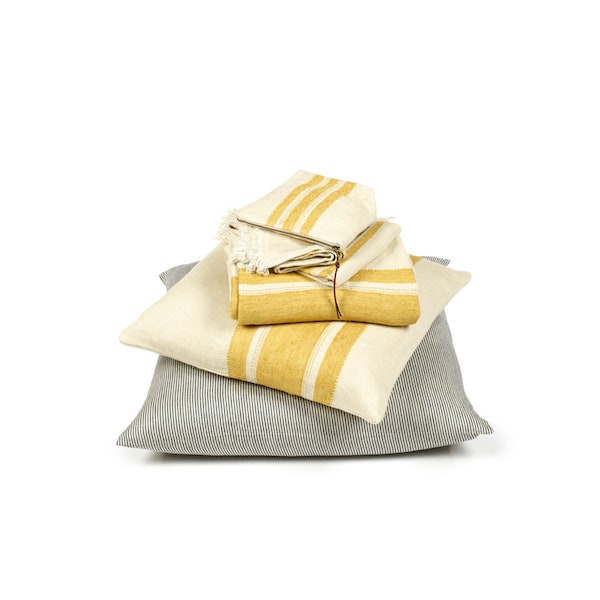
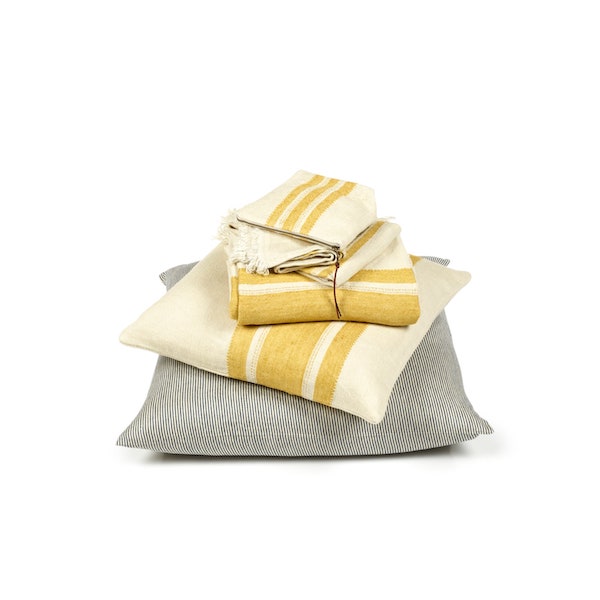
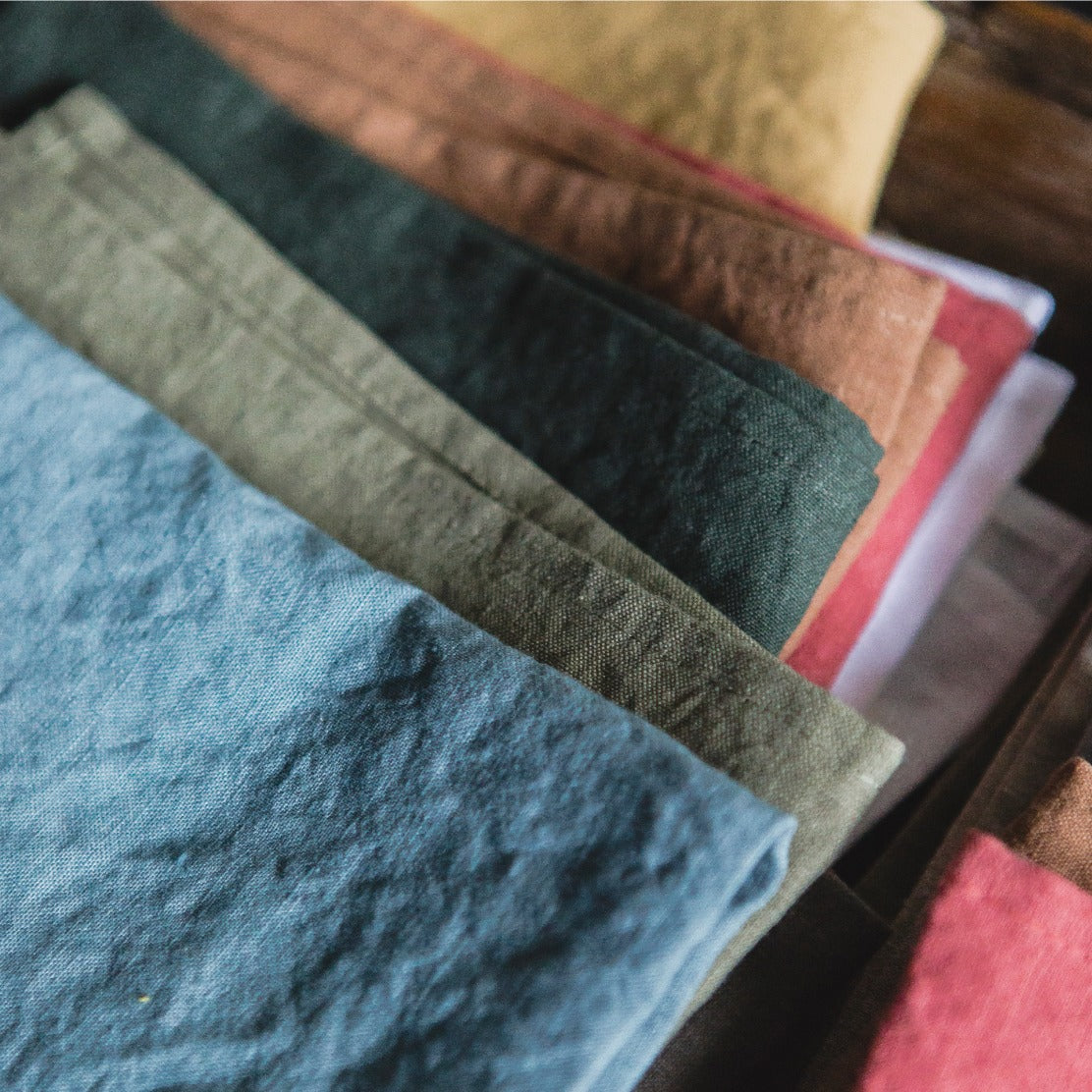
Natural fibers serve a different purpose. Belgian linen, linen blends, and other refined woven textiles bring depth, softness, and a relaxed sophistication that many designer homes in Alpharetta and Buckhead want. They can look extraordinary on statement chairs, formal sitting room sofas, and rooms where touch and drape matter as much as stain resistance.
For clients comparing options, these insights on durable furniture upholstery offer a useful companion to in-person fabric selection. I also recommend reviewing a focused guide on how to choose upholstery fabric before making final decisions.
Comparing Premium Upholstery Fabrics
| Fabric Type | Best For | Key Characteristics | Notable Mills |
|---|---|---|---|
| Performance fabric | Family sofas, sectionals, breakfast banquettes | Cleanability, abrasion resistance, dependable everyday wear | Crypton, Kravet |
| Belgian linen | Formal living rooms, accent chairs, quieter spaces | Soft hand, elegant drape, relaxed texture | Libeco Home |
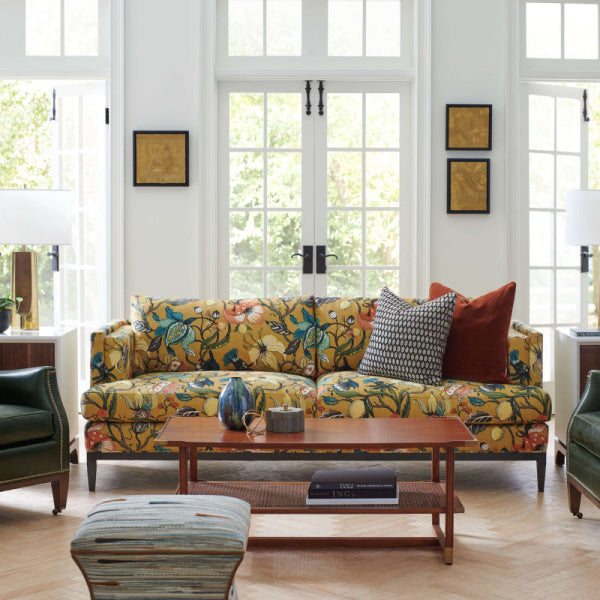
| Patterned designer woven | Statement furniture pieces, tailored rooms | Visual depth, strong decorative identity, often ideal for custom chairs | Kravet, Fabricut, P. Kaufmann |
| Textured neutral upholstery | Luxury couches, transitional interiors, layered schemes | Subtle dimension, versatile styling, easier long-term decorating | Fabricut, Kravet, Libeco Home |
What to choose for the way you live
The mistake I see most often is choosing fabric by aspiration instead of behavior. If the sofa sits in a room where people sprawl, snack, and watch movies, choose durability first. If the chair is there to complete a beautifully composed sitting room and sees lighter use, you have more freedom to prioritize hand, drape, and visual refinement.
A few guidelines help:
- For a primary family sofa: Lean toward performance upholstery
- For a formal occasional chair: Linen or an elegant woven often wins
- For custom dining chairs: Choose fabrics that can handle repeated contact and easy cleaning
- For antique frames: Let the scale and period of the frame guide the textile, not passing trends
The right luxury fabric doesn't just look expensive. It suits the room, the household, and the furniture underneath it.
The Bespoke Reupholstery Process and Timeline
Clients often expect reupholstery to behave like retail. It doesn't. A bespoke upholstery project moves more like a design commission, because every stage depends on inspection, material choice, and handwork.

How the work usually unfolds
Most projects move through a sequence like this:
- Initial consultation The piece is evaluated for structure, proportion, and suitability for reupholstery. Clients are encouraged to discuss its intended use thoroughly. Formal room, family room, pet traffic, preferred seat feel, all of it matters.
-
Fabric and finish selection
Swatches are reviewed in the actual light of the room when possible. Trim, welting, cushion style, skirt details, and leg finishes are decided here. -
Strip-down and internal review
Once the piece is opened, hidden issues often appear. Old padding may be unusable. Springs may need rebuilding. Wood repairs may become necessary. -
Rebuild and upholster
The foundation is restored, padding is shaped, and the fabric is cut and applied with attention to alignment and proportion. -
Final inspection and delivery
Comfort, tailoring, and finish details are checked before the piece goes back into the home.
Why patience matters
A proper project takes time because the work is sequential. The frame can't be rushed. The spring work can't be guessed. The fabric layout can't be treated casually, especially with repeats or custom-fitted silhouettes.
Clients usually do best when they think in terms of a process rather than a deadline. If the piece matters, the goal isn't speed. The goal is to receive it back looking resolved, sitting correctly, and ready for long-term use.
Good upholstery work has checkpoints. If a shop promises to move instantly without careful inspection, ask what they're skipping.
Investing in Quality Understanding Cost and Long-Term Value
The most useful way to think about reupholstery isn't “What does it cost?” It's “What am I buying?”
You're not just buying labor and fabric. You're buying extended use of a frame you already trust, a custom look that fits your home exactly, and the chance to avoid replacing furniture that still deserves a place in the room.
Where value comes from
High-end reupholstery costs more than a quick recover because the work usually includes some combination of frame repair, foundation rebuilding, cushion work, detailed cutting, and premium fabric. That's especially true for luxury sofas, premium sectionals, and custom chairs with shaped arms, tufting, skirts, or repeated patterns.
If you're weighing estimates, look beyond the total. Ask what's included. Some quotes cover only fabric application. Others include the internal work that determines how the piece will sit and age.
For readers evaluating project scope, this reupholstery cost overview is a useful starting point.
Why many clients choose it anyway
The sustainability case is straightforward. Restoring an heirloom piece avoids furniture replacement, and that matters because replacement furniture contributes to landfill waste. That shift in thinking aligns with growing demand among affluent Atlanta homeowners for more transparency around sourcing and environmental impact, as noted in Thumbtack's Sandy Springs upholstery market page.
That doesn't mean every old chair should be saved. Some aren't worth it. But when the scale is right, the frame is sound, and the design deserves another life, reupholstery often produces a better result than buying a new “luxury” sofa built to showroom standards rather than long ownership.
A smarter comparison
Compare these two paths qualitatively:
- Buy new mass-market luxury furniture: Faster, often visually polished, but quality varies and customization is limited
- Reupholster a strong existing piece: Slower, more deliberate, but personalized to your room, your comfort, and your standards
For clients building a lasting home, that second path often makes more sense.
Case Studies Before and After Transformations in Atlanta
The best way to understand this craft is to look at how different pieces respond to different goals. Not every project wants the same outcome. Some need durability first. Others need restraint.

A family sofa brought forward
A Buckhead client had an older designer sofa with excellent scale for a renovated den. The original upholstery felt heavy and dated, and the seat had lost the crisp support the room needed. The frame, however, was too good to discard.
The right move wasn't to mimic the past. It was to retain the shape and update the attitude. A clean performance fabric transformed the piece into something appropriate for daily family use, while tighter tailoring sharpened the silhouette so it sat comfortably beside newer millwork and lighting.
What changed most was not the color. It was the discipline. Better fabric, corrected seat support, and a cleaner profile made the sofa feel intentional again.
An inherited chair given a proper future
In Roswell, a client brought in a small armchair inherited from a grandparent. It had sentimental value, but that wasn't enough on its own. The proportions were graceful, the frame had charm, and the chair deserved use rather than storage.
The best answer was a quiet textile with visible texture. Nothing flashy. Nothing trendy. A refined linen-look fabric let the shape carry the design, while new interior materials restored comfort without making the chair feel overbuilt.
Some heirloom pieces shouldn't be made to look new. They should be made to look cared for.
That distinction matters. Good restoration doesn't erase history. It edits the damage while preserving the character that made the piece worth keeping.
What these projects had in common
Both succeeded for the same reason:
- The frames were worth saving
- The fabric choice matched the room
- The goal was clarity, not novelty
- The finished pieces looked like they belonged in the homes, not just in a workroom
That's what separates decorative updating from true high-end furniture transformation.
Choosing Your Sandy Springs Upholstery Partner The Lewis and Sheron Difference
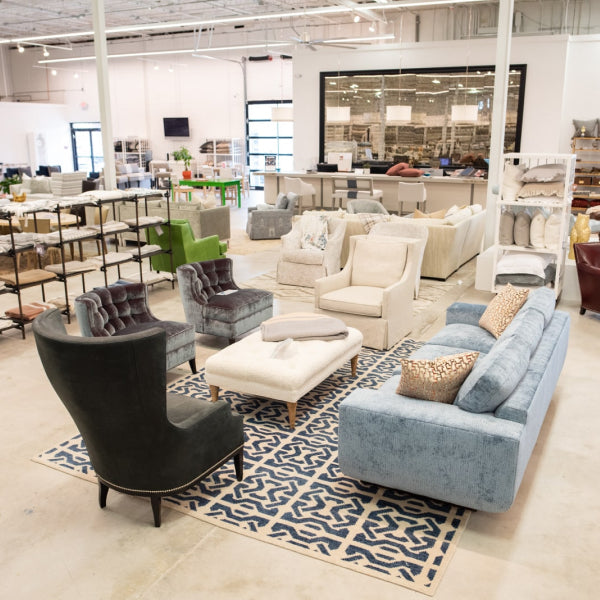
A client walks into the showroom with a well-made sofa, a few room photos, and a clear question. Is this piece worth commissioning properly, or should it be replaced? The answer depends less on sentiment than on judgment. The right upholstery partner should be able to assess construction, guide fabric selection, and explain the work in plain terms before a yard is ever cut.
That is the difference Lewis and Sheron has built its reputation on in Atlanta over many decades. The advantage is not only access to a large fabric library. It is the ability to make design, material, and construction decisions in one place, with one standard.
For high-end reupholstery, that matters. A beautiful textile chosen without regard for scale, wear, cushion build, or the frame beneath it can waste money quickly. A skilled workroom with limited fabric options can leave a client compromising on finish. Bringing those decisions together usually produces a piece that feels resolved, not assembled in stages by separate vendors with separate assumptions.
If you are comparing firms, this guide to upholstery services in Atlanta is a useful place to start.
What discerning clients should ask
Before approving any proposal, ask direct questions:
- How will the frame, springs, and seat foundation be inspected before final fabric decisions are made
- Who is advising on fabric suitability for the way the piece will be used
- Can premium textiles be sourced and reviewed in person without sending you across multiple showrooms
- Is the project being handled as custom furniture work, with attention to proportion and finish, or as a simple recover
Good answers are specific. They cover what will be rebuilt, what will be preserved, and where the budget is doing real work.
Why the right partner matters in Sandy Springs
Clients in Sandy Springs and nearby neighborhoods are often making a more considered decision than a basic repair. They are deciding whether an existing piece deserves the same level of thought they would give to a new furniture commission. That includes scale in the room, fabric character, comfort expectations, and how the piece should age over the next decade.
A capable upholstery partner should be comfortable having that conversation. The goal is not to sell reupholstery at any cost. The goal is to judge the furniture accurately, then execute it to a standard that justifies the investment.
That is where Lewis and Sheron stands apart. The company's long history in Atlanta, deep textile selection, and serious upholstery practice support the kind of work discerning clients usually want. Pieces with good bones, clear purpose, and enough quality to become the next heirloom in the room.
Frequently Asked Questions About High-End Upholstery
How do I know if a piece is worth reupholstering
Check the frame first. If the furniture has strong structure, good proportions, and a silhouette you still love, it's usually worth serious consideration. Sentimental value matters too, but it should sit alongside construction quality, not replace it.
What's the best fabric for a luxury sofa in a busy home
For everyday seating, performance upholstery is often the safest choice. It gives you durability and easier maintenance without forcing you into a casual look. For lower-use spaces, natural fibers and refined woven textiles can be a better aesthetic fit.
Will reupholstery make old furniture comfortable again
It can, if the discomfort comes from worn cushions, failed suspension, or tired internal materials. It won't fix a shape that was never comfortable to begin with. That's why honest assessment matters before work starts.
How should I care for newly upholstered furniture
A few habits protect the investment:
- Rotate cushions when the construction allows it
- Vacuum upholstery gently to remove abrasive dust
- Keep direct sun in mind for delicate natural fibers
- Address spills promptly according to the fabric's care requirements
Is reupholstery better than buying new designer furniture
Sometimes yes, sometimes no. If your existing piece has quality and the right dimensions, reupholstery can deliver a more personal and often more satisfying result. If the frame is poor or the scale is wrong for the room, buying new may be the cleaner decision.
If you're weighing whether to restore an heirloom, upgrade a worn luxury sofa, or commission a more personalized look for your home, Lewis and Sheron Textiles offers access to premium fabrics, custom furnishings, and reupholstery services for Atlanta-area homeowners and designers who care about lasting quality.