



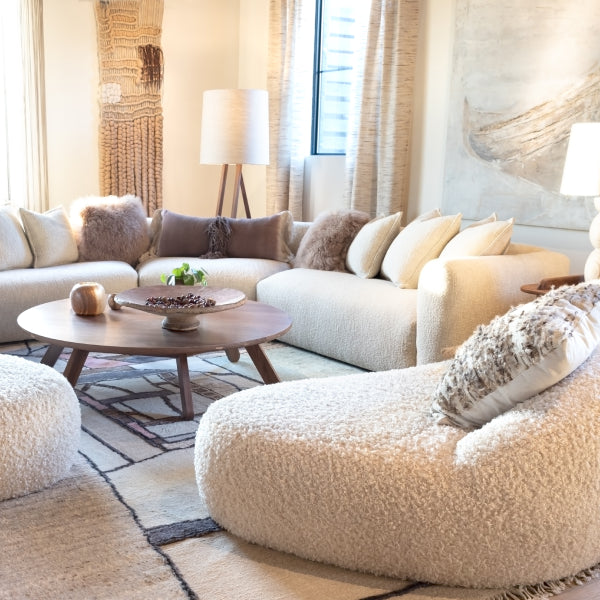
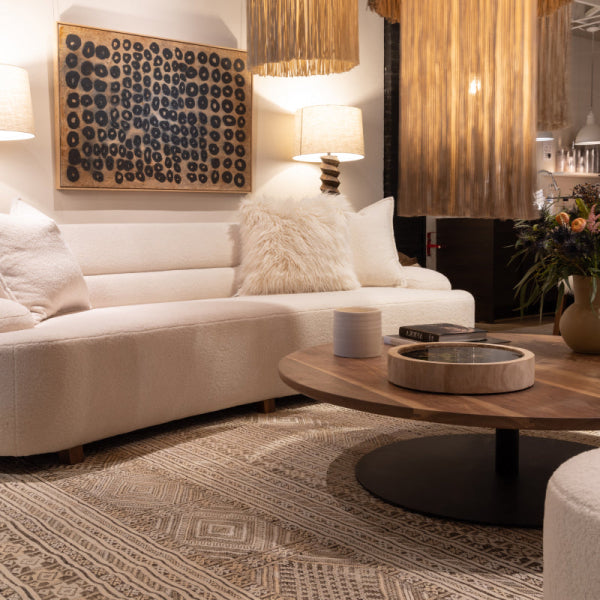
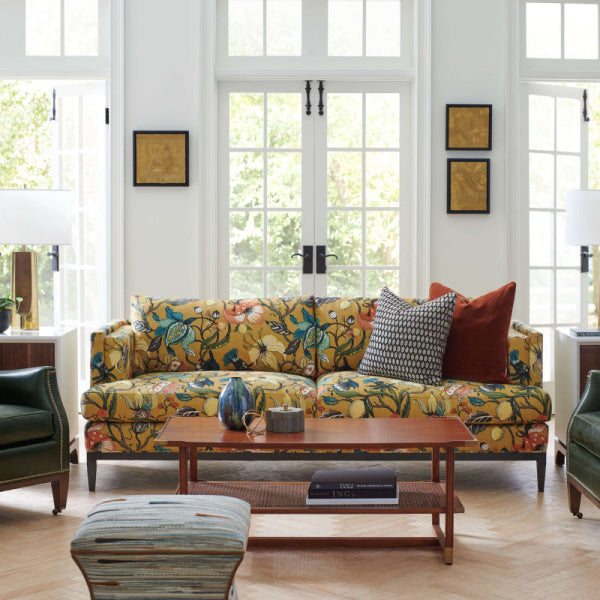









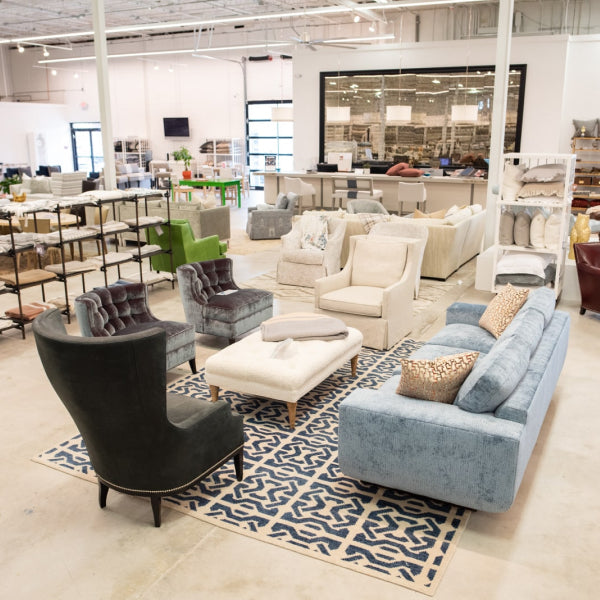



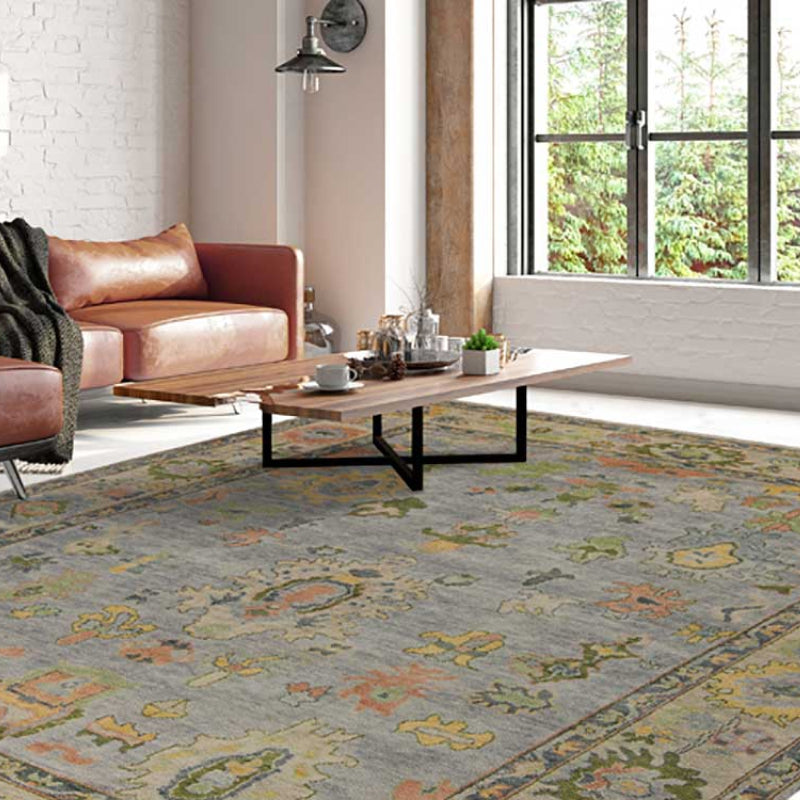
You're probably staring at a big living room that should feel impressive, but doesn't yet. The architecture is right. The ceiling height is right. The scale is there. Then you drop in a standard sectional from a chain store and the whole room falls flat.
That's the mistake I see most often in Brookhaven, Buckhead, Alpharetta, Roswell, and Sandy Springs. Homeowners spend serious money on the house, then try to solve the main seating area with furniture built for average rooms and average layouts. A large estate home needs a sectional designed for that exact footprint, that exact circulation pattern, and the way your family lives.
If your inspiration comes from polished digital interiors, including the clean modular looks people save from design apps and even games like Brookhaven, that's not a bad starting point. The problem is translating that inspiration into a real piece with proper depth, support, fabric performance, and scale. That's where good design stops being fantasy and starts becoming furniture worth owning.
The Vision for Your Brookhaven Estates Living Space
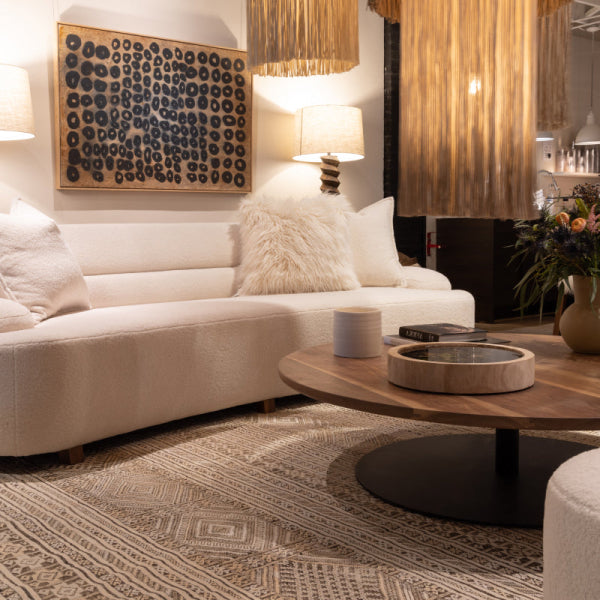
A Brookhaven Estates living room should feel resolved the moment you walk in. The sectional usually decides whether it does.
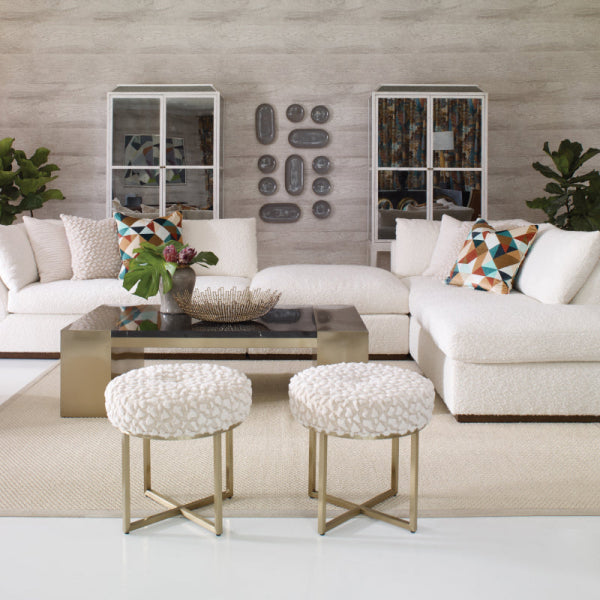
I see the same problem in large Atlanta homes. The architecture is polished, the finishes are expensive, and the room still feels disconnected because the main seating piece has no authority. A custom sectional fixes that by setting the room's orientation, defining conversation, and giving the space a clear focal point that matches the scale of the house.

Start with the room, not the sofa
Clients often arrive with saved images from design apps, Pinterest boards, and even virtual spaces like Brookhaven on Roblox. That is a valid starting point. Clean lines, modular forms, and open-plan layouts translate well to real homes if you handle them with discipline.
Your job is not to copy a digital room. Your job is to decide what that inspiration is telling you. Maybe you want a low, custom profile. Maybe you want a sectional that feels modular without looking casual. Maybe you want the room to read grand but still work on a Tuesday night with kids, guests, and a dog stretched across the corner seat. Lewis and Sheron does the important part. We turn that digital reference into a real piece with proper scale, support, and craftsmanship for an Atlanta estate home.
Start by reading the architecture. Identify the strongest wall, the best view, the main entry path, and the distance the seating needs to cover without making the room feel chopped up. If you want a practical starting point before layout decisions get expensive, review this guide on how to measure for a custom sectional.
If you are still building or renovating, furniture planning belongs in the early phase, not after the drywall and drapery are done. That is also why I tell clients to study how builders approach flow and room use. This overview of custom home building services in Fayetteville is useful for understanding how early planning affects the finished living experience, even if your project is in Brookhaven.
Buy for permanence
A large living room needs a sectional with presence, but presence alone is cheap if the piece is built to last five years.
I recommend one excellent sectional over two forgettable replacements. That means a frame worth reupholstering, proportions that still make sense after trends shift, and a silhouette with enough restraint to live comfortably in the room for a long time. Lewis and Sheron has built its reputation on that kind of work in Atlanta. Clients come to us for custom upholstery that feels current now and still belongs in the house years from now.
Practical rule: If the room requires architectural planning, the seating should be specified with the same level of care.
Make the vision survive real life
A beautiful sectional that cannot handle daily use is a styling prop. Estate homes need better than that.
Decide three things early:
- How you will use the room: formal entertaining, daily family use, or a mix of both
- How the seating should feel: upright and structured, or deep and relaxed
- How long you expect to own it: a short-term decorative purchase, or a piece worth re-covering later
Get those answers right, and the design gets sharper fast. You stop shopping by trend and start choosing a sectional that belongs in your Brookhaven home.
Mastering Measurements for Grand-Scale Sectionals
Most custom sectional mistakes happen before anyone chooses a fabric. They happen with a tape measure.
I've seen beautiful sofas ordered for estate homes that couldn't make the turn at the stair hall, couldn't clear a tight entry, or landed in the room with a footprint that made every path feel awkward. That's avoidable. You just need to measure like a designer, not like a shopper.

Measure access before you measure placement
Clients usually begin by measuring the living room. That's backwards. First confirm the sectional can get into the house.
Check these in order:
-
Front entry dimensions
Measure clear width and height. Don't guess around door hardware or trim. -
Interior hallways
Note every narrowing point, not just the widest part. -
Stair runs and landings
Pay attention to ceiling height over stairs and whether a piece can pivot. - Elevator dimensions if applicable For condo or mixed-use residences, this is essential.
-
Tight turns
A long sectional component often fails at the angle, not the opening itself.
If you skip access measurements, you're not buying a custom sectional. You're buying a delivery problem.
Then map the actual room footprint
Once access is confirmed, move to the room itself. I prefer a scaled floor plan, but painter's tape on the floor works well too. Tape gives you a quick read on whether the sectional feels commanding or just oversized.
Mark more than the sofa outline. Also mark the coffee table, side tables, and walking paths. If the sectional fits only because every route gets squeezed, it doesn't fit.
Use this process:
- Anchor the focal point: decide whether the sectional addresses the fireplace, view, or media wall.
- Protect circulation: keep major walk paths clean and intuitive.
- Leave breathing room: large homes still need negative space. Don't fill every inch.
- Test seat depth in context: a deeper sectional can look right on paper and still feel too bulky in person.
For a solid walkthrough on the practical side, review this guide on how to measure for a custom sectional.
Common planning mistakes I'd avoid
Here's where new buyers usually go wrong:
| Mistake | Why it hurts the room | Better move |
|---|---|---|
| Ordering the longest possible configuration | It overwhelms circulation | Size for use, not for bragging rights |
| Ignoring chaise depth | It can consume visual space fast | Tape the chaise footprint full-size |
| Measuring wall to wall only | It ignores lamps, drapery, and paths | Measure furnished living space |
| Assuming modular means easy delivery | Large components still need access clearance | Verify each piece route individually |
The best premium sectionals feel inevitable in the room, like they were always meant to be there. That only happens when the measurements are handled with discipline.
Choosing Heirloom-Quality Frames and Cushion Construction
A Brookhaven Estates sectional should feel as convincing in real life as it did on your screen the first time you saved the inspiration. That only happens when the build is strong enough to support the look. If the frame shifts, the deck sags, or the cushions collapse, the whole idea falls apart, no matter how striking the silhouette is.

What the frame should do
Start with the skeleton. I want kiln-dried hardwood, reinforced joinery, and a frame that stays square under daily use. In larger Atlanta homes, a sectional has to handle real traffic. Family gatherings, weekend guests, kids dropping into the corner seat, and the kind of regular use that exposes weak construction fast.
Cheap frames announce themselves early. You hear a pop, feel a wobble, and notice the arms loosening before the fabric has even aged.
That is why I tell clients to buy the structure first and the styling second. The styling gets attention online. The structure determines whether the piece still deserves its place in the room years later.
Why suspension separates the good from the forgettable
Suspension controls the sit more than buyers realize. It affects comfort on day one, then shows its real value after years of weight and movement.
I strongly recommend eight-way hand-tied construction for clients who want a refined seat with proper support and longer-term stability. It distributes weight more evenly across a large sectional and keeps the deck from developing that tired, hammock-like feel common in lower-grade builds. If you want the practical difference explained clearly, read our guide on the benefits of 8-way hand-tied furniture.
A wide, custom sectional needs that level of discipline. Grand scale magnifies every shortcut.
Cushion construction is a comfort decision and a maintenance decision
Clients often sit on a showroom sample for two minutes and choose the softest option. That is a mistake. The better question is how the cushion should perform in your house six months from now.
I break the choice into three workable directions:
- Foam-forward cushions keep a structured shape and ask for less maintenance.
- Down-blend cushions feel more relaxed and luxurious, but they need regular fluffing and reshaping.
- Hybrid cushions give you a balanced sit, softer than all-foam and more controlled than a full down feel.
Choose based on how you live, not how the cushion feels in a quick sit test. If your inspiration came from a polished digital interior, a structured cushion usually keeps that cleaner profile. If you want the room to feel more settled and collected, a down-blend or hybrid build often makes better sense.
Craftsmanship shows up in the details you do not see
The best sectionals are quiet. No creaks. No shifting seat platform. No corners that start opening up after a year.
That comes from disciplined upholstery work, accurate spring installation, properly aligned decking, and cushion fills matched to the frame and seat depth. Those details are easy to miss in a photo and impossible to ignore once you live with the piece.
For Brookhaven Estates homes, I would rather see a client invest in a stronger frame and better suspension than overspend on a trend-driven shape with mediocre construction. Lewis and Sheron do this part right. They take the bold, polished ideas clients collect online, including the stylized rooms that spark interest in spaces like Roblox Brookhaven, and turn them into custom sectionals built for actual use, actual scale, and long-term ownership.
That is how a sectional becomes an heirloom instead of a placeholder.
The Art of Fabric Selection
Fabric is where most clients get emotional. That's appropriate. Fabric changes the mood of the room more quickly than almost any other choice.
It also determines whether your sectional works for your real life. A gorgeous textile that can't tolerate your household isn't refined. It's a mismatch. For Custom Sectionals for Brookhaven Estates, I narrow the decision to three lanes: performance fabrics, natural luxury fabrics, and leather. Then I test each against the way the room will be used.
Start with lifestyle, not color
In estate homes across North Atlanta, I see two common mistakes. Some buyers choose delicate fabrics for high-traffic family rooms. Others choose ultra-defensive fabrics for formal rooms that hardly get used, then wonder why the piece feels too utilitarian.
Choose your fabric based on who uses the room, how often, and with what level of tolerance for maintenance.
One strong option for active homes is Crypton, especially when clients want premium sectionals that still need stain resistance. The verified material notes that Crypton fabrics resist 98% of common stains in sectional applications and that UV-rated fabrics can reduce color fading to 3%, while non-protected fabrics can see 25% color fading in direct sun in benchmarked conditions from the earlier verified data set. That makes performance fabric a practical choice for bright family rooms, homes with pets, or spaces used daily.
If performance is your priority, this guide on choosing the best performance fabrics is worth reviewing before you order.
Fabric Selection Guide for Luxury Sectionals
| Fabric Type | Durability | Feel & Comfort | Maintenance | Best For |
|---|---|---|---|---|
| Performance fabric such as Crypton | High. Built for regular use and spill resistance | Smooth to textured, depending on weave | Easier day-to-day care | Family rooms, pet households, bright rooms |
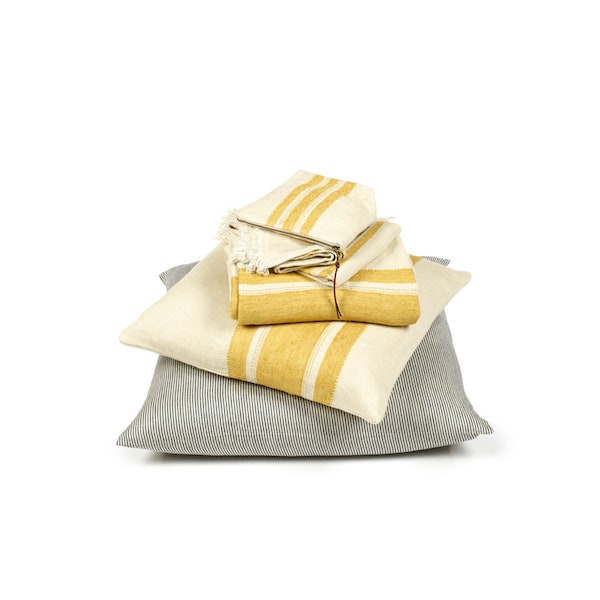
| Belgian linen such as Libeco | Strong natural fiber with a refined casual look | Relaxed, airy, tactile | Needs more thoughtful care than performance fabric | Formal lounges, layered designer interiors |
| Velvet | Good when used appropriately, but depends on weave and room use | Rich, plush, dramatic | Requires regular grooming and attention to marks | Statement rooms, formal seating areas |
| Leather | Strong surface wear profile, but not always the best answer for every aesthetic | Firm to supple depending on grade | Needs conditioning and can show sun exposure | Masculine rooms, library settings, low-fabric looks |
My take on the main options
Performance fabrics are the smartest call for many Brookhaven clients. They're not just for casual rooms anymore. Good ones look refined and polished, and they reduce anxiety around daily use. If you want a luxury sofa that people can sit on without a household panic, start here.
Belgian linen is different. It gives a room softness, movement, and a more collected look. It's excellent when you want designer furniture that feels relaxed instead of rigid. Verified data notes that Libeco Belgian linens have 50% higher tensile strength than standard cottons in the reupholstery context, which helps explain why they remain a serious option for upscale homes.
Leather gets overprescribed. It's useful, and sometimes exactly right, but I wouldn't treat it as the automatic luxury choice. In many Brookhaven interiors, especially those aiming for warmth and layering, upholstered fabric sectionals feel more inviting.
Decision shortcut: If the room is for living, choose performance. If the room is for atmosphere, choose a strong natural textile. If the room needs edge or restraint, consider leather.
Don't choose fabric in isolation
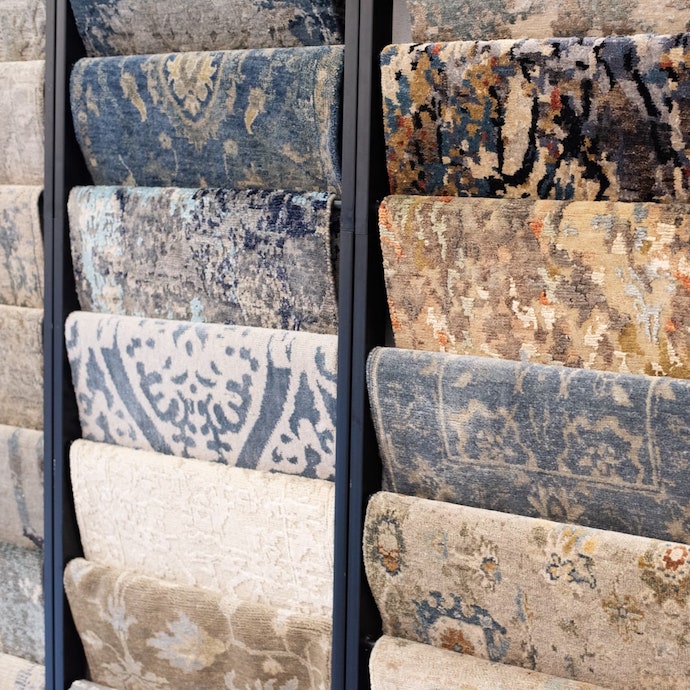
A sectional fabric never lives alone. It sits next to drapery, rugs, casegoods, wall color, and light quality. A warm greige boucle can look perfect in a showroom and dead in a cool-toned room. A beautiful linen can read flat if the rug lacks contrast.
That's why I always evaluate fabric with these questions:
- Morning and afternoon light: natural light changes color more than most clients expect.
- Texture balance: if the rug is busy, the sofa fabric usually shouldn't be.
- Formality level: the fabric has to match the architecture and the way you entertain.
- Maintenance honesty: be realistic about who will maintain it.
If you get this decision right, the sectional won't just fit the room. It will set the tone for the entire house.
Partnering with Designers for a Cohesive Vision
You walk into a Brookhaven Estates living room with a folder full of saved images. Some came from luxury interiors. Some came from polished digital spaces, even stylized rooms that started as Roblox Brookhaven inspiration. The instinct is useful, but inspiration alone does not produce a sectional that fits your architecture, your circulation paths, and the way your household lives.
That translation work is the designer's job.

A strong designer turns vague references into a controlled plan. At Lewis and Sheron, that means pulling the room out of mood-board territory and into exact decisions about proportion, silhouette, tailoring, and finish. Digital inspiration often favors drama, exaggerated scale, and immaculate styling. Real rooms need comfortable seat geometry, clear walkways, and materials that still look good after years of use.
What a designer should actually do
A competent furniture designer should push back when your first instinct is wrong. If the sectional is oversized for the room, too low for the architecture, too formal for the way you entertain, or too visually dense for the rest of the house, they need to say it plainly.
They also need to tie the sectional to everything around it. Rug size. Table height. Window lines. Sightlines from the foyer. How the piece reads from twenty feet away, not just from the front.
Here's what I expect from the process:
- A working conversation: how you host, where people sit, and whether the room needs to feel refined, relaxed, or architectural.
- Visual editing: fewer references, better references, and a clear direction instead of five competing ones.
- Finish and fabric review in the room: not just in a showroom, where lighting flatters everything.
- Written approvals: arm profile, seat depth, back height, cushion style, base treatment, and leg finish should all be documented.
- Restraint: the right answer is often a sectional with cleaner lines and better proportions, not a larger footprint.
The designer protects the room from expensive indecision.
Reupholstery is often the smarter design move
I see this in Atlanta constantly. Clients assume custom means starting from scratch, but some of the best outcomes come from rebuilding a strong existing piece. If the frame is well made and the scale still works, reupholstery can give you a far better result than replacing it with a new sectional that only looks good online.
I would rather rework a solid frame with honest joinery than order a fashionable piece with weak construction and short-term appeal. That is how you keep substance in the room while updating the look.
I also see plenty of Brookhaven clients wanting a sectional that captures the clean, edited feel they saved on a screen, yet still belongs in a refined Atlanta home. Reupholstery can do that. New cushions, sharper tailoring, corrected seat pitch, and a better textile can move a dated sectional into a fresh interior without stripping away its character.
When I'd recommend reupholstery over replacement
| Situation | My recommendation |
|---|---|
| The frame is well built and proportionally right for the room | Reupholster it |
| The sectional has sentimental or architectural value | Reupholster it with updated tailoring |
| The piece is structurally weak or awkwardly scaled | Replace it |
| The room's function has changed substantially | Reassess the layout before deciding |
Good design partnership shows up in the final room, but it starts much earlier. It shows up in the question that stops you from ordering the sectional six inches too deep. It shows up in the fabric choice that works with the light in your house, not somebody else's rendering. It shows up in the discipline to turn digital inspiration into a real piece with permanence, comfort, and presence.
That is the difference between a sectional that photographs well and one that belongs in Brookhaven Estates for the next fifteen years.
Your Enduring Statement Piece and Its Long-Term Care
Once your sectional is designed properly, delivered correctly, and installed in the right position, the room changes. It finally has shape. People know where to sit. Conversations gather naturally. The house feels more finished and more personal.
That's the payoff of choosing custom upholstered furniture over mass-market pieces. You're not just buying seating. You're creating the backdrop for daily life in a room that likely carries a lot of it.
Care should match the material
Long-term care doesn't need to be complicated, but it does need to be consistent.
For most luxury sofas and high-quality couches, I recommend a simple routine:
- Vacuum upholstery regularly: especially around seat decks and inside arms.
- Rotate and reshape cushions: this helps wear stay more even.
- Keep direct sun in mind: bright rooms are beautiful, but fabric protection matters.
- Handle spills immediately: blot, don't grind the spill into the fabric.
- Use professional cleaning when appropriate: especially for valuable natural textiles.
If you chose a performance fabric, daily maintenance is easier. If you chose linen, velvet, or another expressive textile, you'll need a bit more discipline. That isn't a drawback. It's part of owning better materials.
The smartest furniture often gets a second life
One reason I like quality sectionals so much is that they don't have to be one-and-done purchases. The frame and bones can outlast the first fabric story.
That matters because Lewis and Sheron's reupholstery division has restored over 2,500 pieces since 2010, with 70% being sectionals. Their projects use Libeco Belgian linens, noted for 50% higher tensile strength than standard cottons, extending the life of heirloom furniture through four generations of craftsmanship according to the estate upholstery reference.
That's the long-term value equation. Buy better. Maintain it well. Re-cover it when the room or your life changes.
A sectional earns its keep when you still respect it years later.
For Brookhaven Estates, that's the standard I'd use. Choose the right scale. Demand the right construction. Pick fabric with honesty. Get design help early. Then care for the piece like it's part of the house, because in a well-designed room, it is.
If you're ready to create a sectional that fits your room, your architecture, and your standards, start with Lewis and Sheron Textiles. Their Atlanta heritage, custom upholstery expertise, designer resources, and reupholstery capabilities make them a strong choice for homeowners and design professionals who want lasting quality instead of another cookie-cutter sofa.