



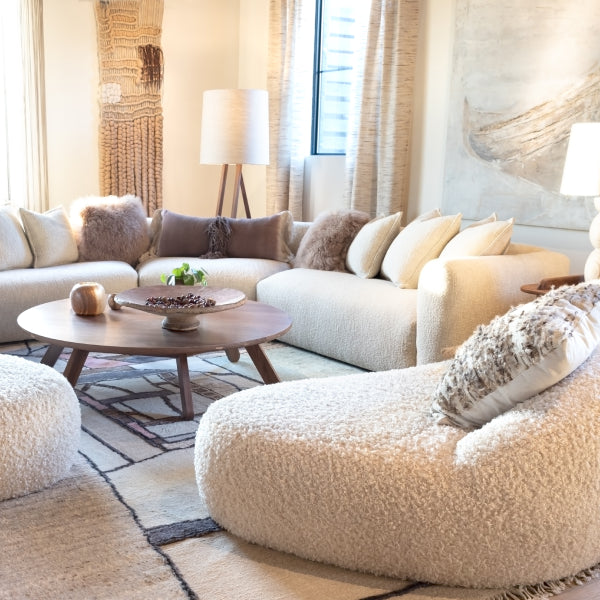
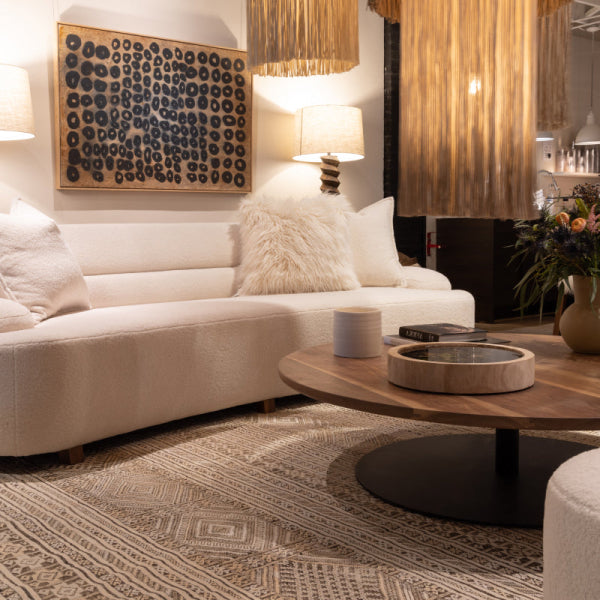
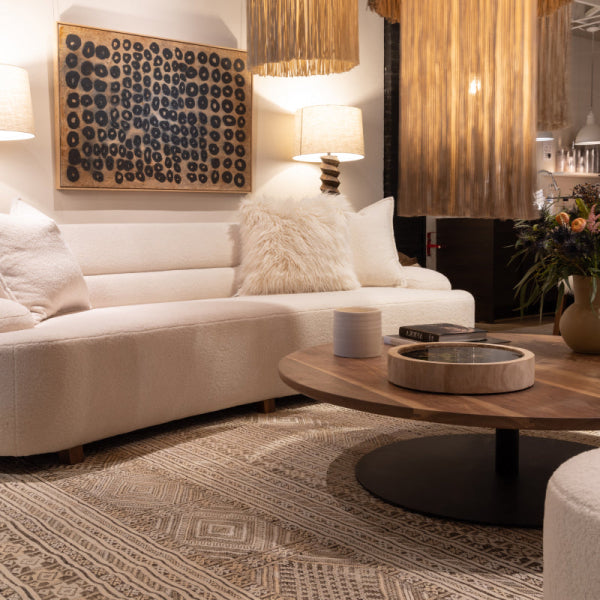
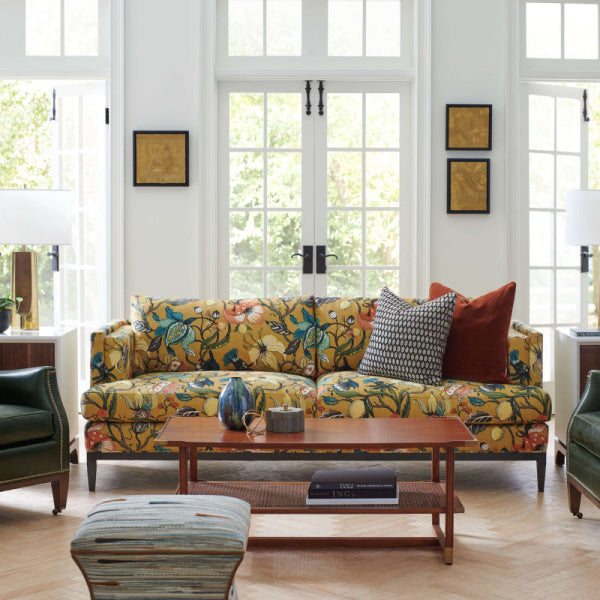
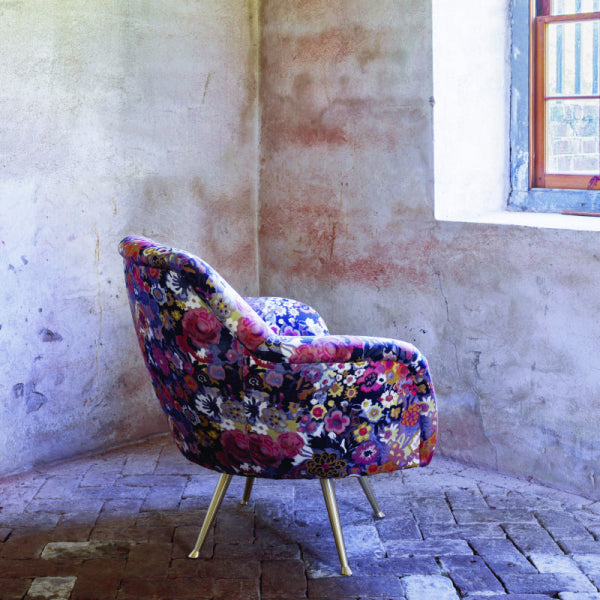
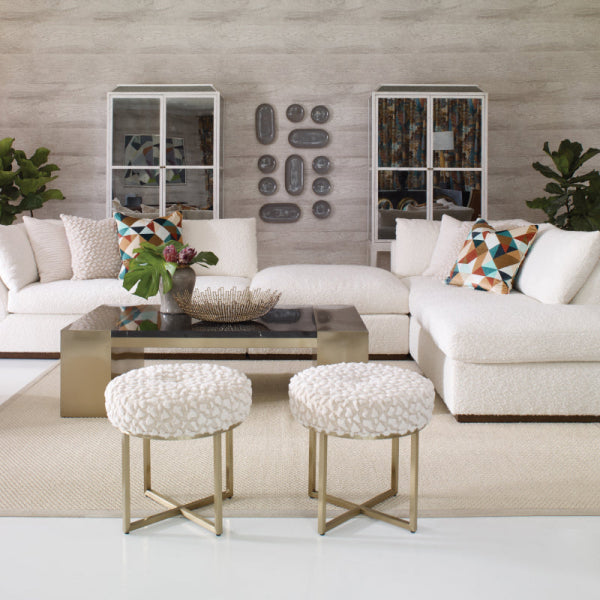
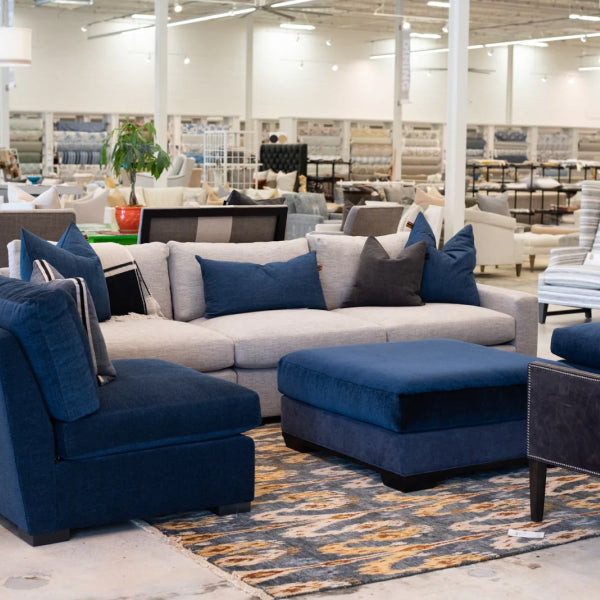












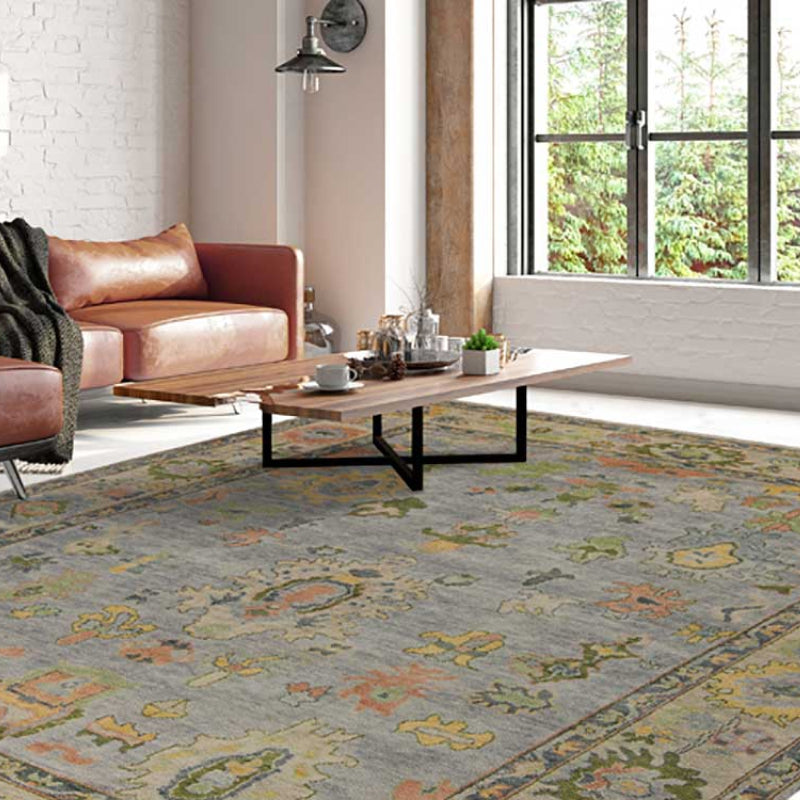
You've got the keys, the skyline view, and a floor plan that looked generous on paper. Then the truth of furnishing it sets in. The sofa you loved in the showroom may be too deep for the living area. The sculptural chair that looked perfect online may block the sightline to the windows. And the pieces that seem “modern” in a catalog can read cold, generic, or wrong once they land in a Midtown condo.
That's why Modern Furniture for Midtown Atlanta shouldn't start with shopping. It should start with judgment. Good modern rooms in Atlanta aren't built by chasing trends or filling every corner. They're built by choosing pieces with the right scale, the right materials, and the right level of permanence for how you live.
For affluent homeowners in Midtown, Buckhead, Alpharetta, Roswell, Sandy Springs, and across North Atlanta, the goal is usually the same. You want a home that feels customized, polished, and easy to live in. You want designer furniture that earns its place. You want luxury sofas, premium sectionals, custom chairs, and statement pieces that feel collected rather than showroom-staged.
Your Vision for Modern Living in Midtown Atlanta
A new Midtown home often creates a very specific kind of design pressure. The architecture is clean, the light is strong, and every piece has to work harder because there's nowhere for a bad choice to hide. In a suburban room, an oversized sofa can be an inconvenience. In a city condo, it can hijack the entire layout.

The clients I see making the smartest investments don't ask, “What's the most expensive piece I can buy?” They ask better questions. Which high-end furniture will still feel right after the novelty fades? Which luxury home furnishings make the room calmer, not busier? Which custom upholstered furniture choices will support the way they host, work, and unwind?
What Midtown buyers usually need
- A focal point with discipline: A luxury sofa or premium sectional should anchor the room without swallowing it.
- Pieces with presence: Statement furniture matters, but it has to coexist with glass, views, and tighter circulation.
- Long-term value: High-quality couches, designer chairs, and heirloom-quality furniture should feel worth keeping, not worth replacing.
Modern rooms succeed when the furniture improves the architecture instead of competing with it.
That's the difference between a space that looks furnished and one that feels resolved. Sophistication comes from restraint, proportion, craftsmanship, and a point of view. If you get those right, the room won't just look finished. It will feel like it belongs to you.
Defining the Midtown Modern Aesthetic
Midtown modern isn't one rigid look. It's a blend. The most successful Atlanta interiors combine clean-lined modern furniture with warmth, texture, and enough softness to keep the room from feeling severe.
Local design commentary on Midtown homes points to three clear preferences: open-concept living, sustainability, and minimalism, while also noting rising demand for multi-functional rooms such as home offices, gyms, or guest rooms, as discussed in Midtown Atlanta home design trends. The same Atlanta-focused commentary describes homeowners as embracing a modern twist on classic Southern design, mixing traditional elements with sleek minimalist lines, and identifying practical luxury as a priority in 2025.
The styles that usually fit
Some clients say they want “modern” when they really mean one of several different directions. Distinguishing them helps.
| Style | What it looks like | Where it works best |
|---|---|---|
| Mid-Century Modern | Tapered legs, walnut tones, sculptural silhouettes | Historic condos, renovated homes, rooms that need warmth |
| Scandinavian | Pale woods, quiet forms, soft neutrals | Smaller spaces, low-clutter interiors, bright rooms |
| Contemporary | Cleaner massing, sharper profiles, mixed materials | High-rise condos, new construction, architectural spaces |
A Midtown room often works best when it borrows from all three. You might use a clean-lined contemporary sofa, a walnut case piece with mid-century influence, and a softer Scandinavian approach to texture through linen, wool, or boucle.
What gives it an Atlanta point of view
The local version of modern isn't sterile. It usually benefits from contrast.
- Classic detail against clean forms: If the home has trim, plaster, or older architectural bones, modern furniture should sharpen that contrast rather than erase it.
- Minimalism with comfort: A room can feel edited without becoming hard. That often means deeper texture, softer upholstery, and fewer but better accessories.
- Practical luxury: Multipurpose living matters. A guest room may also be an office. A dining area may double as a work zone. Furniture has to support that reality.
A Midtown modern room should feel polished at night, comfortable in the morning, and functional on an ordinary Tuesday.
How to define your own version
If you're choosing designer furniture near Atlanta, start by deciding which of these matters most:
- Architectural clarity. You want fewer objects, stronger silhouettes, and a restrained palette.
- Textural warmth. You want modern lines, but with oak, linen, leather, plaster, or hand-knotted rugs to soften the room.
- Southern continuity. You want contemporary pieces that still acknowledge tradition, history, or collected character.
That mix becomes your filter. It helps you avoid the common mistake of buying a room full of attractive objects that don't share the same design language.
Mastering Scale and Space in Urban Atlanta Homes
In Midtown, furniture planning is less like parking cars and more like designing a traffic pattern. The issue isn't whether a premium sectional fits inside the room. The issue is whether the room still works once the sectional is in it.
For Midtown buyers, fit-to-space efficiency is the most important technical selection variable, because dense high-rise layouts depend on preserving circulation and daylight access. Room planning guidance tied to Atlanta showroom practice also emphasizes evaluating sectional depth, sofa footprint, and table clearance against usable floor area before purchase, because oversized pieces can make compact interiors materially less usable, as reflected in Room & Board's Atlanta store planning approach.

Start with usable space, not room size
A floor plan can mislead you. What matters is the area left after windows, door swings, kitchen overhangs, radiators, columns, and passage routes are accounted for.
Measure these first:
- The actual seating zone: Not the full room, just the area available for the conversation group.
- The path people take: Entry to kitchen, kitchen to balcony, hallway to bedroom.
- The visual field: Don't block the best light or the skyline line if you can avoid it.
If you're furnishing a smaller footprint, this guide to best furniture for small rooms is useful because it frames furniture selection around practical livability rather than sheer quantity.
The pieces that usually work better
The wrong instinct is to shrink everything. The right instinct is to scale selectively.
A condo often benefits from one strong sofa, one carefully chosen chair, and a lighter table instead of a full suite of bulky pieces. Leggy sofas, open-base consoles, pedestal dining tables, and glass or visually lighter surfaces can help a room breathe without making it feel under-furnished.
For more layout-specific inspiration, these Midtown Atlanta loft furniture ideas show how edited selections can create function without crowding the plan.
Practical rule: Choose fewer pieces with better proportions. Extra furniture rarely makes a Midtown room feel richer. It usually makes it feel tighter.
Common mistakes that cost the most
- Buying for showroom scale: Retail floors are generous. Your condo probably isn't.
- Ignoring depth: A sofa can look refined from the front and still project too far into the room.
- Overfilling the perimeter: Too many casegoods around the walls can make circulation feel pinched.
- Forgetting dining clearance: A beautiful table isn't functional if chairs can't move cleanly.
The clients who get this right tend to treat empty space as a design tool. They understand that openness is part of the furnishing plan, not the absence of one.
Investing in Heirloom Quality Materials and Craftsmanship
A Midtown condo asks a lot from every piece you bring into it. The sofa is visible from the entry, used for entertaining, exposed to strong afternoon light, and expected to stay comfortable through daily use. In that setting, heirloom quality is not a label. It is a set of construction choices that determine whether the piece earns its place over time.
The smartest furniture investments start below the fabric. Frame integrity, suspension, cushion construction, and upholstery tailoring have more effect on long-term value than a beautiful showroom finish. I advise clients to judge a piece by how it will live at year eight, not how it photographs on day one.

What to inspect in a premium upholstered piece
Start with the parts that cannot be corrected later without major expense.
| Component | What to look for | Why it matters |
|---|---|---|
| Frame | Hardwood construction, tight joinery, no wobble | The frame drives long-term stability and repairability |
| Support | A serious spring or suspension system | Good support helps the seat keep its comfort and shape |
| Seat fill | Cushions with both softness and recovery | Cushions that collapse early make the whole piece feel tired |
| Tailoring | Straight seams, balanced patterning, crisp welting | Precise upholstery reflects skill and holds up better visually |
A well-made piece feels settled. It sits square. The arms do not shift under pressure. Cushions recover instead of slumping forward. Those details are easy to miss in a showroom and expensive to ignore once the piece is in your home.
Material choice deserves the same scrutiny. Walnut, oak, top-grain leather, tightly woven performance upholstery, and quality down-blend or high-resiliency foam each age differently, wear differently, and ask different things of the owner. Good design comes from matching those materials to the room, the household, and the level of maintenance you will accept.
Fabric is a use decision, not just a color decision
Affluent buyers are no longer asking only how a fabric looks under showroom lighting. They ask how it handles dinner parties, pets, sunlight, and repeated use in the main living space. That is the right question.
Many costly mistakes start with a fabric selected for color alone. Then the weave bruises, the seat shows pressure marks, or the surface wears faster than the client expected. In Midtown, where one room often has to perform as lounge, hosting space, and occasional workspace, upholstery has to work harder.
For clients drawn to refined, structured upholstery, this guide to Lee Industries style for Midtown Atlanta interiors is a useful reference point because it shows how comfort, craftsmanship, and finish can coexist without looking overdone.
Where performance and luxury meet
Performance textiles belong in refined interiors. They are often the better specification for homes that are used regularly and expected to stay polished.
The trade-offs are straightforward:
- Boucle and heavily textured weaves add depth and softness, but they need the right placement and wear pattern.
- Linen-rich fabrics bring character and movement, though they are often better suited to lower-impact rooms or lightly used seating.
- Performance upholstery usually makes the most sense on sofas, banquettes, and everyday chairs that need to keep their finish under regular use.
A designer-quality sofa should solve maintenance, longevity, and comfort in the same piece.
That is why material and craftsmanship need to be evaluated together. A beautiful fabric on a weak frame is still a poor investment. A strong frame in the wrong textile can be equally disappointing. The best results come from treating furniture selection as a full decision framework: construction first, material second, then finish and styling. That approach produces rooms that feel personal now and still make sense years from now.
Custom Made vs Off the Floor A Strategic Decision
This isn't a taste question. It's a project-management question.
Some rooms need immediacy. Others need precision. The smart move is knowing when to buy the finished piece in front of you and when to commission something more exact.

When off-the-floor makes more sense
Buying from the floor works well when the piece already answers the big questions. The scale is right. The comfort is tested. The finish works. You don't need to reinvent something that's already resolved.
This route is often best for:
- Deadline-driven projects: You've moved in, guests are coming, and the room can't stay empty.
- Known quantities: You sat in the chair, saw the exact fabric, and know what you're getting.
- Accent pieces: Side chairs, occasional tables, and certain statement furniture pieces can be easier to source this way.
When custom is the stronger investment
Custom upholstered furniture becomes worth it when the room has constraints that standard retail dimensions don't respect. Midtown condos often create exactly that condition.
A custom sofa can solve for a difficult wall length, a shallower seat depth, a tighter arm profile, or a fabric requirement that off-the-floor options don't meet. A custom chair can echo the architecture better. A made-to-order banquette can turn a marginal niche into one of the most useful spots in the home.
Here's a simple comparison:
| Priority | Off the floor | Custom made |
|---|---|---|
| Speed | Stronger choice | Slower by nature |
| Exact fit | Limited to available sizes | Better for precise dimensions |
| Fabric control | Restricted to what's stocked | Broad specification flexibility |
| Exclusivity | Lower | Higher |
| Decision complexity | Simpler | Requires more guidance |
For buyers considering refined upholstery with a metropolitan, personalized sensibility, this look at LEE Industries style for Midtown Atlanta is useful because it shows how custom and semi-custom choices can support an urban interior without becoming overdesigned.
The right question isn't “Is custom better?” It's “What problem am I trying to solve?”
If the answer is speed, floor stock may win. If the answer is fit, finish, uniqueness, or long-term satisfaction, custom often justifies the extra effort.
The Sustainable Luxury of Reupholstery and Restoration
Some of the best modern furniture in Atlanta isn't new. It's old enough to have proven itself.
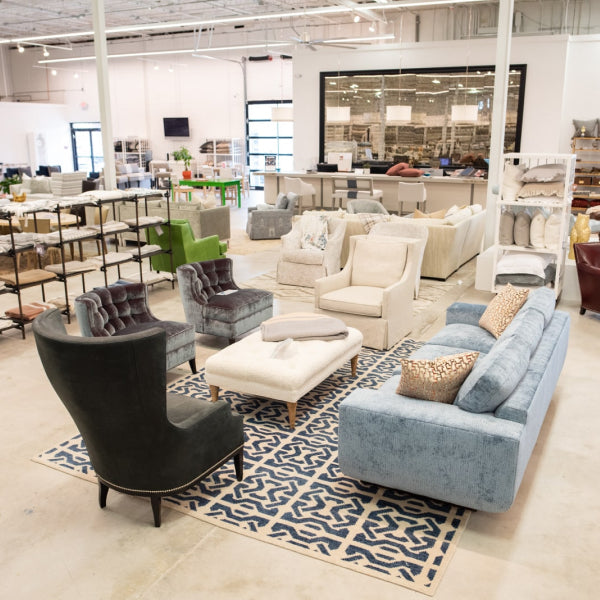
That idea gets overlooked in a market with strong showroom density. Midtown buyers have access to major modern furniture retail in the Westside and central Atlanta corridor, including CB2 at 1197 Howell Mill Road NW, Atlanta, GA 30318 with listed hours of Sunday 11 am to 6 pm, Monday through Friday 10 am to 7 pm, and Saturday 9 am to 9 pm, west elm at Ponce City Market, 675 Ponce de Leon Ave NE, Atlanta, GA 30308, Room & Board in the Westside Provisions District, and Cantoni Atlanta, which says it has been the city's premier destination for luxury modern furniture since 2003, according to Cantoni Atlanta showroom information. That's a real advantage. It also makes it easy to forget that restoration can be the more intelligent luxury move.
Why restoration can outperform replacement
A quality older frame often has more integrity than a mediocre new piece with better marketing. If the bones are sound, reupholstery lets you keep the craftsmanship and change everything else.
That's especially compelling if you have:
- A family piece with strong lines: It may need fresh fabric, cushion work, or refinishing, not disposal.
- A vintage find with excellent structure: The form is right, but the upholstery is dated or worn.
- A meaningful piece that deserves another life: Sentimental value and design value can coexist.
For homeowners thinking more broadly about longevity in interiors, this resource on sustainable materials like reclaimed wood is a helpful reminder that responsible design choices often begin with preserving good materials rather than replacing them.
The real appeal
Reupholstery is custom work with history built in. You can refine the scale through cushions, sharpen the silhouette, and choose a fabric that aligns with how the piece will be used now, not how it was used decades ago.
This perspective on the art of professional reupholstery gives a good sense of why restoration appeals to homeowners who value craft, sustainability, and individuality.
The result often feels richer than buying a new piece off the floor. It has character, provenance, and a level of specificity that mass-produced furniture can't fake.
Your Partner in Creating a Timeless Atlanta Home
A well-furnished Midtown home doesn't happen by accident. It comes from making a series of disciplined decisions. Define the version of modern that fits your architecture. Choose pieces that respect circulation and light. Put your budget into construction, materials, and upholstery quality before you spend it on novelty. Then decide whether the room calls for custom work, immediate floor stock, or restoration.
That framework works just as well for a skyline condo in Midtown as it does for a layered residence in Buckhead or a polished renovation in Sandy Springs. The details change. The principles don't. Refined homes rely on proportion, durability, restraint, and enough personality to keep the room from feeling anonymous.
For many homeowners and design professionals, the value is in having one place where fabric, furniture, rugs, trim, custom work, and restoration can be considered together instead of piecemeal. That kind of coordination usually leads to better rooms because every decision is being tested against the whole.
The most successful interiors aren't built around isolated purchases. They're built around a coherent point of view.
If you're a designer, artisan, or small maker who values that kind of collaborative process, programs like join our maker collaboration also reflect the broader appeal of working through partnerships rather than one-off transactions. The same principle applies at home. The room gets better when the process is connected.
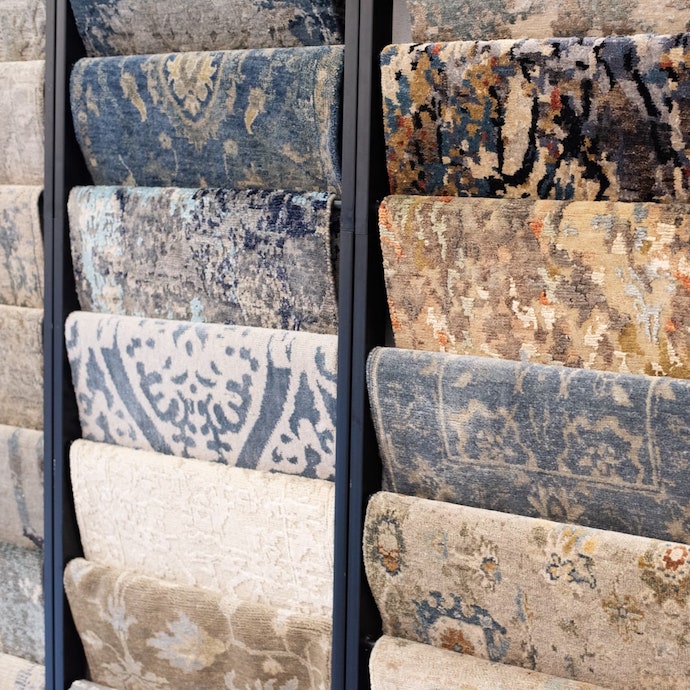
If you're ready to furnish a Midtown condo or refine a high-end Atlanta home with custom upholstery, designer furniture, premium rugs, or expert reupholstery, explore Lewis and Sheron Textiles. It's a practical place to compare materials, evaluate craftsmanship, and work toward a modern interior that feels personal, polished, and built to last.