












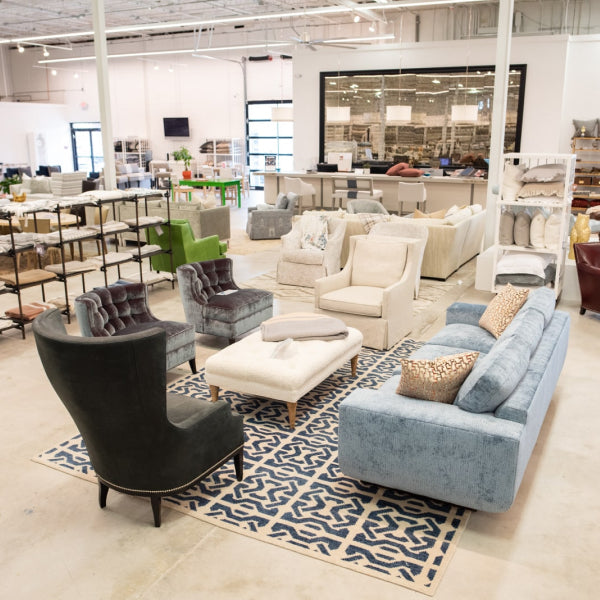

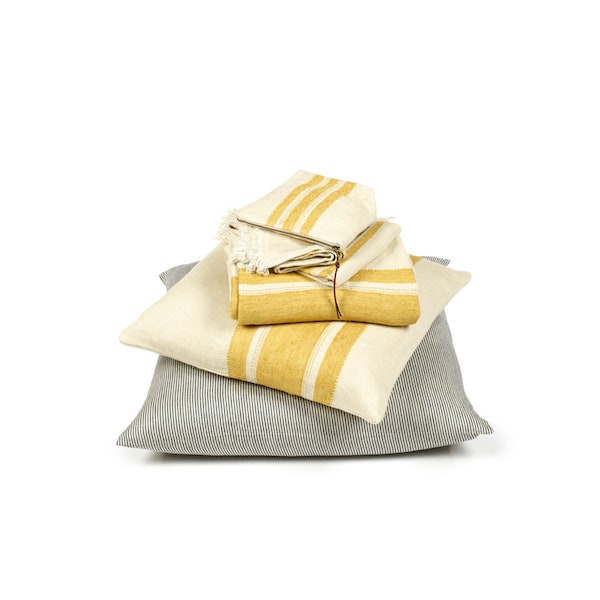
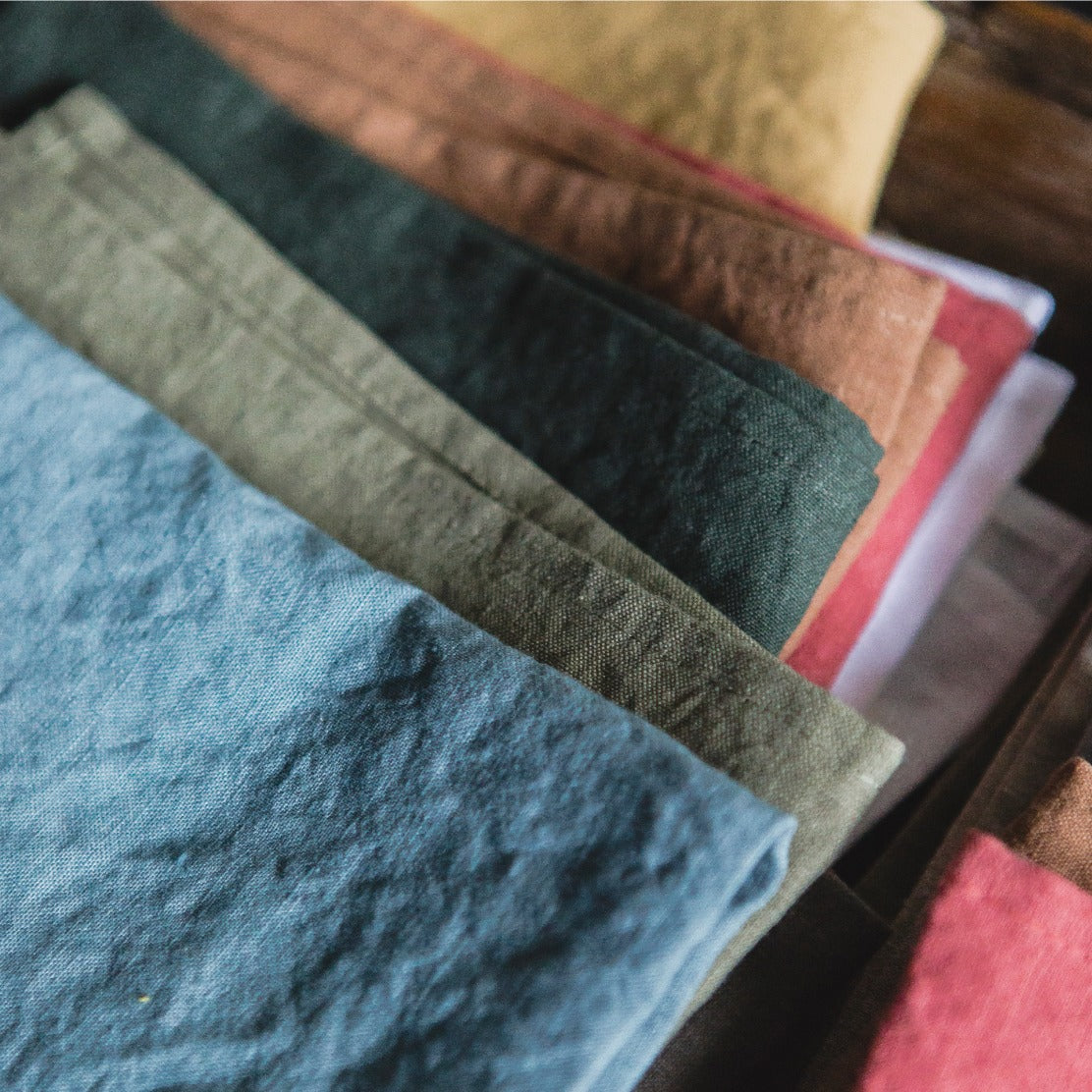

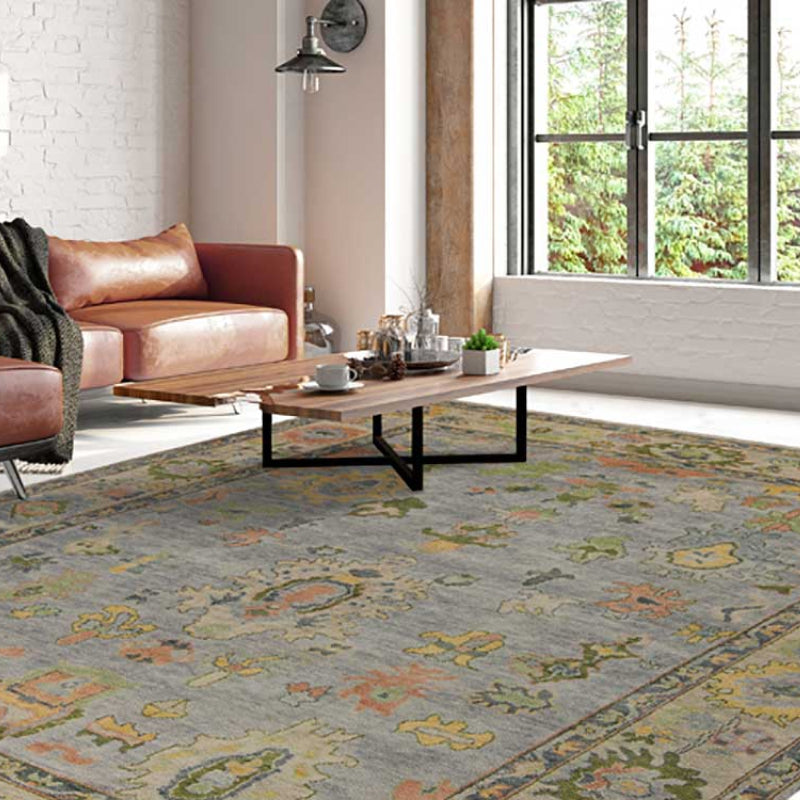
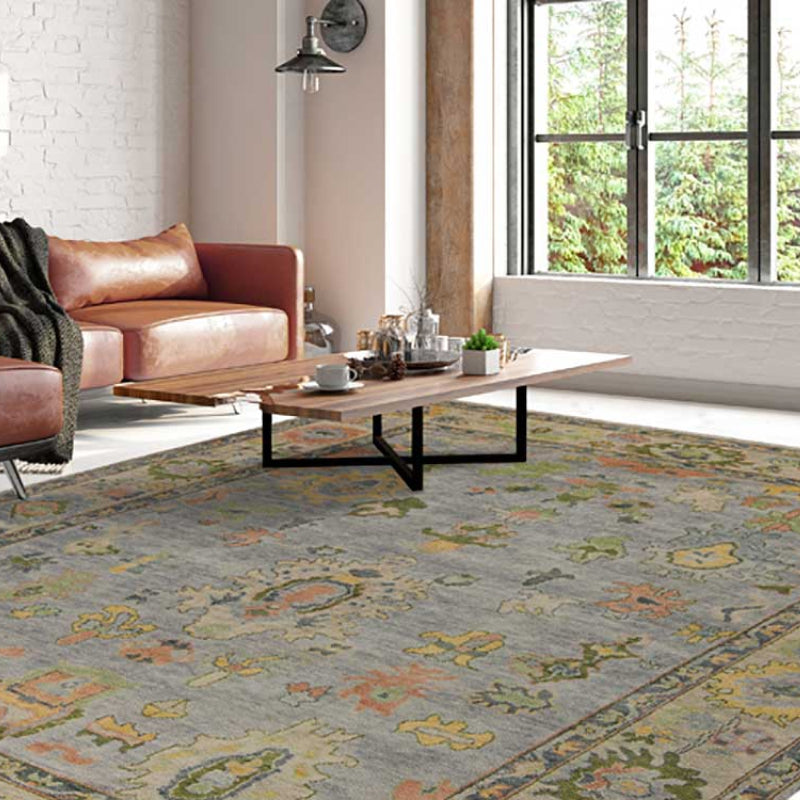
You've probably been in this position already. The renovation is nearly finished, the paint is right, the lighting finally feels layered and intentional, and then the room stalls because the furniture options all feel wrong. Stock pieces are either too shallow, too bulky, too trendy, or too flimsy for the way your household lives.
That's where the decision shifts from shopping to specifying. For a Sandy Springs, Buckhead, or North Atlanta home, especially one that has been thoughtfully remodeled, furniture has to do more than fill space. It has to fit the architecture, handle daily use, and still look resolved years from now.
Why Invest in Designer Furniture for Your Sandy Springs Home
Mass-market furniture works when speed is the only priority. It usually fails when scale, fabric performance, comfort, and longevity all matter at once. In higher-end Atlanta homes, those details are rarely optional. They determine whether a room feels custom-fitted or temporary.
Many Sandy Springs buyers aren't asking whether a brand is recognizable. They're asking whether it's a good fit for a real home with kids, guests, pets, entertaining, and renovation-driven layouts. Practical questions around durability and lifecycle value are exactly what local coverage often misses, even as broader housing pressures push households toward fewer, better pieces intended to last longer, as noted in this discussion of Sandy Springs housing market forces.
What high-end furniture changes in practice
Designer furniture earns its keep when it solves problems that ready-made pieces can't.
- Scale that suits the room: A custom sofa can be sized for circulation, fireplace alignment, or a tighter family room footprint.
- Comfort that matches actual use: Lounge seating, upright seating, and mixed-use living spaces need different seat depths and cushion feels.
- Materials chosen on purpose: Formal velvet, washable slipcover fabric, or a performance weave each support a different household rhythm.
- A longer planning horizon: Better furniture is often selected with reupholstery, maintenance, and long-term placement in mind.
Practical rule: If you're furnishing a renovated home, buy for the way the room will be used on an ordinary Tuesday, not just how it should look when no one is sitting in it.
That's why Lee Industries for Sandy Springs Homes is a useful conversation to have. The value isn't in brand-name signaling. The value is in getting a piece that feels designed for your house instead of borrowed from a showroom vignette.
If you're weighing whether Lee is the right upholstery line for your project, this overview of Lee Industries couches is a helpful starting point. The true test, though, is simpler. Does it give you the right balance of craftsmanship, customization, and staying power for the way Atlanta homes are lived in?
The Hallmarks of Lee Industries Craftsmanship
Craftsmanship gets overused in furniture marketing. In practice, it should mean the piece stays square, sits comfortably, wears gracefully, and doesn't look exhausted after a short stretch of daily use. That standard is especially important for luxury sofas, premium sectionals, and custom chairs that anchor the main living spaces of a home.
Lee Industries carries weight in that conversation because the company began in 1969, when Bill and Dottie Coley opened a 7,500-square-foot factory in Newton, North Carolina and hired 10 people to make wood-framed upholstery, according to Lee Industries history. That origin matters because it places the brand in the American custom-upholstery tradition, not in the disposable furniture cycle.

What to look for beyond the showroom surface
A well-made upholstered piece should be judged from the inside out. Fabric and silhouette catch the eye first, but internal construction determines how the piece performs.
Here are the signs I tell clients to pay attention to:
- Frame integrity: The frame is the backbone. If the frame lacks stability, the arms loosen, the body shifts, and the piece starts to telegraph wear early.
- Suspension quality: Seat support changes both comfort and longevity. Good suspension helps the cushion do its job instead of collapsing into the frame.
- Cushion design: Cushion choice affects posture, softness, maintenance, and how polished the piece looks after repeated use.
- Tailoring: Seams, skirt lines, welts, and slipcover fit tell you whether the upholstery was built with care or rushed to production.
Why construction details matter in Atlanta homes
Atlanta-area buyers often furnish large, open living areas, renovated dens, keeping rooms, and family rooms that see constant traffic. In those spaces, the piece has to hold shape while still feeling inviting. That's where better upholstery separates itself.
For example, a beautiful sofa with weak support can look impressive for a short period and then start dipping in the center. A sectional with the wrong cushion build can feel overly casual in a room that needs cleaner lines. A custom chair with poor tailoring can make an otherwise refined room look slightly off, even when the fabric is expensive.
The furniture you notice least over time is usually the furniture built best. It keeps doing its job without demanding replacement, adjustment, or apology.
High-quality couches and heirloom-quality furniture aren't defined by price alone. They're defined by whether the construction gives you a stable platform for years of use, future fabric decisions, and a room that still feels finished long after installation day.
Customizing Your Lee Furniture at Lewis and Sheron
A renovated Sandy Springs home can make a mediocre furniture choice obvious fast. The room may be beautifully finished, but if the sofa is too deep for the conversation area, too low for the window line, or too casual for the millwork, the whole space feels off. Lee works well in high-end Atlanta homes because the line gives buyers enough control to solve those problems before the piece is built.
Customization pays off when it answers real use. In practice, that usually means balancing three things at once. The piece has to fit the architecture, support the way the household lives, and still look right five years from now.

Start with the frame, not the fabric
Fabric gets attention first, but proportion decides whether the order was smart. A good-looking sofa in the wrong scale is still the wrong sofa.
I usually advise clients to make these decisions in order:
-
Choose the furniture type
Confirm whether the room needs a full sofa, apartment sofa, sectional, swivel, pair of chairs, bench, or ottoman. The answer depends on traffic flow as much as seating count. -
Set the sit and posture
Some rooms need a more upright sit for conversation. Others need depth for watching television or long evenings with family. That choice affects back height, arm shape, and seat depth. -
Match the scale to the house
Ceiling height, window placement, fireplace mass, and room width all matter. A low, deep piece can look excellent in a relaxed family room and undersized in a formal Buckhead living room.
Then choose materials that fit the household
Once the frame is right, the fabric discussion gets clearer. Buyers stop asking, "What looks pretty?" and start asking better questions. Will this hide wear? Will it hold its shape? Will it still suit the room after a renovation or rug change?
That is the right conversation, especially for households with children, pets, frequent guests, or bright natural light.
| Decision point | Strong choice | Common mistake |
|---|---|---|
| Family room seating | Performance fabrics, textured weaves, forgiving tones | Delicate fabric selected only for color |
| Formal sitting room | Velvet, refined linen looks, quieter neutrals | Casual texture that weakens the room's architecture |
| Bright room or sun exposure | Washable options, slipcover-friendly fabrics, lighter visual weight | Fabric that wrinkles easily or shows every mark |
| Chair used every day | Tighter weave, durable hand, supportive cushion | Showpiece textile on a hard-use seat |
Small specifications have a big effect
The final result often comes down to details that buyers overlook on the showroom floor.
- Cushion fill: Softer cushions feel relaxed but need more maintenance. A firmer fill keeps a cleaner silhouette over time.
- Leg style and finish: These choices help the upholstery relate to flooring, case goods, and trim color.
- Welting, skirt, or clean edge: Edge treatment shifts the piece toward traditional, transitional, or modern.
- Slipcover or upholstered body: One reads more relaxed and is easier to remove for cleaning. The other usually looks more fixed and architectural.
This is also where good editing matters. Lee offers enough options to make a piece feel considered, but too many changes can weaken it. The best custom orders usually have one clear purpose. Fit the room better, wear better, or coordinate with the rest of the house more convincingly.
Lewis and Sheron offers made-to-order upholstery, fabric selection, reupholstery, and custom drapery services, which helps buyers solve the room as a whole instead of choosing a sofa in isolation.
A well-customized piece should not call attention to the ordering process. It should look like it belonged in the house from the start.
The In-Store Design and Ordering Experience in Atlanta
The custom ordering process usually becomes manageable the moment clients stop trying to solve it online. Upholstered furniture is too dependent on proportion, sit, fabric hand, and finish detail to judge from thumbnails alone. In person, the decision gets clearer much faster.
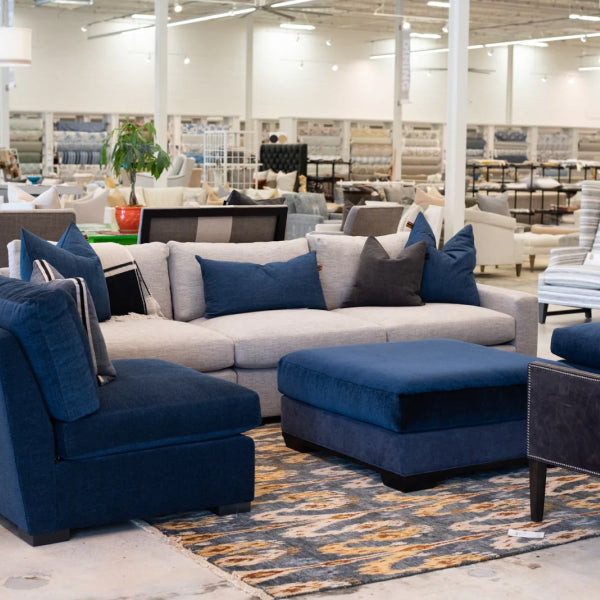
A typical Atlanta buyer walks in with a floor plan, a few room photos, and one recurring concern. They don't want to make an expensive mistake. Usually that means one of three things. The sofa might be too deep, the fabric might be too precious, or the sectional might dominate the room instead of organizing it.

What happens in the showroom
The most productive consultations aren't about browsing everything. They're about narrowing quickly.
A designer will typically help a client work through:
- Room scale: Whether the piece needs visual weight or more openness.
- Seating behavior: Whether the room is for reading, conversation, television, guests, or all of the above.
- Fabric realism: Whether the chosen textile can handle how the household lives.
- Finish alignment: Whether wood tones, trims, and upholstery details support the rest of the home.
That process matters because a luxury sofa isn't judged only on its own merits. It's judged by how well it resolves the room around it.
Managing expectations during ordering
The ordering side of custom furniture is where clarity helps most. Buyers need to know what has been selected, which details are fixed, and what should be double-checked before the order is finalized.
Designer note: The best time to correct seat depth, arm width, or cushion preference is before the order is written. After that, confidence comes from having made the right decisions, not from hoping the piece will adapt.
Good guidance also keeps clients from overcomplicating the piece. A room rarely needs every special detail available. It needs the right profile, the right fabric, and enough thoughtful finishing to look complete.
For Atlanta homeowners shopping for designer furniture near me or custom furniture Atlanta, the in-store experience is less about luxury theater and more about reducing risk. You sit in the frame, compare fabric truthfully, and order with a clearer sense of how the piece will live in your house.
Styling Lee Industries Furniture in Atlanta Homes
The reason Lee Industries for Sandy Springs Homes works so well as a design topic is that these pieces adapt to the way Atlanta homes are changing. In established suburbs like Sandy Springs, design-led remodeling often outpaces new-build purchasing, which increases demand for durable, space-efficient, and multi-use furniture suited to renovated family homes, according to this discussion of housing pressures and neighborhood change.
That matters because remodeled homes often have more specific furniture needs than new construction. Openings may be widened, kitchens may flow into living areas, and old room footprints may remain even after finishes are updated. The furniture has to bridge those realities gracefully.
Three room types where Lee often makes sense
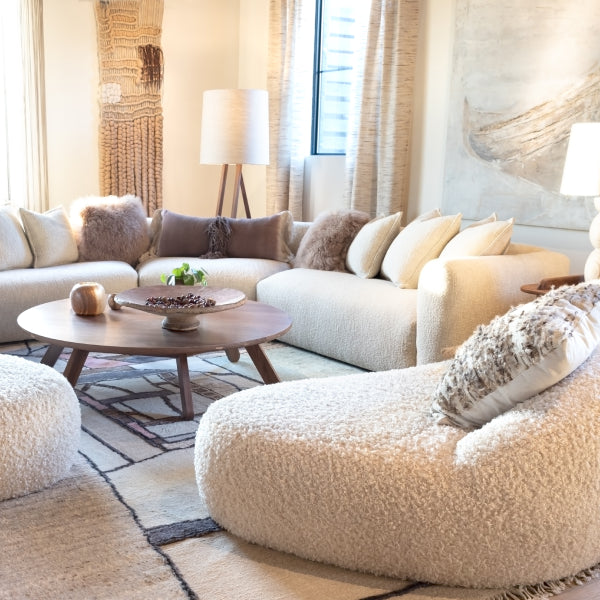
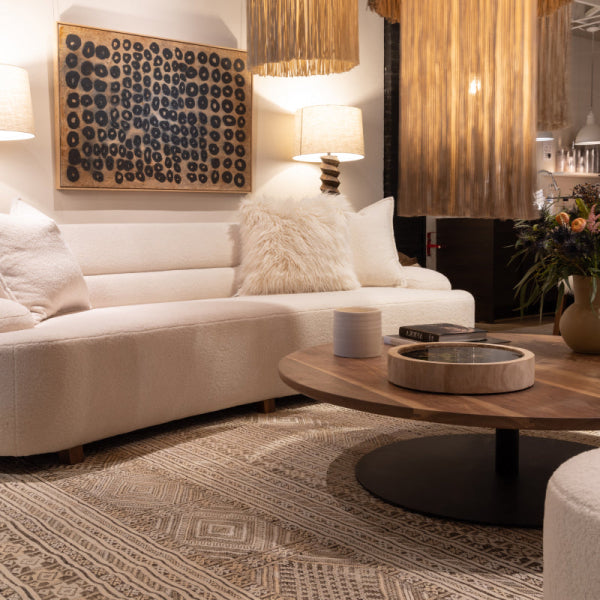
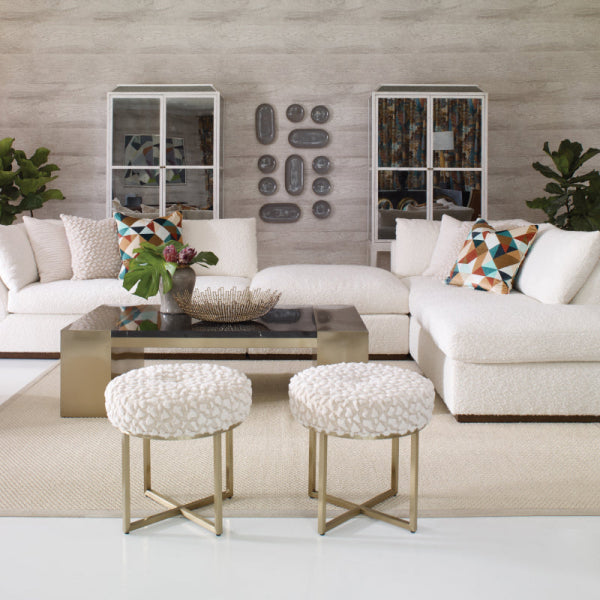
The family great room in Sandy Springs A custom-fitted sectional in a durable performance fabric often earns its place here. The room usually needs enough seating for real family use, but the profile still has to feel polished from the kitchen and breakfast area. Overstuffed forms can make the room feel heavy. A cleaner arm, balanced seat depth, and forgiving fabric usually perform better.
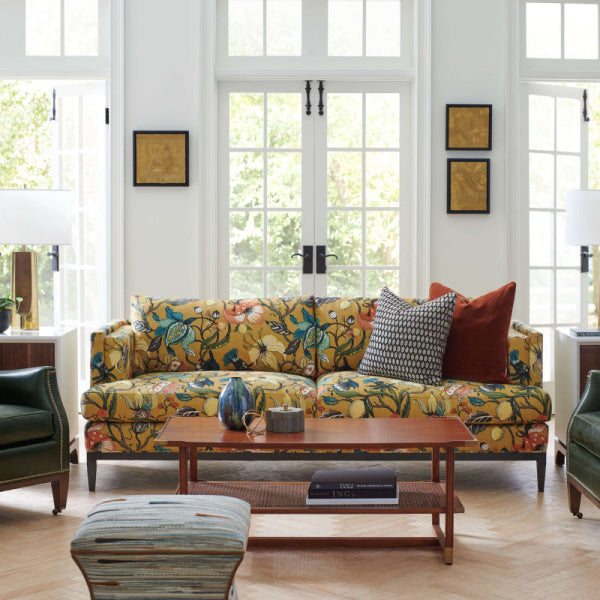
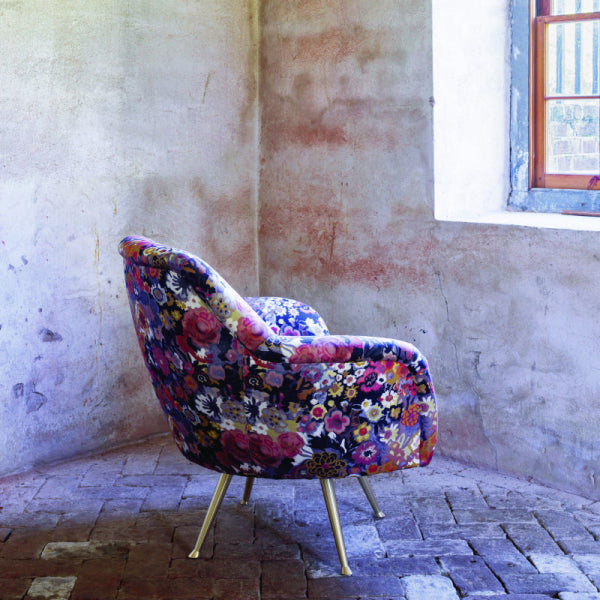
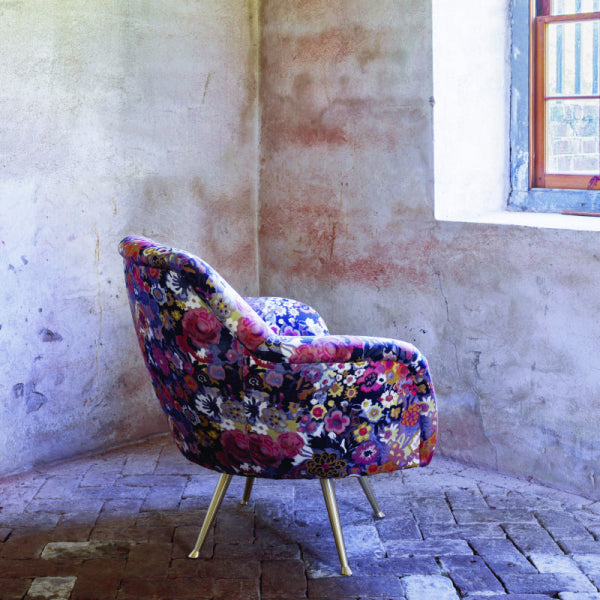
The Buckhead formal living room A pair of custom chairs can be more effective than a second sofa here. If the architecture is more refined, a shaped arm, elegant leg, and richer textile such as velvet can introduce contrast without making the room feel stiff. In this setting, statement furniture pieces should still respect scale and symmetry.
The Roswell or Alpharetta sunroom
A washable slipcovered sofa often wins in these bright rooms. It keeps the space relaxed and handles daily use better than upholstery that demands constant vigilance. Lighter visual weight helps the room feel airy, especially where windows, casual flooring, and indoor-outdoor flow are already doing a lot of the design work.
Matching style to the house, not the trend
If you're sorting through aesthetics before choosing furniture, this guide to popular decorating styles for real estate listings is useful because it clarifies the visual language behind terms people use loosely, such as modern, transitional, traditional, and eclectic.
That said, real homes in North Atlanta usually aren't pure style exercises. They're layered. A renovated brick traditional may want cleaner upholstery than its original architecture suggests. A newer house may need warmer, softer forms so it doesn't read cold. This look at Sandy Springs high-end home design reflects that local mix well.
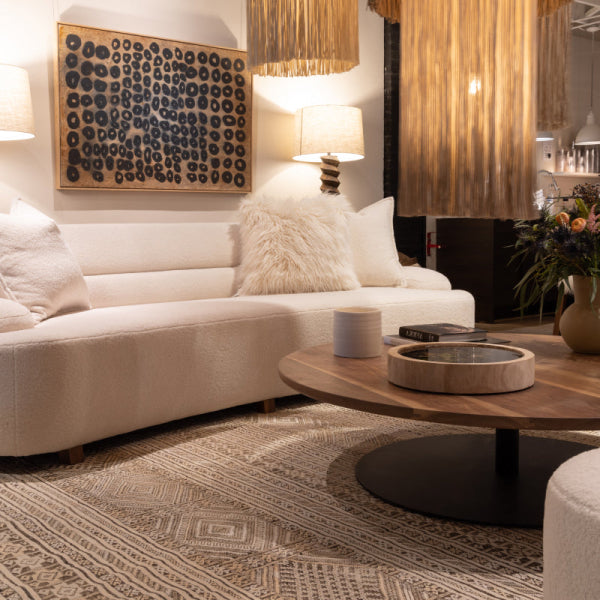
A room feels expensive when the furniture fits the architecture, the circulation, and the household. It doesn't need to announce itself.
The strongest designer furniture choices are often the least forced. They make the room feel settled.
Delivery Care and Protecting Your Investment
Once custom furniture arrives, the goal shifts from selection to protection. Better upholstery isn't delicate, but it does benefit from correct placement, sensible use, and regular care. That's how a luxury sofa or custom chair keeps its shape and finish over time.
For high-traffic Atlanta homes, made-to-order upholstery matters because choosing the right seat foam density, suspension, and abrasion-resistant fabric can materially extend service life and lower lifetime replacement cost, as explained in this overview of Lee Industries ordering considerations in the Atlanta Sandy Springs market. Once the piece is in your home, daily habits either support that performance or work against it.
What to do right after delivery
Handle the first day carefully. That doesn't mean being precious. It means setting the piece up correctly.
- Confirm placement before the team leaves: Check walkways, table spacing, rug alignment, and door swing clearances.
- Inspect the upholstery in daylight: Look at seam alignment, cushion fit, and fabric direction in the actual room.
- Keep all care information together: Save fabric details and order information for future cleaning or service needs.
Habits that preserve the piece
A few simple routines make a noticeable difference:
- Rotate and fluff cushions: This helps distribute wear and keeps seats from developing one habitual low spot.
- Vacuum upholstery gently: Dust and grit grind into fibers faster than is commonly realized.
- Address spills quickly: Blot first. Don't scrub aggressively and distort the fabric.
- Use the right fabric for the room from the start: If you need a practical refresher, these Lee Industries performance fabric tips are useful.
Fast furniture is replaced when it breaks down or stops looking acceptable. High-quality furniture is maintained because it's worth maintaining. That difference is the entire investment thesis.
Your Lee Industries Questions Answered
How does Lee Industries compare with other luxury furniture brands like Wesley Hall
Both sit comfortably in the premium upholstery conversation, but they don't always answer the same design brief. In many projects, the choice comes down to silhouette, tailoring, finish language, and how you want the room to feel.
Lee often appeals to buyers who want versatile, livable upholstery with strong customization potential across sofas, sectionals, slipcovered pieces, and chairs. Wesley Hall may suit projects that lean more strongly into certain classic or decorative expressions. The right answer isn't which label is better. It's which line gives you the right formality, proportion, and fabric application for the room.
Can I use my own fabric for a Lee order
Often, that question comes up when a client has sourced a special textile, inherited yardage, or wants an exact coordination with drapery or existing chairs. In custom upholstery, using COM, or customer's own material, can be a smart route if the fabric weight, repeat, durability, and suitability match the frame being ordered.
The caution is straightforward. Not every beautiful fabric belongs on every piece. A fabric can be visually perfect and still be the wrong choice for a seat cushion, a slipcover, or a heavily used arm. Before placing a COM order, confirm whether the textile is appropriate for upholstery use, whether the pattern repeat affects yardage, and whether the room's wear level justifies the selection.
Is Lee Industries heirloom quality, and how long can it last
Heirloom quality is less about whether a piece will remain untouched forever and more about whether it deserves to stay in circulation. A well-built upholstered frame with strong internal construction can continue serving a home through fabric changes, cushion refreshes, and style updates. That's the difference between furniture you replace and furniture you keep.
In practical terms, longevity comes down to four things:
| Factor | Why it matters |
|---|---|
| Frame quality | Determines long-term stability |
| Suspension and cushions | Shape comfort retention and daily wear |
| Fabric appropriateness | Affects how the piece handles traffic and maintenance |
| Household use | Pets, children, entertaining, and sunlight all change wear patterns |
If a client asks whether a Lee piece is worth buying for the long term, the answer is usually yes when the frame is right, the fabric is chosen thoughtfully, and the room truly needs custom upholstery instead of a quick placeholder. Furniture lasts longest when the specification matches the lifestyle.
If you're furnishing a home in Sandy Springs, Buckhead, Roswell, Alpharetta, or greater Atlanta and want help selecting custom upholstered furniture that suits your rooms and the way you live, Lewis and Sheron Textiles is a practical place to start. Bring room photos, measurements, and any fabric or finish ideas you already have. A thoughtful custom order always begins with the actual conditions of the home.