














You're probably in one of two situations right now.
You have a beautiful Sandy Springs house, maybe in a polished traditional neighborhood or a newer North Atlanta build, and the rooms still feel oddly generic. The architecture has presence. The furniture doesn't. Or you're staring at a living room that works well enough, but every sofa, chair, and occasional table feels like it came from the same safe catalog everyone else used.
That frustration is reasonable. Affluent homes deserve more than mass-produced filler. If you're investing in a place you plan to live in, entertain in, and enjoy for years, the furniture should feel specific to the house and to you. Not trendy for a season. Not disposable. Not close enough.
From Aspirational to Attainable The Vision for Your Sandy Springs Home
A common Sandy Springs story goes like this. A homeowner finishes the renovation, repaints, updates lighting, maybe even adds custom window treatments. Then the room stalls. The rug is fine. The sectional is acceptable. The accent chairs are harmless. But nothing has authority. Nothing anchors the room. Nothing feels like it belongs to that house in a lasting way.
That's where designer furniture becomes practical, not indulgent. In a market like Sandy Springs, the baseline for the home itself is already high. The city has 107,198 residents, 52,035 households, and an average individual income of $80,857, and its median sold home price is about $745,000 according to local Sandy Springs market data. Homes at that level usually justify better furnishings, because owners aren't decorating for a quick fix. They're shaping how the home lives and reads over time.

What affluent homeowners usually want
They rarely want more furniture. They want better decisions.
- A sofa with presence: Something custom-fit, comfortable, and scaled for the room.
- A focal point chair or pair: Not filler seating. Real statement furniture pieces.
- Materials that age well: Fabrics, trims, wood finishes, and construction that still look right years from now.
- A room that doesn't look copied: Custom upholstered furniture solves this faster than endless browsing does.
I've seen homeowners waste months trying to solve a room online. They save dozens of screenshots, order samples, and still don't know whether the piece will fit the architecture, the traffic flow, or the way they live.
A luxury room usually fails for one reason. The owner bought isolated pieces instead of building a coordinated furniture plan.
If you want a useful local starting point, this Sandy Springs high-end home design guide helps frame what sophisticated interiors should do in this market.
What Sandy Springs designer furniture help should look like
Real Sandy Springs designer furniture help isn't about handing you a list of expensive brands. It's about translating taste into specifications. Scale. Upholstery. Finish. Function. Delivery access. Longevity.
That's the shift from aspirational to attainable. Once you stop shopping emotionally and start specifying intelligently, the process gets clearer. The room gets stronger. And the investment starts making sense.
Defining Your Vision for Luxury and Longevity
Before you visit a showroom or talk with a designer, get honest about how the room has to perform. A lot of expensive mistakes happen because homeowners start with silhouette and color, then try to force function afterward. That's backward.
A premium sectional for a family room has different demands than a formal living room sofa. A custom chair in a sunroom needs a different fabric strategy than a chair in a quiet study. If you skip this thinking, you end up with furniture that photographs well and lives badly.

Ask better questions before you buy
Use this short self-audit.
- How do you use the room? Daily lounging, formal entertaining, reading, TV watching, kid overflow, pet traffic, or all of it?
-
Who uses the seating most?
Adults who sit upright and entertain need something different from a family that wants deep, sink-in comfort. -
What can't go wrong?
For some households it's stain resistance. For others it's seat depth, back height, or cushion support. -
What existing pieces must stay?
Artwork, rugs, heirloom tables, and architectural details should shape furniture choices, not compete with them.
Build a functional brief
Bring these into any consultation:
- Room photos: Wide shots, corners, and problem areas.
- Basic measurements: Wall lengths, window locations, ceiling height, and openings.
- Lifestyle notes: Pets, children, frequent guests, sunlight, and how formal the room should feel.
- Inspiration with discipline: Save fewer images, but choose images that reflect what you'd live with.
If you're struggling with palette direction, Striped Circle's colour guide is worth reviewing because it connects mood and room function in a way many homeowners skip.
Practical rule: Don't say you want “timeless” unless you can also say how the room needs to function on a Tuesday night.
Budget for value, not for a transaction
Luxury furniture buyers often ask the wrong budget question. They ask, “What should I spend on a sofa?” A better question is, “Which pieces deserve the highest construction and fabric investment?”
Here's the hierarchy I recommend:
| Piece type | Spend priority | Why |
|---|---|---|
| Main sofa or sectional | High | It takes the most wear and sets the room's tone |
| Primary accent chairs | High | These shape the room visually and often get daily use |
| Occasional pieces | Moderate | Important, but less tied to comfort and upholstery durability |
| Trend-driven accessories | Lower | Easier to change later without rebuilding the room |
If you want luxury and longevity, allocate money to the frame, cushion quality, and upholstery specification first. Decorative add-ons can wait. A well-built couch in the right fabric will outlast a room full of stylish compromises.
Finding Your Professional Partner in North Atlanta
Some homeowners think hiring design help means surrendering control. It doesn't. Good guidance does the opposite. It gives you a way to make cleaner decisions faster, with fewer expensive missteps.
That matters in North Atlanta because this is a design-literate market. The broader profession is substantial. The U.S. Bureau of Labor Statistics reported that specialized design services employed 25,400 interior designers with an average annual wage of $68,790 in May 2022, while furniture and home furnishings retailers employed 8,610 interior designers at an average annual wage of $58,540. Sandy Springs also showed local demand with 265 interior designer jobs listed on Indeed's Sandy Springs interior designer jobs page. People in this market are used to paying for expertise because it improves outcomes.
Why physical showrooms still matter
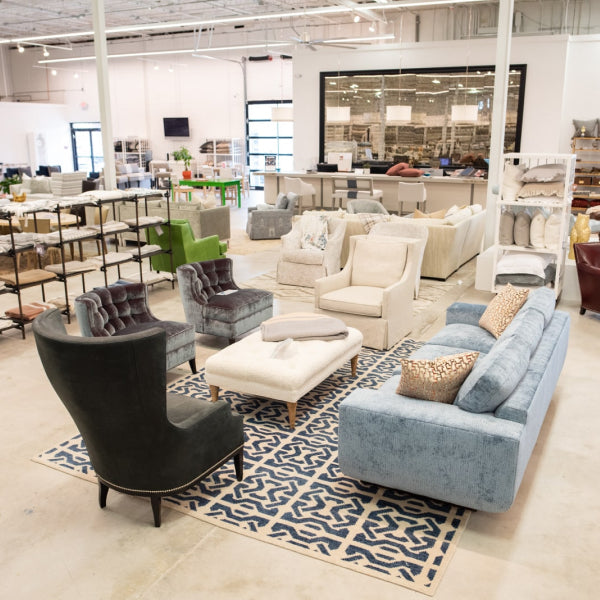
If you're shopping for high-end furniture, touching the materials matters. Screen images flatten texture, distort color, and tell you almost nothing about hand, drape, weave density, or trim quality. For luxury sofas, premium sectionals, and custom chairs, those details are the difference between a room that feels layered and one that feels expensive but oddly lifeless.
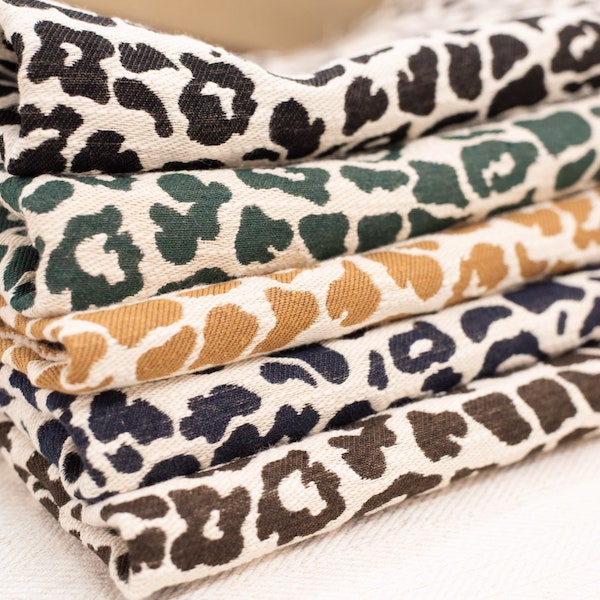
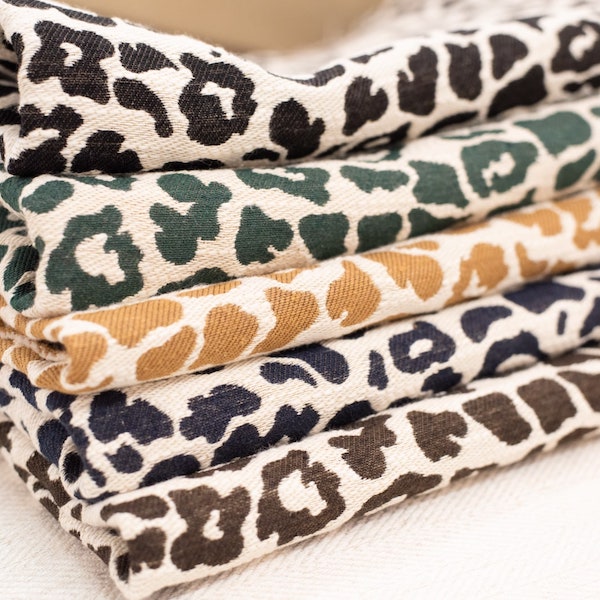
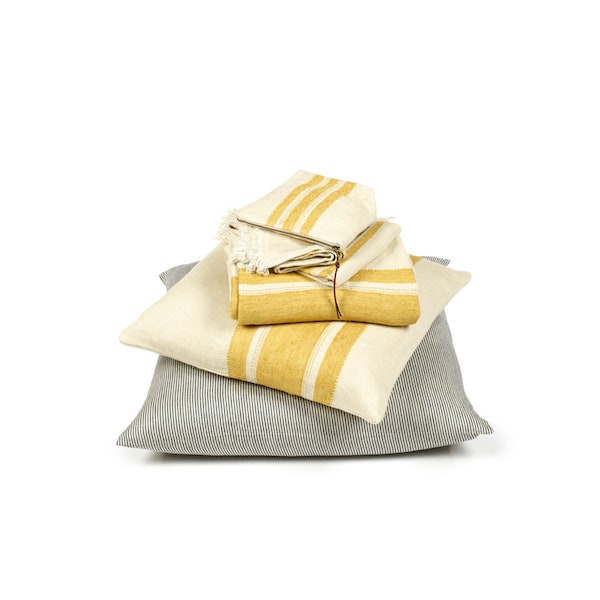
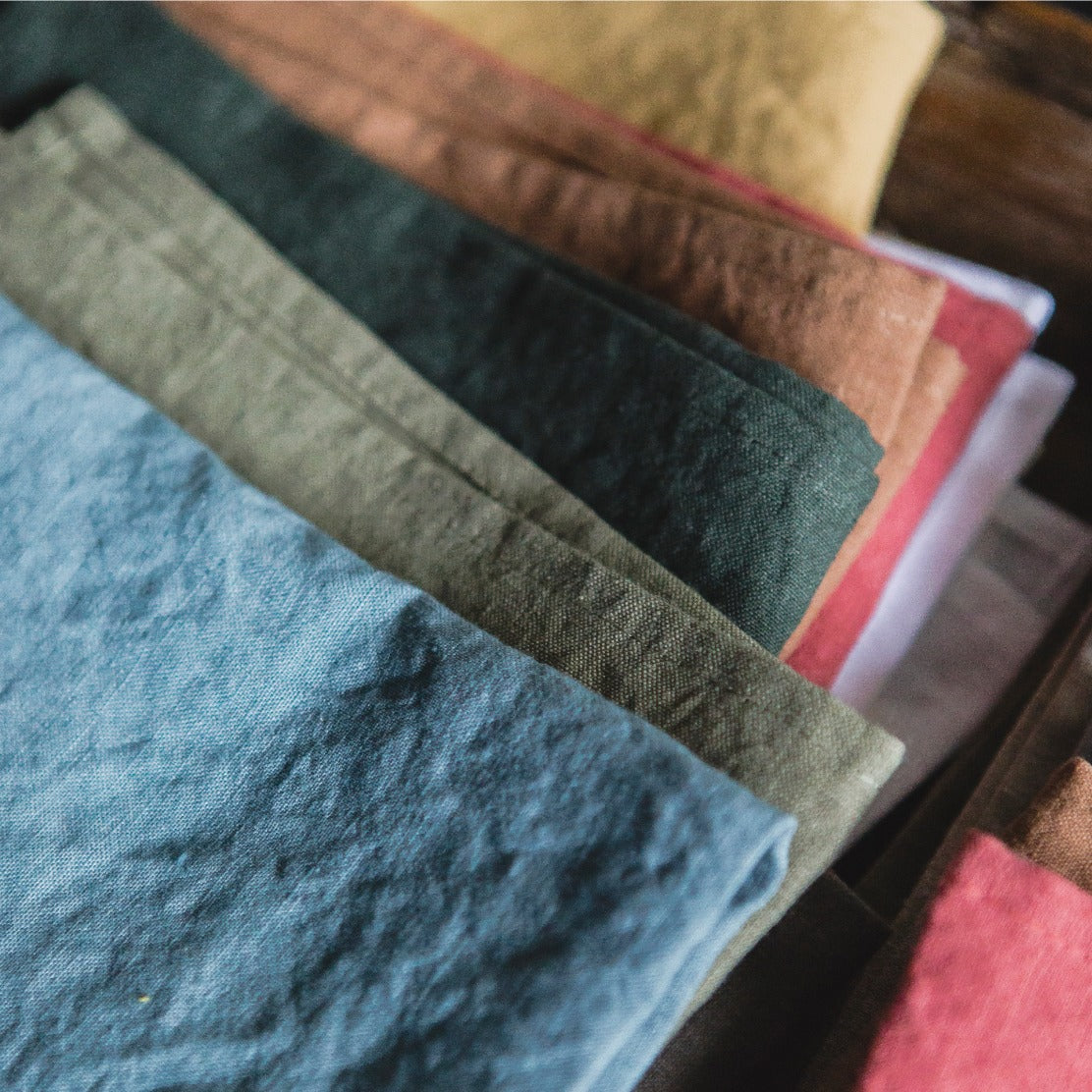
A showroom also lets you compare fabric families side by side. That's useful when you're choosing between Belgian linen, performance upholstery, classic prints, or textured neutrals that need to coordinate with existing rugs and finishes.
What a good design partner actually does
A professional partner should help you do three things:
- Edit the options: Too many choices kill momentum. Good designers narrow intelligently.
- Translate style into specs: “Precisely fitted but comfortable” needs a frame, cushion, arm, fabric, and finish decision.
- Protect the project: Measurements, lead times, workroom details, and installation planning need adult supervision.
For homeowners who want in-person support around custom furnishings, upholstery, and fabric selection, Lewis and Sheron's guide on how to work with an interior designer gives a grounded view of what that collaboration should look like.
The right consultant doesn't impose taste. They turn your preferences into furniture that fits the room, survives real use, and still looks intentional years later.
One more direct point. If you're serious about Sandy Springs designer furniture help, stop trying to solve everything from online thumbnails. High-consideration rooms deserve real samples, real measurements, and real dialogue.
The Art of Selecting Fabrics and Custom Upholstery
Expensive furniture either earns its price or exposes itself.
People love to talk about the silhouette of a sofa. Fine. But the lasting quality of custom upholstered furniture comes from the combination of fabric specification, pattern handling, finish compatibility, and installation precision. If those aren't handled properly, even a strong frame can turn into a disappointing piece.
The smarter benchmark comes from the way professionals structure the project. In expert-led upholstery work, the initial specification should function like a technical packet. That includes room photos, dimensions, and intended use so the team can verify durability, pattern repeat, and finish compatibility before fabrication begins, as described by Atlanta-area interior design guidance from VRA Interiors.
Match the fabric to the room, not to your fantasy
A family-room sectional and a formal sitting-room chair shouldn't be upholstered the same way.
The clearest way to understand it is:
| Room use | Better fabric direction | What to watch |
|---|---|---|
| Family room | Performance textiles, tighter weaves, practical textures | Cleanability, seam stress, daily wear |
| Formal living room | Linen blends, richer textures, decorative details | Light exposure, wrinkling, maintenance |
| Accent chair | Statement pattern, bouclé, velvet, or contrast trim | Pattern scale, placement, surrounding colors |
| Dining chair | Durable upholstery with easy upkeep | Frequent contact, food spills, edge wear |
If you want a simple outside reference on evaluating fabric performance and practicality, this guide on how to select the best upholstery for your home is useful.
The hidden details that separate custom from generic
Most homeowners focus on color first. Professionals don't. They usually start with the technical constraints.
- Pattern repeat: A large print can look spectacular on a roomy chair and awkward on a narrow seat back.
- Seam placement: Bad seam planning ruins even expensive textiles.
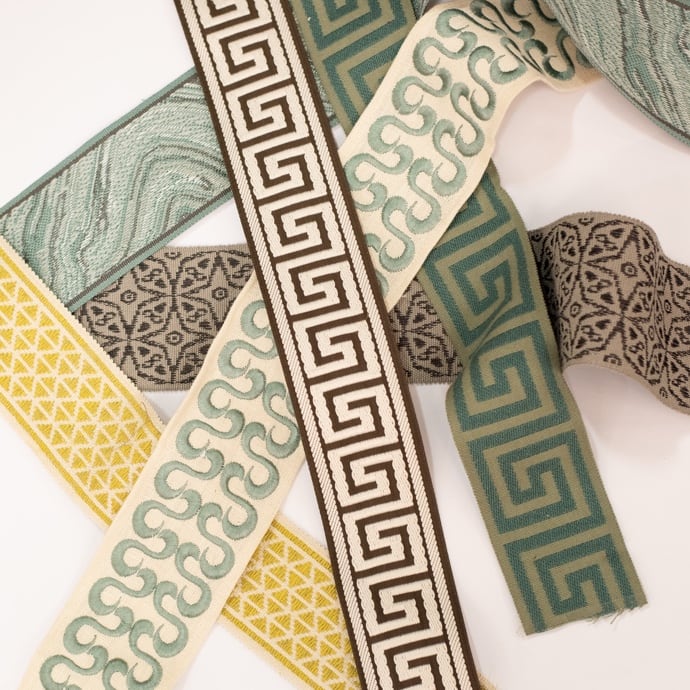
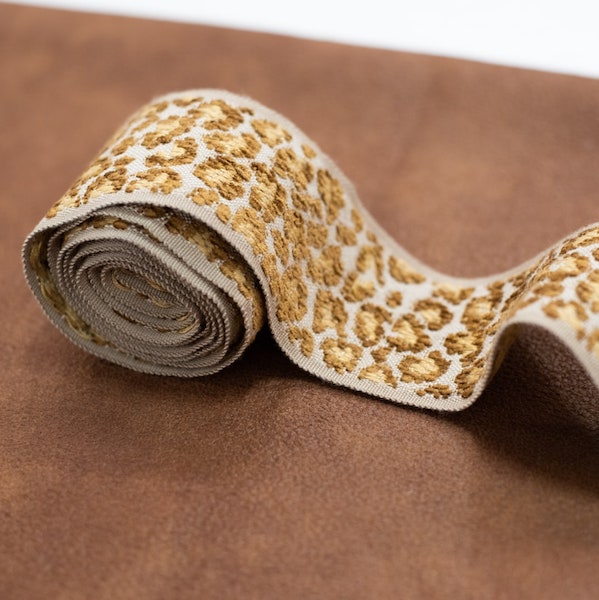
- Trim compatibility: Welting, fringe, tape, and contrast details need to support the shape, not clutter it.
- Sun exposure: A sunny room changes the fabric conversation immediately.
- Cleaning realities: If the room sees regular use, beauty without practicality is a mistake.
Why showroom access matters for custom work
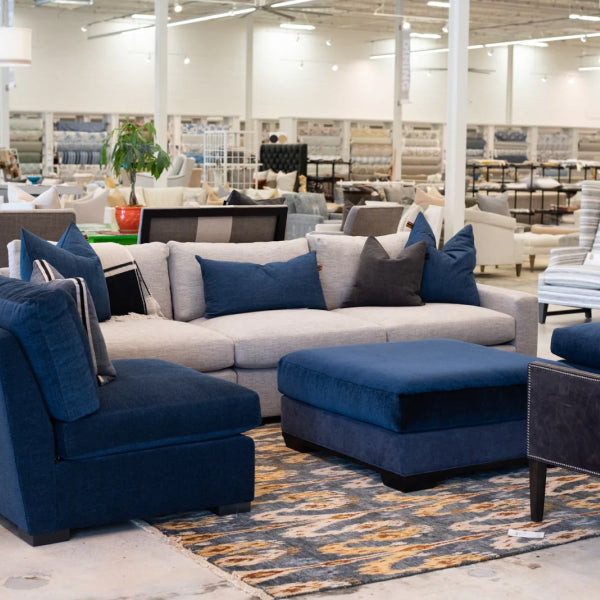
This is one place where a resource like Lewis and Sheron Textiles can be practical. Their Atlanta showroom combines in-stock home fabrics, cut-yardage options from mills such as Kravet, Fabricut, Libeco Home, and Crypton, plus custom furnishings and reupholstery support. That kind of setup helps homeowners compare luxury home furnishings materials in person instead of trying to guess from digital swatches.
If the upholstery spec is vague, the final result won't feel custom. It will feel lucky.
For heirloom-quality furniture, don't chase novelty. Choose a strong frame profile, a fabric that suits the room's real behavior, and details that still make sense after the trend cycle passes.
From Showroom Floor to Your Front Door
Delivery-day disasters aren't caused by bad luck. They're caused by weak planning.
The most reliable workflow for designer furniture selection is a staged consultation. Capture room measurements and photos first, then compare those dimensions against the furniture footprint, traffic clearances, and sightlines before ordering. That pre-order dimensional verification is the key success metric according to Havertys' design service workflow overview.

Measure the room, then measure the path
Individuals typically remember to measure the wall. They forget the front door, stair turn, hallway pinch point, elevator depth, or the ceiling fixture the delivery team has to dodge.
Use this checklist before you place any order:
- Room dimensions: Wall lengths, window locations, fireplace depth, and built-ins.
- Furniture footprint: Overall width, depth, height, and needed clearance around the piece.
- Traffic flow: Walkways should stay comfortable when people are using the room.
- Delivery route: Exterior steps, doors, halls, stairwells, turns, and tight transitions.
What ordering should feel like
A custom order should move in a calm sequence, not a rush.
- You review the room and how it needs to function.
- You narrow the frame or furniture style.
- You finalize fabric, trim, cushion feel, and finish.
- The order is placed only after dimensions and access are confirmed.
- Delivery is coordinated with realistic expectations.
If you want a plain-English primer on upholstery categories before ordering, this overview of types of furniture upholstery is a useful supplement.
Where projects usually go wrong
The most common failure isn't ugly furniture. It's furniture that's technically wrong for the space.
A sofa can be beautiful, expensive, and completely wrong if it blocks circulation or enters the room at the wrong scale.
The other mistake is assuming custom means immediate. Made-to-order furniture involves specification, fabrication, inspection, shipping, and scheduling. That's normal. Rushing this part usually leads to regret, not convenience.
Breathing New Life into Heirlooms with Expert Reupholstery
Not every room needs a new furniture order. Sometimes the smartest move is restoring what you already own.
Sandy Springs has both premium design demand and an active resale and repurposing culture. Local examples include CORT's lightly used furniture market and the Sandy Springs Society's “Tossed Out Treasures” resale tradition, both noted through CORT's Sandy Springs furniture outlet page. That matters because it points to a real decision affluent homeowners face. Reupholster, buy used, or buy new custom.

When reupholstery is the right call
Reupholster if the piece has good bones and a shape worth preserving.
Look for:
- Solid structure: The chair or sofa feels stable, not loose and fatigued.
- Strong proportions: The silhouette still works in your room.
- Sentimental value: Family furniture often deserves another life.
- Better craftsmanship than new alternatives: Older frames are often worth saving.
When buying new makes more sense
Reupholstery isn't automatically noble or cost-effective. If the frame is weak, the proportions are clumsy, or you're trying to force a traditional piece into a very modern room, start fresh.
A quick comparison helps:
| Reupholster it | Replace it |
|---|---|
| The frame is solid and worth preserving | The frame is damaged or poorly made |
| The piece has sentimental or design value | The silhouette no longer suits the room |
| You want a unique, tailored finish | You need a completely different scale or function |
If you're weighing that decision locally, this Sandy Springs reupholstery overview gives a practical starting point for evaluating an existing piece.
A well-executed reupholstery project isn't second best. It's often the most personal choice in the room.
Your Designer Furniture Questions Answered
What makes furniture designer quality
It's not the label alone. Designer quality comes from the total package. Better frames, thoughtful proportions, stronger upholstery specifications, cleaner tailoring, and materials chosen for the room they'll live in. A high-quality couch feels resolved from every angle, not just attractive from the front.
Is custom furniture worth it for a Sandy Springs home
Yes, if the room matters and you plan to keep the piece. Custom is especially worthwhile for luxury sofas, premium sectionals, custom chairs, and other large furnishings that affect comfort, scale, and the room's identity every day. If you're only trying to fill a temporary gap, buy something simpler and stop pretending it's an heirloom purchase.
Should I buy used designer furniture, reupholster, or commission new
Use the piece's structure and your goals to decide.
- Buy used when the frame is good and the style already aligns with your room.
- Reupholster when you have an heirloom or vintage piece with strong construction that needs a fresh material story.
- Commission new when you need precise dimensions, a specific comfort level, or a cleaner architectural fit.
That's an underserved question in this market. People don't just want beautiful furniture. They want clarity on durability, lead time, and long-term value preservation.
How do I avoid ordering the wrong size
Don't order from inspiration photos alone. Work from actual dimensions, room photos, and circulation needs first. Confirm the furniture footprint in the room and verify the delivery path before anything is fabricated or scheduled.
What should I bring to a consultation
Bring your room measurements, wide photos, inspiration images, notes on how you live, and any existing pieces that must stay. Fabric samples, rug photos, and finish references help too. The more specific you are, the faster the project improves.
What's the biggest mistake affluent homeowners make
They confuse expensive with appropriate. A costly sofa in the wrong scale, wrong fabric, or wrong cushion profile is still a bad buy. Strong rooms come from disciplined decisions, not price tags.
If you've been searching for Sandy Springs designer furniture help, the answer isn't another afternoon of browsing. It's a tighter process, better materials, and someone who can convert your taste into furniture that belongs in the room.
If you're ready to move from ideas to real specifications, Lewis and Sheron Textiles offers a practical place to start with home fabrics, custom furnishings, reupholstery, rugs, and in-house design support for Atlanta-area homeowners who want furniture that feels personal, polished, and built to last.