















You've already saved the inspiration photos. The problem now is not taste. It is execution. You need to know how a custom order will fit your room, how long it will take, which fabrics can handle real family use, and whether you are paying for genuine bench-made quality or a standard frame with expensive wording attached.
That is the core conversation behind Custom Furniture for Johns Creek. Affluent buyers in Johns Creek and Atlanta do not need more options. They need sharper filtering. In a crowded luxury market, the advantage shifts to craftsmanship, correct specification, disciplined delivery, and materials that still look refined after years of daily use.
Johns Creek homes demand that level of precision. Open-concept great rooms, formal living spaces, keeping rooms, and finished basements all place different demands on scale, seat depth, cushion construction, and fabric performance. A beautiful sofa that is six inches too long, too shallow, or upholstered in the wrong weave is still a mistake.
Start with process, not mood boards. A serious custom commission should answer practical questions early: the true lead time, the degree of size flexibility, the cushion fill options, the frame construction, the stain resistance of the textile, and who is responsible for measuring before production begins. If a showroom cannot explain those points clearly, keep shopping.
For a broader look at how luxury interiors are taking shape locally, see this overview of Johns Creek high-end home decor trends. If you want a plain-English guide to custom furniture design, start there before approving a single fabric memo.
What "Custom Furniture" Truly Means in the Atlanta Luxury Market
A lot of furniture sold as “custom” isn't custom in any meaningful sense. It's often a fixed frame with a short menu of fabrics, one or two finishes, and limited size changes. That's not necessarily bad. It's just not bespoke.
In the Atlanta luxury market, designer quality means you're paying for more than a prettier silhouette. You're paying for correct proportion, better internal construction, stronger material choices, and a specification process that prevents expensive mistakes. That last part matters more than most buyers realize.
The value of custom furniture comes from correct specification, not just a unique silhouette.
That's one of the biggest gaps in how this category gets marketed. Many brands talk about style. Far fewer explain the operational side of a commission. Yet process transparency has become part of the buying decision. Coverage of Joybird's showroom model highlights free design help, 3D planning tools, and customization, reinforcing the point that buyers want guidance, not just options (showroom coverage on customization and design help).
The three levels buyers confuse
Most first-time buyers blur together mass-produced, semi-custom, and bespoke furniture. They shouldn't.
- Mass-produced furniture is built for speed and scale. Standard dimensions. Standard fill. Standard fabrics. It works when speed matters more than precision.
- Semi-custom furniture gives you some control. You may choose the fabric, arm style, leg finish, or cushion fill, but the frame itself is largely preset.
- True custom furniture starts with the room, the use case, and the dimensions. The build responds to your home instead of forcing your home to accommodate the piece.
If you want a deeper outside explanation of the distinction, this guide to custom furniture design is worth reading because it separates real bespoke work from showroom marketing language.
What luxury construction looks like in practice
Good custom upholstered furniture should feel calm, not flimsy. The frame shouldn't rack when moved. The seat shouldn't collapse into a trench after modest use. The arms should have shape and consistency. The tailoring should look intentional from every angle.
Ask direct questions in the showroom:
- What is the frame made of
- How is the suspension built
- What cushion construction is being specified
- Can dimensions be adjusted for my room
- How will fabric performance affect wear, cleaning, and shape retention
Those questions tell you more than any lifestyle vignette ever will.
Why specification matters more than style boards
A handsome sofa that's too deep for the client who uses it is a bad purchase. A sectional that blocks circulation in a Johns Creek family room is a bad purchase. A pale linen chair in a high-use breakfast room might be beautiful and still be the wrong call.
That's why process matters. Buyers in affluent North Atlanta neighborhoods often already know what they like visually. The challenge is translating taste into a piece that fits the room, the traffic pattern, the household, and the level of maintenance they'll realistically accept.
For broader Johns Creek styling context, this look at high-end home decor in Johns Creek helps frame how custom pieces work within a full room instead of in isolation.
Practical rule: If the seller can describe the style but can't explain the build, keep shopping.
The Custom Furniture Process From Vision to Delivery
Most problems with custom furniture don't start in the workroom. They start before the order is written. A vague floor plan, a rushed fabric selection, or an untested seat depth can turn an expensive piece into a daily irritation.
The right process is disciplined. It should feel collaborative, but it should also feel structured.

Step one begins with use, not mood boards
Bring inspiration if you want, but don't lead with images alone. Start with the way the piece needs to perform.
A designer or showroom consultant should ask things like:
- Who uses the piece daily. Adults, children, guests, pets, or a mix.
- How the room functions. Formal sitting room, family gathering space, media room, reading corner.
- What bothers you about your current furniture. Too deep, too firm, poor back support, impossible fabric, awkward scale.
- What the room needs to solve. More seating, better flow, a focal point, softer acoustics, stronger color contrast.
That conversation is where good custom work starts. Without it, you're just ordering a prettier version of the wrong thing.
Then the measurements get serious
In high-end work, dimensions are not decorative details. They are the project.
Seat height, seat depth, arm width, total width, back pitch, and overall visual weight all have to work with the architecture. Buyers often underestimate how much an inch or two changes the way a sofa sits in a room.
A strong process usually includes:
- Room dimensions verified carefully
- Doorways, stairs, elevators, and turns checked
- Furniture footprint tested against circulation
- Scale reviewed against existing rugs, cocktail tables, and case goods
- Fabric and finish selections tied back to actual use
If you want a straightforward outside overview of how retailers simplify this journey, this guide to simplified custom furniture is a useful reference.
Materials drive timing more than most people expect
Custom furniture doesn't move on one straight line. It moves through design finalization, material procurement, fabrication, finishing, and upholstery. Independent industry guidance puts a typical custom furniture project at about 8 weeks to 6 months, with design complexity and material availability as the main variables (custom furniture timeline guidance).
That matters because buyers often think the longest lead time must be the most luxurious choice. It isn't. Sometimes the smartest specification is the one that shortens the timeline without compromising the look.
- Choose in-stock textiles if timing matters more than exclusivity.
- Use standard components when custom dimensions are needed but every detail doesn't need reinvention.
- Expect longer waits when you specify unusual woods, intricate detailing, or highly specialized finishes.
If you need a piece for a specific install window, decide that before you fall in love with a material that won't land in time.
Production should be quiet, not chaotic
Once the order is approved, the project should move into fabrication with minimal drama. You shouldn't be rewriting dimensions halfway through because no one verified the floor plan. You shouldn't be changing to a different fabric because someone failed to check availability early.
A good showroom process also gives buyers practical support around upholstery details. For example, this overview of an Atlanta custom upholstery workroom is useful if you want to understand how material decisions become actual upholstered pieces, not just showroom samples.
The strongest custom projects feel almost boring by the middle. That's a compliment. The design questions were solved up front, so the build can proceed cleanly.
Choosing Frames and Fabrics for Lasting Luxury
Most furniture disappoints for one of two reasons. The structure is weak, or the fabric selection was romantic and unrealistic.
That's why I tell clients to separate their decisions into two categories. First, the foundation. Second, the finish. If the foundation is wrong, no fabric can save it. If the finish is wrong, a good frame still becomes a maintenance problem.

Start with the frame and suspension
The frame is the part you pay for and rarely see. It determines whether a sofa ages gracefully or starts feeling tired far too early.
Here's what to look for in a high-quality upholstered piece:
- Hardwood frame construction gives a stronger backbone than cheaper alternatives. It's what you want in heirloom-minded furniture.
- Thoughtful joinery matters because stress shows up at the corners, arms, and seat rail first.
- A serious suspension system affects comfort and longevity more than buyers expect.
You'll hear people debate 8-way hand-tied versus sinuous spring construction as if one label settles the whole question. It doesn't. Execution matters. A well-made suspension system, paired with a properly built frame, should deliver resilience, support, and consistency across the seat.
Cushion comfort needs honesty
Clients often ask for a sofa that feels crisp, structured, loungey, upright, supportive, and soft all at once. That combination doesn't exist.
A cleaner, more polished look often requires firmer cushion discipline. A sink-in seat usually looks more relaxed. Feather blends can feel inviting but may need more maintenance. More structured fills hold shape better.
A sofa should fit the way you sit, not the way a showroom scene is styled.
If you sprawl, say so. If you entertain formally, say so. If you want your sectional to look untouched after heavy use, admit that too, because that requirement should change the cushion and fabric conversation immediately.
Fabric choice is a performance decision
Luxury clients sometimes make the same mistake budget buyers do. They choose fabric with their eyes and ignore daily use.
That's backwards. Fabric selection should start with abrasion tolerance, cleanability, texture, weave stability, and how the color will read in the room at different times of day. Then you decide whether the fabric still gives you the mood you want.
A few practical examples make this easier:
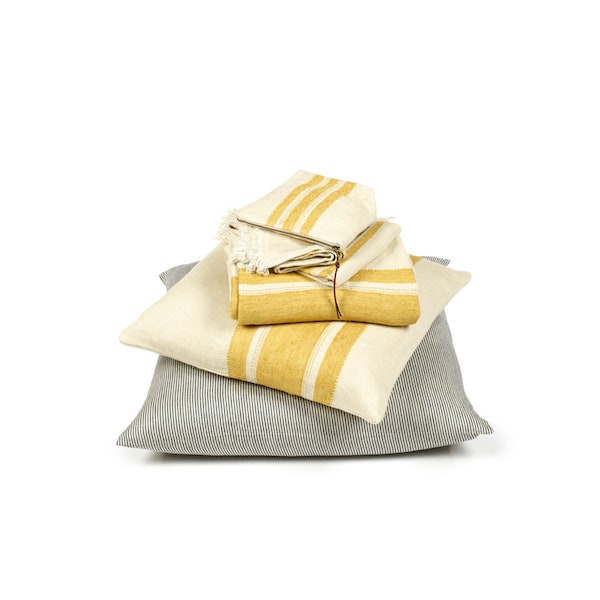
- Belgian linen such as options from Libeco Home works beautifully when you want softness, drape, and a relaxed but refined surface.
- Performance textiles such as Crypton make more sense where spills, frequent use, or lower-maintenance expectations are part of real life.
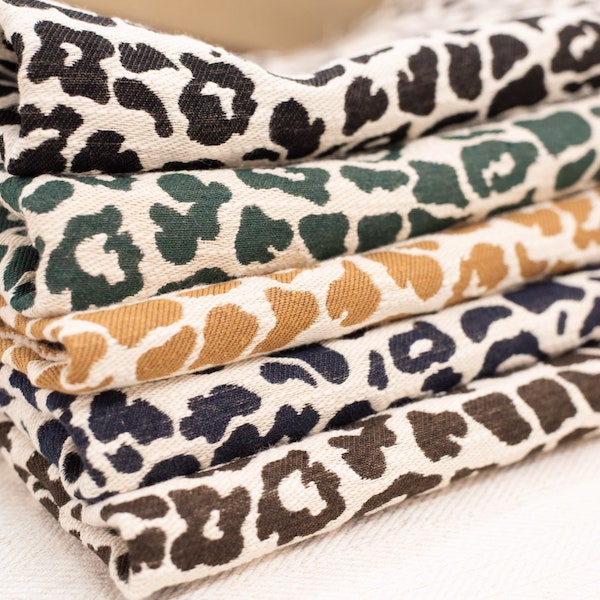
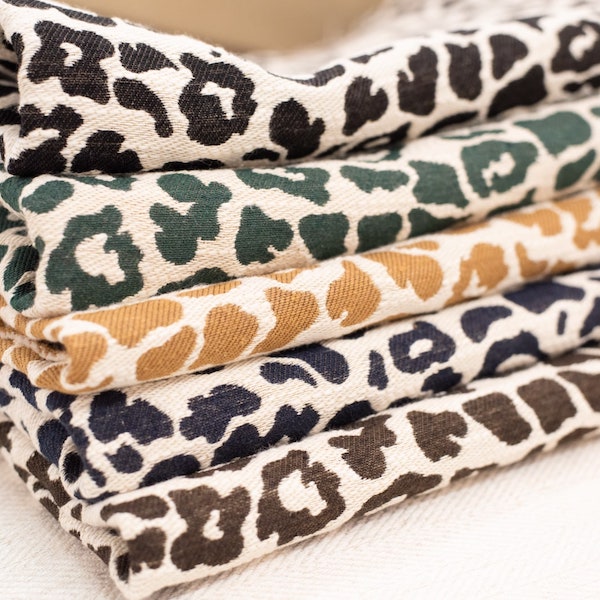
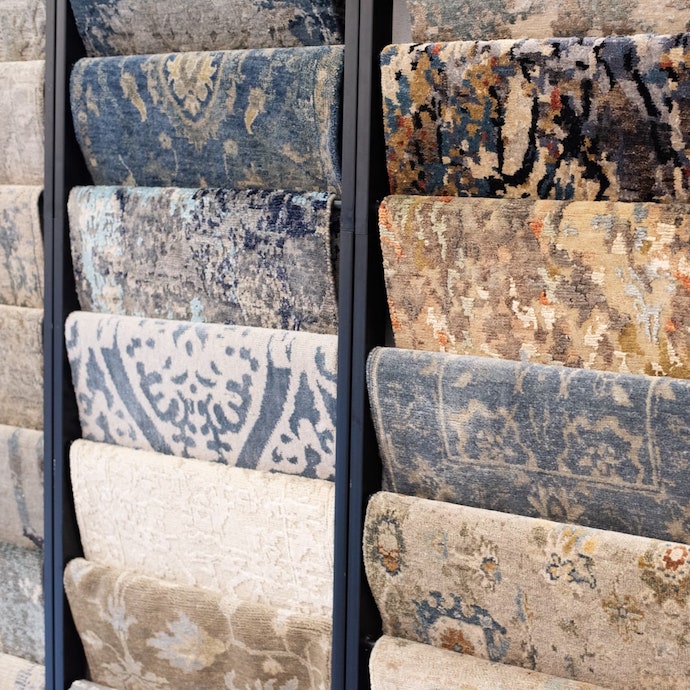
- Patterned upholstery fabrics can disguise daily wear better than solids, but scale matters. An oversized pattern can overwhelm a smaller chair.
- Textural neutrals often age better visually than trend-driven novelty fabrics.
For a practical outside primer on textile categories and tradeoffs, this piece on understanding furniture upholstery is a solid companion read.
Match the fabric to the room, not the fantasy
Use the room authentically.
| Room use | Better fabric direction | Why it works |
|---|---|---|
| Formal living room | Linen blends, refined textures, elevated neutrals | Appearance can lead because wear is lighter |
| Family room | Performance upholstery, forgiving texture, tighter weaves | Easier maintenance and better resilience |
| Accent chair | More adventurous pattern or color | Smaller scale lets you take a stronger design swing |
| Everyday sectional | Durable upholstery with strong hand and easy cleaning profile | The piece has to work hard without looking tired |
My recommendation for first-time custom buyers
If this is your first custom order, don't try to prove your taste by making every decision dramatic. Get the frame right. Get the comfort right. Then choose a fabric with enough personality to enhance the room but enough discipline to survive it.
That's how luxury furniture earns its keep. Not by looking rare on delivery day, but by still looking right after real life starts.
Reupholstery vs A New Custom Build Which Is Right for You
Not every old piece deserves reupholstery. Not every worn piece should be replaced either. Sentiment can cloud judgment, and so can novelty.
The smart decision depends on the frame, the scale, and whether the existing piece still deserves a second life. In the Johns Creek and Atlanta area, you have access to a deep bench of upholstery specialists. Houzz lists 95 furniture upholstery shops serving Johns Creek and nearby Atlanta-area design hubs, which matters because high-end restoration often depends on skilled regional trades who can match stitch patterns, cushion builds, and finishes with precision (Johns Creek upholstery specialist market on Houzz).

When reupholstery makes sense
Reupholstery is the right move when the bones are excellent and the problem is mostly skin deep.
Choose it when:
- The frame is strong and worth preserving.
- The piece has sentimental value you can't replace with a new commission.
- The silhouette still works in the room and doesn't fight the architecture.
- You want to keep craftsmanship that would be costly to replicate from scratch.
A good candidate might be a well-built club chair, a family sofa with strong proportions, or a bench with elegant lines that only needs new life through fabric, cushion correction, and finish work.
When a new custom build is the better investment
A new build wins when the existing piece is entirely wrong for the room or the frame isn't worth the labor required to revive it.
Choose new custom furniture when:
- The scale is off and the piece crowds the room or feels undersized.
- The frame has structural issues that make restoration questionable.
- You need layout-specific dimensions a legacy piece can't provide.
- You want full freedom on seat depth, arm shape, height, comfort, and profile.
Sometimes clients want reupholstery when what they want is reinvention. Those are not the same thing.
Decision Guide Reupholstery vs New Custom Furniture
| Consideration | Best for Reupholstery | Best for a New Custom Build |
|---|---|---|
| Frame quality | Existing frame is strong and worth preserving | Existing frame is weak, damaged, or ordinary |
| Sentimental value | Piece has family history or personal meaning | No emotional reason to retain the original |
| Fit for the room | Scale and silhouette already work | New size or configuration is needed |
| Style change | You want a fresh fabric and refined update | You want a different form, comfort, or footprint |
| Structural confidence | Internal condition appears sound | Hidden issues are likely or already visible |
If you're weighing restoration seriously, this perspective on the art of professional reupholstery is useful because it helps frame what professional-level work should address beyond just replacing the outer fabric.
Reupholstery is strongest when you're preserving quality. New custom is strongest when you're solving a problem the old piece can't solve.
Investing in Luxury Sofas Sectionals and Chairs
A client walks into the showroom with tear sheets, a floor plan, and a budget that should buy something exceptional. Then they choose the wrong seat depth, a fabric that won't survive real use, or a sectional that overwhelms the room. The result is expensive and disappointing.
That is why these categories deserve more discipline than any accessory or occasional table. Sofas, sectionals, and chairs carry the visual weight of the room, but they also handle the wear, the comfort demands, and the daily traffic. In custom work, affluent buyers in Johns Creek need practical answers, not vague style advice.

A sofa should justify its footprint and its price
In the Atlanta luxury market, a sofa is not successful because it looks refined on delivery day. It succeeds if it still sits well, wears well, and fits the room correctly after years of use.
Start with the questions that matter:
- How will you use it most days. Formal entertaining, nightly television, afternoon reading, or all of the above.
- Who uses it. Adults with specific preferences, children, guests, or large households with constant traffic.
- How long do you expect to keep it. A short design cycle calls for different decisions than a piece meant to stay for a decade or more.
- What must it tolerate. Sun exposure, pets, denim transfer, food, or frequent company.
A luxury sofa should hold the room visually, but that is only half the job. The better test is operational. The seat height should let people sit down and rise easily. The depth should match how your household lounges. The fabric should suit your level of use, not just your color palette. If those decisions are wrong, the room never feels settled.
Sectionals should solve a floor plan problem
Many sectionals are too large because buyers shop by emotion instead of by layout. Big rooms can absorb scale, but that does not mean they need bulk.
A good custom sectional defines a seating zone, keeps circulation clear, and supports the way the household gathers. In an open-concept Johns Creek home, that usually means preserving sight lines and leaving enough clearance for tables, pathways, and doors. In a media room, it may mean deeper seats, a better corner configuration, and arms scaled for comfort instead of formality.
Ask these questions before you approve the final specification:
- Does the configuration improve movement through the room
- Can people talk comfortably without twisting or shouting across a corner
- Is the chaise or return placed for daily use, not just visual symmetry
- Will the piece still fit once rugs, tables, lighting, and side clearance are accounted for
If the sectional only works in an empty floor plan, it does not work.
Chairs are where custom becomes intelligent
Custom chairs give you freedom without the commitment of upholstering a full sofa in a more expressive fabric or silhouette. They are often the smartest place to introduce shape, contrast, or a stronger textile.
They also let you correct comfort issues that ready-made seating rarely handles well. Arm height, seat pitch, back angle, and cushion firmness make an enormous difference in a reading chair, a swivel pair, or a host chair in a formal living room. Those are not cosmetic details. They determine whether the piece gets used.
The best custom chair is not the boldest one. It is the one that looks tailored to the room and feels tailored to the person using it.
Where to invest first
Use your budget where performance and scale matter most.
- Grand main living room. Put the money into the primary sofa or sectional. It sets the standard for proportion, comfort, and upholstery quality across the room.
- Family room or keeping room. Spend on durable fabric, cushion construction, and forgiving finishes. This room gets tested every day.
- Study or den. A serious chair often gives you more value than a second-tier sofa. It can anchor the room without crowding it.
- Primary suite sitting area. Keep the footprint disciplined. Comfort matters, but oversized living room seating usually looks misplaced here.
My advice is simple. Buy fewer seating pieces, and make them better. Better frame construction. Better cushion fill. Better tailoring. Better fabric choices based on how you live. That is how custom furniture earns its price in a Johns Creek home.
Your Custom Furniture Questions Answered
High-intent buyers usually ask the same practical questions right before they commit. They should. Custom furniture is not the place for vague assurances.
How long does custom furniture usually take
Expect a custom furniture timeline to depend on the design, the materials, and the production queue. As noted earlier, independent industry guidance places a typical project at about 8 weeks to 6 months, and the biggest variables are complexity and material availability.
If timing matters, say it early. In-stock textiles and standard components can shorten the path. Specialty materials and unusual details can stretch it.
Why does one custom sofa cost so much more than another
Price is driven by what's inside the piece and how it's specified. The biggest factors are usually frame quality, suspension method, cushion construction, labor complexity, fabric selection, trim details, and finish work.
A larger piece isn't always the more expensive one. A meticulously crafted chair in a difficult fabric can require more precision than a simpler sofa in a straightforward textile. The details drive labor, and labor drives much of the value in custom upholstery.
Is custom furniture always better than designer ready-made furniture
No. It's better when custom solves a problem that ready-made can't solve.
If your room has unusual dimensions, your comfort preferences are specific, or you need the upholstery, scale, and finish to coordinate with existing interiors, custom is often the better route. If a ready-made piece already meets the room cleanly and the construction is strong, there's no virtue in forcing a bespoke order just to say you did it.
What's the biggest mistake first-time buyers make
They buy with their eyes only.
They choose the prettiest silhouette, the most fashionable fabric, or the softest seat in the showroom and skip the harder questions about scale, support, maintenance, and daily use. That's how beautiful furniture becomes annoying furniture.
Should I use linen in a family home
Sometimes, yes. Sometimes, absolutely not.
Linen can be elegant, relaxed, and refined. It can also wrinkle, soften, and show use in ways some homeowners love and others regret. In a formal room with lighter traffic, it can be a smart choice. In a heavily used family room, many buyers are happier with a more forgiving upholstery textile or a performance fabric with a similar look.
What should I bring to a furniture consultation
Bring the practical things, not just inspiration images.
- Room measurements with wall lengths and key openings
- Photos of the entire room from multiple angles
- Existing furniture dimensions if pieces will stay
- Fabric, rug, or paint references that must coordinate
- A clear description of how you use the room
That last one matters most.
Can custom furniture be made to fit awkward spaces
Yes, and that's one of the strongest reasons to commission it. Odd corners, narrow rooms, open-concept layouts, low windows, and circulation-heavy floor plans are exactly where standard dimensions often fail.
The key is not just making a piece smaller or larger. It's adjusting proportion intelligently so the furniture still looks balanced.
Is reupholstery a good way to update a room
It can be, especially if the piece has a strong frame and the room needs continuity rather than replacement. Reupholstery is often a sharper move than people expect because it lets you preserve quality while changing the mood of the room through fabric, cushion work, and finishing details.
Can I use my own fabric
Often, yes, but only if everyone is clear about suitability. Not every fabric is right for upholstery, and not every textile behaves well on every frame. Pattern repeat, durability, backing, railroading, seam placement, and cleanability all matter.
If you're bringing your own material, ask for an honest assessment. A beautiful fabric that isn't appropriate for the application is not a bargain. It's a problem in waiting.
How do I protect a luxury sofa after delivery
Use the room correctly. That sounds obvious, but it isn't.
Rotate cushions if the build allows it. Clean spills promptly according to the textile's requirements. Don't place delicate upholstery in direct abuse zones and then act surprised when it shows wear. If the room gets hard sunlight, factor that into placement and fabric choice from the beginning.
Buy furniture for the way you live on ordinary Tuesdays, not for the way you want the room to photograph once.
Where should I shop for custom furniture in Atlanta if I want guidance, not just options
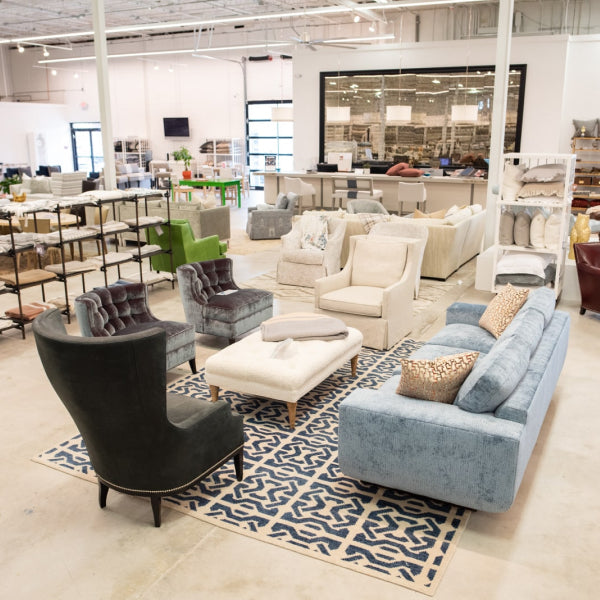
Choose a showroom that can speak fluently about dimensions, upholstery performance, construction, and room planning. Fabric range matters. So does access to made-to-order upholstery, reupholstery, and in-house design support. Lewis and Sheron Textiles is one Atlanta option that offers custom furnishings, reupholstery, and complimentary in-house design assistance when shopping, along with access to mills and makers such as Kravet, Fabricut, Libeco Home, Crypton, Verellen, Wesley Hall, LEE Industries, and Ambella.
That combination matters because the process is the product. A custom piece only earns its price when the specification is right.
If you're ready to move past browsing and make confident decisions about fabric, scale, comfort, and craftsmanship, start with a conversation at Lewis and Sheron Textiles. Bring your room photos, measurements, and the questions you've been stuck on. That's enough to begin shaping a piece that fits your home properly and lasts the way luxury furniture should.