



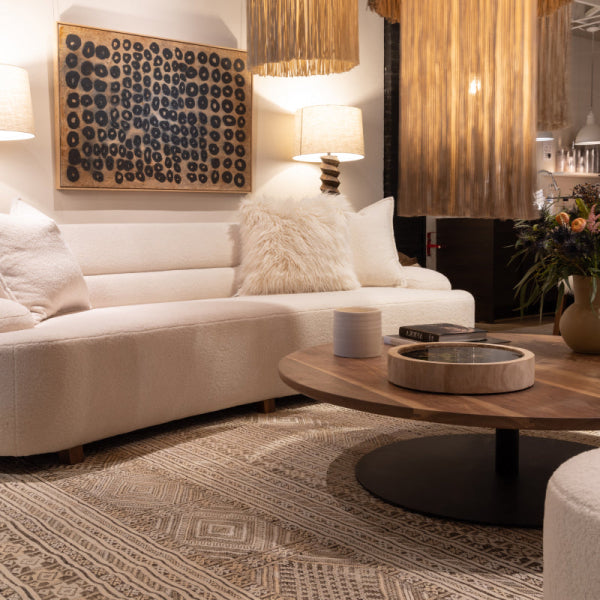
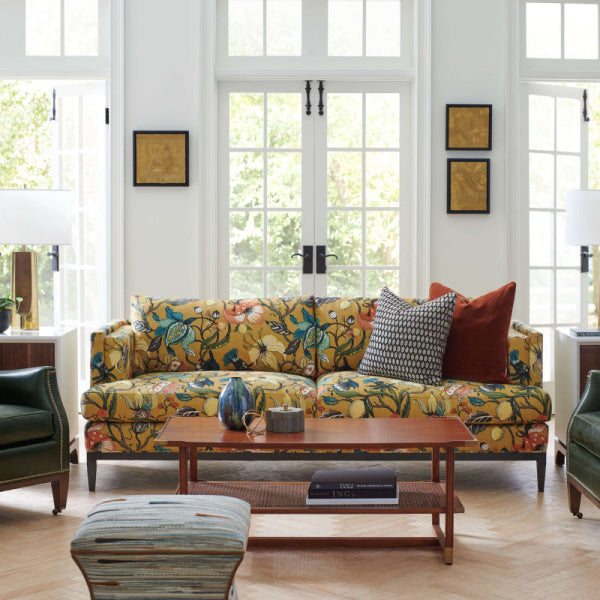
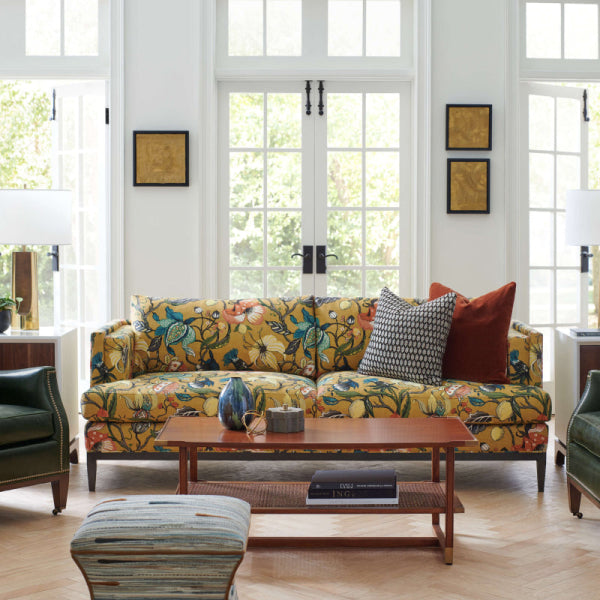
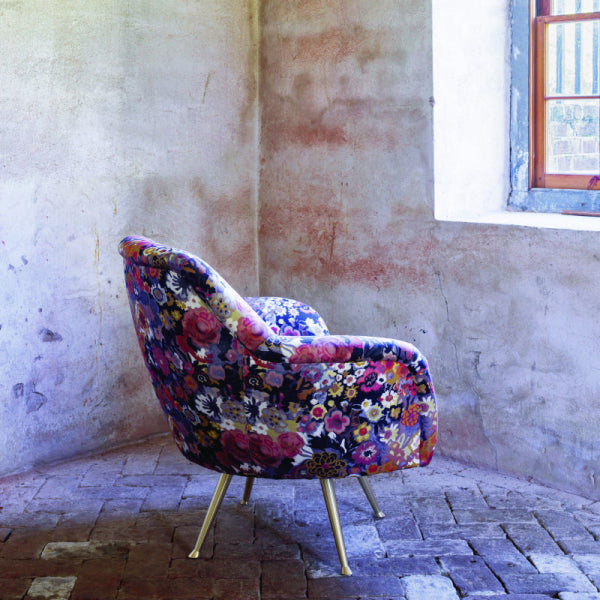
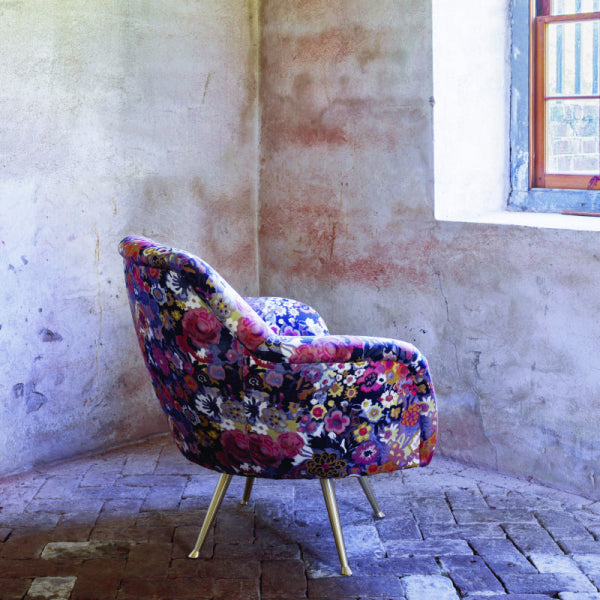
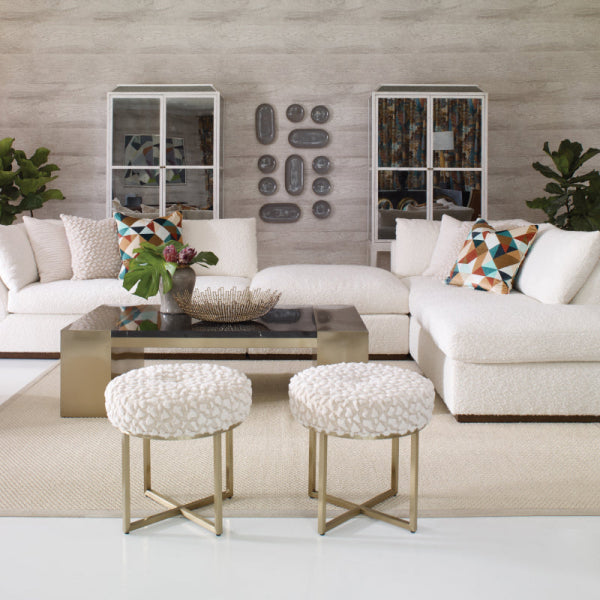
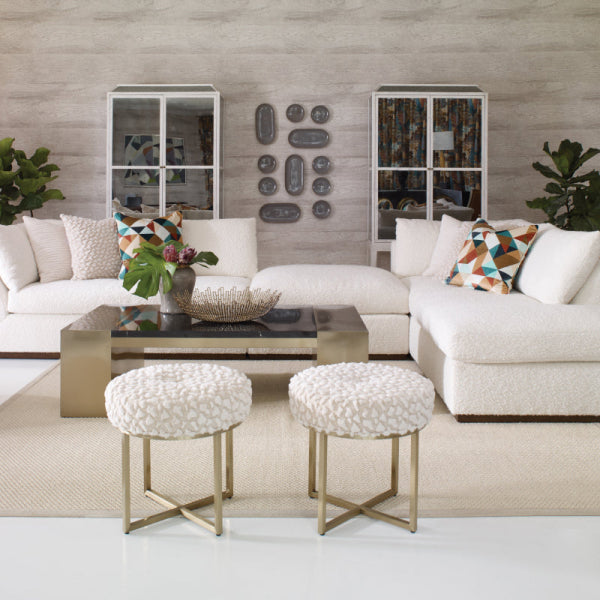
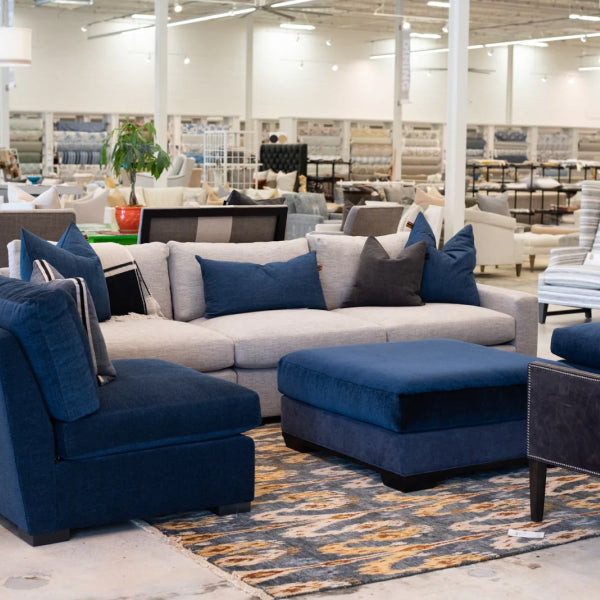











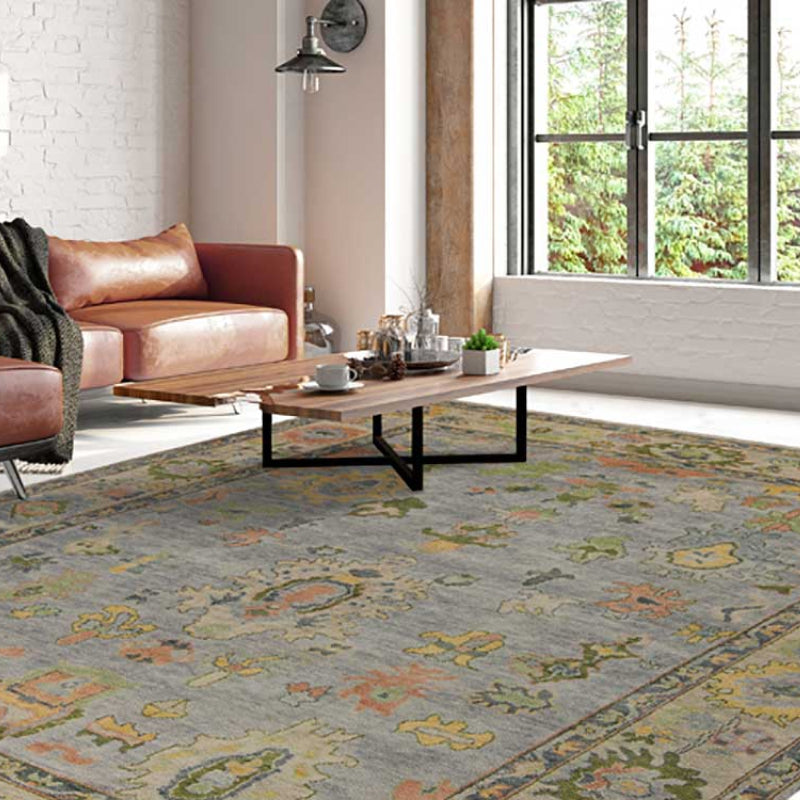
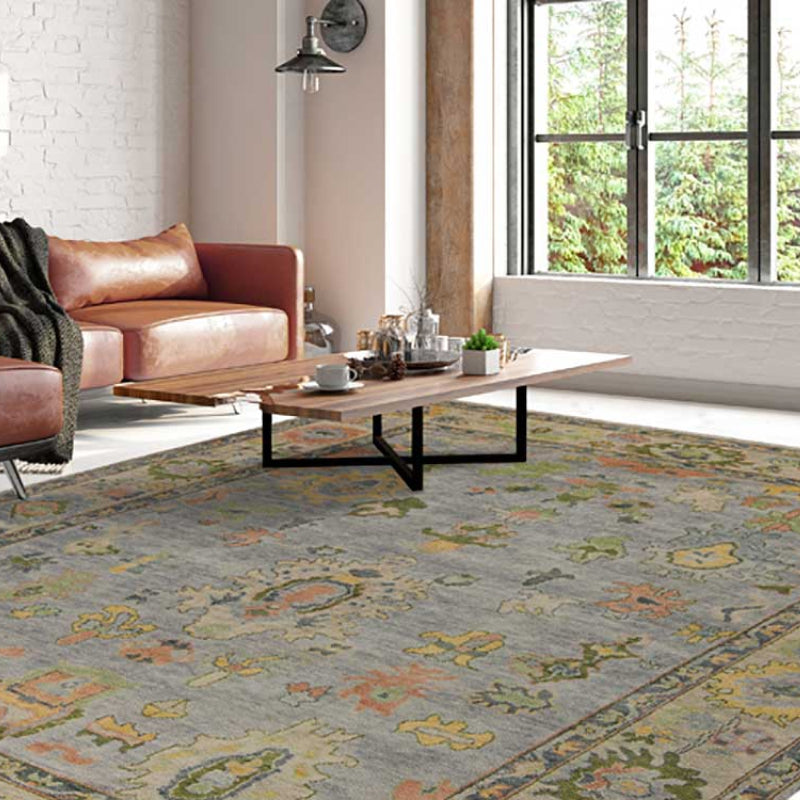
You're probably in the same spot many Atlanta clients reach after touring showroom after showroom. The silhouettes are fine. The scale is acceptable. The price says luxury. But the piece still feels anonymous.
That's usually a finish problem.
A chair can have a strong frame and a good profile, yet still miss the room if the wood tone is flat, the painted finish feels generic, or the sheen fights your flooring, millwork, and light. In Buckhead, Alpharetta, Roswell, and Sandy Springs, that mismatch shows up fast because homes here tend to have layered architecture, generous natural light, and rooms that need to feel collected rather than decorated.
Ambella solves that problem better than most brands because the finish isn't an afterthought. It's part of the design language. If you want furniture that reads as heirloom-quality, not mass-luxury, the finish selection deserves as much attention as the silhouette, fabric, and scale.
The Search for Statement Furniture in Atlanta
The Atlanta luxury furniture market is crowded with pieces that look expensive for five minutes and ordinary after six months. You see polished photos online, then the item arrives and the finish feels thin, too yellow, too gray, or too perfect in a way that looks machine-made.
That's why affluent homeowners shopping for designer furniture in Atlanta usually change their priorities after the first mistake. They stop asking, “Is this pretty?” and start asking better questions. Does the finish have depth? Will it work with warm limestone floors? Will it still feel right when the afternoon sun hits it? Will it relate to the rug, the drapery, and the custom sofa in the next room?
Those are the right questions.
What high-intent buyers are actually looking for
Clients searching for custom furniture Atlanta, luxury furniture Buckhead, or designer furniture near me rarely want more furniture. They want fewer, better pieces. A statement console that anchors the entry. A vanity that feels built for the house. A dining table finish that doesn't clash with the cabinetry. A custom chair or luxury sofa that belongs in the room instead of merely fitting inside it.
That's where Ambella becomes useful. The line gives you a more customized path to high-end furniture because the finish choices support a room-level vision.
A statement piece isn't loud by default. In a refined home, it often stands out because the finish is exactly right.
Why finish selection matters more in Atlanta homes
North Atlanta homes often combine traditional architecture with fresher interiors. That mix can go wrong fast. A heavily antiqued finish may fight a cleaner kitchen renovation. A cool gray stain can die against creamy trim. A glossy painted case good can feel harsh in a room full of linen, wool, and old oak.
For that reason, Ambella Home Finishes for Atlanta need to be chosen in context, not from a thumbnail. The right finish makes premium furniture feel integrated. The wrong one makes even expensive furniture look disconnected.
Why Ambella Home Defines Designer Quality Furniture
You notice designer quality the moment a case piece sits in a room with real standards. The proportions hold. The finish reads with depth instead of flat color. The hardware looks chosen, not swapped in at the end.
That is why Ambella keeps showing up in serious interiors across Atlanta. The brand has a long history, a distinct point of view, and a product line that feels designed by people who understand how furniture has to perform inside layered, high-value homes, according to Ambella Home brand information at Home Fashion Center.
The brand earned its place through design discipline
Ambella's reputation comes from more than name recognition. The line is known for furniture that feels authored. You see it in pieces with architectural scale, unusual silhouettes, and finishes that support the form rather than distract from it.
The often-cited Sink Chest is a good example. It showed real product thinking. Taking a decorative chest and adapting it for a mounted sink is the kind of move that signals confidence in both construction and design. For an Atlanta buyer, that matters. You are not buying a generic accent piece. You are specifying furniture from a brand that understands function, visual presence, and how a statement piece should work inside a finished home.

Why designers continue to specify Ambella
Ambella operates through the trade for a reason. Furniture at this level needs specification, not impulse buying. Finish, scale, sheen, undertone, and material character all need to be reviewed against the rest of the room.
That process is especially important in Atlanta, where a house may combine limestone floors, painted millwork, warm brass, antique rugs, and strong natural light in the same sightline. A finish that looks acceptable on a product page can turn chalky, heavy, or disconnected once it lands in the space. Working through Ambella at Lewis and Sheron gives you a practical way to compare options against fabrics, rugs, and other finish materials before you commit.
What “designer quality” means for an Atlanta home
Designer quality starts with craftsmanship, but that is only half the story. The other half is specification. If the wood tone fights the flooring or the painted finish collapses under Georgia sun, the piece will never feel expensive for long.
Here is what Ambella does well for Atlanta interiors:
- Strong forms that hold up beside custom upholstery, detailed millwork, and large-scale rooms
- Finish variety that lets you choose for warmth, contrast, and architectural context
- Material credibility that gives a room permanence instead of short-term style
- Trade-level selection that supports whole-home cohesion, not one isolated purchase
My recommendation is simple. Choose Ambella when you want furniture that can anchor a room for years, then specify the finish with the house in mind. Match undertones to your fixed surfaces. Account for humidity and sun exposure. Review samples beside the rug, drapery, and trim color.
If a piece needs to live beside precisely made upholstery, layered textiles, and millwork with character, buy from a brand that treats finish as part of the furniture itself, not as decoration applied at the end. That is the difference between luxury furniture that photographs well and furniture that still feels right after ten Atlanta summers.
A Visual Guide to Ambella Home Finish Materials
You walk into a large Atlanta living room with limestone floors, tall windows, and custom drapery. The furniture shape is right, but the finish is wrong. Suddenly the room feels pieced together instead of collected. That is why finish selection deserves the same scrutiny as scale and silhouette.
Ambella is strong here because the line gives you real material contrast. You are not choosing between five versions of medium brown. The finish range includes hand-applied wood tones, painted surfaces, gray neutrals, champagne-toned options, and richer mahogany-and-gold combinations, which matters because surface treatment changes how carving, molding, and panel details read in the room, according to Ambella finish materials in this published PDF.
Wood finishes with depth
Start with stained and toned wood if the room needs structure. A good wood finish shows grain, holds shadow in carvings, and gives the piece weight. That is what makes a dining table, library cabinet, or entry console feel permanent instead of temporary.
In many Atlanta homes, that grounding effect is useful. Open plans, higher ceilings, and strong natural light can make a room feel visually thin if every surface is pale. Deeper woods solve that quickly. They anchor the architecture and keep large spaces from feeling unfinished.
Lighter wood tones have a different job. Use them when the upholstery, art, or window treatments carry more visual detail and you need the case piece to support the room rather than dominate it.
Painted and artisanal surface finishes
Painted finishes earn their place when you want polish without heaviness. The right painted surface softens ornate forms, gives traditional shapes a cleaner presence, and helps a statement piece sit comfortably beside newer upholstery.
That matters in Atlanta interiors where old and new often meet in the same house. A painted chest in a layered guest room or a refined vanity in a primary suite can bridge classic trim and fresher fabrics better than a dark stain can.
Use painted finishes with discipline. If the room already has strong flooring movement, busy wallcovering, or a high-contrast rug, a quieter surface usually looks more expensive.
If your fixed surfaces already carry the drama, let the furniture finish bring control.
Highlighted and metallic-accent looks
Highlighted and metallic-accent finishes belong on selective pieces. They catch light well and can make a mirror, console, or occasional table feel special, but they need restraint around them.
My recommendation is simple. Use one reflective or highlighted finish per sightline. If the room already includes glossy stone, polished metal lighting, or ornate textiles, keep the furniture finish calmer. If the room is more architectural and edited, a gold-accented Ambella piece can provide the right amount of ornament.
Why hand-applied finish changes the result
Hand application affects more than color. It affects legibility. Edges read sharper. Recessed details hold depth. Flat fields stay quieter, which gives the form more dimension.
That is why you should never specify an Ambella finish from a name alone. Ash Grey on a clean-lined cabinet reads precise and structured. The same finish on a carved chest reads softer and more decorative. The profile changes the finish as much as the stain or paint itself.
For Atlanta buyers, this is where the process matters. Review finish samples against your flooring, trim color, rug, and fabric palette before ordering. Use a curated reference like furniture finish options at Lewis and Sheron to sort tone families and surface character, then narrow your Ambella choice based on the room's fixed materials, light exposure, and humidity conditions.
Ambella Finish Characteristics at a Glance
| Finish Type | Visual Character | Best For | Considerations |
|---|---|---|---|
| Wood stain or toned wood | Layered, grounded, often warmer and more architectural | Dining rooms, entries, libraries, larger rooms | Must relate carefully to flooring and millwork |
| Painted artisanal finish | Softer, more tailored, often easier to blend across styles | Bedrooms, lighter living spaces, vanities, accent pieces | Flat paint looks generic, so surface variation matters |
| Highlighted or gilded finish | Decorative, light-catching, more formal | Statement consoles, mirrors, occasional pieces | Can compete with bold textiles or ornate surroundings |
| Neutral gray-toned finish | Restrained, contemporary-leaning, quieter in profile | Transitional rooms, mixed-material spaces | Can look cold against strongly warm undertones |
| Warm champagne-style finish | Gentle warmth with polish | Guest rooms, refined living spaces, elegant accent pieces | Needs texture nearby so the room does not feel slick |
How to Customize Your Ambella Furniture in Atlanta
You walk into a newly finished Atlanta living room and the furniture is expensive, but it still feels off. The wood tone fights the floors. The chair scale is wrong for the windows. The sofa trim looks unrelated to the case goods. That happens when buyers treat customization like a color menu instead of a specification process.
Ambella is stronger than that. The brand offers a real path to made-to-order furniture through its Custom Finish Program and its Profiles upholstery system, which allows choices in silhouette, styling details, size, and welt or weltless construction, as described on Ambella's Profile Collection page. For Atlanta clients, that matters because good customization is not about adding options. It is about building a piece that fits the architecture, holds up in daily use, and relates to everything already in the room.
Start with the piece the room actually needs
Begin with function and form. A formal sofa, a family sectional, a bedroom chair, or a statement cabinet all ask different things of the finish. If you choose the finish first, you usually end up forcing the room to work around the furniture.
Get the silhouette right first. Then specify the surface.
A clean-lined frame can handle a more disciplined finish. A carved or traditional profile needs visual softness and depth or it will look flat under Atlanta's bright natural light. This is the step affluent buyers skip, and it is why custom furniture can still look generic after delivery.

The order I recommend for specifying an Ambella piece
For Atlanta projects, use this sequence:
- Define the job of the piece. Is it anchoring the room, filling a scale gap, adding storage, or tying old and new furnishings together?
- Confirm the silhouette and size. Match the piece to ceiling height, circulation paths, and the visual weight of nearby upholstery and millwork.
- Choose the fabric or the surrounding textiles. Upholstery, drapery, and rugs should guide the finish, especially in open-plan homes where materials stay visible from room to room.
- Select the finish family. Decide whether the room needs warmth, restraint, softness, or a more decorative highlight.
- Refine the construction details. Welt, weltless edges, trim profile, and scale all change how refined the final piece feels.
That sequence produces better rooms. It also makes ordering through Lewis and Sheron far more efficient because finish decisions are tied to actual materials and actual conditions, not guesswork from a small showroom sample.
How Atlanta buyers should use customization well
Open-plan homes in Buckhead, Roswell, Alpharetta, and Sandy Springs need continuity. The goal is not perfect matching. The goal is a controlled relationship between wood tones, painted finishes, upholstery, and architectural color so the house reads as one finished project.
Use Ambella's options with discipline:
- For sofas and sectionals, specify upholstery details first. Then choose adjacent wood finishes that share the same temperature, whether warm, neutral, or slightly weathered.
- For chairs, let the finish sharpen the style of the room. Cleaner finishes suit refined interiors. Softer, layered finishes work better in traditional or collected spaces.
- For case pieces, use finish to connect fixed materials already in the house, especially flooring, trim, and stone.
- For statement items, pick one finish objective. Depth, softness, or light reflection. Trying to get all three usually reads overdone.
Here is the practical point that gets missed. Atlanta buyers are not selecting finishes in a vacuum. They are specifying for humidity, sun exposure, strong air conditioning, and homes with large connected rooms. Ambella's craftsmanship and material options only pay off when those conditions are considered at the order stage, before the piece is built.
The best custom furniture orders are resolved on paper and with samples, not after delivery.
If you want an Ambella piece to feel heirloom-quality in an Atlanta home, specify it like part of the architecture. Choose the form first, tie the finish to the room's fixed materials, and make every detail support the whole house.
Choosing Finishes for Durability in the Southern Climate
You approve a beautiful finish in the showroom. Six months later, it sits in a bright Atlanta room with afternoon sun, strong air conditioning, and summer humidity pushing against every natural material in the house. That is when a finish proves whether it was specified well.
Atlanta buyers need to treat finish selection as a performance decision, not a styling exercise. Ambella gives you the craftsmanship, material quality, and custom finish range to build a piece that lasts. The result depends on how you specify it through Lewis and Sheron for the room it will live in. Bathrooms, primary suites, window-lined living rooms, and daily-use dining spaces all ask for different finish behavior.
Wood moves. Light changes color. Dry conditioned air and seasonal moisture swings put stress on surfaces and joinery over time. In Southern homes, durability comes from choosing finishes that wear gracefully, resist visual disruption, and suit the way the room is used.

What humidity and sun exposure change
Humidity affects more than the wood substrate. It changes how a finish reads day to day. Slight shifts in sheen, color depth, and surface uniformity become more obvious in rooms with heavy light exposure or uneven moisture levels.
Sun creates its own problem. A finish that depends on perfect consistency can look unsettled faster in a room with large windows and long afternoon exposure. In Atlanta, I specify with that in mind from the start.
If you want a useful reference point before you order, Lewis and Sheron's Ambella Home design inspirations show the kind of finish direction that works best when material choice and room conditions are considered together.
My recommendations by room type
These are the calls I make for Atlanta homes:
- Bathrooms and vanity areas: Choose painted, layered, or softly antiqued finishes that can handle regular wiping and minor exposure without looking fragile.
- Dining tables and everyday case pieces: Go with finishes that have visual depth. Mid-tone to deeper woods, soft distressing, and hand-applied variation hide ordinary wear far better than pristine surfaces.
- Sunlit living rooms and window-lined spaces: Avoid finishes that rely on flawless uniformity. Slightly nuanced woods and character finishes age more evenly under changing light.
- Formal rooms with lighter use: For these rooms, you can specify more decorative finishes, brighter highlights, or cleaner presentation because the room asks less of the piece.
Which finish personalities hold up best
Some finishes are better suited to Southern living. Distressed and antiqued surfaces tend to conceal small dents, scratches, and subtle wear. Rich stained wood also performs well if the tone has enough depth to keep everyday life from showing immediately. High-gloss or very smooth lacquer-style finishes can be striking, but they demand better placement and more disciplined upkeep.
Here is the practical breakdown:
| Setting | Safer Finish Direction | Why |
|---|---|---|
| Bathroom vanity or dressing area | Character-driven painted or subtly antiqued finish | Minor wear tends to blend in better |
| Family dining space | Mid-to-deeper wood tone with visual depth | Everyday use looks less obvious |
| Formal sitting room | More decorative or highlighted finish | Lighter use allows more visual risk |
| Bright window-lined room | Finish with less dependence on perfect uniformity | Sun exposure is less visually punishing |
My advice: In Atlanta, choose the finish that forgives the room, not the one that demands perfect conditions.
Maintenance habits that protect your investment
Good specification does most of the work. Good habits finish the job.
- Control placement. Keep fine case goods out of punishing direct sun whenever possible.
- Use protection. Coasters, trays, and felt pads belong on luxury furniture.
- Wipe carefully. Remove moisture promptly and avoid soaking any finished surface.
- Match maintenance to the room. If a room runs humid or gets harsh light, treat the furniture accordingly.
For Ambella Home Finishes for Atlanta, durability is less about one magical finish and more about matching the finish to the room's demands.
Pairing Ambella Finishes with Luxury Fabrics and Rugs
A finish never lives alone. It sits next to fabric, under art, on top of a rug, beside trim color, and across from windows. If those relationships are wrong, even excellent furniture feels misplaced.
Many luxury rooms fail when the client buys a beautiful case piece, a beautiful sofa, and a beautiful rug. None of them are wrong individually. Together, they don't converse.
Start with temperature, then texture
The first pairing rule is temperature. Warm wood wants companions that understand warmth. Cool gray-toned or lighter lacquer-style looks need fabrics and rugs that won't make them feel chilly or disconnected.
That means:
- Warm mahogany or champagne-toned finishes usually sit well with velvets, wool blends, richer linens, and rugs with depth in the palette.
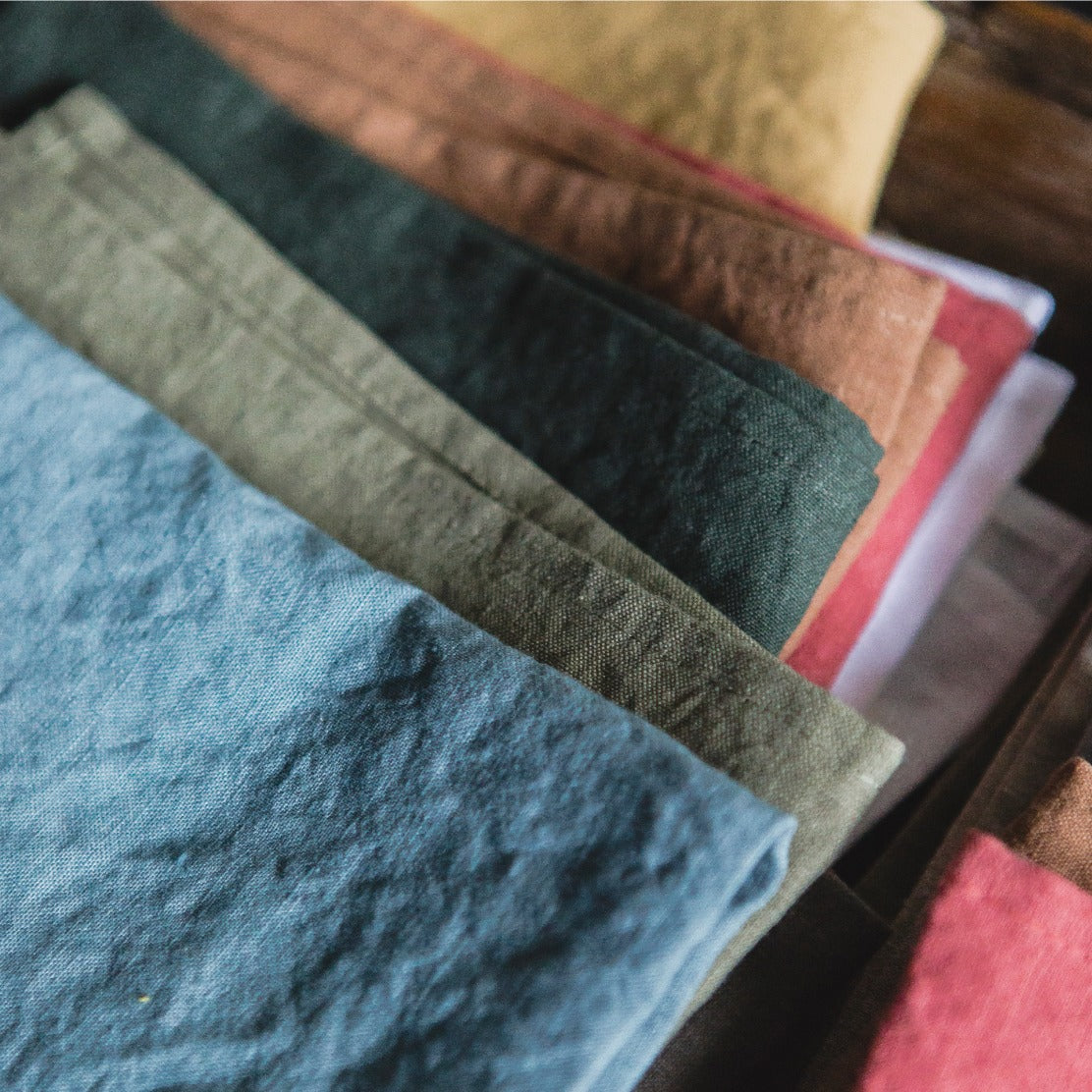
- Lighter painted or quieter neutral finishes often pair better with Belgian linen looks, soft boucles, subtle patterns, and calmer rug fields.
- Metallic or highlighted finishes need restraint nearby. Let surrounding textiles absorb some light and texture.
Pairing ideas that actually work
I'd use combinations like these in Atlanta homes:
- Dark wood with saturated upholstery for a library, formal den, or moody living room. Think visual weight meeting plush texture.
- Light artisanal finish with textured linen in a bedroom or upstairs sitting room where you want softness, not glare.
- Decorative highlighted finish with quiet rug texture when the furniture itself needs to carry the glamour.

The mistakes I'd avoid
Plenty of expensive rooms still look unresolved because of a few predictable pairing errors:
- Too many competing stars. If the finish has movement and highlight, the rug shouldn't scream.
- Mismatched undertones. A cool finish against creamy, yellow-based upholstery can look accidental.
- No roughness in the mix. Smooth wood, smooth velvet, smooth lacquer, and glossy lighting create a room with no relief.
- Over-coordination. Matching every finish and fabric exactly makes a room feel staged, not collected.
A cohesive room doesn't repeat the same note. It builds harmony through contrast that shares a common temperature.
Build the room in layers
I prefer to pair hard and soft materials by assigning each one a role.
| Element | Job in the Room | What to Watch |
|---|---|---|
| Ambella finish | Sets the visual tone and furniture personality | Undertone, sheen, and detail level |
| Upholstery fabric | Adds softness and tactile contrast | Weave, pile, and color depth |
| Rug | Grounds the furniture and mediates color | Pattern scale and warmth |
| Trim or drapery accents | Refines the transitions | Don't let them fight the furniture finish |
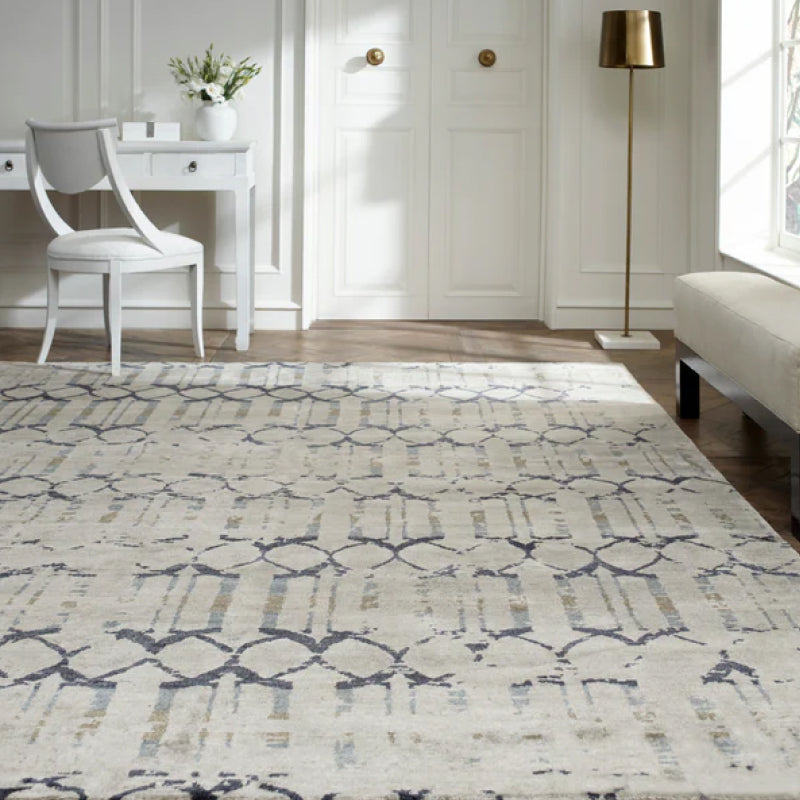
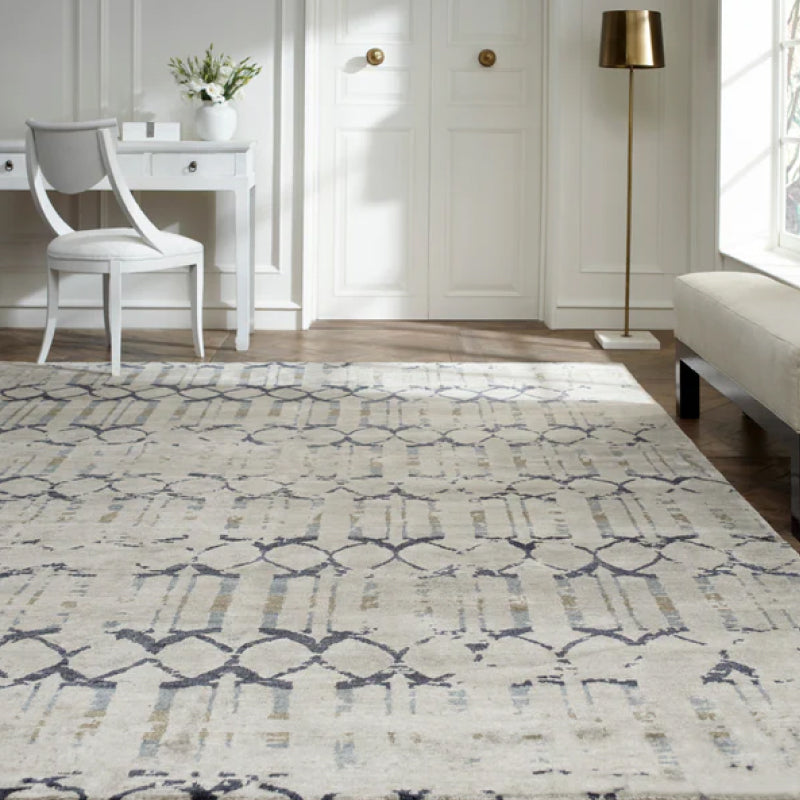
For more room-level ideas, Ambella home design inspirations offers useful visual context for combining furniture with broader interior layers.
Your Ambella Project with Lewis and Sheron From Start to Finish
You walk into a finished room in Atlanta and one piece still feels unresolved. The scale is close, the silhouette is good, but the finish misses the flooring, the upholstery, or the light. That is usually where a custom Ambella order earns its keep.
At Lewis and Sheron, the process should be disciplined from the start. Ambella's value is not limited to style. It comes from finish work, material character, and the ability to specify a piece so it belongs in your home instead of merely filling a spot.
What to settle before you shop
Do not start with a vague idea of “something warm” or “something dramatic.” Bring the information that makes a finish decision precise:
- Room measurements so the piece has the right presence
- Photos in daylight and evening lamplight because tone and sheen shift through the day
- Flooring, paint, and millwork references so wood and metal finishes stay in the same family
- Fabric, rug, or trim samples if the piece needs to connect to existing layers
That preparation saves time and prevents expensive near-misses.
When to buy as shown and when to customize
Buy off the floor when the size, finish, and detailing already work. It is the faster path.
Customize when the room already has strong architecture, established textiles, or collected pieces that need a better bridge. That is common in Atlanta homes, especially when a new Ambella case piece has to sit comfortably with antiques, custom upholstery, hand-knotted rugs, or detailed millwork. In those rooms, the finish is not decoration. It is the connector.
What a good design consultation should cover
A productive consultation is specific. You are not reviewing samples in isolation. You are specifying a piece for a particular room, in a particular house, under particular conditions.
Ask these questions:
- What role does this piece play? Anchor, accent, storage, or contrast.
- Should the finish blend with the architecture or stand apart from it?
- How will the sheen read next to nearby fabrics, rugs, and painted surfaces?
- How much wear, sun exposure, and handling will it get?
- Does the room need more weight, softness, or restraint?
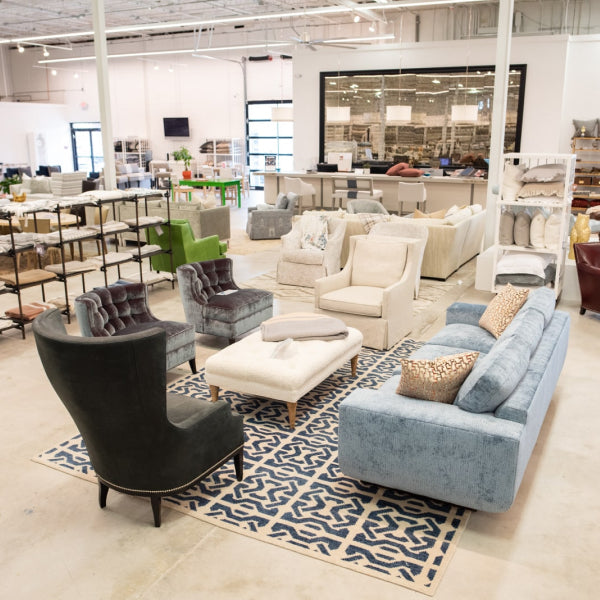
Lewis and Sheron Textiles offers Ambella furniture along with fabrics, rugs, custom furnishings, and in-house design guidance. That matters because the best finish decisions are made with the rest of the room on the table, not after the order is placed.
Lead time and pricing
Custom furniture takes longer than stock furniture because the details are being specified, not guessed. If your timing is tight, ask early whether the piece is available as shown or whether your finish and upholstery choices place it on a made-to-order schedule.
Pricing deserves the same clarity. A custom Ambella piece costs more than a mass-market substitute because you are paying for better materials, finish work, and coordination. For a serious home, that is the right standard. Buy the piece you will still respect in ten years.
Delivery, placement, and final review
The project is not finished when the truck arrives. Confirm access, placement, and inspection responsibility before delivery day. Then review the piece in the room, under the room's lighting, where the surrounding colors and textures can do their part.
Check these points right away:
- Overall tone and sheen in morning and evening light
- Relationship to upholstery, rugs, flooring, and millwork
- Surface character including the variation expected in artisanal finishes
- Placement relative to direct sun, traffic, and daily use
For clients in Buckhead, Alpharetta, Roswell, Sandy Springs, and the rest of North Atlanta, that final review is where a well-specified Ambella piece proves itself. It should feel settled, durable, and fully integrated with the house. That is what heirloom-quality furniture looks like in practice.