











Making a tablecloth isn't just about covering a surface. It's about taking a few simple ingredients—precise measurements, the right fabric, a clean cut, and a finished edge—and transforming an entire dining space.
You’re not just crafting a covering; you're setting a stage. It’s how you turn an everyday table into a statement of impeccable style.
The Art of the Bespoke Tablecloth
Forget those flimsy, forgettable tablecloths from big-box stores. A truly exceptional tablecloth has the power to anchor a room, set a distinct mood, and tell a story. Here in Atlanta, where style is part of our DNA, a custom tablecloth becomes your signature—a detail that signals intention and quality.
Think of this guide as your personal consultation. We're moving beyond the basics to focus on how to select and work with the kind of exquisite, high-end fabrics that elevate a simple project into a future family heirloom.
Why Craftsmanship Matters
In a world saturated with the mass-produced, the very act of creating something by hand is a luxury. We're seeing a real surge in demand for quality home textiles. The global tablecloth market was valued at around $3.5 billion in 2023 and is only expected to grow, with North America leading the charge for more refined dining experiences.
This isn't just about covering a table; it's about curation.
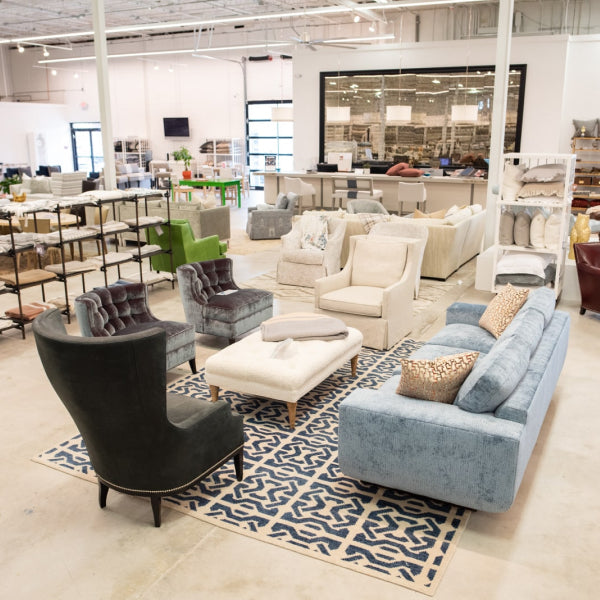
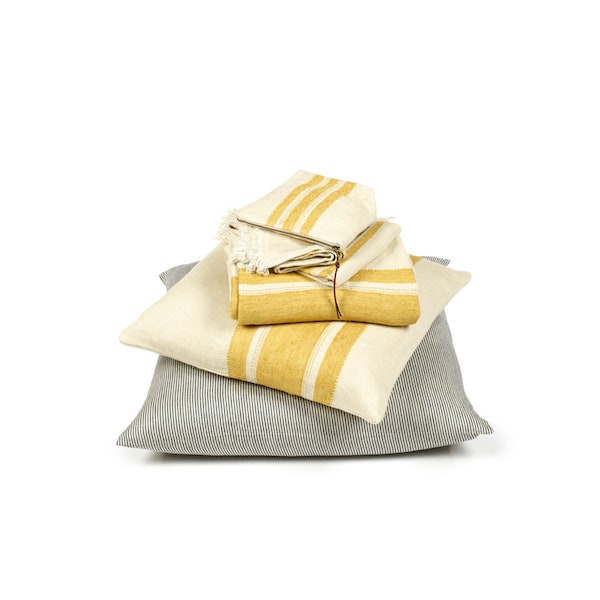
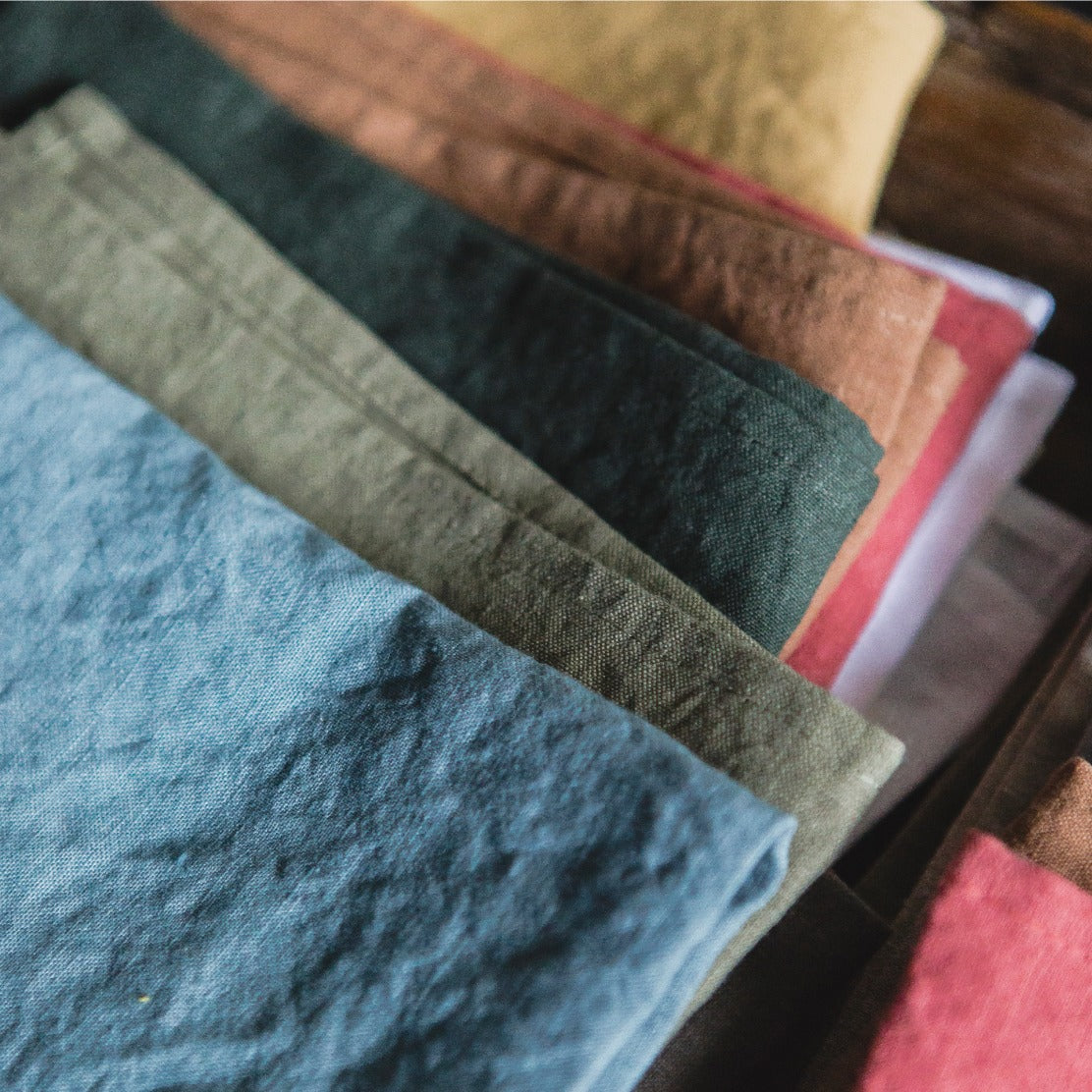
It’s the difference between picking something off a shelf and walking into our Buckhead showroom to feel the rich, authentic texture of a true Belgian linen from our designer fabric collections. Once you understand the unique character of materials like Libeco linen, your perspective on what fabric can bring to a space will change.
Your Guide to a Designer-Level Project
Consider this your inside look at creating something truly extraordinary. We’ll walk through everything, from getting precise measurements to adding the finishing touches that scream 'designer quality'.
Here's what you'll learn:
- Fabric Selection: How to choose from designer fabric collections that perfectly suit your home, whether you’re in Roswell or Milton.
- Precision and Technique: The secrets to perfect measurements, flawless cuts, and professional-grade sewing.
- Finishing Touches: It’s all in the details. We'll explore the small things that elevate your work from homemade to handcrafted.
Whether you're an interior designer sourcing for a client in Alpharetta or a homeowner in Cumming with a passion for beautiful things, this guide is your resource. Let’s create something timeless.
Selecting Your Perfect Designer Fabric
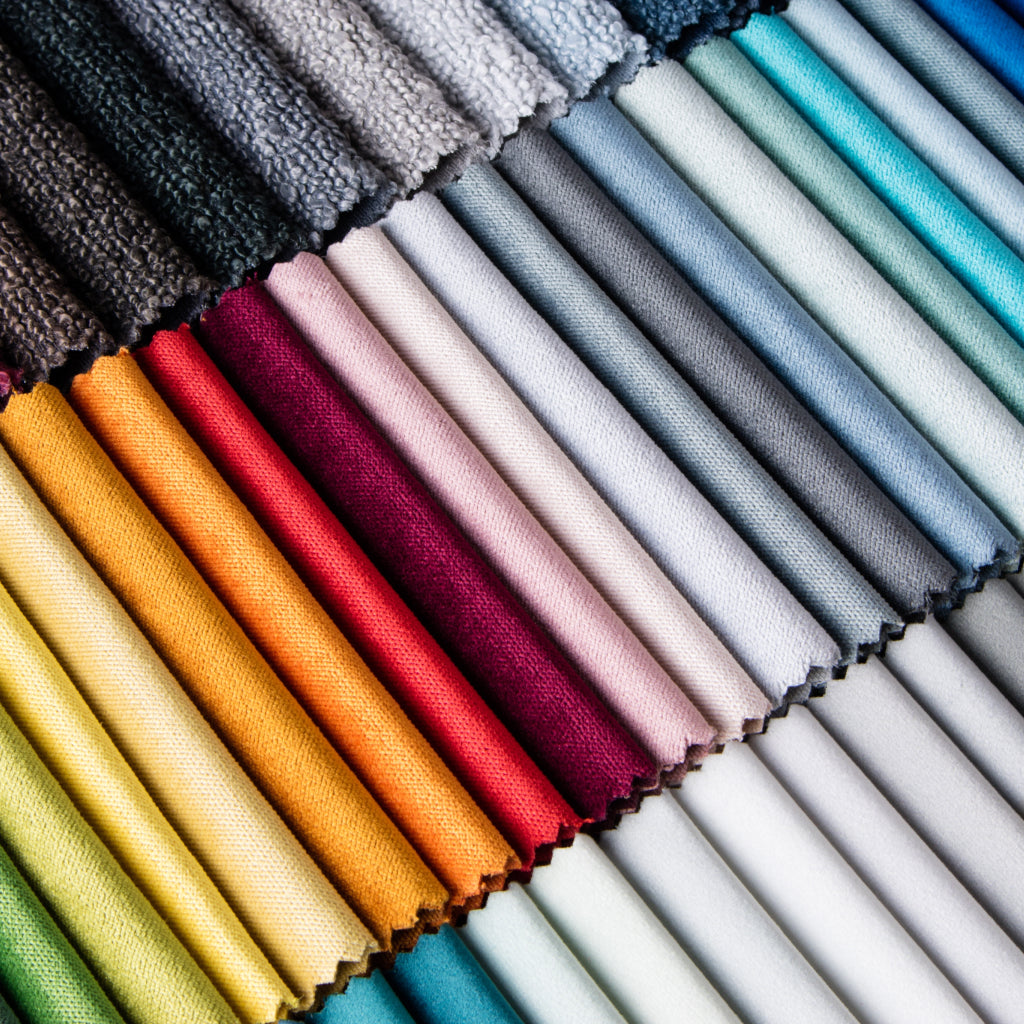
The soul of a custom tablecloth—what takes it from merely functional to truly exquisite—is the fabric. This is not the place to compromise. When you walk into our Buckhead showroom, you immediately understand the difference between fabric you buy and textiles you experience.
This choice is about more than color. It’s tactile. It’s about how the material drapes over the table's edge, how it feels under your fingertips, and how it reflects light in your dining room. This is where your project finds its voice.
Understanding the Language of Textiles
Every fabric has a personality. A crisp Belgian linen whispers understated elegance, perfect for a sophisticated dinner party in Roswell. A durable, beautifully woven performance blend, on the other hand, offers peace of mind and effortless style for a busy family home in East Cobb.
The weave is a fabric’s foundational structure, dictating everything from strength to texture. Getting familiar with different examples of woven fabrics gives you a deeper appreciation for how a textile is constructed. Our designers can guide you through this nuanced world, helping you find the perfect match for your vision.
Beyond the look, quality is paramount. While thread count is often associated with bedding, the principles of construction and fiber quality are universal. Learning more about factors like understanding thread count and fabric quality helps you evaluate textiles like a pro and ensure your investment is a lasting one.
Matching Fabric to Your Lifestyle
Think about how you really live. Is your dining table command central—a place for homework, crafts, and casual dinners? Or is it reserved for special occasions, a stage for holiday feasts? The answer guides your selection.
- For Everyday Luxury: I always point clients toward performance fabrics. Modern collections offer stunning textures with built-in resistance to stains and fading. They bring beauty and practicality to homes in bustling areas like Marietta and Forsyth County.
- For Formal Elegance: Nothing compares to natural fibers. Linens, high-quality cottons, and even silks offer a drape and richness synthetics simply can’t replicate. These are the fabrics that create heirlooms.
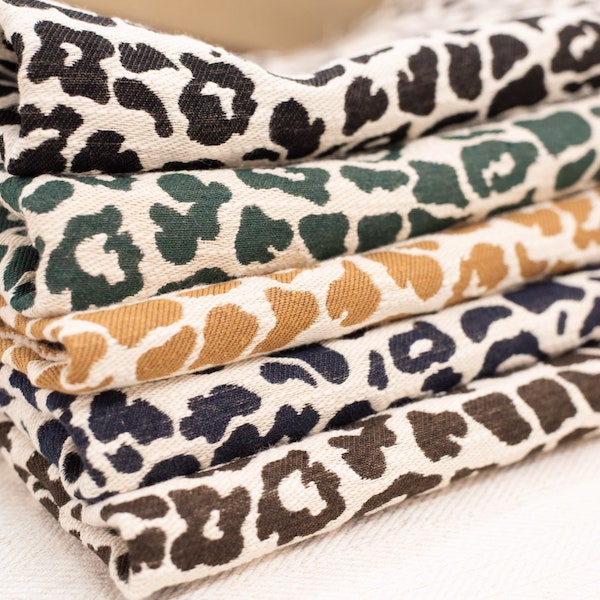
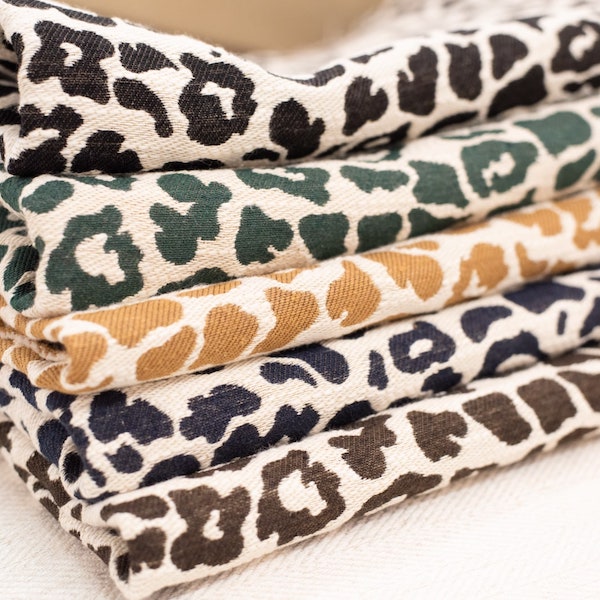
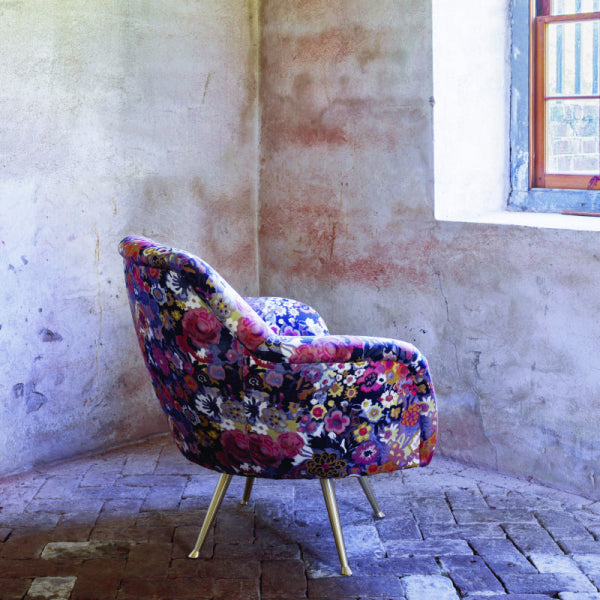
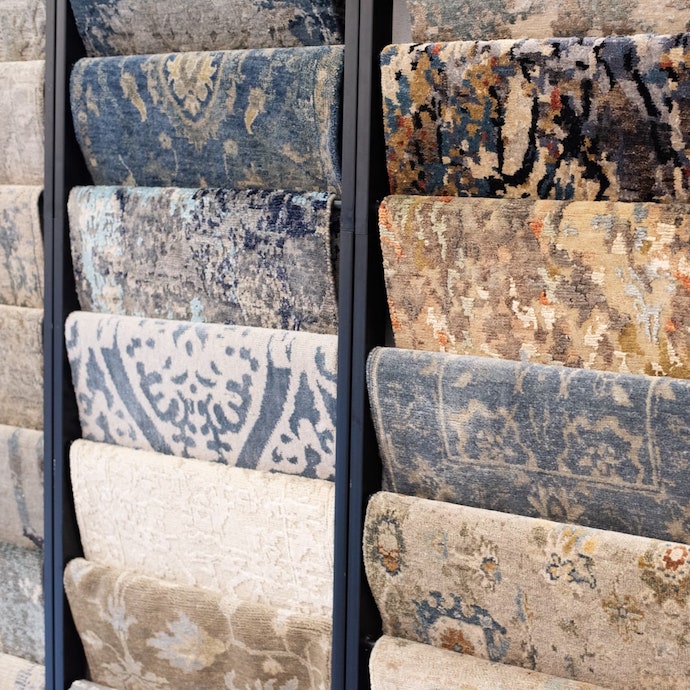
- For A Bold Statement: Don't shy away from patterns. A large-scale print from one of our exclusive designer fabric collections can command a grand dining room, turning the table into a work of art.
Cotton, for example, has long been a favorite for its versatility. It’s no surprise that cotton captured 38.1% of the market share in the global table linen industry in 2023. It’s a testament to its blend of sustainability and ease of care. The entire market, valued at $10.9 billion, shows a clear preference for quality materials.
The Feel of True Quality
Ultimately, the best way to choose a fabric is to experience it firsthand. Data is helpful, but it can't replace the feeling of an exquisite textile in your hands.
The right fabric doesn't just cover a table; it sets a mood. It's the silent host of every gathering, contributing to the ambiance and the memories made around it.
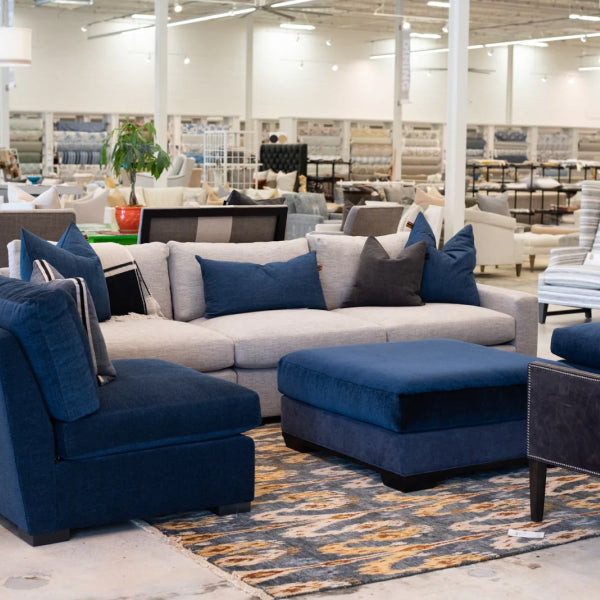
That’s why we invite designers and homeowners from all over North Georgia, from Alpharetta to Marietta, to visit our Atlanta fabric showroom. Touch the materials. Drape them over a table. Let our experts show you exclusive collections from premium partners like Verellen and Wesley Hall.
Choosing your fabric is the most important decision. It’s where your project transforms from a simple craft into a piece of custom design. Take your time, explore your options, and select a material you will love for years. It’s the secret.
Mastering Measurements and the Perfect Cut
Precision is the quiet signature of luxury. An ill-fitting tablecloth, no matter how exquisite the fabric, will always feel like an oversight. This is where the artistry begins—with a tape measure and a clear plan.
The secret to a designer-grade tablecloth isn't complicated; it's intentional. It’s the difference between a cloth that just sits on a table and one that drapes with elegance. We’ll walk through the foolproof method for measuring any table and translating those numbers into the perfect cut.
Decoding the Perfect Drape
The "drop" is the length of fabric that hangs over the edge of your table. It dictates the entire mood of your tablescape, from casual to ceremonious. Getting this right is critical.
- Casual & Modern (8-10 inches): This shorter drop is perfect for everyday use in a Milton breakfast nook or an East Cobb kitchen. It's practical, clean, and effortlessly stylish.
- Classic & Formal (15 inches): The industry standard you'll see in high-end design. The fabric hangs just to the lap of a seated guest, creating a polished look ideal for a dining room in Roswell.
- Dramatic & Floor-Length (to the floor or puddled): For maximum impact, a drop that skims or pools on the floor is breathtaking. It transforms the table into a sculptural element.
Calculating Your Fabric Needs Accurately
Once you’ve decided on your drop, the math is straightforward. Miscalculating yardage is a costly mistake, especially when you’ve fallen in love with one of our designer fabrics. Let’s make sure you get exactly what you need from our Atlanta fabric showroom.
The Formula for Rectangular or Square Tables
Let's start with the most common shape.
First, measure your table's length and width. Say your dining table in Buckhead is 40 inches wide by 72 inches long.
Next, decide on your drop. For a formal look, let's go with a classic 15-inch drop.
Now, plug those numbers in:
- Fabric Width: Table Width + (Drop x 2) = 40" + (15" x 2) = 70 inches
- Fabric Length: Table Length + (Drop x 2) = 72" + (15" x 2) = 102 inches
You'll need a single piece of fabric that is 70 inches wide by 102 inches long. Keep in mind, standard fabric bolts are often 54 inches wide. For a wider table, you may need to seam two panels together—a detail our experts can help you plan perfectly.
The Formula for Round Tables
Measuring for a round table is just as simple.
Start by measuring the diameter—the distance across the widest part. Let’s imagine a 48-inch round table.
Using our same 15-inch drop, the calculation looks like this:
- Fabric Diameter: Table Diameter + (Drop x 2) = 48" + (15" x 2) = 78 inches
For this, you will need a square piece of fabric that is 78 inches by 78 inches to cut your perfect circle.
This infographic breaks down the essential factors to consider when choosing the right fabric for your project, from lifestyle needs to the tactile feel.
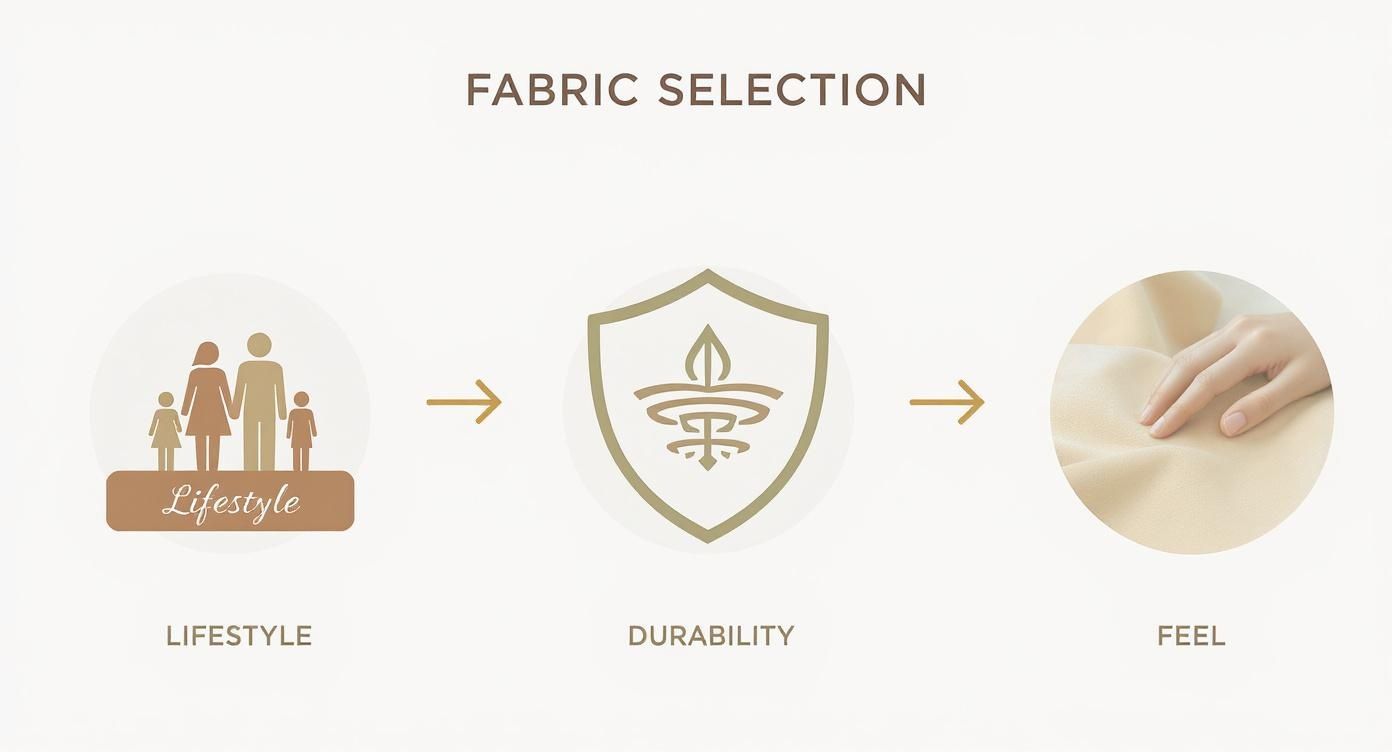
The visual guide underscores that the best fabric choice harmonizes your daily life with the aesthetic you wish to achieve, ensuring both beauty and practicality.
Achieving the Perfect Cut
With your measurements confirmed, the final step is the cut. A clean, straight cut is non-negotiable for a professional result. Always press your fabric first to remove any wrinkles that could distort your lines.
A project’s success is often determined before the first stitch is ever made. It’s in the precision of the measure and the confidence of the cut.
For rectangular cloths, a rotary cutter, a large self-healing mat, and a clear acrylic ruler are your best friends. This combination is far more accurate than scissors alone.
For round tables, fold your fabric square into quarters. Measure from the corner point out to your calculated radius (half the fabric diameter) and mark an arc. Cutting along this arc yields a perfect circle when unfolded.
A Note on Patterned Fabrics
If you've selected a bold print—a hallmark of many luxury furniture and fabric collections—you must account for pattern matching. This is especially important if you need to seam panels together.
Centering a large motif on the table's surface is a detail that elevates a project from homemade to truly custom. Be sure to purchase extra yardage to allow for this precise placement. It’s a small investment that makes all the difference.
Pro Sewing Techniques for a Flawless Finish
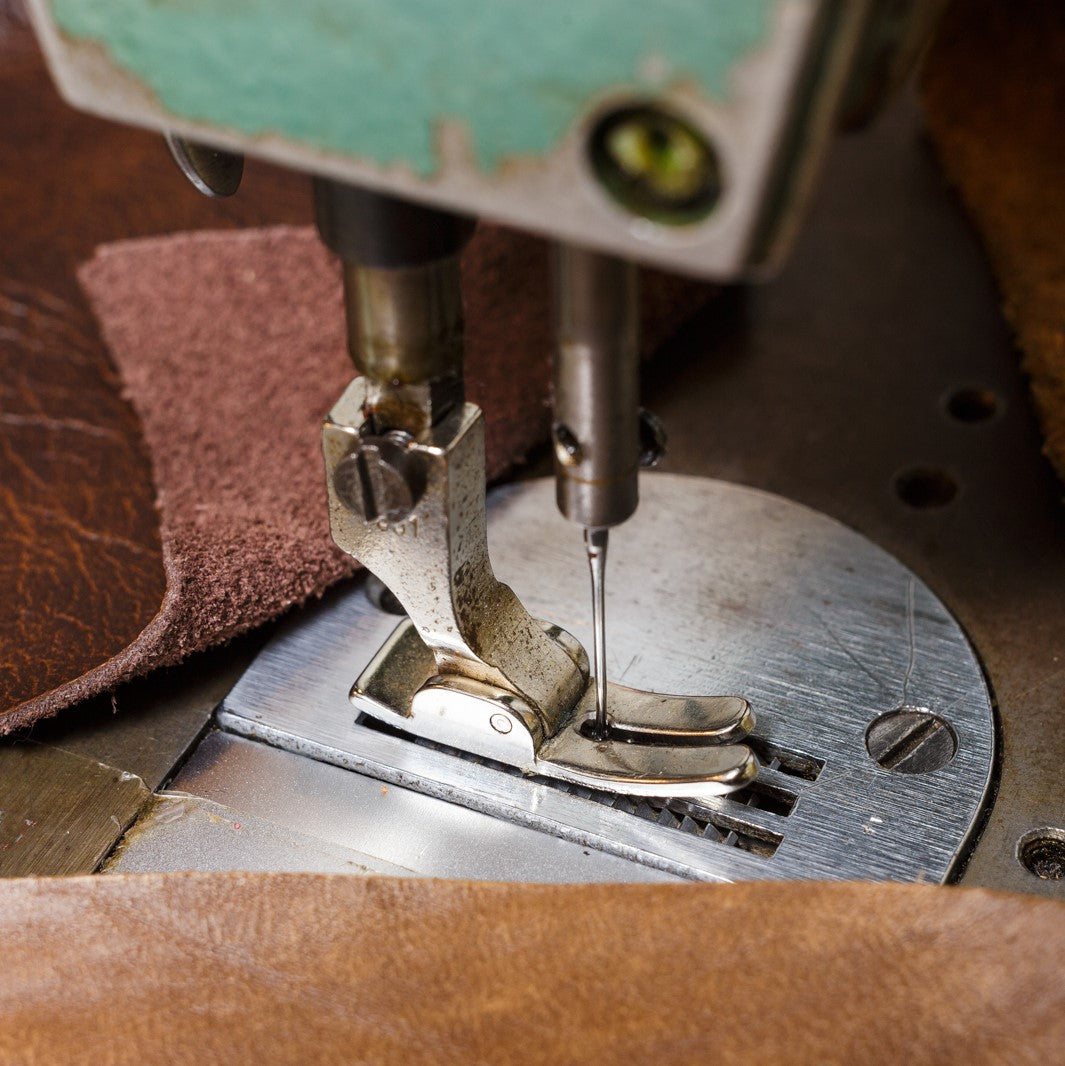
Once your beautiful fabric is measured and cut, the magic begins. This is where you transform a flat textile into a functional work of art. Whether you’re a seasoned pro or prefer a no-sew approach, the goal is the same: a polished, impeccable result that does justice to your material.
This isn’t about racing to the finish. It’s about using the right techniques to create a durable, flawless edge—the kind of detail that separates a custom piece from a simple craft project. We’ll walk through the methods that ensure your tablecloth hangs beautifully, just like something you’d find in a high-end Buckhead boutique.
The Secret to a Perfect Hem: Mitered Corners
For any square or rectangular tablecloth, mastering the mitered corner is non-negotiable. Think of it as the secret handshake of fine sewing. This classic technique removes bulk from the corners, letting them lie perfectly flat and crisp. The result is a clean, professional frame.
Forget those thick, lumpy corners. A mitered corner is a thing of beauty—a clean, diagonal seam that looks just as elegant on the underside as it does from the top. It's a detail many designers in our trade furniture program insist on for their custom creations.
Here’s how to do it:
- First, fold and press your hem allowance on all four sides. A double-fold 1-inch hem is a great standard.
- Unfold one corner and you’ll see the crease lines forming a small square. Now, fold the very tip of the corner diagonally inward so the point meets the intersection of the innermost creases. Press that diagonal fold firmly.
- Open that diagonal fold. You'll see the crease you just made. Cut the corner tip off about ½ inch away from that crease line.
- Finally, refold the corner with the right sides together and stitch directly on that pressed diagonal line.
- Trim the excess, turn the corner right-side out, and gently poke the point into a perfect corner. It will lie beautifully flat, ready for you to topstitch the entire hem.
It might take a practice run on a scrap, but once you get it, you’ll never go back. It's a foundational skill for anyone serious about creating high-quality home textiles.
The Elegance of the Narrow Rolled Hem
For more delicate fabrics like fine linen or silk blends—the kind you might find in our fine fabrics Alpharetta collection—a standard hem can be too bulky. The solution? A narrow rolled hem. This technique creates a tiny, tidy edge that’s almost invisible, allowing the fabric to flow exactly as it should.
A rolled hem is also the perfect finish for round tablecloths, where trying to create a traditional double-fold hem on a curve is a real headache. It gives a clean, lightweight finish that speaks to quiet sophistication.
A truly luxurious finish often lies in what you don't see. The rolled hem is a whisper of craftsmanship, ensuring the fabric remains the star.
Many modern sewing machines have a special rolled hem presser foot that makes this incredibly easy. It guides and rolls the fabric edge for you as you stitch. If you’re working without one, you can still get a similar result by hand: press a narrow ¼-inch hem, then fold and press it again before stitching as close to the inner fold as you can.
High-Quality No-Sew Alternatives
Let’s be clear: "no-sew" doesn’t have to mean cheap-looking. For those without a sewing machine, excellent fabric adhesives deliver a permanent, polished result worthy of your designer fabric.
The key is to choose the right product. We’re not talking about craft glue. You’ll want permanent, heat-activated hem tape or liquid fabric fusion adhesives made for home decor textiles.
- Fusible Hem Tape: This is a fantastic and reliable option. It's a web-like tape you place inside your folded hem. Press it with a hot iron, and the adhesive melts, bonding the fabric layers permanently. The bond is surprisingly strong and can even withstand washing.
- Permanent Fabric Adhesive: Liquid glues for fabric have come a long way. Modern formulas dry clear, stay flexible, and are completely machine washable once cured. The trick is to apply a thin, even bead inside the hem fold, press it firmly, and let it cure completely.
No matter which no-sew method you choose, prep work is just as important. Always press your hems first. A crisp, ironed crease is your best guide and ensures a straight, professional-looking edge. This isn't a shortcut; it's a legitimate technique for a beautiful, lasting finish. Whether you’re crafting for a home in Forsyth County or a client in Marietta, the final quality is what matters.
Adding Designer Details and Styling Your Table
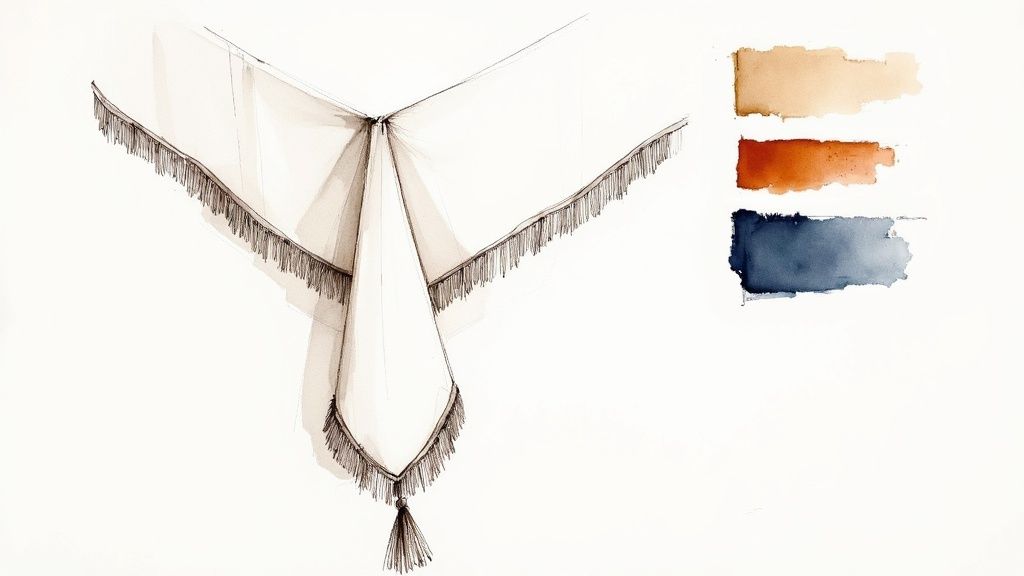
You’ve done it. The seams are perfect, the corners crisp, and the fabric drapes just right. Now comes the best part—transforming your beautifully made tablecloth into a one-of-a-kind piece.
A simple hem is timeless, but the final details elevate your work. This is your chance to add a layer of personality and custom luxury you’ll never find on a store shelf. It’s what takes a project from well-made to a piece of art for your home.
Elevating the Edge with Trims and Borders
Think of the edge of your tablecloth as its frame. A classic hem is one thing, but a decorative finish is where the story gets interesting. Imagine a heavyweight linen tablecloth finished with a bold grosgrain ribbon border. It’s a sophisticated look that adds structure and a sharp pop of color.
Our Atlanta fabric showroom is a treasure trove of inspiration for this very purpose. You can explore a world of embellishments:
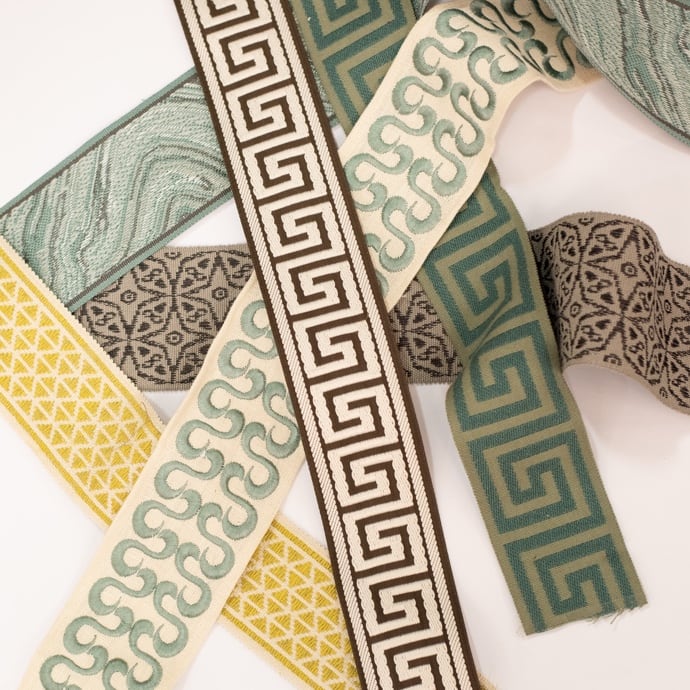
- Contrasting Fabric Borders: Add a wide band of a coordinating print or a solid color for a custom, color-blocked look that feels incredibly high-end.
- Elegant Tassels and Fringe: A small, weighted tassel on each corner can add a touch of playful formality and helps the cloth hang beautifully.
- Sophisticated Cording: Applying a delicate cord or welt along the hemline introduces a subtle, textural detail that speaks to true craftsmanship.
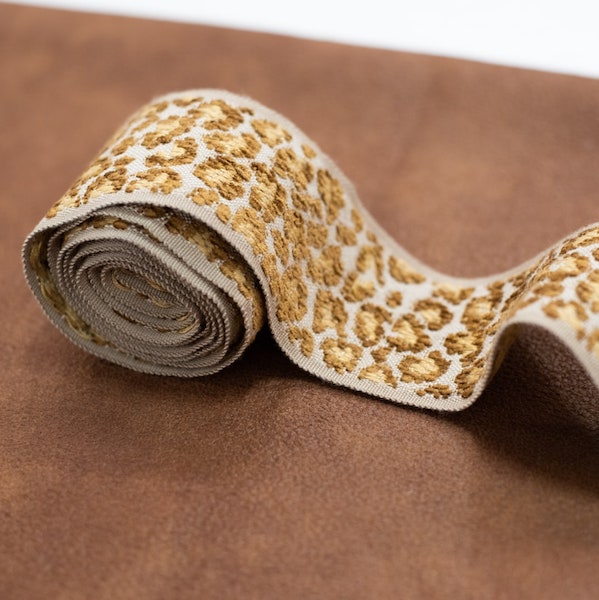
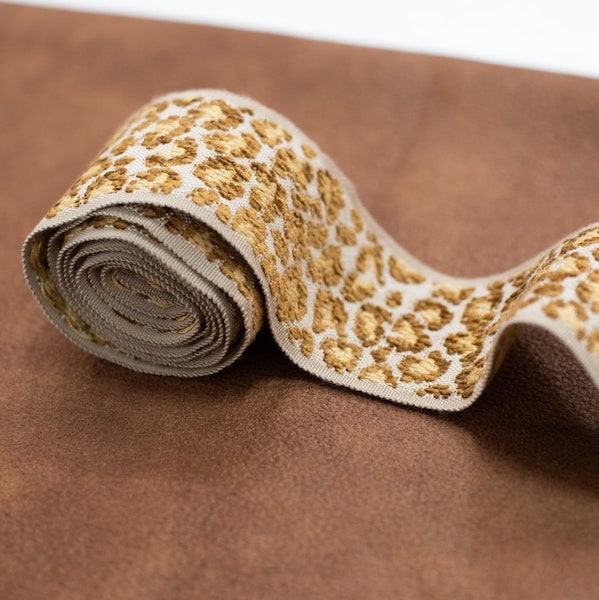
Exploring different ribbons and trim can completely change the character of your finished piece. It’s a simple way to add a layer of designer detail that makes the project exclusively yours.
Styling Your Tablescape Like a Pro
Your handcrafted tablecloth is now the anchor of your dining space. Building out the rest of the tablescape is all about creating harmony and interest by layering. This is where Atlanta’s top interior designers really shine—mixing textures and patterns to create a look that feels curated, not contrived.
Start with your new tablecloth as the foundation. Layer on elements that provide contrast and depth. If your cloth is a solid, textured linen, use patterned napkins. If you’ve chosen a bold print, pull a subtle color from the design for your dinnerware.
Your tablecloth sets the stage. The plates, glassware, and centerpiece are the actors. Together, they tell a cohesive story of style and hospitality.
To make your tablecloth even more personal, consider adding custom details. Learning a few different types of embroidery stitches opens up a world of possibilities for unique designs, like a monogram or a subtle border motif.
Creating Cohesion and Ambiance
The goal is a tablescape that feels both sophisticated and inviting. It's about more than matching colors; it's about creating a mood. Think about the interplay of textures: the smooth glaze of ceramic plates against the rich weave of your linen, the cool sparkle of glassware, and the organic touch of a floral centerpiece.
This growing interest in personalized dining is part of a larger trend. The table linen market is projected to grow from $13.5 billion in 2025 to $22.8 billion by 2035, all driven by a desire for unique, high-quality home decor.
Whether you’re in Buckhead or Forsyth County, the principles are the same. Start with your beautiful, handcrafted piece. Layer with intention. Mix textures and play with scale. This is how you create a dining experience that feels as thoughtful and well-designed as the rest of your home.
Common Questions on Custom Tablecloths
Making your own custom tablecloth is an incredibly satisfying project, but it’s natural to have a few questions. We hear them all the time in our Buckhead showroom from designers and homeowners alike. Let’s walk through the most common ones so you can dive into your project with total confidence.
How Do I Care for a Tablecloth Made from Luxury Fabric?
This is always the first—and most important—question. The answer is simple: let the fabric tell you what it needs. Care instructions are tied directly to the fiber content.
For most high-quality cottons and beautiful Belgian linens, we suggest a cold water wash on a gentle cycle. Line drying is always the safest bet; it prevents shrinkage and keeps the weave looking perfect. For delicate materials like silks or velvets, professional dry cleaning is the only way to ensure your investment lasts for generations.
The most crucial step happens before you make the first cut. Always pre-wash your fabric using the exact method you plan to use for its entire life. This pre-shrinks the material, so there are no unfortunate surprises after your first dinner party.
What Is the Ideal Drop for a Dining Room Tablecloth?
How far a tablecloth should hang—the "drop"—comes down to personal style and formality. There isn’t a single right answer, but there are excellent guidelines that interior designers from Roswell to Alpharetta swear by.
- For a formal look, a 15-inch drop is the industry standard. This length hangs just above the lap of a seated guest, creating a look that’s elegant, intentional, and timeless.
- For a more dramatic, banquet-style effect, letting the fabric "puddle" on the floor can be breathtaking for a special event.
- For casual, everyday use, an 8 to 10-inch drop is much more practical. It still feels polished without getting in the way.
Can I Make a Tablecloth for an Outdoor Patio Table?
Absolutely. The secret to elegant outdoor entertaining in the North Georgia climate is choosing the right material from the start.
You can’t just use any indoor fabric and hope for the best. We have an extensive collection of high-performance textiles engineered for outdoor living. These designer fabrics are fade-resistant, water-repellent, and a breeze to clean. They offer the same sophisticated patterns as our indoor collections but are built to withstand sun and summer showers, perfect for a patio in Milton or East Cobb.
When Should I Consider a Custom Order Instead of DIY?
A DIY tablecloth is a fantastic project, but there are times when a custom order through our workroom is the smarter choice. If you’re working with an unusually large table, need to match an intricate pattern perfectly, or envision a complex design with special trims, letting our experts handle it ensures an impeccable, professional result.
For designers in our Lewis and Sheron Trade Program, custom orders are a vital time-saver. You get the flawless quality your clients expect without adding another project to your plate. If you’re on the fence, just stop by. We can look at your fabric choice and project specs and help you decide the best path forward for a beautiful, stress-free result.
Ready to start your next project or find the perfect piece? Visit Lewis and Sheron Textiles online or in our Atlanta showroom to explore our exquisite collections. Discover more at https://lsfabrics.com.