



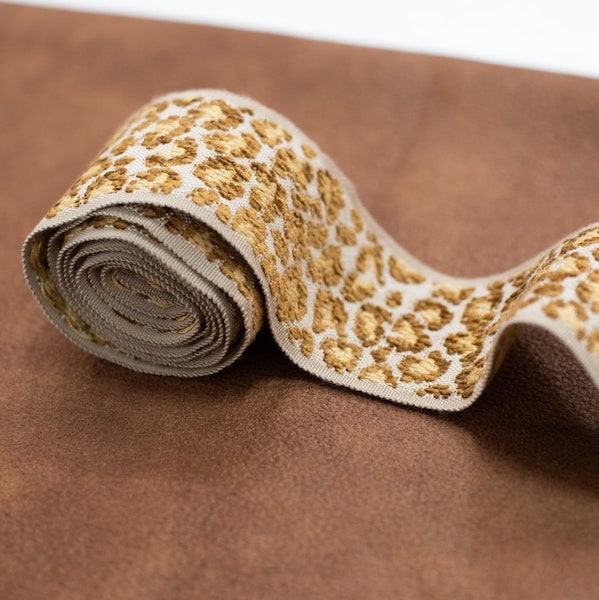
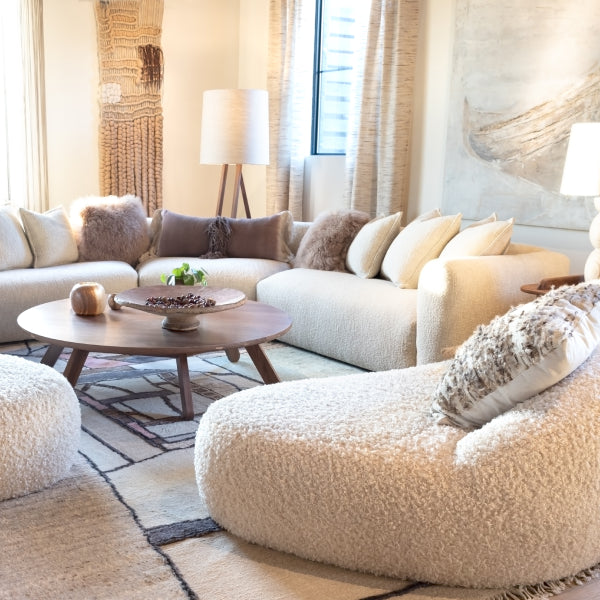
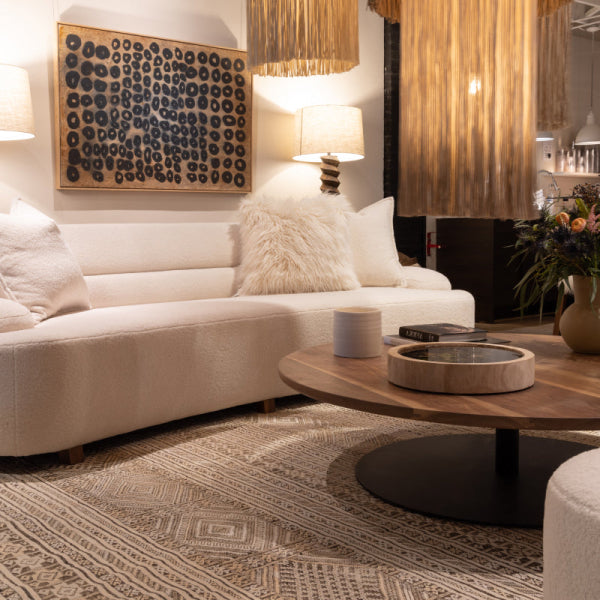






You’ve felt its smooth, resilient touch on countless luxury goods, but what exactly is tricot material?
Think of it as the unsung hero in a designer's toolkit. It's the secret ingredient behind Atlanta’s most exquisite furniture. Tricot is a special type of warp-knit fabric, creating a material that’s remarkably stable, resists runs, and has a distinct smooth face and textured back.
The Designer's Secret Weapon
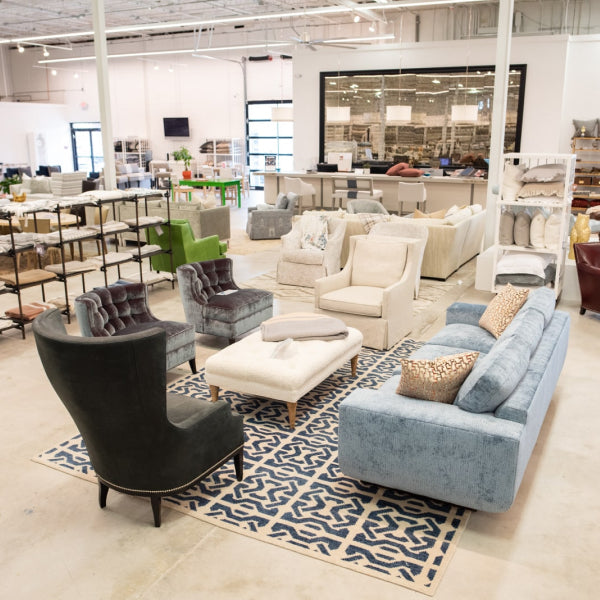
Step inside our Buckhead showroom and you’ll encounter tricot without even realizing it. It’s the secret that gives luxury furniture its flawless finish and lasting structure.
Unlike a simple t-shirt knit that stretches every which way, tricot is engineered for performance. Its unique warp-knit construction—where threads interlock vertically in a zigzag pattern—creates a textile that’s both flexible and incredibly reliable.
This isn’t just a fussy technical detail. It’s the very reason a bespoke Wesley Hall sofa feels so impeccably tailored, or why the lining on custom drapery hangs perfectly straight. For designers and homeowners from Roswell to Marietta, understanding tricot means recognizing the mark of true quality craftsmanship.
A Legacy of Performance
Originally developed for industrial use, tricot’s unique properties quickly made it a star in other markets. By the 1950s, its stable stretch and smooth face were perfect for lingerie and swimwear.
This is because tricot construction produces a fabric that stretches primarily crosswise (20–60%) while retaining impressive lengthwise stability (only ~5–15% stretch). This controlled elasticity is what makes it such a valuable asset in modern design today. If you're curious about the deeper technicals, you can learn more about the global tricot fabric market from industry reports.
Why Atlanta Designers Choose Tricot
For the discerning eye, the benefits are clear. Interior design professionals working on projects in Milton or Alpharetta turn to our Atlanta fabric showroom for textiles that promise both beauty and function. Tricot delivers.
- Exceptional Durability: It resists runs and tears, making it ideal for high-contact applications like linings and backings.
- Structural Integrity: It provides support to delicate designer fabrics without adding bulk, letting the main fabric shine.
- Luxurious Hand-Feel: The smooth face glides effortlessly, enhancing everything from cushion covers to drapery.
- Wrinkle Resistance: Its stability helps maintain a crisp, polished appearance, crucial for high-end furniture.
To put it all in perspective, here's a quick summary of what makes tricot stand out.
Tricot at a Glance: Key Characteristics
This table breaks down the defining features that make tricot a unique and valuable textile for designers and homeowners seeking that perfect finish for their custom upholstery.
| Characteristic | Why It Matters for Luxury Design |
|---|---|
| Warp-Knit Construction | Creates a stable, run-resistant fabric that holds its shape under stress. |
| Crosswise Stretch | Offers flexibility for a perfect fit around curves without compromising lengthwise stability. |
| Smooth Face & Textured Back | The smooth side glides against other materials, while the back provides a good surface for adhesion. |
| Excellent Drape | Hangs beautifully, making it an ideal choice for high-end drapery linings. |
| Durability | Resists snagging and tearing, ensuring longevity for linings and backings. |
| Wrinkle Resistance | Maintains a crisp, clean appearance, reflecting the quality of the finished piece. |
In short, tricot is the workhorse textile providing the invisible structure behind the most beautiful pieces you'll see in the finest homes from Buckhead to Forsyth County.
Understanding the Magic of Warp-Knit Construction
Let's pull back the curtain on tricot’s secret sauce: its warp-knit construction. This isn’t just a technical detail; it’s the very DNA that makes this fabric a trusted partner for Atlanta’s top interior designers.
Most knits you run into, like a jersey t-shirt, are weft-knitted. Picture a single thread looping horizontally, back and forth. It’s simple, stretchy, but prone to curling at the edges and can completely unravel from one little snag.
Warp knitting is a whole different ballgame. Every needle gets its own thread, and they all work together, interlocking vertically in a zigzag motion.
This parallel, interlocking structure is the key to tricot's legendary stability. The loops are locked in place vertically, so the fabric strongly resists runs and maintains its shape—a critical feature for luxury furniture in Atlanta that needs to look pristine for years.
This built-in strength is exactly why tricot is the go-to for adding structure without bulk. Think of it as the invisible architecture that supports the finest textiles in our Atlanta fabric showroom.
The Weft vs. Warp Difference
Once you grasp this, you can walk into our Buckhead showroom, feel a fabric, and know exactly why it behaves the way it does. That vertical zigzag of a warp knit gives tricot its signature smooth face, controlled stretch, and clean, elegant drape.
This concept map breaks down the core attributes that come directly from its warp-knit origins.

You can see how the warp-knit method directly creates a stable fabric with that distinctly smooth face—qualities essential for high-end applications.
When a designer in Alpharetta specifies a lining for a custom Wesley Hall sofa, they aren’t just picking a color. They are choosing the engineered performance of a warp knit to ensure the main fabric is protected and the entire piece holds its flawless silhouette. This level of detail separates mass-produced furniture from the exquisite collections you’ll find on West Paces Ferry or in our Collier Rd design center.
Choosing The Right Knit: Tricot vs. Jersey
Not all knits are the same. In the world of high-end design, understanding the difference is everything. The choice between tricot and a standard jersey knit can completely change a piece's final look, feel, and performance. For any interior designer or sharp-eyed homeowner in Atlanta, it's a critical distinction.
Think of jersey knit as your favorite t-shirt—soft, comfortable, with stretch in every direction. It’s a weft-knit. While wonderfully cozy, this structure makes it prone to curling, losing shape, and unraveling. It’s comfortable, but not always dependable for structured applications.
Tricot, on the other hand, is its sophisticated, engineered cousin.
As a warp-knit, its interlocking vertical threads create a sleek, stable, and remarkably durable material. Tricot offers a controlled, two-way stretch and fantastic recovery, meaning it snaps right back into shape.
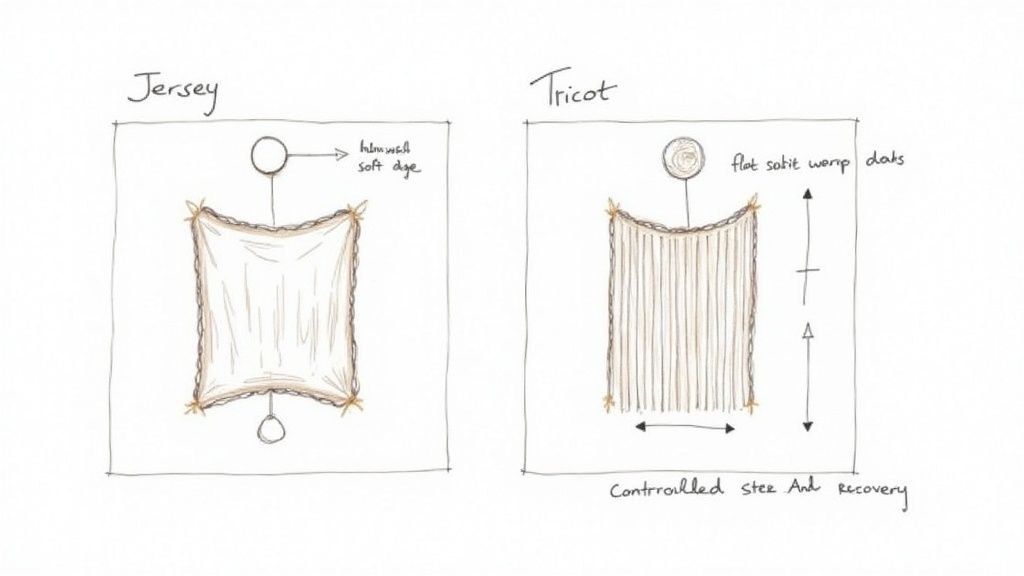
Tricot is the clear winner when structure and stability are non-negotiable. For a flawless finish on custom upholstery for a Wesley Hall sofa or the impeccable drape of fine fabrics in an Alpharetta home, tricot provides the hidden architecture that jersey simply can’t.
A Head-to-Head Comparison
For designers working on projects from Roswell to Milton, specifying the right knit from the start is paramount. One delivers relaxed comfort; the other offers polished, reliable performance. This table breaks down the essential differences to help you make a confident choice at our Atlanta fabric showroom.
Choosing Your Knit: Tricot vs Jersey
This head-to-head comparison helps Atlanta's designers and homeowners see the distinct advantages of tricot and jersey fabrics.
| Feature | Tricot (Warp-Knit) | Jersey (Weft-Knit) |
|---|---|---|
| Construction | Vertical, interlocking loops create a stable, run-resistant structure. | Horizontal loops create a fabric with all-over stretch. |
| Stability & Shape | Excellent dimensional stability; holds its shape and resists sagging. | Prone to stretching out, curling at the edges, and losing shape. |
| Stretch | Primarily stretches crosswise, with minimal lengthwise give. | Stretches in all directions (four-way stretch is common). |
| Durability | Highly resistant to runs, snags, and unraveling. | Can easily snag, and a single broken thread can cause a run. |
| Best For | Linings, backings for delicate designer fabrics, performance wear, and applications needing structure. | Casual apparel, t-shirts, loungewear, and items where soft, relaxed drape is key. |
Ultimately, understanding a fabric's fundamental makeup gives you the power to select materials that don't just look incredible, but perform flawlessly.
When To Specify Each Knit
Choosing between them isn’t about which is "better," but which is right for the job.
In the demanding world of luxury furniture in Atlanta, tricot is almost always the superior choice for linings and backings. Its stability ensures that a custom-upholstered Lee Industries chair keeps its crisp lines and that delicate face fabrics are properly supported. You can see how different fabric constructions influence the final product by exploring these examples of woven fabrics.
When considering other popular materials for interiors, it's also useful to understand options like microfiber bedding, which has its own unique set of properties. In the end, knowing the construction behind a fabric empowers you to select textiles that not only look exquisite but perform flawlessly for years to come.
Where Tricot Shines in Luxury Interior Design
While you might associate tricot with apparel, its role in luxury interiors is where it truly performs. This isn't about fast fashion; this is about enduring quality. Here, tricot becomes the hidden element of craftsmanship—the quiet detail that elevates a good piece of furniture into an exquisite one.
Think about that smooth, protective backing on a delicate designer fabric you’ve just discovered in our Atlanta showroom. That’s often tricot, making sure the textile hangs perfectly and can handle the demands of custom upholstery. Or the seamless lining inside a custom-upholstered Lee Industries chair, which lets the cushion slip on flawlessly while adding durability.
This is where "what is tricot material" becomes less of a question and more of an answer. It’s the answer to how luxury furniture maintains its form, and it’s the secret ingredient for designers in Buckhead who demand perfection.
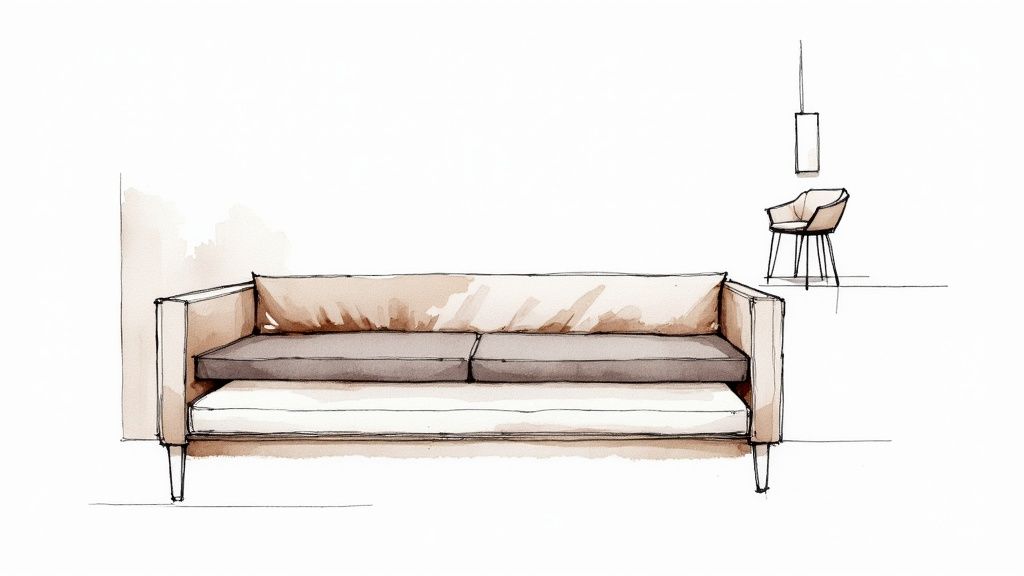
The Unseen Workhorse of High-End Furniture
In high-end furniture workshops from East Paces Ferry to Roswell, tricot is the unseen workhorse. Its stability and smooth surface make it the perfect lining or backing because it adds support without messing with the primary fabric’s drape or feel.
Take a Verellen sofa, with its signature relaxed elegance. A tricot backing on the main upholstery fabric keeps it from over-stretching, preserving the designer’s intended silhouette. For Ambella furniture, known for fine details, a tricot lining inside a drawer adds a finished, luxurious touch that you can feel.
Tricot is the ultimate supporting actor. It doesn’t steal the show; it makes the star performer—your chosen designer fabric—look flawless. This commitment to detail is what our trade furniture program members value most.
While nylon tricots were once the standard, today's market is dominated by polyester-based blends. Current supply-chain data shows that 50–70% of modern tricot is made from polyester yarns, often with 5–15% elastane blended in for just the right amount of stretch and recovery.
Practical Applications in Atlanta Homes
Tricot is much more than just a simple backing; its versatility shows up in several key areas of luxury interior design. If you're wondering how to choose upholstery fabric for your project, understanding these applications is a great place to start.
- Upholstery Backing: It stabilizes delicate or loosely woven textiles, making them durable enough for upholstery on a centerpiece like a Wesley Hall sofa.
- Cushion Linings: Its slick surface reduces friction, making it far easier to insert and remove foam cores. This simple detail extends the life of both the cushion and the cover.
- Drapery Interlining: A lightweight tricot can be used as an interlining to add body and improve the drape of custom window treatments without heavy bulk.
- Performance Textiles: You'll even find brushed tricot, with its soft, fleece-like feel, used to line high-performance textiles where an added layer of comfort is desired.
To see more examples of high-end decor where materials like tricot excel, take a look at this guide on Italian luxury interiors. It’s this thoughtful application of performance materials that defines true, lasting luxury.
Caring for Your Tricot Textiles
When you invest in beautiful furniture and fine fabrics, you want them to last. The great news? Tricot's unique knit structure gives it fantastic stability, making it surprisingly resilient. The secret to its longevity comes down to understanding what it's made of.
A nylon tricot blend needs different care than a polyester tricot backing on a delicate silk damask. For any homeowner in East Cobb or a designer advising clients in Forsyth County, knowing the difference is everything. The first rule? Always check the care label on the finished piece, whether it's a slipcover for a Lee Industries chair or custom drapery.
General Care Guidelines
For most luxury furniture applications, spot cleaning is the way to go. If the item is machine washable, a few simple guidelines will keep it looking its best.
- Wash with Cold Water: Stick to a gentle cycle with cold water to protect the synthetic fibers.
- Use a Mild Detergent: Harsh chemicals aren't necessary and can break down the fabric's integrity.
- Avoid Fabric Softeners: These can leave a film on synthetic fibers, dulling their look.
- Wash with Similar Items: To prevent snagging, never wash with heavy or abrasive pieces like denim or towels.
Drying and Finishing Your Tricot
This is the most critical rule: tricot and high heat are not friends. The synthetic fibers—nylon or polyester—are sensitive to high temperatures. Too much heat can cause them to melt, warp, or wrinkle permanently.
Never use a hot iron directly on a tricot fabric. If you must press the item, use the lowest heat setting (often labeled "synthetic"), place a pressing cloth between the iron and the fabric, and move quickly.
When it comes to drying, air-drying is always the safest and best choice. Lay the item flat or hang it to dry, but keep it out of direct sunlight. If you must use a machine, tumble dry on the lowest heat setting—or even better, a no-heat "air fluff" cycle. Pull it out promptly to stop wrinkles from setting.
Following these simple steps ensures that every investment in fine fabrics from our Atlanta fabric showroom remains beautiful for years to come.
Experience Fine Fabrics in Our Atlanta Showroom
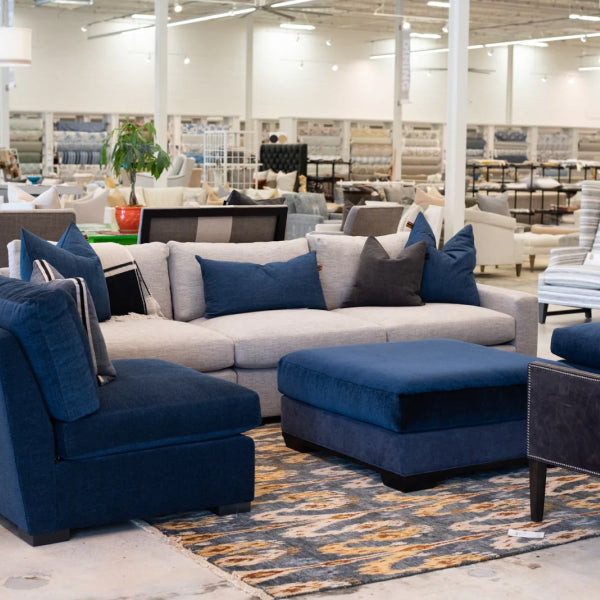
Reading about texture is one thing. Feeling it in your hands is another. To really understand what tricot brings to a textile, you have to see it, touch it, and feel how it drapes. This is where technical details meet true inspiration, and it all happens right here in our Atlanta showroom.
We’d love for you to visit us in Buckhead on Collier Rd to discover the tangible difference quality makes. Let our experts walk you through our huge collection of designer fabrics. We can show you exactly how a tricot backing gives structure to a delicate silk or ensures a flawless hang on a heavy linen. It’s a chance to see the details that truly define luxury.
From Concept to Creation
Whether you're a seasoned designer or a homeowner with a vision, our showroom is your ultimate resource. It’s the perfect place to talk through your project, learn about our Lewis and Sheron Trade Program, or explore how we create stunning custom upholstery with premier vendors like Verellen and Wesley Hall.
This is where your project comes to life. Come see for yourself why designers from Marietta to Cumming count on our showroom as their essential Atlanta interior design resource for the finest materials and furniture.
We can help you navigate the entire process, from picking the perfect fabric to planning the finished piece. If your project involves bringing a cherished heirloom back to life, our team has expert advice. Our guide on how to reupholster furniture is a great place to start.
Our collection of fine fabrics in Alpharetta and the greater Atlanta area is curated for those who value true craftsmanship. When you stop by, you won’t just find the perfect material—you’ll gain the confidence to bring your design to life.
A Few Tricot Questions We Hear Often
We get it. Diving into the world of fine fabrics can bring up a few questions. Here are the quick, clear answers you need to understand what tricot can do for your next project.
Is Tricot Fabric Breathable?
Yes, it certainly can be. While tricot's tight, warp-knit construction gives it fantastic stability, the looped structure itself naturally allows for some airflow.
The real factor is the fiber it's made from. Most nylon and polyester tricots are designed for moisture-wicking and breathability. For the interior design applications you’ll see in our Atlanta fabric showroom—like linings and backings—its main job is to add structure and a smooth finish, supporting the main fabric without trapping heat.
What Is Brushed Tricot?
Think of brushed tricot as tricot's cozier, softer cousin. It’s a version of the fabric that goes through a mechanical brushing process where tiny wire brushes gently lift the fibers on one side. This transforms tricot’s signature smooth face into an incredibly soft, almost fleece-like texture.
You'll often find brushed tricot used as a warm lining in jackets or as a soft backing on custom upholstery to add a plush, luxurious feel. It’s the perfect choice when you need both the stability of tricot and an extra touch of comfort.
Does Tricot Material Shrink?
Generally, no—and that's one of its biggest advantages. Tricot made from synthetic fibers like polyester or nylon is highly resistant to shrinking.
This dimensional stability is exactly why it’s such a reliable choice for everything from linings on high-end furniture in Buckhead to hardworking performance textiles. It holds its shape beautifully through years of use and cleaning.
Ready to feel the difference for yourself? Visit the Lewis and Sheron Textiles design center in Atlanta to explore our collection of exquisite fabrics and learn how tricot can elevate your next project.