


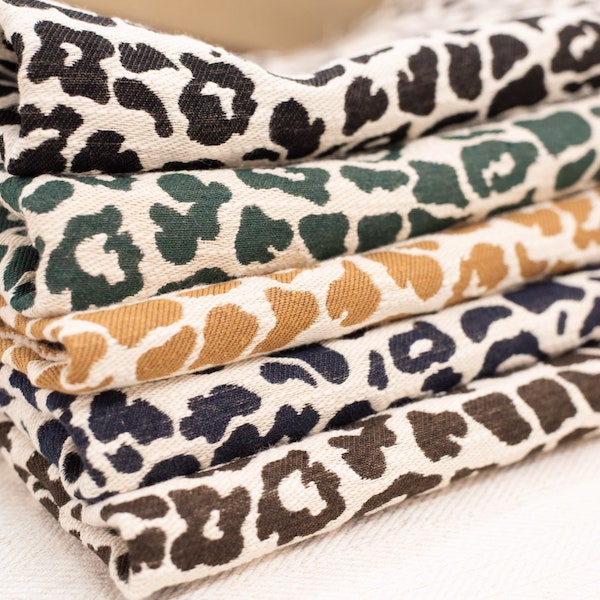
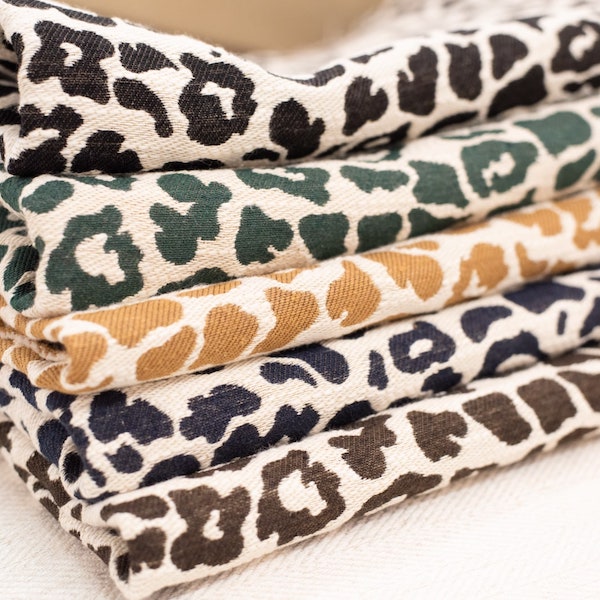
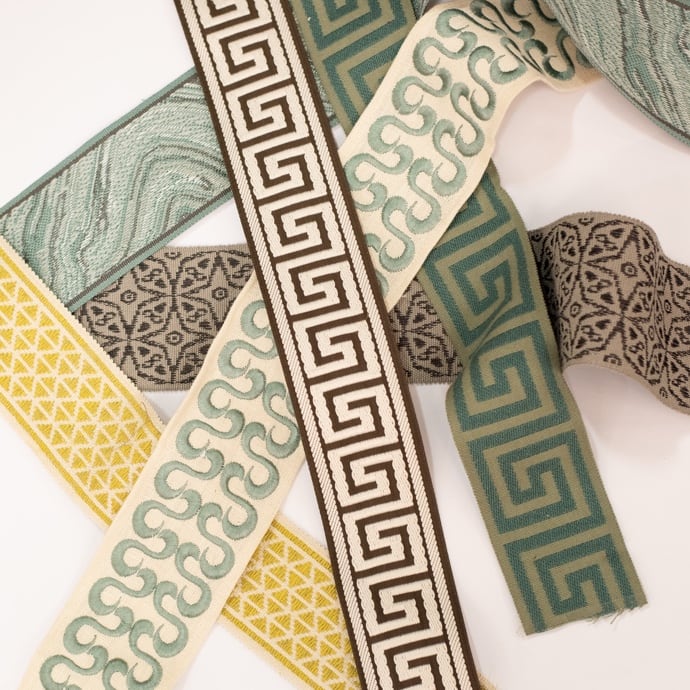

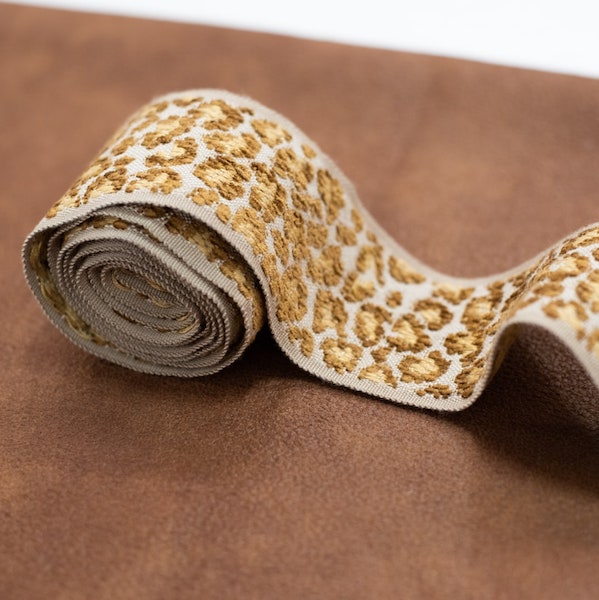
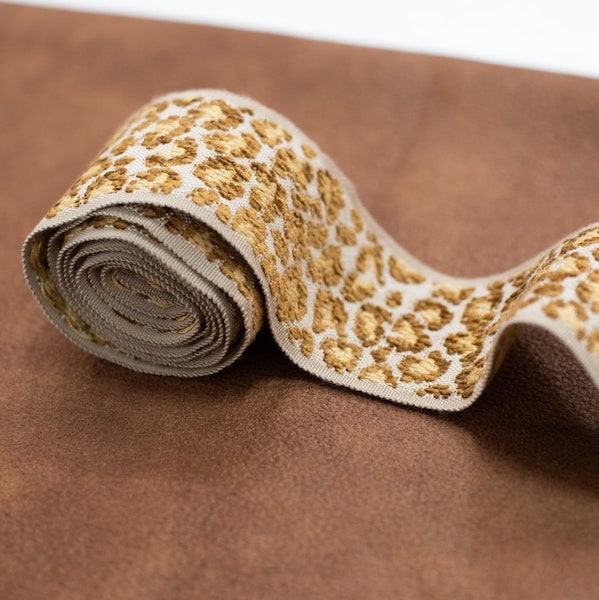
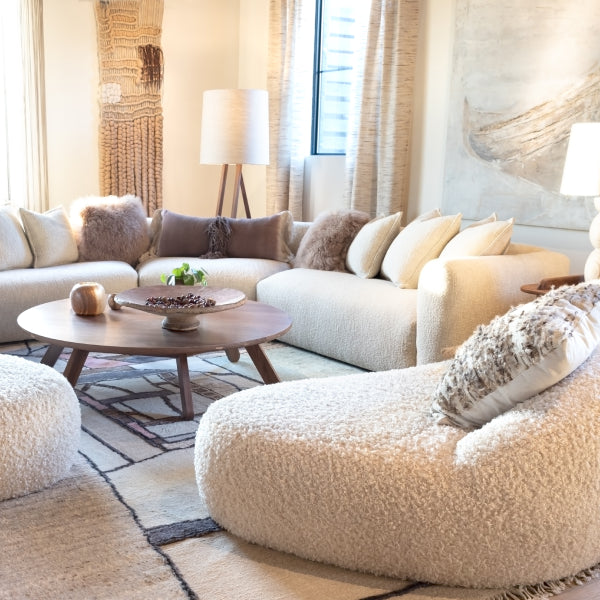
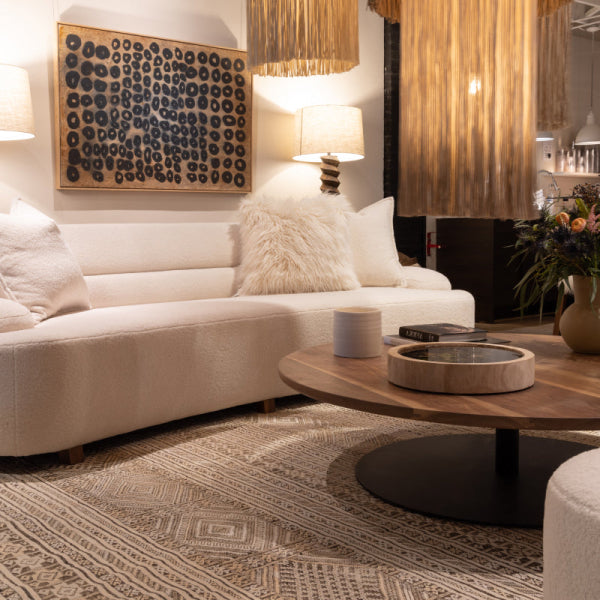
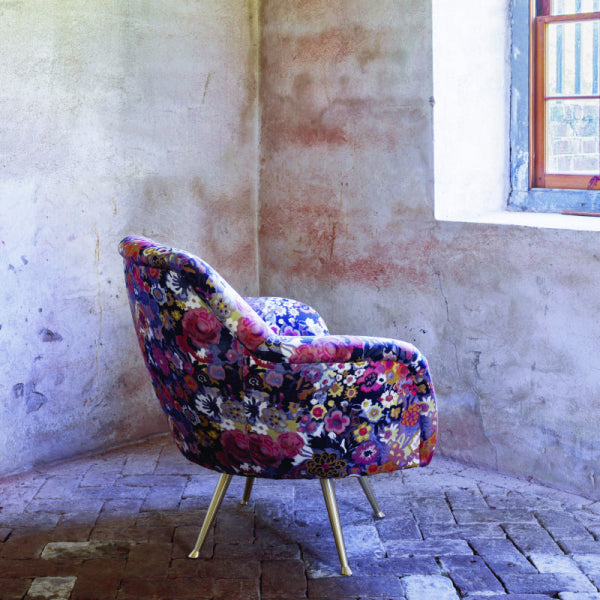
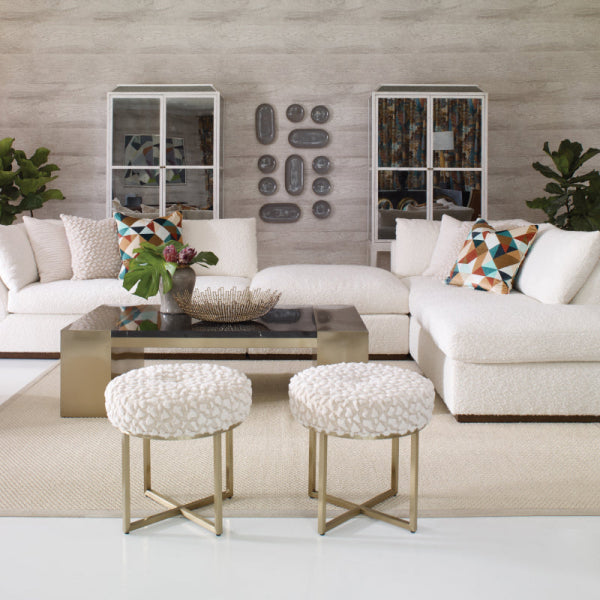
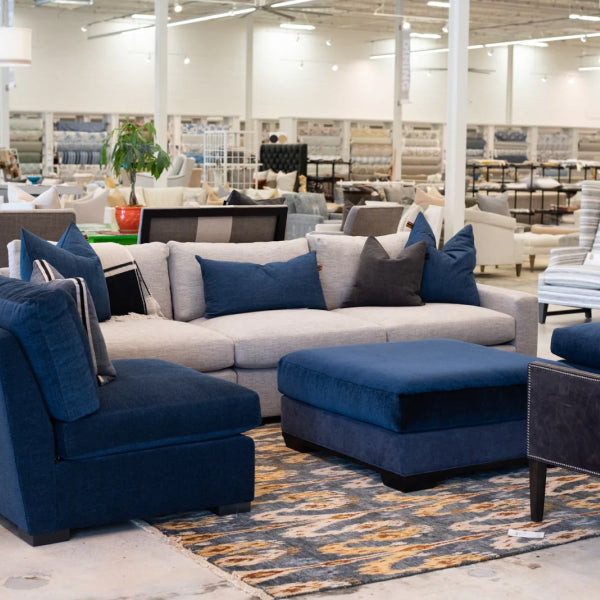


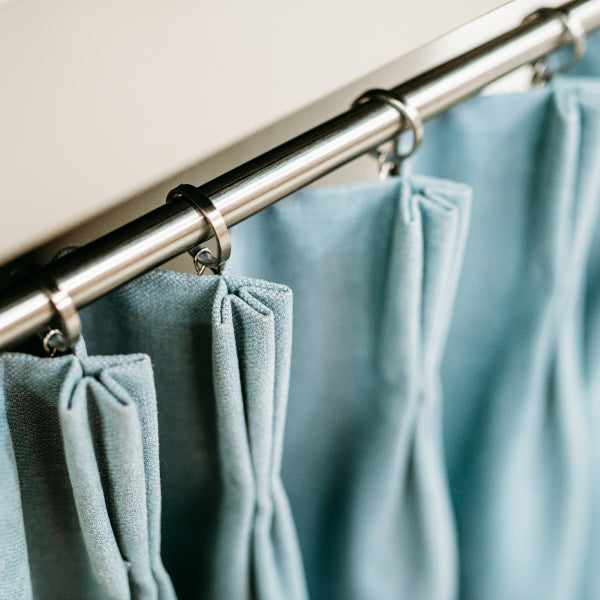
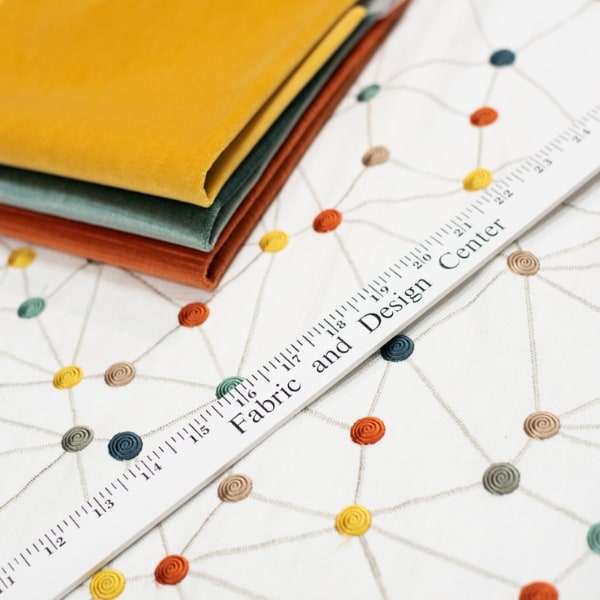






Welcome to the world of details, where the smallest things make the biggest impact. Ribbon and trim are far more than simple edging—they're the secret ingredients that take a beautiful room and make it truly unforgettable.
Think of them as the couture finish for your interiors. They have the power to transform everyday cushions and drapery into custom works of art that feel uniquely yours.
The Signature of Quality and Intent
In high-end design, the little details send the loudest message. Ribbon and trim are never an afterthought; they're the punctuation marks of a well-designed room. They tell a story of careful craftsmanship, showing that every line, seam, and border was considered with purpose.
This is how a simple sofa becomes a statement piece, or how a window treatment becomes a room's focal point. For Atlanta's most discerning designers and homeowners, these finishing touches are the key to unlocking spaces that feel genuinely personal. They add a layer of sophistication you can't get from mass-produced furniture.
Think of it this way: anyone can buy a beautiful sofa. But the designer who adds a custom grosgrain ribbon to its base or a contrast welt cord to its cushions has created something one-of-a-kind. It becomes a signature piece that reflects a client’s style with confidence and clarity.
Moving Beyond the Generic
This focus on personalization isn't just a local trend. Buyers everywhere are moving away from generic, mass-produced trims. Instead, they're choosing ribbons and details that convey a unique story, a cultural heritage, or a personalized design vision. It’s all part of a larger shift toward small-batch production and seasonal exclusivity. You can explore more about this shift toward unique textiles and their growing appeal.
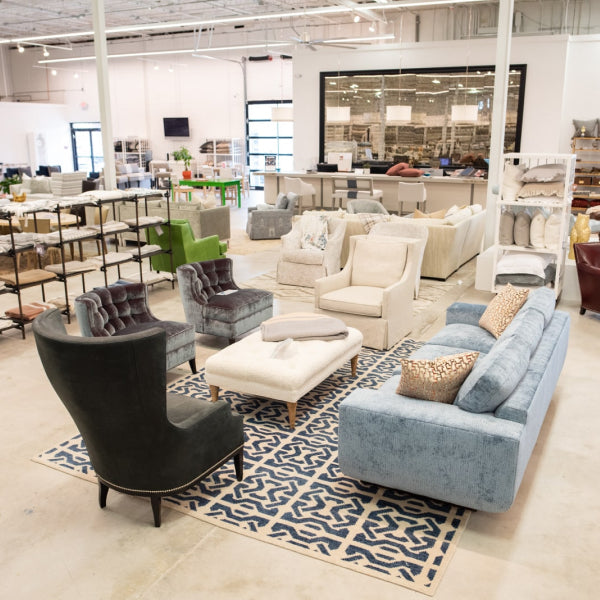
This is the philosophy we live by at Lewis and Sheron. Step inside our Buckhead showroom and you’ll understand why we’ve been Atlanta’s destination for exquisite furniture and fine fabrics for decades. Whether you're in Roswell sourcing fine fabrics or in Milton designing a custom project, the journey starts with these finishing touches.
- Elevate Custom Upholstery: A simple trim can transform a Wesley Hall sofa or Lee Industries chair from a beautiful form into a bespoke masterpiece.
- Define Architectural Lines: Use trim to highlight the elegant structure of a Verellen piece or add definition to an Ambella cocktail ottoman.
- Inject Personality and Color: A bold tape or a delicate fringe can introduce a powerful accent color, tying together a room's entire palette in one swift move.
By embracing the power of ribbon and trim, you move beyond mere decoration and into the realm of true interior artistry. It’s a language of quiet confidence, spoken through texture, color, and exquisite detail. For members of our trade furniture program, mastering this language is an essential tool for creating spaces that leave a lasting impression.
Building Your Designer Trim Vocabulary
Think of trims as their own design language. Every style has a distinct voice and a specific job, and learning to “speak” it is the secret to creating interiors that feel truly custom. This isn't about memorizing dictionary definitions; it's about getting a feel for their character.
When you walk into our Atlanta fabric showroom, you aren't just looking at spools of ribbon. You're exploring a vocabulary that can add architectural detail to a Wesley Hall sofa, bring opulent movement to drapery, or give a playful edge to custom pillows. Let's decode the essentials.
This conceptual map shows how designer trim elevates a project from simply "done" to truly exceptional, hitting on the core ideas of quality, sophistication, and personalization.
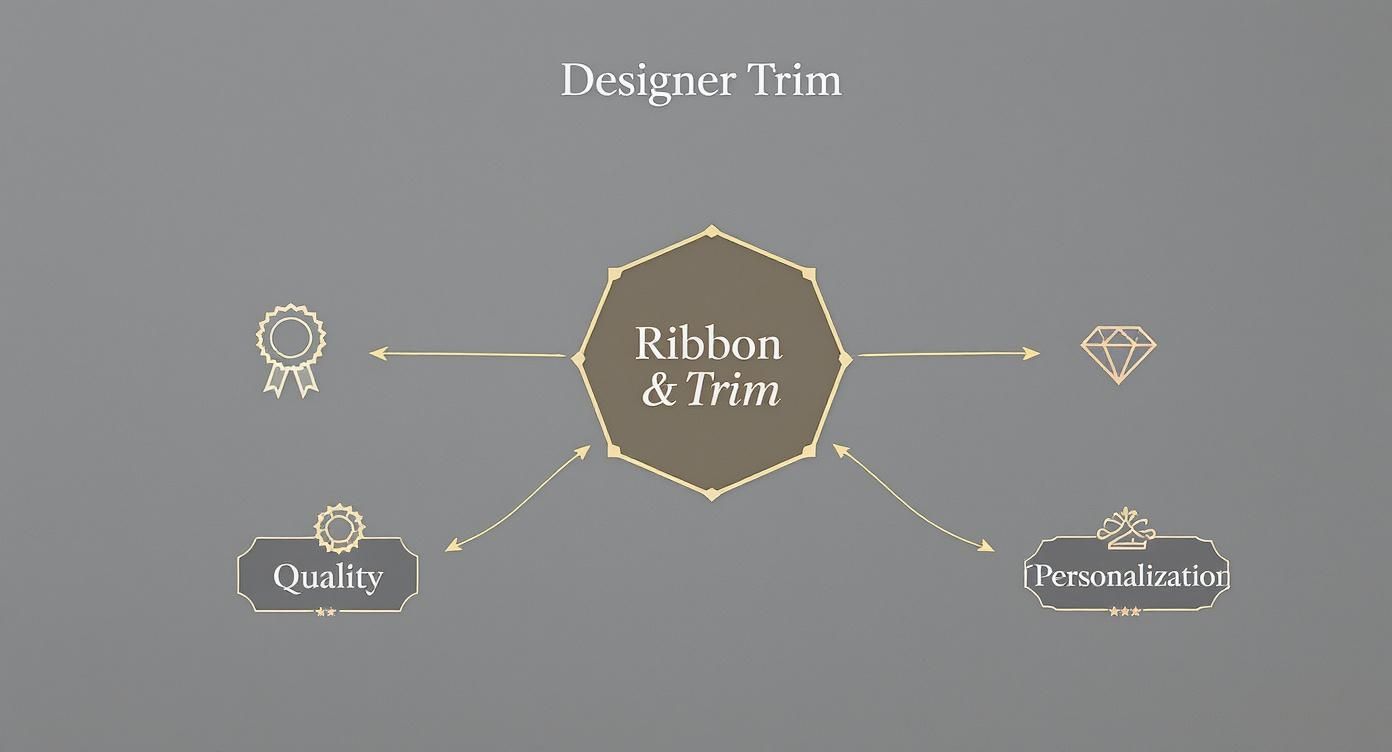
It’s easy to see that trim is much more than mere decoration. It’s a strategic design choice that signals a real commitment to bespoke quality and a one-of-a-kind vision.
The Foundation: Welting and Piping
Welting and piping are the unsung heroes of the custom upholstery world. They create the crisp, clean lines that define the silhouette of high-end furniture, meticulously tracing the seams of cushions, arms, and backs.
Think of it as the perfect frame for a piece of art. Welting is typically made from the same fabric as the main piece, creating a subtle, tonal outline that whispers quality construction. Piping, on the other hand, often uses a contrasting color or material to make a bolder statement, turning a simple seam into a sharp, graphic design element. This detail alone can transform a classic Lee Industries chair into a modern showstopper.
The Statement Makers: Braid, Gimp, and Tape
When you want to add texture, a hit of pattern, or a solid band of rich color, you'll reach for braids, gimps, and decorative tapes. These flat trims are absolute workhorses for creating visual interest and are incredibly versatile.
- Braid and Gimp: These beautiful woven trims are perfect for covering upholstery staples and creating clean, finished edges along the wooden frame of a chair or sofa. Gimp is usually narrower and more intricate, which makes it ideal for adding a touch of traditional elegance to luxury furniture in a classic Buckhead home.
- Decorative Tapes: Tapes are the modern go-to for decorative borders. You can find them in everything from simple grosgrain to complex geometric patterns. They look brilliant applied to the leading edge of a drapery panel, the skirt of a sofa, or as a border on a pillow. A well-chosen tape on a Verellen sofa provides a sharp, curated finish that feels intentional.
A simple band of two-inch grosgrain ribbon applied around the base of a plain sofa can instantly give it that sense of being special and custom-made. It's a small change that delivers a huge impact, adding structure and a pop of coordinated color.
The Finishing Flourish: Fringe and Tassels
Fringe and tassels are all about adding movement, texture, and just a touch of drama. They're the jewelry of an interior, providing that final, perfect accent. And forget any dusty, old-fashioned notions you might have—modern fringe is sophisticated, luxurious, and used with real intention by top designers from Marietta to Milton.
Fringe can run the gamut from a short, neat brush fringe on the base of an Ambella ottoman to a long, silky bullion fringe that adds weight and grandeur to draperies. It softens hard edges and adds a layer of tactile richness that’s impossible to ignore.
Tassels are the ultimate exclamation point, whether used as a single, elegant tie-back for a curtain or as a small, playful detail on the corner of a cushion. They draw the eye and add a bespoke, handcrafted feel. For designers in our trade furniture program, finding the perfect tassel in our Atlanta showroom is often that final, defining moment. It just goes to prove that in luxury design, every single element matters.
Designer Trim Types and Their Best Applications
To help you get started, here's a quick reference guide for matching the right trim style with its ideal use in high-end furnishings and decor. Think of it as a cheat sheet for adding that perfect finishing touch.
| Trim Type | Primary Characteristic | Best Used For | Pairs Well With |
|---|---|---|---|
| Piping/Welting | Cord-like, defines edges | Upholstery seams, cushion outlines, furniture silhouettes | Solids, small-scale patterns, textured wovens |
| Braid & Gimp | Flat, woven, often decorative | Hiding upholstery staples, accenting furniture frames | Damasks, jacquards, velvets, traditional styles |
| Decorative Tape | Flat ribbon, patterned or solid | Drapery leading edges, pillow borders, sofa skirts | Linens, cottons, modern and transitional fabrics |
| Fringe | Dangling threads or cords | Drapery hems, pillow edges, ottoman/sofa bases | Silks, velvets, chenilles for a luxurious feel |
| Tassels | Bunched, tied threads | Curtain tie-backs, pillow corners, key fobs on cabinets | Almost anything, as a singular, dramatic accent |
Choosing the right trim is all about understanding its personality and how it can either complement or contrast with your primary fabric to create a complete, cohesive story.
The Art of Pairing Trims with Luxury Fabrics
Choosing the right trim for a beautiful fabric is like picking jewelry for the perfect outfit—it should elevate the final look, not steal the show. It's an art form that turns high-quality materials into an intentional design. Get it right, and a custom upholstery project becomes a masterpiece. Get it wrong, and even the most exquisite designer fabrics can feel unfinished.
This is where Atlanta’s top interior designers shine. They know the secret lies in a few core principles. Let's walk through them, thinking about real-world examples you'd find in our Buckhead showroom, like designing a custom Lee Industries chair or accenting pillows for a sprawling Wesley Hall sectional.
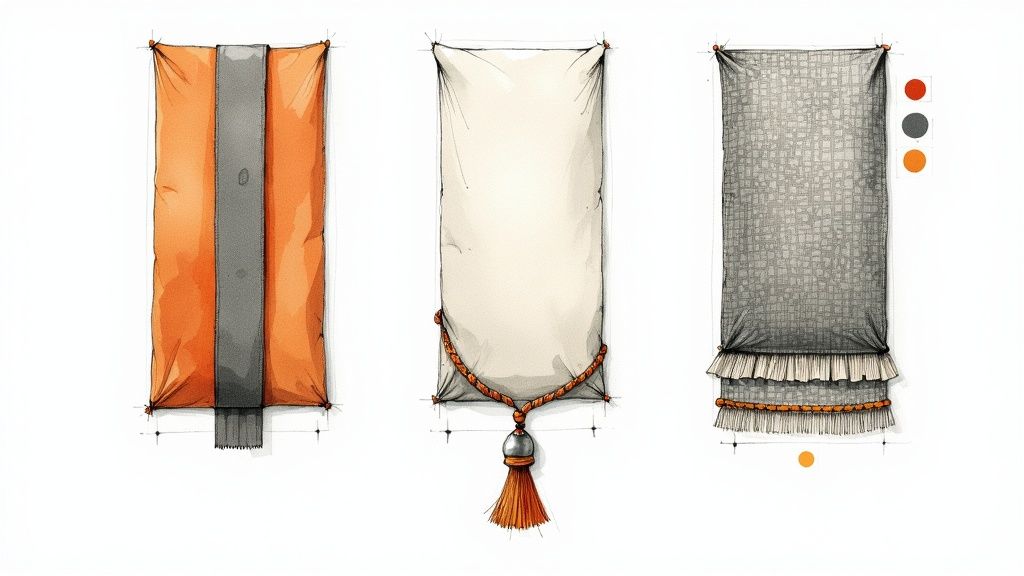
Creating Harmony with Texture
Texture is the soul of a fabric, and the same goes for its trim. The idea is to create a pairing that feels natural and balanced.
A heavy, opulent velvet, for example, begs for a trim with similar weight and substance. Think a dense brush fringe or a substantial woven braid. A delicate little silk tassel, on the other hand, would look flimsy and lost.
On the flip side, a lightweight linen or crisp cotton needs a lighter touch. Imagine a simple grosgrain ribbon or a clean, minimalist tape trim. These combinations just work because they respect the inherent character of the main fabric. It’s a tactile conversation where both elements speak the same language.
If you want to dive deeper into fabric types, you can explore some classic examples of woven fabrics to get a better feel for their unique textures.
Making a Statement with Color
Color is your most powerful tool for setting the mood. When it comes to trim, you can go one of two ways, each creating a totally different impact.
- Tonal Harmony: Choosing a trim in the same color family as your fabric results in a sophisticated, seamless look. A self-welt on a Wesley Hall sofa, where the piping is made from the exact same material, is the ultimate expression of this. It adds clean definition without shouting for attention—a hallmark of timeless luxury furniture you see all over Roswell and East Cobb.
- Bold Contrast: Now, selecting a trim in a contrasting color is a confident, deliberate design move. Picture a neutral Verellen armchair suddenly brought to life with a sharp, black contrast welt. This technique turns the furniture’s silhouette into a graphic element, highlighting its lines and adding a modern, custom feel that instantly draws the eye.
The key is intention. A subtle, tonal trim whispers quiet luxury, while a bold, contrasting ribbon makes a clear and confident statement. Neither is "better"—it all depends on the story you want the piece to tell within the room.
Achieving Balance Through Scale
Finally, let’s talk scale. The size and visual weight of your ribbon and trim must be in proportion to the furniture and the fabric pattern. A massive tassel might look fantastic on a grand drapery panel in a Buckhead estate, but it would completely overwhelm a small accent pillow.
By the same token, a delicate, narrow gimp could get lost along the frame of a large, commanding sofa. Here’s a quick guide to keep in your back pocket:
- Large Furniture Needs Substance: For big pieces like sectionals or headboards, choose wider tapes (two inches or more is a great start), thicker cords, and more substantial fringes.
- Small Pieces Need Finesse: For accent chairs, ottomans, and pillows, opt for more delicate trims. A neat welt cord or a half-inch decorative tape is often all you need to make a powerful impact.
- Pattern Considerations: If your fabric has a large, bold pattern, a simpler, solid-color trim is almost always the right call. But if your fabric is a solid or has a subtle texture, you have more freedom to play with a patterned or intricate trim.
Mastering these three principles—texture, color, and scale—is what separates good design from truly exceptional design. It’s how you create cohesive, sophisticated palettes that feel both personal and timeless. And it’s a skill our in-house experts at Lewis and Sheron are always happy to help you refine.
How to Measure and Specify Trim with Confidence
Ordering the wrong amount of trim is an expensive, frustrating mistake that can bring a project to a screeching halt. But getting your quantities right the first time isn’t complicated—it just requires a little precision. This is your no-nonsense guide to ordering designer ribbon and trim with absolute confidence.
Think of these calculations as your project’s blueprint. Just like you wouldn’t frame a house without one, you shouldn’t order fine fabrics and trims without a clear plan. For members of our Lewis and Sheron Trade Program, mastering this skill is fundamental to delivering flawless results for clients from Roswell to Marietta.
The Foundational Formulas for Common Projects
Let’s get straight to the numbers. While every project is unique, a few core formulas will cover most of your needs, whether you're embellishing a pillow or adding welting to a custom Wesley Hall sofa.
-
For Pillows: The math is simple. Measure the perimeter of the pillow form (Length + Width) x 2 and then add an extra 4-6 inches for turning corners and creating a clean overlap. For a 20" x 20" pillow, you'd calculate (20+20) x 2 = 80 inches, plus that bit of extra, which comes out to about 2.5 yards.
-
For Drapery Panels (Leading Edge): To trim the inside vertical edge of a single curtain panel, you just need the finished length of the panel. For a pair, double that measurement. It’s always smart to add about 6 inches per panel to be safe.
-
For Upholstery Welting: This is where it gets more detailed. You have to measure every single seam you plan to cover. With a flexible measuring tape, carefully trace the path the welting will follow along the cushions, arms, back, and base of the piece. It’s tedious, but absolutely critical for high-end furniture.
Crucial Details You Cannot Overlook
Beyond the basic math, a few pro-level considerations separate an amateur from an expert. These are the little details that ensure you never run short on that perfect trim you sourced from our Atlanta fabric showroom.
The golden rule is simple: Always order 10-15% more trim than your measurements suggest. This buffer accounts for pattern repeats, accidental cuts, and the inevitable "just in case" moments that save projects. It’s the cheapest insurance policy you’ll ever buy.
First, always check for a pattern repeat on the trim itself. A complex embroidered tape or a large-scale geometric ribbon will require extra yardage to make sure the pattern aligns perfectly at the seams, just like with wallpaper.
Second, account for corners. Applying trim around a sharp corner, especially on a cushion, uses more material than a straight run. Your overlap allowance helps, but it pays to be generous. When learning how to measure and specify trim, it's also helpful to think about the complete picture of a project; for instance, understanding functional trims like elastic can be beneficial for ensuring a perfect fit in certain upholstery applications.
Finally, think about all the other little pieces that bring a project together. To get a better sense of these smaller but crucial components, check out our guide explaining what sewing notions are and why they matter. Taking a moment to consider every detail is the mark of true craftsmanship.
Styling with Trim to Define Your Space
This is where the magic really happens. We’ve talked about the different types of trim and how to pair them, but now it’s time for real-world inspiration. How does a simple ribbon or a bit of braid go from being an item on a spool to the very thing that defines a room’s entire personality?
It’s all about telling a story. With the right touch, a ribbon and trim detail can instantly signal a specific style—whether it's timeless elegance, modern minimalism, or a fun, eclectic vibe. Let's look at how these finishing touches shape distinct aesthetics in homes across North Georgia.
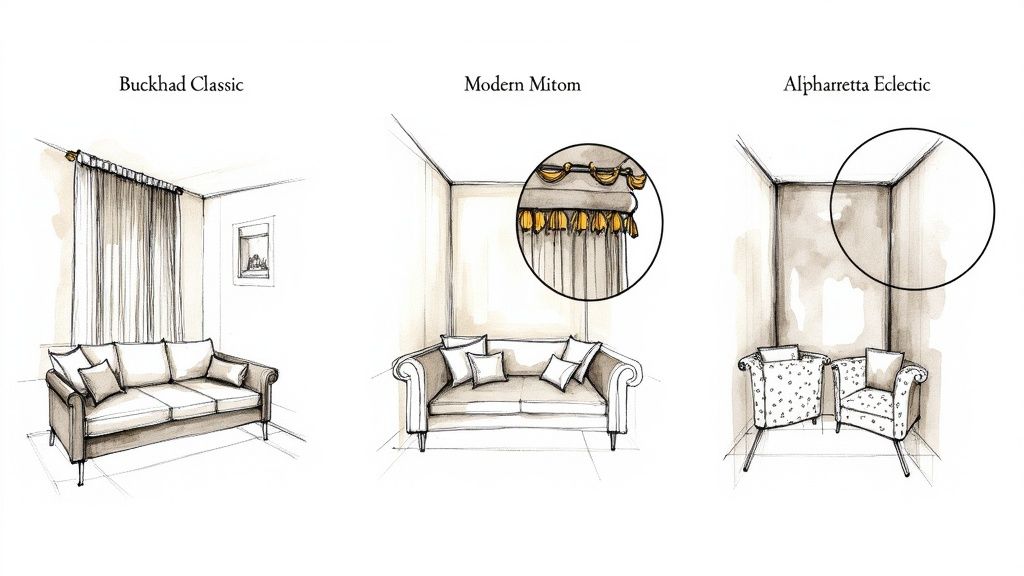
The Buckhead Classic Look
Picture a grand home on West Paces Ferry. The aesthetic is graceful and layered, rooted in tradition. This style isn't about chasing trends; it's about celebrating classic forms and impeccable craftsmanship. Here, trim adds richness, depth, and a sense of history.
- Key Players: Think of an opulent bullion fringe along the base of a Wesley Hall sofa, giving it beautiful weight and subtle movement. Or imagine intricate gimp and decorative braids meticulously tracing the silhouette of an armchair, hiding every staple with a gorgeous, tactile detail.
- The Application: Tassels are a must, often used as elegant tie-backs for heavy silk draperies. On cushions, a simple brush fringe or a classic cord with a lip adds that perfect tailored finish that feels both luxurious and inviting. The color palette is often tonal, letting texture do the talking instead of high contrast.
The Modern Milton Edge
Now, let's jump over to a home in Milton or Forsyth County, where clean lines and a contemporary feel are the norm. The modern look is about simplicity and structure. Trim isn't used for ornamentation here; it’s used to create sharp, graphic lines that highlight the furniture's form.
- Key Players: Decorative tapes are the heroes of this style. A wide, two-inch geometric tape applied down the leading edge of a simple linen curtain panel makes a bold, custom statement without any fuss.
- The Application: On a sleek Verellen sofa, a crisp contrast welt in a sharp black or navy beautifully defines its shape, almost turning the piece into a sculpture. Instead of fringe on a pillow, you might see a flat, clean-lined flange edge. The goal is intentional, curated detail that feels both confident and perfectly understated.
Trim in a modern space acts like architectural outlining. It’s not meant to soften, but to define. A single, perfect line of trim can be more impactful than a dozen ornate details.
The Alpharetta Eclectic Statement
In a vibrant, personality-filled Alpharetta home, design rules are made to be broken. The eclectic style is about mixing patterns, textures, and eras with absolute confidence. Trim is the perfect tool for either tying different elements together or adding another layer of playful, unexpected charm.
- Key Players: This is where you can really let loose. Think pom-pom fringe on the edge of a solid-color pillow, or a brightly colored, embroidered ribbon used to create a custom border on a neutral Ambella ottoman.
- The Application: The secret is a confident mix. You could pair a patterned fabric with a solid, textured trim, or use a bold, multi-colored tape to connect all the different hues in a room. This style is proof that fine fabrics don’t have to feel formal. A beautiful, high-end trim can be completely whimsical and fun, showing off a homeowner’s unique personality.
Understanding how different elements come together is key; learning more about elevating your space with accent pieces shows how these finishing touches can truly define a room. Whether you’re creating a timeless sanctuary or a bold, modern statement, the right detail makes all the difference. For more ideas on perfecting those details, check out our insights on using piping on cushions to get that truly professional look.
Caring for Your Bespoke Trim and Finishes
When you invest in a stunning piece from Verellen or a classic from Wesley Hall, you’re not just buying furniture; you're committing to lasting quality. Those exquisite ribbons and trims deserve the same care. With a little thoughtful attention, these bespoke details will keep their beauty for years, preserving the very craftsmanship that makes your space so special.
Whether it’s the delicate silk fringe on a drapery panel or the durable braid on a custom sofa, every material has its own needs. The goal isn't just to clean—it's to preserve. When you understand how to maintain these finishes, you protect the entire piece, keeping it a source of pride in your Atlanta home.
Gentle Cleaning and Spot Treatment Techniques
The secret to longevity is regular, gentle maintenance. Dust is the number one enemy of textiles; over time, it dulls colors and can even break down the fibers.
- Routine Dusting: Grab the soft brush attachment for your vacuum and lightly go over trims like braids, gimps, and decorative tapes. This simple step keeps dust from settling deep into the weave.
- Tassel and Fringe Care: For tassels and longer fringes, a quick “comb-through” with your fingers is usually all it takes to detangle and straighten them. Just be careful not to pull or tug.
- Spot Cleaning: Accidents happen. When they do, speed is your friend. Blot—never rub—the area with a clean, dry white cloth. For a more stubborn spot, reach for a mild, water-free solvent designed for upholstery, but always test it on a hidden area first.
Think of your trim like a fine garment. You wouldn’t throw a silk blouse in the wash with your jeans. Apply that same level of care and material-specific attention to your high-end furniture finishes.
Durability and Material Innovation
The trims you’ll find in our Buckhead showroom aren’t just beautiful; they’re built to perform. The textile industry has made incredible strides, often borrowing technology from commercial applications to create more resilient products for the home. This push for durability is a massive trend. For instance, the global demand for high-quality, long-lasting labeling has led to innovations in materials like polyester and resin-enhanced ribbons, prized for their print longevity. You can read more about the advancements in durable ribbon technology here.
That same spirit of innovation shapes the designer fabrics and trims we offer to our clients from East Cobb to Cumming. Many of our premium selections are treated to resist stains and fading, ensuring the custom details on your Lee Industries chair look just as pristine years from now. And if you're ever unsure about a specific material, our design experts are always here to help. Your investment in quality is meant to last a lifetime, and with the right care, it absolutely will.
Your Ribbon and Trim Questions Answered
We get it. The world of bespoke finishes can feel like it has its own secret language. That’s why our design experts at the Buckhead showroom are always ready to help. Here are a few of the most common questions we hear from designers and homeowners alike, answered with the straightforward confidence you deserve.
Can I Add Trim to My Existing Furniture?
Absolutely. Adding new trim is one of our favorite designer secrets for refreshing a piece without a full reupholstery project.
A skilled upholsterer can easily apply gimp, braid, or even nailheads to the frame of a sofa or chair, or add a new welt cord to the cushions. It’s an incredibly effective way to give a beloved Wesley Hall or Lee Industries piece a custom, updated look. Stop by our Atlanta fabric showroom to explore options that will breathe new life into your furniture.
What Is the Difference Between Piping and Welting?
Great question. While the terms are often used interchangeably, there's a key distinction designers know well.
Piping is the general term for that cord-filled trim used to define the seams on cushions and furniture frames. Welting, or “welt cord,” specifically refers to piping made from the exact same fabric as the main piece. The result is a subtle, tonal finish that adds structure without calling too much attention to itself.
If you use a different fabric or color for the piping, that’s called contrast piping, which creates a much bolder, more graphic outline. Both are hallmarks of the high-end custom upholstery you'll find on luxury furniture across Atlanta.
How Do I Join the Lewis and Sheron Trade Program?
We love partnering with Atlanta's vibrant design community. Our Trade Program offers exclusive resources, pricing, and support for interior designers, architects, and builders. It's a key resource for professionals sourcing luxury furniture in Roswell and fine fabrics in Alpharetta.
You can find more information and an application right here on our website, or simply ask one of our associates during your next visit to the Buckhead showroom. We’ve made the process simple for professionals across North Georgia to access our luxury furniture and designer fabric collections. We're committed to sourcing materials with enduring quality for your interior design projects.
In a parallel trend, manufacturers are innovating ribbon chemistry for industrial uses to boost print quality and lifespan, a push driven by the global demand for secure, high-quality solutions. For more on this, you can read the full research about the card printing ribbon market. We bring that same commitment to enduring quality directly to your home.
Ready to discover the perfect finishing touch? The expert team at Lewis and Sheron Textiles is here to guide you through our unparalleled collection of designer ribbon, trim, and luxury fabrics. Visit our Atlanta showroom or explore our offerings online today.
https://lsfabrics.com